
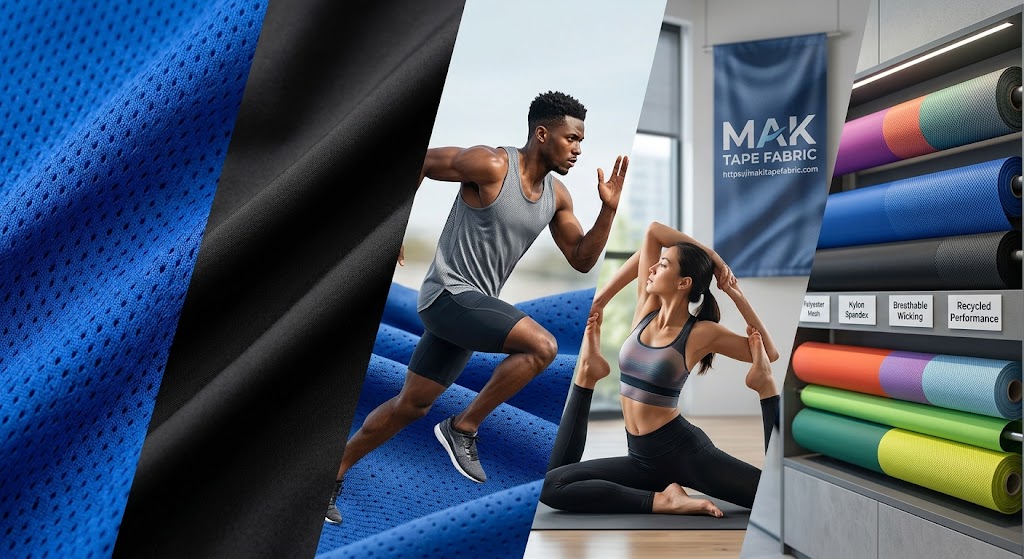
Polyester, nylon, and spandex synthetic blends represent the absolute finest technical choices for modern athletic apparel lines due to their exceptional moisture management and structural durability under physical stress. Imagine your target retail consumers fighting through an intense championship game while heavily weighed down by wet, coarse, and highly abrasive garments that limit agility. Poorly selected raw textiles cause severe skin chafing by trapping sweat against the human body and slowing down athletic movement when peak performance matters most. Sourcing a high-quality, professional-grade sports material fabric engineered specifically for rapid moisture evaporation and constant ventilation completely resolves these costly product design challenges.
Why Choose a Sports Material Fabric?
Selecting a dedicated sports material fabric provides active individuals with targeted sweat management, stretching capability, and temperature regulation that everyday natural textiles cannot match. Regular crop-based apparel holds onto heavy moisture during strenuous workouts, adding unnecessary physical weight that drains athlete stamina during high-intensity competitive sports matches. Modern synthetic warp-knitted weaves actively pump perspiration away from human skin surfaces to maintain an incredibly dry, comfortable microclimate next to the body. This highly engineered textile response remains absolutely critical for commercial clothing brands looking to secure a distinct market advantage in the global activewear industry.
What Makes Material Perform Well?
Selecting correct performance textiles requires a highly analytical approach to raw yarn denier, polymer composition, and specific industrial knitting configurations. Here’s the deal. You must match the specific knit geometry directly to the precise physical demands and environmental conditions of your final retail consumer base to prevent product returns. Developing a deep understanding of how filaments interact under physical stress allows procurement managers to forecast garment lifespans accurately before initiating mass production runs. This methodical screening method ensures your final clothing lines withstand the rigors of professional training environments without showing early signs of structural failure.
Integrating advanced technical testing protocols protects your significant financial investments from low-performing textile batches that harm retail reputation. You can easily implement regular factory inspection routines covering air permeability, stretch recovery profiles, and colorfastness ratings to maintain strict quality control standards across all seasonal product shipments.
- High moisture vapor transmission rates
- Superior tensile strength under physical stress
- Excellent elastic recovery parameters after heavy stretching
Key takeaway: Prioritizing advanced technical knits guarantees your finished wholesale garments satisfy professional athletes and strict retail buyers alike while reinforcing your market reputation as a premium provider of elite team apparel.
| Performance Metric | Synthetic Knit | Standard Cotton |
|---|---|---|
| Drying Velocity | Rapid Evaporation | Slow Retention |
| Chafing Risk | Minimal Friction | High Abrasion |
Reviewing these primary performance metrics assists commercial procurement teams in selecting appropriate yarn bases for heavy athletic applications.
Is Polyester the Best Sports Material Fabric?
Polyester stands as the primary sports material fabric globally because it offers an unmatched balance of cost-efficiency, hydrophobicity, and high tear resistance for bulk clothing production. This synthetic material absorbs less than one percent of its total weight in water, meaning sweat evaporates rapidly from the outer layer during intense exercise. Apparel manufacturers select this durable polymer for sublimated team uniforms since it retains vibrant custom colors perfectly without fading under harsh sunlight exposure. It provides the reliable technical groundwork for almost all modern athletic gear lines distributed across competitive retail markets worldwide.
Why Do Brands Prefer Polyester?
Industrial apparel production relies heavily on chemical stability, consistent manufacturing outputs, and easy laundering characteristics that keep clothing looking fresh over extended periods. Think about it. You can manufacture lightweight garments that endure hundreds of intensive washing cycles without shrinking or losing their original commercial fit. This consistency allows your apparel firm to deliver dependable products that retain their shape and function even after seasons of rigorous athletic wear. Furthermore, the compatibility of this polymer with high-speed automated cutting machinery optimizes your overall factory production efficiency.
- Complete resistance to chemical cleaners and oils
- Perfect compatibility with high-definition sublimation printing methods
- Low raw material production costs for maximized business margins
Key takeaway: Integrating polyester bases into your main apparel production line lowers factory defect rates and stabilizes wholesale product quality across diverse global distributions.
| Feature | Polyester Blend | Pure Natural Fiber |
|---|---|---|
| Sublimation Success | Excellent Clarity | Unsuitable Results |
| Shape Retention | High Stability | Low Structural Memory |
This clear data shows why global brands focus their sports manufacturing strategies on polyester bases rather than traditional agricultural crops.
How Does Nylon Sports Material Fabric Perform?
Nylon sports material fabric delivers exceptional abrasion resistance and an incredibly smooth skin feel, making it the premier choice for premium compression sportswear lines. This polyamide construction handles severe physical friction without pilling or tearing during intense contact sports like football, rugby, or martial arts training. It stretches easily under load while maintaining its original form over long periods of heavy usage without sagging out of shape. High-end athletic brands utilize this premium synthetic option to justify higher retail price points and capture elite fitness market segments.
Does Nylon Offer Better Durability?
Premium activewear segments frequently demand advanced technical textiles that survive extreme physical friction without degrading or losing surface texture quality over time. What’s the real story? You get a noticeably softer material that consistently outlasts cheaper textile alternatives during rugged outdoor activities and repetitive field training sessions. This tactile luxury combined with extreme toughness allows product designers to create form-fitting styles that feel like a secondary skin layer. Sourcing this material ensures your premium product lines stand out during rigorous consumer wear testing.
- Enhanced resistance to severe surface abrasions and tearing
- Silk-like tactile comfort against highly sensitive skin areas
- Excellent elastic recovery profiles under maximum physical elongation
Key takeaway: Choosing polyamide bases allows your commercial textile business to market premium, long-lasting activewear collections to serious athletes who demand top-tier clothing survival rates.
| Fabric Base | Tensile Strength | Surface Softness |
|---|---|---|
| Polyamide (Nylon) | Maximum Rating | High Silk Texture |
| Standard Polyester | Moderate Rating | Medium Matte Texture |
Evaluating these distinct strength characteristics helps technical designers choose appropriate materials for high-stress contact sports and intensive fitness routines.
Can Spandex Improve Sports Material Fabric?
Spandex significantly improves sports material fabric by introducing incredible elasticity, allowing technical garments to stretch up to five times their original size without structural failure. Sourcing teams rarely utilize this raw elastomer alone; instead, factory engineers blend it carefully with polyester or nylon to add dynamic flexibility to knits. A small percentage completely alters how a finished garment moves with the human body during complex athletic maneuvers, jumps, or high-speed running strides. It successfully transforms rigid, restrictive uniform shirts into flexible, high-performance athletic wear that supports natural muscle extension.
How Much Stretch Do Athletes Need?
Different sporting disciplines require specific levels of structural mobility, muscle compression support, and aerodynamic efficiency to optimize human physical output safely. Ready for the good part? You can easily adjust synthetic elastomeric percentages within the spinning process to customize garments perfectly for gymnastics, competitive cycling, or casual jogging lines. This manufacturing flexibility allows your design team to target specific athletic niches with precision-engineered gear that addresses distinct mobility requirements. Providing exact stretch ratios elevates your brand value among professional sporting associations looking for custom team equipment.
- Five to ten percent elastane for standard training wear models
- Fifteen to twenty-five percent elastane for elite medical-grade compression gear
- Immediate form recovery properties to prevent unsightly sagging clothing shapes
Key takeaway: Precision blending of elastomeric yarns allows you to manufacture high-utility apparel tailored to specific physical movements, reducing restrictive clothing drag significantly.
| Elastane Blend % | Target Application | Compression Level |
|---|---|---|
| 5% – 10% Blends | Fitness Apparel | Light Comfort Support |
| 15% – 25% Blends | Elite Compression | High Muscle Stability |
Varying these elastane ratios enables precise structural engineering of activewear catalogs to meet diverse commercial consumer performance demands.
When is Cotton a Poor Sports Material Fabric?
Cotton serves as a poor sports material fabric during high-intensity workouts because its hydrophilic plant fibers absorb moisture instead of expelling it into the surrounding atmosphere. This rapid water retention causes active garments to grow heavy, cold, and highly uncomfortable within minutes of starting intensive physical exercise routines. Wet natural fibers rub continuously against moving limbs, creating painful skin blisters and severe chafing for track runners or field players during tournament matches. Industrial sportswear manufacturing facilities avoid heavy cotton materials for serious training applications to ensure athlete safety and comfort remain uncompromised.
Why Does Moisture Retain in Cotton?
Natural cellulose structures possess inherent microscopic channels that trap liquid molecules permanently rather than allowing them to slide along the fiber surface. This is where it gets interesting. You notice immediate athletic performance drops when team players wear saturated cellulose garments that trap cold sweat directly against fatigued muscles. Saturated textiles lose their shape, cling uncomfortably to the torso, and restrict the ventilation required to cool down the exercising body. Removing these traditional materials from your active development catalog protects consumers from thermal discomfort during changing outdoor weather conditions.
- Excessive liquid water retention properties under perspiration stress
- Prolonged drying times in standard indoor and outdoor environments
- High risk of permanent fabric distortion and stretching when fully wet
Key takeaway: Eliminating pure natural cellulose from active performance clothing lines reduces corporate client complaints regarding heavy, waterlogged clothing during summer sporting events.
| Material Property | Natural Cellulose | Synthetic Mesh |
|---|---|---|
| Moisture Absorption | High Retention Capacity | Low Retention Capacity |
| Fabric Weight Wet | Increases Greatly | Remains Completely Stable |
This comparative textile analysis proves why synthetic engineering outclasses traditional agricultural crops in active, sweat-inducing athletic environments.
Does Weight Affect Sports Material Fabric?
Fabric weight directly alters sports material fabric performance by dictating the breathability, insulation, and general structural thickness of the final athletic garment. Commercial industry buyers measure this material characteristic using Grams per Square Meter to categorize lightweight, midweight, or heavyweight textile stocks accurately. A competitive running shirt demands thin, airy mesh material to maximize heat dissipation during warm weather training events or marathon races. Conversely, winter outdoor training hoodies require dense, heavy knits to preserve core body warmth and protect muscles from freezing wind drafts.
What is the Best GSM for Shirts?
Matching the correct material density to seasonal athletic demands minimizes production waste and maximizes garment functionality across your entire product line. You might be wondering. You must calculate whether a lightweight open knit or a sturdier midweight interlock construction serves your current retail client base best. Selecting the incorrect thickness can lead to garments that are either too fragile or too suffocating for the intended workout environment. Partnering with a factory that offers varied weight selections ensures your catalog remains versatile enough to cover year-round seasonal sports demands.
- 120 to 150 GSM for elite summer running singlets and breathability
- 160 to 200 GSM for standard team soccer and basketball jerseys
- 220 GSM and above for supportive, non-see-through compression leggings
Key takeaway: Choosing the correct material weight prevents athletic clothing from feeling restrictive or dangerously fragile during high-intensity collegiate training sessions.
| GSM Classification | Common Application | Primary Objective |
|---|---|---|
| 120 – 150 GSM | Racing Singlets | Maximum Athlete Cooling |
| 160 – 200 GSM | Team Uniforms | General On-Field Durability |
Selecting specific material density brackets streamlines industrial production schedules and controls fabric purchasing budgets during annual planning phases.
Why is Breathable Sports Material Fabric Vital?
Breathable sports material fabric remains vital because it allows metabolic body heat to escape rapidly, preventing dangerous core temperature spikes during extreme physical exertion. Special industrial knitting patterns, like bird-eye mesh, incorporate microscopic ventilation pores directly into the textile structure during the warp knitting process. This structural setup facilitates constant fresh airflow close to the human skin layer, accelerating sweat evaporation before liquid can pool. It forms the technical foundation of reliable climate management systems engineered into modern athletic wear collections for international retail brands.
How Does Air Circulation Work?
Advanced warp knitting machinery creates open mesh frameworks that allow ambient air currents to pass through the textile loops freely without resistance. Here is the deal. You feel an immediate cooling sensation as environmental air movement displaces trapped body heat during active field exercises. This physical mechanism keeps body temperatures regulated, lowering cardiac stress levels and helping athletes maintain focus throughout long training periods. Utilizing these advanced geometric pore designs allows your garments to market functional cooling solutions that perform reliably under real-world athletic duress.
- Open hole structures for maximized passive ventilation pathways
- Rapid moisture vapor transport away from warm skin surfaces
- Lower thermal resistance profiles in high-temperature environments
Key takeaway: Implementing open-pore knit structures protects active end users from sudden overheating issues during intensive summer training cycles.
| Weave Type | Air Permeability | Ventilation Efficiency |
|---|---|---|
| Bird-Eye Mesh | High Flow Volume | Maximum Cooling |
| Flat Solid Interlock | Medium Flow Volume | Moderate Cooling |
Utilizing open mesh geometric patterns transforms basic active apparel into highly functional thermal regulation gear for competitive teams.
How to Source Quality Sports Material Fabric?
Sourcing high-quality sports material fabric requires checking technical parameters like raw yarn grade, knit consistency, and specific performance finish certifications. Wholesale business buyers must thoroughly inspect factory machinery standards to confirm production stability over multi-ton commercial fabric orders. Partnering with specialized source manufacturers utilizing advanced European warp knitting setups minimizes batch-to-batch color variations across large-scale logistics shipments. This strict quality inspection pipeline preserves your corporate brand reputation across global distribution markets and prevents retail shipment rejections.
What Should B2B Buyers Check First?
Commercial procurement managers must focus their evaluation on verified mechanical test data sheets rather than relying on initial visual appeal alone. Look at the facts. You successfully avoid costly product recalls and inventory delays by validating factory laboratory test reports prior to authorizing overseas container shipping. Inspecting details like burst strength, elasticity retention, and fiber blend ratios guarantees that the raw materials match your exact corporate product specifications. Building relationships with transparent suppliers who provide certified testing files streamlines your regular corporate compliance procedures.
- Verified colorfastness ratings under harsh wet and dry friction tests
- Official laboratory certificates validating moisture wicking and drying speeds
- Machine precision guarantees from verified source mills using modern assets
Key takeaway: Rigorous factory vendor screening ensures your raw material supply chain remains entirely free from low-performing textile batches that damage commercial profitability.
| Quality Metric | Premium Factory Standard | Low-Cost Mill Standard |
|---|---|---|
| Colorfastness Rating | Grade 4-5 Stability | Grade 2-3 Stability |
| Machine Asset Origin | Advanced European Build | Outdated Local Build |
Establishing strict technical benchmarks simplifies vendor selection processes during annual corporate procurement reviews for sportswear brands.
Is Sustainable Sports Material Fabric Available?
Sustainable sports material fabric is widely available now through advanced mechanical recycling methods that transform post-consumer plastic waste into premium performance yarns. Modern recycled polyester matches the high tensile strength and moisture transport capabilities of virgin petroleum-based polymers perfectly without performance loss. Global apparel brands increasingly demand these eco-conscious alternatives to satisfy strict corporate environmental sustainability targets and changing government regulations. It successfully provides a greener path forward for the clothing industry without sacrificing technical athletic utility or fabric longevity.
Are Recycled Polymers Effective?
Engineered textile recycling programs melt down clean plastic beverage containers to spin fresh, high-density filament yarns for performance apparel. What is the catch? You get identical technical performance attributes while significantly lowering the carbon footprint of your seasonal wholesale apparel catalog. Consumers appreciate knowing their high-performance clothing choices contribute to reducing global landfill accumulation and ocean plastic pollution. Choosing these sustainable materials allows your marketing department to build compelling green campaigns that resonate with modern eco-conscious sports enthusiast demographics.
- Reduction in raw petroleum resource consumption during fiber creation
- Identical dye absorption characteristics as traditional virgin synthetic stocks
- Full compliance with global recycling certification standards for B2B verification
Key takeaway: Transitioning to certified recycled polymer bases enhances corporate sustainability profiles while retaining premium technical properties required by professional athletes.
| Yarn Origin | Tensile Performance | Environmental Impact |
|---|---|---|
| Recycled PET | High Strength Retention | Low Carbon Footprint |
| Virgin Petroleum | High Strength Retention | High Carbon Footprint |
Adopting certified eco-friendly alternatives allows commercial brands to appeal directly to modern green procurement specifications in competitive bidding processes.
What is the Future of Sports Material Fabric?
The future of sports material fabric involves incorporating smart technology, advanced bio-synthetics, and responsive coatings that adapt dynamically to human body changes. Tomorrow’s technical textiles will actively alter their insulation levels based on skin moisture content or local ambient environmental temperatures. Material scientists are actively developing biological alternatives to petroleum yarns to eliminate plastic microfiber reliance completely over the coming decade. This incoming wave of material science innovation will completely redefine what athletic clothing can achieve for human athletic optimization.
Can Smart Textiles Track Performance?
Integrating conductive metallic micro-threads directly into warp-knitted structures allows athletic clothing to collect physiological data without using external accessories. The best part? You see finished garments reading athlete heart rates and muscle fatigue levels without requiring separate heavy plastic sensors. This seamless technological integration enables sports coaches to monitor player physical metrics directly through standard team jersey equipment during live games. Preparing your manufacturing pipeline for smart textile integration positions your brand at the absolute forefront of industrial sportswear evolution.
- Conductive yarn integration for real-time biological data tracking applications
- Phase-change chemical coatings for automatic environmental temperature adjustment
- Biodegradable synthetic bases that dissolve safely after their product lifecycle ends
Key takeaway: Investing early in adaptive textile technology research establishes your manufacturing brand as a forward-thinking market leader in elite sporting circles.
| Innovation Stage | Technology Type | Market Readiness |
|---|---|---|
| Phase-Change Coatings | Thermal Adjustment | Fully Commercialized |
| Conductive Threading | Biometric Monitoring | Emerging Pilot Scale |
Tracking these technological developments helps manufacturing firms plan commercial product development cycles for the coming decade with confidence.
Final Procurement Strategies
Navigating the complex technical landscape of sportswear textiles requires a thorough understanding of fiber traits, weight classifications, and manufacturing standards. This guide resolved core challenges regarding polymer selection, moisture mechanics, and weight optimization to streamline your B2B purchasing pipeline. Our manufacturing facility provides the volume stability, advanced warp knitting precision, and high-performance mesh variations your commercial apparel line needs to thrive. Please contact us today to request custom product samples and secure dependable raw material shipments for your upcoming garment production runs. We stand dedicated to weaving the high-performance foundation of global athletic achievement.
Frequently Asked Questions
Q1: What is the best fabric mix for high-stretch running apparel?
A polyester and spandex blend works best. Polyester handles sweat evaporation while spandex ensures complete physical mobility.
Q2: Can I use pure cotton for competitive team uniforms?
No, you should avoid it. Natural cotton holds liquid, causing heavy garments and skin chafing during intense activity.
Q3: How do I know if a mesh fabric offers sufficient durability?
Check the warp knit machinery specifications and the official burst strength test ratings. Advanced European knitting equipment provides tight, abrasion-resistant loop structures.
Q4: What’s the best GSM range for summer soccer jerseys?
A range between 140 and 170 GSM delivers optimal results. This weight keeps garments incredibly light while offering enough tear resistance for contact sports.
Q5: Can I get custom color matching for recycled polyester orders?
Yes, you can. Modern recycled yarns accept chemical dye formulations identically to virgin polymers, ensuring consistent color accuracy across large production volumes.