When you struggle to navigate the complexities of bulk textile procurement, you face significant risks such as inconsistent quality, delayed production schedules, and blown budgets. Many brands find it difficult to identify a reliable sporting textiles source manufacturer capable of scaling with their growth while maintaining strict technical standards. By following this standardized sourcing checklist, you can streamline your procurement process, ensure consistent product quality, and secure a predictable supply chain for your upcoming athletic collections.
Why does a standardized SOP improve your bulk orders?
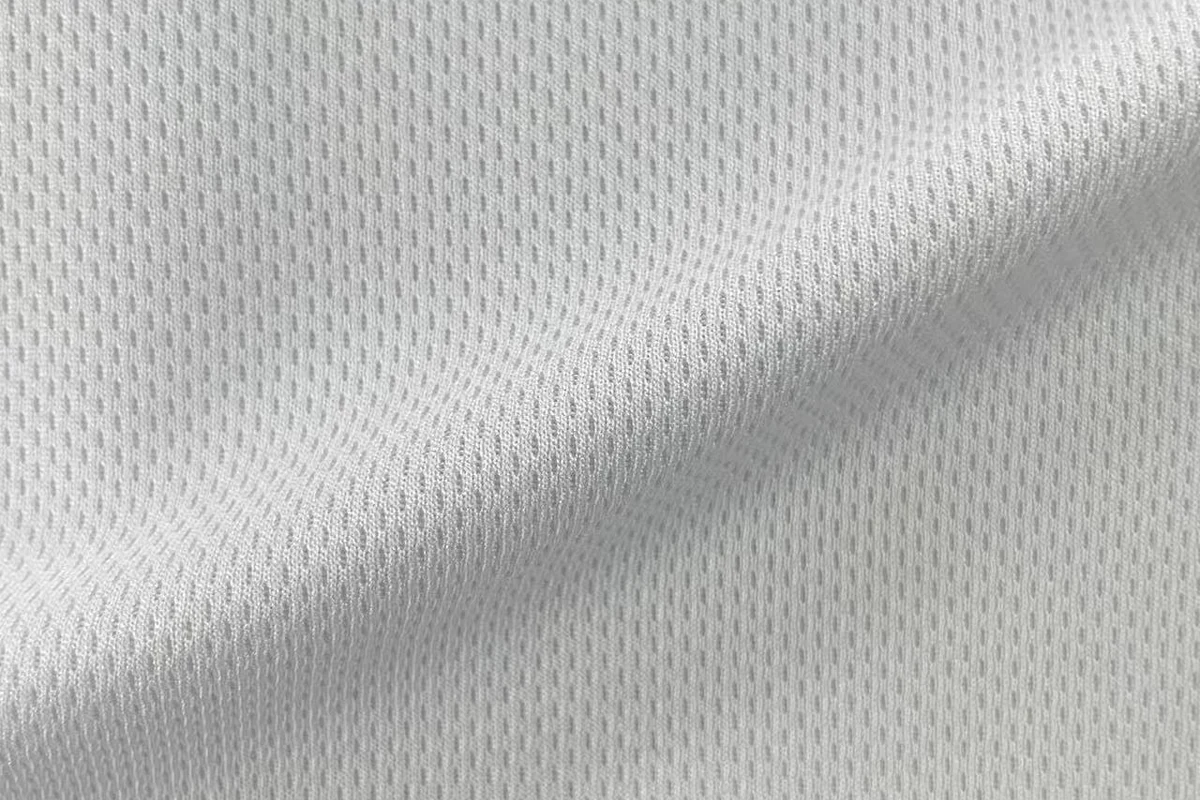
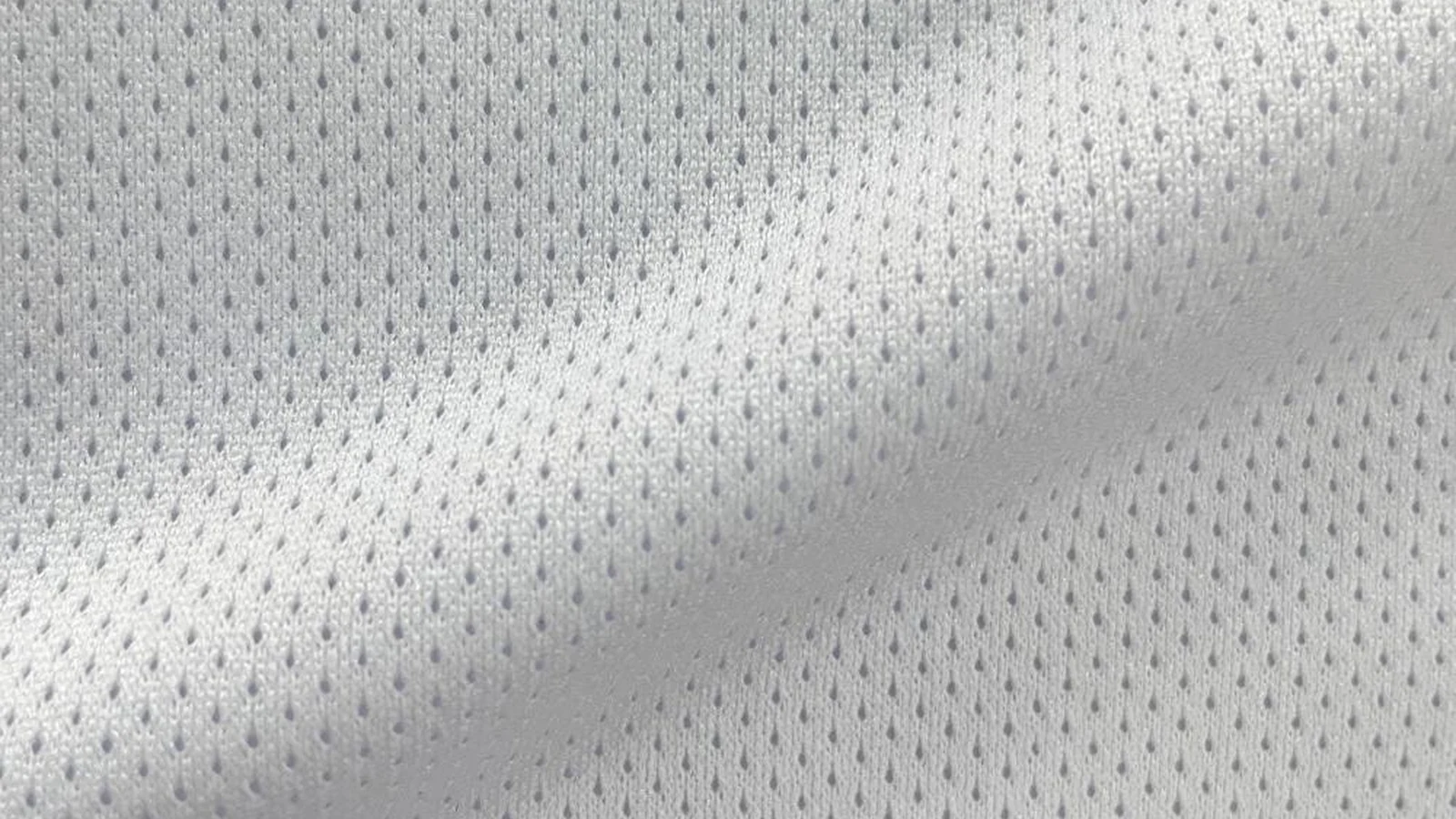
A standardized procurement SOP minimizes communication errors and ensures that your technical requirements for items like a bulk bird-eye mesh lining order are met precisely every time. By establishing a clear protocol, you reduce the time spent on back-and-forth emails and accelerate the transition from inquiry to mass production.
How do you prepare your technical specifications?
Before reaching out, document your requirements clearly to avoid ambiguity. A professional manufacturer needs exact parameters to provide an accurate quote and production timeline.
- Fabric composition (e.g., polyester/spandex blend)
- Required GSM weight and roll width
- Specific technical finishes (e.g., moisture-wicking)
But here’s the kicker: providing incomplete data at the inquiry stage almost always leads to delayed lead times during the sampling phase.
What information should your inquiry include?
Your initial contact should be a comprehensive brief. This allows a custom sportswear mesh fabric manufacturer to provide you with the most competitive pricing and availability details immediately.
| Information Category | Requirement |
|---|---|
| Projected Volume | Total KG or yardage |
| Technical Specs | GSM, knit type, finish |
| Delivery Timeline | Target date for delivery |
Defining these points upfront establishes your professionalism and helps the mill prioritize your request.
Key takeaway: A well-structured inquiry brief significantly reduces project friction and sets the foundation for a reliable, long-term manufacturing partnership.
How do you evaluate a mesh lining fabric library?
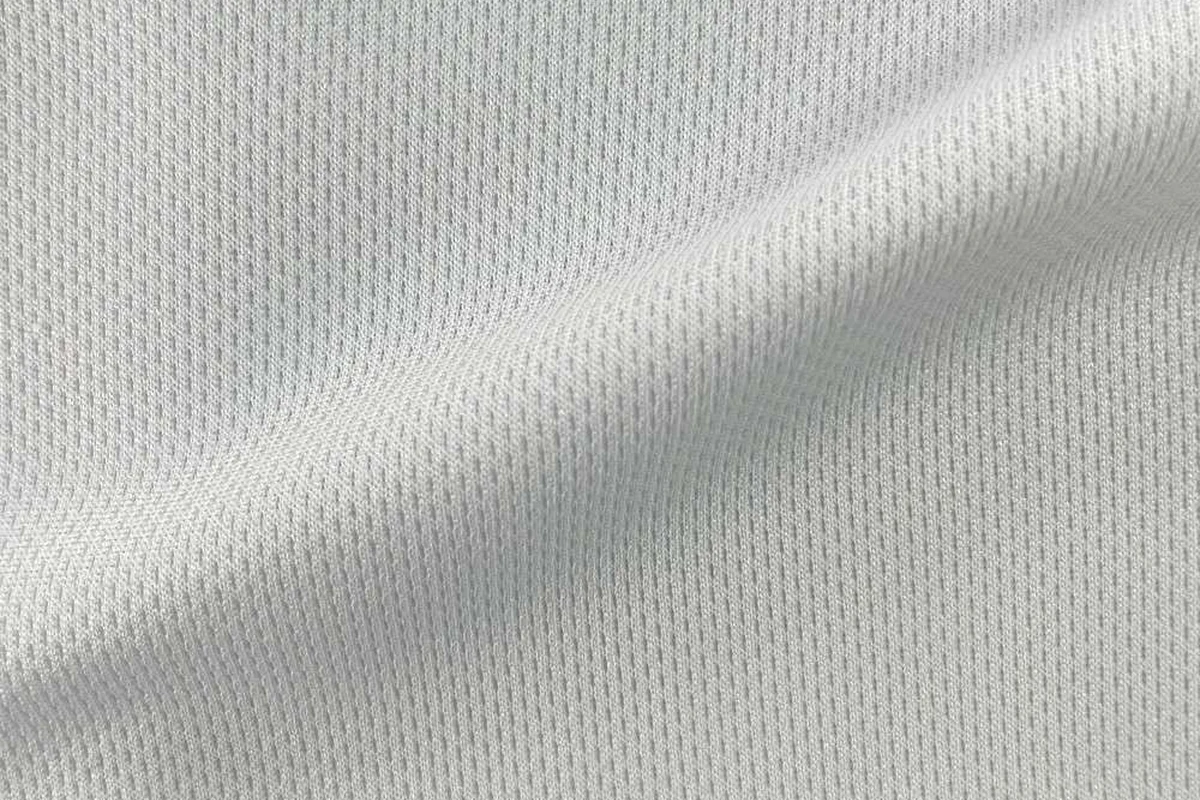
When you access a mesh lining fabric library for apparel brands, your goal is to find materials that align perfectly with your brand’s performance standards. A comprehensive library should offer diverse structures, allowing you to test how different meshes perform under various stress conditions.
Why is physical sampling better than digital catalogs?
Digital catalogs provide a visual representation, but they cannot replicate the hand feel, stretch, and recovery properties of the textile. Testing physical samples is mandatory to ensure the fabric meets your specific comfort and durability requirements.
- Hand feel and texture verification
- Stretch and recovery testing
- Performance under stress conditions
What’s the real story? You cannot judge the quality of a performance mesh without physically interacting with the material.
What should you test upon receiving samples?
Once you receive your samples, subject them to your own internal stress tests to confirm their performance. Focus on how the fabric behaves during rapid movement and its moisture absorption rate.
| Test Item | Focus Area |
|---|---|
| Abrasion Resistance | Pilling check |
| Moisture Wicking | Drying speed |
| Dimensional Stability | Shrinkage check |
Validating these factors ensures that your bulk order will behave as expected once it reaches your garment assembly line.
Key takeaway: Physical testing of samples is the only way to verify that a selected mesh lining will satisfy your performance and quality benchmarks.
How do you negotiate terms with a factory?
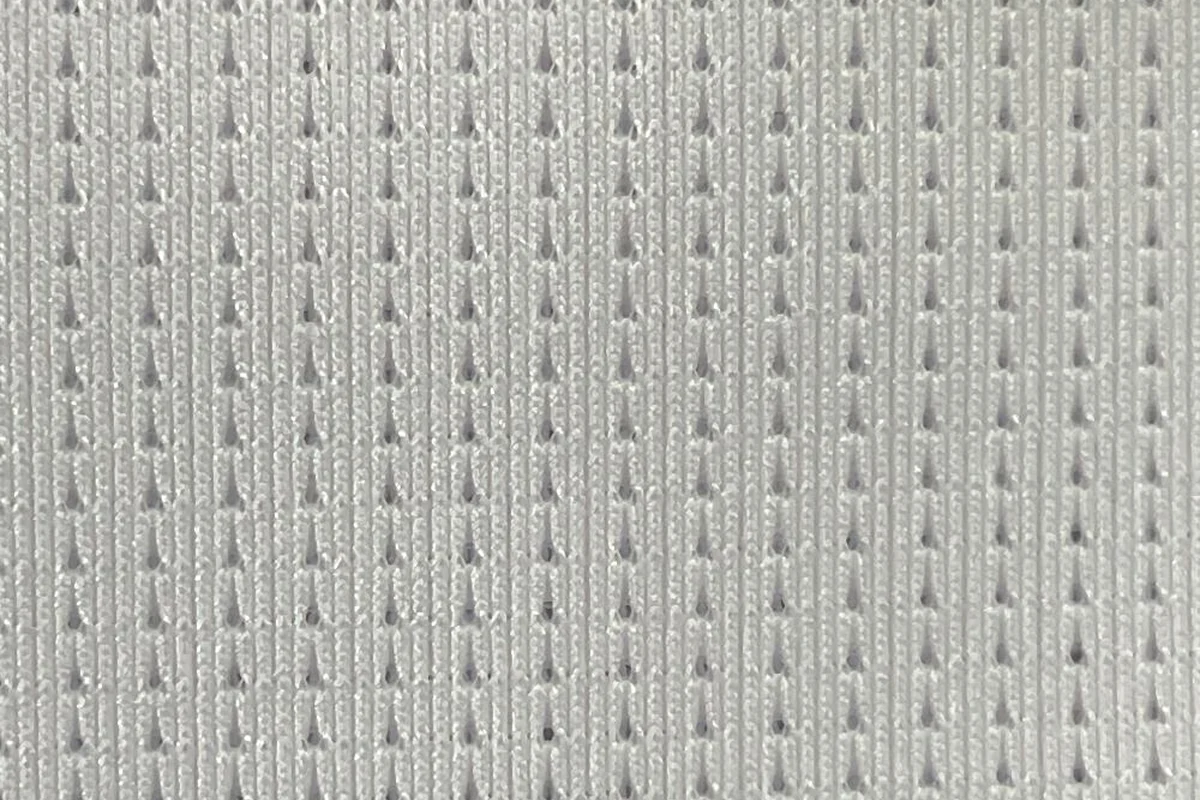
Negotiating with a sporting textiles source manufacturer requires a clear understanding of your volume requirements and long-term procurement goals. Professional factories value brands that provide clear volume forecasts, as this allows for more efficient production planning.
Why do volume forecasts matter for pricing?
Factories can optimize their machine scheduling and raw material procurement when they have a clear idea of your expected volume. Providing a predictable forecast often results in more competitive bulk pricing and priority production status.
- Improved production efficiency
- Optimized material procurement
- Better pricing leverage
Ready for the good part? Clear communication about your future goals builds the trust necessary for negotiating better payment or credit terms.
How should you structure your negotiation?
Focus on the total value of the partnership rather than just the price per KG. Discuss factors like delivery speed, quality guarantees, and the potential for long-term contract pricing.
| Negotiation Point | Strategic Benefit |
|---|---|
| Volume Commitments | Lower unit costs |
| Quality Guarantees | Reduced rejection risk |
| Delivery Timelines | Optimized inventory flow |
Structuring your negotiation around these value-adds creates a win-win scenario that promotes production consistency.
Key takeaway: Transparent volume forecasting and a focus on partnership value are the most effective ways to secure competitive pricing and production priority.
How do you manage production and quality checks?
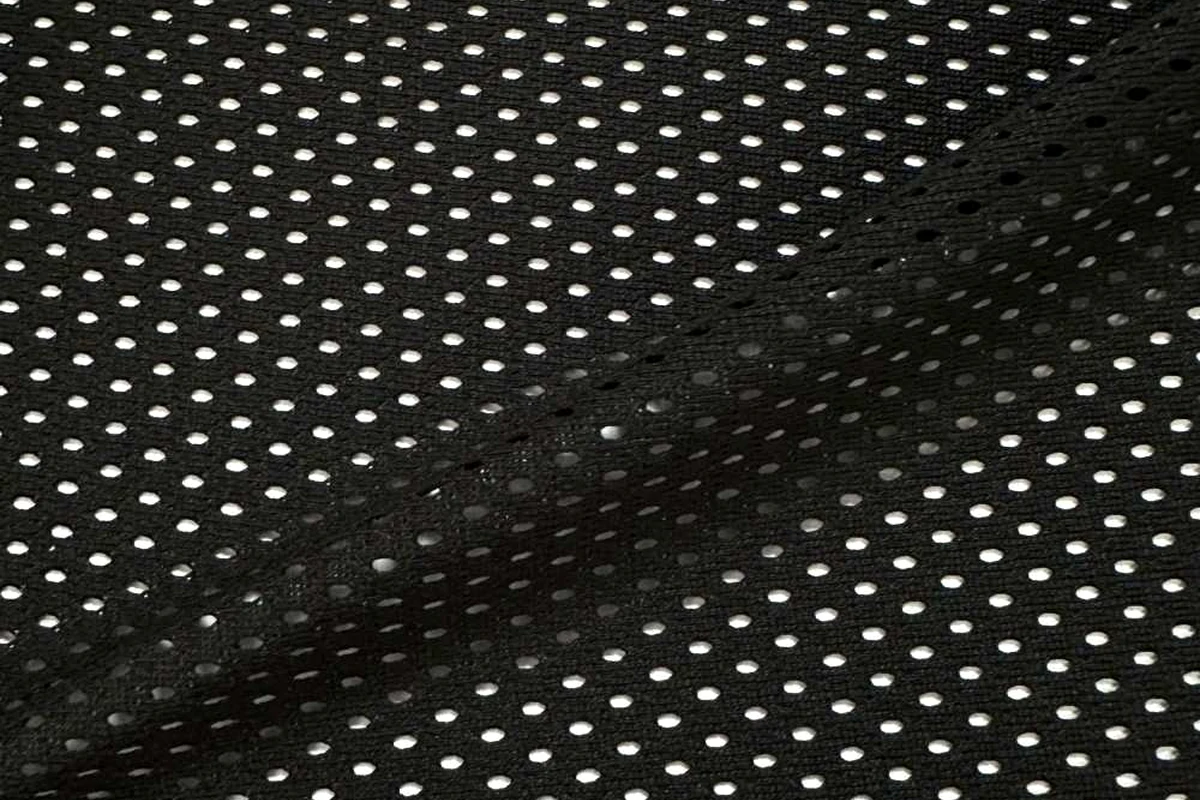
Managing a bulk bird-eye mesh lining order requires an active role in quality management, even when working with a reputable factory. Establishing a formal check-point system during production ensures that any issues are identified and resolved before the final bulk shipment.
Why are pre-shipment inspections crucial?
Pre-shipment inspections act as your final safety net. They ensure that the bulk goods being prepared for shipping match the quality of the samples you approved earlier in the sourcing process.
- Verification against master swatches
- Confirmation of technical specs
- Final roll inspection
This is where it gets interesting: proactive inspection turns potential disasters into minor, manageable adjustments.
What are the key milestones to monitor?
Coordinate with your manufacturer to receive updates at specific intervals, such as when production begins, during the dyeing process, and after the final rolls are tested.
| Milestone | Action Item |
|---|---|
| Production Start | Material readiness check |
| Dyeing Phase | Color match verification |
| Final QA | Batch-wide consistency check |
Maintaining these touchpoints ensures you are never surprised by the final shipment's quality or timing.
Key takeaway: Active monitoring of production milestones is the most effective way to guarantee the final delivery matches your initial quality standards.
How do you finalize your wholesale order logistics?
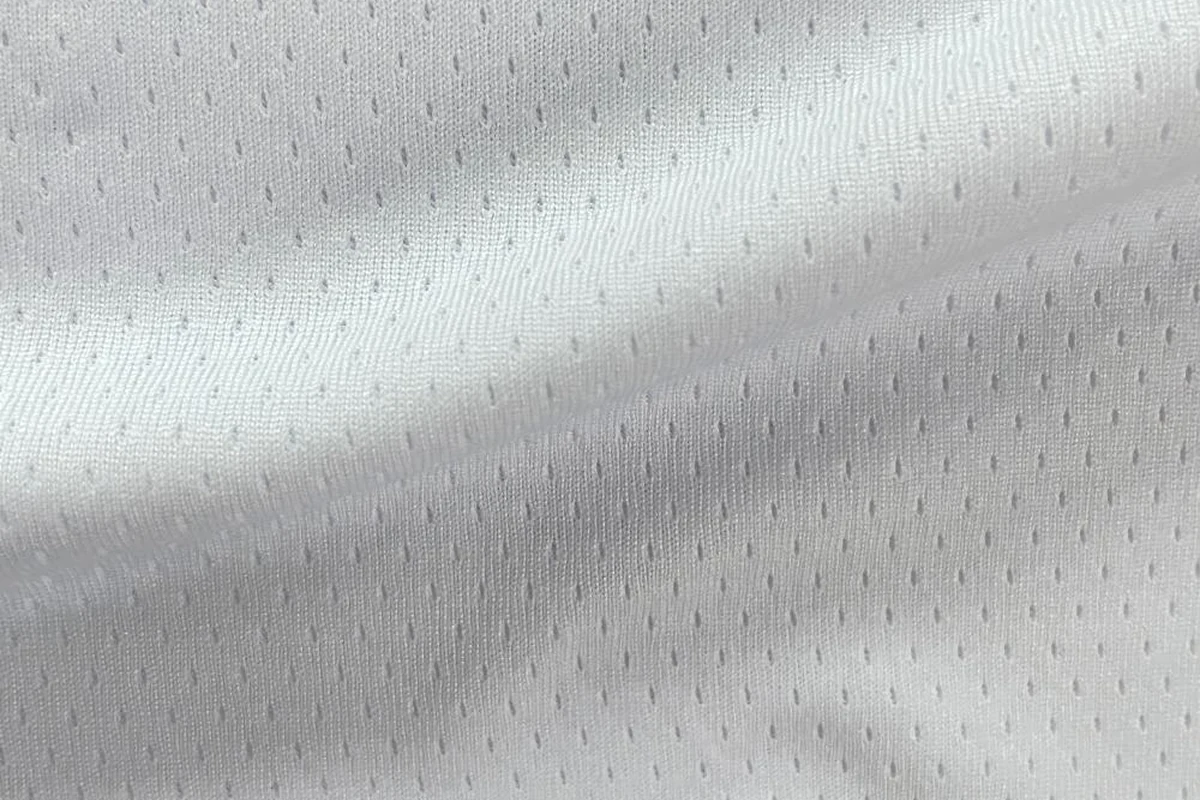
Finalizing the logistics for athletic shorts mesh lining wholesale involves more than just selecting a shipping carrier. It requires coordination on packaging, documentation, and the timing of your port-to-door delivery.
Why is packaging preparation important for bulk orders?
Proper packaging prevents damage during international transit. Ensure your manufacturer uses secure wrapping for your mesh rolls, as moisture or physical damage during shipping can render a bulk order unusable.
- Damage prevention
- Easy inventory handling
- Standardized labeling
You might be wondering: who is responsible for providing the necessary customs documentation?
How do you handle customs and import documentation?
Your factory is responsible for providing accurate export documentation, such as the Packing List and Commercial Invoice. Ensure these documents are reconciled with your order details before the shipment leaves the factory.
| Logistic Factor | Responsibility |
|---|---|
| Export Documents | Manufacturer |
| Shipping Insurance | Buyer/Importer |
| Customs Clearance | Buyer/Importer |
Having these logistics clearly defined minimizes transit delays and ensures your shipment is handled correctly upon arrival.
Key takeaway: Clear communication regarding packaging and documentation is the final step in ensuring your bulk order arrives safely and clears customs without delays.
FAQs
Q1: How do I submit an inquiry to a sportswear mesh fabric manufacturer?
You should submit a detailed brief that includes your target volume, technical specifications (GSM, knit type), and requested delivery timelines to ensure they can provide an accurate quote.
Q2: Why is the Changle District an important sourcing location? The Changle District is a specialized textile hub that provides access to advanced machinery, high-output production capacity, and expert knowledge in performance athletic fabrics.
Q3: How do I test the quality of bulk bird-eye mesh?
After receiving samples, you should perform your own stress tests for abrasion resistance, moisture-wicking speed, and colorfastness to ensure the fabric meets your performance standards.
Q4: Can a manufacturer help with my custom fabric library? Yes, a professional factory often acts as a partner, providing access to a wide library of mesh structures and helping you engineer custom fabrics tailored to your brand’s specific needs.
Q5: What documentation is required for wholesale shipping?
Standard wholesale shipping requires an accurate Packing List and a Commercial Invoice, which your manufacturer must provide to ensure the shipment meets international export and customs requirements.
Successfully managing bulk procurement is all about preparation, clear communication, and consistent quality oversight. By following this SOP, you turn the complex task of textile sourcing into a controlled, predictable workflow. We understand that your brand’s reputation depends on the quality and reliability of your materials, which is why we offer comprehensive technical support to guide you through every stage of the process. If you are ready to streamline your supply chain with a dependable manufacturer, contact us today to discuss your bulk order requirements. We are dedicated to providing the high-performance solutions that keep your brand ahead of the competition.