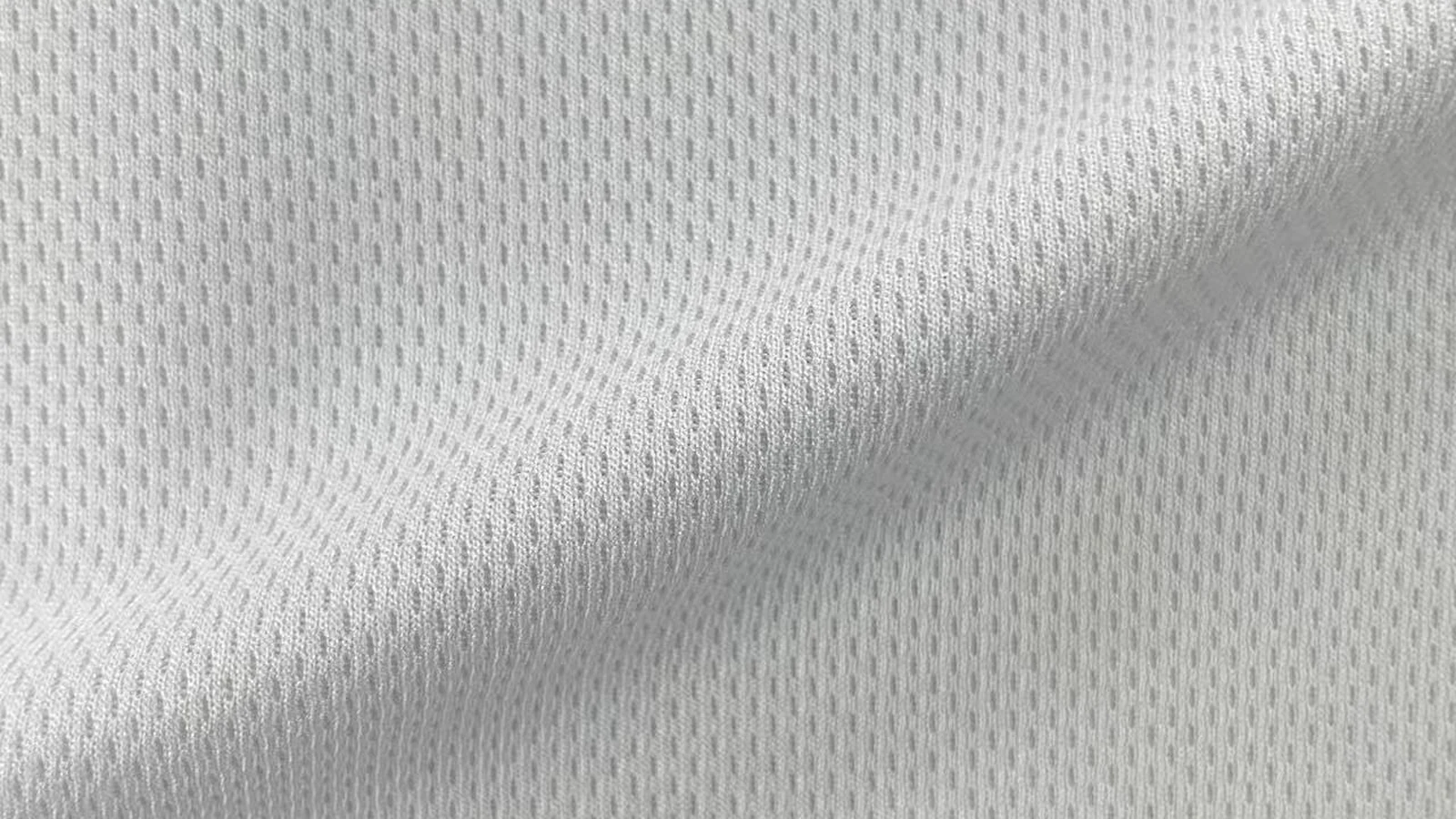
Global brands source mesh lining fabrics from specialized Chinese mills because these facilities offer unmatched vertical integration and cost-efficiency for large-scale production. By partnering directly with a high-capacity performance athletic fabric factory in China, brands gain granular control over technical specifications, such as GSM, knit structure, and moisture-wicking finishes, which are essential for competitive sportswear. This direct supply chain model effectively eliminates unnecessary intermediaries, ensuring that both quality and budget requirements are met with precision.
Why is vertical integration the secret to sportswear success?
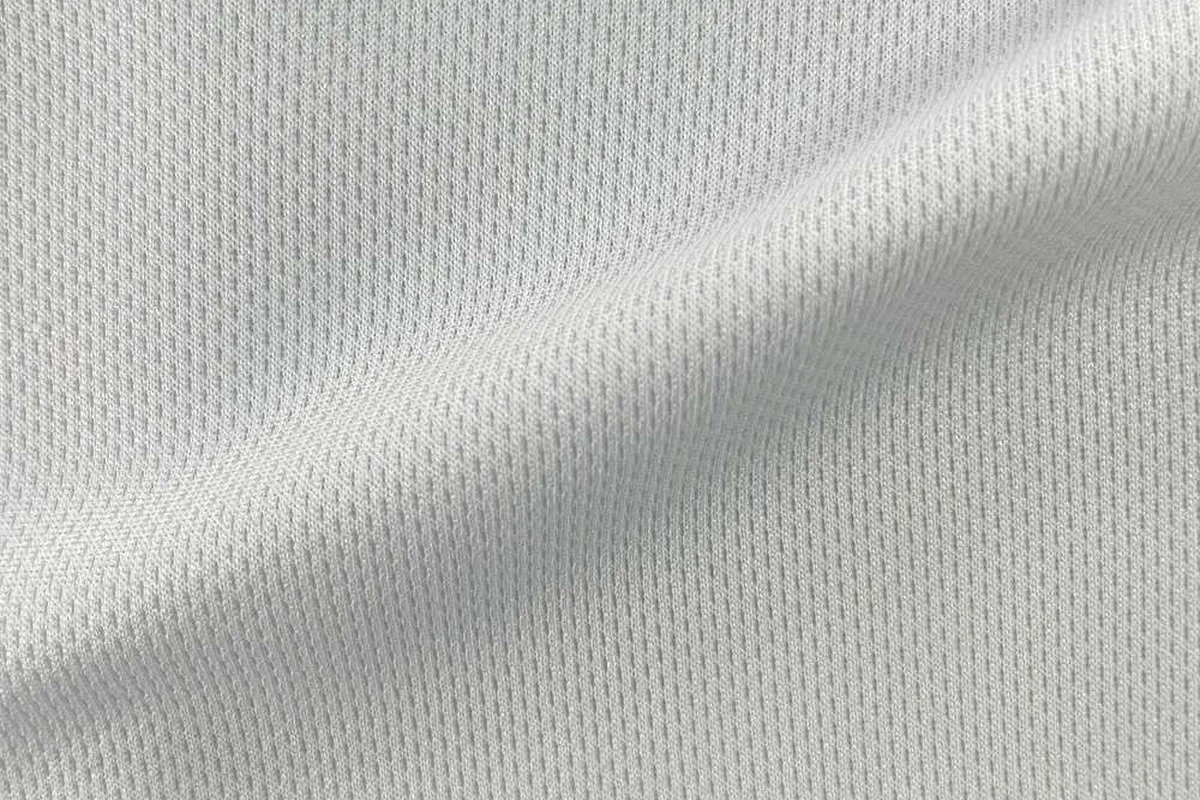
Vertical integration in a performance athletic fabric factory in China ensures that every stage of production—from fiber selection to final dyeing—is managed under one roof. This cohesive approach allows for rigorous quality control that guarantees consistency across every batch of mesh lining.
How does in-house dyeing impact brand reputation?
When a mill handles its own dyeing, it ensures precise color matching and chemical safety standards are consistently met. This eliminates the risk of color variation that often plagues outsourced finishing processes.
- Seamless quality control
- Faster resolution of technical issues
- Predictable production timelines
But here’s the kicker: when you control the dyeing process, you can guarantee that the fabric meets specific global safety regulations.
Does vertical integration save costs for global brands?
Yes, it removes the markup layers associated with third-party finishers and logistics providers. This efficiency allows brands to reinvest savings into higher-quality raw materials or R&D for future collections.
| Benefit | Impact on Production |
|---|---|
| Cost Efficiency | Reduced per-unit expense |
| Speed to Market | Faster turnaround times |
| Technical Mastery | Custom fabric engineering |
This streamlined model provides a significant competitive advantage in the fast-paced sportswear industry.
Key takeaway: Vertical integration is the engine behind reliable, cost-effective, and high-performance mesh lining production for international brands.
Why do specialized mills excel in technical performance?
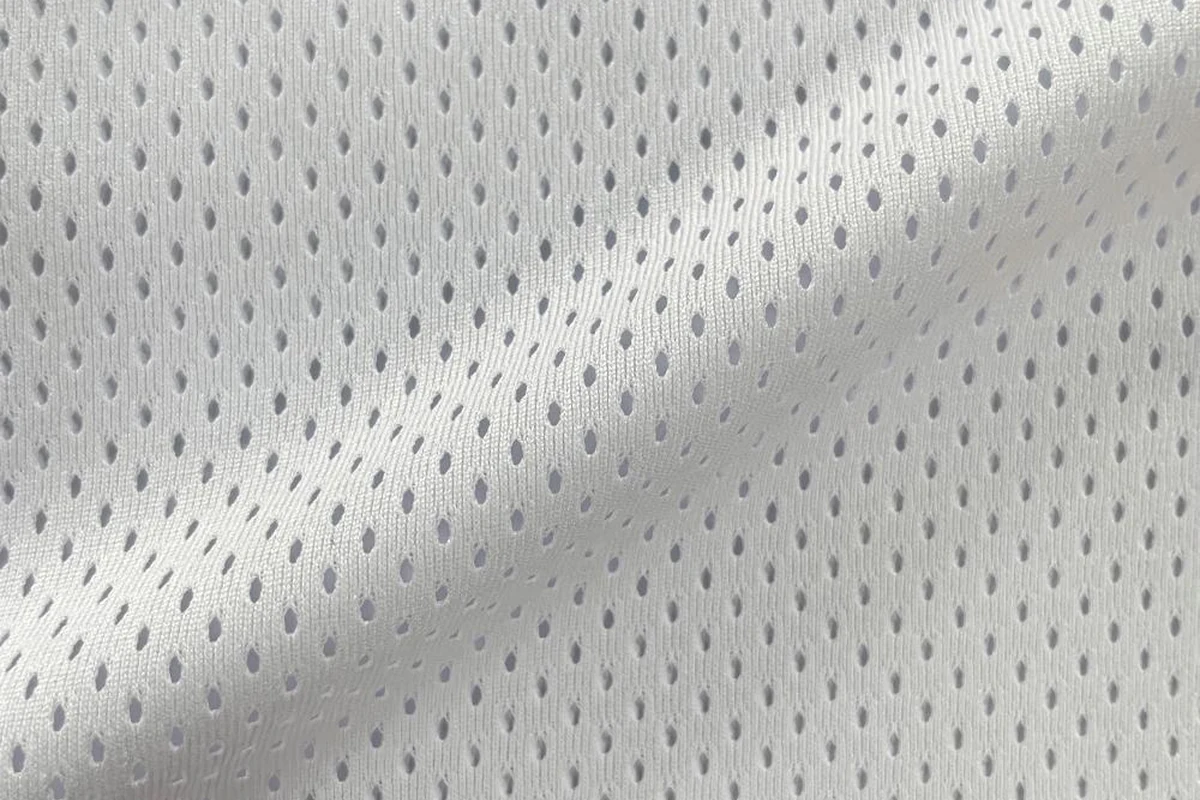
Specialized mills, such as a China athletic mesh fabric mill wholesale provider, excel because they invest heavily in advanced German-engineered machinery like Karl Mayer systems. These high-performance tools enable the production of complex, high-durability mesh structures that are critical for modern professional jerseys.
How does specialized machinery enhance fabric functionality?
Advanced knitting technology allows for the creation of intricate patterns that optimize airflow without compromising structural strength. These machines can manage high-output demands while maintaining minute precision in stitch density.
- High-tensile strength meshes
- Consistent stitch formation
- Specialized pore structures
What’s the real story? Only specialized equipment can reliably produce the high-GSM performance mesh required for elite athletic gear.
Can specialized mills provide custom technical finishes?
Definitely, these mills often feature on-site laboratories to develop proprietary moisture-wicking and anti-microbial treatments. These finishes are tailored to the specific intensity requirements of different sports.
| Technical Metric | Specialized Mill Capability |
|---|---|
| Knit Accuracy | Micro-millimeter precision |
| Finishing | Integrated chemical application |
| Volume Capacity | Up to 1,000,000 KG monthly |
Technical expertise at the factory level ensures that your athletic linings meet the toughest international benchmarks.
Key takeaway: Partnering with specialized mills provides access to elite manufacturing technology that standard suppliers simply cannot replicate.
How does direct sourcing streamline your supply chain?
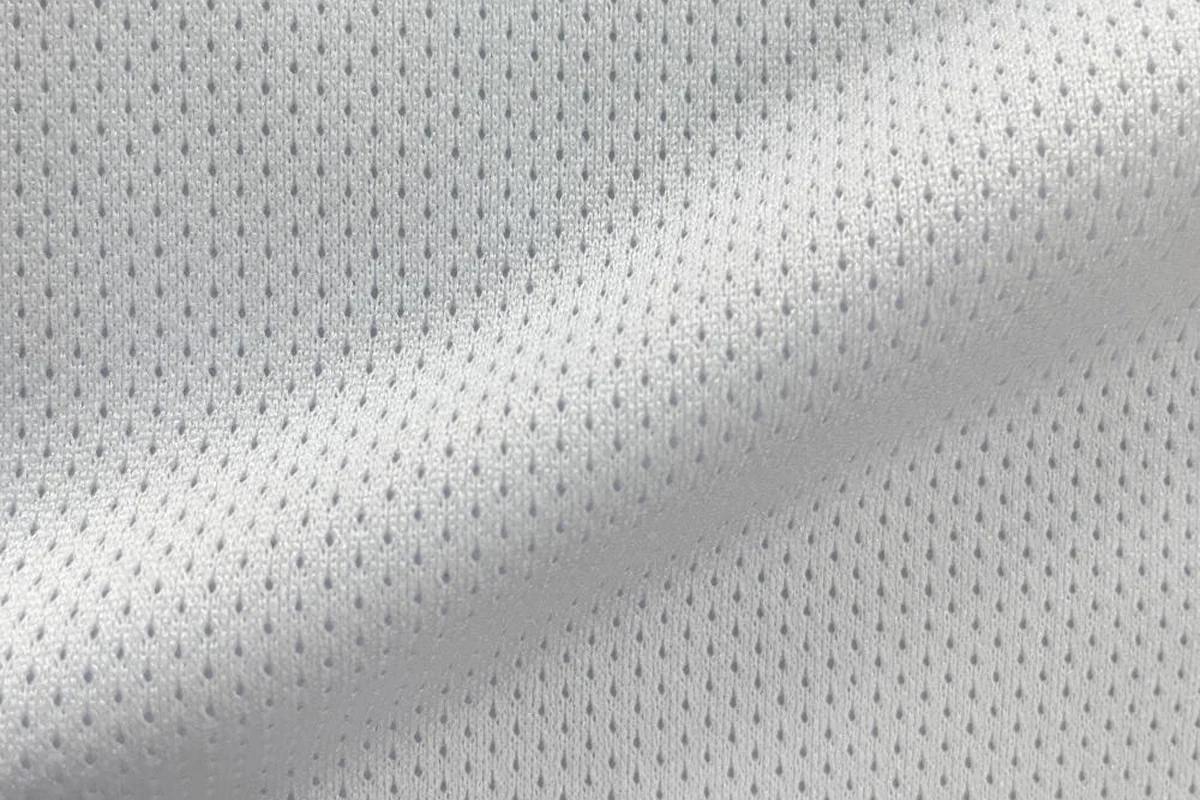
Direct sourcing from a sportswear lining fabric supplier reduces lead times by eliminating the communication gaps common in tiered distribution networks. Working directly with the source ensures your design specifications are clearly communicated and executed correctly from the first sample.
Why is direct communication essential for B2B procurement?
When you interact directly with the factory, you can request technical modifications to fabric weight or composition in real-time. This agility is vital when trying to meet the rigid release schedules of global sportswear collections.
- Real-time technical feedback
- Faster sample iteration
- Direct oversight of materials
Ready for the good part? You gain total transparency regarding the origin of your materials, which is crucial for modern ESG compliance.
Can direct sourcing reduce your logistics risks?
Operating directly with a manufacturer simplifies the entire shipping process from the Changle District to your destination. It ensures that logistics are coordinated by professionals who know the exact weight and volume constraints of their products.
| Sourcing Stage | Traditional Model | Direct Factory Model |
|---|---|---|
| Sample Feedback | 2-3 weeks | 3-5 days |
| Cost Markup | High | Minimal |
| Technical Clarity | Poor | Excellent |
Direct sourcing creates a partnership based on shared success rather than a transactional vendor-client relationship.
Key takeaway: Streamlining your supply chain through direct factory engagement saves time, reduces cost, and improves the overall quality of your procurement process.
How do mills ensure consistency in high-volume orders?
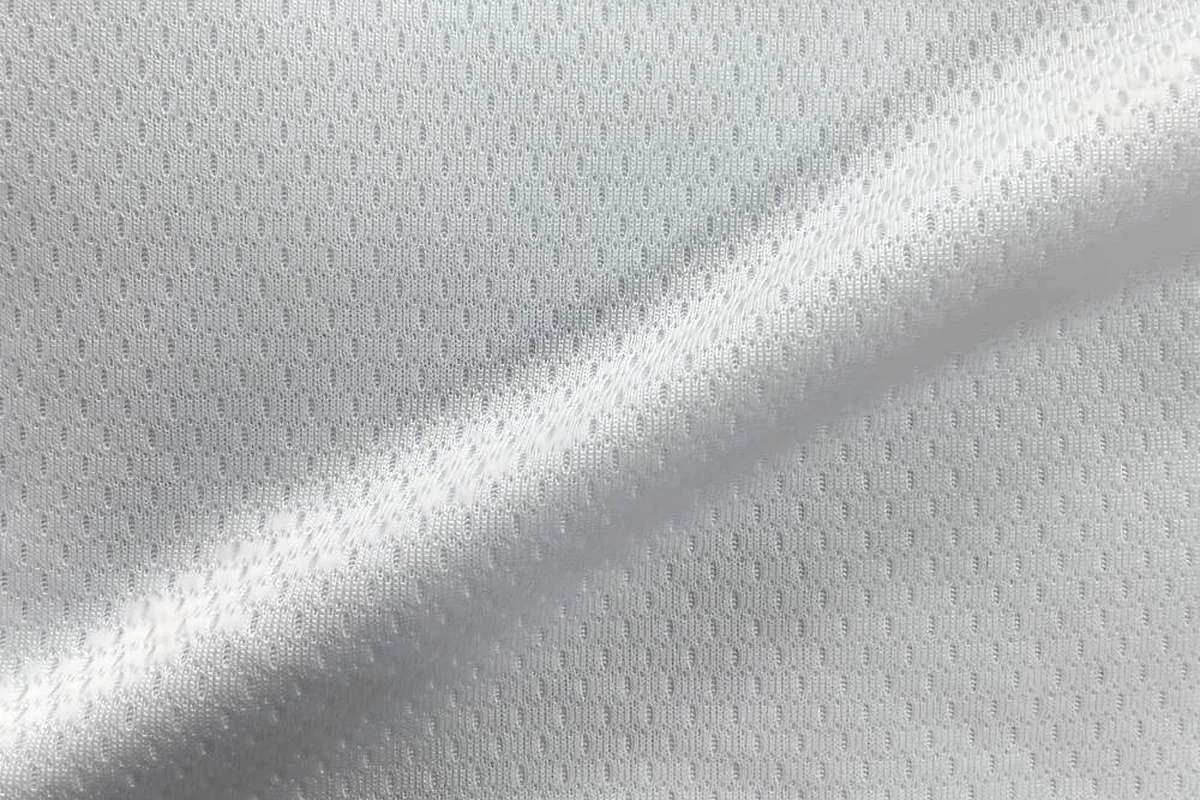
Mills ensure consistency in high-volume orders by utilizing automated monitoring systems that detect fabric defects during the knitting process. A professional performance sportswear lining supplier maintains a rigorous quality assurance protocol that checks every roll before it leaves the warehouse.
Why is automation key to scaling up?
Automated systems allow for 24/7 production monitoring, ensuring that the yarn tension and loop structure remain constant even during massive order cycles. This reliability is what allows global brands to trust these mills with their biggest seasonal launches.
- Automated flaw detection
- Batch-to-batch color consistency
- Standardized testing protocols
This is where it gets interesting: the combination of human expertise and automated monitoring creates a nearly flawless production loop.
How do they manage fabric variability in bulk?
Each production lot is subjected to physical tests for GSM, shrinkage, and stretch recovery to confirm it matches the approved master swatch. This ensures that every garment produced across different manufacturing sites maintains a uniform feel.
| Quality Protocol | Frequency |
|---|---|
| GSM Check | Every 500 KG |
| Dye Matching | Every Batch |
| Stress Test | Weekly Sample |
Consistency is the cornerstone of brand trust, and these factories are built to maintain that standard regardless of volume.
Key takeaway: Utilizing automated production and testing protocols ensures that your bulk orders maintain the exact standards required for professional apparel.
What makes China the hub for performance fabrics?
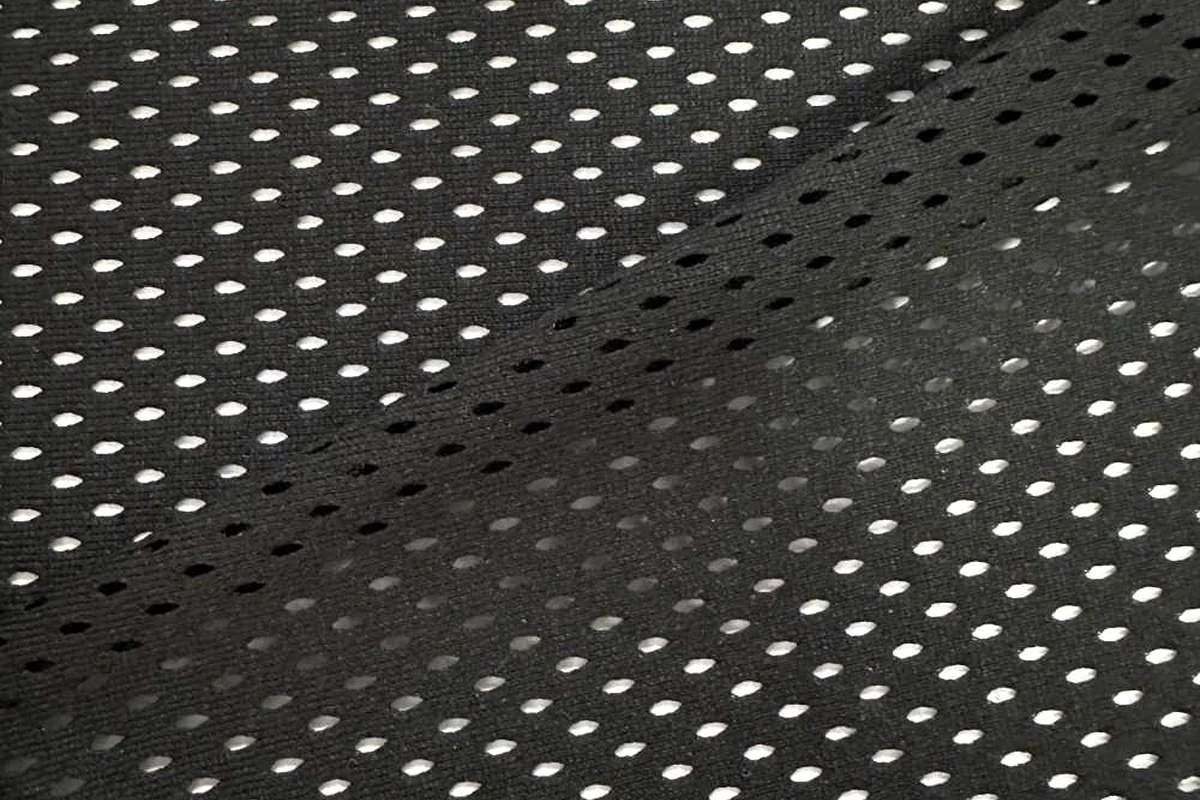
China’s emergence as the primary hub for sportswear lining fabric supplier operations is driven by decades of infrastructure development and a concentrated supply chain in regions like Fujian. This regional expertise brings together high-output machinery, skilled labor, and specialized logistical support that is difficult to replicate elsewhere.
Why does regional concentration matter to your business?
The concentration of auxiliary industries—like yarn production, dye chemical manufacturing, and machine maintenance—within the same district means that production is never delayed by supply chain bottlenecks. This proximity ensures that even niche materials are readily available.
- Unrivaled production infrastructure
- Deep reservoir of technical talent
- Optimized international export logistics
You might be wondering: what is the long-term sustainability of this manufacturing ecosystem?
Does the regional hub offer future-proof tech adoption?
Yes, the district is constantly upgrading to include smarter, energy-efficient production methods that lower the carbon footprint of your fabrics. This helps global brands meet their own internal environmental targets.
| Regional Advantage | Impact on Brands |
|---|---|
| Supply Chain Density | Zero production downtime |
| Expertise | Specialized labor availability |
| Innovation | Early adoption of green tech |
By leveraging this centralized expertise, brands gain access to the most advanced textile ecosystem in the world.
Key takeaway: The regional concentration of textile expertise in China ensures that you have access to the latest innovation, infrastructure, and reliability for your global supply chain.
FAQs
Q1: How do I know if a mill is a true performance sportswear lining supplier? A true performance supplier should provide clear documentation of their manufacturing capacity, such as a high number of German-engineered machines and technical data sheets for their fabrics.
Q2: What is the benefit of working with a factory in the Changle District? Working with a factory in the Changle District provides access to a highly concentrated textile hub with specialized infrastructure, ensuring faster production times and expert quality control for athletic fabrics.
Q3: Can I request custom mesh patterns for my lining?
Yes, most specialized mills can engineer custom mesh structures to meet your specific breathability and aesthetic requirements if you provide the necessary technical parameters during the consultation process.
Q4: How do they ensure color consistency for global orders?
They ensure consistency through integrated on-site dyeing facilities that utilize automated color matching and rigorous batch testing protocols to maintain uniformity across high-volume production cycles.
Q5: Is it possible to scale up production quickly with these mills?
Yes, mills with large monthly output capacities are designed for scalability, allowing them to adjust their knitting and finishing workflows to meet the urgent needs of major seasonal product launches.
Partnering with a specialized mill provides the technical depth and production reliability your brand requires to stand out. When you source directly from a high-capacity factory, you gain control over the quality, speed, and cost of your lining materials. We understand that your reputation depends on the performance of every garment, which is why we offer comprehensive technical support for all your athletic fabric needs. For personalized guidance on scaling your production or improving your current lining quality, contact us today to start a partnership built on transparency and precision. We are dedicated to providing the high-performance solutions that keep your brand at the forefront of the global athletic apparel market.