Moisture management is the scientific process of moving perspiration away from the skin through a fabric’s fibers to the outer surface, where it can evaporate quickly to regulate body temperature. You have likely experienced the heavy, cold sensation of a sweat-soaked shirt clinging to your back during a workout. This happens because standard materials fail to export liquid, leading to discomfort and reduced stamina. High-quality moisture wicking fabric solves this by acting as a high-speed transport system for sweat.
What defines high-performance moisture wicking fabric?
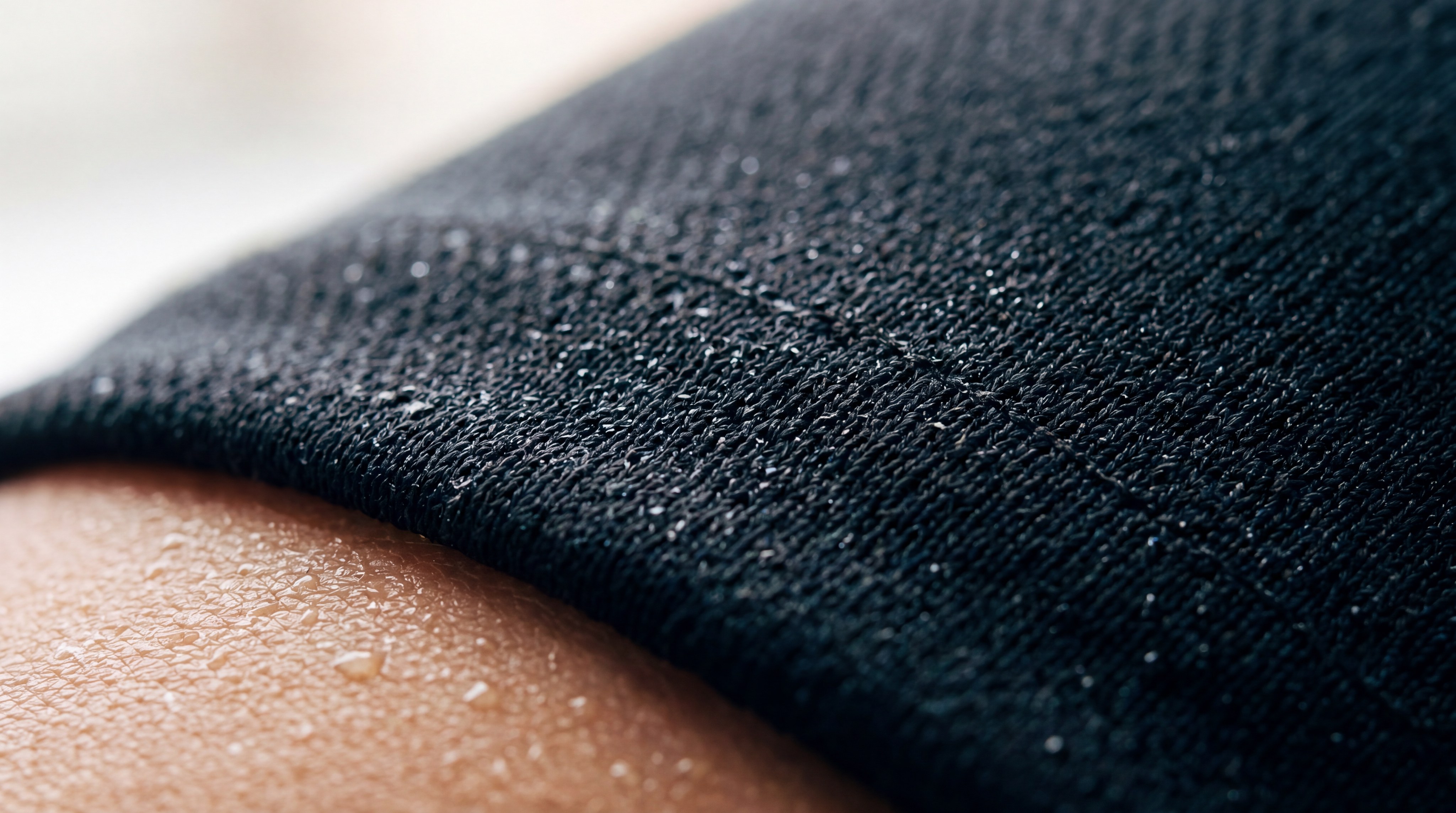
High-performance materials are defined by their ability to move liquid via capillary action rather than absorbing it into the fiber core. You need a moisture wicking fabric that utilizes synthetic, hydrophobic fibers like polyester or nylon. These materials ensure that moisture remains on the surface for immediate release.
Technical Fiber Requirements
Here is the secret: not all synthetics are created equal. You must look for specific cross-sections that increase the surface area of the yarn.
- Hydrophobic nature to prevent water retention.
- Non-circular fiber cross-sections (like X-shaped or clover).
- High filament counts for enhanced softness.
Surface Tension Dynamics
But that is not all. The surface tension between the sweat droplet and the textile must be minimized to allow for rapid entry into the fabric’s internal channels.
- Low liquid absorption rates.
- Optimized “push-pull” layer dynamics.
- Enhanced surface energy for faster spread.
Performance Definition Summary
Key Takeaway: High-performance wicking is a combination of hydrophobic chemistry and engineered fiber shapes that prioritize the movement of liquid over its storage.
| Feature | Requirement | Benefit | |
|---|---|---|---|
| Fiber Base | Synthetic / Hydrophobic | No water weight gain | |
| Yarn Shape | Engineered Cross-section | Faster capillary travel | |
| Finish | Hydrophilic Coating | Instant moisture grab |
This structural foundation is what separates professional athletic gear from basic sportswear.
How does circular knitting enhance capillary action?
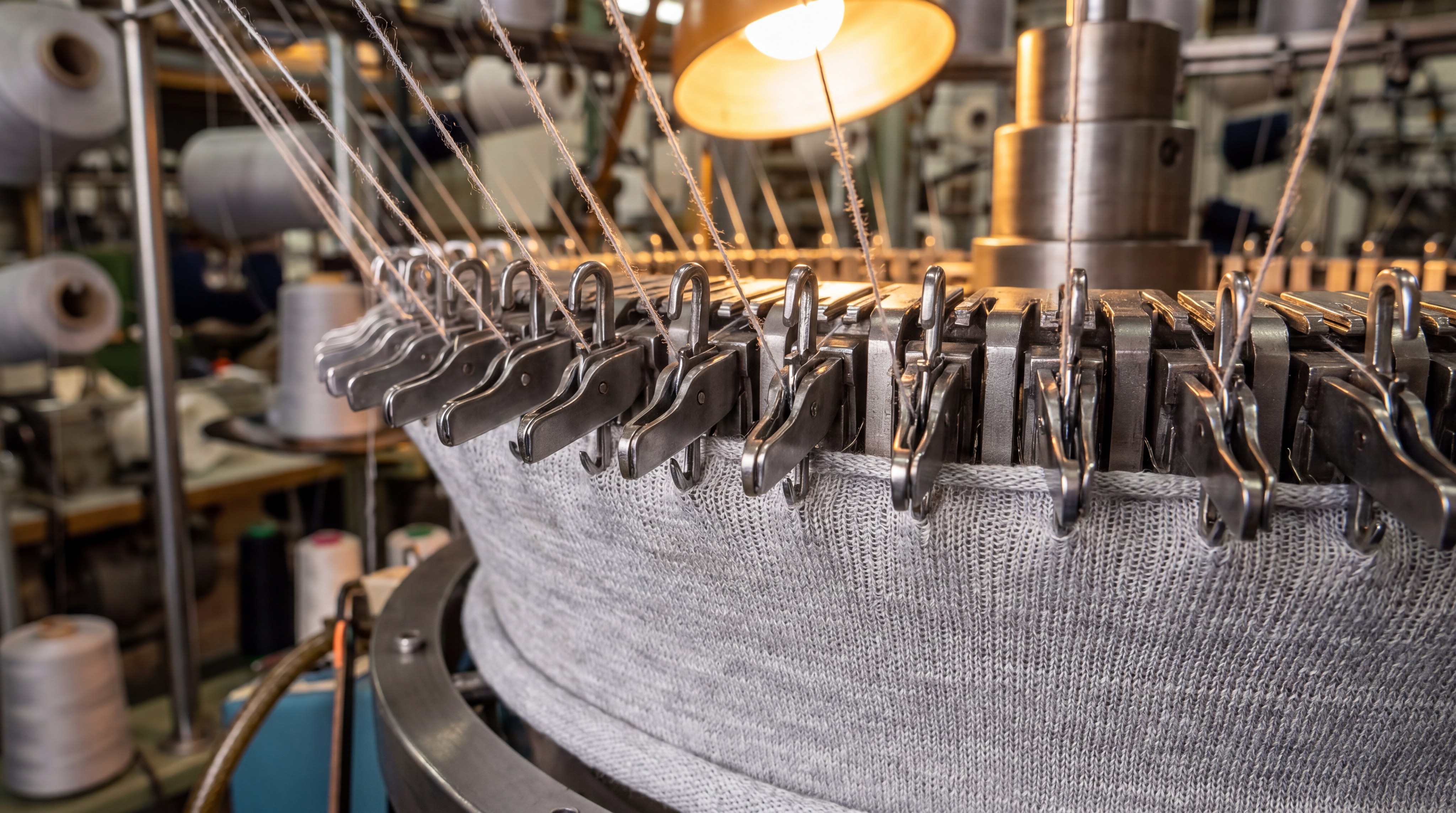
Circular knitting enhances capillary action by creating a dense, interconnected network of micro-channels that pull liquid upward against gravity. When you examine a moisture wicking fabric produced on high-precision machinery, the loop structure is designed to facilitate fluid flow. The tighter and more consistent the knit, the more effective the “water vacuum” effect becomes.
Micro-Channel Engineering
You might wonder how liquid moves so fast. The answer lies in the microscopic gaps between the knitted loops that act as narrow tubes.
- Consistent stitch density for uniform flow.
- Integrated mesh zones for targeted venting.
- Seamless construction to reduce friction.
Interlock vs. Single Jersey
Here is a professional insight: interlock knits provide superior capillary paths compared to standard jersey.
- Double-knit structure for more internal channels.
- Better recovery and shape retention.
- Increased surface area for moisture distribution.
Knitting Science Summary
Key Takeaway: The physical architecture of the knit determines the speed at which sweat is transported; circular knitting provides the consistent paths needed for elite performance.
| Knit Feature | Impact on Wicking | Machine Type | |
|---|---|---|---|
| Stitch Density | High flow consistency | 80+ Circular Units | |
| Loop Geometry | Optimized capillary lift | Computerized Precision | |
| Surface Texture | Faster liquid spread | Multi-feed Systems |
A precise knit structure ensures that your garments never feel heavy or saturated during high-intensity use.
Science behind moisture wicking fabric & quick-dry?
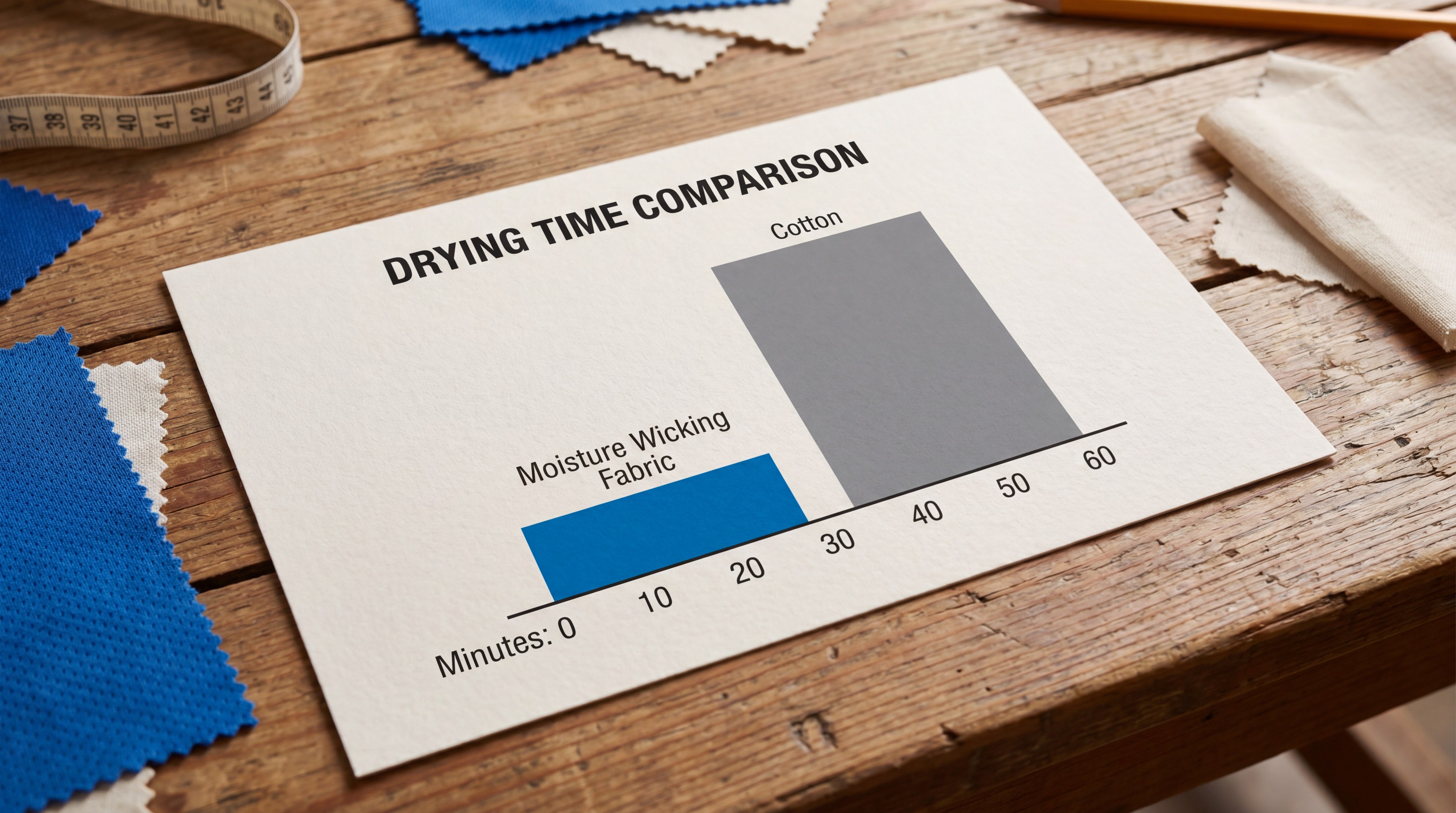
The science of quick-dry performance relies on the synergy between rapid capillary transport and the endothermic process of evaporation. For a moisture wicking fabric to be effective, it must spread the liquid across a massive surface area on the outer layer. This exposure to air allows the sweat to transform from liquid to vapor almost instantly.
The Phase Change Process
But there is more to it than just drying. As the water evaporates, it absorbs heat from your body, providing a natural cooling effect.
- High surface-to-volume ratio on the exterior.
- Endothermic heat absorption for cooling.
- Vapor permeability to prevent “greenhouse” heat.
Measuring Dry Rates
You should evaluate fabrics based on how quickly they return to their original dry weight.
- Standardized MMT (Moisture Management Tester) scores.
- Evaporative resistance (RET) metrics.
- Vertical wicking height tests over time.
Quick-Dry Mechanics Summary
Key Takeaway: Quick-dry capability is the final stage of moisture management, where the fabric uses body heat to drive the transition from liquid sweat to atmospheric vapor.
| Metric | High-Perf Goal | Industry Standard | |
|---|---|---|---|
| Wicking Speed | > 100mm in 10 mins | 50-70mm | |
| Drying Time | < 30 minutes | 60+ minutes | |
| One-way Transport | > 300% | 150-200% |
Understanding these metrics allows you to select materials that keep athletes cool and dry in extreme conditions.
How wicking fabric improves athlete thermoregulation?
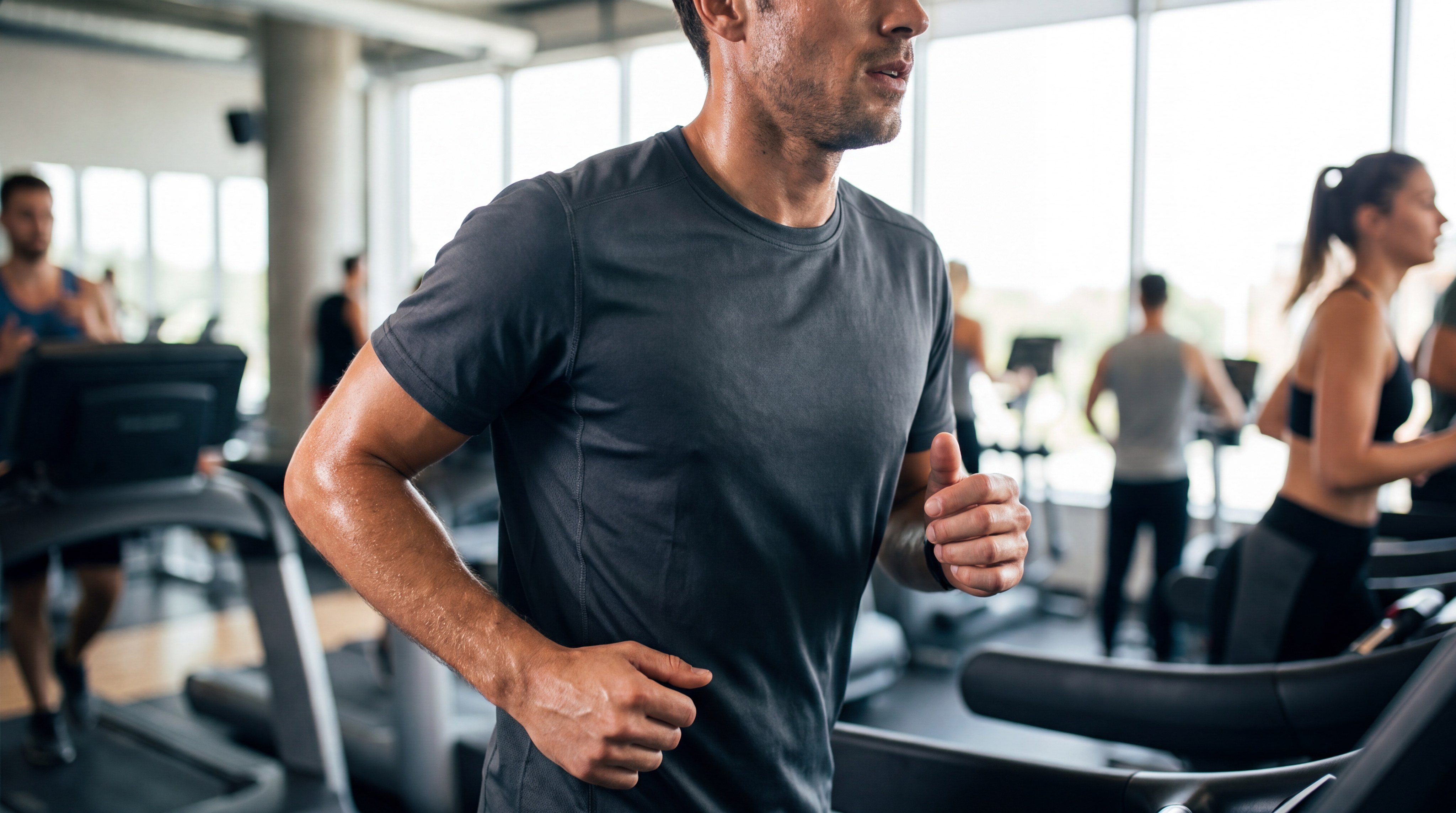
Wicking fabrics improve thermoregulation by stabilizing the body’s core temperature through controlled evaporative cooling. When you wear a moisture wicking fabric, you are essentially providing your body with a supplemental cooling system. By removing the insulating layer of liquid sweat, the fabric prevents the “chill effect” that occurs when wet clothes stop the body from breathing.
Preventing Post-Exercise Chill
Have you ever felt freezing as soon as you stopped moving? This is caused by wind hitting a saturated, non-wicking garment.
- Elimination of wet-cling discomfort.
- Maintained air-gap for insulation.
- Reduced energy expenditure for cooling.
Enhancing Aerobic Stamina
Here is the competitive edge: an athlete who stays cool can perform longer at a higher heart rate.
- Lower perceived exertion levels.
- Prevention of heat-related fatigue.
- Optimized blood flow to muscles.
Thermoregulation Summary
Key Takeaway: Effective moisture management reduces the physiological stress on an athlete, allowing for better focus and longer duration of peak performance.
| Physiological Need | Fabric Solution | Result | |
|---|---|---|---|
| Heat Dissipation | Vapor permeability | Core stability | |
| Sweat Removal | One-way wicking | Skin comfort | |
| Thermal Balance | Quick-dry surface | Consistent stamina |
By managing the micro-climate between the skin and the fabric, you ensure maximum comfort and safety.
Key GSM standards for circular knit wicking fabric?
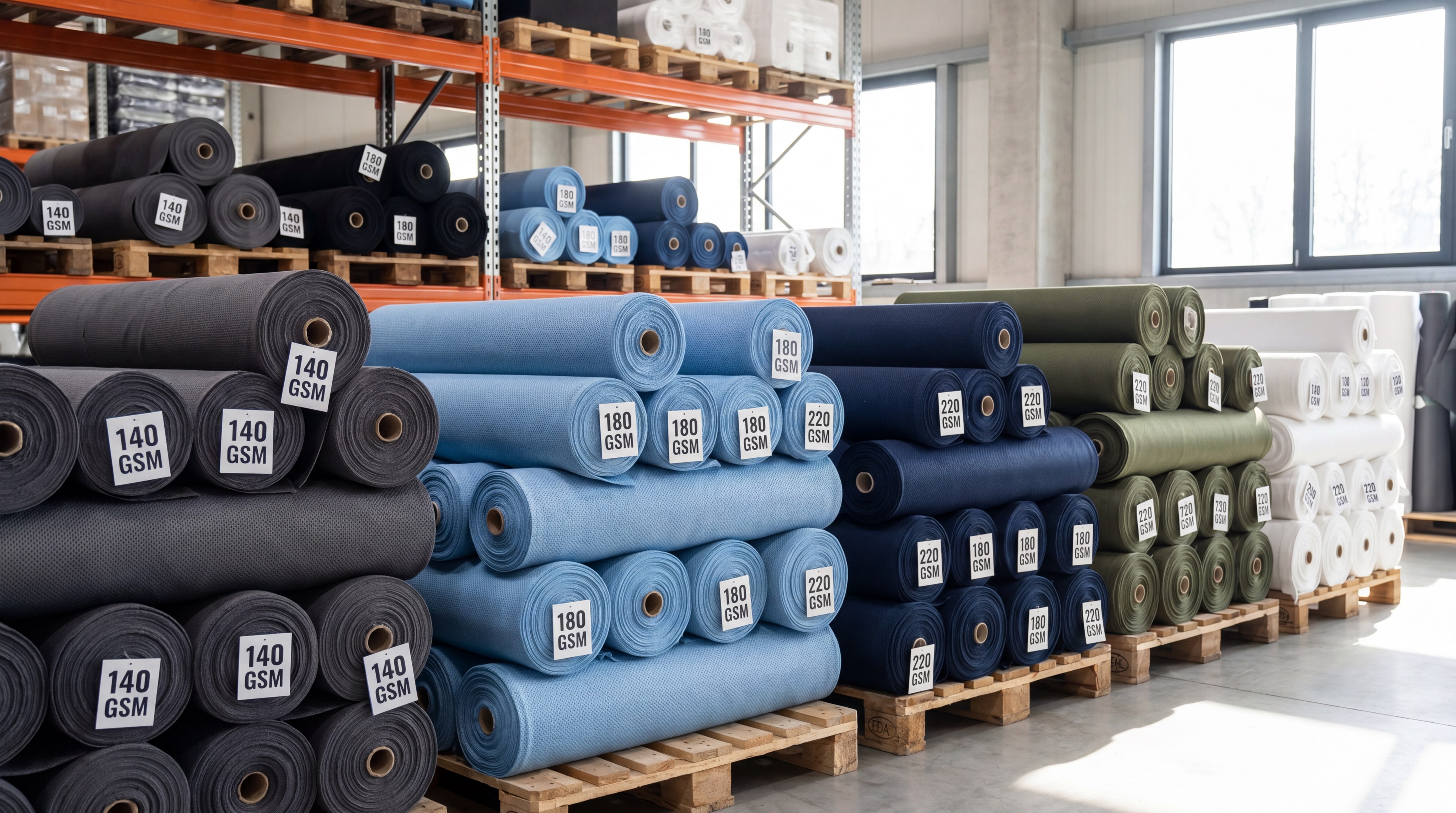
Key GSM (Grams per Square Meter) standards range from ultra-lightweight 130 GSM for mesh to 260 GSM for high-compression yoga wear. When sourcing moisture wicking fabric , you must match the weight to the specific athletic activity. A weight that is too high may trap heat, while a weight that is too low may lack the opacity and durability required for sports.
Lightweight Performance (130-160 GSM)
These weights are perfect for high-intensity cardio where maximum breathability is the priority.
- Ideal for running singlets and soccer jerseys.
- Maximum airflow through open-knit structures.
- Extremely fast drying times.
Midweight Versatility (180-220 GSM)
This is the “sweet spot” for most general gym apparel and training gear.
- Balanced compression and wicking.
- Excellent opacity for squats and movement.
- High durability for frequent washing.
GSM Selection Summary
Key Takeaway: Selecting the correct GSM ensures your product meets the expectations for both “feel” and technical performance in its specific sport category.
| Application | Recommended GSM | Common Structure | |
|---|---|---|---|
| Team Sports | 140 – 170 GSM | Bird-eye Mesh | |
| Training / Gym | 180 – 210 GSM | Interlock Jersey | |
| Yoga / Leggings | 220 – 260 GSM | 4-Way Stretch |
The right weight provides the necessary structure without sacrificing the moisture-exporting efficiency of the yarns.
Can moisture wicking fabric survive 50+ wash cycles?
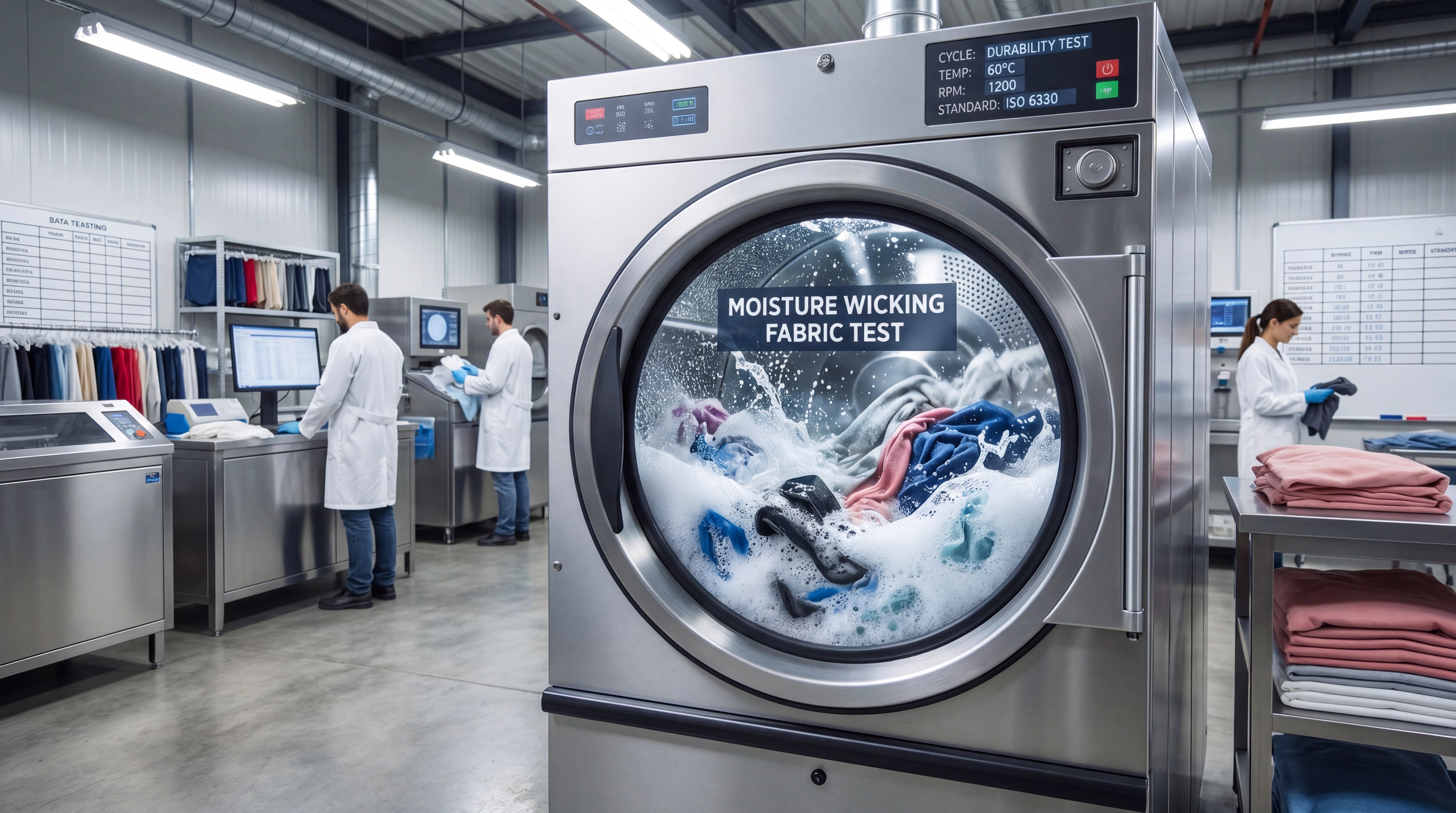
Premium moisture wicking fabric can easily survive 50+ wash cycles if the performance is built into the fiber structure rather than applied as a temporary finish. You should prioritize fabrics where the “wicking engine” is permanent. While chemical coatings can enhance the initial “grab” of moisture, they often wash away, leaving the athlete with a standard, non-functional shirt.
Permanent vs. Topical Finishes
Here is the crucial distinction: permanent wicking is a result of fiber shape and knit architecture.
- Fiber-level hydrophobic properties.
- Mechanical wicking that never fades.
- Resistance to high-temperature laundering.
Maintaining Color and Fit
But that is not all; you also need to ensure the fabric doesn’t pilling or lose its vibrant colors.
- High color fastness (Grade 3.5+).
- Anti-pilling treatments for smooth surfaces.
- Dimensional stability to prevent shrinking.
Durability Summary
Key Takeaway: For long-term brand reputation, you must choose fabrics that offer permanent moisture management that remains effective for the entire lifespan of the garment.
| Durability Factor | Standard Requirement | Test Method | |
|---|---|---|---|
| Performance Retention | > 90% after 50 washes | AATCC 135 | |
| Color Fastness | Grade 3.5 – 4.0 | ISO 105-C06 | |
| Shape Retention | < 3% shrinkage | ISO 6330 |
Investing in durable, high-quality textiles reduces returns and increases customer loyalty through consistent performance.
Benefit of adding Spandex to moisture wicking fabric?
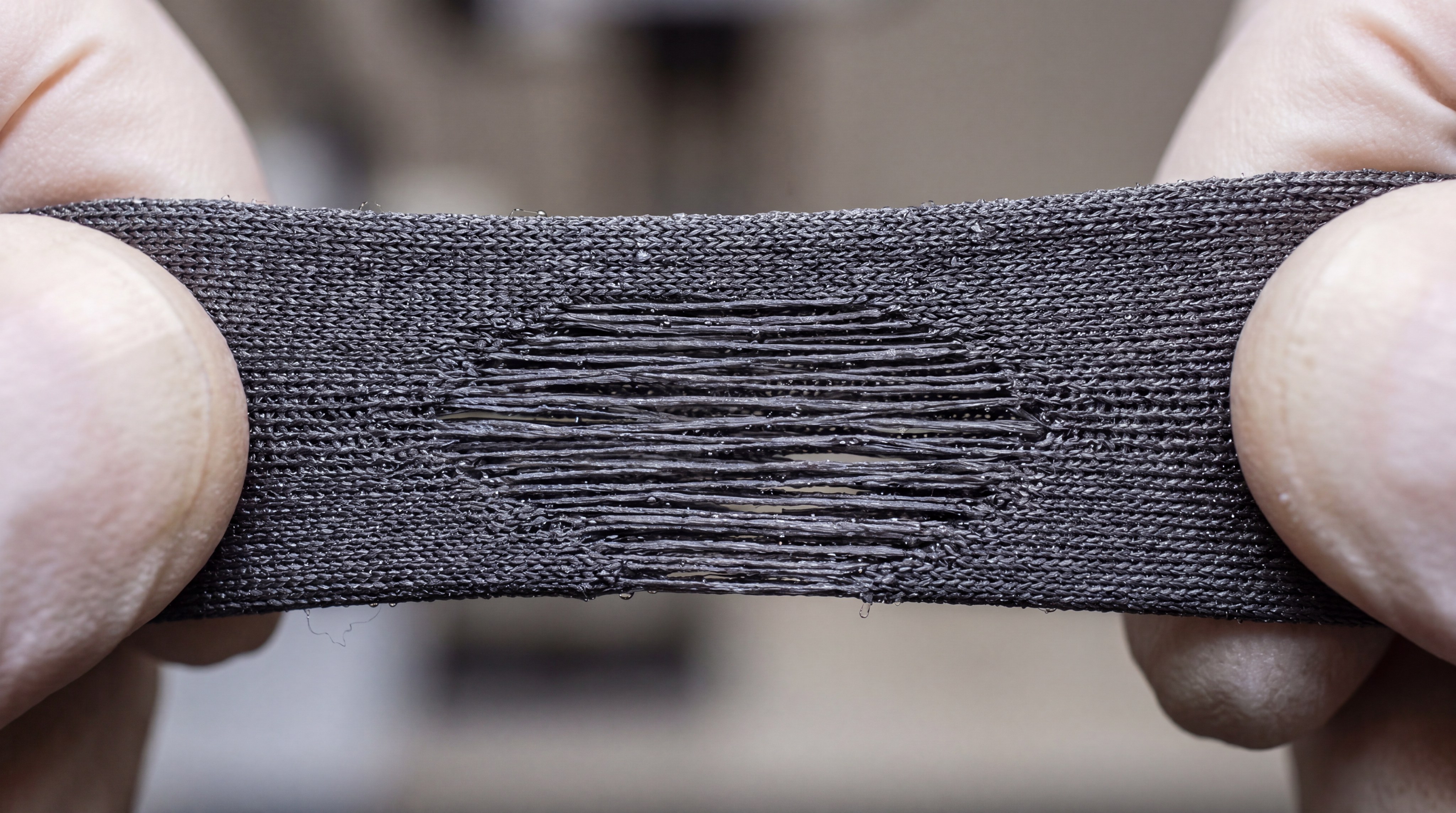
Adding Spandex (Elastane) provides the 4-way stretch and recovery needed for the fabric to stay in close contact with the skin. For a moisture wicking fabric to work, it must touch the sweat. If a garment hangs loosely, the “capillary engine” cannot engage, and the sweat simply rolls down the skin instead of being exported.
The Proximity Effect
You need a close fit to maximize the surface-to-skin contact for immediate moisture transfer.
- 4-way stretch for unrestricted movement.
- High power-stretch for muscle support.
- Excellent recovery to prevent “bagging.”
Balancing Stretch and Wicking
But there is a catch: too much Spandex can actually slow down wicking if not knitted correctly.
- Optimized Spandex ratios (8% to 15%).
- Micro-gap knitting to allow moisture to pass around elastic fibers.
- Lightweight elastane for reduced water retention.
Spandex Integration Summary
Key Takeaway: Spandex is the “contact bridge” that ensures the technical fibers are always in the right position to grab and export moisture from the body.
| Spandex % | Best Use Case | Performance Goal | |
|---|---|---|---|
| 5% – 8% | Casual Sportswear | Light comfort stretch | |
| 10% – 15% | Compression Gear | Maximum skin contact | |
| 18%+ | Professional Swim | Shape retention |
The result is a garment that moves with the athlete while maintaining a dry, comfortable interface.
How to ensure zero-defect quality in bulk fabric?
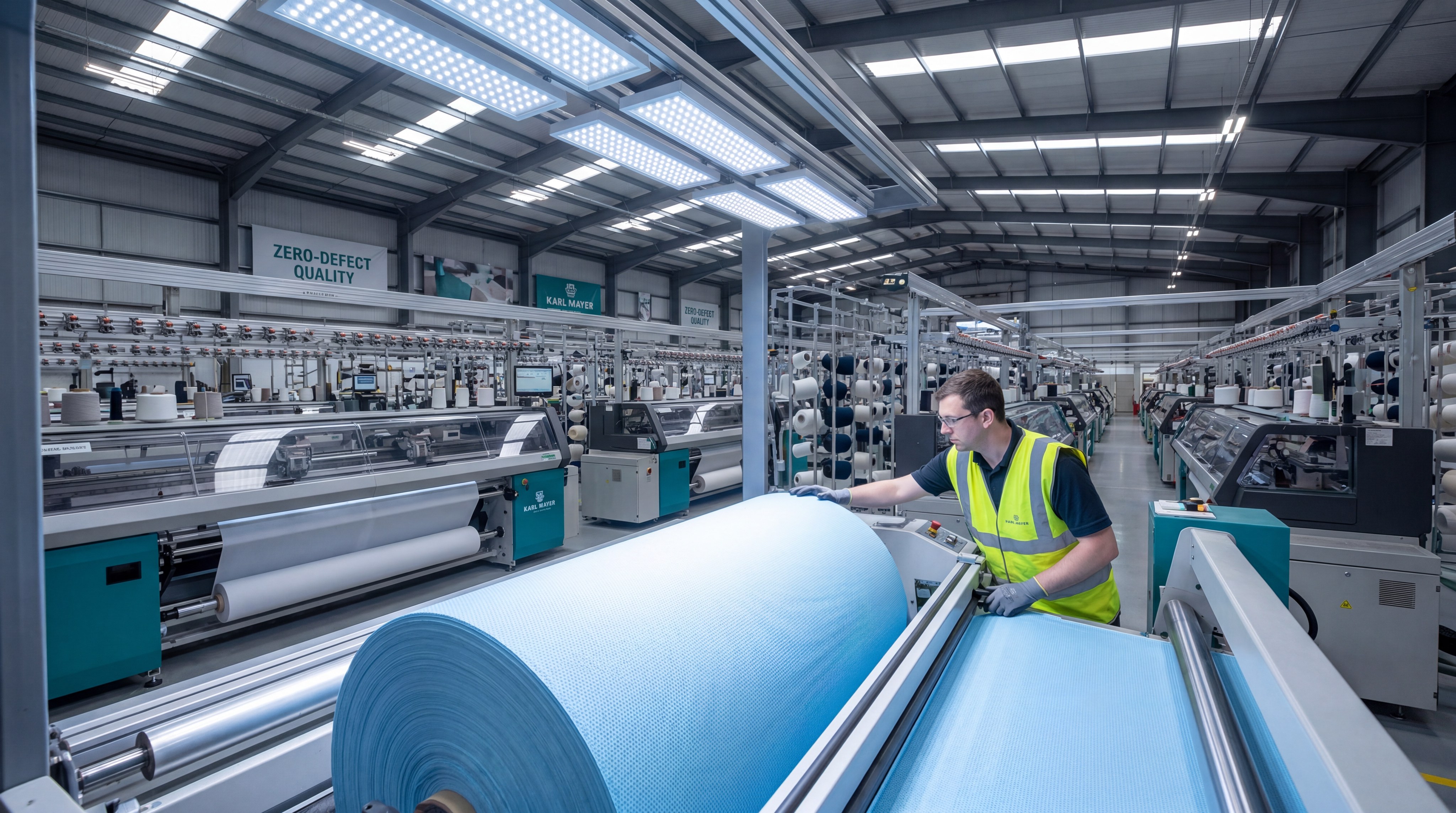
Ensuring zero-defect quality requires a vertically integrated production process with multi-stage computerized inspections. When you are ordering moisture wicking fabric in bulk, a single knitting error can ruin thousands of meters. Utilizing advanced 80+ German Karl Mayer machines provides the mechanical precision necessary to prevent needle lines and loop inconsistencies.
Integrated Dyeing Control
You should look for suppliers who handle their own dyeing to ensure color consistency across every batch.
- In-house dyeing for better lead times.
- Computerized color matching (DataColor).
- No outsourcing risks or delays.
Dual-Check QC Systems
Here is the secret to consistency: every roll must be inspected by both machines and human eyes before packing.
- Weight (GSM) verification every 500 meters.
- Stretch and recovery testing on every dye lot.
- Surface defect marking for clear cutting.
Quality Assurance Summary
Key Takeaway: Zero-defect quality is achieved through a combination of high-end machinery and a rigorous, vertically integrated inspection protocol.
| Inspection Stage | Primary Check | Tool Used | |
|---|---|---|---|
| Raw Yarn | Tenacity and purity | Lab Analysis | |
| Greige Fabric | Loop consistency | Automated Optical | |
| Finished Roll | Color and hand-feel | Human Dual-Check |
Precise quality control ensures that your production line runs smoothly without wasted material or delays.
What sustainable GRS options exist for wicking fabric?
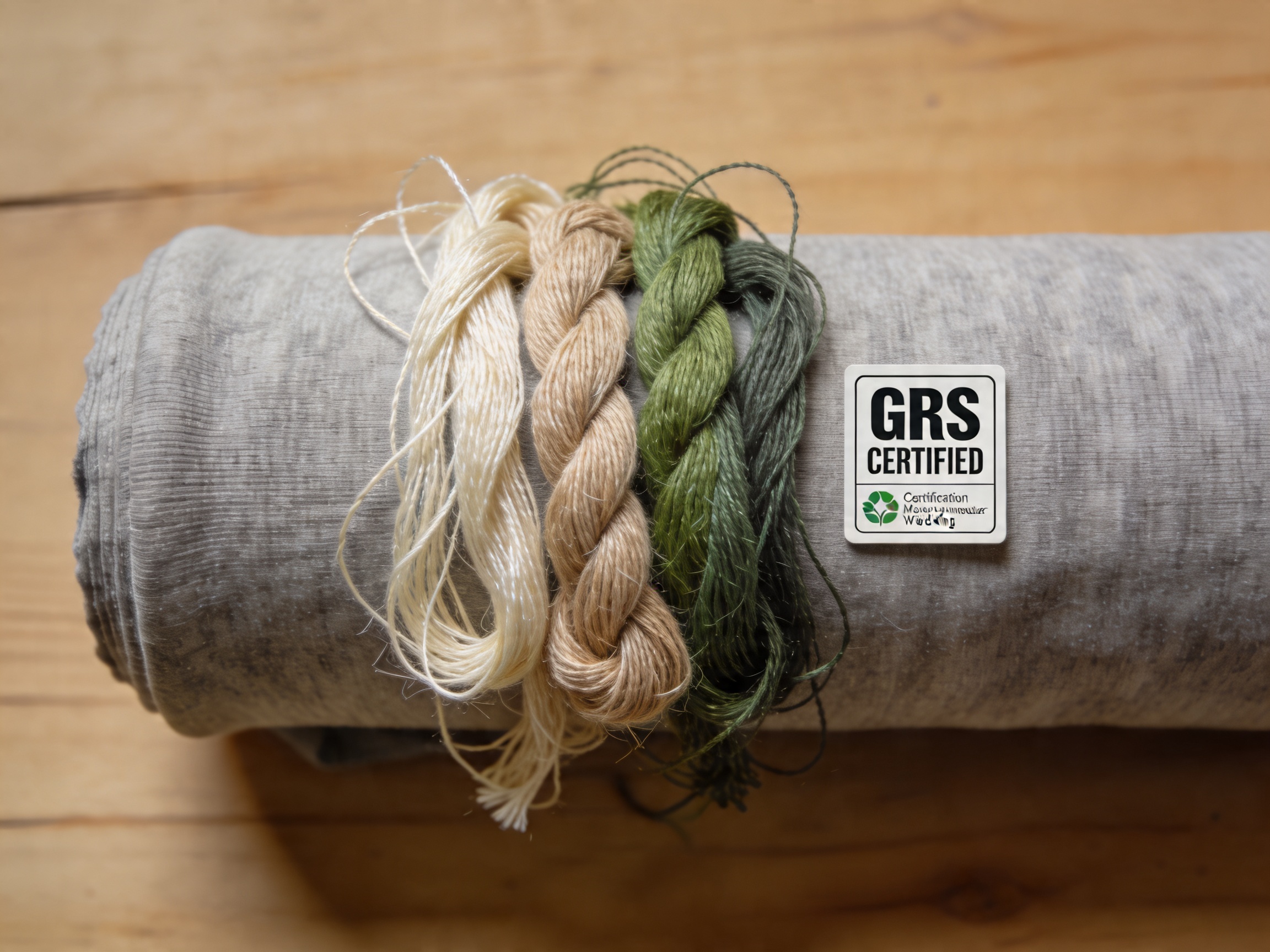
Sustainable options include GRS (Global Recycled Standard) certified polyester made from post-consumer plastic bottles. You can now offer high-performance moisture wicking fabric that meets the same technical standards as virgin materials. Recycled fibers have evolved to provide identical hydrophobic properties and capillary efficiency, satisfying both the athlete and the eco-conscious brand.
Performance Parity
You don’t have to sacrifice speed for sustainability anymore.
- Identical wicking and dry-time metrics.
- High color vibrancy with recycled yarns.
- Certified traceability through GRS protocols.
Market Demand for Green Gear
But that is not all; sustainable collections are currently driving the highest growth in the B2B sportswear sector.
- Improved brand perception.
- Lower carbon footprint per garment.
- Compliance with global ESG standards.
Sustainability Summary
Key Takeaway: GRS-certified recycled polyester offers a “no-compromise” solution, providing elite moisture management while supporting a circular economy.
| Metric | Virgin Poly | Recycled Poly (GRS) | |
|---|---|---|---|
| Wicking Height | 120mm | 118mm | |
| Drying Time | 25 mins | 26 mins | |
| Tensile Strength | 100% | 98-100% |
Choosing sustainable textiles allows your brand to lead the market in both innovation and environmental responsibility.
How to source wicking fabric wholesale efficiently?
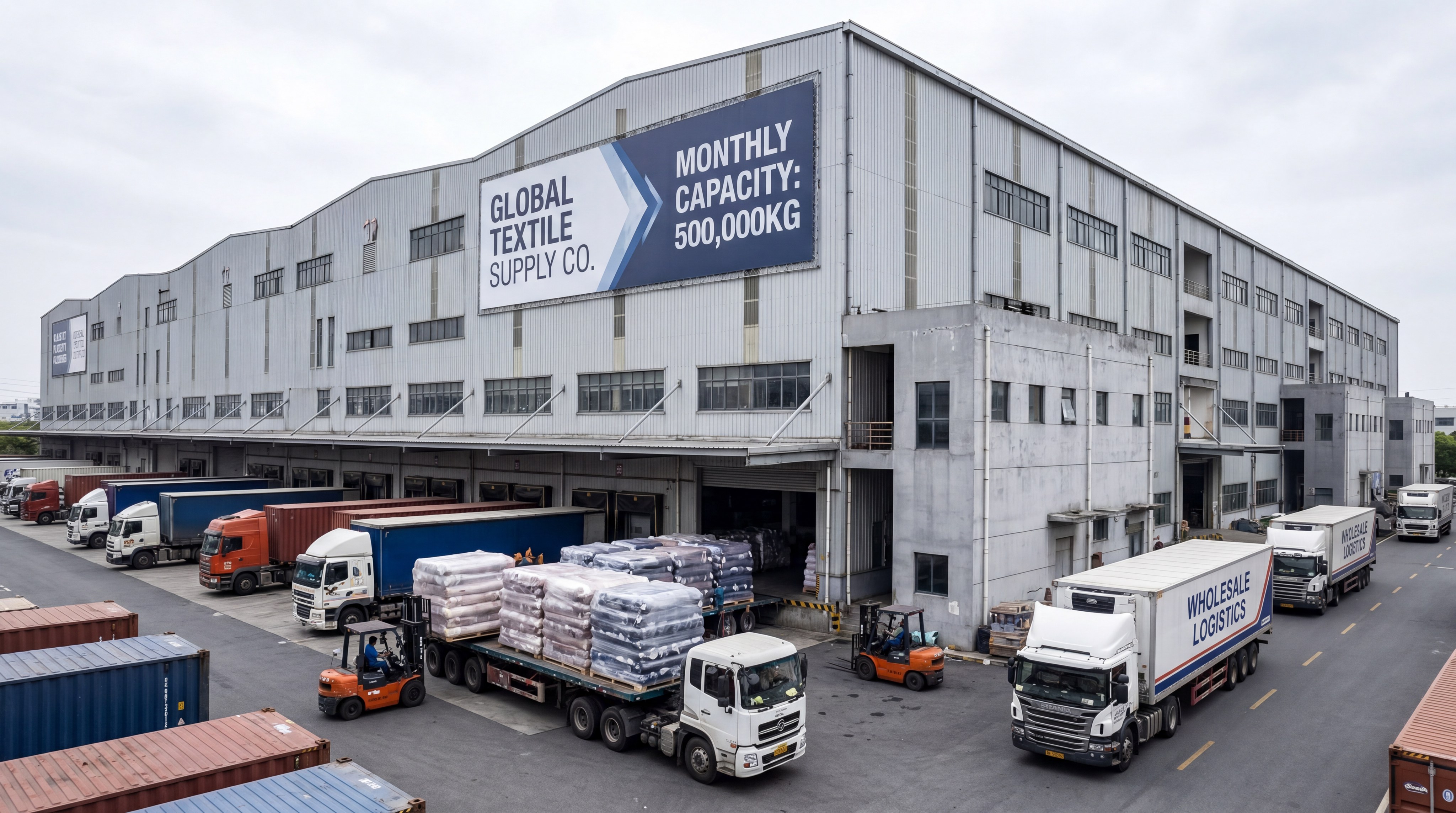
Efficiency in wholesale sourcing is achieved by partnering with manufacturers who offer low MOQs and large-scale capacity under one roof. When you need custom colors, find a partner that offers a 100kg low MOQ for custom colors to allow for agile market testing. This flexibility, combined with a 500,000 kg monthly capacity, ensures you can scale from a startup to a global brand seamlessly.
Streamlining the Pipeline
You can reduce lead times by choosing a factory that utilizes 80+ German Karl Mayer machines for rapid production.
- Direct communication with the knitting mill.
- Reduced shipping delays through efficient logistics.
- Rapid sampling to speed up your design cycle.
Leveraging Low MOQs
Here is the strategic advantage: testing five colors with 100kg each is better than one color with 500kg.
- Reduced inventory risk for new lines.
- Faster response to seasonal color trends.
- Easier path for emerging activewear brands.
Wholesale Sourcing Summary
Key Takeaway: A vertically integrated supplier with low MOQs and high capacity is the ultimate partner for maintaining a fast, reliable, and high-quality supply chain.
| Sourcing Factor | Brand Benefit | Manufacturer Capability | |
|---|---|---|---|
| Customization | Market differentiation | 100kg Low MOQ | |
| Scalability | Uninterrupted growth | 500T Monthly Output | |
| Precision | Zero-defect production | 80+ Karl Mayer Units |
By optimizing your sourcing strategy, you can focus on brand growth while we handle the technical complexities of fabric production.
Conclusion
Managing moisture is no longer a luxury; it is the fundamental requirement for modern athletic apparel. By understanding the science of capillary action, evaporation, and the role of high-precision circular knitting, you can build a product line that truly serves the athlete’s needs. We have solved the problems of dampness, heavy fabric, and thermal instability by engineering textiles that act as a second skin.
Whether you need GRS-certified recycled options or high-compression interlock, our vertically integrated facility is designed to deliver excellence at scale. We provide the infrastructure and flexibility—including our 100kg low MOQ—to help your brand dominate the market. Contact us today to receive your free sample pack and start building the future of performance sportswear.
FAQ
Can I get custom colors for a small production run?Yes, because we offer a specialized 100kg low MOQ for custom colors to support emerging brands and seasonal testing. This allows you to differentiate your product line without the risk of holding massive amounts of dead stock.
What’s the best way to test if a fabric is truly wicking?Directly observe the water drop test; a high-quality fabric should absorb the droplet in less than one second and spread it across a wide area immediately. If the water beads on the surface for a long time, the capillary engine is not functioning correctly.
Can wicking fabrics be used for winter sports?Absolutely, because they prevent “sweat-chill” by moving cold moisture away from the skin, which is vital for maintaining body heat in freezing conditions. By keeping the skin dry, the fabric preserves the insulating power of your outer layers.
How do I know if my fabric is GRS certified?You should always request a Transaction Certificate (TC) from your supplier, as this is the only way to verify the recycled origin and traceability of the yarns. Genuine GRS certification ensures your sustainability claims are legally and ethically sound.
What is the lead time for a bulk wholesale order?Generally, our lead times are shorter than the industry average because our vertically integrated knitting and dyeing facility eliminates the bottlenecks found in outsourced production. Most bulk orders are ready for shipment within 3 to 4 weeks of color approval.