
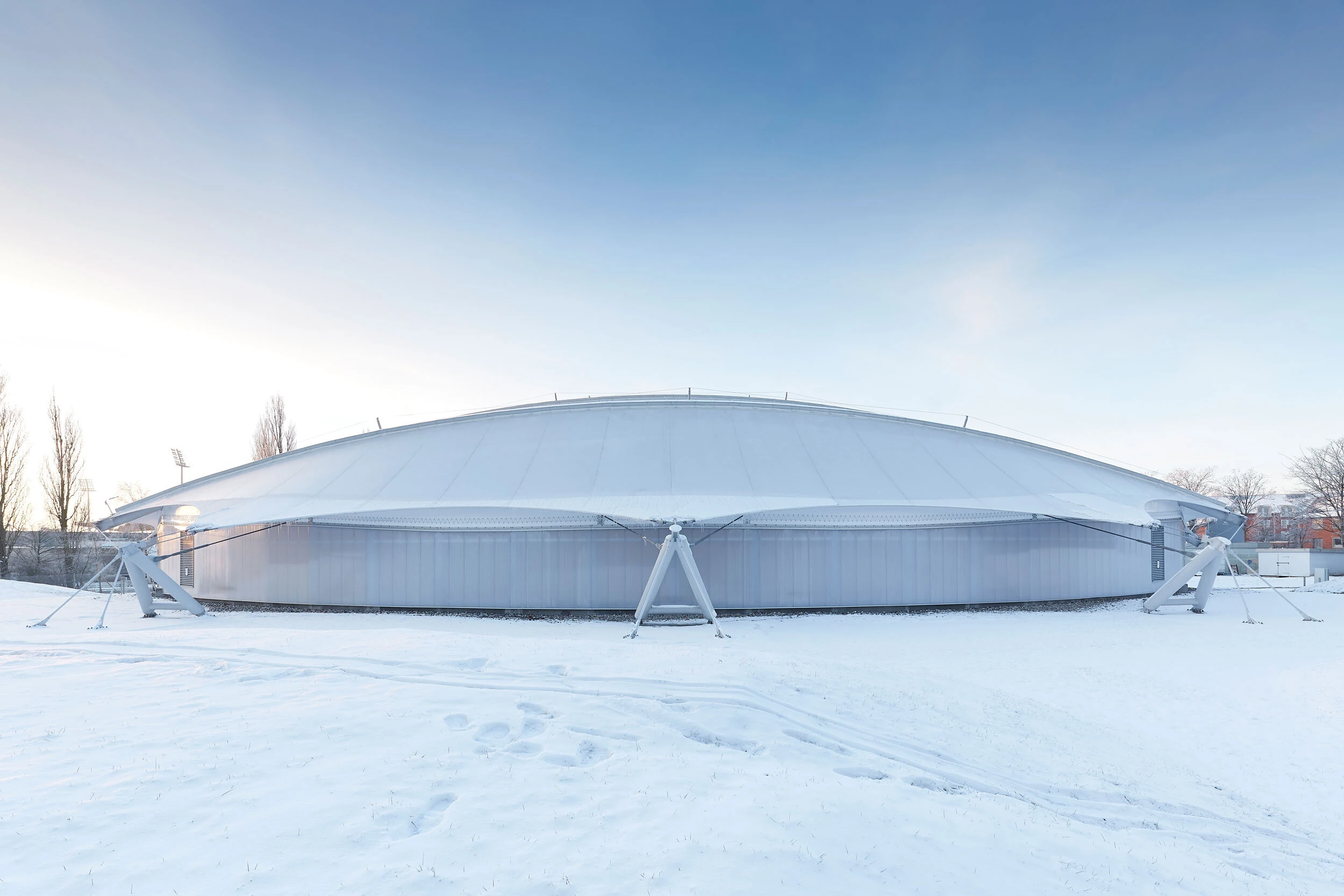
Imagine planning a major sports facility upgrade or managing a fast-growing athletic complex. You need expansive covered spaces to host tournaments, yet traditional brick-and-mortar construction demands skyrocketing budgets and months of agonizing construction delays. Worse yet, fixed concrete walls lock you into static configurations that cannot adapt to changing seasonal sports demands. Your business faces lost revenue because you cannot shelter athletes from sudden weather disruptions fast enough. Sourcing a flexible, structurally sound alternative feels incredibly stressful. Here is the deal: choosing modern fabric sports structures provides an agile, cost-effective solution that accelerates installation timelines while delivering beautiful, naturally illuminated spaces. Our professional manufacturing expertise offers elite textile innovations engineered specifically to withstand rigorous physical activity and harsh environmental elements.
Integrating advanced architectural tension membranes into sports complexes changes how commercial project managers approach structural engineering. You might be wondering how heavy-duty polymer materials can reliably match the performance of traditional building materials. This guide provides a detailed technical breakdown of structural options, cost efficiencies, and material criteria to optimize your recreational investments.
What Are the Core Structural Options for Fabric Sports Structures?
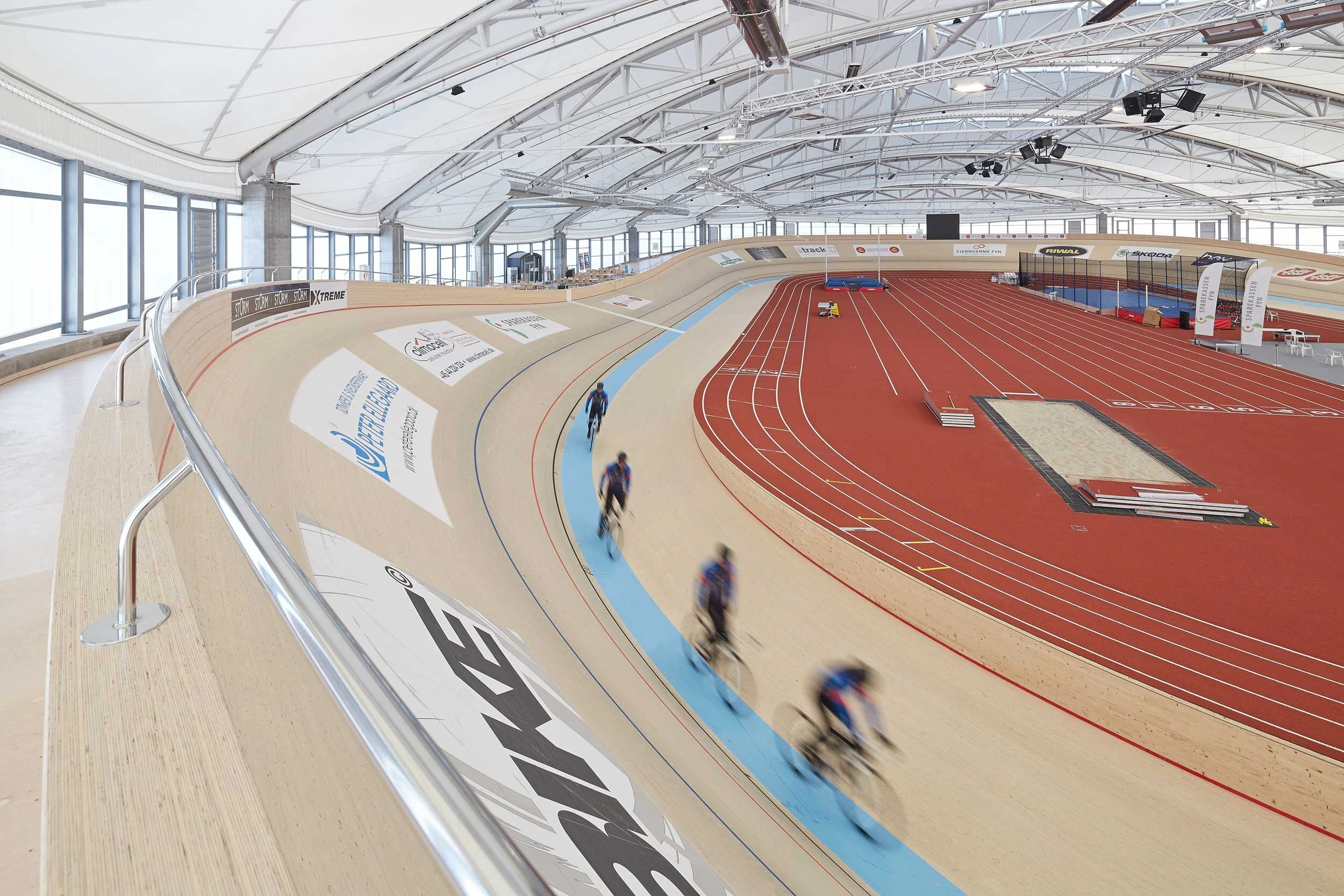
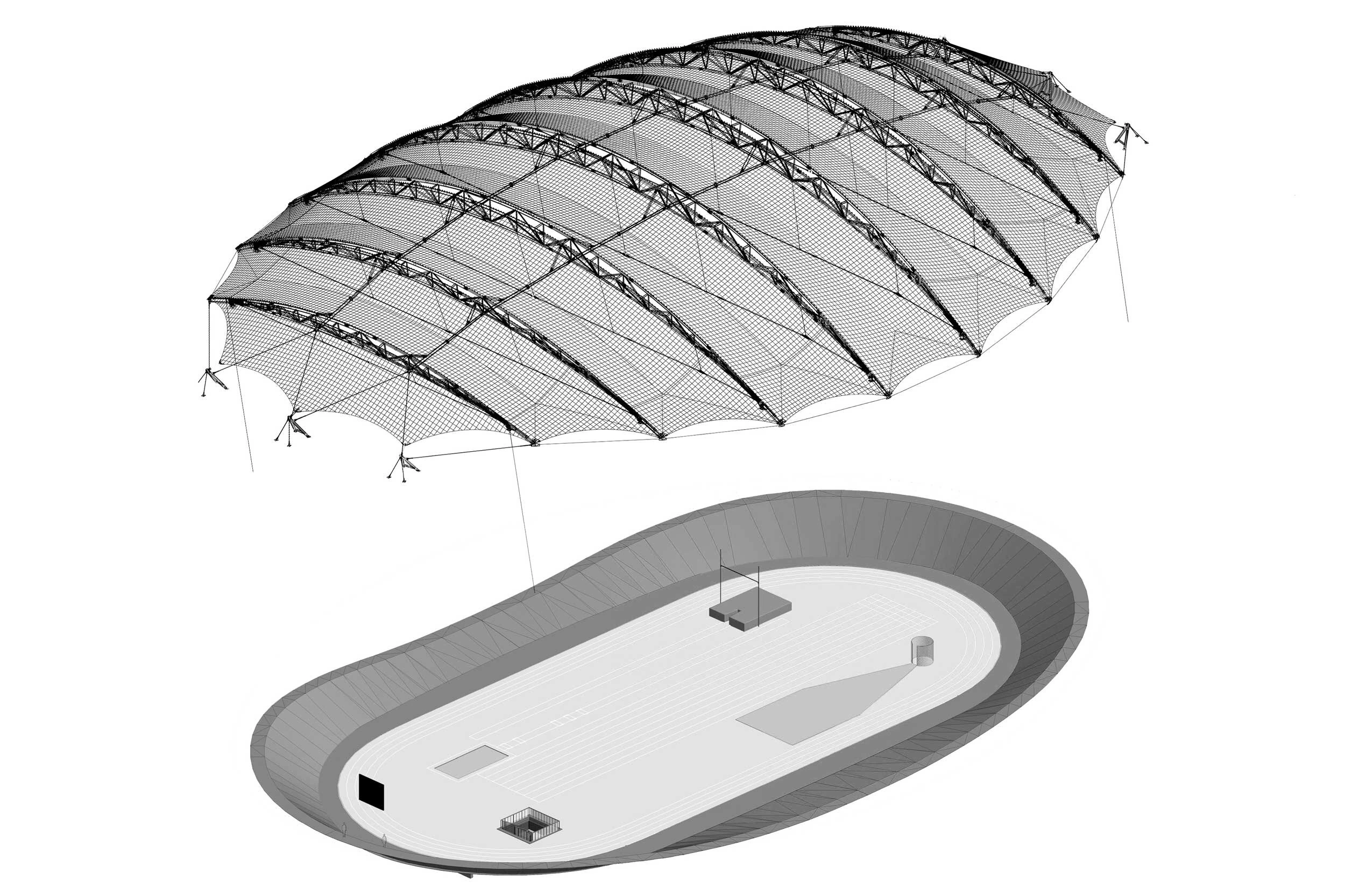
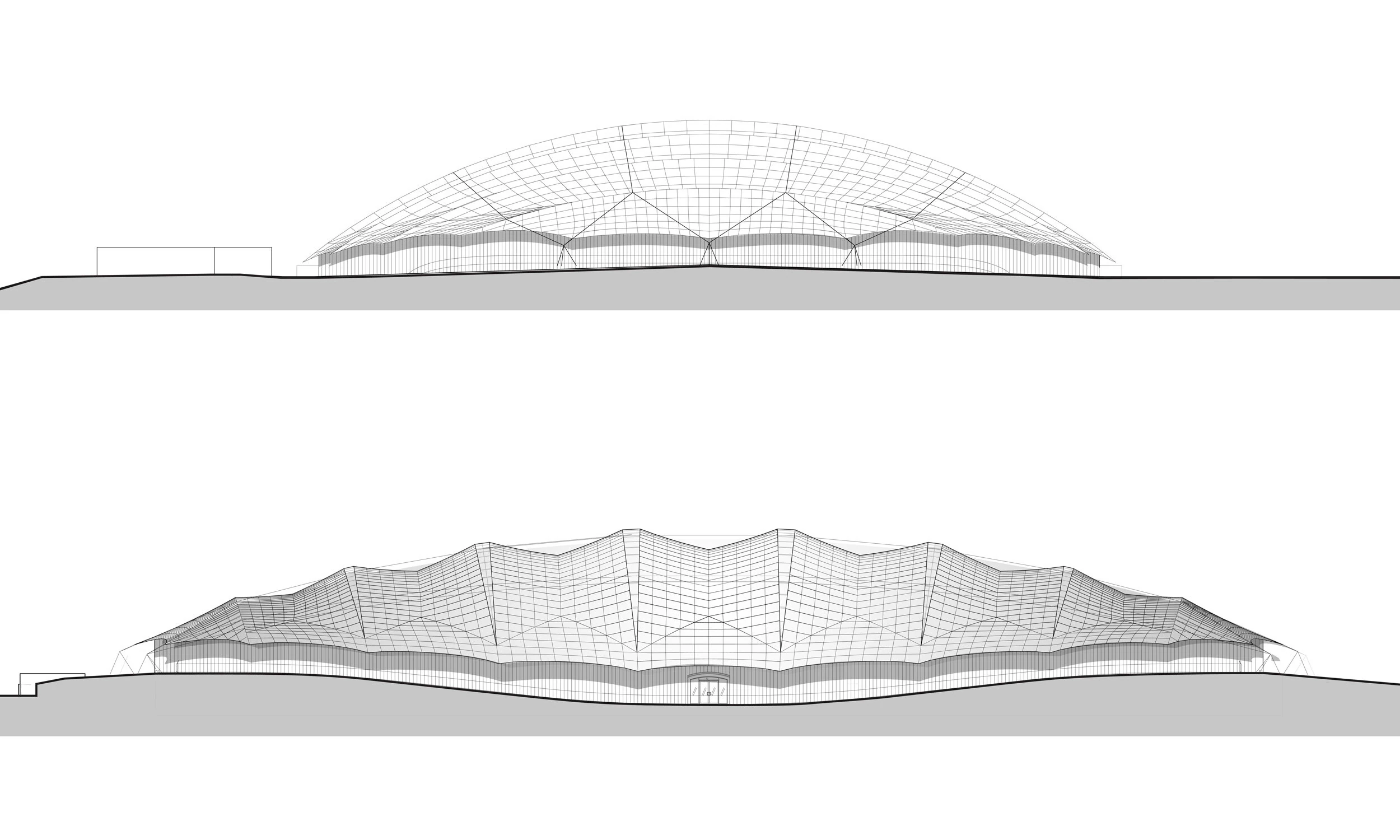
Fabric sports structures utilize distinct architectural frameworks to support high-performance technical fabrics over wide clear spans. Selecting the correct framing method determines your building's ultimate weight, long-term permanence, and relocation speed.
How do aluminum frames accelerate assembly timelines?
Lightweight extruded aluminum frames provide an excellent option for facility operators needing rapid deployment and flexible site options. These structural profiles offer excellent resistance to corrosive elements, making them ideal for high-humidity environments like indoor swimming pools or coastal athletic fields.
- Modular designs allow crew members to rapidly assemble structural segments on the ground before lifting.
- Reduced overall framework weight lowers shipping costs and minimizes heavy crane requirements during site assembly.
- Inherent resistance to rust eliminates the need for repeated protective chemical treatments over the decades.
Why do structural steel frames support maximum spans?
For massive indoor multi-sport complexes or covered stadiums, heavy-gauge galvanized structural steel provides the necessary tensile strength to support huge clear-span profiles. Steel framing safely bears heavy mechanical accessories like hanging scoreboard monitors, industrial HVAC ducts, and high-intensity overhead LED arrays.
- Hot-dip galvanization processes wrap the steel in a rugged protective barrier that resists industrial corrosion.
- High structural density allows the building to safely withstand intense wind pressures and heavy winter snow loads.
- Truss configurations maximize vertical clearance heights, allowing unhindered flight paths for basketballs and volleyballs.
| Framework Parameter | Extruded Aluminum System | Galvanized Structural Steel |
|---|---|---|
| Clear-Span Capacity | Up to 40 Meters | Beyond 100 Meters |
| Installation Velocity | Ultra-Rapid | Moderate |
| Dead Weight Load | Minimal | High |
Selecting between aluminum and steel frameworks establishes the foundational performance envelope of your facility.
Key takeaway: Evaluating structural framing weights and target clear-span requirements ensures your recreational building maintains absolute physical integrity under severe local weather stresses.
How Do Fabric Sports Structures Optimize Project Capital Expenditure?
Fabric sports structures drastically reduce initial procurement costs and long-term operational expenditures compared to heavy stone or metal buildings. What is the real story? Choosing engineered textile membranes lowers raw material processing needs and streamlines civil engineering requirements.
Why do reduced foundation requirements slash budgets?
Traditional commercial real estate projects require massive, deeply excavated concrete foundations to support the dead weight of concrete walls. Lightweight fabric sports structures exert minimal downward pressure, allowing engineers to utilize highly simplified anchoring methods.
- Facilities can safely anchor directly onto existing asphalt, level dirt plots, or simple concrete ballast blocks.
- Eliminating extensive sub-surface excavation protects local ecosystems and preserves underground utility networks.
- Decreased concrete volume requirements significantly lower the overall carbon footprint of your construction site.
How does rapid installation mitigate operational downtime?
Extended construction delays drain corporate cash reserves and frustrate waiting athletic communities. Industrial fabric sports structures utilize highly optimized pre-engineered components that fit together seamlessly on-site, cutting assembly periods from months to weeks.
- Prefabricated components leave the manufacturing facility completely ready for immediate mechanical fastening.
- Parallel site preparation and off-site manufacturing drastically compress the total project completion timeline.
- Rapid assembly eliminates massive on-site labor overheads and avoids costly weather-related construction halts.
| Construction Expense Category | Conventional Concrete Arena | Tension Fabric Facility |
|---|---|---|
| Foundation Engineering | High Complexity / Expensive | Low Complexity / Economical |
| On-Site Construction Time | 6 to 18 Months | 2 to 6 Weeks |
| Material Waste Volume | Substantial | Minimal |
Compressing your building timeline allows sports clubs to generate immediate booking revenue ahead of schedule.
Key takeaway: Leveraging lightweight structural envelopes lowers foundation costs and compresses assembly schedules, maximizing your organization's early return on investment.
Can Translucent Membranes Drastically Lower Utility Expenses?
Advanced technical textiles boast excellent translucent properties that allow natural sunlight to thoroughly illuminate interior sports courts. Ready for the good part? Capitalizing on daytime solar illumination allows commercial facility managers to virtually eliminate daytime electricity consumption.
How does natural lighting improve athletic performance?
Harsh fluorescent lighting arrays create blinding glares and deep shadows that throw off an athlete's peripheral depth perception. Translucent fabric sports structures diffuse incoming sunlight evenly across the playing field, creating an optimal visual environment for high-speed ball tracking.
- Balanced light distribution eliminates blinding hot spots on polished hardwood basketball floors.
- Soft natural lighting preserves true color accuracy for media cameras during filmed tournament games.
- Exposure to natural daytime light patterns boosts athlete focus and reduces physical eye strain.
What are the operational savings of solar illumination?
Running high-wattage stadium lighting systems throughout the day quickly inflates commercial utility bills. Using a daylight-translucent structural membrane keeps interior spaces brightly lit from dawn until dusk without drawing power from the electrical grid.
- Decreased reliance on artificial lighting directly reduces your facility's monthly greenhouse gas emissions.
- Lower electrical draw preserves the service life of expensive backup generator components.
- Reduced heat output from fewer light fixtures lowers the cooling load on interior ventilation systems.
| Lighting Operating Parameter | High-Output LED Fixtures | Translucent Textile Membrane |
|---|---|---|
| Daytime Energy Draw | 15 to 50 Kilowatts | 0 Kilowatts |
| Shadow Creation | High Contrast | Completely Diffused |
| Maintenance Cycle | Periodic Bulb Swaps | Zero Maintenance |
Harnessing diffused solar light creates an inviting environment while protecting thin operational profit margins.
Key takeaway: Incorporating translucent architectural materials drives down daytime electrical utility reliance while giving players an elite glare-free arena.
Is Exceptional Climate Comfort Achievable Without Massive HVAC Systems?
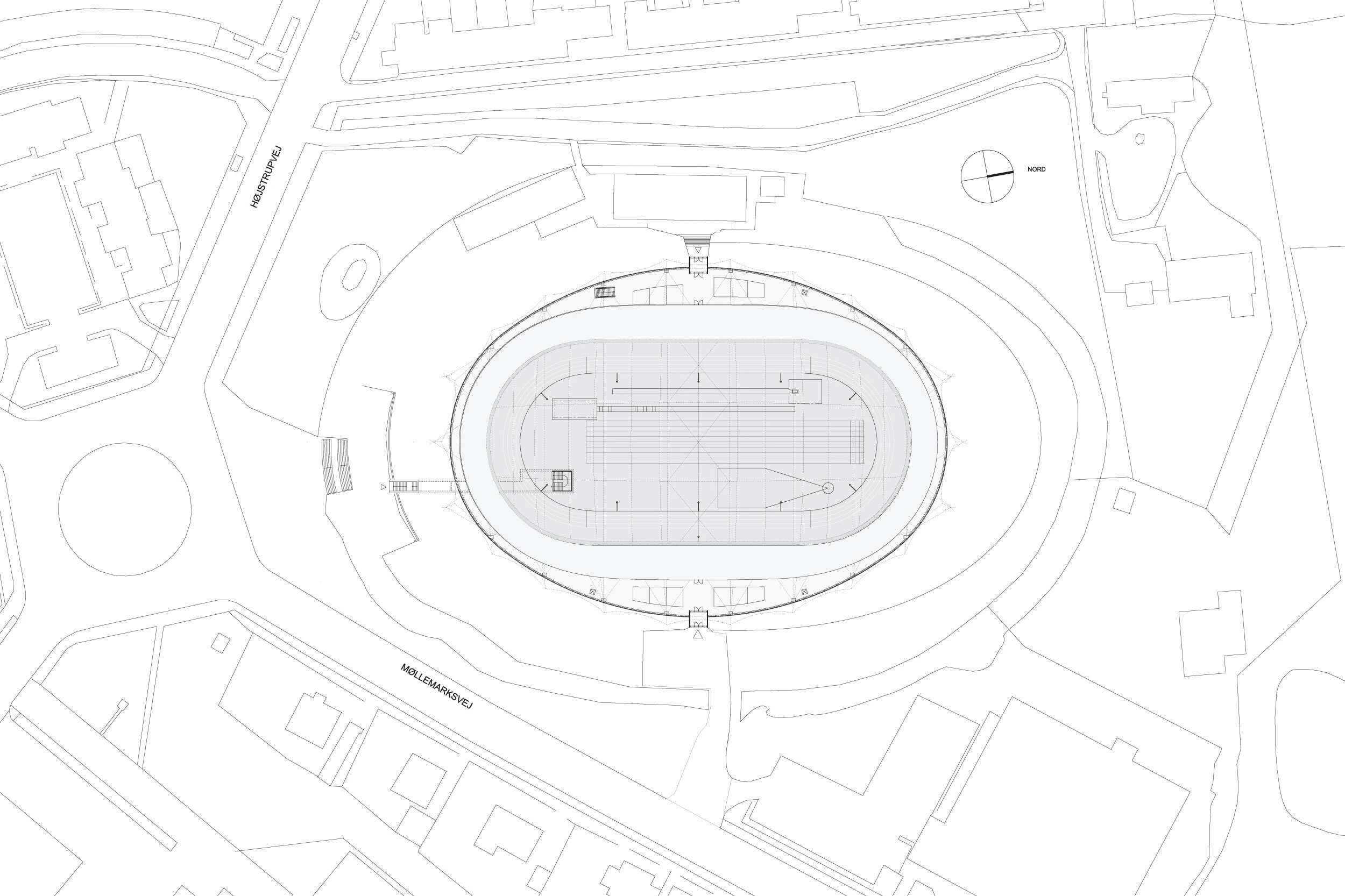
Engineered architectural fabrics offer exceptional thermal insulation properties that naturally stabilize indoor temperatures. This is where it gets interesting: a high-tier fabric sports structures envelope blocks harmful solar heat radiation, keeping interiors pleasantly cool during scorching summer months.
How do UV-repelling coatings block external heat?
Untreated metal roofing materials absorb radiant heat from the sun and radiate it downward like an industrial oven. Specialized fabric sports structures feature exterior multi-layer coatings formulated to repel up to 99.95% of damaging UV-A and UV-B radiation.
- Blocking solar heat absorption keeps the indoor climate significantly cooler than the outside ambient air.
- Eliminating intense solar baking protects indoor turf fibers from drying out and cracking prematurely.
- Superior radiation shielding keeps skin safe for spectators sitting in bleachers for multi-hour events.
Why do advanced ventilation designs prevent condensation?
Moist, stagnant air creates a stifling environment for athletes and accelerates the degradation of structural equipment. Modern tension fabric buildings incorporate integrated ridge vents and mechanical louver systems to maintain constant fresh airflow.
- Continuous air circulation prevents moisture buildup from athlete perspiration from settling on surfaces.
- Controlled cross-ventilation naturally flushes out hot rising air currents without requiring active air conditioning.
- Maintaining stable humidity profiles preserves the structural bounce and grip of specialized sports flooring.
| Interior Environment Metric | Standard Corrugated Iron Shed | Coated Tension Fabric Arena |
|---|---|---|
| Summer Thermal Variance | +10°C Hotter Than Outside | -8°C Cooler Than Outside |
| UV Radiation Shielding | Minimal | 99.95% Protection |
| Air Convection Flow | Stagnant | Continuous / Dynamic |
Natural thermal regulation allows sports clubs to host comfortable year-round programs without facing crippling energy bills.
Key takeaway: Selecting UV-engineered architectural textiles maintains comfortable internal athletic climates naturally, shielding your business from expensive HVAC operational costs.
How Do Fabric Sports Structures Redefine Multi-Sport Facility Versatility?
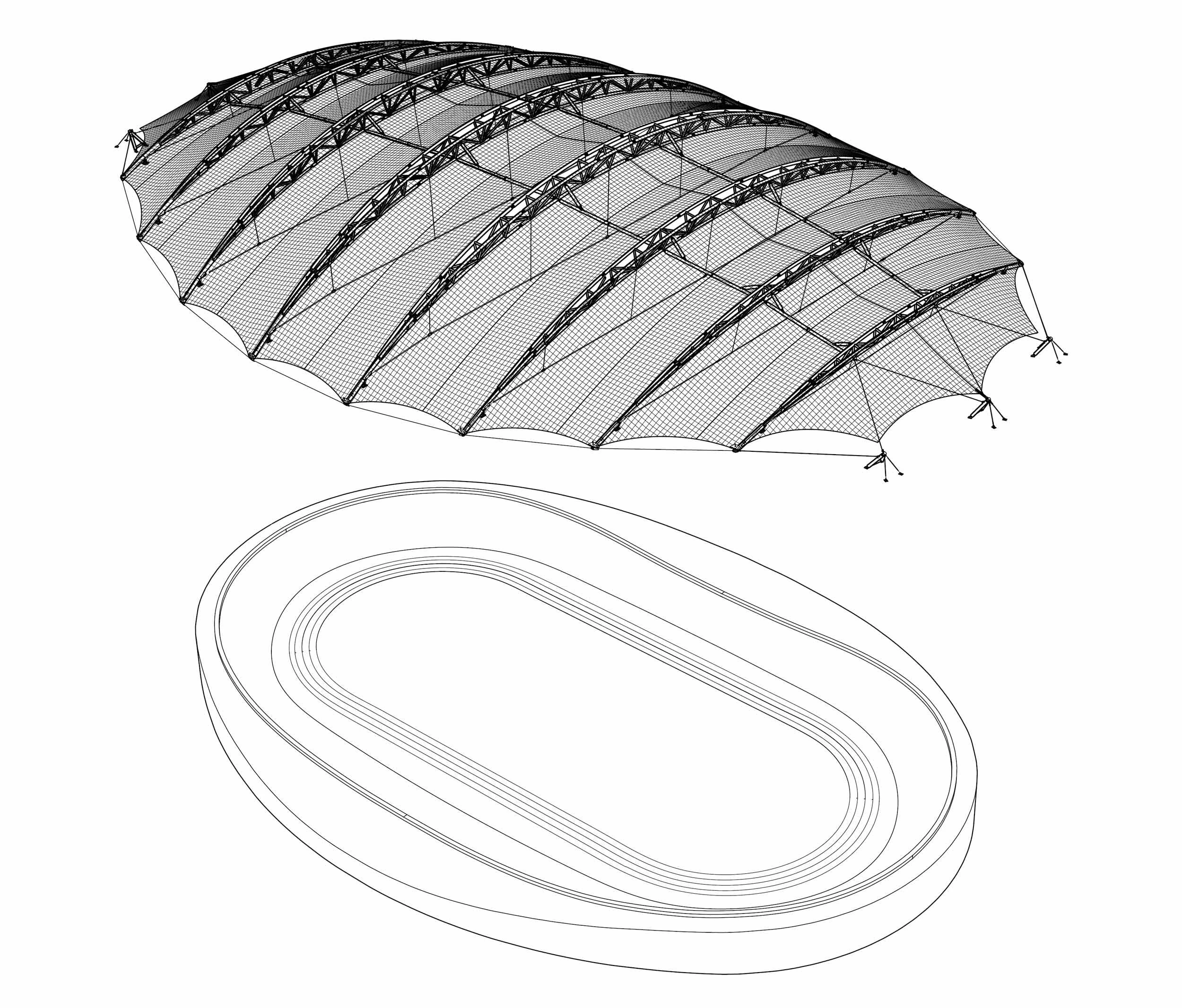
The immense flexibility of open tension fabric designs allows facility owners to rapidly adapt interior layouts to different sporting events. Check this out: because there are no interior support pillars or load-bearing columns, you have complete freedom to arrange your floor space however you see fit.
Why are clear-span designs essential for flexible layouts?
Traditional commercial buildings rely on regular interior columns to hold up heavy roof structures, creating permanent blind spots and hazards. Clear-span fabric sports structures provide completely unobstructed floor space, allowing managers to easily reconfigure court layouts as seasonal sports demands shift.
- Operators can easily swap space from a full-sized soccer pitch into multiple basketball or tennis courts.
- The absence of rigid columns allows tournament coordinators to freely position rows of portable spectator bleachers.
- Unobstructed sightlines give coaches and referees a clear view of all the action from anywhere in the building.
How do removable wall accessories expand seasonal use?
Fixed brick walls trap indoor spaces, preventing operators from enjoying beautiful outdoor weather during pleasant spring and autumn months. Advanced fabric sports structures can integrate specialized roll-up side curtains and retractable track walls.
- Opening lower walls lets natural breezes sweep through the building, maximizing fresh airflow.
- Retractable panels allow the facility to seamlessly merge indoor courts with adjacent outdoor grassy training fields.
- Sealing the side curtains tight protects indoor surfaces from heavy driving rain and whistling winds when storms strike.
| Layout Flexibility Feature | Rigid Brick-and-Mortar Arena | Modular Fabric Structure |
|---|---|---|
| Interior Column Obstructions | Present / Fixed | Completely Absent |
| Side Wall Adaptability | Permanent / Non-Opening | Removable or Track-Mounted |
| Reconfiguration Speed | Multi-Month Remodel | 1 to 2 Days |
Unmatched spatial agility allows a single building asset to capture diverse revenue streams across the entire calendar year.
Key takeaway: Deploying column-free clear-span fabric envelopes allows your organization to quickly reconfigure layouts for different sports, boosting facility utilization rates.
What Fabric Properties Ensure Decades of Weather Resistance?
Sourcing premium synthetic polymers ensures that your architectural membrane survives intense environmental exposure without losing structural strength. Let's look closer: modern fabric sports structures rely on industrial-grade base fabrics like high-tenacity polyester woven matrices protected by advanced polyvinyl chloride (PVC) or polyvinylidene fluoride (PVDF) topcoats.
Why is high-tensile strength vital for wind stability?
During severe coastal storms or high-wind weather events, the fabric shell experiences extreme pulling and lifting forces. Premium fabric sports structures feature tightly woven inner grids that resist tearing even under extreme tension.
- High-density base weaves keep the building from sagging or flapping loudly when strong winds hit.
- The material handles heavy, wet snow accumulation without stretching out of shape permanently.
- Excellent dimensional stability ensures that tensioning hardware components remain securely anchored over time.
How do self-cleaning coatings lower maintenance labor?
Accumulated dust, bird droppings, and industrial pollution can quickly discolor a light-colored roof structure, blocking out natural light. Advanced PVDF outer coatings create an incredibly slick surface that prevents airborne contaminants from sticking to the material.
- Natural rainfall easily washes away surface dirt, keeping the building looking bright and clean without scrubbing.
- Microbe-resistant additives stop mold, mildew, and moss from growing in damp, shaded areas.
- Excellent chemical resistance protects the outer shell from acidic rainfall and salty coastal air.
| Textile Material Attribute | Economy Tarpaulin Material | Industrial PVDF Architecture Fabric |
|---|---|---|
| Expected Structural Lifespan | 2 to 5 Years | 20 to 30+ Years |
| Fungal Growth Resistance | Low / Prone to Staining | High / Built-In Biocides |
| Tension Retention Capacity | Poor / Stretches Out | Excellent / Stable |
Using top-tier coated textiles keeps your structure strong and reduces long-term repair costs.
Key takeaway: Specifying industrial PVDF-coated technical fabrics ensures your sports building remains structurally stable and visually pristine across decades of exposure to harsh weather.
Why is Complete Portability a Game-Changer for Modern Facilities?
Traditional commercial real estate investments lock your business into a single fixed location forever. Here is the trick: fabric sports structures offer a highly mobile alternative, allowing you to disassemble, pack, and transport the entire facility if your land lease ends or market dynamics pivot.
[Image showing a chart of the modular disassembly and transport process of a fabric structure]
How does modular breakdown simplify relocation logistics?
When your business needs to move, leaving behind a expensive concrete building results in a total loss of capital. Tension fabric buildings feature clever bolt-together connections that allow teams to carefully take apart the frame without damaging the materials.
- The fabric panels fold up compactly, allowing them to fit onto standard shipping pallets.
- Disassembled aluminum or steel frame segments fit neatly into standard shipping containers for easy transport.
- Reusable components ensure you don't lose your initial material investment when moving to a new home.
Why do temporary zoning classifications ease regulatory approvals?
Securing building permits for traditional brick-and-mortar structures involves navigating slow municipal review boards and strict commercial zoning laws. Because fabric sports structures are often classified as temporary or semi-permanent buildings, they enjoy much faster approval pathways.
- Simplified permitting processes let you get your athletic programs up and running months ahead of schedule.
- Lower regulatory barriers make it easy to set up temporary training centers on leased land.
- Flexible classification options help avoid the steep property tax assessments associated with permanent concrete real estate.
| Structural Mobility Metric | Conventional Masonry Arena | Relocatable Fabric Structure |
|---|---|---|
| Asset Salvage Value | 0% (Complete Loss on Demolition) | Over 85% (Components Reusable) |
| Permit Processing Window | 6 to 12 Months | 2 to 6 Weeks |
| Transport Footprint | Impossible to Move | Fits in Shipping Containers |
Embracing mobile structural designs gives your business unmatched flexibility to respond to shifting market opportunities.
Key takeaway: Utilizing relocatable modular frameworks protects your hard-earned capital by allowing you to easily move your entire sports complex whenever business needs change.
Can Custom Engineering Support Hanging Accessories and Heavy Extras?
Modern athletic venues require integrated infrastructure like sound systems, bright scoreboard displays, and climate control ducts. The trend is clear: advanced fabric sports structures can be custom-engineered to include specialized load-bearing plates and heavy-duty internal liners to handle these demanding accessories.
How do internal liners control indoor acoustics?
Large, open athletic halls often suffer from echoing noise, making it difficult for players to hear coach instructions or referee whistles. Installing a specialized acoustical fabric liner inside the structural shell dampens sound bounce, creating a much better acoustic environment.
- Sound-absorbing inner fabric liners eliminate harsh echoes during crowded sports tournaments.
- Dual-layer fabric designs create an insulating air gap that helps reduce energy loss.
- Hidden installation setups keep electrical wiring and support cables neatly tucked out of sight.
Why are integrated mechanical frames vital for accessories?
Hanging heavy commercial equipment from an unverified roof structure poses serious safety risks to everyone below. Experienced manufacturers add reinforced connection nodes directly into the aluminum or steel truss network to securely hold heavy equipment.
- Heavy-duty hanging brackets safely anchor industrial HVAC distribution systems.
- Heavy lighting tracks can be positioned perfectly to eliminate dark spots on the playing courts.
- Custom-designed frame nodes support large electronic scoreboards right over the center court line.
| Accessory Integration Option | Unreinforced Hoop Shelter | Engineered Truss Fabric Structure |
|---|---|---|
| Acoustic Liner Compatibility | Not Supported | Fully Integrated / Dual-Layer |
| Hanging Load Capacity | Dangerous / Restricted | Safe / Certified Up to Multiple Tons |
| Cable Management Integration | Exposed / Temporary | Hidden Channels / Professional |
Custom engineering options ensure your fabric facility delivers the premium look and safety of a permanent arena.
Key takeaway: Incorporating reinforced internal truss networks allows your fabric facility to safely support professional acoustic liners and heavy stadium accessories without risking structural safety.
How Do Sustainable Fabric Choices Meet Corporate Green Goals?
Embracing sustainable material solutions helps your sports business satisfy strict environmental regulations and appeal to eco-conscious consumers. Take note of this: using eco-friendly fabric sports structures lets you tap into green building incentives while dramatically lowering your project's overall carbon footprint.
What makes recyclable polymers the green choice?
Traditional building materials create millions of tons of non-recyclable debris when they are eventually demolished and sent to landfills. Premium tension fabric membranes utilize fully recyclable polymer formulations that can be reprocessed into raw industrial materials at the end of their service life.
- Advanced manufacturing methods minimize material scrap waste during the precision cutting process.
- Sustainable sourcing options help your project qualify for prestigious green building certifications like LEED.
- Recycling old structural fabric panels stops them from piling up in local commercial landfills.
How do low-impact manufacturing methods conserve resources?
Refining raw materials like concrete, brick, and aluminum consumes vast amounts of water and fossil fuels. Production facilities for technical textiles use highly efficient extrusion methods that require significantly less energy and water per square meter.
- Streamlined industrial processing helps lower global carbon dioxide emissions during manufacturing.
- Lightweight shipping requirements drastically cut fuel use during transport to your site.
- Clean installation practices prevent toxic chemical runoff from contaminating local groundwater supplies.
| Sustainability Impact Metric | Standard Brick/Steel Arena | Sustainable Tension Membrane |
|---|---|---|
| End-of-Life Recyclability | Prone to Landfill Dumping | 100% Reprocessable Polymers |
| Manufacturing Energy Use | Extremely Intensive | Highly Efficient / Low Energy |
| Site Disruption Rating | High (Disrupts Ecosystems) | Minimal (Low-Impact Assembly) |
Adopting eco-friendly structural solutions demonstrates your brand's commitment to protecting the planet.
Key takeaway: Switching to certified recyclable synthetics allows your sports facility project to meet strict corporate green goals without sacrificing building strength or material lifespan.
What Crucial Metrics Ensure Seamless Procurement Success?
Sourcing the perfect commercial building requires balancing exact fabric weights against your specific sport applications. Here is the bottom line: achieving long-term procurement success means partnering with a verified manufacturer who can provide certified fabric testing data and custom layout design services.
How do you match fabric weight to local weather needs?
Choosing an architectural membrane that is too thin can lead to tearing under heavy snow loads, while choosing a material that is too heavy unnecessarily inflates your project's budget. Sourcing your fabric sports structures inventory requires finding the ideal material weight (measured in grams per square meter, or GSM) to match your local climate.
- Lightweight membranes (600–750 GSM) are perfect for temporary summer tennis shelters and driving ranges.
- Medium-weight textiles (850–1050 GSM) offer excellent all-weather durability for multi-sport arenas.
- Heavy-duty double-knits (1100+ GSM) provide the heavy-duty strength needed for extreme alpine winter training bases.
What certified quality standards should you verify with suppliers?
Partnering with unverified textile mills can lead to massive sizing errors, premature fabric yellowing, and dangerous fire safety risks. Always require your manufacturing partner to provide independent testing certifications before signing any procurement contracts.
- Confirm strict flame-retardant performance via international fire safety standards like NFPA 701.
- Check stretch-recovery performance data to avoid sagging after heavy wind events.
- Ensure your fabric supplier complies with international environmental safety standards like OEKO-TEX Standard 100.
| Intended Sport Activity | Recommended Membrane Material | Target Material Weight (GSM) |
|---|---|---|
| Seasonal Tennis Cover | Coated PVC Flame-Retardant | 700 – 800 GSM |
| All-Weather Soccer Hub | Premium PVDF Anti-Fungal Poly | 900 – 1050 GSM |
| High-Load Snow Base | Heavy-Duty Double-Layer Coated | 1150 – 1300 GSM |
Working with a deeply experienced manufacturer streamlines your supply chain and guarantees reliable building performance.
Key takeaway: Balancing precise fabric weights and demanding independent safety certifications ensures your new athletic building functions flawlessly across decades of intense commercial use.
FAQs
Q1: Can I install fabric sports structures directly on existing asphalt fields without pouring deep concrete?
Yes, you can anchor these buildings directly to existing asphalt surfaces using heavy-duty steel rebar stakes or expanding mechanical anchor bolts. This convenient setup eliminates the need for deep foundation excavation, allowing you to install the structure quickly while keeping site preparation costs very low.
Q2: What is the best fabric material for an outdoor sports facility located in a very hot tropical climate?
The best material is a heavy-duty polyester base woven fabric protected by a premium PVDF topcoat. This specialized combination blocks 99.95% of damaging UV radiation, naturally keeping inside temperatures up to 15 degrees cooler while preventing the fabric from fading or breaking down in intense sunlight.
Q3: How do I know if a tension fabric building can safely handle heavy local winter snow loads?
You can easily check this by requesting certified structural engineering calculations from your manufacturer that match your local building codes. High-quality fabric buildings utilize strong, galvanized structural steel truss frames engineered to support high snow and wind loads without compromising safety.
Q4: Can modular fabric sports structures be completely relocated if our land lease expires?
Yes, these structures are completely relocatable because their frames utilize bolt-together connections that can be easily taken apart. The fabric panels can be un-tensioned, folded onto pallets, and packed alongside the frame segments into standard shipping containers for easy transport to a new location.
Q5: What is the best way to prevent loud echoes inside a large clear-span sports complex?
The best way to control sound bounce is to install a specialized sound-absorbing acoustic fabric liner inside the structural frame. This extra layer dampens sound waves and stops echoes, making it much easier for coaches and players to communicate during busy, noisy indoor tournaments.
Building the Future of Athletic Facilities
Selecting the right combination of technical fabrics and structural frames is the single most important decision for ensuring the safety, comfort, and financial success of your sports facility project. By balancing key performance features like translucent natural lighting, weather-resistant coatings, and column-free clear spans, your organization can confidently build a beautiful, highly flexible arena that stands up to decades of heavy use. We manufacture specialized, top-performing structural textiles that empower sports operators and elevate athletic brands worldwide. Ready to upgrade your recreational infrastructure? Contact us today to request custom material samples and discover how our advanced textile engineering can help your business lead the market.