
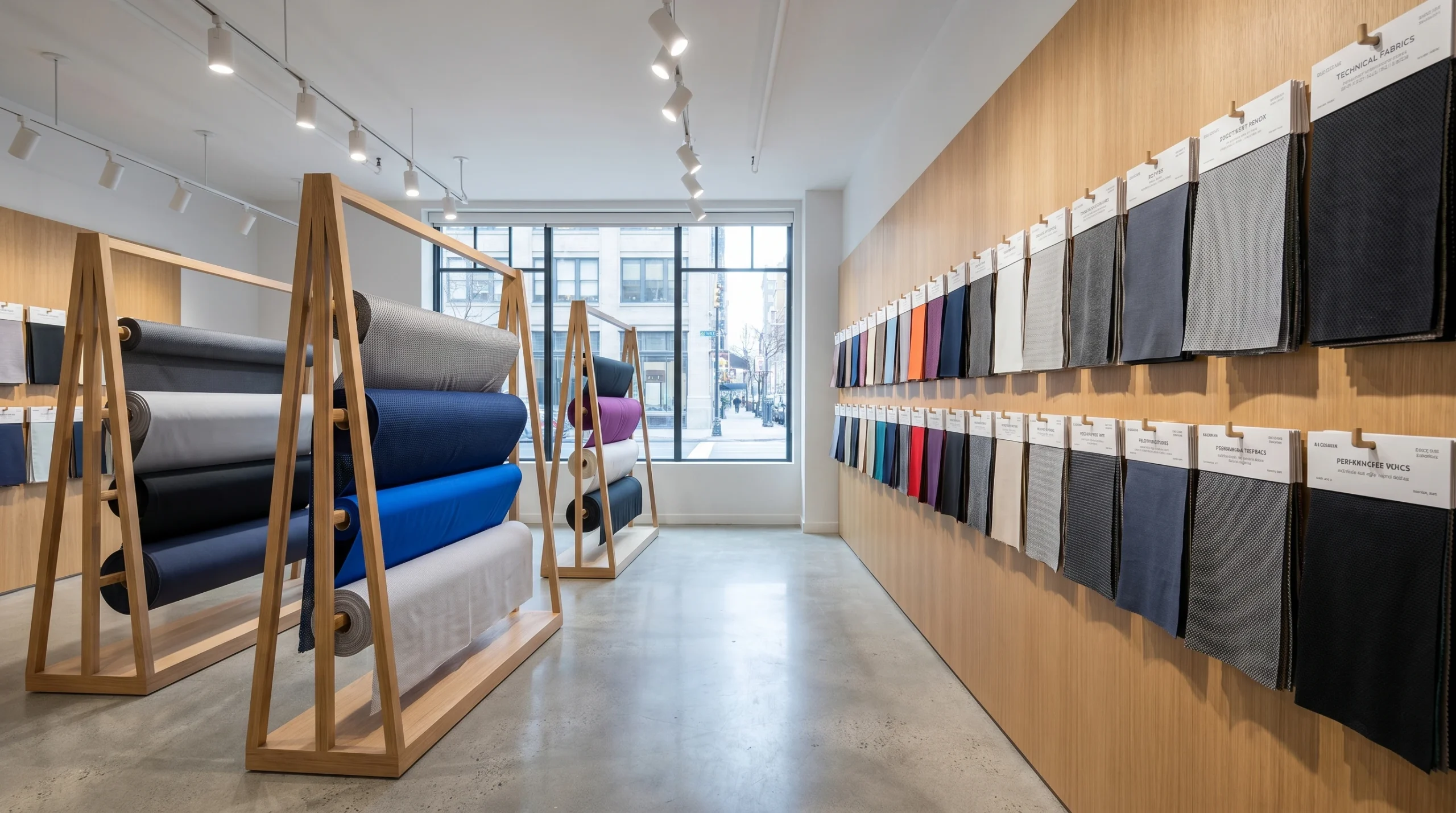
An ideal activewear selection relies on technical textiles engineered to balance breathability, moisture transport, and physical flexibility under high athletic stress. Imagine launching a highly anticipated athletic apparel line, sourcing materials with immense expectations from your commercial clients. You distribute the completed active garments, but within weeks, athletes complain about agonizing skin chafing, heavy sweat retention, and premature seam tearing. Your brand reputation suffers a direct hit because the textile selected failed completely under real-world athletic pressure. Finding a high-performing material that balances breathability, absolute durability, and manufacturing efficiency can feel like a losing battle. Here is the deal: choosing an engineered sports fabric transforms ordinary activewear into elite apparel that keeps athletes cool, dry, and moving without restriction. Our advanced manufacturing solutions provide premium textiles designed specifically to withstand rigorous training while maintaining maximum structural integrity.
Selecting premium performance materials is the cornerstone of building a commercially successful fitness or athleisure line. You might be wondering how different fiber compositions, knit structures, and technical finishes affect performance in high-intensity gym environments. This comprehensive guide provides a detailed breakdown of top-performing activewear materials to help you make optimized procurement decisions for your brand.
What Are the Defining Performance Properties of Sports Fabric?
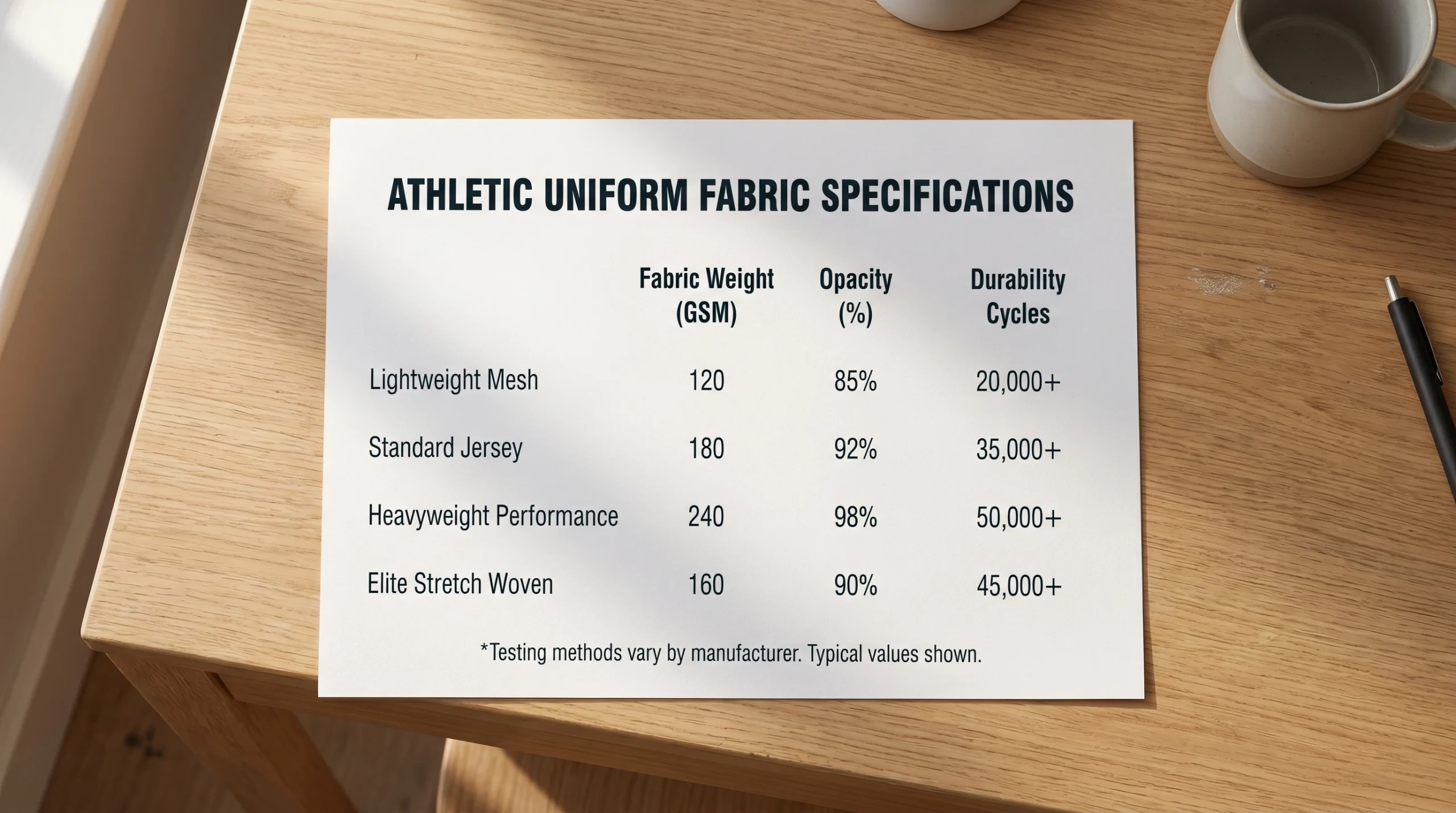
An elite sports fabric must exhibit advanced moisture-wicking capabilities, high tensile durability, and multi-directional stretch to survive intense training sessions. These functional properties separate specialized athletic textiles from basic everyday casual wear.
Why is rapid moisture management vital for athletes?
When athletes push their physical limits, their bodies generate significant heat and liquid sweat. Standard everyday textiles hold onto this moisture, becoming incredibly heavy, cold, and uncomfortable against the skin. An engineered sports fabric pulls liquid sweat away from the skin surface through capillary action, transferring it to the outer layer where it evaporates rapidly. Think about it: a dry athlete is a focused, high-performing athlete who can train longer without experiencing severe chafing or thermal discomfort.
- Synthetic fiber profiles feature unique engineered cross-sections that create natural micro-channels for rapid moisture travel.
- Accelerated drying speeds prevent post-exercise chills by maintaining a stable thermal barrier next to the skin.
- Advanced moisture transport minimizes the overall wet weight of the garment during long endurance events.
How does high fiber elasticity protect garment structure?
Modern fitness routines require dynamic movements that put immense pressure on garment seams and panels. Incorporating high-stretch elastane filaments ensures the material moves with the human body without resisting or tearing.
- High elastic recovery allows the knit structure to stretch significantly and snap back to its original shape instantly.
- Superior dimensional stability prevents embarrassing bagging at the knees or elbows after hours of heavy use.
- Form-fitting compression styles support active muscle groups, reducing vibration and fatigue during explosive sprints.
| Performance Metric | Specialized Sports Fabric | Standard Utility Cotton |
|---|---|---|
| Moisture Absorption Rate | Minimal (Less than 1%) | High (Up to 8% retention) |
| Drying Velocity | Ultra-Fast | Slow / Prolonged |
| Tensile Elastic Recovery | Excellent (95-98% return) | Poor (Prone to sagging) |
Analyzing these essential metrics allows product developers to build garments that survive demanding workouts.
Key takeaway: Utilizing specialized activewear materials guarantees your apparel line delivers top-tier moisture regulation and structural longevity, which directly protects your commercial brand reputation.
Why Is Polyester the Foundation of Modern Activewear?
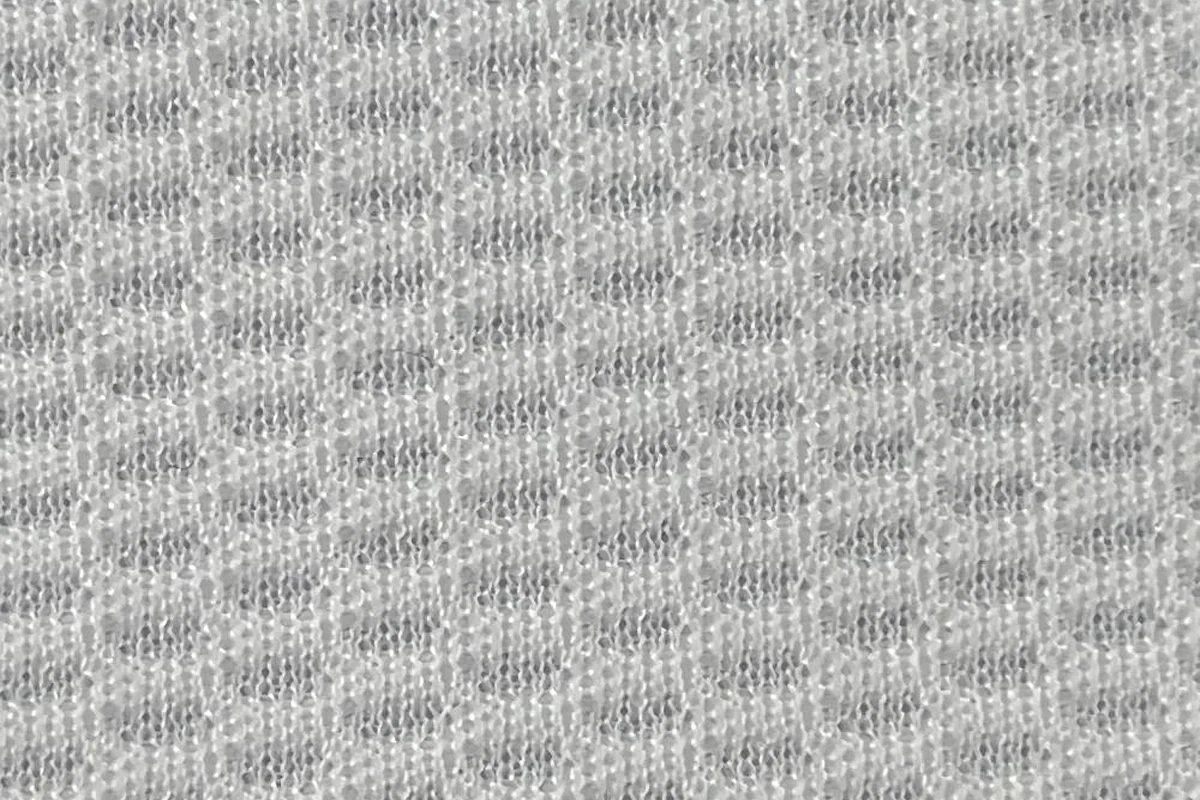
Polyester serves as the undisputed backbone of the global athletic apparel industry due to its incredible versatility, lightweight agility, and cost-efficiency. What is the real story? This synthetic powerhouse dominates commercial sports fabric manufacturing because it can be engineered to meet almost any performance specification without inflating production budgets.
Can polyester support vibrant custom sublimation printing?
Custom team uniforms and bold activewear collections require sharp, high-definition graphics that will not fade or crack over time. Polyester materials absorb disperse dyes at high temperatures, locking the pigment molecules permanently inside the synthetic yarn structure.
- Sublimation printing keeps the fabric completely soft and breathable without adding heavy, rubbery ink layers.
- Intricate custom logos, sharp team numbers, and multi-colored patterns maintain their crisp edges over years of use.
- Printed graphics resist intense UV damage from long hours of exposure during outdoor field sports.
How does polyester maintain structural durability?
Athletic apparel undergoes constant friction, high-velocity stretching, and frequent commercial laundering cycles. Polyester fibers feature incredibly strong chemical bonds that resist pilling, stretching, and tearing over long lifecycles.
- High-density interlocking knits easily resist abrasions from rough gym equipment and outdoor turf surfaces.
- Exceptional resistance to chemical detergents ensures that vibrant colors do not bleed or fade during hot washing.
- Low natural moisture absorption prevents the fibers from swelling, keeping the garment lightweight when wet.
| Polyester Grade | Tensile Strength | Primary Sport Application |
|---|---|---|
| Standard Filament | Medium-High | Budget Team Jerseys, Training Bibs |
| Microfiber Polyester | High | Premium Running Shirts, Cycle Kits |
| Recycled PET Knit | Medium-High | Eco-Friendly Activewear Collections |
Selecting the correct grade of polyester optimizes your production costs while meeting specific performance metrics.
Key takeaway: Choosing premium polyester gives your product line access to superior custom printing capabilities and excellent shape retention, making it perfect for high-volume athletic uniforms.
How Does Nylon Elevate Premium Activewear Lines?
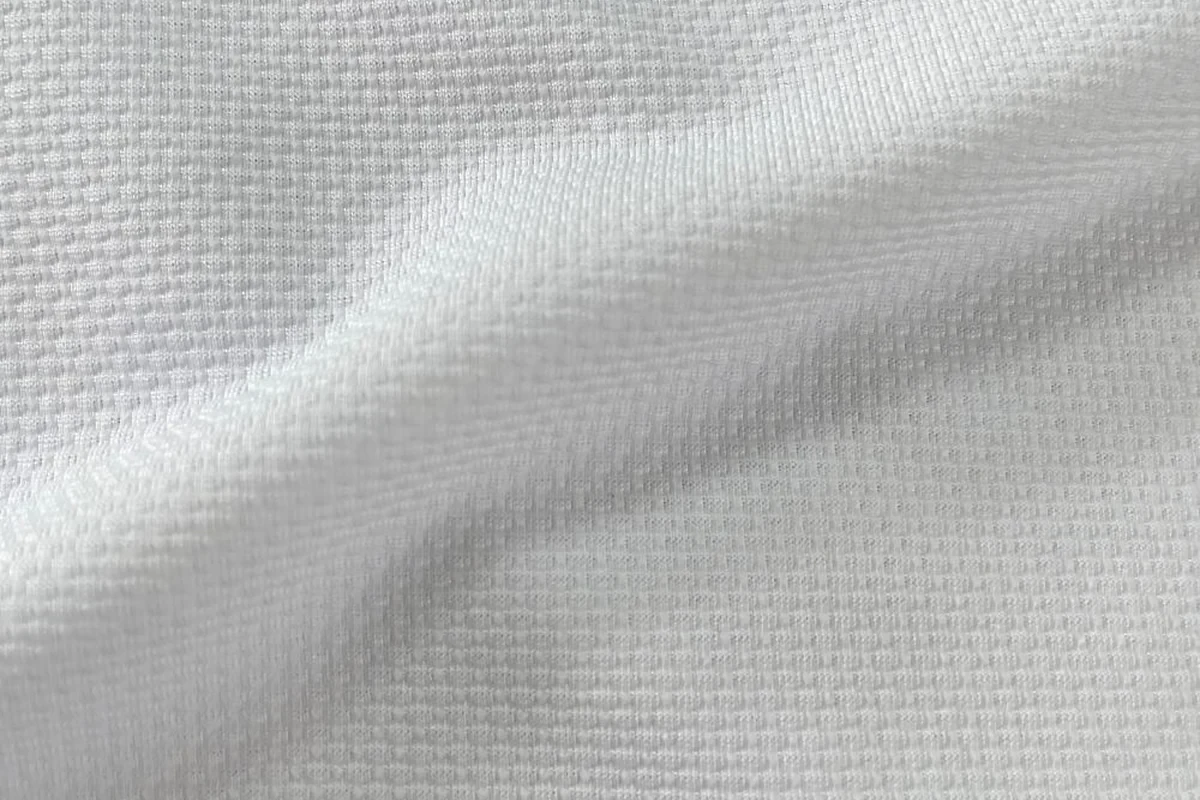
Nylon stands out as a premium synthetic choice in the commercial market when absolute strength and a luxury hand feel take priority. Ready for the good part? While polyester is a fantastic all-rounder, nylon sports fabric delivers an ultra-smooth, cool-to-the-touch texture that elevates standard fitness gear into the high-end athleisure segment.
Why does nylon provide unmatched abrasion resistance?
For high-contact sports like gymnastics, martial arts, or rugged outdoor trail running, garments face intense surface friction. Nylon features exceptionally tough amide molecular chains that resist wearing down even under extreme mechanical stress.
- It easily survives repeated friction against rough gym floors and heavy backpack straps without pilling.
- Incredible tensile strength allows manufacturers to create thinner, lighter knits that remain completely squat-proof.
- High structural puncture resistance makes it an ideal outer shell choice for windbreakers and outdoor gear.
What makes nylon feel so luxurious on the skin?
Discerning fitness consumers demand garments that feel incredibly soft and weightless during intense training. Nylon fibers feature exceptionally smooth, round filaments that significantly reduce skin friction during repetitive movements.
- The material feels naturally cool against the skin, providing physical relief during hot, sweaty workouts.
- It drapes beautifully over body contours, creating highly flattering silhouettes for premium yoga collections.
- Natural dye affinity allows the fabric to accept rich, deep hues that maintain a vibrant look.
| Material Attribute | Premium Nylon Fabric | Standard Polyester Fabric |
|---|---|---|
| Tactile Hand Feel | Silky, Smooth, and Cool | Textured, Crisp, and Warm |
| Abrasion Resistance | Superior / Industrial Grade | Good / Standard Grade |
| Moisture Absorption | Approximately 4-4.5% | Less than 0.4% |
Understanding these tactile distinctions allows your design team to position nylon products effectively at a premium price point.
Key takeaway: Incorporating premium nylon into your collections elevates the sensory experience and structural toughness of your garments, attracting elite customers who favor luxury athleisure.
Can Spandex Blends Optimize Your Compression Gear?
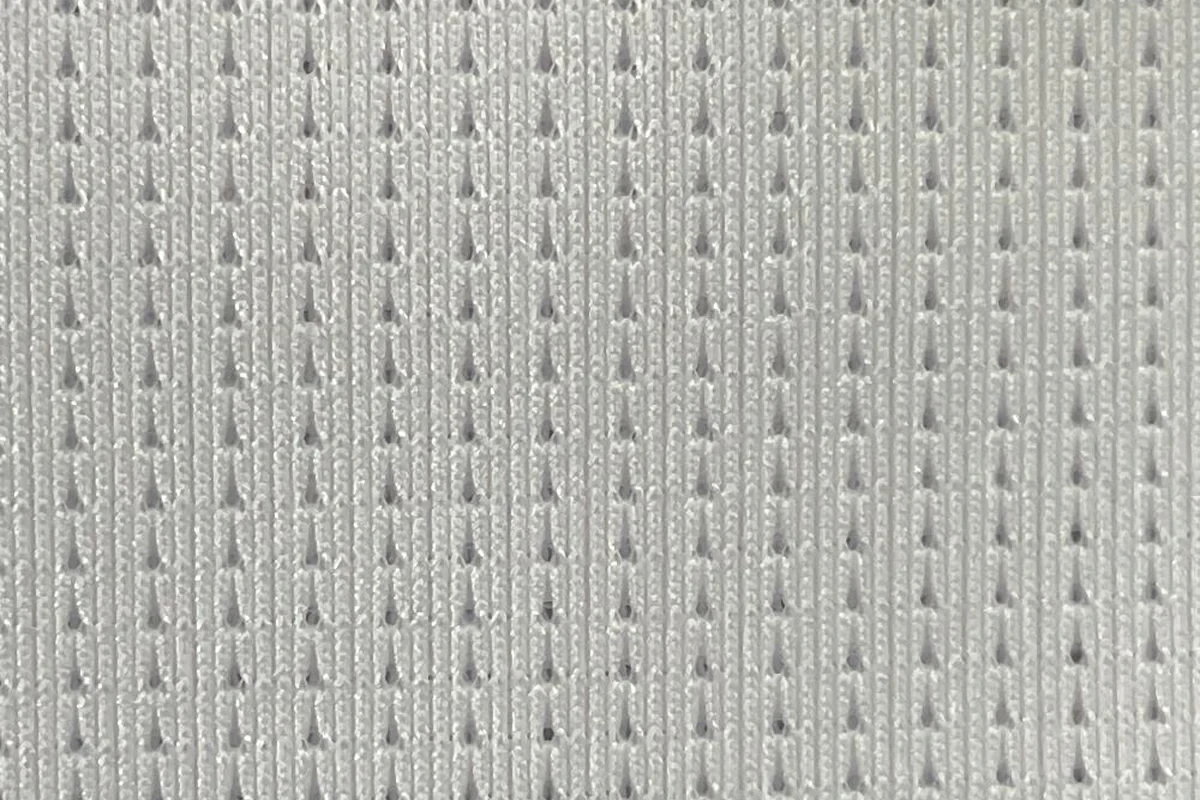
Spandex, also recognized as elastane, is the ultimate ingredient for adding extreme flexibility to a high-performance sports fabric. This is where it gets interesting: spandex can stretch up to six times its original length and snap back completely unaltered, making it indispensable for modern compression wear.
How does compression technology assist athletic recovery?
Athletes rely on tight, supportive garments to stabilize their muscle groups during explosive physical movements. A high-spandex performance material exerts gentle, targeted pressure on the body, which aids performance and comfort.
- The tight fit reduces muscle oscillation, minimizing physical fatigue and soreness during long workouts.
- Enhanced body awareness or proprioception allows athletes to maintain better form during complex exercises.
- Graduated compression designs support efficient blood flow through active muscle groups during recovery.
What is the ideal spandex percentage for fitness gear?
Using too much or too little elastane can ruin the functionality and comfort of an athletic garment. Finding the right balance in your product blend depends entirely on the intended sport or activity.
- Yoga pants and sports bras require a substantial 15% to 25% spandex blend for maximum flexible range.
- Standard training shirts and running shorts perform beautifully with a modest 5% to 10% blend.
- Excess spandex can retain moisture longer, so it must be blended carefully with quick-drying polyester fibers.
| Spandex Blend Level | Stretch Capacity | Target Activewear Product |
|---|---|---|
| 5% – 10% Blend | Moderate Stretch | Daily Training Tees, Gym Shorts |
| 12% – 18% Blend | High Stretch | Compression Sleeves, Track Suits |
| 20% – 25% Blend | Ultra-High Stretch | Premium Yoga Leggings, Sports Bras |
Selecting the correct blend level prevents your garments from feeling restrictive while ensuring they provide ample support.
Key takeaway: Strategically incorporating targeted percentages of spandex allows you to manufacture form-fitting compression garments that support active muscles and move effortlessly with the athlete.
Is Polypropylene the Ultimate Secret Weapon for Dryness?
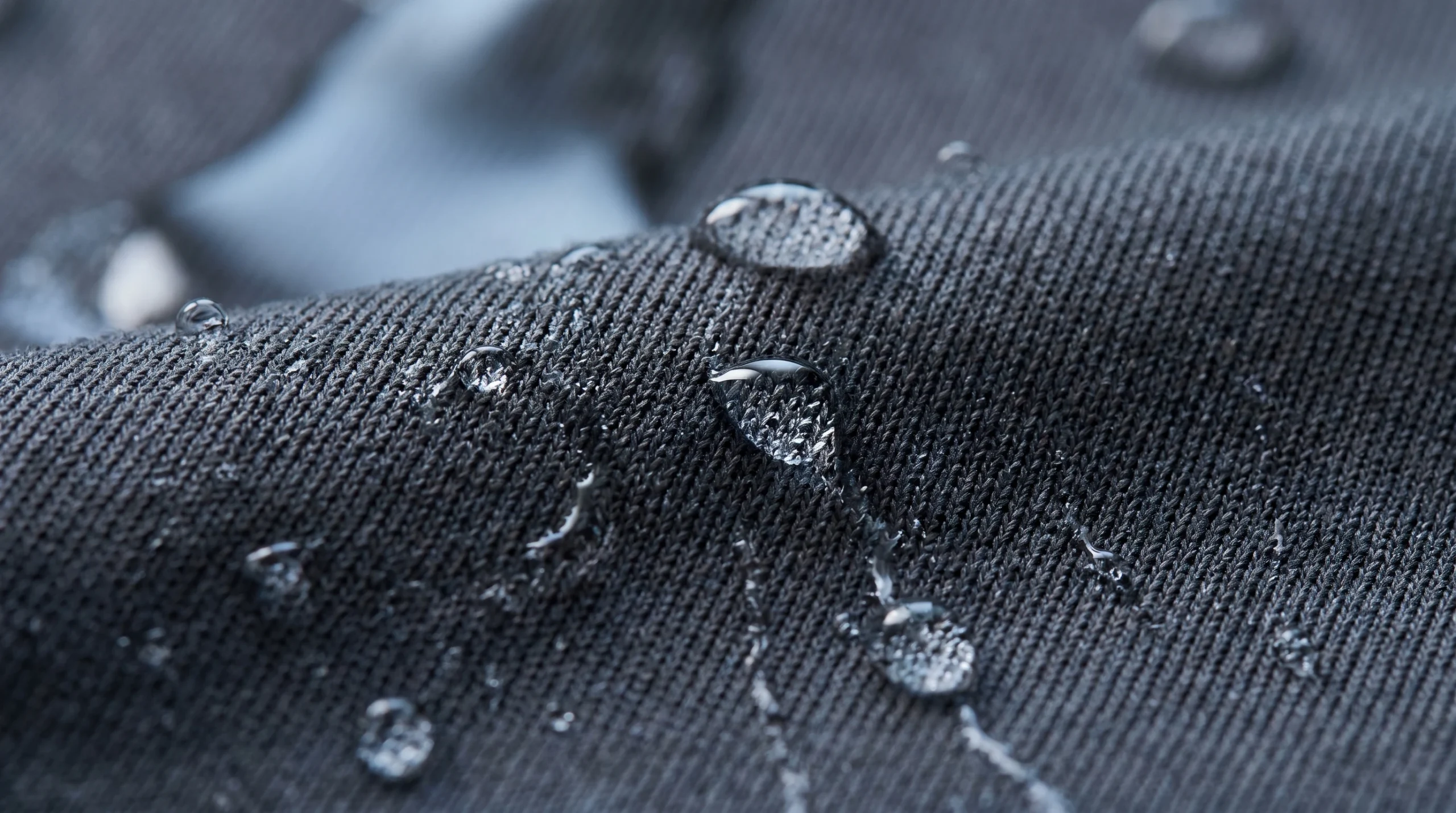
Polypropylene is an underutilized champion in the athletic textile sector, serving as a powerful secret weapon for extreme moisture management. Check this out: this hydrophobic material cannot absorb any liquid moisture into its fibers, forcing sweat away from the body faster than almost any other textile on the market.
Why is polypropylene ideal for extreme winter sports?
When training in freezing outdoor temperatures, staying wet means risking rapid body cooling and hypothermia. A polypropylene sports fabric serves as an exceptional base layer because it transfers sweat instantly to outer layers, keeping the skin dry.
- The material features the lowest thermal conductivity of any synthetic fiber, trapping body heat effectively.
- It stays completely lightweight because it does not hold onto sweat during long outdoor excursions.
- Rapid moisture transport keeps cold winds from chilling active muscles during vital rest periods.
How does polypropylene keep garments incredibly lightweight?
Heavy clothing slows down endurance athletes who are fighting for fractions of a second. Polypropylene materials have a remarkably low specific gravity, making them noticeably lighter than standard polyester or nylon.
- It allows manufacturers to create thick, insulating winter garments that do not feel heavy or bulky.
- Lightweight construction reduces athlete fatigue during grueling marathons or long alpine climbs.
- Low material density means less physical weight is required to achieve high-performance insulation parameters.
Fiber Density Metric
| Polypropylene Yarn | Polyester Filament | Nylon Filament |
|---|---|---|
| Specific Gravity | 0.91 g/cm³ (Floats) | 1.38 g/cm³ |
| 1.14 g/cm³ | Moisture Regain | 0.0% (Hydrophobic) |
| 0.4% | 4.0% | Thermal Retention |
| High | Moderate | Low |
Utilizing this unique material helps your brand capture niche markets like competitive winter sports and extreme outdoor endurance racing.
Key takeaway: Deploying polypropylene in cold-weather base layers gives your brand a massive technical advantage by providing unmatched dryness and lightweight thermal insulation.
Are Natural Fabrics Ever Effective for High-Performance Sports?
Many product developers assume that natural fibers have no place in a technical sports fabric lineup. Let's look closer: while traditional cotton is problematic for training, premium natural alternatives like merino wool offer incredible built-in performance properties.
What makes merino wool a standout natural performer?
Merino wool does not resemble the scratchy, heavy sweaters of the past. Modern merino performance materials feature ultra-fine fibers that deliver exceptional climate control and comfort across a wide temperature range.
- The crimped structure of the fibers creates thousands of tiny air pockets that naturally regulate body heat.
- It can absorb up to 30% of its weight in moisture without feeling wet or clammy against the skin.
- The fiber releases a small amount of heat when absorbing moisture, preventing post-exercise chills.
How does natural odor resistance benefit endurance athletes?
Synthetic garments can trap body oils and develop a stubborn, unpleasant smell after a few intense workouts. A natural merino knit naturally resists odor-causing bacteria, keeping garments fresh for days.
- Chemical compounds within the wool fibers neutralize odor molecules naturally without synthetic treatments.
- It is perfect for multi-day hiking trips, travel, and endurance events where laundry access is limited.
- Fewer wash cycles extend the lifespan of the garment while saving water and energy.
| Fabric Source Category | Odor Resistance Level | Environmental Biodegradability |
|---|---|---|
| Premium Merino Wool | Natural & Permanent | 100% Fully Biodegradable |
| Untreated Polyester | Low (Retains Oils) | Non-Biodegradable / Synthesized |
| Silver-Treated Polyester | High (Chemical Blend) | Non-Biodegradable / Synthesized |
Blending natural merino with strong synthetic fibers creates a durable, high-performance hybrid textile for premium outdoor collections.
Key takeaway: Integrating premium natural fibers like merino wool allows you to capture high-end outdoor markets that demand permanent odor control and sustainable performance.
How Do Mesh Insets Maximize Sportswear Ventilation?
Strategic ventilation zones can transform a standard activewear top into a high-performance cooling garment. Here is the trick: integrating mesh panels into a sports fabric design targets the body's highest heat zones to maximize refreshing airflow.
Where should ventilation panels be placed for maximum cooling?
Placing heavy, non-porous textiles over high-sweat areas causes rapid overheating and discomfort. Designers utilize open-knit mesh materials in targeted zones to encourage natural convective cooling.
- Placing panels along the spine and underarms allows trapped body heat to escape instantly.
- Airflow entering the front panels pushes hot air out through the back panels during forward motion.
- Dynamic mapping matches the unique thermal profiles of both male and female athletes.
What are the structural benefits of warp-knitted mesh?
Mesh panels must be strong enough to maintain their open structure without tearing during intense movement. High-quality mesh materials rely on warp-knitting technology to ensure long-term durability.
- Warp-knit loops lock together securely, preventing unraveling if the mesh snags on equipment.
- The open holes are knitted directly into the fabric matrix rather than punched out mechanically.
- It provides exceptional directional stretch without losing its venting capabilities under tension.
| Mesh Structural Type | Air Permeability Rate | Structural Tear Resistance |
|---|---|---|
| Warp-Knit Mesh Matrix | Extremely High | Excellent (Run-Resistant Structure) |
| Weft-Knit Eyelet Structure | High | Moderate (Prone to snag runs) |
| Punched Micro-Perforated | Medium | High (Maintains solid base) |
Utilizing targeted mesh integration shows your customers that your apparel is engineered for serious athletic performance.
Key takeaway: Incorporating rugged warp-knit mesh panels into high-heat zones significantly improves the breathability and technical value of your sportswear lines.
Why Is Recycled Performance Fabric Gaining Market Share?
Modern B2B garment buyers and retail consumers are demanding greater environmental accountability from their apparel brands. The trend is clear: adopting a recycled sports fabric aligns your business with global sustainability targets while keeping performance metrics incredibly high.
How does recycled polyester protect the planet?
Traditional synthetic textiles rely directly on crude oil extraction and energy-intensive manufacturing. Recycled polyester materials utilize post-consumer plastic bottles, keeping them out of oceans and landfills.
- Manufacturing recycled yarn consumes significantly less energy than creating virgin polyester.
- It reduces global carbon emissions while conserving valuable water resources during raw material processing.
- Giving waste plastic a second life supports a circular textile economy.
Does recycled material compromise athletic performance?
A common misconception is that eco-friendly materials are weaker or less effective than virgin synthetics. Premium recycled materials undergo strict purification and extrusion processes to ensure top-tier quality.
- The purified recycled polymers match the exact tensile strength and durability of virgin polyester.
- It features identical moisture-wicking and dye-reception capabilities for custom athletic styling.
- Certifications like the Global Recycled Standard (GRS) provide verifiable proof of origin to your buyers.
| Material Origin Type | Processing Carbon Footprint | Performance Capabilities |
|---|---|---|
| Virgin Petroleum Poly | High Carbon Output | Standard Performance Baseline |
| GRS Certified Recycled | Significantly Lower | Identical to Virgin Standards |
Embracing recycled materials satisfies corporate sustainability mandates while delivering an elite product to athletes.
Key takeaway: Switching to certified recycled synthetics allows your brand to meet modern sustainability demands without losing any technical performance or fabric longevity.
What Role Do Antibacterial Fabric Treatments Play?
Intense athletic workouts create the perfect warm, moist environment for odor-causing bacteria to thrive on textiles. Take note of this: integrating advanced antibacterial features into your sports fabric keeps your garments smelling fresh and extends their usable life.
How do silver-ion treatments eliminate garment odor?
Synthetic fibers easily trap body oils and sweat, creating food sources for microscopic bacteria. Performance materials treated with silver ions break down these microorganisms upon contact.
- Silver ions disrupt the metabolic processes of bacteria, preventing them from multiplying.
- The treatment keeps garments smelling incredibly clean, even during day-long tournaments or long commutes.
- Odor control prevents the buildup of stubborn smells that ruin synthetic activewear over time.
Why does odor control extend the lifespan of activewear?
When fitness garments develop a persistent, unpleasant odor, consumers tend to wash them excessively or discard them completely. An antibacterial material cuts down the need for aggressive laundering cycles.
- Fewer washings mean less mechanical stress on the stitching and elastic components of the apparel.
- Lower laundry frequency saves water and preserves fabric color depth over the years.
- Consumers enjoy a fresh, reliable garment that retains its performance qualities for much longer.
| Antibacterial Treatment | Wash Cycle Durability | Environmental Profile |
|---|---|---|
| Inherent Silver Ion Yarn | High (Maintained 50+ washes) | Safe / Bound to Fiber Matrix |
| Topical Chemical Finish | Low (Leaches out rapidly) | Higher risk of chemical runoff |
Investing in high-durability antibacterial yarns yields a much more reliable product for your active customer base.
Key takeaway: Adding permanent silver-ion antibacterial properties to your textiles delivers long-lasting freshness and significantly reduces product degradation from frequent hot washing.
How Can Your Brand Source the Perfect Performance Fabric?
Sourcing the ideal textile requires a clear understanding of your specific target market and sport application. Here is the bottom line: the perfect sports fabric combines the moisture-wicking power of polyester, the toughness of nylon, and the flexibility of spandex.
How should you match fabric weight to specific sports?
Choosing a material that is too heavy can exhaust an athlete, while a material that is too light can lack durability. Balancing fabric weight is key when selecting your activewear inventory.
- Ultra-lightweight fabrics (100–140 GSM) are ideal for competitive running and hot-weather training.
- Medium-weight textiles (150–220 GSM) provide excellent structure for team jerseys and fitness gear.
- Heavyweight double-knits (240+ GSM) offer the necessary support and coverage for premium compression leggings.
What quality control standards should you verify with suppliers?
Partnering with an unverified mill can lead to massive sizing discrepancies and performance failures. When sourcing your materials, always demand verified testing data to ensure consistent production quality.
- Verify moisture management metrics via standardized liquid moisture management tests (AATCC 195).
- Check stretch and recovery performance to avoid sagging at the knees and elbows after use.
- Ensure the mill complies with strict international environmental regulations like OEKO-TEX Standard 100.
| Target Athletic Arena | Recommended Material Blend | Optimal Fabric Weight |
|---|---|---|
| Marathon / Running | 90% Micro-Polyester / 10% Spandex | 110 – 130 GSM Lightweight |
| Yoga / Fitness Training | 80% Premium Nylon / 20% Spandex | 240 – 280 GSM Heavyweight |
| Field Team Sports | 100% Interlock Filament Polyester | 140 – 160 GSM Midweight |
Partnering with an experienced manufacturer streamlines your supply chain and guarantees stable, elite fabric performance.
Key takeaway: Matching precise material weights and demanding verified performance data ensures your sportswear line looks exceptional and functions flawlessly in demanding commercial environments.
FAQs
Can I use 100% cotton for high-performance activewear production?
No, cotton is not recommended for elite sportswear manufacturing. It absorbs massive amounts of moisture and dries slowly, which causes wet garments to stick to the athlete, inducing severe skin chafing and rapid muscle cooling.
What is the best fabric combination for manufacturing premium yoga pants?
The best combination is a high-density warp-knit blend of 80% nylon and 20% spandex. This specific construction delivers an ultra-soft feel, absolute squat-proof coverage, and enough elastic tension to comfortably support active muscle groups.
How do I know if a synthetic fabric has genuine moisture-wicking properties?
You should request official laboratory test results using the AATCC 195 standard from your supplier. True moisture-wicking materials feature specially shaped fiber cross-sections that move liquid away from the body quickly, which can be verified through these standardized tests.
Can recycled polyester match the strength of virgin polyester in team uniforms?
Yes, high-grade recycled polyester delivers identical tensile strength, colorfastness, and stretch properties to virgin polyester. The recycled plastic polymers are completely purified and re-extruded to meet strict athletic performance specifications.
Choosing Excellence in Sportswear Manufacturing
Selecting the right textile blend is the single most important decision for ensuring the comfort, performance, and long-term durability of your athletic apparel line. By balancing technical properties like moisture management, abrasion resistance, and flexible stretch, your brand can confidently deliver activewear that stands up to the most grueling workouts. We design and manufacture specialized fabrics that empower athletes and elevate fitness brands worldwide. Ready to upgrade your materials supply chain? Please contact us today to request custom samples and discover how our advanced textile engineering can help your business lead the market.