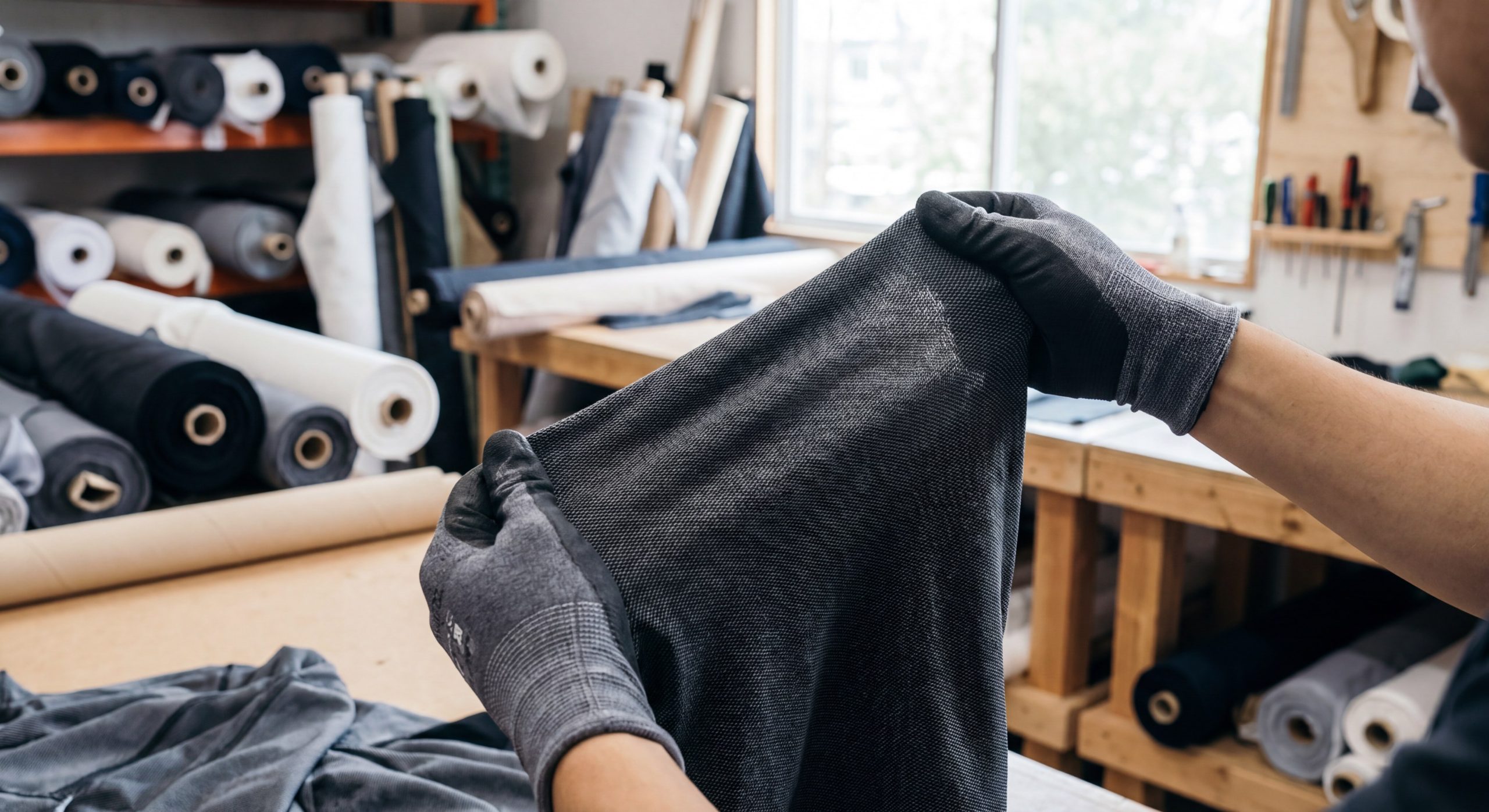
Choosing between bird’s eye mesh and regular athletic mesh for sportswear comes down to balancing classic durability and technical texture with maximum hot-weather breathability. As an athletic wear brand or team uniform manufacturer, sourcing the wrong base fabric can lead to severe player discomfort and immediate on-field tearing. There is nothing worse than delivering an entire custom league order only to receive angry complaints about sweat-trapping fabrics or snags after standard sliding plays. When you compare Birdseye mesh vs Pin dot mesh for baseball , you can easily identify the exact weight, performance profile, and visual aesthetic your team clients need to dominate.
Which mesh is best for custom team uniforms?
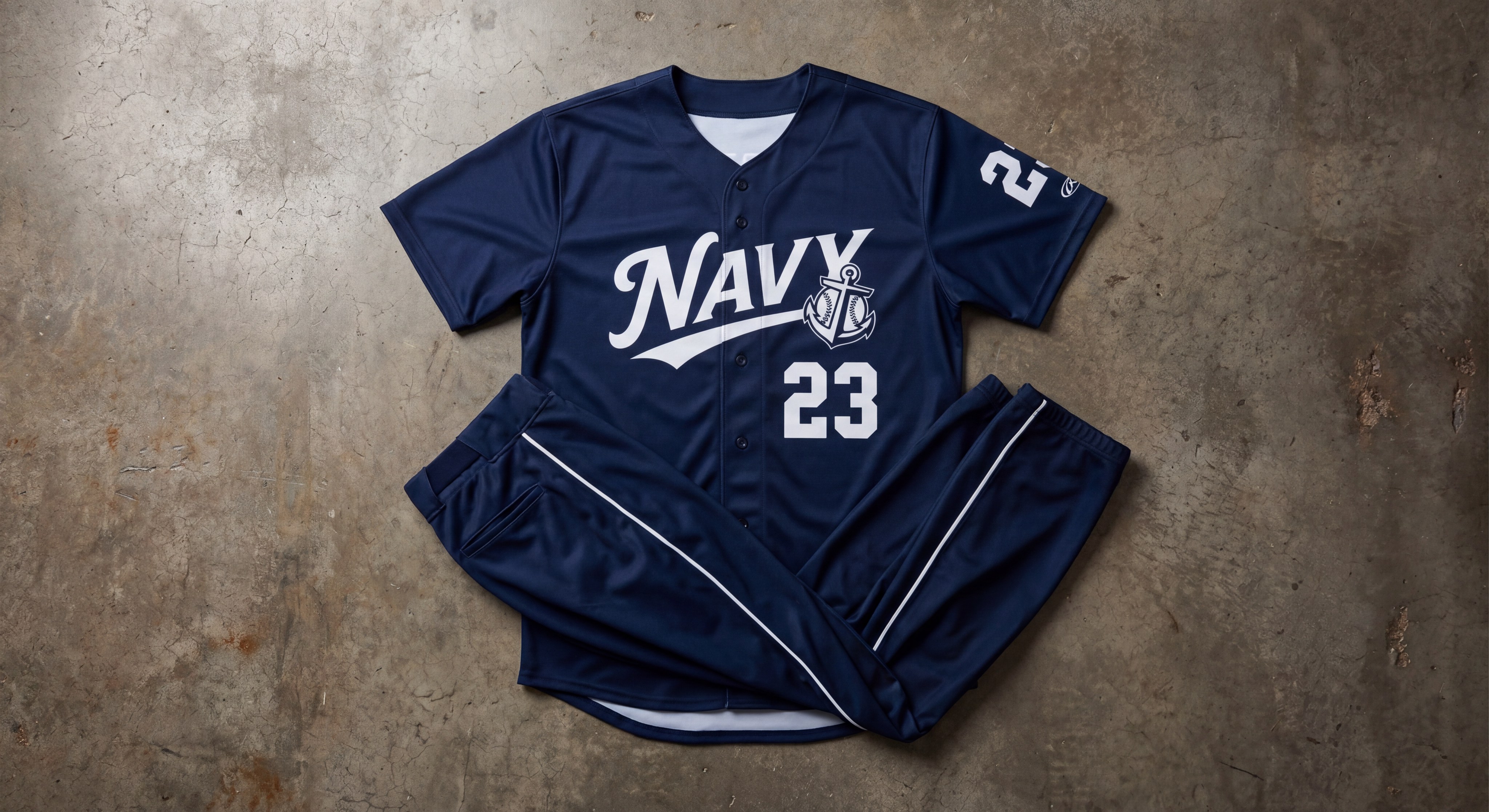
Selecting the optimal mesh requires analyzing your team’s climate, durability needs, and budget. When comparing Birdseye mesh vs Pin dot mesh for baseball , bird’s eye excels in rugged environments while pin dot dominates in intense heat. By matching fabric traits to player demands, you can deliver perfect uniforms.
What are the unique demands of modern sportswear?
You must realize that modern athletes demand more than just a simple shirt. Sportswear must pull sweat from the skin rapidly while resisting tearing during physical contact.
Here is the thing: if a fabric cannot handle quick movements or friction, it will fail on the field. You need fabrics engineered specifically for high-intensity movement.
- Durability: Must withstand intense friction from slides and turf burns.
- Breathability: Crucial for hot summer doubleheaders under direct sunlight.
- Aesthetics: Needs to maintain sharp team colors and support high-quality logos.
Why does fabric structure make a difference?
Knit geometry dictates how air flow passes through the garment and how the material drapes. A double-knit structure offers a heavier hand feel and outstanding support compared to standard open weaves.
Think about it: a circular knit with alternating recessed patterns naturally helps distribute moisture better. It also prevents the fabric from clinging to skin when wet.
- Double-knit structure: Offers a solid backing that resists snags.
- Eyelet perforation: Promotes direct airflow but can expose skin or base layers.
| Performance Variable | Double-Knit Structures | Single-Knit / Eyelet | |
|---|---|---|---|
| Material Thickness | Heavy & structured | Fine & lightweight | |
| Air Circulation | Moderate to high | Maximum direct ventilation | |
| Snag Resistance | High (tight knit) | Moderate (open structure) |
The data highlights how double-knit mesh ensures long-term uniform shape retention.
Key Takeaway: Choosing the right structure ensures your custom jerseys look elite and survive the grueling season intact.
Why choose Birdseye mesh vs Pin dot mesh for baseball?
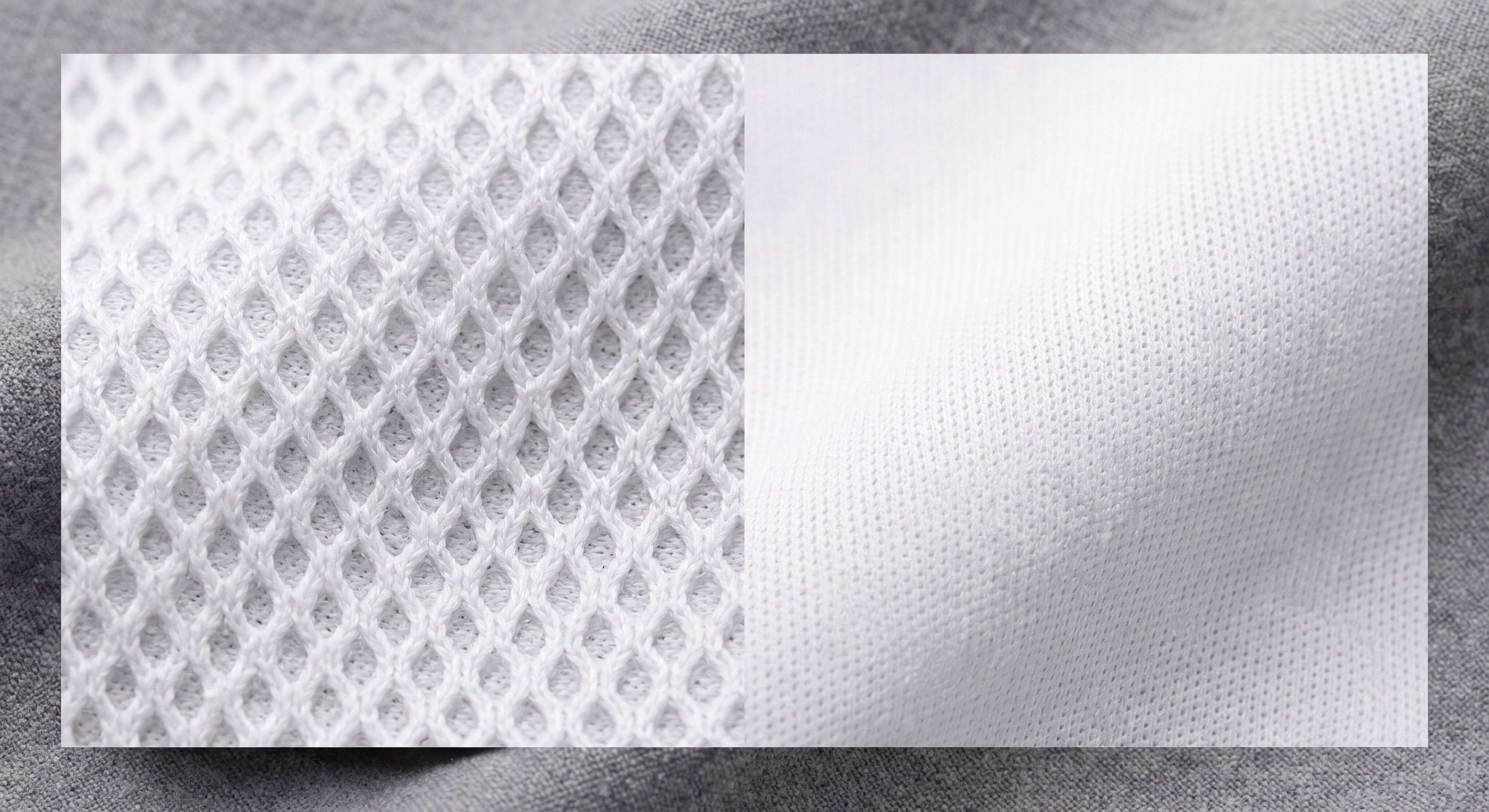
You should choose bird’s eye mesh for unmatched structural durability and a premium textured look, whereas pin dot mesh is superior for absolute breathability. Evaluating Birdseye mesh vs Pin dot mesh for baseball helps you identify the balance of ventilation and strength needed for competitive diamond environments. Making this choice early avoids production errors.
What is the signature bird’s eye pattern?
The bird’s eye fabric utilizes a unique double-knit structure characterized by a tiny, repeating diamond pattern. This textured surface elevates the garment’s appearance, making it look incredibly professional.
Want to know the best part? The geometric knit creates tiny raised and recessed channels that keep the fabric off your skin, enhancing comfort during hot innings.
- Visual Pattern: Distinctive tiny diamond or hexagonal shapes.
- Fabric Weight: Usually ranges from 135 to 180 gsm for baseball.
- Hand Feel: Substantial, structured, and textured.
How does the pin dot structure differ?
Pin dot mesh relies on a flatter sheet design featuring clean, uniform micro-perforations. These pinpoint openings act as direct mini-vents to keep players cool in the summer heat.
But that’s not all: this open eyelet structure is significantly lighter than double-knit options. It is highly favored by elite athletes who prioritize weightless speed.
- Visual Pattern: Flat sheet with uniform, pinpoint-sized perforations.
- Fabric Weight: Typically lighter, ranging from 110 to 140 gsm.
- Hand Feel: Silky, highly flexible, and airy.
| Key Feature | Bird’s Eye Mesh Pattern | Pin Dot Eyelet Pattern | |
|---|---|---|---|
| Knit Density | High (Double-knit) | Low (Single-knit eyelet) | |
| Visual Texture | Raised geometric diamond | Flat surface with micro-punctures | |
| Drape Profile | Structured and supportive | Fluid and highly flexible |
Comparing these knit patterns reveals how surface textures impact on-field performance and styling.
Key Takeaway: Select bird’s eye for traditional, heavy-duty uniform designs and pin dot for lightweight activewear panels.
How do they handle heat and sweat on the field?
Both fabrics manage moisture exceptionally well by utilizing advanced polyester yarns, but they disperse heat differently. When comparing Birdseye mesh vs Pin dot mesh for baseball , pin dot offers higher airflow rates, while bird’s eye excels at structured moisture dispersion. Choosing the right one depends on your local climate.
Which option provides superior ventilation?
Pin dot mesh is the absolute champion of direct airflow because of its open eyelet design. It allows wind to pass directly through the fabric to cool the player’s core.
Here is the kicker: bird’s eye mesh relies on surface channels to pull moisture away instead of open holes. This means bird’s eye keeps wind out while focusing on surface drying.
- Moisture Wicking: Both fabrics pull sweat, but pin dot dries up to 15% faster.
- CFM Airflow Rate: Pin dot achieves higher CFM (cubic feet per minute) values.
- Cooling Effect: Pin dot is ideal for high-humidity summer leagues.
Does jersey weight affect player speed?
Heavy, sweat-soaked jerseys can actively drag down an athlete’s physical performance. You must avoid fabrics that retain massive water weight when saturated.
Think about it: a lighter pin dot jersey remains comfortable during doubleheaders. However, bird’s eye holds its shape better and won’t sag when wet.
- Dry Weight: Pin dot is lighter, making it feel almost weightless.
- Wet Weight: Bird’s eye absorbs slightly more moisture but maintains its shape better.
| Airflow & Weight | Bird’s Eye Mesh | Pin Dot Mesh | |
|---|---|---|---|
| Airflow Rate | 120 – 180 CFM (Very Good) | 200 – 300 CFM (Maximum) | |
| Dry Time (Fully Wet) | 3 to 4 hours | 2 to 3 hours | |
| Average Fabric Weight | 135 – 180 gsm | 110 – 140 gsm |
This dynamic comparison proves that ventilation rates directly impact jersey drying times under intense game conditions.
Key Takeaway: Supply pin dot mesh for extreme hot-weather tournaments to ensure players stay dry and unweighted.
Which fabric withstands hard slides and abrasion?
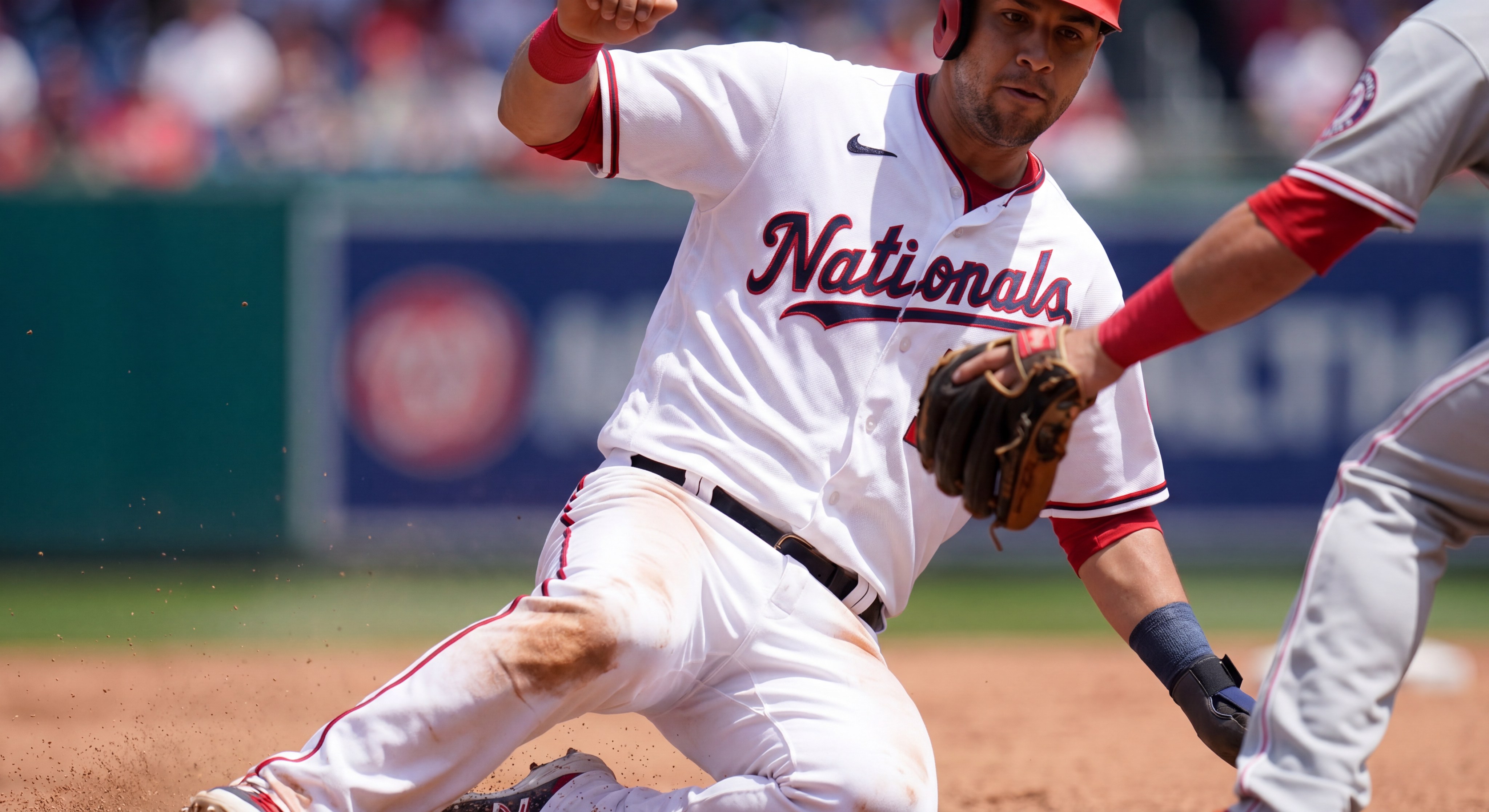
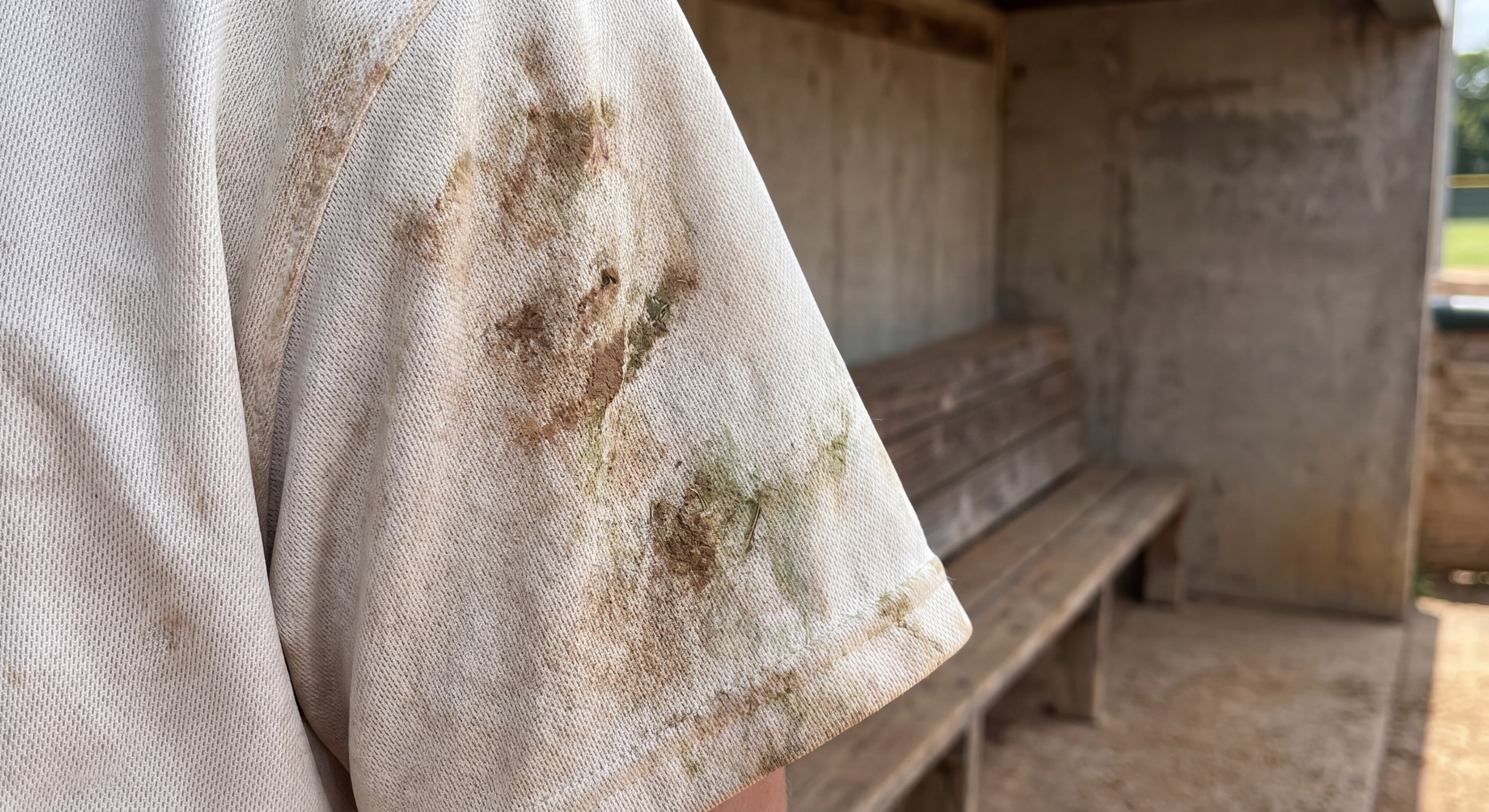
Bird’s eye mesh is the superior choice for high-contact plays and harsh abrasive conditions. Analyzing the durability of Birdseye mesh vs Pin dot mesh for baseball reveals that double-knit patterns protect fibers from tearing much better than open meshes. Selecting a weak fabric will result in immediate jersey failures. Your teams deserve materials that survive slides into home plate.
Can these fabrics withstand dirt sliding?
Sliding into base puts immense friction and mechanical stress on uniform shoulders and sleeves. You need a fabric with a tightly bound knit that won’t catch on dirt or clay.
Here is why this matters: pin dot’s open holes can easily snag on loose rocks or opposing players’ velcro straps. Bird’s eye mesh features a raised double-knit that deflects these abrasive forces.
- Abrasion Rating: Bird’s eye withstands higher Martindale wear cycles.
- Friction Defense: The raised texture helps disperse impact friction.
- Snag Tendency: Pin dot’s open holes can catch on dirt particles or velcro.
How do they hold up in the laundry?
Baseball uniforms undergo harsh industrial washing cycles to remove stubborn grass, clay, and dirt stains. Heavy detergents can easily degrade weak fibers over a single season.
Let’s face it: both of these polyester options resist fading, but bird’s eye prevents pilling and fuzzing far better. Your custom printed graphics will stay clean and intact.
- Pilling Resistance: Both fabrics excel, but bird’s eye resists fuzzing better.
- Stain Release: Polyesters in both allow easy clay and grass stain removal.
| Durability Metrics | Bird’s Eye Mesh | Pin Dot Mesh | |
|---|---|---|---|
| Martindale Abrasion | 15,000 – 20,000 cycles | 10,000 – 14,000 cycles | |
| Snagging Vulnerability | Very low | Moderate (due to holes) | |
| Colorfastness Grade | 4.5+ (Resists fading) | 4.0+ (Resists fading) |
High abrasion tolerance prevents physical jersey degradation over multiple competitive seasons.
Key Takeaway: Choose bird’s eye mesh for youth leagues and high-contact divisions where uniform durability is the primary priority.
Who wins the stretch and recovery challenge?

The winner depends on whether you require natural mechanical elasticity or elastane-fueled physical stretch. Understanding Birdseye mesh vs Pin dot mesh for baseball elasticity helps you specify the perfect movement profile for high-performance kits. Bird’s eye provides consistent mechanical recovery, while pin dot excels when blended with spandex. Let’s look closer at these stretch mechanics.
Which fabric offers better mechanical stretch?
Mechanical stretch refers to elasticity built entirely into the knitting pattern without adding heavy elastic fibers. You want this because 100% polyester is lighter and much easier to recycle.
Want to know the best part? Bird’s eye double-knit provides excellent cross-grain recovery that naturally resists bagging. It stretches with the body and snaps back cleanly.
- Interlock Knit: Bird’s eye double-knit provides excellent cross-grain recovery.
- Sag Resistance: Bird’s eye holds its shape, preventing “baggy” jerseys over time.
- Flexibility: Pin dot relies on its open holes to stretch, which can distort patterns.
Do you need spandex for baseball jerseys?
Pure polyester is highly cost-effective, but blending in spandex unlocks true 4-way active stretch. You must weigh the performance upgrade against the increased weight and cost.
Here is the reality: pin dot blended with spandex offers unmatched elastic movement for elite players. However, this blend can stretch out permanently if abused.
- 100% Polyester: Lighter, cheaper, and easier to recycle.
- Spandex Blends: Offers superior 4-way stretch but increases costs.
| Stretch Property | Bird’s Eye (100% Poly) | Pin Dot (Poly/Spandex) | |
|---|---|---|---|
| Stretch Direction | 2-Way mechanical | 4-Way high elasticity | |
| Shape Recovery | Outstanding (No sag) | Fair (Can stretch out) | |
| Garment Application | Traditional roomy fit | Modern compression fit |
Evaluating mechanical stretch versus spandex content ensures you balance active mobility with shape retention.
Key Takeaway: Use 100% polyester bird’s eye for relaxed, durable league jerseys and spandex-infused pin dot for tight athletic designs.
Which option provides the most premium look?
Bird’s eye mesh delivers a highly professional, textured aesthetic that looks exceptionally premium on the field. Reviewing Birdseye mesh vs Pin dot mesh for baseball aesthetics shows that bird’s eye has a classic team uniform texture. Pin dot is suited for a modern, sleek, minimalist look. Choose the pattern that best reflects your team’s visual identity.
Which looks more premium on the field?
The geometric diamond pattern of bird’s eye mesh catches light beautifully, giving jerseys a high-end, pro-level texture. You will immediately notice the difference compared to flat fabrics.
Why does this matter? Pin dot is extremely sleek, but its micro-holes can sometimes appear semi-translucent. Bird’s eye provides total opacity, ensuring players do not need heavy undershirts.
- Professional Look: Bird’s eye has a classic, textured, pro-league appearance.
- Modern Appeal: Pin dot is favored for modern, minimalist, sleek aesthetics.
- Opacity: Bird’s eye is highly opaque; pin dot can sometimes be translucent.
How do colors appear on these patterns?
Dye absorption is critical for maintaining vibrant, sharp team colors that do not look faded. The raised surface of bird’s eye mesh creates visual depth and tonal variety.
Here is the secret: pin dot’s flat face distributes dye extremely evenly for a clean matte finish. Both fabrics yield bright, striking colors when dyed correctly.
- Textured Sheen: Bird’s eye reflects light across its diamond channels.
- Matte Perfection: Pin dot distributes colors evenly across its flat face.
| Visual Property | Bird’s Eye Mesh | Pin Dot Mesh | |
|---|---|---|---|
| Fabric Opacity | High (No undershirt needed) | Moderate (Slightly translucent) | |
| Color Finish | Textured dimensional sheen | Smooth uniform matte look | |
| Aesthetic Vibe | Traditional and authoritative | Modern and aerodynamic |
Technical knit patterns determine how light reflects off uniforms during sunny daytime games.
Key Takeaway: Order bird’s eye mesh for classic, bold team jerseys, and select pin dot for modern, sleek athletic apparel.
How do production costs compare for large orders?
Bird’s eye mesh is generally the more cost-effective option for large-scale wholesale production runs. When calculating expenses for Birdseye mesh vs Pin dot mesh for baseball , bird’s eye’s standardized double-knit knitting is highly optimized. Pin dot mesh often carries a higher price tag due to specialized manufacturing steps. Balancing these costs ensures your project stays highly profitable.
Is bird’s eye mesh more cost-effective?
Massive league orders require you to closely monitor your raw material expenditures down to the cent. Bird’s eye mesh is highly standardized across global mills, driving down raw costs.
Let’s look at the numbers: standard bird’s eye mesh runs roughly two dollars and eighty cents to three dollars and twenty cents per meter. This makes it incredibly easy to fit into tight budgets.
- FOB China Range: Bird’s eye runs roughly $2.80 to $3.20 per meter.
- Knitting Complexity: Standard double-knit is highly optimized by mills.
- Stock Availability: Easily sourced in massive stock-color quantities.
What drives up pin dot mesh prices?
Pin dot fabrics often require specialized fine-gauge knitting machinery to create clean, uniform micro-holes. This precision equipment increases production times and overall labor costs.
Here is the catch: if you choose a pin dot blend that includes spandex, raw material costs will jump significantly. Spandex can easily add fifty cents to a dollar per meter.
- Spandex Surcharge: Adding spandex can add $0.50 to $1.00 per meter.
- Specialized Machinery: Fine-gauge hole perforation requires precise control.
| Cost Factors | Bird’s Eye Mesh | Pin Dot Mesh | |
|---|---|---|---|
| Est. FOB China Price | $2.80 – $3.20 per meter | $3.00 – $3.80 per meter | |
| Spandex Surcharges | Rarely applied (100% Poly) | Frequently applied (Spandex blends) | |
| Production MOQs | Highly economical at low volumes | Often requires higher custom MOQs |
Financial variables prove that double-knit polyester minimizes overall uniform production expenses.
Key Takeaway: Leverage the cost advantages of 100% polyester bird’s eye mesh to win high-volume, budget-conscious contract orders.
What is the best decoration and print method?
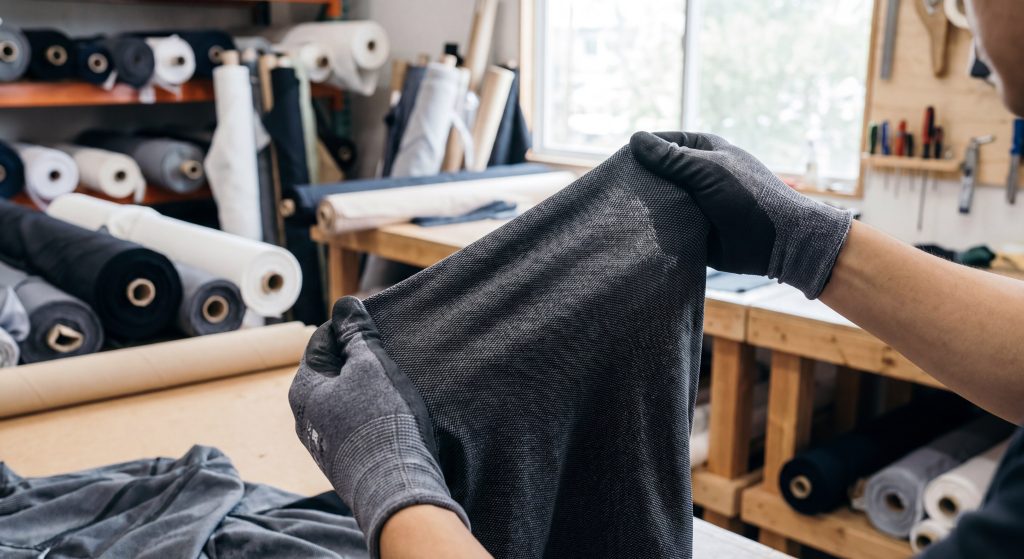
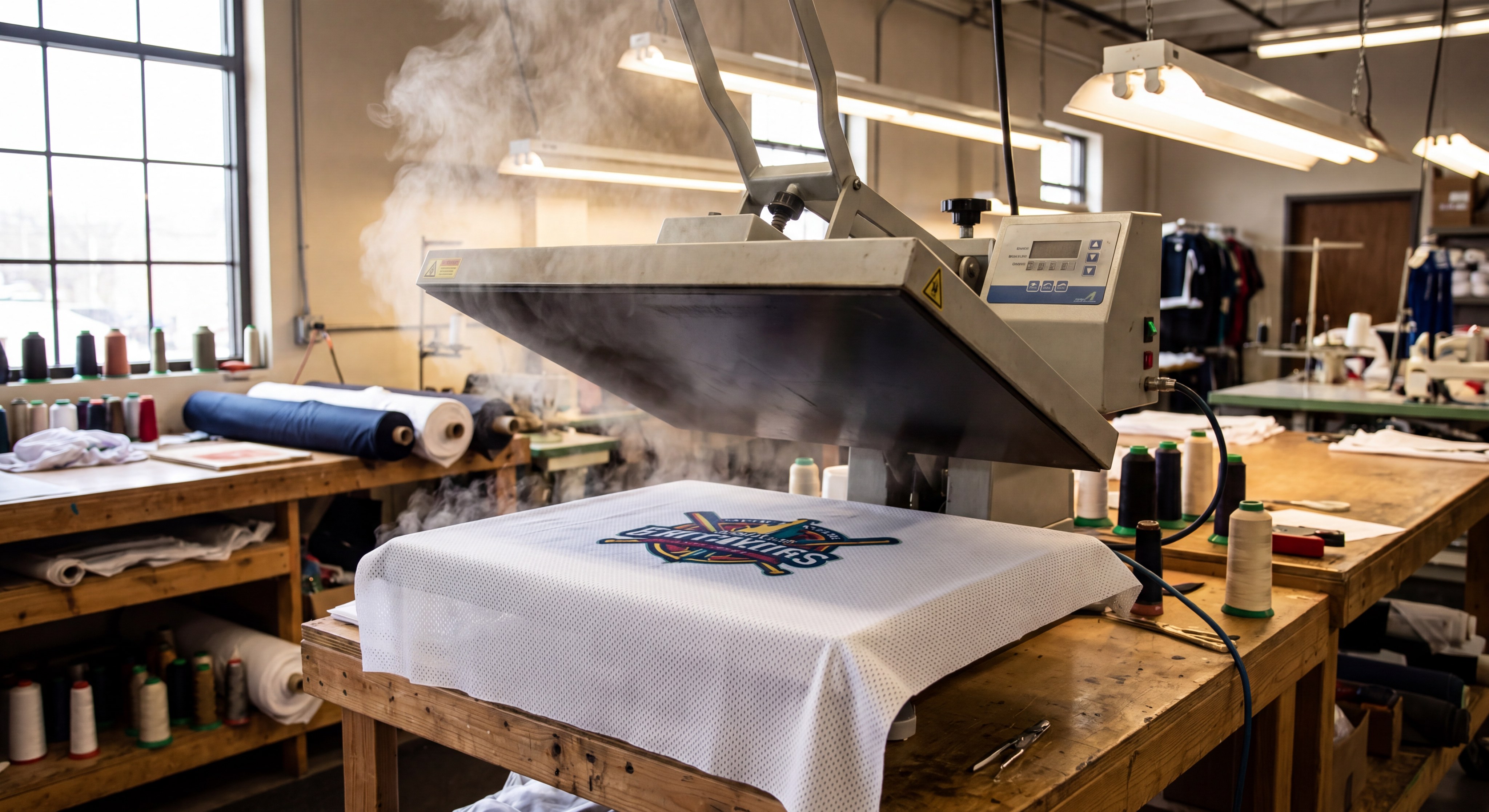
Dye sublimation is the absolute best decoration method for both fabrics, but bird’s eye provides superior results for heat-transfer graphics. Comparing printing techniques for Birdseye mesh vs Pin dot mesh for baseball reveals that flat, tight knits hold transfers much better than open meshes. A bad print job will peel and look unprofessional. You must choose the right surface for your logos.
Does dye sublimation work on both meshes?
Dye sublimation uses intense heat to fuse ink directly into the polyester fibers of the fabric. You will get incredibly bright, permanent designs that never crack or peel.
Let’s dive in: bird’s eye mesh yields crisp, razor-sharp details because there are no open holes to interrupt the graphic. Pin dot’s micro-perforations can create tiny blank gaps in complex logos.
- Sublimation Quality: Bird’s eye yields razor-sharp graphics without gaps.
- Ink Penetration: Pin dot’s open holes can cause slight design “interruptions”.
- Color Vibrancy: Both 100% polyester surfaces bond perfectly with dye.
Can you apply heat-transfer vinyl easily?
Heat-transfer vinyl is a popular choice for quickly printing individual player names and numbers. You need a stable surface area with excellent grip to prevent edges from lifting.
Keep this in mind: bird’s eye’s tightly bound fibers offer maximum surface area for strong adhesive contact. Pin dot’s open holes reduce adhesive grip, increasing the risk of peeling.
- Adhesion Surface: Bird’s eye provides a solid surface for maximum adhesive grip.
- Peeling Risk: Pin dot’s lack of surface area can cause vinyl edges to lift.
| Decoration Success | Bird’s Eye Mesh | Pin Dot Mesh | |
|---|---|---|---|
| Sublimation Clarity | Flawless (no print gaps) | Excellent (minor gap in holes) | |
| HTV Vinyl Grip | Maximum contact and hold | Moderate (edges can lift) | |
| Screen Printing | Highly clean details | Good (requires fine ink deposit) |
Surface knits determine how heat-applied adhesives and sublimated inks bond to team uniforms.
Key Takeaway: Specify bird’s eye mesh when your jersey designs rely heavily on complex multi-color sublimation or heat-applied vinyl numbering.
Which fabric is more sustainable and green?
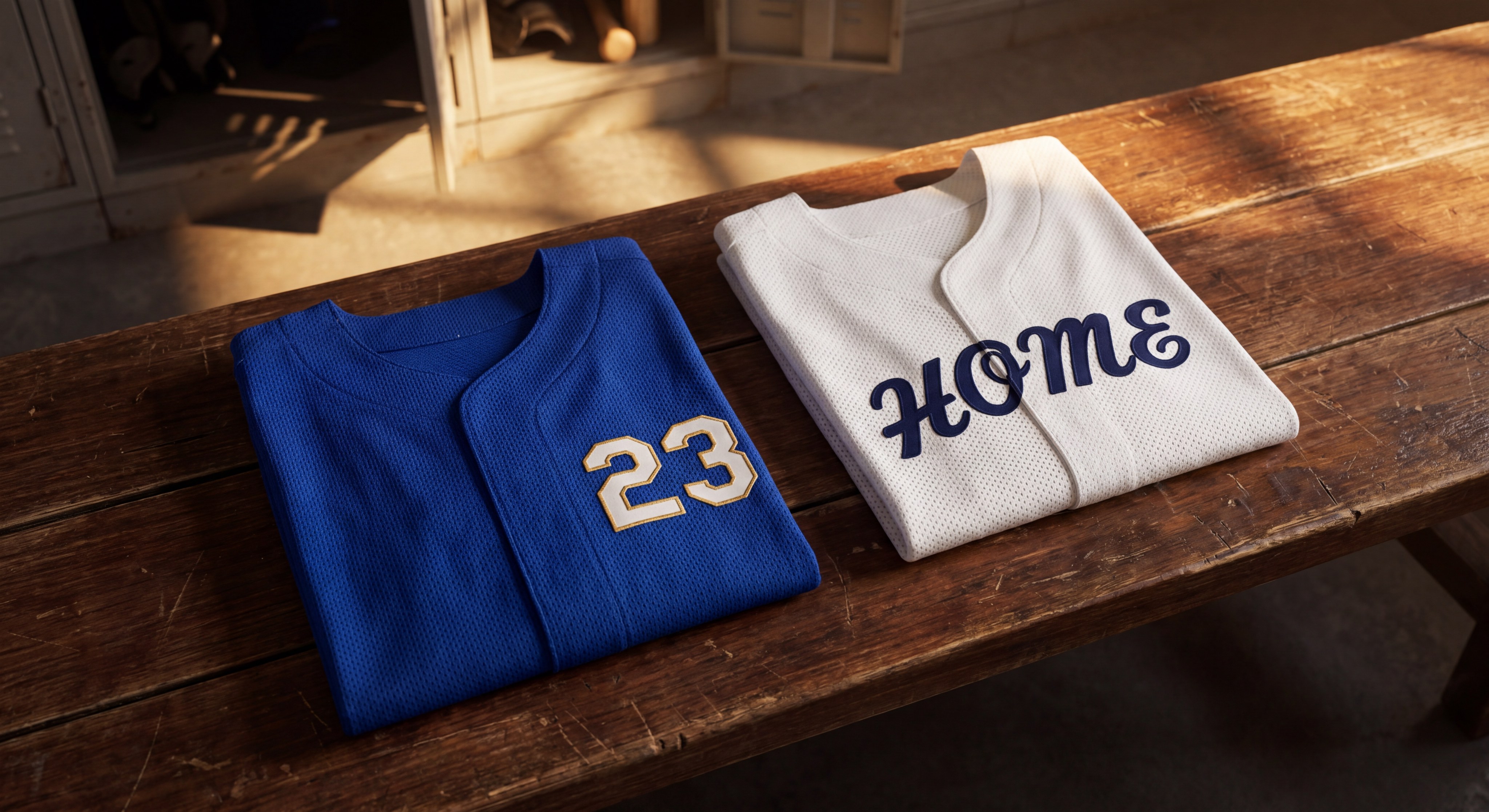
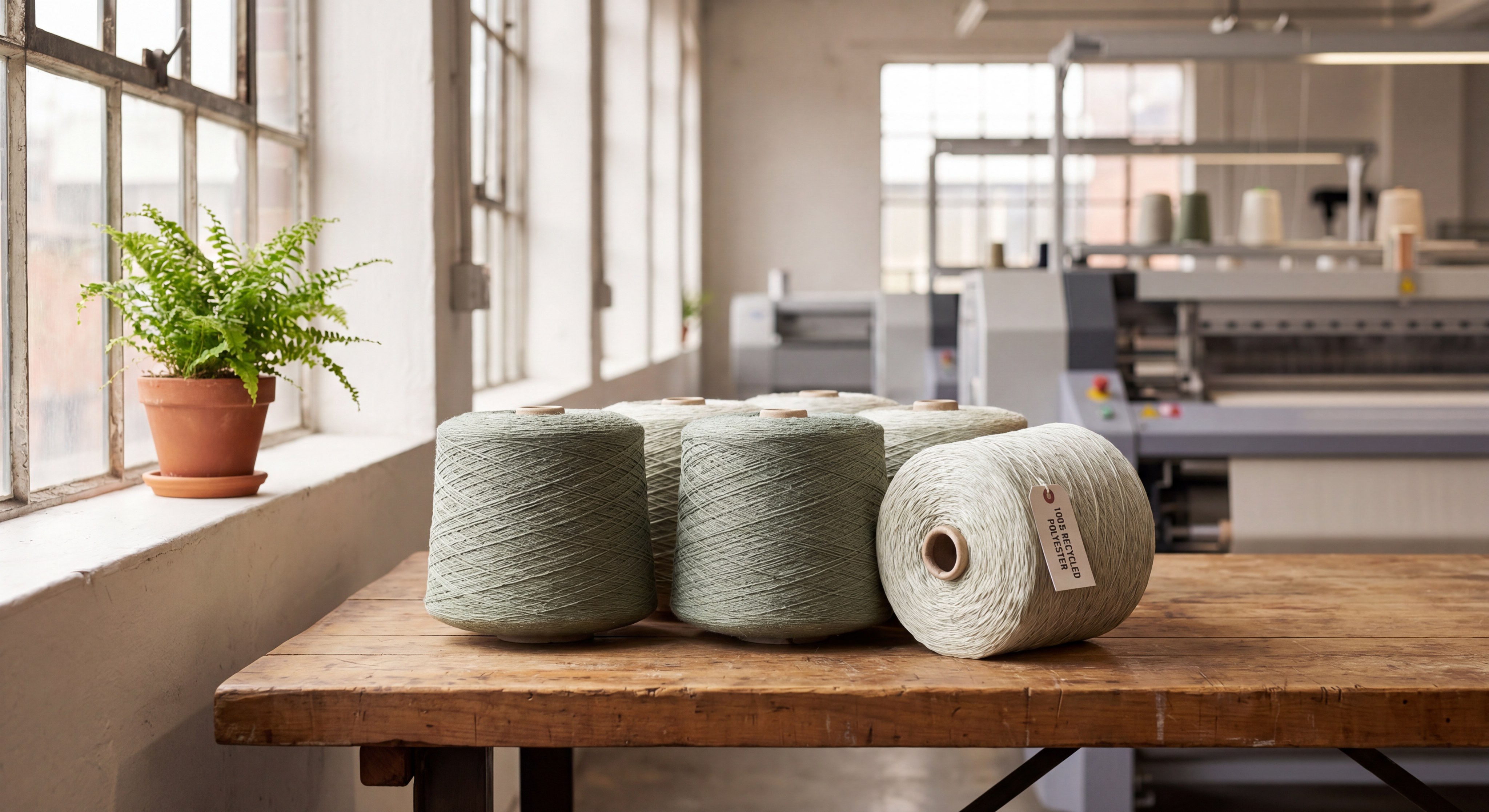
Both fabrics are highly sustainable when knitted from GRS-certified recycled polyester yarns. Sourcing eco-friendly Birdseye mesh vs Pin dot mesh for baseball allows you to satisfy the growing consumer demand for green athletic apparel. Recycled options perform identically to virgin polyester while keeping waste out of oceans. Making this switch enhances your brand’s market value.
Are recycled polyester options available?
Modern sportswear brands must transition toward sustainable sourcing to meet global environmental regulations. You can easily find both options made from post-consumer recycled plastic bottles.
This is huge: global standards ensure these fabrics carry official certifications like the Global Recycled Standard. This gives your team clients complete peace of mind.
- Recycled Sourcing: Available in 100% post-consumer PET bottles.
- Performance Parity: Recycled yarns match virgin polyester strength.
- Certifications: Always look for OEKO-TEX and GRS stamps.
Do eco-friendly meshes lose performance?
Many manufacturers worry that recycled polyester might feel rougher or tear more easily than virgin plastic. You can rest assured that modern recycled yarns match top-tier strength standards.
Believe it or not: the moisture-wicking and quick-drying capabilities remain completely unaffected by the recycled origin of the fibers. Your players will perform at their peak.
- Strength: Tensile strength remains identical to virgin polyester.
- Wicking Speed: Performance finishes remain active on recycled fibers.
| Eco Indicator | Recycled Bird’s Eye Mesh | Recycled Pin Dot Mesh | |
|---|---|---|---|
| GRS Verification | Available upon mill request | Available upon mill request | |
| End-of-Life Recycling | Highly recyclable (100% Poly) | Moderate (spandex limits recycling) | |
| Performance Loss | Zero loss compared to virgin | Zero loss compared to virgin |
High-quality recycled yarns deliver identical strength and moisture-wicking metrics as virgin polyesters.
Key Takeaway: Partner with certified sustainable mills to market your final jerseys as eco-friendly, premium sportswear.
Which textile matches your specific team goals?
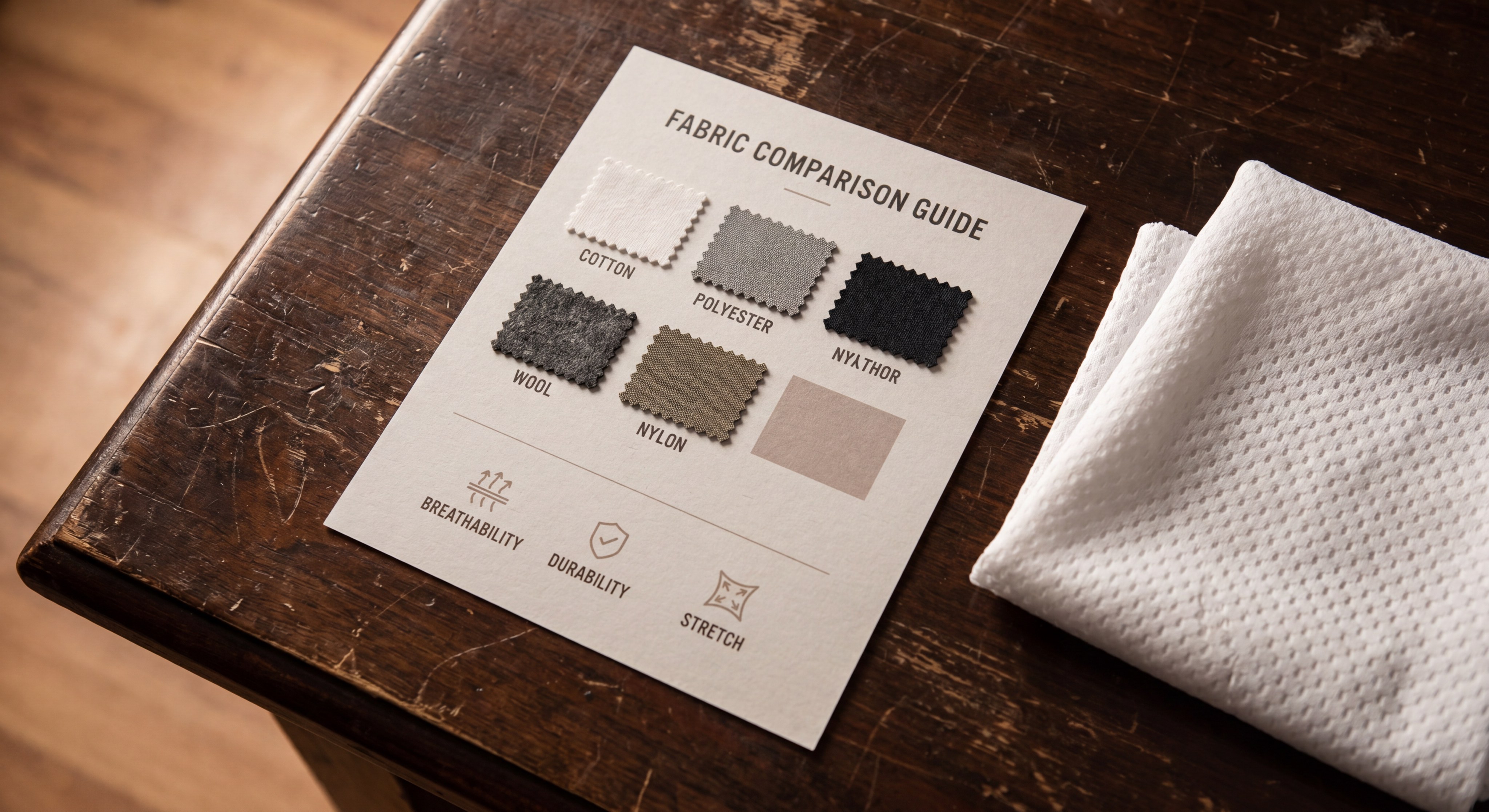
Your final choice should be bird’s eye mesh for long-lasting durability, and pin dot mesh for lightweight cooling. Evaluating Birdseye mesh vs Pin dot mesh for baseball helps you build a solid product line that satisfies diverse client expectations. Selecting the perfect match ensures repeat orders and glowing player feedback. Let’s summarize the ideal selection criteria.
When should you choose bird’s eye mesh?
Bird’s eye mesh is the ultimate utility player for teams that prioritize long-lasting durability. You should choose this fabric for youth leagues, high school teams, and high-wear applications.
Here is your decision matrix: if your clients want premium textured appearance and low production costs, bird’s eye is unbeatable. It is a solid, reliable choice for year-round playing conditions.
- High-Wear Leagues: Perfect for youth, high school, and beer leagues.
- Unlined Comfort: Excellent when players prefer not to wear undershirts.
- Tight Budgets: Optimal for bulk orders where cost-efficiency is vital.
When is pin dot mesh the better choice?
Pin dot mesh is the premier choice when absolute breathability and weightless speed are required. You should specify this fabric for elite travel clubs and hot summer tournament play.
On the other hand: if your brand is building a high-end retail line, pin dot offers a sleek, modern, aerodynamic look. It is the perfect fit for elite performance.
- Summer Tournaments: Essential for high-temperature summer play.
- Premium Active Lines: Best for elite travel teams or retail brands.
| Selection Criteria | Choose Bird’s Eye Mesh | Choose Pin Dot Mesh | |
|---|---|---|---|
| Contact Level | High sliding and turf contact | Low contact, running focus | |
| Playing Climate | Spring, Fall, and mild summers | High heat and heavy humidity | |
| Market Segment | Budget-friendly team uniforms | Elite performance and retail lines |
The choice between these performance meshes determines the ultimate durability and cooling properties of your uniforms.
Key Takeaway: Stock both fabrics to satisfy local recreation leagues on tight budgets and elite clubs demanding top-tier cooling.
Conclusion
This guide resolves the manufacturer’s dilemma of choosing between structural durability and peak heat management for custom baseball uniforms. MAKITAPE delivers high-grade wholesale sportswear fabrics, specializing in both bird’s eye and pin dot structures customized for high-wear athletic jerseys. As a vertically integrated knitting and dyeing manufacturer with a massive monthly capacity, a low 100 kg MOQ, and certified GRS & OEKO-TEX standards, we provide the ultimate foundation for global activewear brands. To secure your next production run, request free custom fabric swatches, or consult with our textile engineers on weight and stretch profiles, we invite you to contact us today .
FAQ
Can I use bird’s eye mesh for baseball jersey panels instead of the whole shirt?
Yes, you can use bird’s eye mesh strategically. Placing bird’s eye on the front panel provides structural durability, while pin dot mesh can be used on the underarms and back for superior cooling.
What’s the best way to prevent snags in pin dot mesh jerseys?
The best method is to wash them inside out and avoid velcro contact. Keeping these jerseys away from abrasive fasteners protects the micro-perforated open loops from fraying.
How do I know if a baseball fabric is GRS certified?
You must request a Transaction Certificate (TC) directly from your supplier. This official document proves compliance with the Global Recycled Standard for your exact raw material batch.
Can I sublimate full-gradient designs on bird’s eye mesh?
Yes, bird’s eye mesh sublimates exceptionally well with complex patterns. The flat areas between the diamond-shaped knits absorb dyes perfectly, ensuring vibrant gradient colors without visual gaps.