
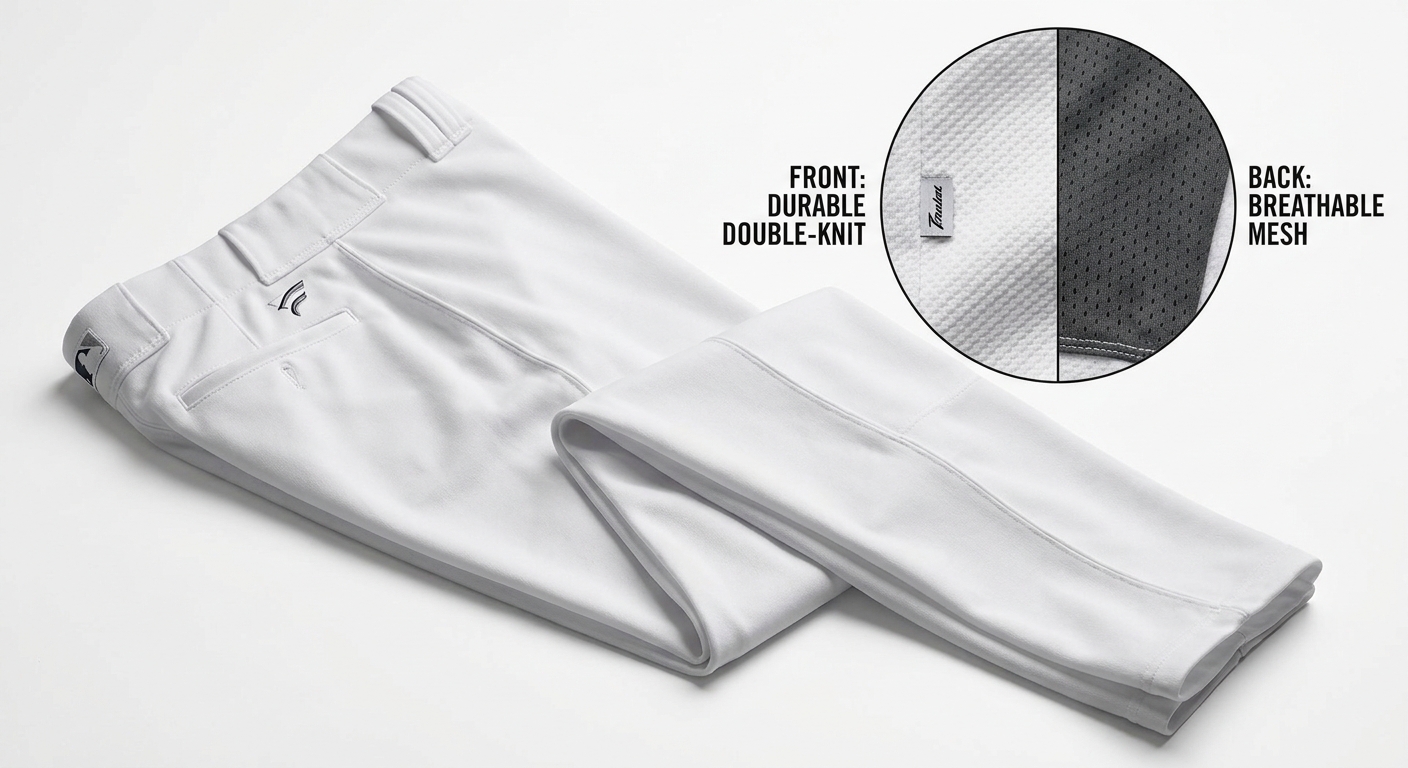
The durability standards for high-contact team sports apparel require fabrics to withstand severe mechanical strain, bursting pressures over 100 lbf, and high-velocity friction without structural failure. For B2B procurement managers and athletic directors, choosing inferior sportswear often leads to torn knees, ripped seams, and wasted budgets. Imagine your team heading into the championship game only to have their uniforms shred during the very first slide on dry clay. To eliminate these costly and embarrassing performance failures, sports brands must implement precise material baselines, including rigorous Abrasion resistance standards for baseball pants , to ensure maximum athlete protection and garment lifespan.
Why Do Baseball Pants Need High Abrasion Resistance?
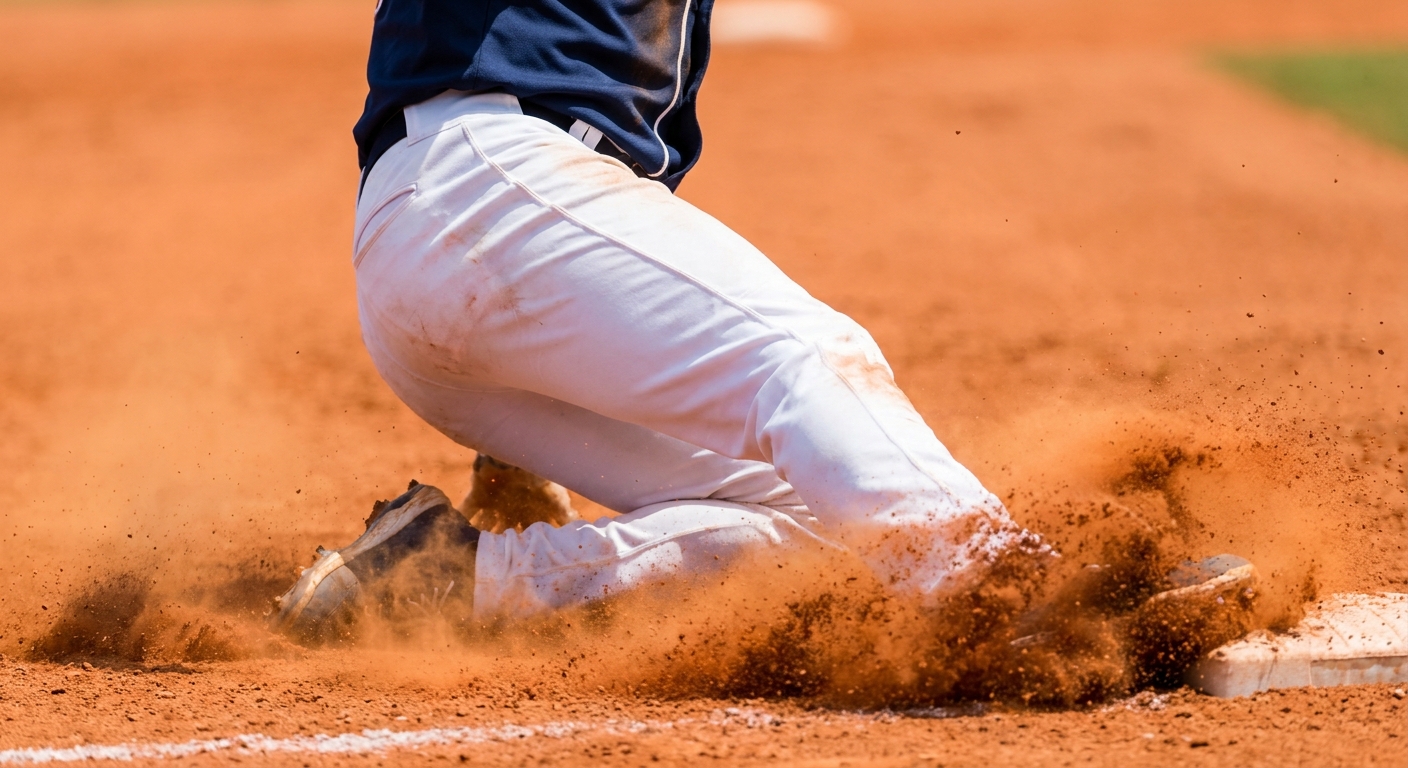
Baseball pants need high abrasion resistance because the physical act of sliding into bases generates intense friction and shear force that can easily shred standard activewear. Implementing strict Abrasion resistance standards for baseball pants is essential to protect players from painful turf burns while ensuring the garments survive a full season of play. When athletes dive or slide on clay and synthetic turf, the impact and sliding motion subject the fabric to localized friction. Without engineered durability, standard fabrics fail immediately under these heavy mechanical loads.
The combination of heat and friction during a slide can actually melt weak synthetic fibers. Double-knit configurations with texturized yarns are designed to withstand these thermal and physical stresses safely. By selecting high-abrasion fabrics, sports organizations drastically reduce their uniform replacement rates. This simple fabric specification guarantees long-term value and consistent on-field performance.
What is the impact of ground sliding friction?
Let’s dive deeper:
You will find that sliding on dry infield clay or artificial turf generates extreme lateral shear stress on the garment. This harsh friction acts like sandpaper, rapidly cutting through thin single-layer materials. To protect your players, you need fabrics engineered to absorb this mechanical energy.
- Thermal heat generation melts low-grade synthetic fibers.
- Sharp clay particles slice through unprotected surface yarns.
- Repeated impact forces concentrate stress on thin fabric zones.
By choosing heavy-duty double-knit weaves, you ensure your team stays safe during high-velocity slides.
Mechanical stress points on the athletic field
Here is the kicker:
You must design your team uniforms with extra reinforcement in high-contact areas to prevent sudden on-field blowouts. The knees and seat receive the primary impact and continuous friction during competitive games. If you do not reinforce these specific spots, you will face premature garment failures.
- Knee panels receive direct impact during sliding plays.
- Seat zones experience high stretching forces.
- Lower leg hems rub continuously against cleats.
Key Takeaway: You can drastically extend the lifespan of your sports apparel by specifying double-layer panel reinforcements on the knees and seat.
| Fabric Configuration | Abrasion Resistance | Breathability Rating | Ideal Use Case | |
|---|---|---|---|---|
| Single-Knit Polyester (Low Weight) | Low (fails under 10 slides) | High (excellent airflow) | Recreational play / Low-contact training | |
| Standard Double-Knit (Heavy Weight) | High (withstands 50+ slides) | Moderate (retains heat) | Competitive high-contact league play | |
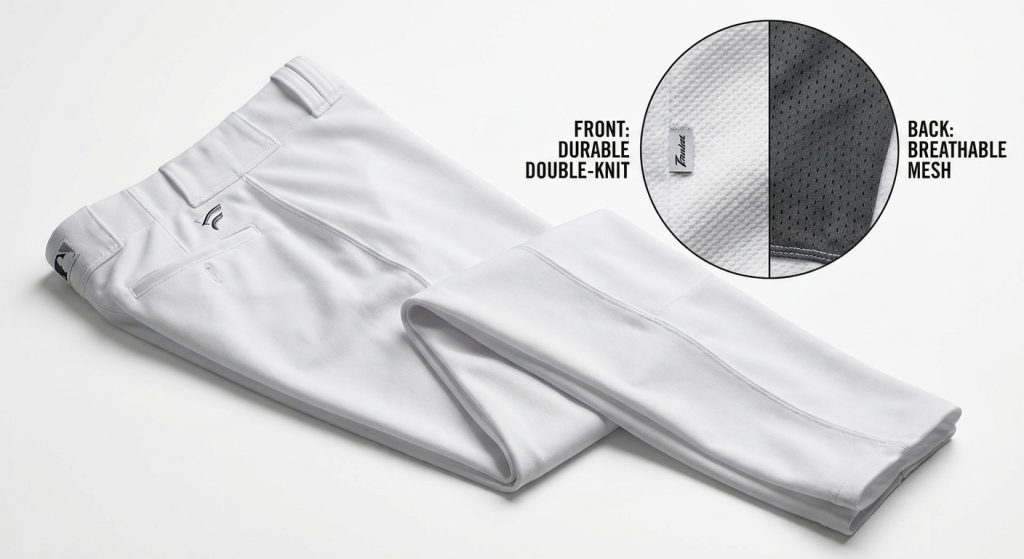
| Zoned Hybrid (Reinforced Knees/Seat) | Maximum (withstands 75+ slides) | High (vented back panels) | Elite professional and collegiate play |
Use this technical comparison to specify zoned reinforced fabrics that deliver targeted protection without compromising player speed.
How Does Double-Knit Compare to Single-Knit Polyester?
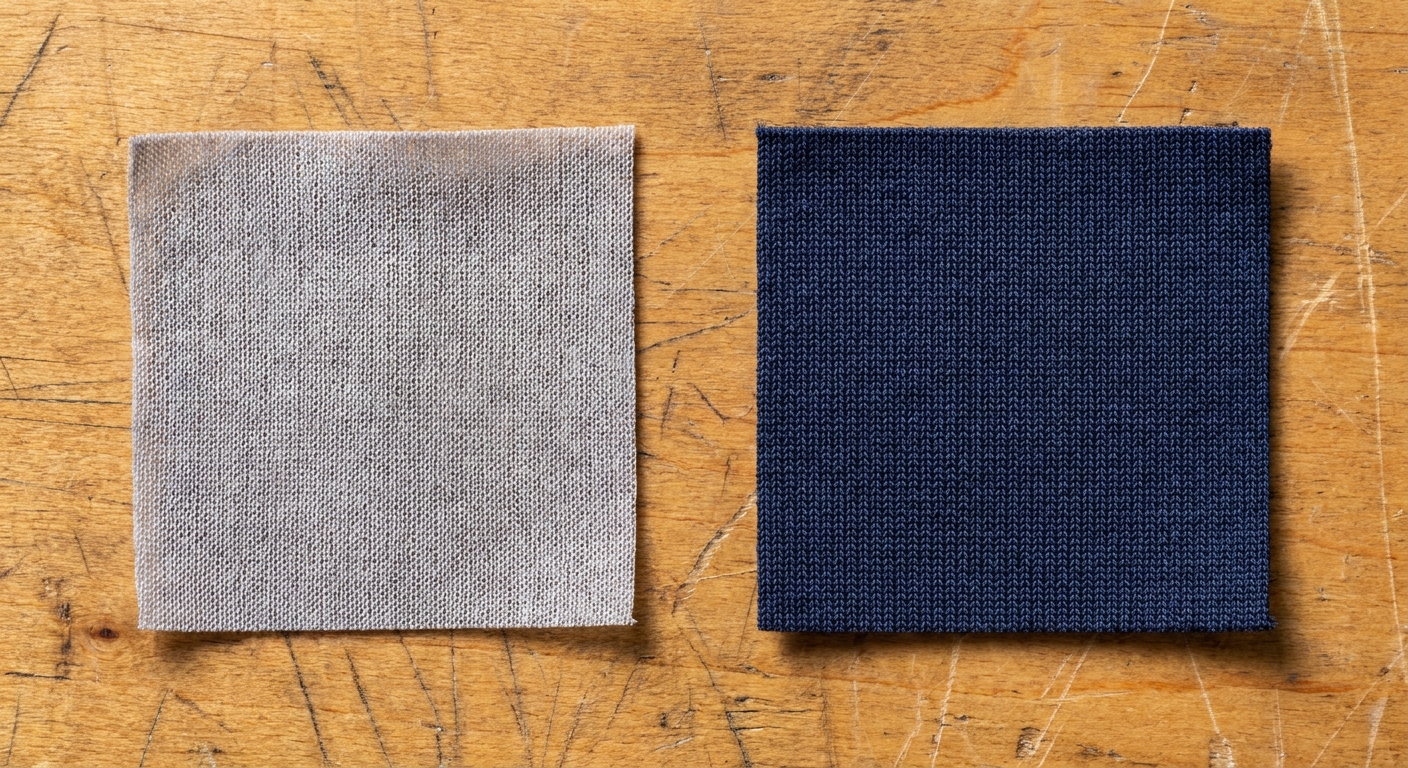
Double-knit polyester offers twice the density and structural stability of single-knit alternatives by interlocking two distinct yarn layers on a dual-needle machine bed. This dense configuration is critical for achieving the high performance required by modern Abrasion resistance standards for baseball pants. While single-knit fabrics are lightweight and highly breathable, they lack the toughness needed for contact sports. Double-knit fabrics, however, remain completely opaque and secure under heavy physical tension.
The interlocking loop design of double-knit material prevents run-away tears if a puncture does occur. This makes it the ideal textile for uniforms that experience constant pulling, grabbing, and sliding. Sports organizations benefit from the exceptional shape retention that double-knit garments maintain after repeated wear. Choosing the right knit style ensures your team looks professional and stays fully protected.
Structuring the yarns for multi-directional stretch
Think about it:
You need to understand how double-knit fabrics achieve superior shape recovery when players stretch and run. By utilizing a dual-needle construction, the fabric interlocks loops to eliminate structural sagging. This specialized weave ensures your uniforms look crisp and professional all season.
- Interlocking loops prevent permanent fabric deformation.
- Elastane inclusions enhance multi-directional recovery.
- High-twist yarns increase the overall load capacity.
When your players move explosively, this structural stability ensures the fabric flexes without stretching out of shape.
Bursting strength profiles of advanced weaves
What does this mean for you?
You will notice a dramatic difference in tear prevention when switching from single-knit to double-knit garments. Double-knit fabrics require up to 40% more physical pressure to puncture during intense gameplay. This means a simple grab or tackle will not result in a ruined uniform.
- High yarn density blocks sharp objects from piercing the weave.
- Interlocking loops isolate tears to prevent running.
- Superior bursting strength protects players from impact injuries.
Key Takeaway: You should specify double-knit polyester for high-contact areas to ensure superior bursting strength and minimal on-field tearing.
| Structural Parameter | Single-Knit Polyester | Double-Knit Polyester | Impact on Contact Sports | |
|---|---|---|---|---|
| Gram Weight (GSM) | 120 – 180 GSM (Lightweight) | 220 – 350 GSM (Heavyweight) | Double-knit provides superior defense against rips. | |
| Yarn Bed Construction | Single Needle Bed | Double Needle Bed | Double-knit prevents fabric unraveling and tearing. | |
| Stretch Recovery Rate | Moderate (prone to bagging) | High (retains original shape) | Double-knit keeps a professional fit all season. |
Analyze these structural differences to ensure your raw material procurement aligns with long-term shape retention requirements.
What Fabric Weights Are Best for High-Impact Uniforms?
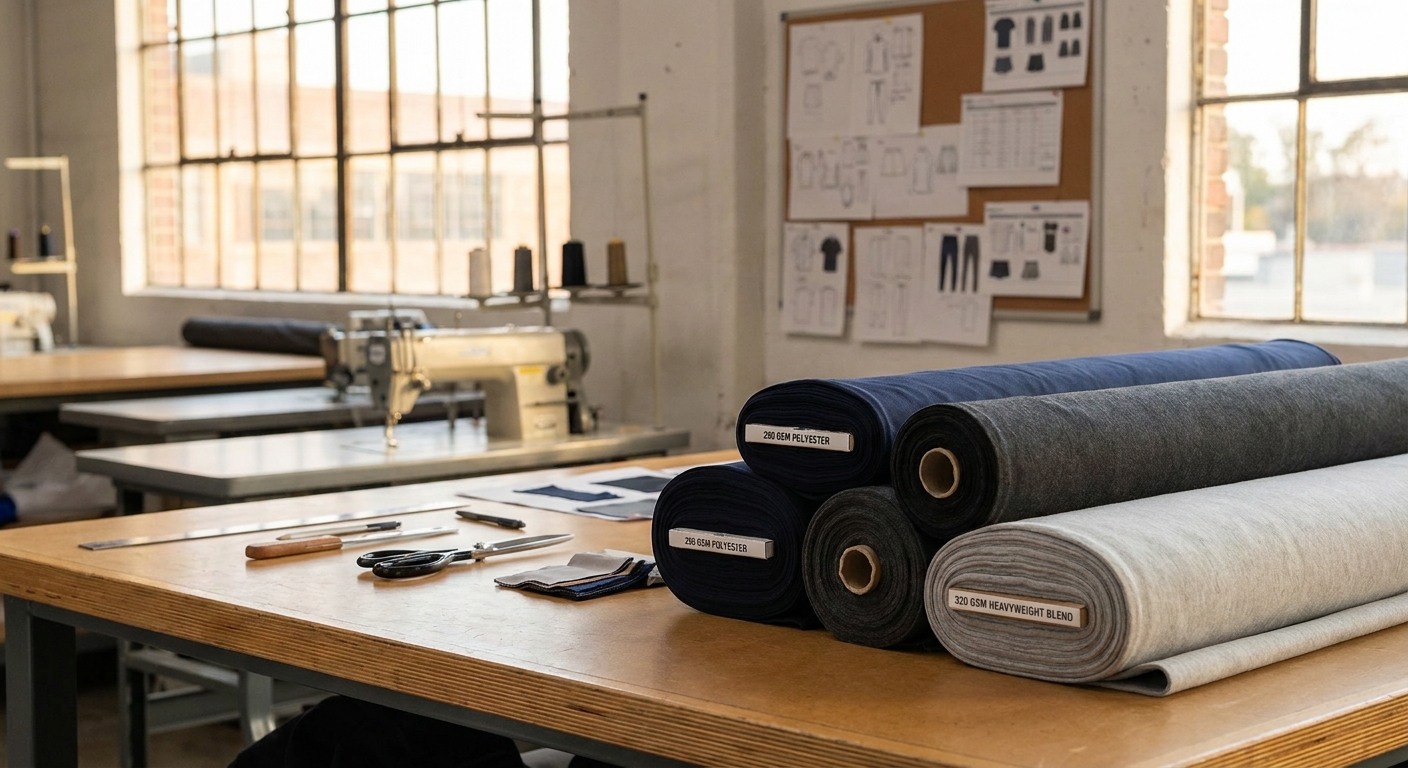
Fabric weights ranging from 250 GSM to 320 GSM are best for high-impact uniforms because they provide the ideal balance between physical tear resistance and athletic agility. Implementing these specific weight configurations helps sports brands meet the highest Abrasion resistance standards for baseball pants and jerseys. If your fabric is too thin, it will tear on the first slide; if it is too heavy, it will slow down your players. Finding this sweet spot is essential for B2B apparel sourcing.
Heavyweight polyesters are exceptionally rugged and provide a protective shield against turf burns and cuts. However, dynamic sports like soccer and basketball require slightly lighter midweight options for heat dissipation. Smart manufacturers use a combination of different fabric weights to optimize garment performance. This tailored approach keeps your players both safe and fast on the field.
Heavyweight polyesters for ultimate B2B performance
Let’s face it:
You cannot settle for lightweight fabrics when your sport involves constant physical contact and heavy tackling. Heavyweight polyesters over 300 GSM are engineered to handle the roughest on-field environments. This fabric density prevents opponents from easily ripping jerseys during competitive plays.
- 300+ GSM weights deliver maximum tear resistance.
- Thicker materials act as a defense against friction.
- Heavy fabrics provide a stable base for strong seams.
By choosing these heavy-duty options, you invest in garments that will easily survive the entire sports season.
Tactical positioning of lightweight micro-mesh panels
Here is the secret:
You do not have to compromise on breathability when using heavyweight materials for your team uniforms. By integrating lightweight micro-mesh panels in low-impact areas, you can keep your players cool without weakening the uniform. This hybrid construction maximizes comfort while maintaining high-impact durability where it counts.
- 130 GSM mesh inserts placed under arms maximize airflow.
- Strategic venting panels allow body heat to escape.
- High-flex mesh sections improve overall player mobility.
Key Takeaway: You can optimize uniform performance by using heavy 300 GSM panels on contact zones and breathable 130 GSM mesh on low-contact zones.
| Weight Classification | GSM Range | Primary Sports Applications | Key Performance Benefit | |
|---|---|---|---|---|
| Heavyweight | 280 – 320+ GSM | American Football, Rugby, Baseball Pants | Extreme tear and abrasion resistance | |
| Midweight | 200 – 260 GSM | Soccer, Basketball, Lacrosse, Field Hockey | Optimal balance of speed and structural strength | |
| Lightweight Mesh | 120 – 160 GSM | Underarm panels, back venting inserts | Maximum breathability and heat dissipation |
Utilize this fabric weight blueprint to source materials that match the physical intensity of your target sport.
Which Textile Performance Tests Validate Gear Durability?
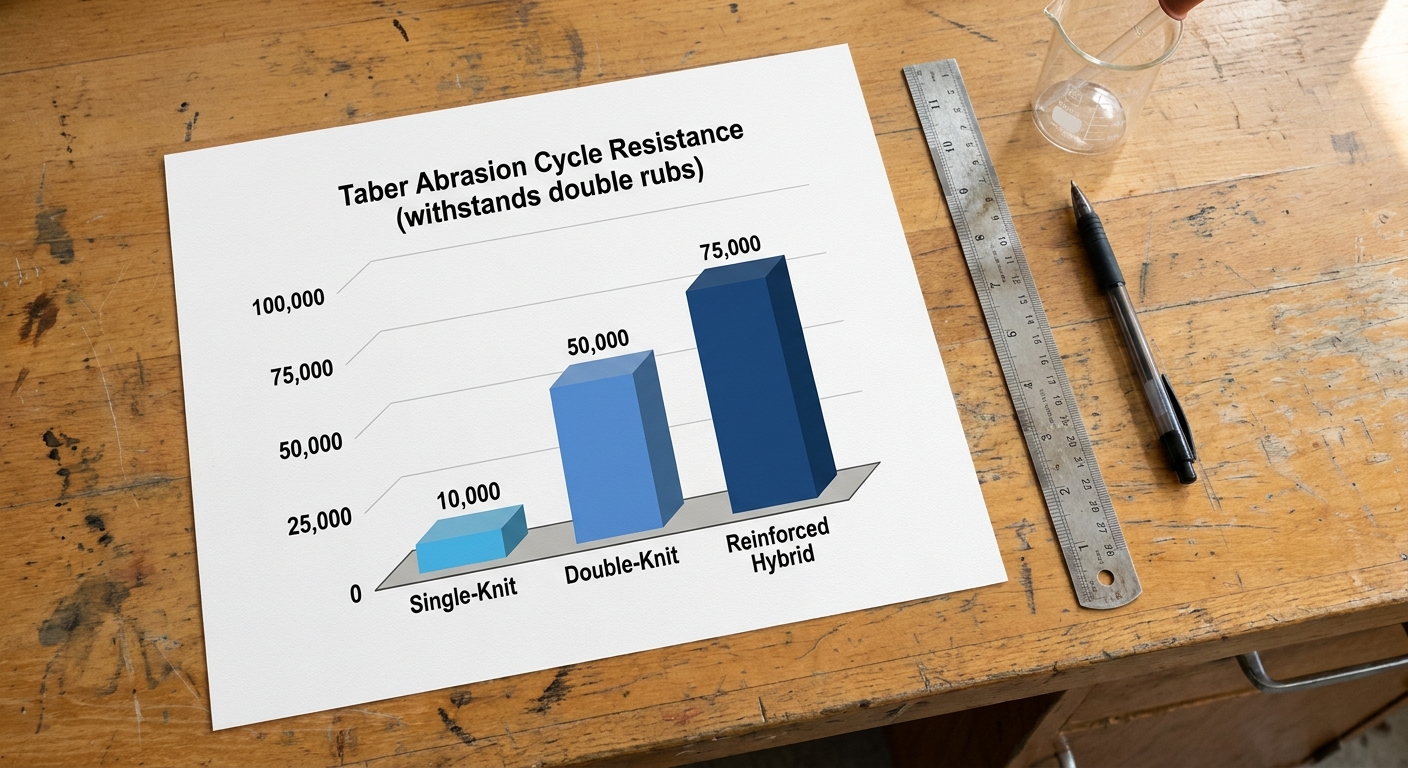
Textile performance tests validate gear durability by using standardized methods like Taber, Wyzenbeek, and ASTM ball burst testing to measure how fabrics handle real-world wear. These standardized laboratory metrics are crucial for verifying that uniforms comply with rigorous Abrasion resistance standards for baseball pants. Relying on visual checks is not enough to guarantee long-term performance on the field. Objective data from certified testing labs ensures that every bulk fabric order meets professional requirements.
Wyzenbeek testing rubs the fabric back and forth to simulate the continuous friction of sliding and tackling. Meanwhile, ball burst tests measure the exact pounds of force needed to rupture a knit material. These tests help fabric engineers identify weak spots in weaves before garments are manufactured. By specifying certified fabrics, B2B buyers can avoid high return rates and poor brand reviews.
Running the Taber and Wyzenbeek abrasion tests
Let’s look closer:
You need to know the exact numbers behind your fabric’s durability ratings to make smart purchasing decisions. The Wyzenbeek and Taber tests provide these quantitative metrics by simulating years of friction in just a few hours. This testing ensures your team gear will not fail on the field.
- Wyzenbeek tests measure flat friction resistance over thousands of rubs.
- Taber tests evaluate multidirectional abrasion using rotating wheels.
- Professional fabrics should survive at least 50,000 double rubs.
When you demand these high cycle counts, you ensure your apparel is truly game-ready.
Quantifying knit strength with ASTM D3787 standards
What does this mean for you?
You can rest assured that your uniforms will not burst open during a crucial play or heavy tackle. The ASTM D3787 ball burst test measures the multi-directional physical pressure a knit fabric can handle. Passing this test proves the garment has the high tensile strength required for contact sports.
- A steel ball is pushed through fabric to measure burst pressure.
- High-contact sportswear must withstand over 100 lbf.
- Testing prevents seam popping and fabric blowout during games.
Key Takeaway: You must verify that your performance fabrics have passed ASTM D3787 testing with a minimum rating of 100 lbf to ensure on-field integrity.
| Performance Test | Technical Standard | Minimum B2B Target | Key Protection | |
|---|---|---|---|---|
| Flat Abrasion | ASTM D4157 (Wyzenbeek) | 50,000 Double Rubs | Protects against sliding on dirt and turf | |
| Bursting Strength | ASTM D3787 (Ball Burst) | 100 Pounds-force (lbf) | Prevents blowout tears during tackles | |
| Snagging Resistance | ASTM D3939 (Mace Snag) | Grade 4.0 (Minimal Snags) | Resists friction from velcro and gear |
Reference these testing standards during supplier audits to establish reliable, data-driven material quality requirements.
Why Are Multi-Stage Quality Inspections Vital for Apparel?
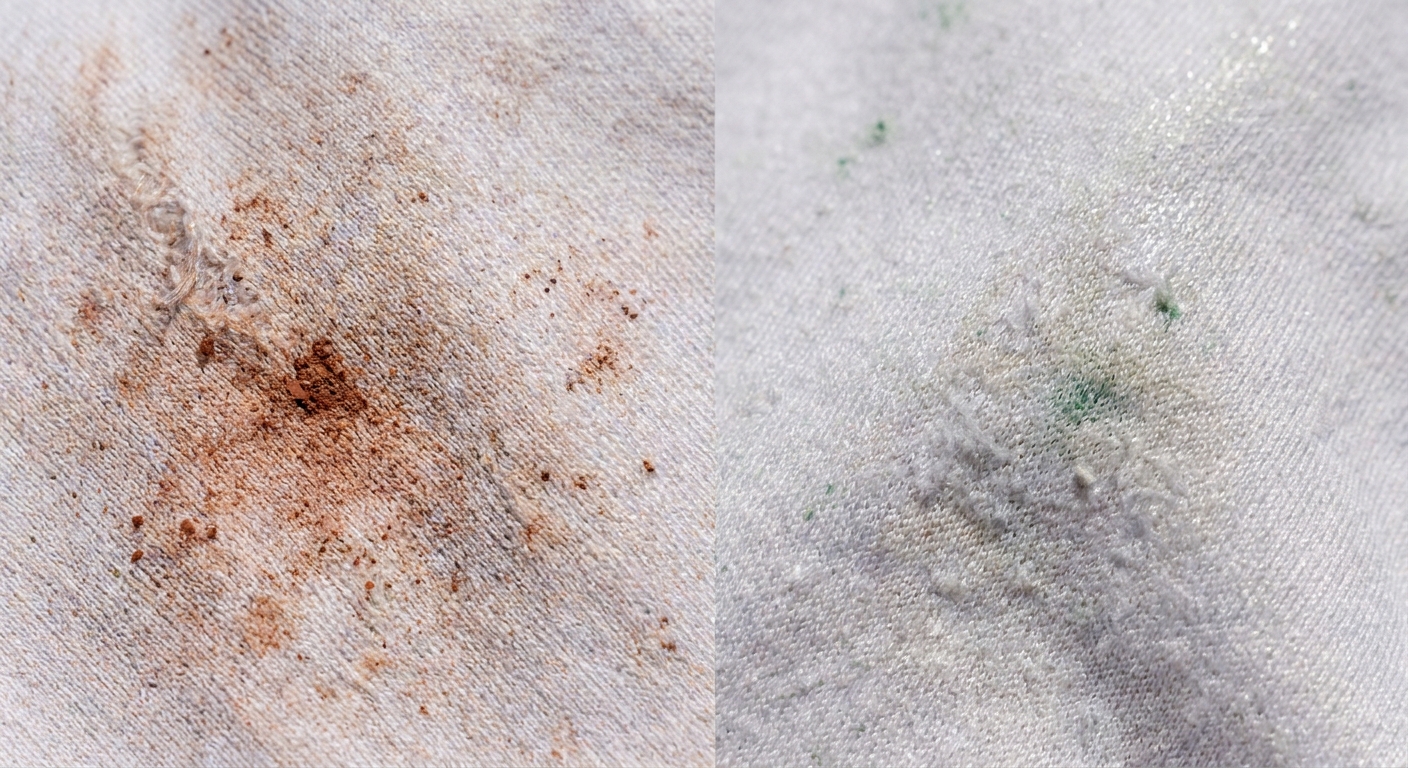
Multi-stage quality inspections are vital for apparel because they prevent costly manufacturing defects by auditing fabric and stitching at four critical production phases. These systematic checks ensure that all bulk sportswear orders conform to the necessary Abrasion resistance standards for baseball pants . Catching a minor fabric flaw during pre-production is far more cost-effective than dealing with a batch of failed garments. AQL sampling and in-line inspections provide the structured quality control that professional sports leagues demand.
From checking raw yarn strength to testing colorfastness, each inspection stage serves as a vital safeguard. Post-production wash tests verify that finished uniforms will not shrink or lose their vibrant colors. By maintaining these high production standards, brands consistently deliver reliable, top-tier products. This rigorous quality commitment protects both player safety and brand reputation.
Executing rigorous pre-production fabric audits
Here is the truth:
You cannot afford to start manufacturing uniforms with unchecked raw materials. Pre-production fabric audits verify that incoming rolls match your exact specifications for weight, color, and strength. This initial check stops defective materials from ever reaching the cutting table.
- Yarn testing verifies raw fiber tensile strength.
- Weight audits ensure rolls hit specified GSM targets.
- Colorfastness checks prevent dyes from bleeding in the wash.
By keeping a close eye on these raw parameters, you protect your entire supply chain from manufacturing errors.
In-line assembly controls and AQL inspection systems
Think about it:
You want every single jersey in your bulk order to have perfect stitching and clean seams. In-line assembly controls monitor sewing quality in real-time to catch and correct errors instantly. Using statistical Acceptable Quality Limit (AQL) standards ensures that bulk shipments maintain absolute consistency.
- Stitch density checks ensure 12 to 14 stitches per inch.
- AQL sampling provides statistical proof of batch quality.
- Seam stretch tests confirm that threads will not pop under tension.
Key Takeaway: You should partner with manufacturers who utilize strict AQL sampling to guarantee consistent seam strength and defect-free garment construction.
| Quality Stage | Key Assessment Activity | Critical Metric | Prevented On-Field Defect | |
|---|---|---|---|---|
| 1. Pre-Production | Raw yarn tensile strength & dye lot testing | Colorfastness to light & wash | Dye bleeding and premature fabric tearing | |
| 2. In-Line | Stitch density checks & seam stretch audits | 12 – 14 stitches per inch | Popped seams and structural failures during play | |
| 3. Post-Production | Three-wash garment test & trim pull tests | <3% shrinkage deviation | Misshapen jerseys and peeling team logos |
Implement this four-stage quality framework to identify and eliminate product defects before they reach the athletic field.
How Do Specialized Seams Prevent Structural Blowouts?
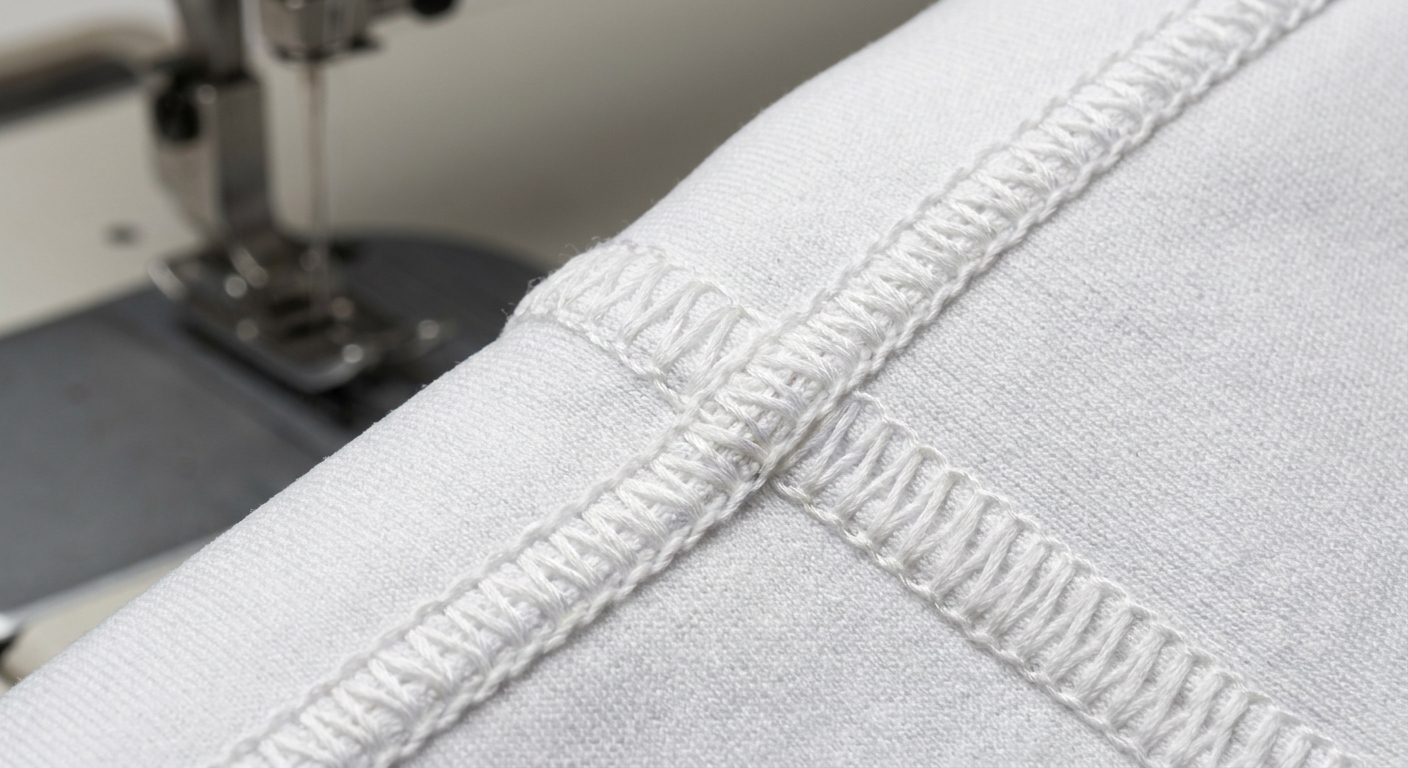
Specialized seams prevent structural blowouts by using multi-thread flatlock stitching and reinforcing high-tension areas with heavy-duty bartacks to distribute physical stress. These durable sewing techniques are critical for meeting the strict Abrasion resistance standards for baseball pants and football jerseys. When players dive or tackle, their uniforms are subjected to sudden, intense pulling forces. If your seams are weak, the garment will split open instantly on the field.
Flatlock seams are ideal because they join fabric edges flat, which eliminates bulky inner ridges and prevents painful chafing. Incorporating flexible, polyester-wrapped core threads allows these seams to stretch smoothly along with the fabric. Strategic bartack stitching at pocket corners and zipper bases provides the extra security needed for high-contact sports. Investing in premium sewing methods ensures your uniforms remain structurally sound under pressure.
Evaluating flatlock versus overlock stitching methods
Let’s dive deeper:
You must look at how seam construction impacts both durability and player comfort during intense games. Overlock seams can create rough, raised ridges inside the garment that cause painful skin chafing. In contrast, flatlock stitching lies completely flat against the skin for a smooth, high-performance fit.
- Flatlock stitching eliminates bulky seams to prevent chafing.
- Multi-thread flatlock seams offer excellent elastic stretch.
- Overlock seams are more prone to popping under heavy lateral tension.
By specifying flatlock seams, you provide your athletes with the ultimate combination of comfort and structural strength.
Why do critical stress zones require bartack reinforcement?
Here is the kicker:
You will find that standard stitching quickly fails when players grab and pull at belt loops or pocket edges. Placing dense bartack reinforcement at these critical zones locks the fabric layers together to prevent costly tears. This small design detail makes a massive difference in uniform longevity.
- Bartacks distribute high pulling forces across a wider fabric area.
- Pocket corners and zipper bases are securely locked in place.
- Reinforced stitching prevents belt loops from tearing off during play.
Key Takeaway: You must ensure that your high-contact sportswear features bartack reinforcements on all pocket corners, belt loops, and high-tension stress points.
| Seam Type | Stitch Profile | Tension Resistance | Chafing Risk | Best Application | |
|---|---|---|---|---|---|
| Traditional Overlock | Raised interior seam ridge | Moderate (prone to popping) | High | Low-contact training shirts | |
| Flatlock Stitching | Dual-needle flat stitch | Very High (stretches easily) | Extremely Low | Elite jerseys, compression gear | |
| Bartack Reinforced | Dense zig-zag bar pattern | Extreme (resists pulling) | Low | Belt loops, pockets, zipper bases |
Specify flatlock stitches and targeted bartacks to guarantee seam integrity under high lateral stretching and pulling.
What Fabric Finishes Resist Extreme Moisture and Odor?
Fabric finishes resist extreme moisture and odor by applying hydrophilic coatings for rapid sweat evaporation, zinc-based antimicrobial agents to block bacteria growth, and UPF barriers to absorb harmful ultraviolet rays. These protective treatments enhance performance and help garments comply with advanced Abrasion resistance standards for baseball pants and activewear. Without proper moisture-wicking and antibacterial finishes, synthetic sportswear quickly becomes heavy, uncomfortable, and foul-smelling. Selecting treated fabrics ensures players stay dry and focused throughout competitive games.
Moisture-wicking finishes use capillary action to pull sweat away from the skin and spread it across the outer fabric surface. This quick-drying action prevents heavy sweat from weighing down the garment or causing skin chafing. Meanwhile, silver and zinc ion technologies actively destroy odor-causing microbes to keep uniforms smelling fresh. Investing in these performance finishes significantly improves the overall wear experience for your athletes.
Implementing modern moisture-wicking chemical finishes
Think about it:
You do not want your players wearing heavy, water-logged jerseys that cling to their bodies and trap heat. Modern moisture-wicking finishes solve this issue by drawing sweat away from the skin instantly. This chemical treatment keeps the uniform lightweight and dry even during high-sweat summer games.
- Hydrophilic coatings draw moisture to the fabric’s outer surface.
- Capillary action fibers pull sweat outward naturally.
- Rapid evaporation rates prevent garments from becoming heavy.
By ensuring your fabrics have high moisture-wicking capabilities, you help your athletes perform at their absolute best.
How do antimicrobial agents combat localized odors?
What does this mean for you?
You can finally eliminate the stubborn, sour odors that often plague synthetic team gear after repeated use. Antimicrobial finishes actively prevent odor-causing bacteria from multiplying on the warm, damp polyester fibers. This biological defense keeps your uniforms fresh and clean wash after wash.
- Silver and zinc ions break down bacterial cell walls.
- Antimicrobial barriers prevent mold and mildew from weakening fibers.
- Protective treatments extend the overall operational lifespan of gear.
Key Takeaway: You should choose fabrics treated with long-lasting silver or zinc ion finishes to ensure permanent odor protection and fiber durability.
| Performance Finish | Primary Mechanism | Athlete Benefit | Fabric Longevity Benefit | |
|---|---|---|---|---|
| Moisture Wicking | Capillary action & surface treatment | Keeps skin dry and cool | Prevents heavy, water-logged fiber sagging | |
| Antimicrobial | Silver or Zinc ion technology | Eliminates unpleasant odors | Prevents fiber rot from mold and mildew | |
| UV Protection | Solar radiation absorbers (UPF 50+) | Protects skin from sunburn | Prevents sun fading and fiber brittleness |
Require these chemical and physical textile finishes to maximize player comfort and prevent fiber degradation caused by sweat and microbes.
How Do Wash Cycling Protocols Ensure Color Longevity?
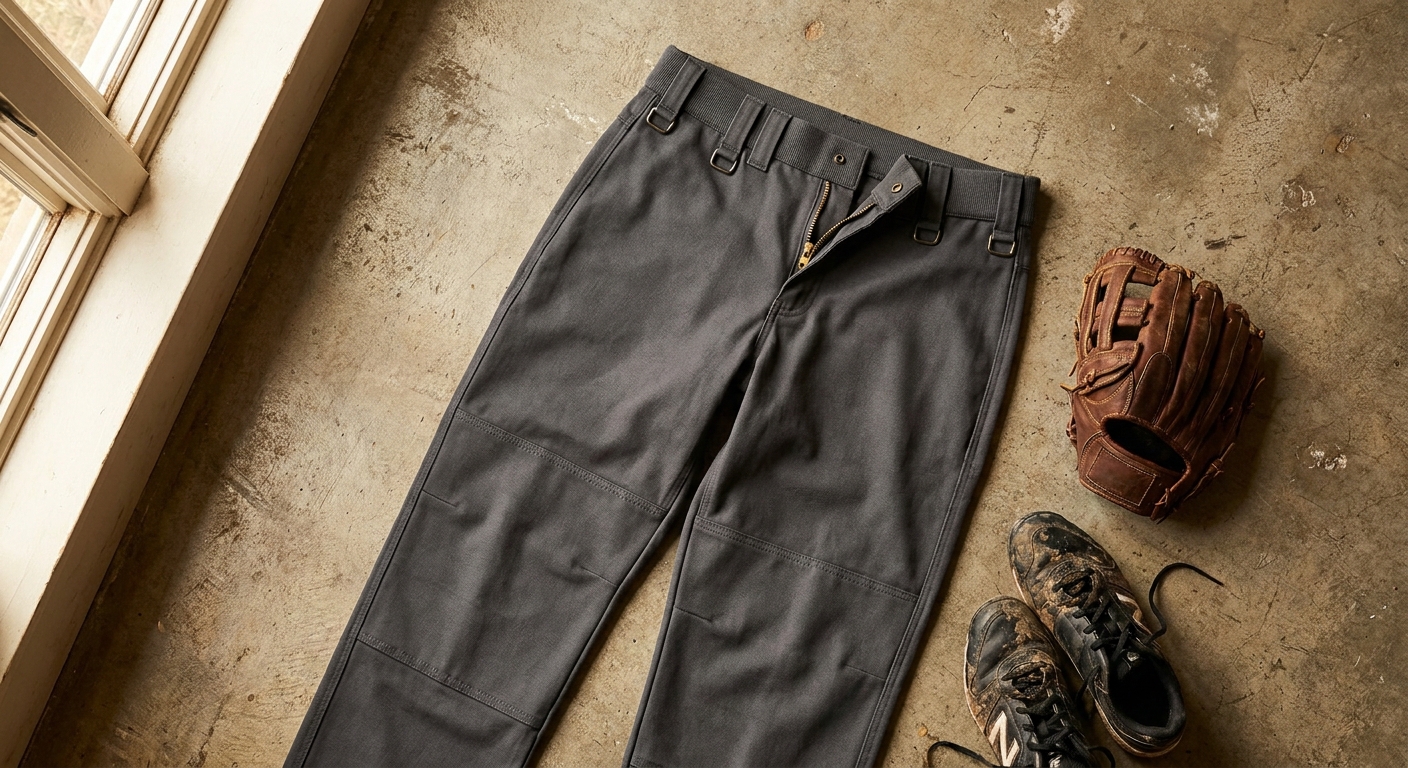
Wash cycling protocols ensure color longevity by subjecting dyed fabrics to repeated commercial laundry cycles to test colorfastness and track any fading or bleeding. This rigorous testing phase is critical for confirming that team uniforms meet the required Abrasion resistance standards for baseball pants. Custom uniforms often feature bold, contrasting colors that must remain sharp and vibrant without bleeding. Running these automated wash tests helps manufacturers adjust dye formulas for maximum molecular bonding.
Harsh industrial detergents and high dryer heat can easily degrade standard polyester fibers over time. Wash testing ensures that both the structural polymers and the integrated fabric finishes survive repeated commercial cleaning. This process guarantees that team colors look brand new from opening day to the championship finals. Investing in color-stable textiles protects your brand image and reduces annual uniform replacement costs.
Incremental wash testing for severe color migration
Here is the secret:
You can easily avoid ruined uniforms by checking for color bleeding before production begins. Multi-cycle wash tests identify weak dye bonds that could cause dark colors to bleed into white stripes or logos. This proactive testing keeps your team’s custom graphics looking crisp and professional.
- Spectrophotometer analysis measures even tiny changes in dye levels.
- Repeated washing checks ensure dark dyes do not stain light panels.
- Stable dye formulas prevent ugly color migration in commercial laundry.
By verifying these test results, you guarantee your custom uniforms maintain their beautiful, high-contrast designs.
Preserving structural polymers through chemical washes
Let’s face it:
You need fabrics that can withstand the aggressive cleaning required to remove tough infield dirt and grass stains. Standard synthetics can become stiff, weak, and brittle after exposure to commercial detergents and high-heat dryers. Our performance textiles are chemically engineered to retain their soft feel and high tensile strength.
- Mild chemical testing ensures fibers resist detergent degradation.
- High dye bonding temperatures prevent fading under intense heat.
- Protective finishes remain securely bonded to fibers after 30+ washes.
Key Takeaway: You must specify high-stability polymer dyeing to ensure team uniforms withstand harsh commercial washing cycles without fading or losing strength.
| Dyeing Performance Standard | Standard Polyester Dyeing | High-Stability Polymer Dyeing | On-Field Result | |
|---|---|---|---|---|
| Color Migration Resistance | Low (bleeds after 5 washes) | High (zero bleeding after 30+ washes) | White panels stay crisp and clean | |
| Dryer Heat Tolerance | Fades under high heat | Stable up to 350°F (175°C) | Colors stay bright after commercial drying | |
| Colorfastness to Light | Grade 3.0 (fades in sun) | Grade 4.5+ (resists sun fading) | Uniforms keep their color all season long |
Utilize wash-cycle verification tests to guarantee that custom uniforms retain vibrant team colors and fiber integrity after heavy laundering.
Why Do Custom Graphics Require Rigorous Heat Testing?

Custom graphics require rigorous heat testing to guarantee that sublimated inks and heat-applied decals bond perfectly to the fabric and resist peeling, cracking, or fading. Ensuring these decorations are heat-stable helps B2B apparel brands conform to modern Abrasion resistance standards for baseball pants . If your printed logos cannot handle game-day friction and industrial drying heat, your uniforms will quickly look cheap and worn. Running controlled heat-chamber tests verifies that customized graphics remain locked in place.
While traditional screen printing uses thick ink layers that must be fully cured, dye sublimation fuses ink directly with the polyester fibers. This molecular bonding ensures sublimated designs are completely weightless, breathable, and fade-proof. Heat testing also measures decal stretch to make sure player numbers flex smoothly with the fabric. Choosing heat-tested customization methods ensures your team uniforms look flawless all season long.
Sublimation printing: Molecular bonding at the fiber level
Think about it:
You do not want heavy, solid prints blocking airflow and trapping heat on your players’ chests. Dye sublimation fuses the graphic directly into the polyester molecules, creating a completely breathable design. This process ensures your custom graphics never crack, peel, or scratch off during intense play.
- Sublimation gas infiltration bonds dye deep inside fibers.
- Weightless prints maintain the fabric’s natural breathability.
- Vibrant, full-color designs remain completely fade-proof.
By selecting sublimated uniforms, you provide your team with high-definition custom gear that feels completely weightless.
Screen printing durability after commercial wash cycles
Let’s look closer:
You need to ensure classic screen-printed logos can survive aggressive rubbing and industrial wash cycles. If the screen printing ink is not fully cured, the graphic will quickly start to crack and peel. Mixing flexible elastomeric additives into the ink ensures it stretches along with the fabric.
- Fully cured plastisol ink resists cracking during physical stretch.
- Elastic ink additives prevent prints from splitting under tension.
- High abrasion resistance keeps printed designs looking crisp.
Key Takeaway: You should specify dye sublimation for complex, high-contact prints and flexible, fully cured inks for traditional screen-printed logos.
| Customization Method | Ink Integration | Durability Level | Air Permeability | Best Use Case | |
|---|---|---|---|---|---|
| Screen Printing | Sits on top of fabric surface | Moderate (can crack over time) | Low (blocks airflow) | Bold, solid logos on heavy shirts | |
| Heat-Transfer Decal | Adheres to fabric via heat press | High (requires premium glue) | Very Low (solid plastic layer) | Player numbers and small chest logos | |
| Dye Sublimation | Fuses into polyester molecules | Extreme (never fades or cracks) | High (zero airflow restriction) | Full-jersey graphics, high-contact gear |
Compare these customization methods to choose the optimal print technology for your specific durability and placement requirements.
How Do Elite Sports Uniforms Achieve True Size Integrity?
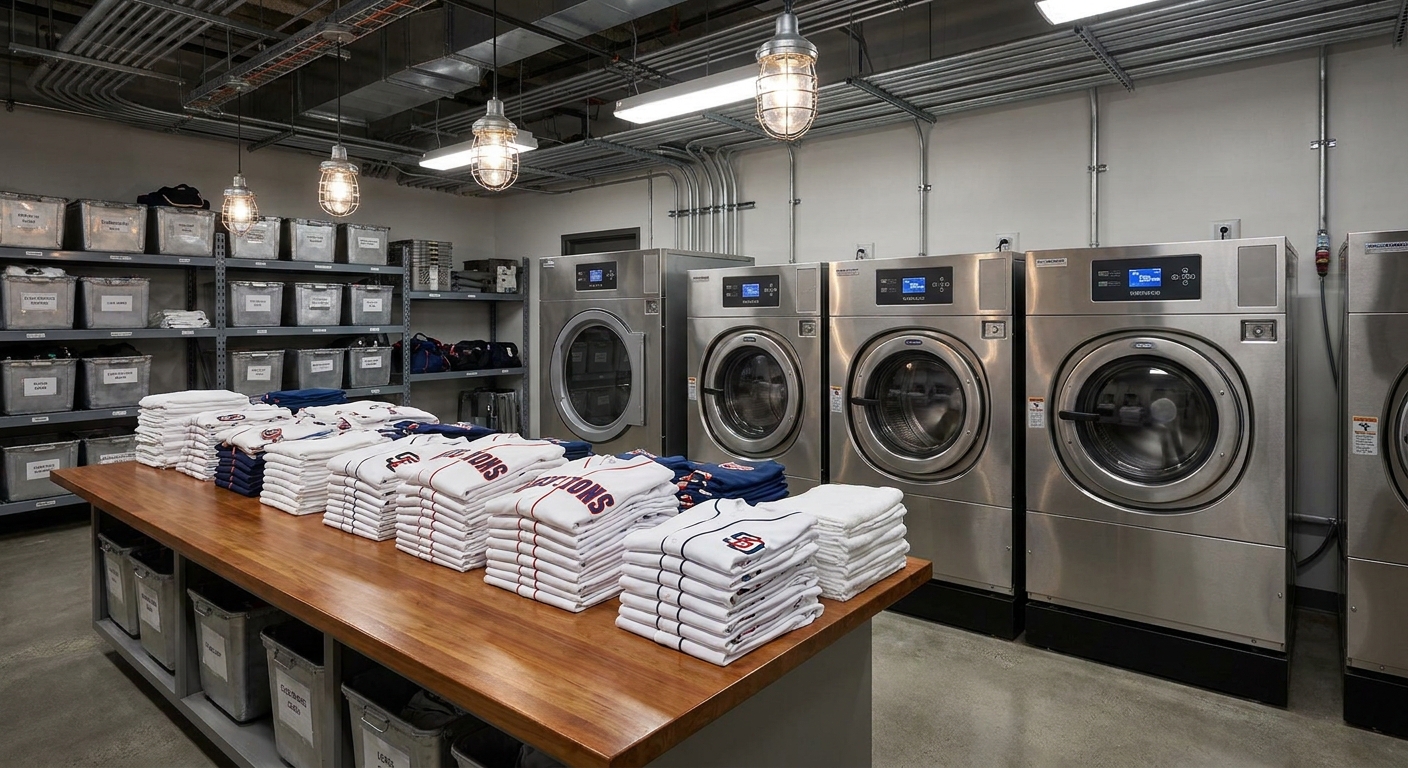
Elite sports uniforms achieve true size integrity by blending highly flexible elastane fibers with stable polyester backbones and running fabrics through precise pre-shrinking wet finishing processes. This structural stability is essential for maintaining the fit required by modern Abrasion resistance standards for baseball pants. If a uniform shrinks or stretches out of shape after washing, it restricts player movement and looks unprofessional. Using advanced heat-setting techniques locks the dimensions of the fabric in place before manufacturing.
Engineered patterns are carefully adjusted to fit a wide range of athletic body sizes and layer cleanly over protective pads. This careful design approach prevents loose fabric from snagging on opponent gear while eliminating tight pinch points. Sports organizations benefit from consistent multi-size sizing that fits comfortably from Youth Small to Adult 5XL. Specifying garments with high size integrity ensures long-lasting comfort and peak physical performance on the field.
Engineering fiber recovery with elastomeric additions
What does this mean for you?
You get uniforms that fit perfectly and move with your body without sagging or bagging. By blending a small percentage of spandex into high-density polyester, you gain exceptional multi-directional stretch and immediate shape recovery. This ensures players maintain a professional, streamlined fit on the field.
- Spandex blends offer exceptional multi-directional stretch.
- High stretch recovery rates prevent unsightly fabric bagging.
- Optimized tension recovery keeps protective gear held securely in place.
By investing in these advanced elastic blends, you ensure your athletes enjoy complete freedom of movement.
Shrinkage control protocols during wet finishing
Here is the kicker:
You can avoid the headache of uniforms shrinking by a full size after the very first wash. Running fabrics through advanced pre-shrinking and heat-setting wet finishing protocols locks the synthetic polymers into their final dimensions. This rigorous step ensures a size medium fits the same way throughout the year.
- Pre-shrinking wet treatments eliminate dimensional distortion.
- Strict quality standards limit fabric shrinkage to under 3%.
- Consistent sizing across washes prevents tight, uncomfortable fits.
Key Takeaway: You must partner with manufacturers who utilize pre-shrunk, heat-set fabrics to guarantee consistent garment sizing and true size integrity.
| Material Component | Structural Function | Performance Goal | Prevented Wear Issue | |
|---|---|---|---|---|
| Elastomeric Fibers | Adds multi-directional stretch | >95% stretch recovery rate | Sagging fabric and bagginess during play | |
| Wet Finishing Heat-Set | Pre-shrinks fabric rolls | <3% dimensional change | Uniforms shrinking in commercial dryers | |
| Sizing Range Adjustments | Fits over protective padding | Clean, zero-gap athletic drape | Pinched shoulders or restricted movement |
Verify these dimensional stability standards during fabric selection to prevent garment distortion and sizing inconsistencies.
Conclusion
Procuring high-performance team uniforms that survive the intense demands of competitive contact sports requires a deep commitment to rigorous testing and premium textile engineering. We have explored how dense double-knit weaves, heavy fabric weights, multi-stage quality inspections, and specialized stitching methods work together to prevent premature garment failure on the field.
By prioritizing high-tensile threads, flatlock seams, and permanent dye sublimation over cheap alternatives, sports brands and buying teams can protect their players while avoiding costly mid-season replacements. Our mission is to engineer and deliver the most resilient sports fabrics that empower athletes to slide, dive, and tackle with absolute confidence. Partner with us to elevate your brand’s performance— contact us today to discuss your custom team order and experience the next level of sportswear durability.
Durability Standards FAQ
Can I wash high-contact sports uniforms in commercial machines without destroying custom prints?
Yes, you can wash custom team uniforms in commercial machines without damaging high-quality custom prints. Utilizing permanent sublimation printing or fully cured, elastic screen-printing inks ensures designs will not crack or peel in commercial laundry setups. For the best long-term results, always wash garments in cold water with mild detergents and tumble dry on low heat.
What’s the best fabric weight for contact sports like football and rugby?
The best fabric weight for high-contact sports like football and rugby is heavyweight polyester between 280 GSM and 320 GSM. This heavy-duty density, constructed with a double-knit weave, provides extreme tear and bursting resistance. It also serves as a critical physical shield against painful turf burns and abrasions during falls.
How do I know if a sportswear fabric is actually abrasion-resistant before buying?
You can verify a fabric’s actual abrasion resistance by checking its certified laboratory testing results. Look for fabrics that have been evaluated using ASTM D4157 (Wyzenbeek) or Taber wear tests and have achieved a minimum of 50,000 double rubs. This objective data ensures the material will withstand the intense friction of competitive sliding.
Can I combine different fabric weights in a single team uniform?
Yes, you can strategically combine different fabric weights to optimize comfort and protection. Modern athletic uniforms use heavy-duty 300 GSM panels on high-impact zones like knees and shoulders, while placing lightweight 130 GSM micro-mesh inserts under arms and on the back for maximum breathability. This hybrid design keeps players cool without weakening structural areas.
How do I know if my uniform seams are strong enough to prevent blowouts?
You can evaluate your seams by checking the stitch density and looking for flatlock stitching in high-friction zones. High-quality sportswear should maintain a density of 12 to 14 stitches per inch using high-tensile, polyester-wrapped core threads. Additionally, critical stress points like pockets and belt loops must be reinforced with dense bartack stitches to prevent tearing.