
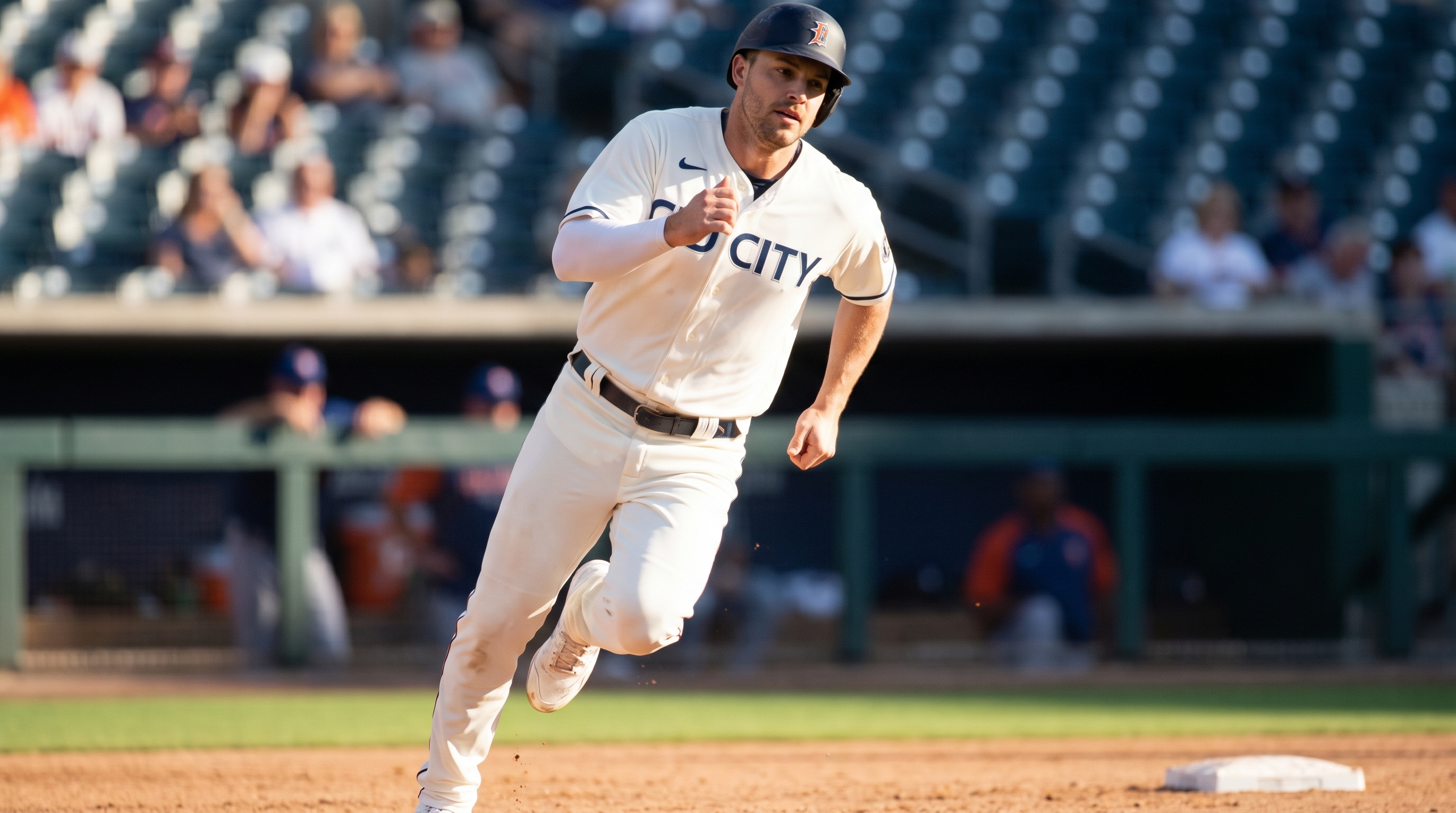
Performance textiles manage sweat by leveraging advanced capillary chemistry and specialized yarn shapes to pull moisture away from the skin for rapid evaporation. Picture a pitcher on a blistering July afternoon, completely soaked in heavy, wet sweat. As the damp jersey clings tightly to their shoulders, skin irritation begins, muscle flexibility drops, and their focus on the strike zone completely wavers. To overcome this discomfort and maintain peak athletic performance, elite sports uniforms rely on the Moisture wicking properties of baseball textiles to keep athletes cool, light, and focused throughout the entire game.
How do wicking textiles keep players dry?
Wicking textiles keep players dry by drawing liquid sweat away from the skin and spreading it across a wide outer surface area to speed up evaporation. The advanced Moisture wicking properties of baseball textiles rely on engineered synthetic polymers that actively resist absorbing water into their core. This mechanical design forces the sweat to travel along the outer grooves of the fibers instead of soaking through them. This process ensures that your body remains light and ventilated during high-intensity games.
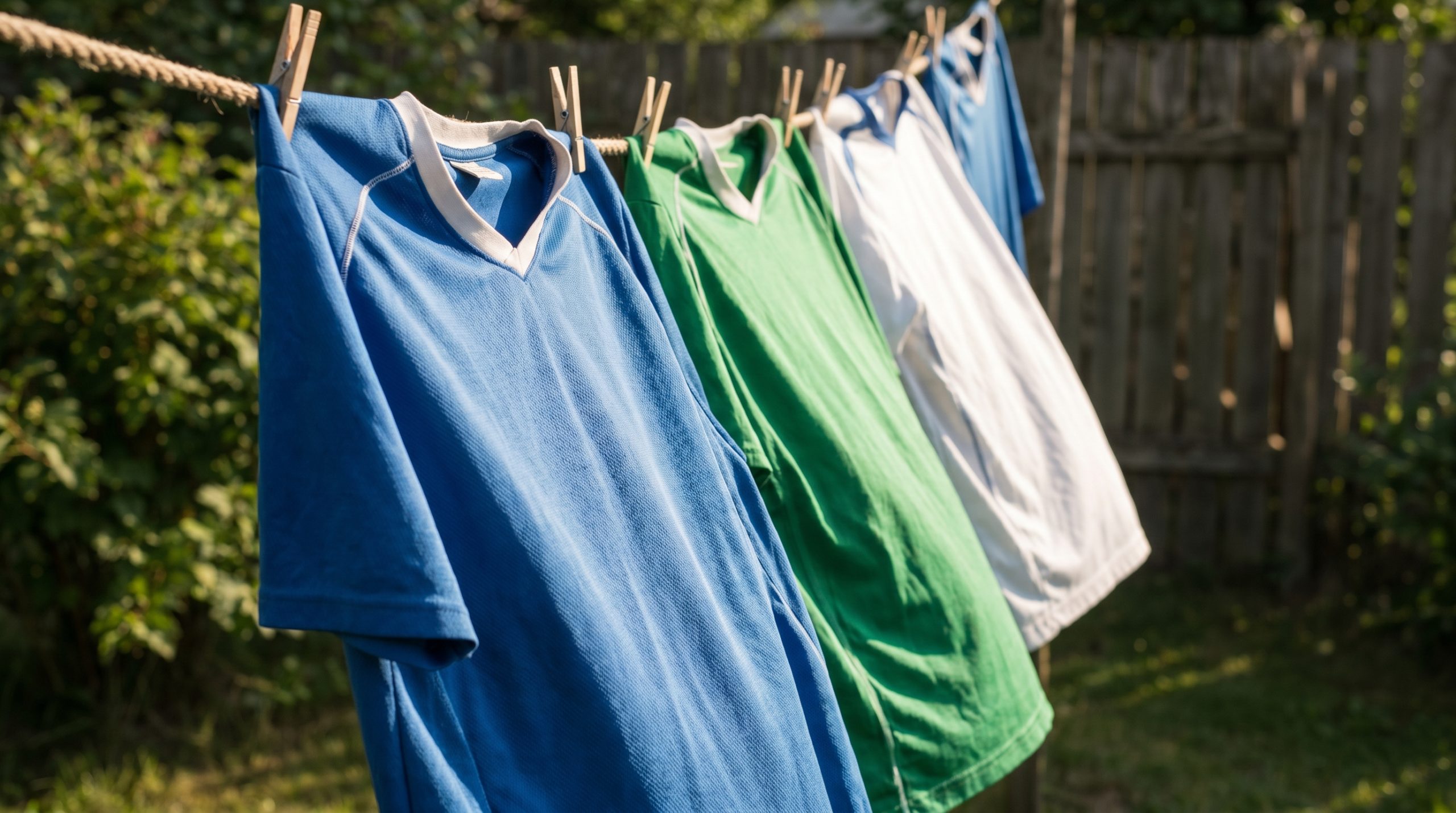
By avoiding moisture retention, these fabrics prevent the cold, damp feeling that typically occurs during dugout rests. This rapid drying process stabilizes muscle temperature and prevents the jersey from gaining unnecessary water weight. You will feel a massive difference in agility when switching to these modern synthetics.
The Mechanical Sweat Pump
Synthetic yarns act as small mechanical pumps that continuously pull sweat from high-sweat zones. Unlike natural fibers that hold water, these engineered filaments utilize surface tension to keep the liquid moving. This ensures a dry environment next to your skin.
Think about it: a dry player is a fast player.
- Liquid sweat is channeled instantly.
- Fiber channels prevent water logging.
- Fabric weight remains consistently low.
This direct wicking action ensures your gear never drags you down.
How Evaporation Cools the Body
Once sweat reaches the outer layer of the fabric, it undergoes a rapid phase change from liquid to vapor. This process removes latent heat directly from the surrounding fabric layer, creating a cooling sensation. It helps you maintain a stable core temperature during intense games.
But that is not all. Let us look at how different materials handle this cooling process on the field.
| Material | Evaporation Rate | Cooling Efficiency | |
|---|---|---|---|
| Traditional Cotton | Very Slow | Low | |
| Standard Polyester | Fast | High | |
| Specialized Wicking Mesh | Ultra-Fast | Maximum |
This performance difference shows why specialized structures are essential for hot summer doubleheaders.
Key Takeaway: Choosing garments that speed up evaporation helps keep your body temperature regulated, preventing heat-related fatigue.
Why do synthetic fibers excel in sports?
Synthetic fibers excel in sports because their naturally hydrophobic nature prevents them from absorbing liquid into their core, forcing sweat to move outward instead. When evaluating the Moisture wicking properties of baseball textiles, polyester and nylon consistently outperform natural alternatives. These synthetic materials allow developers to engineer the physical structure of each thread to optimize fluid transport. This ensures your uniform stays dry and comfortable through nine innings of play.
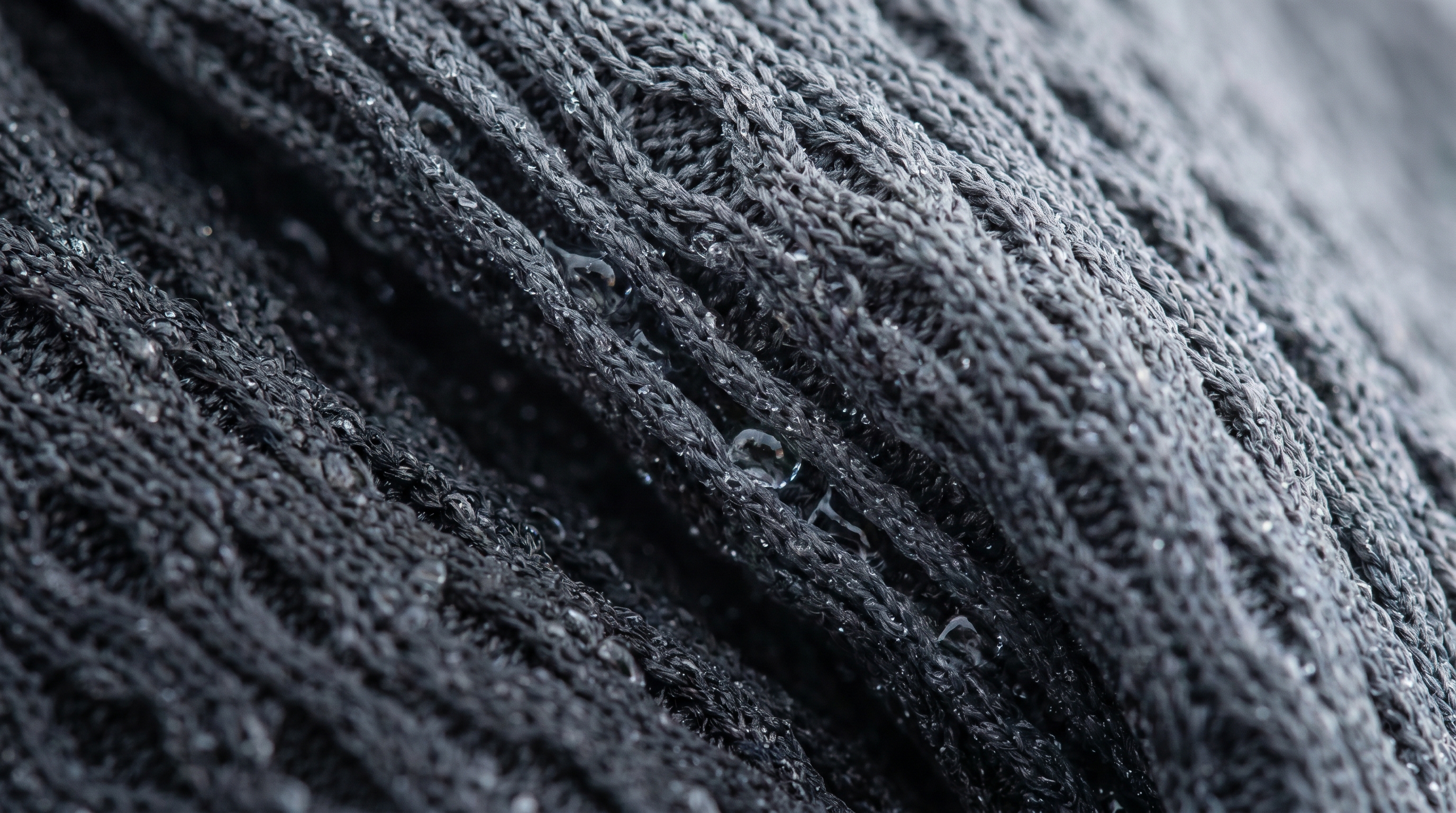
In contrast, natural fibers like cotton absorb water, swell up, and trap heat next to your body. Synthetics provide a lightweight alternative that maintains its structural integrity even when completely wet. You can rely on these synthetic fibers to deliver long-lasting durability and comfort on the field.
Synthetics vs. Natural Fibers
Synthetic materials do not swell when exposed to moisture, which keeps the fabric’s air pores fully open for continuous ventilation. Cotton fibers absorb water and expand, blocking airflow and trapping warm air next to your skin. This causes rapid overheating during hot games.
Here is the kicker: cotton can hold up to twenty-five times its weight in water, whereas polyester holds almost none.
- Polyester absorbs less than 1% moisture.
- Synthetics maintain their shape when wet.
- Airflow remains unobstructed during heavy sweat.
This hydrophobic advantage keeps you feeling light and energized.
Can Spandex Enhance Moisture Flow?
Spandex enhances moisture flow by allowing the fabric to stretch and open up the knit pores during movement. This elastic stretch pulls the fabric tight against the skin, maximizing the contact area for immediate sweat absorption. It ensures that every movement you make helps pump sweat away.
But that is not all. Let us compare how different synthetic fiber blends manage moisture and stretch.
| Blend Type | Stretch Range | Moisture Flow | |
|---|---|---|---|
| 100% Polyester Mesh | Low | High | |
| Polyester-Spandex Blend | High | Very High | |
| Nylon-Spandex Blend | High | Maximum |
This combination of stretch and flow is crucial for high-performance jerseys that must move with your body.
Key Takeaway: Investing in synthetic blends with spandex ensures your uniform moves with you while accelerating sweat transport.
What is the role of capillary action?
Capillary action plays the vital role of physically pulling liquid sweat through the microscopic spaces between fabric threads without requiring external energy. The Moisture wicking properties of baseball textiles rely heavily on this scientific principle to move sweat from your skin to the outer garment layer. By wrapping multiple fine filaments into a single yarn, manufacturers create thousands of tiny capillary tubes. This physical design ensures continuous moisture movement whenever you begin to sweat.

The speed of this movement is determined by the size of the gaps between the fibers. Smaller gaps create stronger capillary forces that pull liquid upward much faster. This ensures that sweat is drawn away from your body before it can cause chafing or discomfort.
The Physics of Micro-Channels
Micro-channels are the tiny pathways engineered into synthetic yarns that act as capillary tubes. These channels guide water droplets along the surface of the fiber, preventing them from pooling in one spot. This physical structure allows the fabric to handle heavy sweat bursts with ease.
Think about it: these channels are like microscopic highways for your sweat.
- Narrow channels speed up liquid travel.
- Surface tension keeps water moving forward.
- Continuous paths prevent liquid pooling.
This mechanical transport keeps your skin dry even during intense doubleheaders.
How Fiber Tension Drives Liquid
High fiber tension within the knit structure helps to draw moisture rapidly through the fabric layers. By tightly controlling yarn tension during production, manufacturers can optimize the wicking speed. This ensures the capillary pump never stalls when you need it most.
But that is not all. Let us look at how capillary force changes based on yarn configuration.
| Yarn Type | Capillary Channels | Wicking Speed | |
|---|---|---|---|
| Monofilament | Few | Slow | |
| Standard Multifilament | Medium | Fast | |
| Micro-Multifilament | High | Ultra-Fast |
This comparison demonstrates how fine yarn structures drastically improve the speed of capillary draw.
Key Takeaway: High capillary action keeps sweat moving constantly, ensuring your skin remains dry during intense physical play.
How does fabric weave affect sweat flow?
Fabric weave affects sweat flow by defining the size and layout of the physical pathways through which moisture and air travel. When studying the Moisture wicking properties of baseball textiles, open knit structures like bird-eye mesh show superior sweat management compared to flat weaves. These specialized structures create a three-dimensional pattern that lifts the fabric slightly off your skin. This minimizes wet-cling and maximizes overall breathability on the field.
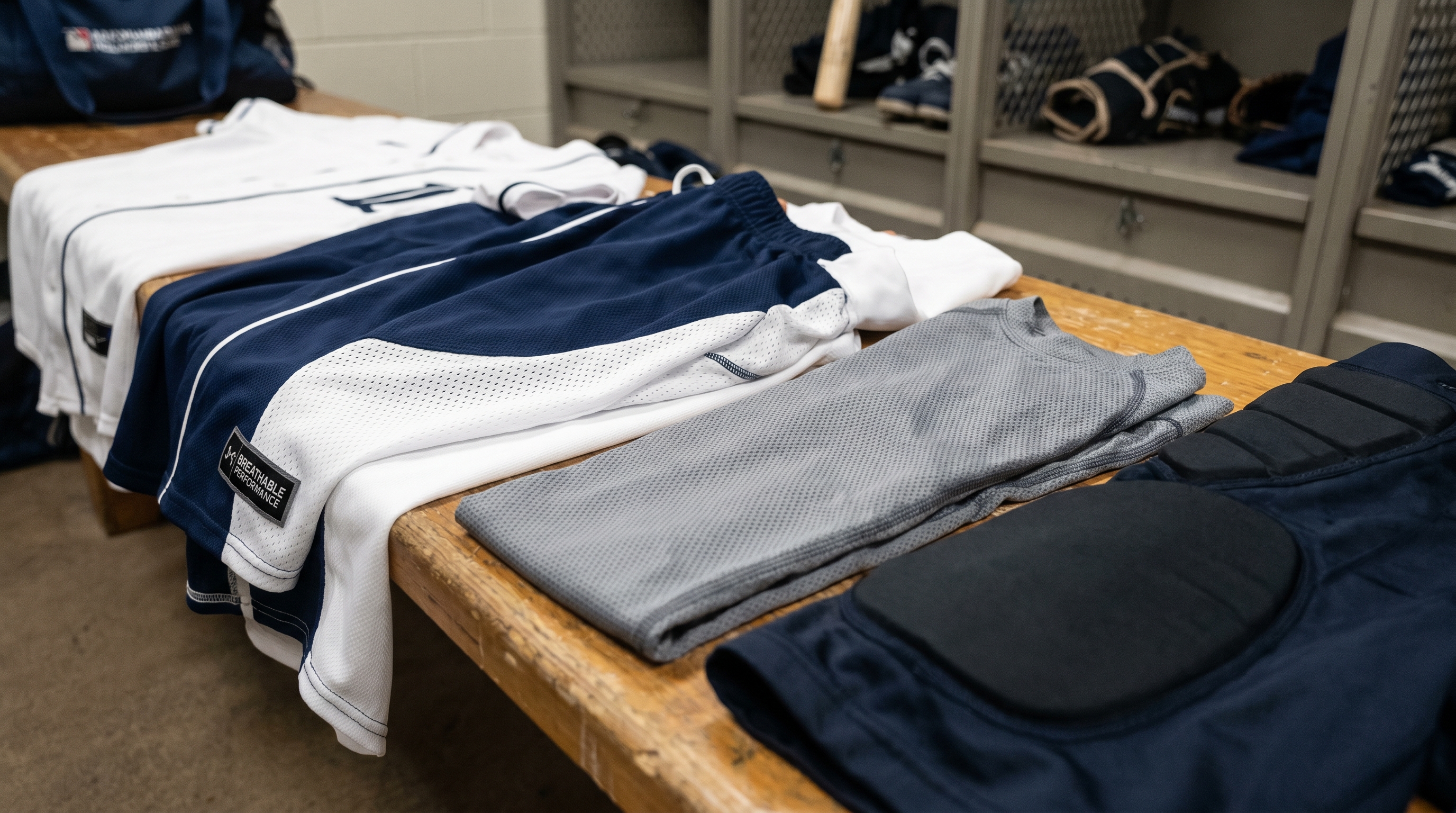
A well-designed knit pattern also increases the fabric’s outer surface area, which speeds up the evaporation process. By alternating dense and open knit zones, manufacturers can direct sweat to the areas most exposed to airflow. This keeps your uniform feeling light and fresh.
Double-Knit Mesh Innovations
Double-knit mesh utilizes two interconnected fabric layers to handle moisture in a coordinated push-pull process. The inner layer is designed to quickly absorb sweat from the skin, while the outer layer disperses it over a wide area. This dual-action system keeps the wetness away from your body.
Wait, there is more: this construction creates a dry microclimate next to your skin.
- Inner layer pulls moisture immediately.
- Interconnecting yarns transfer liquid outward.
- Outer layer maximizes evaporation surface.
This engineered approach prevents the fabric from sticking to your skin when wet.
Why Pore Size Matters in Weaves
Pore size determines the balance between wicking capillary pressure and physical airflow through the garment. Large pores allow excellent ventilation but can reduce the capillary force needed to pull liquid sweat. Finding the perfect pore size is the key to elite activewear design.
Let’s face it: getting the pore size wrong can ruin the performance of the jersey.
| Weave Type | Average Pore Size | Airflow Rating | Wicking Efficiency | |
|---|---|---|---|---|
| Tight Interlock | Small | Low | High | |
| Open Bird-Eye | Medium | High | High | |
| Wide Honeycomb | Large | Maximum | Medium |
This balance shows why bird-eye mesh is highly favored for baseball uniforms.
Key Takeaway: Choosing a balanced mesh weave provides the ideal mix of high wicking speed and continuous cooling airflow.
Which testing methods verify fabric dry speed?
Testing methods like vertical wicking tests and moisture vapor transmission rate (MVTR) measurements verify fabric dry speed by recording liquid travel over time. Analyzing the Moisture wicking properties of baseball textiles in a lab setting ensures that every batch meets professional performance standards. These tests provide objective data on how quickly a textile can move sweat away from a player’s skin. This scientific validation allows you to select team uniforms with confidence.
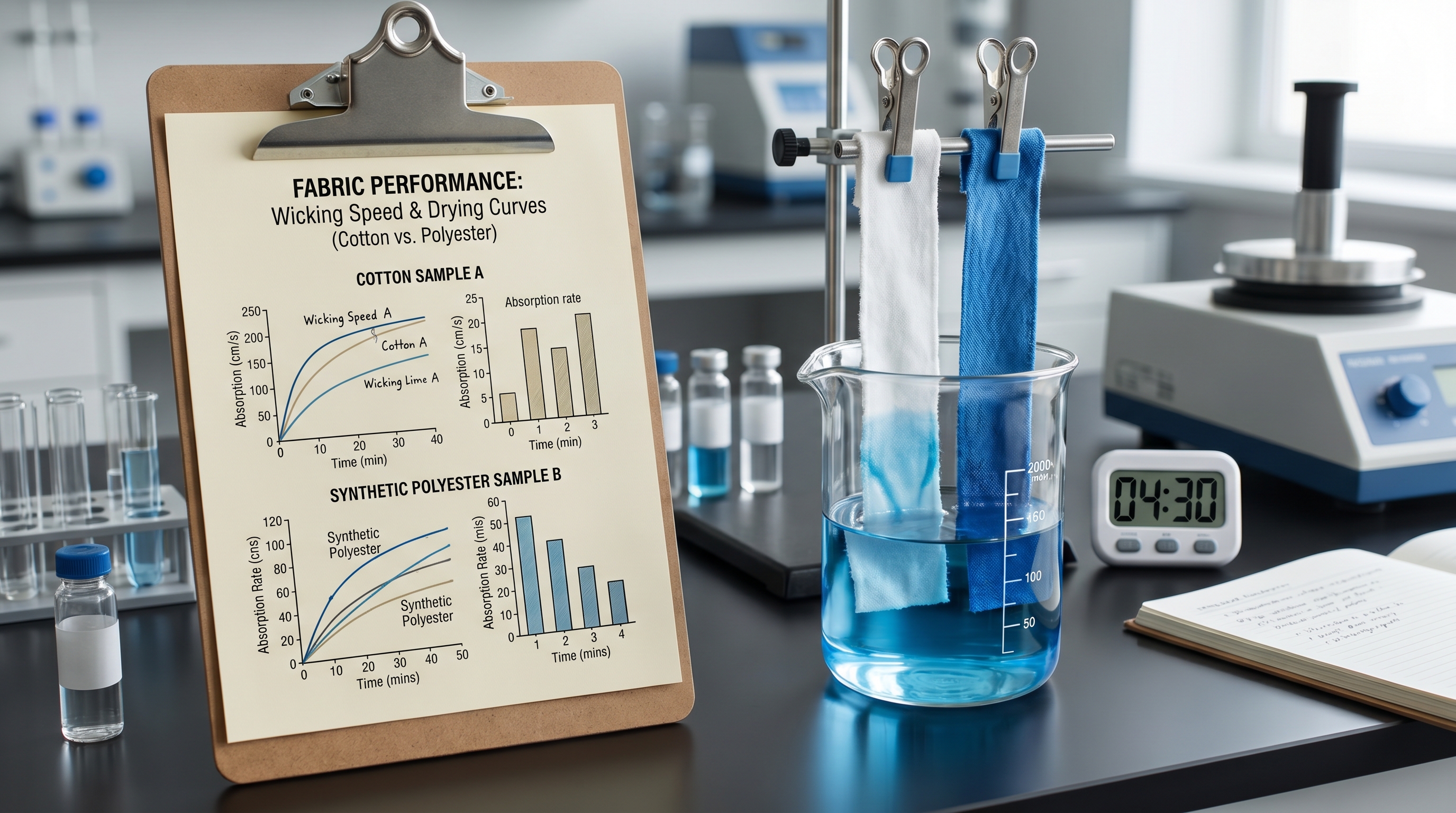
Labs also measure the drying time of wet fabrics under controlled temperature and humidity conditions. This guarantees that your team’s gear will dry rapidly during game breaks. You can rely on these standardized tests to verify performance claims.
Vertical Wicking Lab Standards
Vertical wicking tests measure the distance a liquid travels up a fabric strip suspended over water. This test directly evaluates the capillary force of the yarn structure under gravity. It is the most common method used to verify activewear performance.
Here is the kicker: high-quality fabrics can draw water over one hundred millimeters in just ten minutes.
- Measures capillary draw distance.
- Tests fabric performance against gravity.
- Identifies low-quality fiber constructions.
This standard ensures you get genuine wicking performance from your gear.
How Dry-Time Curves Are Measured
Dry-time curves are created by weighing a wet fabric sample at regular intervals as it dries in a controlled room. This curve reveals how quickly the fabric sheds water weight under standard environmental conditions. It is essential for determining how fast a jersey dries on the field.
But that is not all. Let us look at typical drying curves for common sports fabrics.
| Fabric Type | 50% Dry Time (min) | 100% Dry Time (min) | |
|---|---|---|---|
| Cotton Jersey | 45 | 120+ | |
| Standard Polyester | 15 | 40 | |
| Elite Bird-Eye Polyester | 8 | 20 |
This scientific data proves that specialized synthetic knits dry significantly faster than traditional materials.
Key Takeaway: Trusting lab-tested fabrics ensures your team receives uniforms that are scientifically proven to dry rapidly.
How do dual-layer constructions work?
Dual-layer constructions work by using two different fiber finishes or knit styles to create a physical moisture gradient that forces sweat outward. This design is highly effective for improving the Moisture wicking properties of baseball textiles under heavy perspiration. The inner layer is made of highly hydrophobic fibers that push water away, while the outer layer uses hydrophilic yarns to pull and disperse it. This dual-action system ensures that your skin remains dry even when you are sweating heavily.
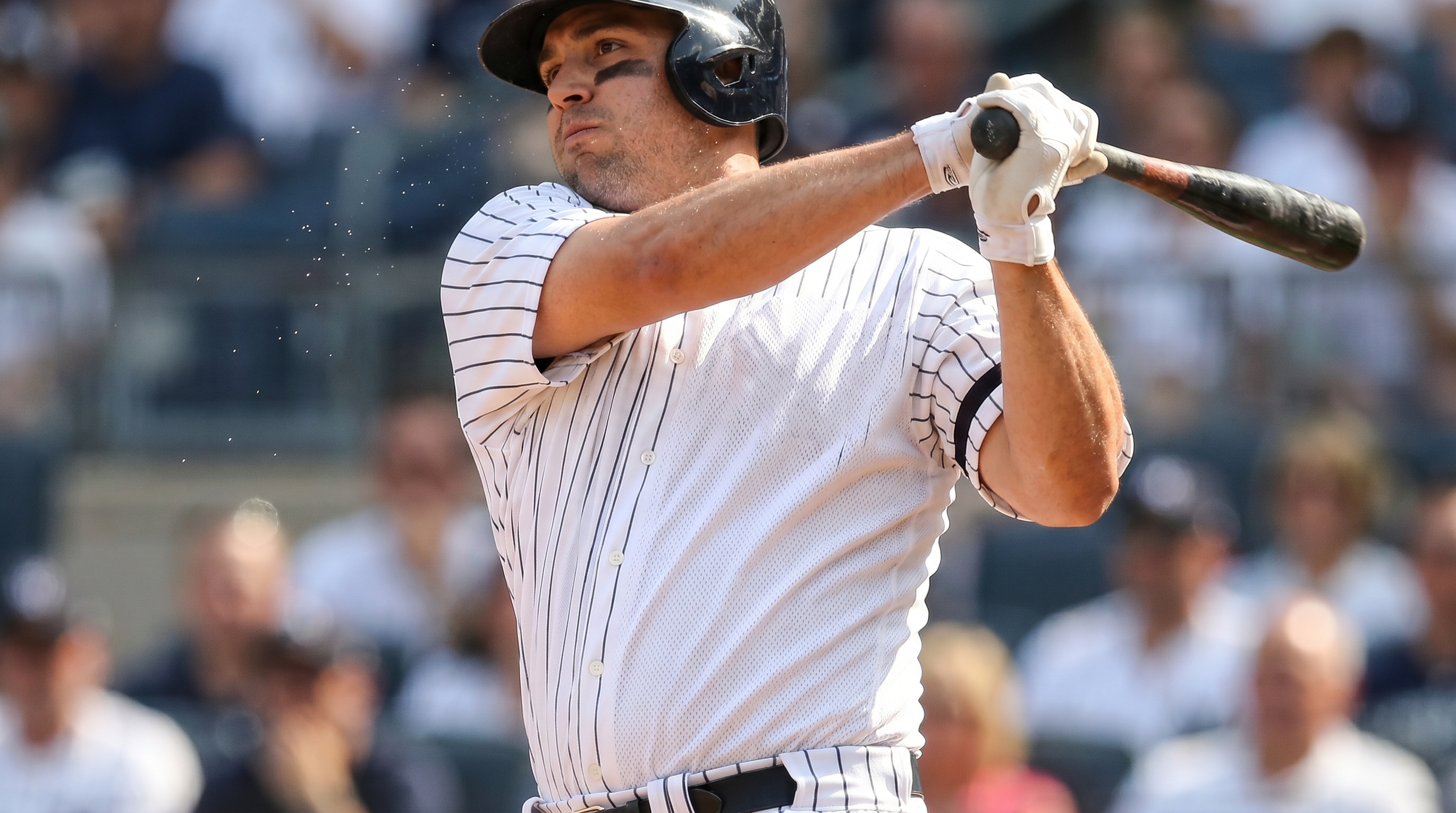
This mechanical gradient creates a one-way street for sweat, preventing it from flowing backward toward your body. It is an incredibly efficient way to manage moisture during long games in hot weather. You will notice that the uniform feels remarkably dry against your skin.
The Push-Pull Layer Mechanism
The push-pull mechanism uses a hydrophobic inner layer to push sweat away from the skin and a hydrophilic outer layer to pull it to the surface. This gradient acts as a passive mechanical pump that works continuously. It requires no chemical treatments to maintain its performance.
Think about it: this design acts like an automatic bailing system for your sweat.
- Hydrophobic layer keeps skin dry.
- Moisture gradient speeds outward flow.
- Hydrophilic outer layer spreads liquid.
This continuous action prevents sweat from pooling on your skin.
Inner Hydrophobic Contact Zones
Inner hydrophobic contact zones use specialized non-absorbing yarns that touch the skin to minimize physical cling. These zones ensure that even when the outer layer is damp, the fabric touching your body feels dry and comfortable. This is key to preventing skin chafing during long games.
Let’s face it: nobody wants a wet, heavy jersey sticking to their back.
| Layer Zone | Fiber Type | Primary Function | |
|---|---|---|---|
| Inner Contact | Hydrophobic | Pushes sweat away | |
| Core Transfer | Micro-Capillary | Directs moisture out | |
| Outer Surface | Hydrophilic | Disperses for dry |
This zoned design is what makes high-end activewear feel so comfortable during play.
Key Takeaway: Dual-layer knits create a mechanical moisture gradient that physically prevents wet fabric from clinging to your skin.
What limits the wicking of performance gear?
Performance gear wicking is limited by extreme environmental humidity and physical dirt clogging that block the fabric’s capillary channels. When reviewing the Moisture wicking properties of baseball textiles , we find that external factors can dramatically impact wicking efficiency on the field. High humidity slows down evaporation because the air is already saturated with water vapor. This causes moisture to build up on the garment’s outer layer.
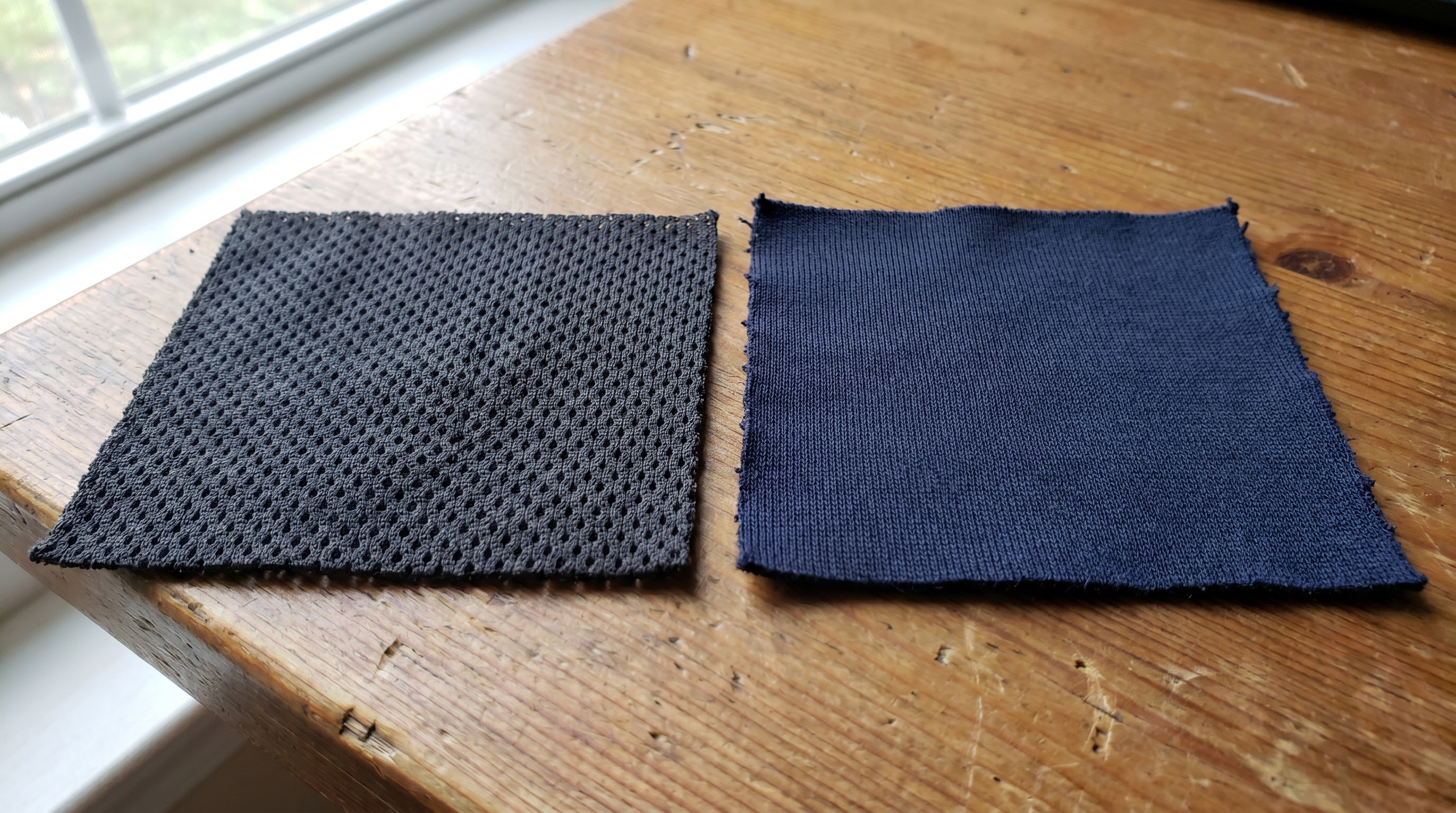
In addition, sliding into home plate coats the jersey with fine clay and dirt particles that clog the microscopic spaces between the fibers. This physical blockage stops the capillary wicking action immediately. Keeping your team’s uniforms clean is essential to maintaining their moisture-management performance.
The Impact of Ambient Humidity
High ambient humidity reduces the rate of evaporation from the outer fabric layer, causing sweat to build up. While the capillary action will still pull moisture away from your skin, the liquid cannot easily escape into the saturated air. This can lead to a heavy, damp uniform in tropical climates.
Wait, there is more: active airflow from running can help overcome this limitation.
- Humidity slows natural evaporation.
- Capillary action continues to pull sweat.
- Wind speed enhances wet drying.
This shows why open mesh panels are so vital for high-humidity environments.
How Clogged Fibers Block Sweat
Dirt, clay, and laundry softeners can clog the microscopic channels between yarn filaments, cutting off capillary action. Once these channels are blocked, liquid sweat cannot move through the fabric and remains trapped next to your skin. This leads to rapid overheating and increased skin irritation.
But that is not all. Let us look at how different contaminants impact wicking speed.
| Contaminant | Wicking Reduction | Major Performance Impact | |
|---|---|---|---|
| Dry Clay Dust | 40% | Reduced airflow | |
| Wet Mud Stains | 75% | Clogged capillary channels | |
| Fabric Softener Residue | 90% | Complete loss of absorption |
This table highlights how critical proper cleaning is to preserving performance.
Key Takeaway: Keeping your uniforms clean and free of wicking blockages ensures their capillary channels function at peak efficiency.
Why does fiber cross-section shape matter?
Fiber cross-section shape matters because it determines the total surface area available for moisture to travel along and evaporate from. Standard round fibers have minimal surface area, which limits their Moisture wicking properties of baseball textiles on the field. In contrast, engineered fibers feature specialized shapes like trilobal or cross-shaped profiles. These designs create natural grooves that act as microscopic wicking channels, pulling moisture away instantly.
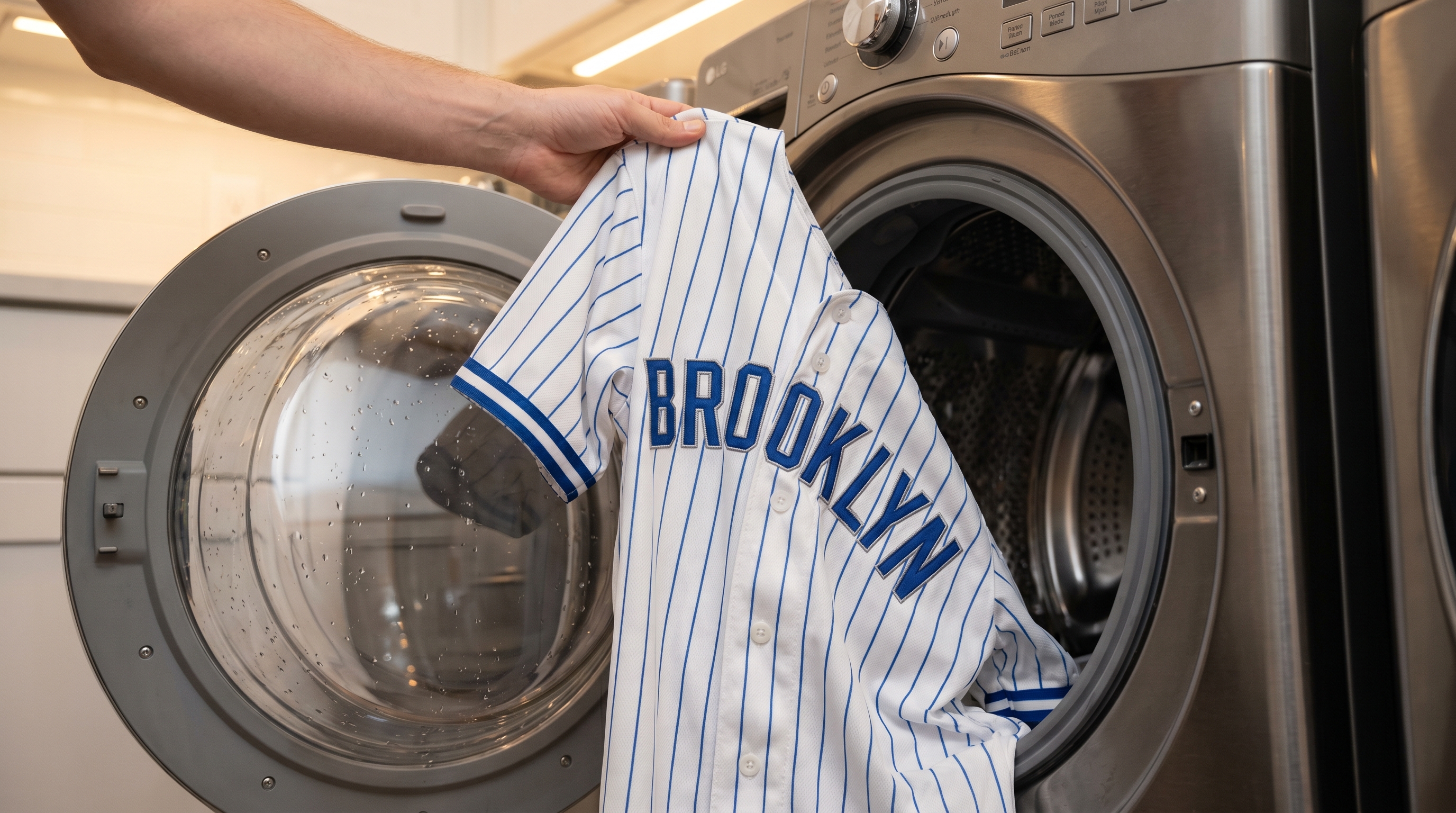
These specialized geometries increase the surface area of each thread by up to forty percent without adding weight. This allows sweat to spread out and evaporate much faster than it would on round fibers. You will feel cooler and drier in garments made with these shaped filaments.
Trilobal and Cross-Shaped Fibers
Trilobal and cross-shaped fibers feature deep longitudinal grooves that draw water along their surface through capillary force. These engineered shapes prevent liquid droplets from merging into a thick film, which would block air passage. This keeps the knit highly breathable even during peak sweat production.
Here is the kicker: shaped fibers are the secret behind premium quick-dry garments.
- Grooves guide liquid sweat.
- Surface area is maximized.
- Lightweight profile is maintained.
This advanced design is what sets high-performance uniforms apart.
Why Surface Area Rules Wicking
Larger fiber surface areas allow moisture to spread out into an ultra-thin layer that evaporates almost instantly. If the surface area is too small, sweat pools and the fabric takes much longer to dry. Maximizing surface area is the most effective way to boost drying speeds.
Think about it: a larger surface area means faster drying times for you.
| Fiber Shape | Surface Area Index | Drying Speed Rating | |
|---|---|---|---|
| Round | 1.0 | Low | |
| Trilobal | 1.4 | Medium-High | |
| Cross-Shape | 1.8 | High |
This geometric advantage explains why engineered fibers are highly valued in sports apparel manufacturing.
Key Takeaway: Choosing shaped fibers increases the wicking surface area, allowing sweat to evaporate before it can accumulate.
How should teams care for wicking jerseys?
Teams should care for wicking jerseys by washing them in cold water with mild liquid detergents and avoiding fabric softeners or high dryer heat. Proper maintenance is vital to preserve the Moisture wicking properties of baseball textiles over multiple seasons of play. High dryer heat can warp and melt the delicate synthetic fibers, closing up the wicking channels. Using cold wash cycles protects the fabric’s physical structure and keeps it functioning perfectly.
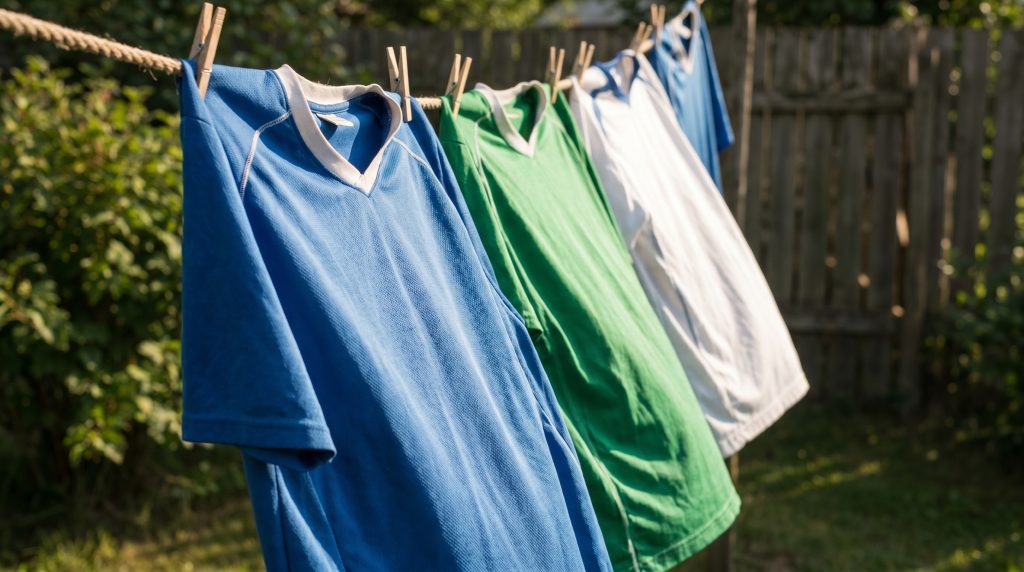
In addition, chemical fabric softeners leave a thin, waterproof silicone coating on the fibers that prevents sweat absorption. If your uniforms have been washed with softeners, they will trap sweat instead of wicking it away. Following correct cleaning protocols is the best way to protect your team’s investment.
The Damage of Fabric Softeners
Fabric softeners coat synthetic fibers with a hydrophobic wax layer that completely blocks capillary action. This coating prevents water droplets from entering the wicking grooves, making the performance fabric act like standard plastic. It is the leading cause of performance loss in sports jerseys.
Let’s face it: using fabric softeners ruins your high-tech apparel.
- Fibers are coated in wax.
- Capillary wicking is blocked.
- Odor-causing bacteria get trapped.
This chemical buildup can be easily avoided by using clean, simple detergents.
How Cold Washing Protects Fibers
Cold washing protects synthetic yarns from heat distortion and maintains the integrity of their wicking channels. Synthetic polymers like polyester are sensitive to high temperatures, which can cause them to lose their shaped profiles. Cold water cleanings ensure your uniforms retain their quick-dry performance.
But that is not all. Let us look at how care routines affect the lifespan of wicking gear.
| Care Routine | Fiber Shape Preservation | Wicking Lifespan | |
|---|---|---|---|
| Hot Wash + Softener | Very Low | <15 Washes | |
| Warm Wash + Heat Dry | Medium | 30 Washes | |
| Cold Wash + Air Dry | High | 100+ Washes |
This clear comparison shows how correct care practices can triple the lifespan of your activewear.
Key Takeaway: Caring for your jerseys with cold washes and air-drying keeps the wicking channels open, extending performance life.
What is the future of dry-fit technology?
The future of dry-fit technology lies in developing bio-based synthetic polymers and smart responsive knits that adapt their wicking speeds to actual sweat rates. Innovations in Moisture wicking properties of baseball textiles focus on reducing environmental impact while pushing performance limits. Emerging bio-polyesters offer the same hydrophobic benefits as traditional petroleum-based synthetics but with a much lower carbon footprint. This allows teams to prioritize sustainability without sacrificing on-field performance.
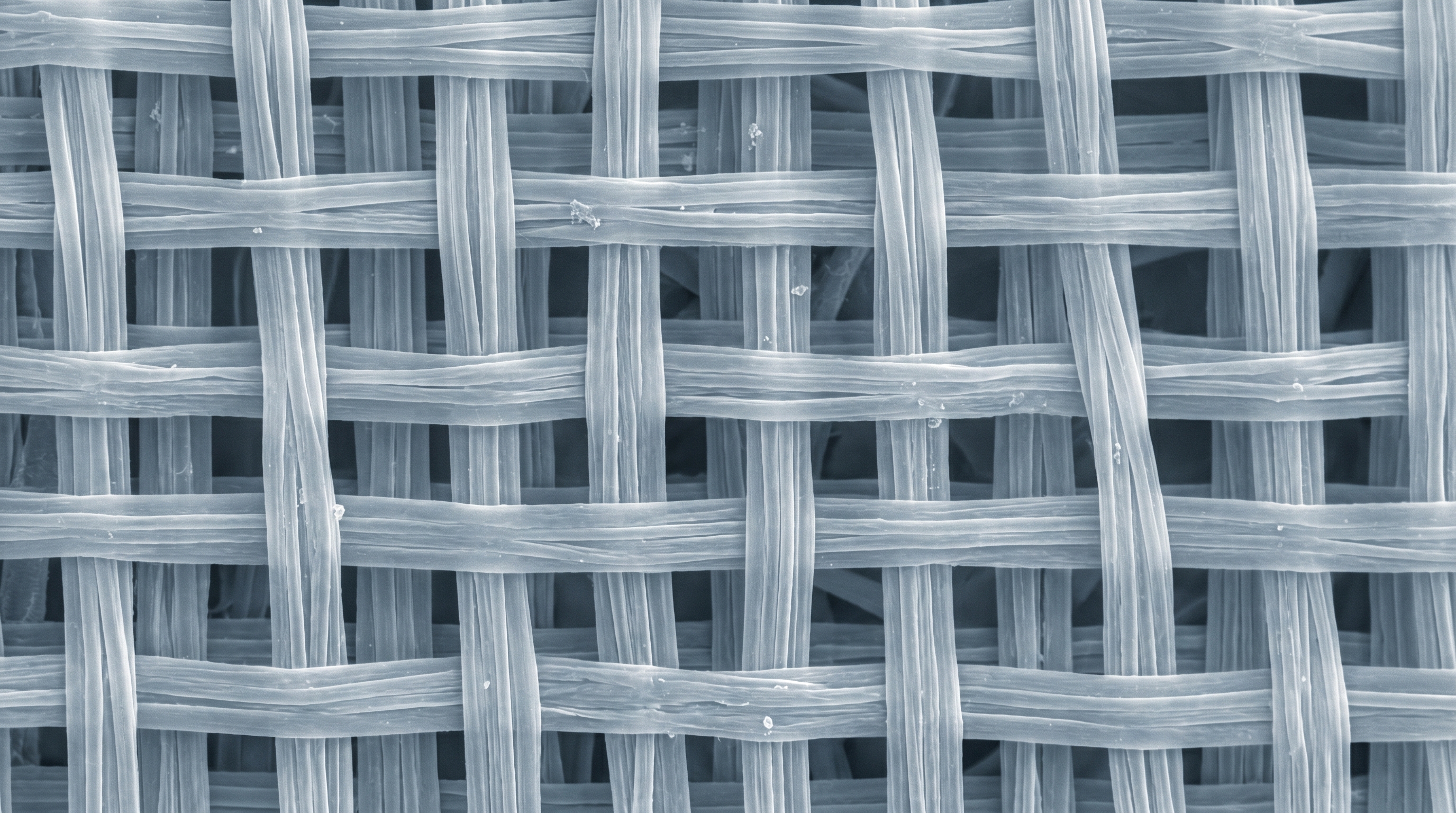
Researchers are also designing responsive smart fabrics that open their pores wider when they detect high humidity or heavy sweat. This provides active ventilation when you need it most, then closes up to retain heat during cool breaks. These advancements will revolutionize how athletes stay dry on the field.
Bio-Based Performance Polymers
Bio-based performance polymers offer a highly sustainable alternative to traditional polyesters by using plant-derived starches instead of oil. These eco-friendly materials are processed to have the exact same capillary properties and durability as standard synthetics. This ensures your team stays dry while supporting green initiatives.
Here is the kicker: green technology has finally caught up with athletic demands.
- Reduces reliance on fossil fuels.
- Identical wicking performance.
- Fully recyclable after use.
This transition represents the next big shift in sports apparel manufacturing.
Are Smart Textiles the Next Step?
Smart responsive textiles feature fibers that physically swell or shrink in response to moisture, altering the fabric’s breathability dynamically. When you sweat, the fibers shrink to open up larger ventilation holes, allowing heat to escape. This active regulation provides custom comfort during dynamic games.
Think about it: a jersey that adapts to your body is the ultimate athletic gear.
| Technology | Adaptive Action | Target Benefit | |
|---|---|---|---|
| Bio-Polyesters | Static Capillary Flow | Eco-friendly dry-tech | |
| Moisture-Responsive Knits | Dynamic Pore Opening | On-demand cooling | |
| Phase-Change Coatings | Thermal Absorption | Heat-regulating comfort |
These innovations will continue to push the boundaries of athletic comfort and endurance.
Key Takeaway: Investing in next-generation wicking technology ensures your team benefits from sustainable materials and adaptive cooling.
Frequently Asked Questions
Can I use standard laundry detergent on performance baseball jerseys?
Yes, you can use standard liquid detergent, but you must avoid powder formulas and softeners that block fiber channels. Powder detergents do not dissolve fully in cold water and can leave fine residues that clog the synthetic capillary pathways.
What is the best fabric construction for youth baseball tournaments?
The best fabric is a double-knit bird-eye mesh made of recycled polyester. This structure provides the ultimate balance of active wicking and maximum durability.
How do I know if my team’s jersey has lost its wicking properties?
You can easily test this by applying a single drop of water to the inner lining. If the water beads up instead of spreading immediately, the wicking ability is gone.
Can I tumble dry performance baseball textiles?
Yes, you can tumble dry them on a low heat setting, although air-drying is highly recommended to protect the synthetic polymer structure. High dryer heat can warp synthetic fibers and degrade their moisture-wicking capillary channels over time.
What is the best way to eliminate deep odors from synthetic gear?
The best method is to wash the jerseys in cold water immediately after play with an enzymatic detergent. This prevents bacteria from multiplying inside the microscopic grooves of the fibers.
Conclusion
Managing player comfort and endurance on the field requires a deep understanding of fluid dynamics and textile science. This article has detailed how specialized capillary channels, shaped fibers, and dual-layer knits actively work to keep athletes dry under pressure. As a leading high-performance fabric supplier, MAKITAPE is proud to support teams and apparel brands with customizable, low-MOQ wicking textiles that deliver elite dry-tech capabilities. Our vision is to elevate athletic apparel standards globally, ensuring that every player can perform at their peak without being held back by heavy, wet gear. To learn more about our advanced fabric collections or to request samples, contact us today and let us build the future of dry-fit activewear together.