
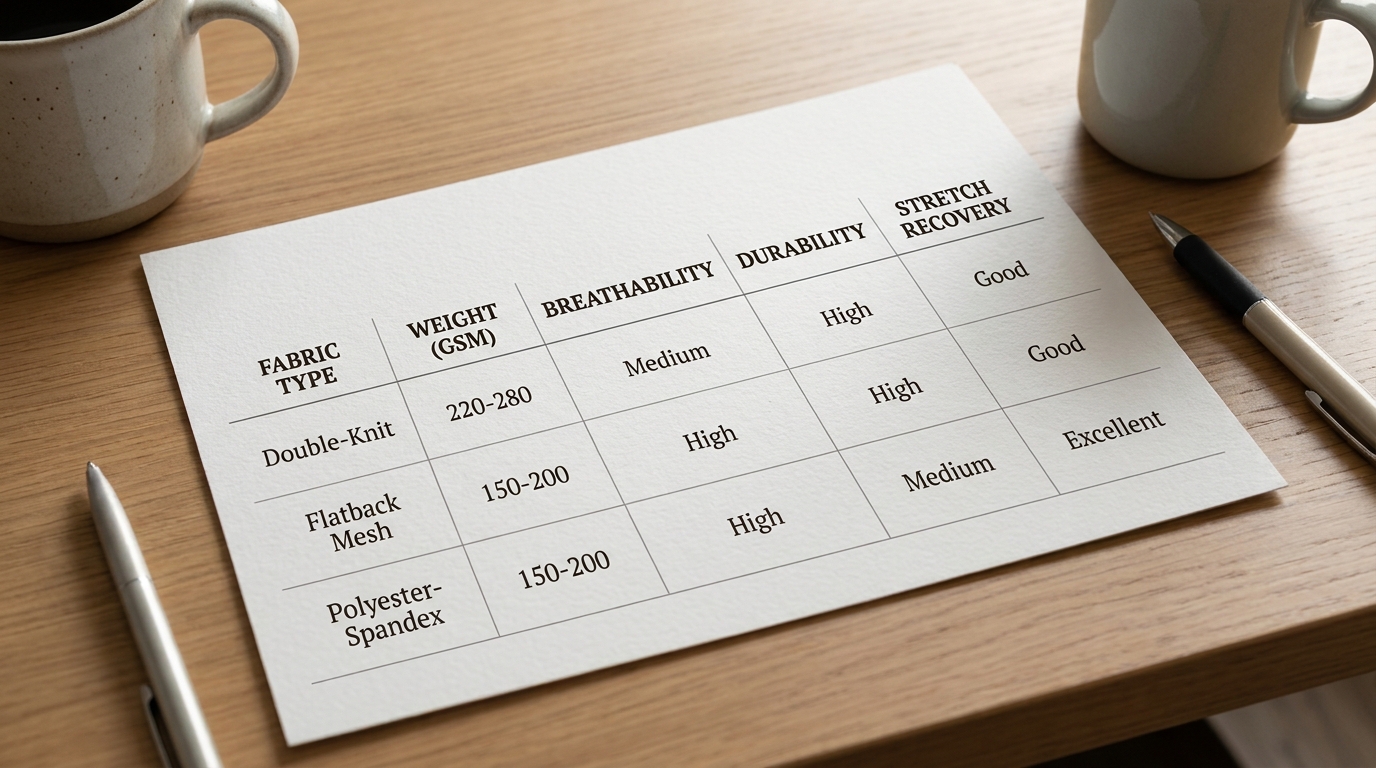
Modern baseball jersey fabric is typically called polyester double-knit or flatback mesh, offering the perfect blend of structural integrity and modern moisture management. When your players step onto the diamond under a blazing midsummer sun, they face intense heat and physical friction that standard clothing simply cannot handle. Heavy, sweat-soaked apparel clings to their skin, severely restricting their range of swing, causing painful chafing, and draining their stamina during critical innings. The ultimate cure lies in sourcing specialized high-performance textiles engineered for maximum ventilation, durability, and absolute freedom of movement on the field. To help your brand deliver championship-grade gear, you must understand what is baseball jersey fabric called and how to select the absolute best materials for your production line.
What is baseball jersey fabric called on fields?
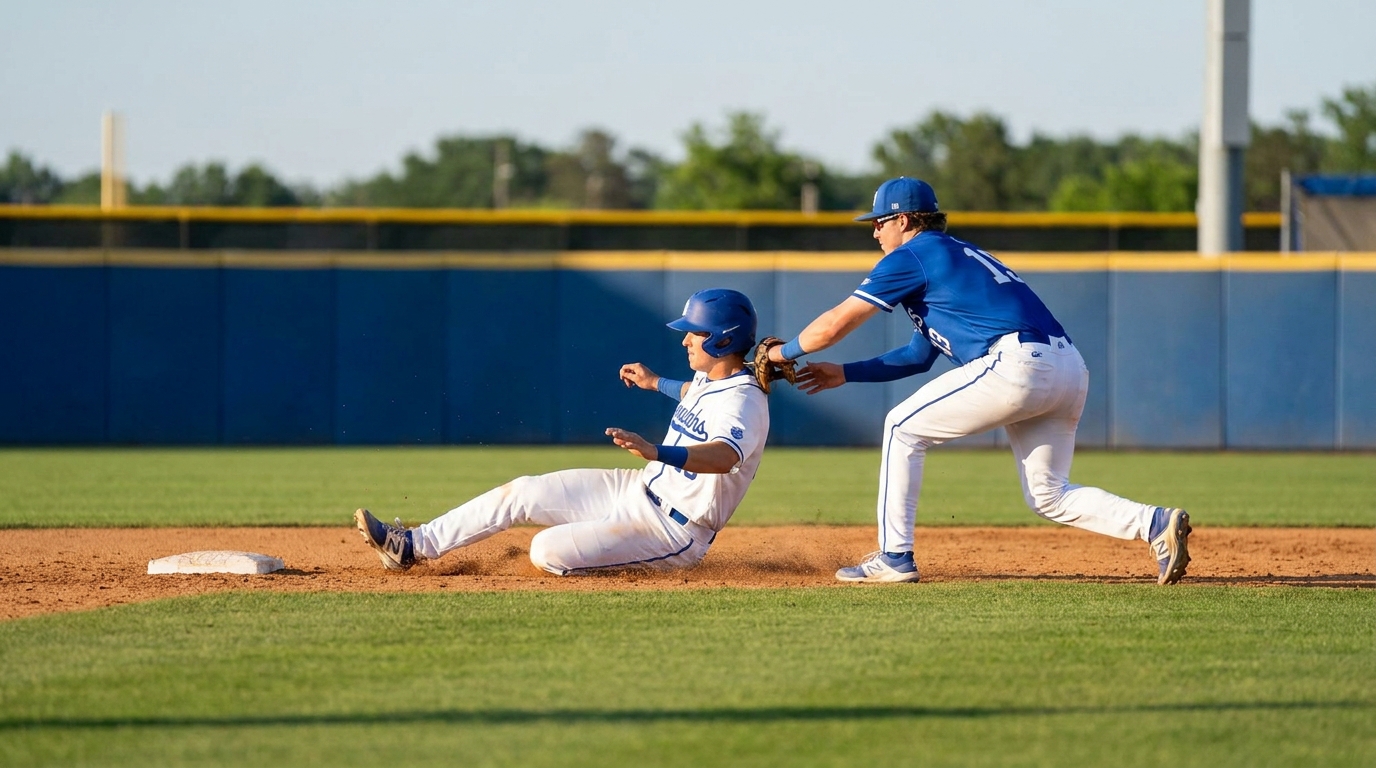
On active playing fields, baseball jersey fabric is most commonly called polyester double-knit or high-airflow mock mesh. If you have ever wondered what is baseball jersey fabric called? when sourcing for competitive leagues, you will find that these synthetic variations dominate modern rosters. These advanced fabrics are engineered to replace heavy traditional materials while maintaining a crisp, professional shape throughout the long season.
How did baseball textiles evolve over the years?
Let’s face it: old-school wool uniforms were a heavy, hot nightmare for players sliding in summer clay. Modern manufacturing has shifted entirely to synthetic polymers because natural fibers simply cannot handle intense field moisture.
- Traditional wool flannel lacked elasticity and retained heavy sweat.
- Early polyester blends of the 1970s introduced superior tear resistance.
- Modern circular knits optimize yarn density for all-weather comfort.
What makes dual-knit better than old-school wool?
Think about it: a uniform must act as a protective shield while allowing unrestricted athletic movement. Modern dual-knit constructions achieve this by interlocking two distinct layers of high-tenacity yarn.
- Double-faced weaves provide a smooth interior touch that prevents chafing.
- Tight outer loops repel abrasive dirt particles during heavy slides.
- Mechanical stretch patterns allow full range of motion without spandex degradation.
| Material Weave | Durability | Moisture Control | Comfort Rating | Average Weight | |
|---|---|---|---|---|---|
| Classic Wool Flannel | Low | Poor | Low | 340+ GSM | |
| Polyester Dual-Knit | Exceptional | High | Excellent | 270 – 320 GSM |
This direct evolutionary comparison proves that switching to modern synthetic dual-knits is the easiest way to elevate your brand’s field performance.
Key Takeaway: Sourcing dual-knit polyester uniforms ensures your athletic apparel remains incredibly light, extremely durable, and professional-looking even after repeated high-temperature industrial wash cycles.
What is baseball jersey fabric called for pros?
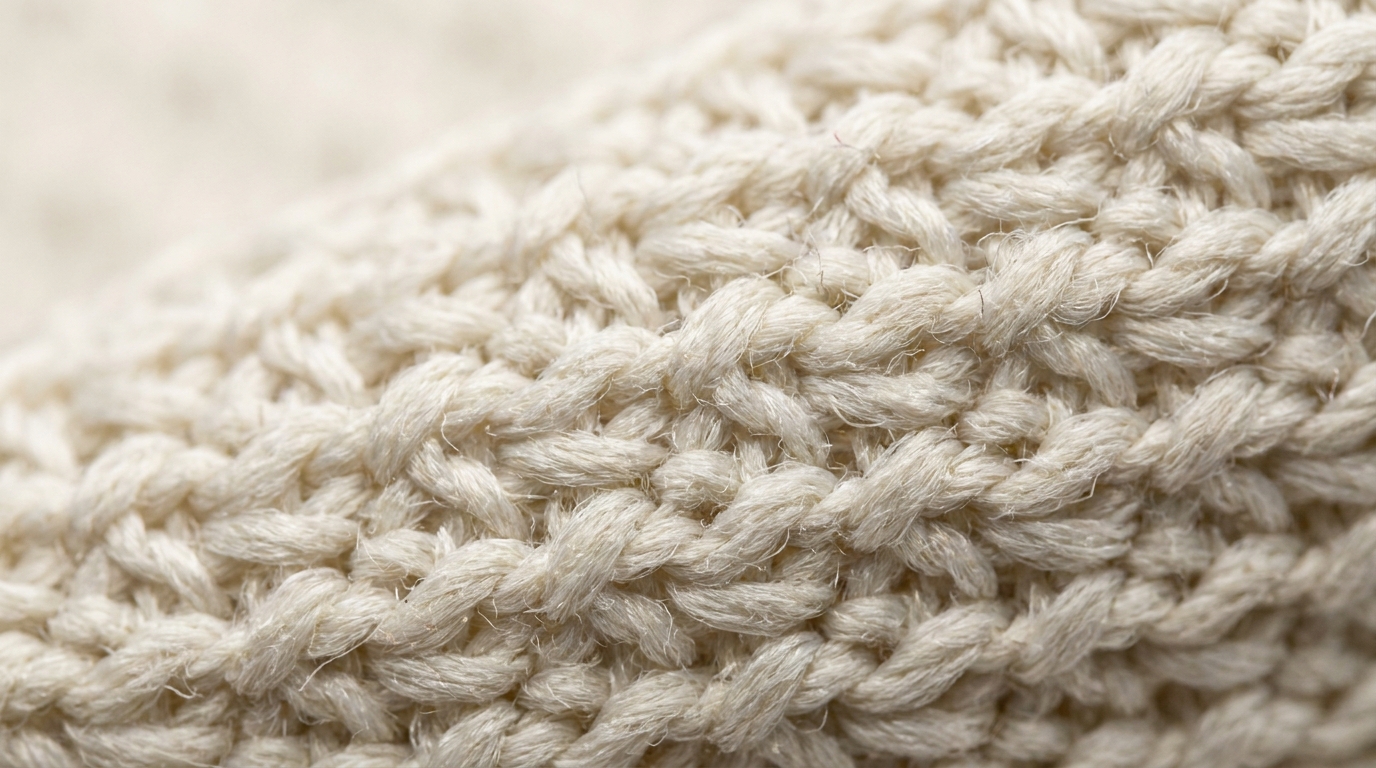
For professional players, this elite baseball jersey fabric is called premium heavy-weight polyester double-knit or double-faced interlock. Understanding what is baseball jersey fabric called at the major league level is crucial for sportswear brands aiming to capture high-end markets. This specific material grade offers unmatched structure, making players look sharp while providing maximum protection.
Why do professionals choose double-knit polyester?
Here is the kicker: professional athletes require fabrics that can withstand sliding speeds up to twenty miles per hour on abrasive clay. Double-knit polyester creates a dense, multi-layered shield that resists friction tears better than any standard sportswear textile.
- Dual-needle looping creates a high-density, tear-resistant structure.
- The double-faced construction gives a clean appearance on both sides.
- It provides a smooth drape that fits perfectly over protective chest plates.
How vital is stretch recovery for major leagues?
But wait, there is more: pro leagues do not just demand rugged durability; they also require extreme flexibility. If a jersey restricts a player’s shoulder rotation during a pitch or swing, it can ruin a career-defining moment.
- High stretch recovery prevents jerseys from sagging or stretching out of shape.
- Excellent shape retention means garments look brand-new all season long.
- It maintains structural integrity under intense physical strain.
| Performance Aspect | Double-Knit Standard | Spandex Blends | Single-Knit Jersey | |
|---|---|---|---|---|
| Tensile Strength | Maximum | Moderate | Low | |
| Stretch Recovery | 88% | 98% | 70% |
These technical metrics clearly demonstrate why professional leagues refuse to compromise on high-recovery double-knits for their elite game jerseys.
Key Takeaway: Specifying high stretch-recovery polyester in your manufacturing line guarantees your jerseys will retain their clean, tailored silhouette throughout the grueling competitive season.
What is baseball jersey fabric called in manufacturing?
Within technical textile manufacturing, this specific performance material is called 100% polyester interlock or flatback rib knit. Knowing what is baseball jersey fabric called inside the mill allows you to negotiate precise specifications with wholesale suppliers. By utilizing the correct industrial terms, you ensure your orders match the strict technical weight and density profiles required for sports uniforms.
What are the technical specs of activewear knitting?
Think about it: how do mills ensure that custom-ordered uniforms feel soft on the skin yet act as tough as armor? They achieve this balance by controlling the denier and yarn count on highly specialized circular knitting machinery.
- Denier levels typically range from 150D to 300D for robust thickness.
- The interlock structure prevents the edges from curling during high-speed cutting.
- Fine yarn counts deliver a soft hand-feel that reduces inner-seam irritation.
Which weight class fits your team uniforms best?
Here is the deal: choosing the wrong fabric weight can result in uniforms that are either too flimsy or too suffocating. Sourcing mills categorize these performance textiles into distinct weight classes based on grams per square meter (GSM).
- Heavyweight fabrics provide maximum protection for sliding pants.
- Midweight options are perfect for standard, durable team jerseys.
- Lightweight meshes are ideal for hot-weather insert ventilation panels.
| Fabric Weight Class | Typical GSM Range | Primary Application | Key Advantage | |
|---|---|---|---|---|
| Heavyweight | 280 – 320 GSM | Sliding Pants | Extreme abrasion resistance | |
| Midweight | 200 – 260 GSM | Game Jerseys | Balanced durability and comfort | |
| Lightweight | 130 – 180 GSM | Vent Panels | High airflow and fast drying |
Evaluating these weight categories helps you optimize your production resources and deliver comfortable uniforms tailored to any league’s climate.
Key Takeaway: Matching the correct fabric GSM to the specific uniform component prevents premature tearing while maximizing the athlete’s natural speed and agility on the field.
What is baseball jersey fabric called for summer?
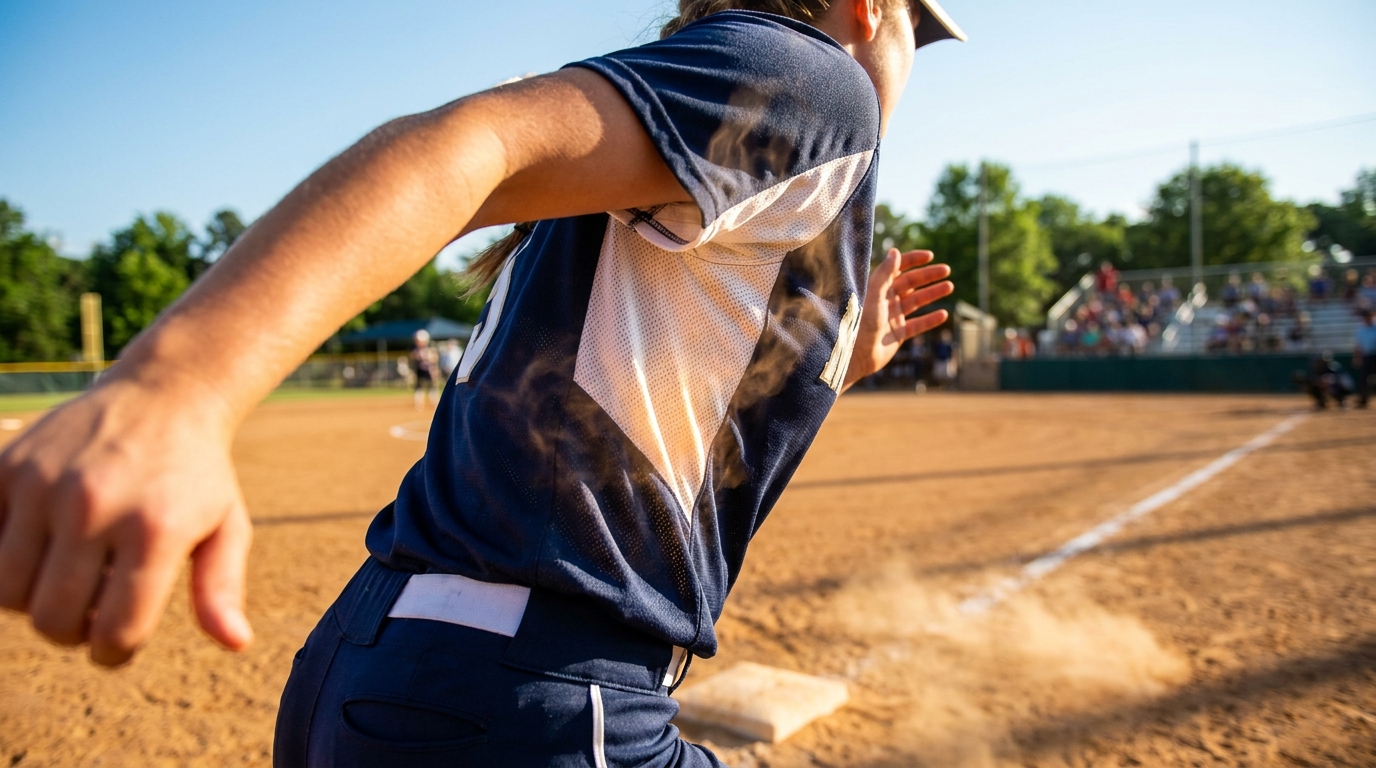
For hot summer leagues, this breathable baseball jersey fabric is called birdseye mesh or micro eyelet polyester. Sportswear designers must research what is baseball jersey fabric called when specifying gear for humid climates. Selecting ultra-breathable materials is the key to preventing player exhaustion and keeping athletes cool when temperatures spike on the diamond.
How do high-airflow mesh fabrics relieve heat?
Let’s face it: playing under direct sunlight on a dusty diamond can cause players to overheat within minutes. High-airflow mesh fabrics feature microscopic perforations that pull trapped heat away from the athlete’s torso.
- Tiny, engineered holes allow hot air to escape immediately.
- Cool ambient air is drawn inward to lower skin surface temperature.
- Open eyelet structures weigh less than dense solid knits.
What is the science behind open-channel fibers?
Here is the kicker: high-tech mesh does not just rely on holes; it uses specifically shaped polyester fibers to actively move sweat. These open-channel cross-sections accelerate the natural capillary action of the yarn.
- Capillary channels spread moisture outward across a wider surface area.
- Vast surface area exposure leads to lightning-fast sweat evaporation.
- Hydrophobic polymer chains refuse to absorb water, staying incredibly dry.
| Fabric Structure | Air Permeability | Moisture Wicking Speed | Snag Resistance | |
|---|---|---|---|---|
| Birdseye Mesh | Exceptional | Very Fast | Moderate | |
| Standard Interlock | Moderate | Fast | High |
Reviewing these structural characteristics allows you to select the perfect balance between extreme summer cooling and long-term durability.
Key Takeaway: Incorporating open-channel birdseye mesh into your hot-weather jersey lines keeps players refreshed and dry, boosting their endurance throughout extra-inning games.
What is baseball jersey fabric called by experts?
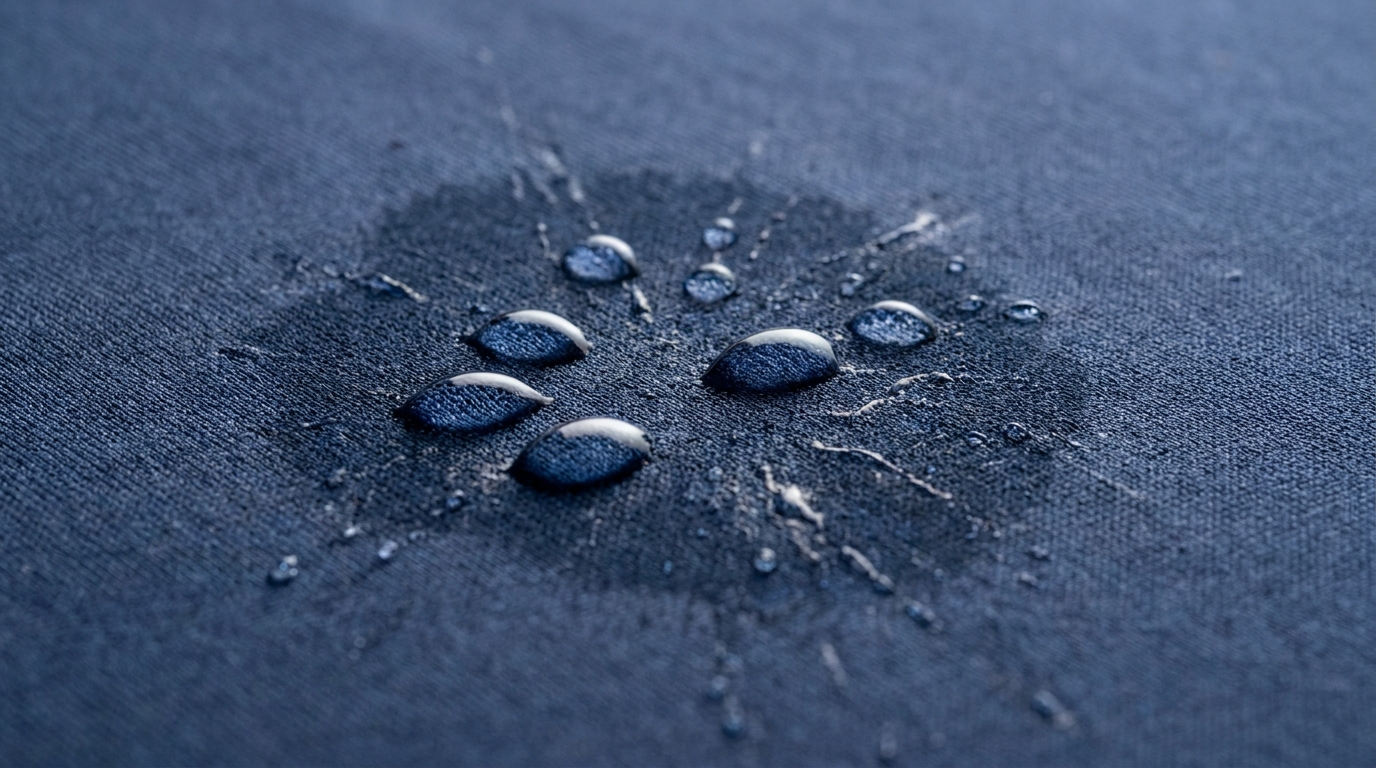
Industry experts call this engineered moisture-wicking material quick-dry hydro-transfer knit or moisture-management polyester. If you are questioning what is baseball jersey fabric called in high-end sportswear catalogs, you will find it listed alongside premium activewear knits. Sourcing this advanced material ensures your uniform line meets the rigid sweat-wicking demands of competitive athletes.
How do quick-dry coatings manage moisture?
Think about it: why do cheap polyester uniforms feel sticky and wet while premium jerseys stay completely dry? The secret lies in the specialized hydrophobic treatments applied directly during the dyeing process.
- Chemical treatments make the inner yarn layer highly hydrophilic.
- The outer layer is engineered to be hydrophobic to push water outward.
- This dual-layer system forces moisture to move in a single direction away from skin.
How does capillary action stabilize temperature?
Here is the deal: when sweat is pulled off the body, it evaporates rapidly, which acts as a natural cooling system for the athlete. Without this rapid phase-change, wet fabrics cling to muscles and restrict natural mobility.
- Micro-capillary pathways draw liquid sweat away from the skin instantly.
- Fast evaporation prevents cold sweat from chilling athletes during bench breaks.
- Keeps uniform weight lightweight, preventing fatigue over long doubleheaders.
| Fabric Treatment | Wicking Rate (Seconds) | Weight Increase When Wet | Thermal Stability | |
|---|---|---|---|---|
| Treated Polyester | < 1.5 Seconds | Negligible | Exceptional | |
| Untreated Polyester | > 5.0 Seconds | Moderate | Moderate |
These scientific metrics demonstrate that engineered moisture-management textiles are critical for maintaining peak physical output on the diamond.
Key Takeaway: Sourcing premium hydro-transfer fabrics ensures your uniforms actively manage perspiration, keeping players warm in the cold and cool in the heat.
What is baseball jersey fabric called in catalogs?
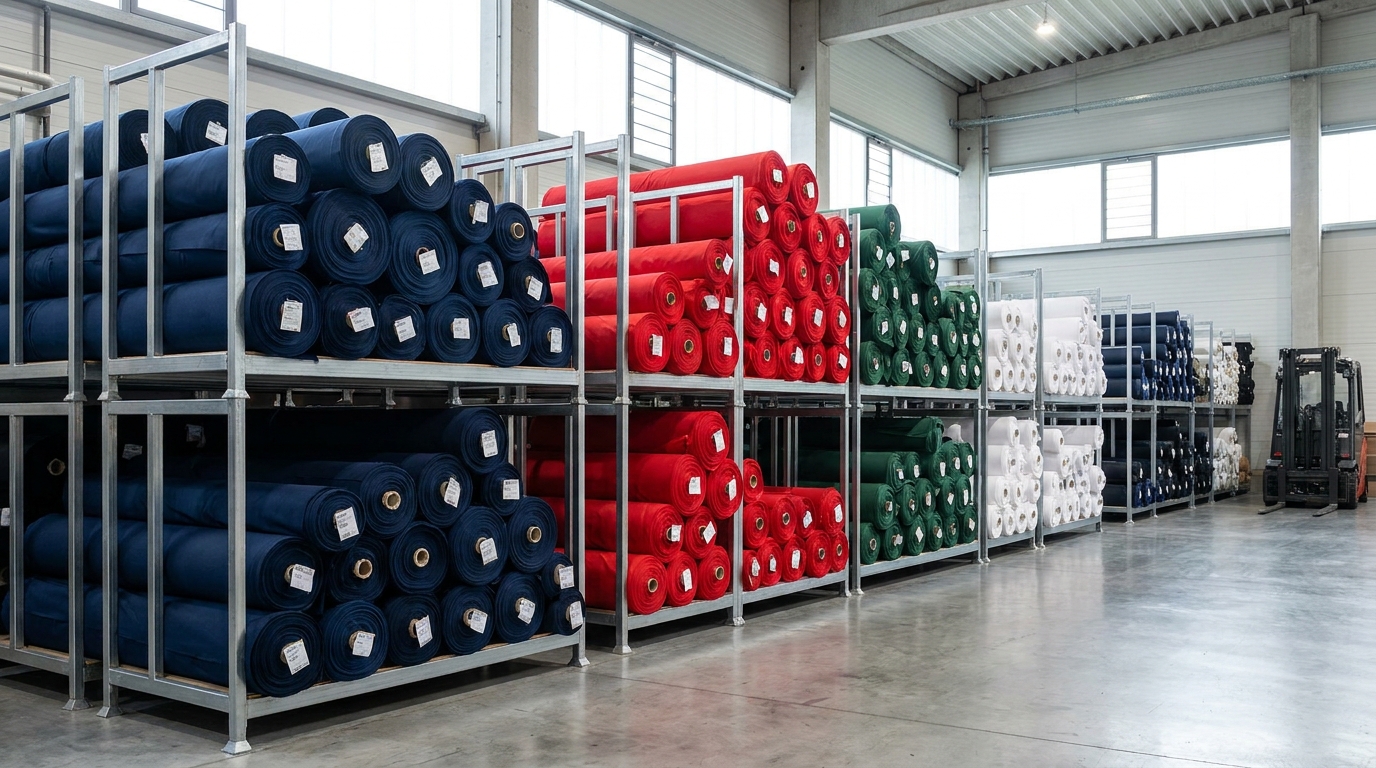
In wholesale trade catalogs, this high-performance fabric is usually classified as 100% polyester quick-dry interlock or pro-knit mesh. When custom outfitters search for what is baseball jersey fabric called, they look for specific fiber ratios and technical classifications. Identifying these catalog categories correctly helps design teams buy high-grade stock that yields vibrant prints and structural stability.
How do you decode complex catalog listings?
But wait, there is more: catalog descriptions often feature highly technical acronyms that can confuse sportswear brands new to bulk textile sourcing. Understanding these terms is your superpower when negotiating wholesale prices.
- Look for “100% Poly Interlock” to get a smooth, non-snagging jersey surface.
- “Dyna-Dry” or “Koolwick” indicates proprietary moisture-management weaves.
- Look for high denier numbers (like 150D/144F) for premium softness and density.
What do GSM and yarn count mean for quality?
Here is the kicker: GSM (Grams per Square Meter) is the ultimate metric for measuring fabric thickness, density, and overall weight. A low GSM indicates a light, airy shirt, while high GSM translates to rugged, structural durability.
- High yarn filament counts yield an ultra-soft hand-feel that players love.
- Correct GSM selection avoids translucent jerseys when sublimating white designs.
- Balanced yarn construction ensures even dye absorption during printing.
| Fabric Catalog Name | Fiber Blend | Standard GSM | Target Uniform Piece | |
|---|---|---|---|---|
| Pro-Knit Interlock | 100% Polyester | 220 – 250 GSM | Game Day Jersey Body | |
| Flex-Mesh | 92% Poly / 8% Spandex | 160 – 180 GSM | Comfort Gussets & Inserts |
Comparing these typical catalog listings allows you to choose exactly the right textile spec for each part of your team uniform.
Key Takeaway: Sourcing fabrics with verified GSM ranges ensures consistent product weight and prevents your sublimated custom jerseys from feeling cheap or see-through on the field.
What is baseball jersey fabric called for durability?
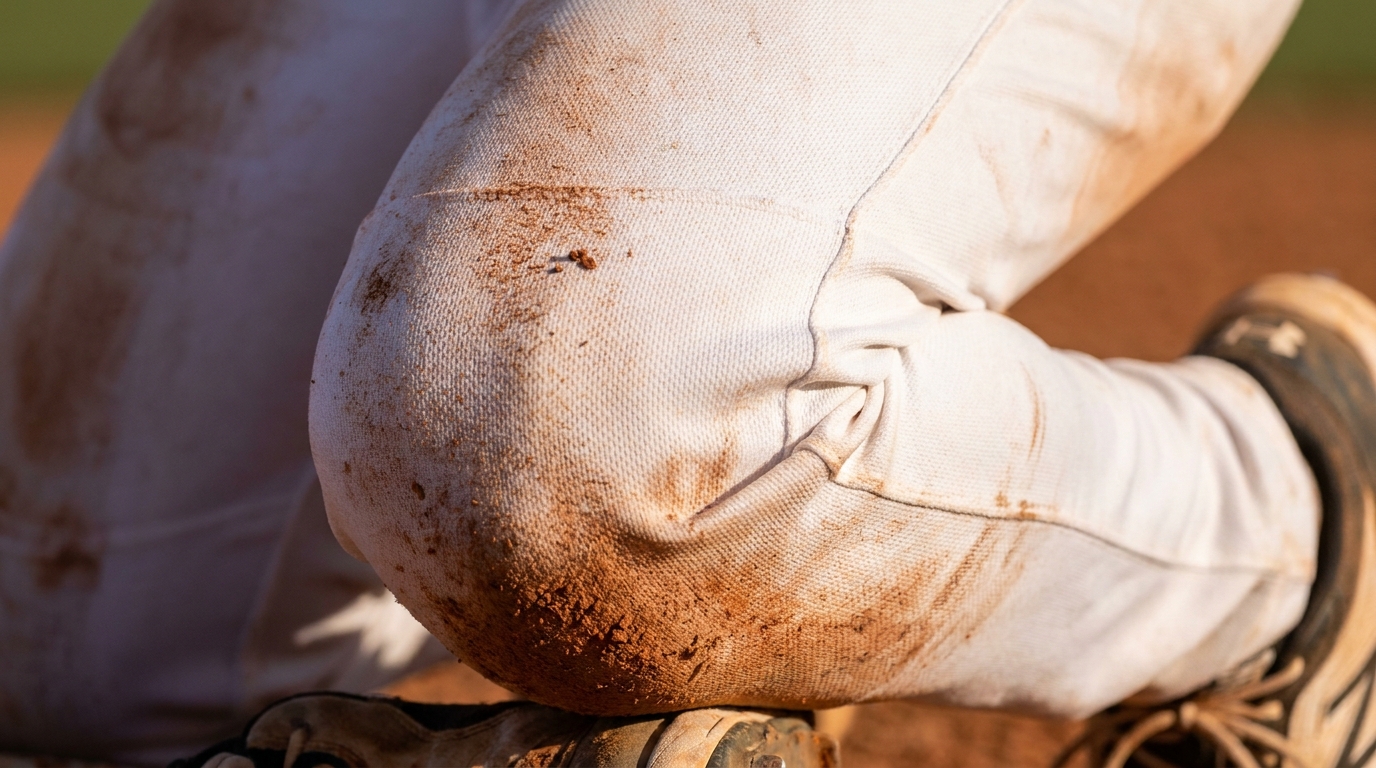
For maximum on-field durability, this rugged textile is called double-knit warp polyester or high-denier sliding knit. Sourcing professionals must recognize what is baseball jersey fabric called when selecting fabrics that must withstand the severe friction of slide-tackling and diving on dirt. This specialized heavyweight construction guarantees that garments will not tear or blow out during intense plays.
How do double-knee panels resist sliding tears?
Let’s face it: baseball pants take the absolute worst abuse of any garment in team sports. To prevent embarrassing seam blowouts, manufacturers integrate reinforced, dual-layer panels directly into high-impact zones like the knees and hips.
- Double-layer structures double the abrasion limit of the garment.
- Warp-knit technology prevents minor snags from running into large tears.
- High tensile strength resists the extreme pulling forces of quick sprints.
How do stain-release finishes preserve uniforms?
Think about it: how do professional teams keep their white and cream uniforms looking spotless after a muddy slide into second base? They rely on advanced fluoropolymer finishes applied directly to the synthetic yarn.
- Stain-release coatings prevent red clay and grass oils from bonding to fibers.
- Hydrophobic surfaces allow dirt to wash out easily in cold water.
- Protective finishes maintain the fabric’s soft drape over multiple washes.
| Fabric Weave Type | Abrasion Resistance | Stain Release Rating | Lifespan (Games) | |
|---|---|---|---|---|
| Warp-Knit Double Polyester | Exceptional | High | 80+ Games | |
| Standard Circular Knit | Moderate | Moderate | 40 Games |
These durability benchmarks make it clear that utilizing high-denier warp knits is essential for minimizing seasonal uniform replacement costs.
Key Takeaway: Integrating stain-release, warp-knit double-knit polyester into your pants line ensures your products remain structurally sound and visually immaculate all season long.
What is baseball jersey fabric called in team sports?
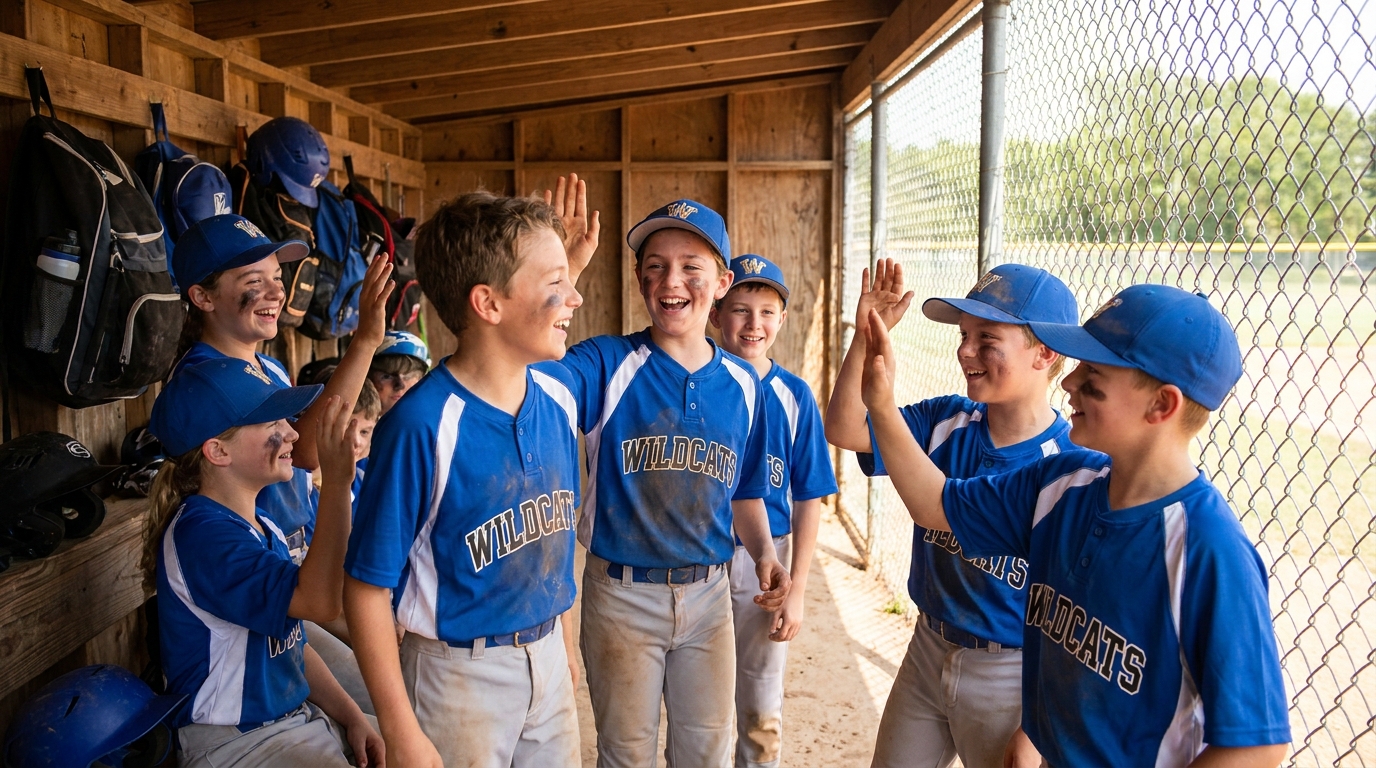
Across the team sports industry, this multi-sport uniform material is widely called athletic mock eyelet or high-durability team mesh. If you analyze what is baseball jersey fabric called compared to soccer or basketball knits, you will find substantial crossover in yarn chemistry. This shared fabric DNA allows wholesale manufacturers to purchase versatile base materials in bulk, saving substantial production capital.
Can you use basketball fabrics for baseball?
Here is the kicker: while basketball mesh is highly breathable, it often lacks the structural weight and thickness needed for outdoor diamonds. However, modern lightweight sportswear lines are successfully blending these fabrics to create hybrid, multi-sport designs.
- Lightweight basketball knits are perfect for underarm and side panels.
- Both sports utilize hydrophobic polyester yarns for moisture control.
- Using shared textiles across lines simplifies bulk raw material sourcing.
What is the optimal GSM balance for multi-sport?
But wait, there is more: finding a single fabric that can serve both soccer kits and softball jerseys requires finding the perfect mid-weight sweet spot. A fabric that is too heavy will slow players down, while one that is too light will easily tear.
- A 200 GSM interlock provides the ideal weight balance for hybrid jerseys.
- This weight class offers excellent opacity and high print quality.
- It provides comfortable mechanical stretch without relying on heavy elastane.
| Sport Application | Ideal Fabric Type | Recommended GSM Range | Primary Benefit | |
|---|---|---|---|---|
| Baseball & Softball | Heavy Double-Knit | 250 – 300 GSM | Exceptional durability | |
| Soccer & Basketball | Light Mock Mesh | 140 – 180 GSM | Extreme ventilation |
Understanding these sport-specific weight distributions helps you design versatile apparel lines that appeal to multiple athletic disciplines simultaneously.
Key Takeaway: Sourcing versatile 200 GSM interlock fabrics allows your brand to produce high-performance jerseys for baseball, softball, and soccer from a single, cost-effective fabric stock.
What is baseball jersey fabric called when custom?
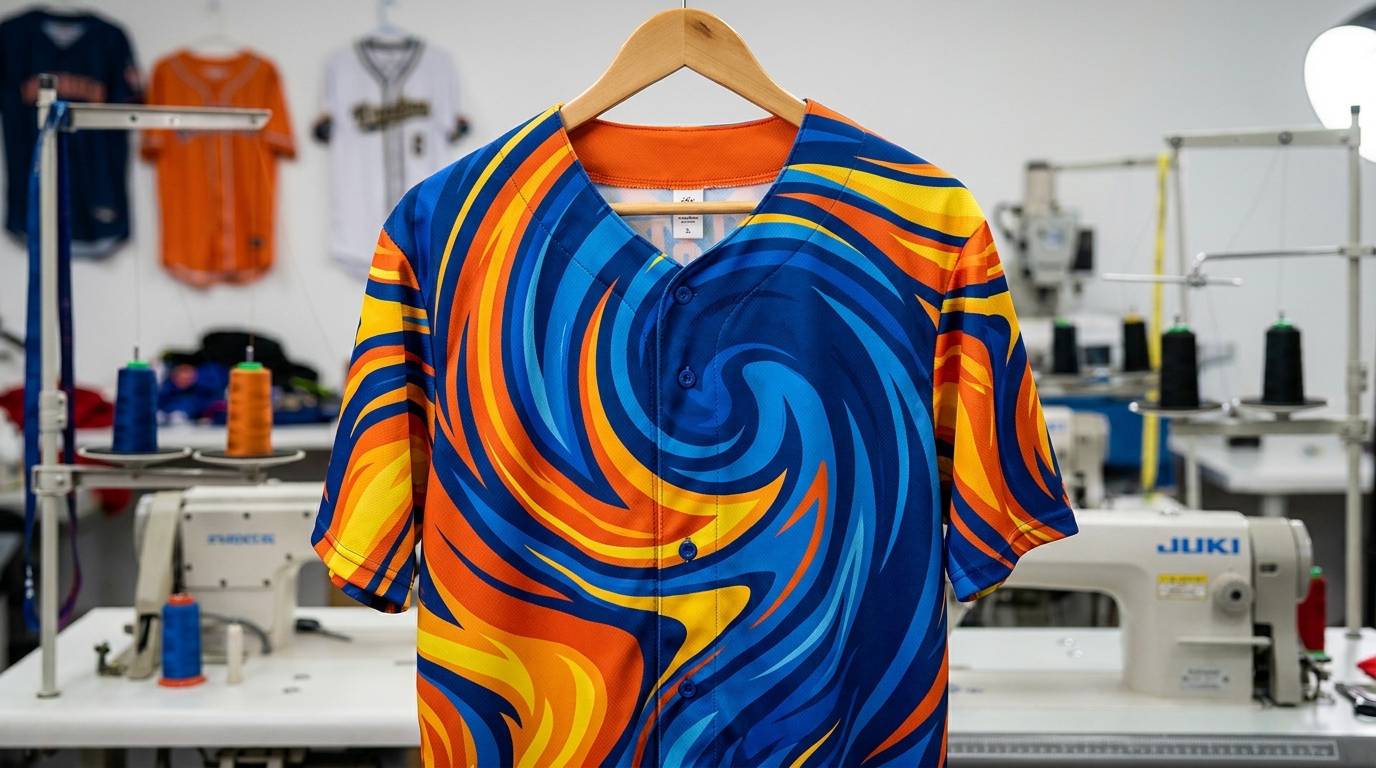
For custom team orders, this sublimation-ready material is called printable bright-white polyester or high-energy sublimation interlock. Understanding what is baseball jersey fabric called in the custom printing sector allows your brand to select base white fabrics that absorb colors flawlessly. Using premium printable polymers is the only way to ensure your intricate custom pinstripes and logos remain vibrant for years.
Why is polyester the absolute king of sublimation?
Think about it: why can’t you sublimate custom designs onto natural cotton jerseys? The chemical answer lies in the molecular structure of synthetic polymer chains under intense heat and pressure.
- Sublimation dyes turn to gas and fuse directly with the heated polyester fibers.
- The dye becomes a permanent part of the yarn, meaning it cannot crack or peel.
- Natural fibers like cotton cannot bind with disperse dyes, leading to washed-out prints.
How do high-energy yarns preserve breathability?
Here is the deal: traditional screen-printing layers heavy, rubbery plastisol ink directly over the pores of the garment, trapping sweat. Sublimation, however, colors the fibers themselves, keeping the fabric completely open and breathable.
- Sublimated jerseys maintain 100% of their original airflow capabilities.
- Designs remain incredibly lightweight, with zero heavy plastic ink feel.
- Intricate, photographic logos can be printed across the entire jersey for one flat cost.
| Printing Method | Air Permeability | Durability | Texture / Hand-Feel | |
|---|---|---|---|---|
| Dye Sublimation | Excellent | Permanent | Completely Seamless | |
| Plastisol Screen Print | Poor | Prone to Cracking | Heavy & Rubber-Like |
This comparative breakdown clearly proves why sublimation-friendly polyester is the undisputed standard for premium custom team apparel lines.
Key Takeaway: Sourcing premium bright-white sublimation polyester guarantees your custom jerseys will showcase stunningly vibrant, permanent designs without sacrificing the cooling breathability players need.
What is baseball jersey fabric called globally?
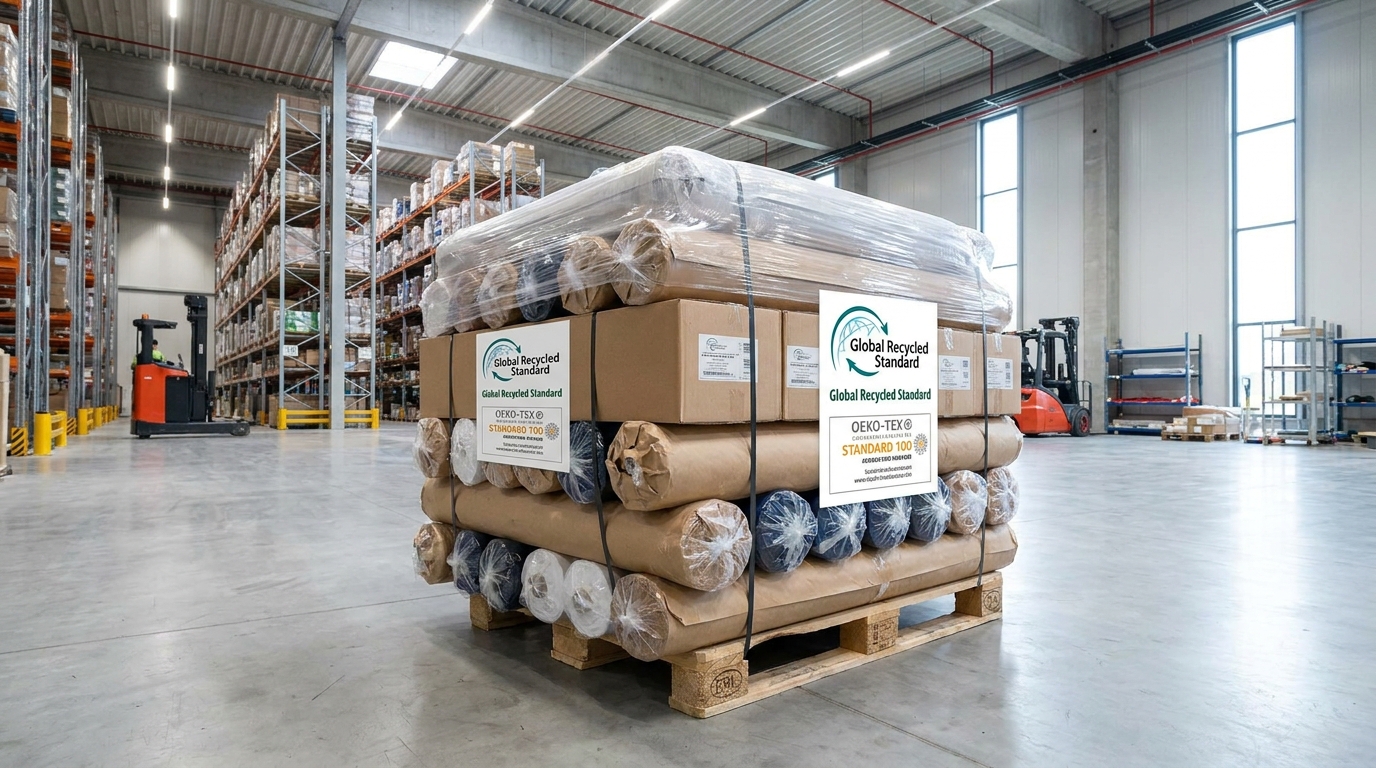
In international import-export markets, this technical material is called synthetic sports-knit polyester or circular-knitted performance textile. Navigating trade terminology and what is baseball jersey fabric called globally is essential for sports apparel brands that outsource production overseas. Partnering with mills that carry recognized eco-friendly certifications guarantees your products meet global trade safety and sustainability standards.
How do global trade standards regulate textiles?
Let’s face it: importing bulk activewear without verifying certifications can lead to massive customs delays or serious safety issues. Sourcing your materials from accredited wholesale mills ensures your supply chain remains transparent and compliant.
- OEKO-TEX Standard 100 certifies that finished fabrics are completely free of toxic chemicals.
- ISO 9001 guarantees strict consistency in fabric weight and color fastness across batches.
- SGS verification proves the mechanical claim ratings are highly accurate.
Why are GRS-certified recycled fabrics growing?
Think about this: modern athletic organizations are rapidly moving toward eco-friendly practices, demanding sustainable uniform options for their youth and adult leagues. GRS (Global Recycled Standard) certified polyester delivers identical performance metrics while cutting down environmental waste.
- Recycled polyester (rPET) reduces energy use and carbon emissions during manufacturing.
- Maintains identical tensile strength, stretch, and moisture-wicking capabilities.
- Appeals to eco-conscious schools, sports leagues, and global retail brands.
| Textile Certification | Focus Area | Direct Sourcing Benefit | |
|---|---|---|---|
| GRS (Recycled Polyester) | Environmental Sustainability | Meets modern consumer and municipal tender requirements | |
| OEKO-TEX Standard 100 | Human Chemical Safety | Eliminates risk of skin allergies or heavy-metal exposure |
Reviewing these global standards allows you to build a reliable, legally compliant, and highly marketable athletic apparel brand.
Key Takeaway: Partnering with a GRS and OEKO-TEX certified fabric supplier protects your brand’s reputation while fulfilling the rising demand for premium, eco-friendly uniforms.
FAQ Section
Can I use 100% cotton fabrics for competitive game uniforms?
No, you should avoid pure cotton because it absorbs moisture and becomes extremely heavy. Cotton traps perspiration directly within its natural fibers, causing the uniform to cling to the player’s skin, increase in weight, and cause painful chafing during active movement.
What’s the best fabric weight for professional baseball pants?
Heavyweight double-knit polyester between 280 and 320 GSM is the absolute best choice. This specific weight range provides the maximum level of abrasion resistance required to survive high-speed slides and dives on abrasive clay fields without tearing.
How do I know if a baseball jersey fabric is highly durable?
You must check the knit construction and denier rating of the polyester yarns. Premium durable fabrics utilize interlock or warp double-knit patterns with a denier count of 150D or higher, which prevents minor snags from turning into larger tears.
Can I dye-sublimate designs directly onto nylon fabrics?
Yes, but polyester remains the undisputed standard for sublimation printing. While nylon can absorb disperse dyes under specialized, low-temperature heat presses, polyester yields much higher color fastness, more vibrant designs, and superior resistance to fading.
What’s the best way to wash performance baseball fabrics?
Always use cold water cycles and avoid using chemical fabric softeners. Softeners coat the synthetic fibers in a waxy layer that clogs the micro-perforations and capillary channels, permanently ruining the fabric’s engineered moisture-wicking capabilities.
Conclusion
Sourcing the ideal performance textile for athletic diamonds does not have to be a guessing game of weight metrics and synthetic names. This guide solved the mystery of modern baseball apparel by breaking down the fiber physics, weight classes, and trade definitions of elite sportswear. Makita Fabric is committed to powering activewear brands with the ultimate combination of circular-knit technology, rapid custom sampling, and GRS-certified eco-friendly logistics. Ready to elevate your team sportswear collection? Please contact us today to request custom samples and schedule a technical manufacturing consultation.