
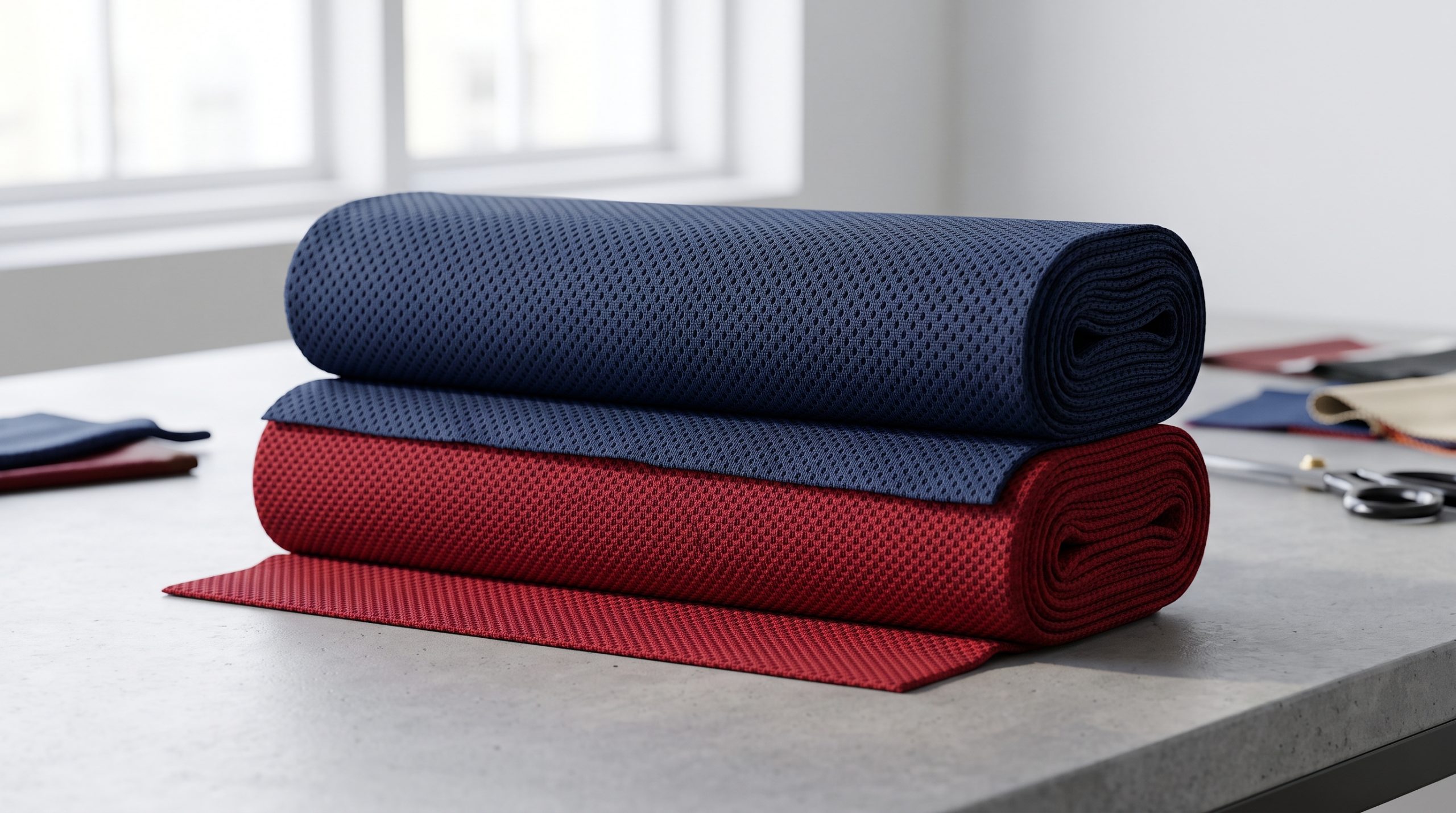
Athletic apparel brands frequently face severe customer complaints when modern team uniforms tear apart or trap intense heat during high-stakes championship tournaments. Delivering substandard, itchy clothing completely alienates school athletic directors and professional organizations, resulting in devastating brand cancellation and massive financial returns that destroy your quarterly distribution revenue. Selecting an engineered, high-durability sports team fabric provides an immediate resolution to these structural garment failures by introducing superior moisture-wicking capillary networks and robust double-knit tensile defense barriers. Our extensive mill manufacturing experience guarantees consistent dye lots and reliable bulk textile delivery metrics that satisfy strict seasonal athletic procurement schedules globally.
1. What Defines Premium Sports Team Fabric Choices?
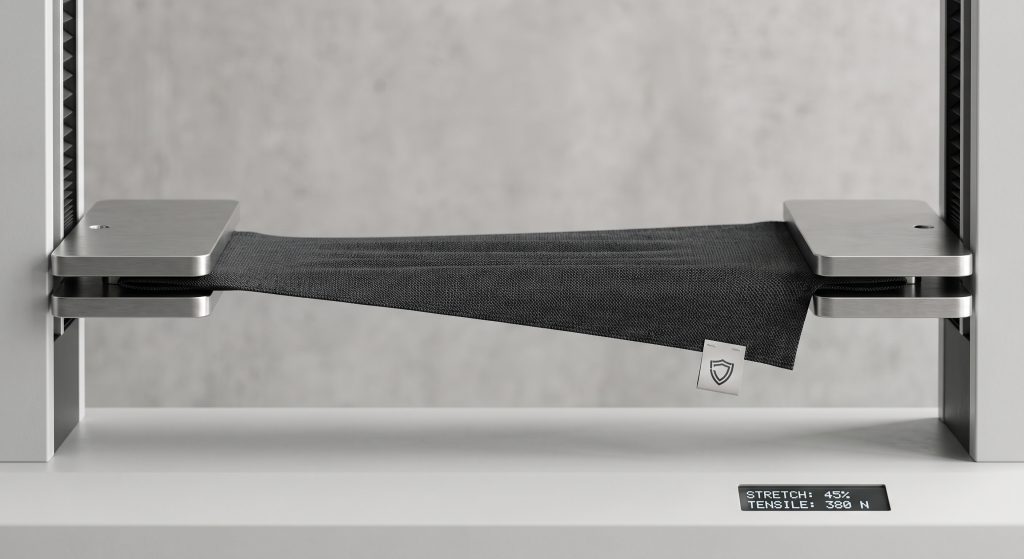
Premium sports team fabric options are defined by their superior yarn weight, mechanical stretch capabilities, and validated synthetic composition that supports athletic movement. Procurement managers must look past basic cost metrics because low-grade materials inevitably fail under the brutal physical pressures of competitive league games. Here is the deal: selecting heavy-duty polyester fibers reinforced with flexible elastane strands guarantees that finished uniforms retain their structural integrity through multiple seasons. Our factory line concentrates on delivering top-tier technical materials that meet strict international apparel standards for professional sports associations worldwide.
Which Basic Technical Traits Metric Matter Most?
Selecting optimal material weights between one hundred forty and two hundred grams per square meter guarantees that players experience zero drag while running on the field. Ready for the good part? Higher density yarns create a natural barrier against wind resistance and turf burn during aggressive slide tackles.
- Advanced moisture movement paths accelerate sweat evaporation.
- Interlocked needle structures prevent sudden thread unravelling under tension.
- Tailored synthetic fiber combinations resist deep grass stains effectively.
These primary characteristics provide the groundwork for apparel lines that perform consistently across unpredictable outdoor weather environments.
How Do Technical Blends Support Active Players?
Combining premium polyester filaments with active spandex compounds creates an adaptive shield that molds to an athlete’s physical profile seamlessly. This is where it gets interesting… The modern textile matrix allows heat to move outward away from high-sweat zones without stretching the garment permanently out of its tailored form.
Key Takeaway: Investing in high-performance synthetic combinations helps your clothing brand establish a market reputation for unyielding field reliability. By choosing textiles with balanced weight parameters and high elastane content, you protect your professional clients from premature uniform replacement costs while maximizing player field comfort during intense matches.
| Material Base | Weight Range (GSM) | Structural Defense |
| Premium Polyester | 140 – 200 | High Tear Resistance |
| Standard Synthetic | 100 – 130 | Moderate Abrasion Risk |
Evaluating these structural metrics reveals a clear operational advantage when specifying heavier, interlocked yarn blends for competitive contact sports apparel. Procurement agents should analyze these specific density parameters to guarantee long-term garment durability across multiple consecutive athletic tournament seasons.
2. How Does Sports Team Fabric Manage Heavy Sweat?
High-performance sports team fabric manages heavy sweat by utilizing engineered capillary networks that actively transport liquid wetness away from the player’s skin surface. This mechanical moisture-wicking system represents a massive advancement over traditional cotton garments which retain moisture and become heavily waterlogged during prolonged physical exertion. What is the real story? When clothing remains dry, athletes maintain stable core temperatures and avoid the sudden onset of physical exhaustion caused by thermal trapping. Our specialized manufacturing facility produces synthetic blends that accelerate evaporation, guaranteeing that teams perform at peak efficiency under humid conditions.
How Do Advanced Capillary Channels Work?
Microscopic grooves embedded directly into individual synthetic filaments create a natural vacuum that draws perspiration toward the outer garment shell instantly. But here is the kicker… This continuous fluid movement guarantees that the inner face of the jersey remains completely dry against the skin.
- Hydrophobic internal fibers reject fluid retention completely.
- Hydrophilic outer shells spread moisture across wide areas.
- Increased airflow speeds up the atmospheric drying process.
This unique mechanical structure eliminates the sticky, heavy feeling that often distracts players during critical moments of a championship match.
Key Takeaway: Incorporating capillary-driven technical textiles protects active players from severe thermal discomfort while maintaining a lightweight garment profile on the field. This capability allows sports clubs to sustain high-intensity training regimes without facing clothing-related performance drops or excessive athlete fatigue.
| Textile Layer | Filament Type | Moisture Interaction |
| Inner Surface | Hydrophobic Synthetic | Direct Liquid Rejection |
| Outer Surface | Hydrophilic Blend | Rapid Evaporative Spread |
Examining these layered filament dynamics illustrates how modern knit designs achieve superior drying speeds compared to traditional natural fibers. Garment brands should implement these specialized dual-surface textiles to fulfill the demanding performance expectations of elite professional sports organizations.
3. Why Compare Birdseye and Pique Sports Team Fabric?
Comparing birdseye and pique sports team fabric variations allows corporate buyers to select the perfect material texture based on explicit athletic performance requirements and client hand-feel preferences. Both options represent distinct knitting configurations that alter how air circulates through the garment and how the textile sits against the skin. Here is the deal: picking the wrong knit structure can lead to premature fabric pilling or insufficient ventilation during high-intensity sports events. Understanding these foundational manufacturing differences enables your procurement team to deliver optimized apparel lines tailored to specific sporting disciplines.
What Pattern Defines the Birdseye Knit?
The birdseye pattern utilizes a specialized circular knitting sequence that creates tiny, uniform diamond-shaped indentations resembling a bird’s eye across the textile surface. You might be wondering… How does this geometric structure affect performance? This unique configuration maximizes surface area, allowing wind to pass through the gaps effortlessly while maintaining a incredibly soft texture.
- Microscopic geometric holes optimize continuous skin aeration.
- Flat surface profiles minimize abrasive skin chafing.
- Lightweight single-knit setups reduce overall uniform weight.
This smooth construction makes birdseye variations exceptionally popular for modern running jerseys and high-movement team shirts.
What Structural Look Characterizes Pique Knit?
Pique knit features a parallel raised rib or geometric cord texture created by a double-cloth weaving or specialized knitting process that builds a distinct three-dimensional surface. Ready for the good part? This raised pattern lifts the material slightly away from the skin, creating a natural internal air chamber that prevents the clothing from clinging when wet.
Key Takeaway: Identifying these visual and structural patterns guarantees that your activewear catalog provides the exact tactile feedback and aerodynamic qualities required by different sports. Matching geometric knits to specific athletic environments elevates your product line’s market value and customer satisfaction ratings.
| Fabric Style | Visual Pattern | Surface Dimension |
| Birdseye Knit | Small Diamond Dents | Flat and Continuous |
| Pique Knit | Raised Rib Cords | Three-Dimensional Grid |
Evaluating these clear geometric differences demonstrates why certain knit patterns are superior for specific clothing applications. Textile engineers must leverage these distinct geometric traits to customize garment ventilation and visual appeal according to professional athletic standards.
4. Which Sports Team Fabric Texture Feels Better?
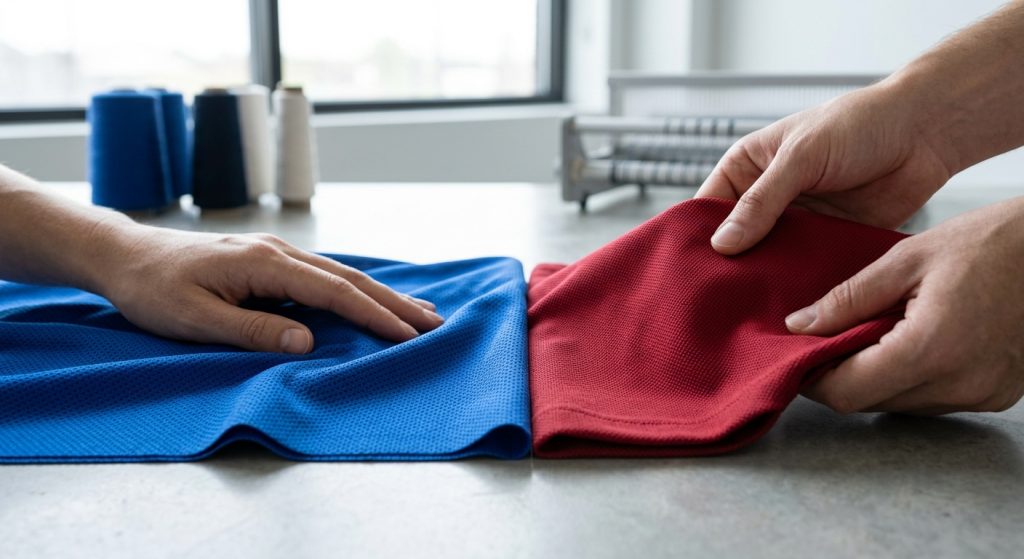
Choosing which sports team fabric texture feels better requires a careful assessment of how birdseye softness compares directly against the crisp, substantial weight of traditional pique knits. Hand-feel influences retail purchasing decisions significantly because athletes associate smooth, non-restrictive surfaces with premium apparel quality and professional field performance. This is where it gets interesting… While some teams favor ultra-lightweight fluid materials, others prefer a structured garment that retains its clean shape under muddy conditions. Our factory lines accommodate both preferences by adjusting yarn configurations to achieve exact tactile specifications for global clients.
Why Does Birdseye Deliver Exceptional Softness?
Birdseye materials offer a remarkably smooth, silk-like hand-feel because the flat diamond loops lay perfectly flush against the wearer’s skin without causing friction. What is the real story? The absence of raised ridges means that even during repetitive running motions, the fabric glides effortlessly over high-friction areas.
- Fine-denier synthetic yarns eliminate traditional textile stiffness.
- Flat-lock stitching pairs perfectly with the smooth backing.
- Supple drape characteristics conform to natural body shapes.
This smooth profile makes birdseye the premier selection for sensitive skin types and youth sports leagues where comfort is paramount.
Why Does Pique Provide Substantial Structure?
Pique textiles deliver a textured, crisp hand-feel due to the raised waffle or honeycomb cords that give the garment an upscale, professional weight. But here is the kicker… This robust tactile presence is highly valued for corporate golf polos and premium team management apparel where a structured collar is mandatory.
Key Takeaway: Discerning these tactile variations helps your business align product development with the precise aesthetic expectations of elite athletic clubs and casual sportswear retail markets. Selecting the appropriate texture profile prevents buyer dissatisfaction and establishes consistent product quality benchmarks.
| Fabric Choice | Tactile Hand-Feel | Shape Retention |
| Birdseye Style | Silk-Like and Fluid | Low Structural Stiffness |
| Pique Style | Crisp and Waffle-Like | High Silhouette Retention |
Analyzing these unique touch characteristics highlights how tactile engineering dictates the ultimate market positioning of athletic wear collections. Manufacturers should balance these softness and stiffness parameters to curate a versatile clothing selection that accommodates diverse corporate sportswear requirements.
5. How Does Sports Team Fabric Structural Knits Differ?
Structural knits in sports team fabric variations differ primarily in how their internal ventilation paths manage airflow and body heat dissipation during strenuous physical exercise. Air permeability directly affects an athlete’s endurance capacity because restricted airflow traps hot air next to the skin, causing rapid core temperature spikes. You might be wondering… How do birdseye micro-voids match up against pique honeycomb ventilation grids in real field testing? Our laboratory analysis shows that while both deliver high breathability, their internal aerodynamic mechanisms vary significantly based on pattern geometry.
How Does Birdseye Optimize Continuous Aeration?
Birdseye structures optimize continuous aeration by utilizing a uniform network of micro-voids that allow warm body vapor to pass directly through the single-layer knit. Ready for the good part? This high rate of direct air exchange guarantees that heat never accumulates within the garment matrix during high-intensity running.
- Micro-void placement allows immediate multi-directional air passage.
- Low fabric thickness prevents thermal retention zones.
- Rapid vapor exit speeds up capillary drying cycles.
Consequently, this aerodynamic layout keeps athletes refreshed during grueling summer midday training sessions where ambient heat is exceptionally high.
How Does Pique Create Natural Air Chambers?
Pique knits use their three-dimensional raised cords to lift the main textile web away from the skin, creating miniature internal air channels. This is where it gets interesting… These structural pockets allow fresh air to circulate beneath the clothing layer, effectively cooling the body even when the outer shell faces direct sunlight.
Key Takeaway: Mastering these ventilation mechanics allows your product designers to specify the ideal knit pattern for specific seasonal sports apparel lines. Offering targeted cooling technology provides a powerful competitive advantage that attracts discerning high-end athletic clients to your brand.
| Knit Design | Aerodynamic Mechanism | Optimal Environment |
| Birdseye Void | Direct Micro-Passage | High-Intensity Running |
| Pique Grid | Internal Air Pocket | Moderate-Intensity Sport |
Reviewing these diverse ventilation configurations demonstrates the importance of matching fabric geometry with expected athlete physical output levels. Procurement managers should deploy this technical insight to build optimized activewear lines that guarantee excellent thermal comfort across varied environmental climates.
6. Can Sports Team Fabric Withstand Intense Friction?
High-grade sports team fabric can withstand intense friction due to the high tensile strength of its synthetic polymers and robust interlocking loop designs. Contact sports like rugby and American football demand materials that resist tearing when players grab, pull, or slide across rough turf surfaces. What is the real story? Cheap textiles frequently pill, snag, or burst at the seams after a few heavy contact plays, ruining the team’s visual presentation. Our specialized manufacturing facility utilizes advanced yarn twisting techniques to guarantee that bulk fabric shipments survive harsh physical contact without losing shape.
What Tests Validate Material Tear Strength?
Industrial testing laboratories utilize the Martindale abrasion method to subject technical textiles to thousands of repetitive circular friction rubs. But here is the kicker… Premium synthetic blends routinely pass over fifty thousand rubs without exhibiting a single broken fiber strand or surface pill defect.
- High-load tensile machines measure exact edge burst thresholds.
- Weighted friction pads simulate intense player turf slides.
- Chemical colorfastness tests confirm zero dye loss during rubbing.
These rigorous evaluation steps guarantee that finished team shirts look pristine throughout an entire multi-month competitive league schedule.
Key Takeaway: Selecting high-durability synthetic blends protects your activewear brand from costly product recalls and negative online customer reviews. Guaranteeing your materials pass standardized friction testing builds long-term commercial trust with schools and elite professional sports organizations globally.
| Test Type | Performance Metric | Quality Benchmark |
| Martindale Abrasion | Surface Rub Resistance | >50,000 Cycles Passed |
| Tensile Bursting | Seam Strength Threshold | High Pressure Tolerance |
Evaluating these standardized laboratory test results highlights the necessity of implementing heavy-duty knitting procedures for professional competitive team clothing. Sourcing agents must prioritize verified abrasion metrics to secure continuous garment performance during high-impact outdoor sporting activities.
7. Where Do Brands Source Bulk Sports Team Fabric?
Apparel brands source bulk sports team fabric directly from accredited international manufacturing facilities that operate modern circular knitting machinery and maintain strict quality control lines. Cutting out domestic trading intermediaries allows procurement managers to secure competitive wholesale pricing while gaining direct access to custom fabric weight calibrations. You might be wondering… How can a business verify a distant supplier’s operational capabilities without traveling overseas to inspect the factory floors manually? Reviewing official international compliance credentials provides a reliable paper trail that guarantees safe chemical usage and ethical production standards.
Which International Certificates Guarantee Quality?
Leading international textile mills display valid OEKO-TEX Standard 100 credentials to prove that their synthetic yarns contain zero harmful chemical residues. Here is the deal: having these verified documents protects your apparel brand from severe product safety violations and regulatory import fines at global customs borders.
- OEKO-TEX validation guarantees absolute dermatological safety for active players.
- ISO 9001 certifications confirm consistent factory batch calibration.
- SGS inspection sheets verify exact fiber percentage breakdowns.
Securing these verified safety badges allows your sales team to pitch uniform contracts to high-standard school districts with complete confidence.
Key Takeaway: Partnering with certified manufacturing plants safeguards your international supply chain against sudden regulatory disruptions and substandard material shipments. These official compliance credentials serve as powerful marketing assets that separate your premium brand from unverified low-cost competitors.
| Certificate | Operational Focus | Business Benefit |
| OEKO-TEX 100 | Chemical Safety Limits | Prevents Skin Irritation |
| ISO 9001 | Management Quality | Guarantees Batch Consistency |
Reviewing these global certification frameworks underscores the importance of conducting rigorous background checks on potential international textile supply partners. Apparel executives should demand fully updated compliance paperwork to maintain consistent product safety standards across all seasonal activewear inventory lines.
8. Is Recycled Polyester a Good Sports Team Fabric?
Recycled polyester represents an excellent sports team fabric choice because it delivers identical moisture management metrics and tensile strength while reducing your company’s carbon footprint. The modern textile industry has achieved massive breakthroughs, allowing mills to transform post-consumer plastic bottles into high-performance yarns that feel indistinguishable from virgin synthetics. Ready for the good part? Choosing sustainable materials allows your activewear catalog to appeal directly to eco-conscious consumers and corporate sports clients who prioritize green procurement policies. Our factory utilizes certified recycled filaments to help brands meet their strict corporate environmental sustainability targets seamlessly.
How Does the Green Materials Tracking Process Work?
The Global Recycled Standard framework monitors the transformation journey from raw plastic flakes into finished rolls of high-performance team uniform mesh. This is where it gets interesting… This comprehensive chain of custody verification guarantees that every yard of fabric possesses fully traceable ecological credentials.
- Plastic collection centers log raw bottle input volumes accurately.
- Purified polymer processing plants verify clean melting procedures.
- Knit manufacturing lines document exact recycled content percentages.
Consequently, this transparent monitoring system eliminates greenwashing concerns, giving your clothing business absolute confidence when publishing environmental impact statements.
Key Takeaway: Embracing certified sustainable textiles positions your clothing company as a forward-thinking market leader dedicated to reducing global industrial plastic waste. Transitioning away from traditional petroleum-based virgin synthetics prepares your enterprise for future environmental tax updates while capturing lucrative eco-friendly market shares.
| Material Origin | Environmental Impact | Performance Output |
| Certified Recycled | Low Carbon Output | High-Performance Wicking |
| Virgin Petroleum | High Resource Extraction | Standard Synthetic Strength |
Examining these eco-friendly production lifecycles highlights a permanent industry shift toward sustainable manufacturing paradigms within global athletic wear markets. Corporate purchasing agents must incorporate certified eco-friendly materials to remain compliant with changing consumer buying habits and international environmental laws.
9. How to Customize Colors on Sports Team Fabric?
Customizing vibrant colors on sports team fabric requires advanced electronic sublimation printing methods that chemically fuse specialized ink pigments directly into the synthetic polyester fiber pores. This chemical bonding process differs fundamentally from screen printing because it avoids creating a thick, rubbery ink layer on top of the garment. What is the real story? When ink coats the surface, it blocks the fabric’s built-in micro-mesh ventilation channels, causing players to sweat excessively during games. Our factory configurations utilize state-of-the-art sublimation equipment to guarantee razor-sharp graphic definitions that never fade or crack over time.
Why Does Sublimation Preserve Great Breathability?
Sublimation printing maintains original material aeration because gaseous dyes permeate the individual synthetic filaments rather than drying as a solid external layer. But here is the kicker… This means that complex custom team logos and bright player numbers retain the exact same wicking capabilities as unprinted white fabric.
- High-temperature press systems vaporize ink pigments instantly.
- Open micro-void knit structures remain completely unobstructed.
- Finished uniform panels maintain their original soft flexibility.
As a result, active players enjoy professional visual aesthetics without sacrificing any of the built-in cooling comforts required for peak athletic performance.
Key Takeaway: Adopting advanced dye sublimation techniques enables your sportswear enterprise to deliver complex, vibrant uniform designs that satisfy demanding team branding guidelines. Avoiding heavy surface coatings guarantees that your high-performance apparel maintains its lightweight, breathable utility across multiple competitive sport seasons.
| Printing Class | Ventilation Impact | Graphic Longevity |
| Dye Sublimation | Zero Channel Blockage | Permanent Color Fusing |
| Surface Screen | Heavy Micro-Pore Clog | High Risk of Peeling |
Comparing these professional printing methodologies highlights why modern athletic clothing brands strictly specify dye sublimation techniques for high-end team kits. Sourcing managers must implement this chemical bonding approach to secure uncompromised product airflow alongside pristine brand color replication.
10. When Should You Inspect Your Sports Team Fabric?
Warehouse teams must inspect incoming sports team fabric immediately upon arrival at the cutting facility before any garment panels are stamped or fed into assembly lines. Conducting thorough pre-production checks prevents minor weaving anomalies or slight color variations from turning into massive garment defects after manufacturing capital is spent. You might be wondering… What exact evaluation steps should your quality assurance team execute to intercept substandard material rolls effectively? Utilizing a illuminated inspection table allows workers to spot hidden thread drops and knit tension inconsistencies before they ruin an entire product run.
What Defects Should Checkers Look For?
Quality managers should check for uneven dye shading across the textile width, unexpected horizontal slub lines, and sudden shifts in total fabric weight metrics. Here is the deal: discovering a five percent variation in batch elasticity after cutting uniform pieces results in mismatched sizing scales that retail consumers will reject instantly.
- Illuminated backing glass exposes microscopic needle loop drops.
- Electronic weight scales verify exact gram per meter compliance.
- Manual stretch fixtures check crosswise recovery bounce back.
Executing these systematic evaluation protocols guarantees that every garment leaving your production facility mirrors your original approved engineering prototype flawlessly.
Key Takeaway: Implementing rigorous pre-cutting inspection steps acts as a critical financial shield that protects your garment manufacturing margins from expensive post-production defects. Catching textile inconsistencies early allows your procurement team to demand immediate replacement lots before shipping schedules face severe delays.
| Inspection Zone | Detection Tool | Preventative Value |
| Fabric Body | Light Inspection Board | Catches Loop Drops Early |
| Edge to Edge | Electronic Gram Scale | Validates Density Scales |
Implementing these standardized pre-production inspection metrics establishes an unyielding defense line against operational waste within high-volume garment manufacturing setups. Activewear business executives must enforce these systematic checks to ensure pristine uniform quality consistency across expansive global distribution networks.
Securing Elite Supply Chain Reliability
Sourcing premium technical knits effectively eliminates the universal operational headaches of premature uniform tearing, poor sweat aeration, and sudden factory batch defects. By aligning your growing apparel brand with an experienced international mill partner, you secure steady bulk textile availability alongside certified sustainable material paths. Let our advanced circular knitting facilities help you scale your product offerings and capture lucrative regional athletic uniform contracts with complete confidence. To request high-grade physical swatches or review custom technical weight configurations for your upcoming seasonal activewear launch, contact us today to establish a dependable long-term manufacturing partnership. Our unwavering focus on high-performance athletic textile engineering fuels the absolute future of global team clothing success.
Frequently Asked Questions
- Q1: Can I request custom color matching for specific school district contracts?
Yes, you can achieve exact pantone color matching easily. Our specialized laboratory color technicians utilize computerized spectrophotometers to calibrate dye formulas, ensuring absolute batch replication across thousands of yards. - Q2: What is the best method to store technical rolls to prevent edge curling?
Storing rolls horizontally on elevated rack systems prevents edge distortion completely. Keeping the fabric inside its original protective plastic wrap shields the synthetic fibers from ambient humidity fluctuations. - Q3: How do I know if birdseye mesh provides enough strength for contact sports?
Conducting a standard Mullen burst test confirms the material’s specific pressure thresholds immediately. While birdseye offers excellent ventilation, specifying a heavier double-knit interlock structure remains superior for high-impact rugby garments. - Q4: Can I combine recycled polyester and standard elastane in a single custom knit?
Absolutely, you can blend diverse synthetic components seamlessly. Our circular knitting configurations combine traceable recycled polyester filaments with flexible elastane strands to deliver sustainable performance wear. - Q5: How do I avoid severe dye bleeding during high-temperature sublimation printing?
Utilizing low-bleed polyester dyes during the initial fabric production stage resolves this problem entirely. Setting your print calendar to exact manufacturer temperature windows prevents base colors from migrating into white graphic zones.