
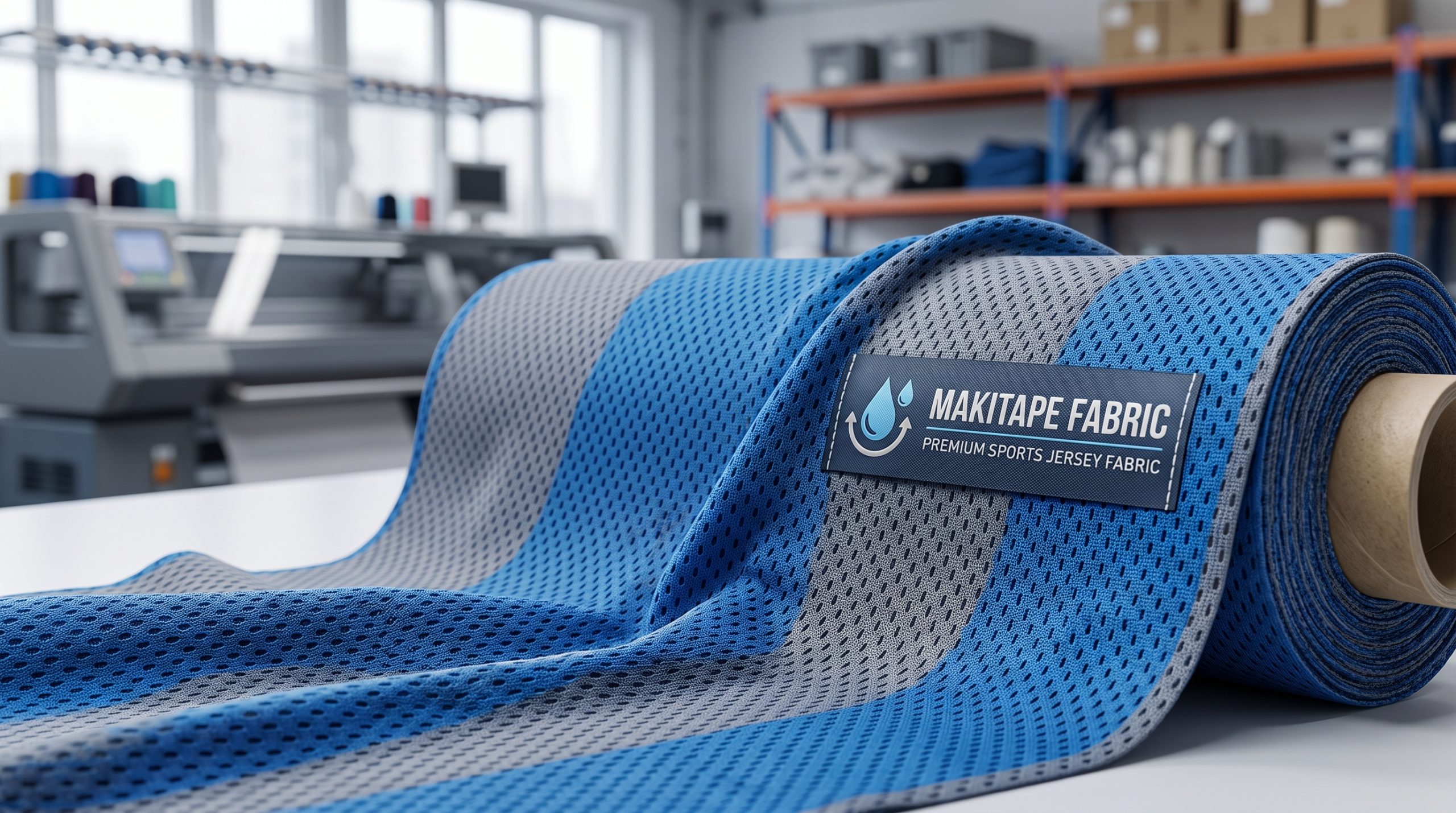
Jersey fabric represents a versatile knit textile celebrated for its exceptional stretch, soft texture, and superb breathability across commercial apparel manufacturing. Many sportswear brands face severe production delays when their current material suppliers deliver inconsistent batches that tear under intense athletic stress. Here is the deal: uniform wearability ruins customer trust instantly, costing your business thousands in returns. Finding high-quality sports jersey fabric solves these structural failures while securing long-term garment integrity. Our decade of athletic textile manufacturing provides verified production reliability for global clothing brands.
1. What Is Sports Jersey Fabric Exactly?
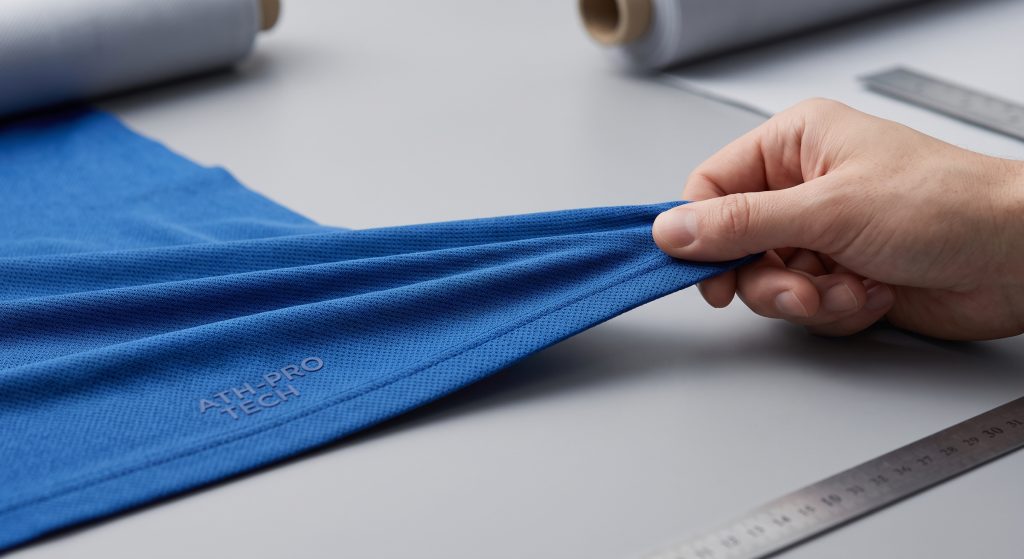
Selecting authentic sports jersey fabric means choosing a specialized knit material engineered specifically for high-performance athletic apparel and team uniforms. This textile provides superior horizontal stretch that allows athletes to move without restriction during competitive events.
What Are Its Main Material Characteristics?
The primary traits include excellent moisture management, structural durability, and a smooth surface texture that prevents skin irritation. Ready for the good part? Your design team can utilize these features to create garments that maintain their shape after multiple intense workout sessions.
- High horizontal elasticity for ideal mobility
- Advanced yarn density to resist abrasion
- Lightweight construction for comfort
Key Takeaway: Utilizing these material traits helps your company manufacture uniforms that reduce player discomfort and enhance brand loyalty.
How Does It Differ From Regular Cotton?
Regular cotton lacks the synthetic reinforcement and flexible knit structure found in athletic jersey variations. What is the real story? Traditional woven cotton absorbs sweat and becomes heavy whereas specialized athletic knits actively move wetness away from the skin.
- Faster drying times compared to organic fibers
- Superior resistance to shrinking in commercial laundries
- Greater tensile strength under repetitive stretching
Key Takeaway: Shifting your inventory toward synthetic knits prevents heavy apparel issues during humid sporting events.
| Feature | Traditional Cotton | Sports Jersey |
| Drying Speed | Slow | Rapid |
| Elasticity | Minimal | Substantial |
| Weight Wet | Heavy | Lightweight |
This data indicates a clear commercial advantage when selecting synthetic knits for high-performance team outfits.
2. How Is Sports Jersey Fabric Manufactured?
Manufacturing top-tier sports jersey fabric involves using state-of-the-art circular knitting machines that interlock yarns into a flexible continuous loop system. This specialized setup establishes the signature crosswise stretch that defines athletic apparel performance.
What Machine Processes Create This Knit?
Industrial circular knitting configurations feed multiple synthetic yarns simultaneously into precise computerized needle beds to form a uniform web. This is where it gets interesting… The synchronized needles create loops on one side while keeping the backing smooth for maximum skin contact.
- Computerized tension regulators prevent yarn breakage
- High-speed needles increase monthly factory output
- Multi-feed systems integrate diverse fiber blends
Key Takeaway: Modern machine precision guarantees that every roll of material exhibits identical elasticity throughout the production batch.
Why Do Production Lines Matter For Quality?
Multiple dedicated production lines allow textile mills to maintain strict quality control while separating different fiber compositions. But here is the kicker… A factory with multiple lines can run customized runs for specific clients without stopping large-scale commercial output.
- Prevents cross-contamination of different dye lots
- Maintains consistent calibration across specific textile weights
- Allows simultaneous manufacturing of mesh and solid knits
Key Takeaway: Selecting a mill with robust line capabilities secures steady product availability for your seasonal apparel launches.
| Manufacturing Parameter | Circular Knitting | Standard Weaving |
| Loop Structure | Continuous Interlocked | Perpendicular Over-Under |
| Production Velocity | High Speed | Moderate Speed |
| Output Type | Flexible Rolls | Rigid Flat Sheets |
This technical breakdown highlights why circular knit systems provide the flexible infrastructure needed for modern athletic wear.
3. Why Choose Sports Jersey Fabric For Apparel?
Choosing professional sports jersey fabric for garment lines offers unyielding material durability paired with exceptional comfort for competitive sports environments. This choice directly influences how well a brand retains retail customers who demand high-end apparel utility.
Can Activewear Brands Benefit From Elasticity?
Garment companies find massive commercial success when utilizing this textile because its inherent elasticity accommodates diverse body types perfectly. You might be wondering… How does this elasticity affect long-term wear? The material snaps back to its original shape without sagging after repetitive stretching.
- Reduces the need for complex multi-panel pattern cutting
- Fits comfortably across varied athletic body shapes
- Lowers garment return rates due to flexible sizing
Key Takeaway: Incorporating highly elastic knits reduces product design complexity while expanding your target consumer market.
How Do Athletes Experience The Comfort?
Players experience superior physical relief because the smooth interior minimizes friction during high-speed running movements. Ready for the good part? The lack of abrasive chafing allows athletes to focus entirely on their tactical execution during matching events.
- Flat seams lay comfortably against sensitive skin zones
- Soft fiber blending removes traditional textile stiffness
- Lightweight composition decreases overall physical fatigue
Key Takeaway: Offering premium comfort levels builds immediate consumer trust and positions your apparel brand as an elite market choice.
| Benefit Category | Brand Advantage | Athlete Impact |
| High Elasticity | Simplified Sizing Scales | Unrestricted Range of Motion |
| Soft Texture | Premium Product Perception | Zero Chafing During Movement |
This operational summary underscores the dual advantages that modern knit selections bring to both manufacturers and end users.
4. Which Sports Jersey Fabric Types Exist?
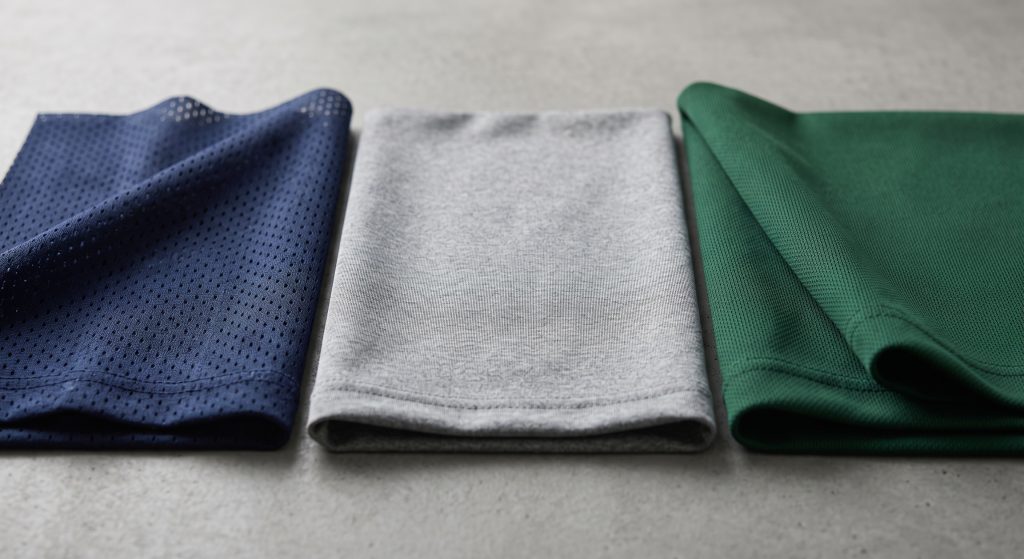
Diverse variations of sports jersey fabric exist to serve specific athletic demands, ranging from lightweight open patterns to dense double-knit structures. Identifying these specific material types allows procurement managers to match textiles with corresponding sport requirements accurately.
Is Mesh Better For High Intensity Outfits?
Open mesh alternatives excel during high-intensity sports because their perforated layout permits immediate air circulation around the body. What is the real story? While solid knits retain some heat mesh structures prioritize maximum ventilation to keep skin surfaces cool.
- Perforated holes deliver exceptional breathability
- Extremely low material weight reduces garment drag
- Ideal for football panels and marathon shirts
Key Takeaway: Integrating mesh panels into high-heat clothing zones significantly improves product ventilation metrics.
What Makes Interlock Knit Distinctive?
Interlock knit represents a heavier double-faced textile that looks identical on both the front and back surfaces. This is where it gets interesting… This dual layer construction offers twice the thickness of single knit variants while maintaining smooth wearable textures.
- Substantial weight provides premium drape qualities
- Excellent opacity prevents fabric transparency when stretched
- Greater resistance to running or fraying at raw edges
Key Takeaway: Selecting interlock styles guarantees an opaque finish for high-end athletic trousers and compression wear.
| Fabric Variant | Primary Texture | Key Application |
| Open Mesh | Perforated / Porous | Marathon Singlets / Ventilation Panels |
| Interlock Knit | Smooth / Double-Faced | Elite Warmup Suits / Heavy Training Pants |
Reviewing these primary variants simplifies the procurement selection process for diverse activewear product portfolios.
5. Is Sports Jersey Fabric Easy To Clean?
Premium sports jersey fabric is exceptionally easy to clean due to the stain-resistant nature of its synthetic composition. This low-maintenance profile makes it an attractive option for school teams and professional athletic clubs alike.
What Washing Methods Prevent Fabric Shrinkage?
Utilizing cold water cycles along with mild detergents prevents fiber warping and keeps colors vibrant over long cycles. But here is the kicker… Hot water temperatures can degrade synthetic elastic strands causing uniforms to lose their original tailored fit prematurely.
- Cold washing preserves original fiber dimensions perfectly
- Mild detergents avoid damaging chemical coating treatments
- Turning garments inside out protects outer surface appearance
Key Takeaway: Educating your clients on proper washing protocols guarantees longer product lifespan and fewer warranty claims.
Can You Dry It Without Losing Shape?
Air drying or utilizing low-temperature tumble settings preserves the built-in elasticity of these technical knits perfectly. You might be wondering… Does high heat destroy the material completely? Intense thermal exposure weakens synthetic bonds resulting in unwanted fabric stretching over time.
- Low heat cycles safeguard fragile elastane components
- Hanging flat maintains proper horizontal garment proportions
- Rapid drying times eliminate damp odor buildup efficiently
Key Takeaway: Adopting gentle drying methods maintains the precise uniform fit required by elite competitive sports groups.
| Maintenance Step | Recommended Method | Practice To Avoid |
| Water Temperature | Cold Wash (30°C) | High Thermal Settings |
| Drying Protocol | Air Dry / Low Tumble | Extreme Heat Cycles |
Following these basic guidelines preserves the elasticity of athletic products across multiple sports seasons.
6. Where Can You Buy Sports Jersey Fabric?
Sourcing high-grade sports jersey fabric requires contacting verified manufacturing mills that possess international quality certifications. Partnering directly with overseas facilities eliminates third-party markups while granting businesses direct access to tailored manufacturing solutions.
How Do B2B Buyers Locate Reliable Mills?
Commercial procurement agents find elite textile partners by verifying factory compliance credentials like OEKO-TEX and Global Recycled Standard. What is the real story? Unverified suppliers often substitute cheap yarns which leads to immediate pilling problems during retail usage.
- Check international trade registry databases for verification
- Request factory production capacity statements before ordering
- Verify compliance documents to safeguard brand reputation
Key Takeaway: Validating supplier credentials before signing deals eliminates downstream production defects and financial losses.
What Sourcing Steps Secure Bulk Quality?
Requesting physical sample swatches before committing to large volume orders guarantees that texture and stretch parameters match your specifications. Ready for the good part? Once sample quality is confirmed setting strict minimum order limits protects your initial cash flow.
- Test sample pieces for color bleeding under wash trials
- Confirm exact delivery lead times in written contracts
- Establish clear agreements regarding batch defect percentages
Key Takeaway: Following systematic testing patterns protects your company from receiving substandard bulk textile shipments.
| Evaluation Stage | Primary Action | Safety Benefit |
| Initial Screening | Review OEKO-TEX Certification | Confirms Safe Chemical Usage |
| Pre-Production | Inspect Physical Swatches | Verifies Stretch and Handfeel |
This structured sourcing framework minimizes financial risks during large-scale international apparel procurement campaigns.
7. Can Sports Jersey Fabric Help Athletes?
Utilizing engineering-grade sports jersey fabric helps athletes by improving skin aeration and reducing overall thermal stress during strenuous physical competitions. This specialized support allows professional players to sustain high output levels without experiencing clothing-related heat exhaustion.
How Does Thermal Regulation Aid Output?
The advanced porous design allows body heat to escape rapidly while drawing cooler ambient air toward skin surfaces. This is where it gets interesting… When an athlete maintains a stable core temperature muscle efficiency remains high for longer operational durations.
- Prevents dangerous overheating during intense summer matches
- Reduces energy expenditure spent on natural sweat cooling
- Maintains consistent stamina profiles across extended play times
Key Takeaway: Selling apparel with thermal regulation properties provides your brand with a powerful marketing edge in competitive retail sectors.
Why Is Muscle Support A Key Advantage?
High-density knit structures deliver targeted compression that stabilizes major muscle groups during explosive jumping actions. But here is the kicker… This stabilization minimizes micro-tears in muscle fibers which accelerates physical recovery post-match.
- Decreases soft tissue vibration during high-impact running
- Improves local blood circulation pathways within muscle zones
- Lowers risk of minor strains during rapid directional changes
Key Takeaway: Providing built-in physical support increases the perceived therapeutic value of your athletic garment collections.
| Athletic Benefit | Textile Mechanism | Field Performance Effect |
| Thermal Regulation | Open Pore Cross-Weave | Lowers Core Exhaustion Rates |
| Muscle Compression | High-Density Interlock | Reduces Post-Game Soreness |
These proven performance indicators explain why global sports clubs demand advanced technical knits for their player rosters.
8. How Does Sports Jersey Fabric Handle Sweat?
Advanced sports jersey fabric handles sweat through a mechanical wicking process that draws liquid moisture away from the skin toward the outer garment shell. This specialized transport system keeps athletes dry and comfortable during prolonged high-intensity training.
What Technology Powers Quick Drying Capillary Action?
Microscopic channels embedded within the synthetic fiber profiles pull moisture upward via natural capillary forces. You might be wondering… How fast does this evaporation happen? The expanded surface area on the outer layer allows breeze to dry wet spots almost instantly.
- Hydrophobic inner filaments resist absorbing moisture directly
- Hydrophilic outer configurations spread liquid across broad areas
- Continuous fluid movement prevents sticky fabric cling issues
Key Takeaway: Utilizing capillary-driven textiles keeps players comfortable while completely eliminating heavy water-logged apparel problems.
Can Synthetic Blends Improve Evaporation Rates?
Blending polyester with small amounts of elastane creates a highly conductive moisture path that outpaces natural fibers significantly. What is the real story? While pure nylon retains some moisture engineered polyester combinations dry up to four times faster than standard wear.
- Polyester fibers exhibit zero moisture retention metrics
- Elastane integration preserves stretch during wet conditions
- Advanced blending maintains lightweight feel despite heavy sweat
Key Takeaway: Selecting synthetic combinations guarantees that your activewear line retains its high-performance wicking claims under extreme stress.
| Material Type | Wicking Mechanism | Dry Time Metric |
| Polyester Blend | Capillary Fiber Channels | Extremely Rapid |
| Standard Cotton | Direct Fiber Absorption | Prolonged Retention |
Analyzing these drying characteristics demonstrates the necessity of using engineered synthetic paths for modern moisture-controlled sports apparel.
9. Is Sports Jersey Fabric Eco Friendly Now?
Modern sports jersey fabric is increasingly eco-friendly due to the widespread adoption of recycled polyester derived from post-consumer plastic bottles. This shift allows global athletic brands to meet green compliance laws while appealing directly to environmentally conscious buyers.
What Role Do Recycled Material Certifications Play?
Verification frameworks like the Global Recycled Standard guarantee transparent tracking of waste materials from collection centers to final knit rolls. This is where it gets interesting… Having legitimate certification documents protects your brand against accusations of deceptive greenwashing practices.
- Tracks origin points of ocean plastic waste materials
- Verifies chemical safety parameters during recycled processing
- Provides credible marketing copy for retail product hangtags
Key Takeaway: Securing certified green materials validates your corporate sustainability claims and builds deep trust among modern consumers.
How Do Greener Factories Reduce Waste?
Advanced manufacturing plants adopt closed-loop water filtration systems that recycle up to ninety percent of production liquids. But here is the kicker… Eco-focused mills utilize solar energy grids to power circular knitting machinery slashing carbon footprints dramatically.
- Closed-loop dyeing minimizes toxic chemical wastewater discharge
- Renewable energy lowers reliance on fossil fuel grids
- Scrap material recycling loops minimize landfill textile waste
Key Takeaway: Aligning your procurement with green factories safeguards your supply chain against future environmental tax regulations.
| Material Base | Carbon Footprint | Resource Consumption |
| Recycled Polyester | Low Impact | Reduced Water and Energy |
| Virgin Synthetic | High Impact | Extensive Petroleum Extraction |
This ecological comparison highlights a growing market preference for sustainable material choices within the B2B athletic apparel industry.
10. What Benefits Does Sports Jersey Fabric Offer?
The primary benefits of sports jersey fabric encompass unparalleled dimensional stability, excellent print receptivity, and outstanding cost-efficiency for bulk apparel production. These combined advantages deliver high profit margins for garment brands while maintaining premium satisfaction scores among consumers.
Why Is Long Term Durability Highly Valued?
Garments built from high-density technical knits resist pilling and color fading despite enduring brutal weekly matching schedules. Ready for the good part? This extreme durability means your corporate clients replace their inventory less frequently saving substantial annual budgets.
- Resists fiber pilling from constant equipment friction
- Maintains original color brilliance across multiple washes
- Prevents seam unraveling during high-contact sports matches
Key Takeaway: Offering long-lasting apparel products cements your reputation as a reliable business partner in B2B markets.
How Does Custom Dyeing Improve Team Aesthetics?
Synthetic knit surfaces accept modern sublimation printing perfectly yielding crisp team logos and rich color definitions. You might be wondering… Will sublimation printing block fabric breathability channels? Sublimation dyes fuse directly into individual fibers without blocking the natural air passage gaps.
- Sublimation ink integration avoids cracking or peeling issues
- Allows unlimited design personalization for specific school clubs
- Produces precise color matching for corporate brand identities
Key Takeaway: Utilizing sublimation-friendly textiles enables your design team to execute highly complex visual concepts easily.
| Commercial Benefit | Manufacturing Advantage | Retail Outcome |
| Print Receptivity | Perfect Sublimation Bonding | Zero Logo Cracking Complaints |
| Color Fastness | Deep Chemical Dye Locking | Long Lasting Vibrant Uniforms |
This financial and operational analysis demonstrates why specialized knits remain the premier standard for global sportswear programs.
Partnering For Elite Athletic Performance
Selecting superior athletic knits addresses the universal problems of premature garment tearing, poor sweat ventilation, and inconsistent factory production lines. By working alongside an experienced manufacturing partner your business secures reliable material flow, flawless custom sublimation matching, and certified sustainable fabric solutions. Let our advanced facilities help you scale production and dominate your local market. To request premium physical swatches or discuss customized technical weights for your next seasonal apparel launch, contact us today to establish a dependable textile supply chain. Our unwavering dedication to high-performance textile engineering fuels the future of global sportswear excellence.
Frequently Asked Questions
- Q1: Can I order customized textile weights for specific sports lines?
Yes, you can request custom fabric specifications. Our manufacturing lines adapt needle calibrations to deliver precise material thicknesses matching your exact design requirements. - Q2: What is the best method to verify factory compliance before buying?
Reviewing official GRS and OEKO-TEX certificates provides full verification. Legitimate mills provide downloadable validation files to prove their resource tracking metrics are authentic. - Q3: How do I know if a jersey fabric possesses sufficient horizontal stretch?
Conducting a standard elongation test confirms stretch metrics instantly. Premium options expand by over forty percent crosswise and return to their original baseline dimensions without distortion. - Q4: Can I utilize standard sublimation printing on recycled polyester options?
Absolutely, recycled synthetic options accept sublimation ink beautifully. The recycled polymers share identical chemical compositions with virgin materials securing rich color transfer and sharp lines. - Q5: What is the average production lead time for bulk volume shipments?
The typical timeline spans twenty to thirty days. This window covers precise yarn spinning, circular knitting processes, custom color matching, and final international shipping preparation steps.