
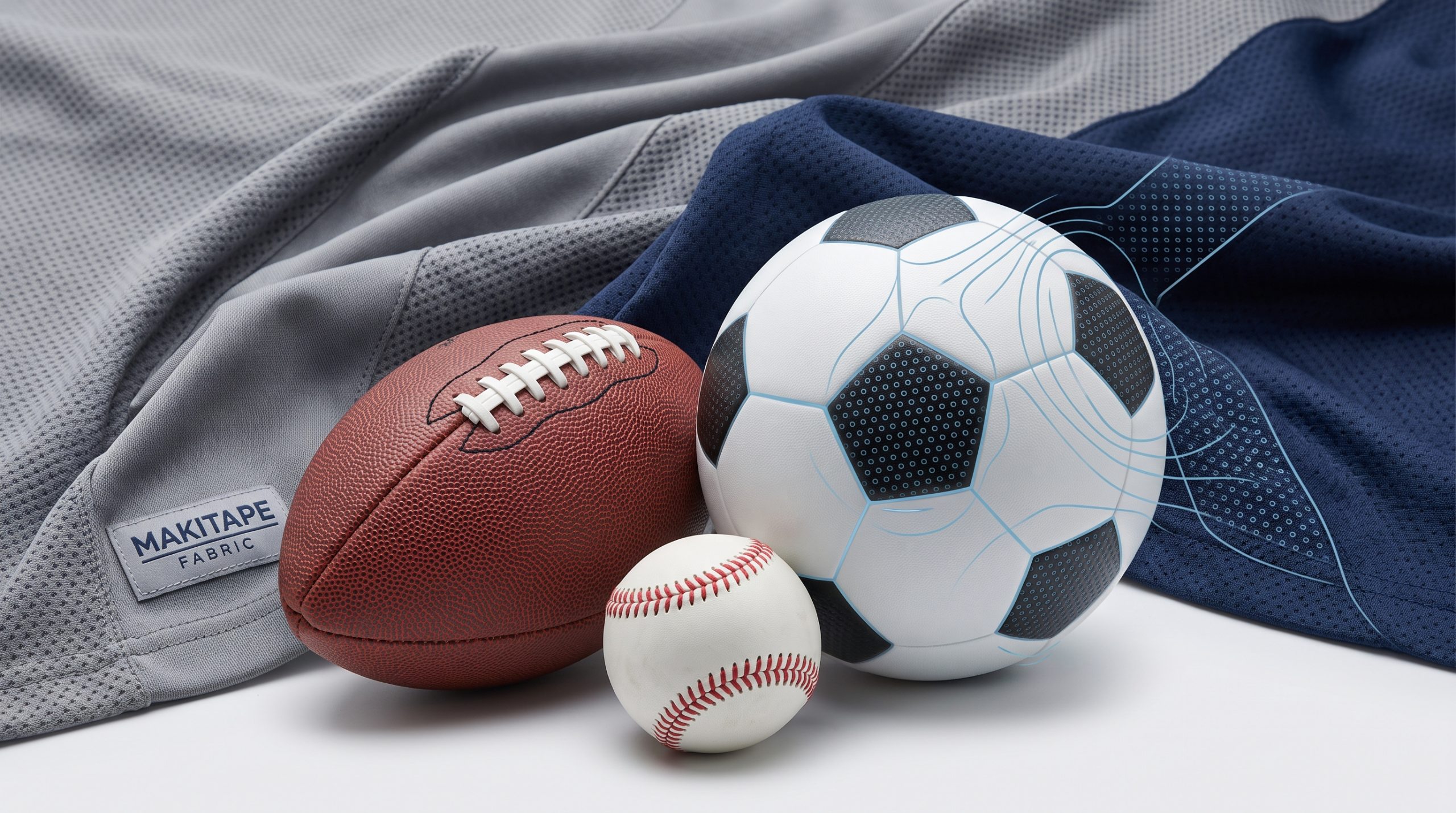
Custom sportswear fabrics achieve maximum athletic performance by combining advanced synthetic polymers with specialized geometric knit patterns tailored for modern high intensity team sports fields. Low grade athletic textiles often cause extreme player discomfort because trapped sweat creates heavy garments that restrict rapid movement during intense competitive seasonal championship matches. Procuring premium structured sports ball fabric solves these performance deficiencies through rapid capillary moisture dissipation networks that keep professional athletes dry under pressure. Our certified textile manufacturing facility delivers specialized technical knit solutions that global corporate apparel brands consistently trust for building elite high performance sports garment collections.
1. What Is the Best Sports Ball Fabric for Team Uniforms?
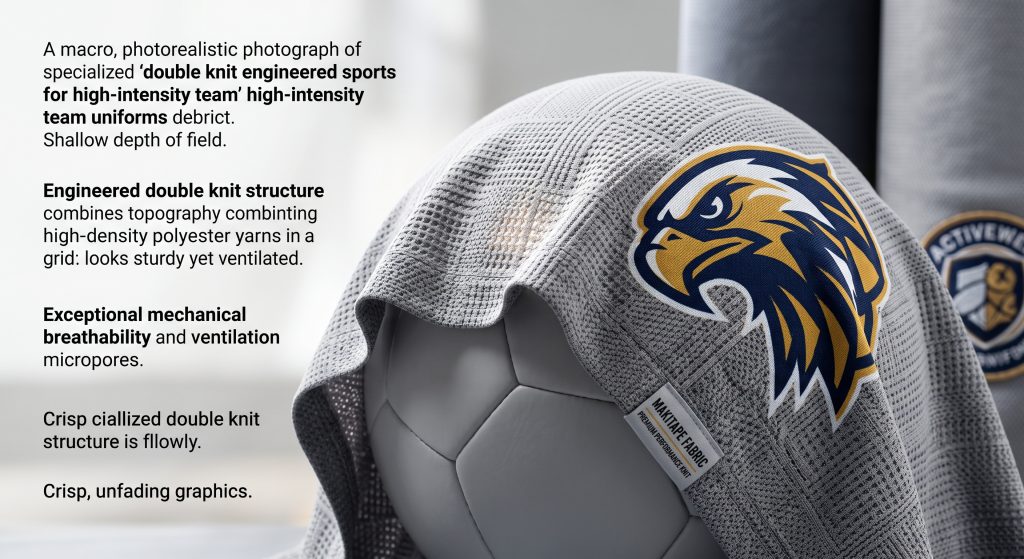
Selecting premium sports ball fabric for team uniforms combines high density polyester yarns with engineered double knit structures that supply exceptional mechanical breathability. Apparel brands select these specialized technical materials because robust warp knit configurations resist tearing when athletes face intense physical contact during competitive championship games. You can easily achieve superior garment lifespan by choosing textiles featuring calibrated weight parameters that maintain structural integrity across multiple intense challenging playing seasons. These advanced synthetic textile blends accept vibrant sublimation graphics perfectly so team logos remain crisp without fading after numerous harsh industrial laundry cycles.
What defines performance knit geometry?
Here is the deal regarding commercial garment construction because specific stitch layouts directly control how much liquid sweat evaporates during organized team training sessions. Performance knit geometry determines exactly how fresh air flows through garment layers by organizing tiny physical pores into uniform grid configurations across structural textile surfaces.
- Warp knit patterns deliver superior dimensional stability during movements.
- Circular knit techniques provide exceptional four way stretch characteristics.
- Engineered mesh configurations facilitate rapid localized cooling zones efficiently.
Choosing calibrated knit geometry always guarantees that your custom athletic apparel lines maintain consistent thermal regulation properties under extreme competitive environmental stress.
How do fabric weights affect active players?
You might be wondering how weight influences durability since lightweight options must still withstand aggressive physical contact on professional playing fields. Calibrated fabric weights directly impact player endurance because heavy textile materials increase total energy expenditure during prolonged competitive team sports matches. Selecting correct textile density balance helps corporate apparel manufacturers deliver functional garments that feel weightless yet remain highly resilient against standard friction abrasion.
- Lightweight open mesh options average around 140 grams per square meter.
- Medium weight interlock fabrics comfortably achieve 180 grams per square meter.
- Heavy weight structured pique textiles reach 220 grams per square meter.
Key Takeaway: Balancing fabric weight specifications allows your clothing business to manufacture uniforms that optimize player agility while maintaining long term garment construction durability. Customizing these technical specifications provides your enterprise with a distinct commercial competitive advantage when pitching premium product collections to elite regional athletic organizations. You can boldly justify higher wholesale price points by demonstrating measurable physical comfort improvements that competitive athletes notice immediately during warm outdoor weather conditions. Investing time into fabric weight optimization ultimately secures stronger brand customer loyalty because sports teams consistently receive functional garments tailored for their specific operational environmental needs.
Performance Fabric Parameters
| Fabric Structure | Average Weight (GSM) | Primary Application | Key Advantage |
| Birdseye Mesh | 140 – 160 | Soccer & Running | Extreme Breathability |
| Pique Knit | 180 – 220 | Golf & Tennis Polos | Structural Durability |
| Interlock Smooth | 160 – 180 | Basketball Uniforms | Friction Resistance |
Analyzing these structural parameters helps manufacturing teams select the most effective knit composition for specialized athletic requirements.
2. How Does Sports Ball Fabric Direct Moisture Management?
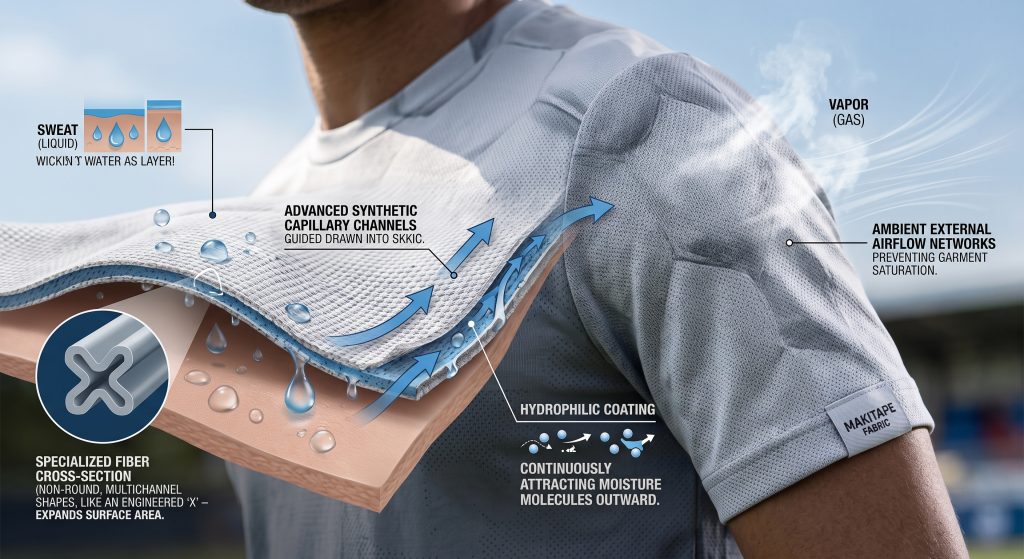
Sports ball fabric directs moisture management by utilizing advanced synthetic capillary channels that pull liquid sweat away from skin surfaces during intense exercise. High performance polyester blends accelerate evaporation because specialized fiber cross sections expand total surface area exposed to ambient external airflow networks. You can prevent uncomfortable garment saturation by sourcing fabrics manufactured with specialized engineered hydrophilic coatings that continuously attract moving moisture molecules outward. Implementing these technical moisture dispersal mechanisms allows athletes to maintain stable body core temperatures even during demanding prolonged seasonal championship tournament matches.
Can micro pores accelerate capillary action?
This is where it gets interesting because smaller pore diameters actually increase fluid velocity through structural technical textile matrices under intense physical stress. Micro pores accelerate capillary action by continuously creating high pressure zones that force liquid sweat through tight knit openings toward exterior garment faces.
- Microscopic circular channels maximize liquid fluid transportation speed significantly.
- Optimized pore distribution successfully prevents uncomfortable wet fabric cling.
- Calibrated micro openings maintain reliable external wind chill resistance.
Textile engineers precisely adjust pore frequency during automated production phases to perfectly match specific sweat production rates typical of intense competitive field sports.
Why do internal knit loops prevent garment cling?
What’s the real story behind this technology since standard flat fabrics often adhere uncomfortably to active players during high humidity matches? Internal knit loops prevent garment cling by reducing total surface contact area between damp finished activewear textiles and warm human skin profiles. Incorporating dimensional loops builds a natural cushion that enhances perceived apparel product luxury while drastically improving functional moisture evaporation performance.
- Raised yarn loops minimize direct tactile skin contact points.
- Integrated internal air gaps facilitate continuous convective textile cooling.
- Textured structural backings significantly reduce mechanical fabric friction coefficients.
Key Takeaway: Sourcing moisture wicking fabrics with internal loops guarantees that your sportswear brand delivers superior physical comfort that competitive athletes notice during intense gameplay. These specialized structural attributes eliminate distracting garment stickiness so players remain focused on executing critical strategic field maneuvers without any physical performance limitations. You can easily capture premium market shares by marketing technical apparel lines engineered specifically to conquer extreme heat conditions across global professional leagues. Ultimately modern moisture management design builds incredible commercial value by matching high functional performance standards expected by elite corporate activewear procurement teams.
Moisture Management Matrix
| Technology Component | Operational Function | Performance Benefit | Drying Speed Factor |
| Hydrophilic Micro Pores | Rapid Liquid Transport | Eliminates Surface Sweat | 2.5x Faster |
| Raised Internal Loops | Reduces Fabric Cling | Enhances Air Circulation | 1.8x Faster |
| Capillary Core Yarns | Continuous Moisture Pull | Maintains Core Temperature | 3.0x Faster |
Reviewing this performance matrix allows clothing designers to select materials that maintain maximum dryness during extreme competitive conditions.
3. Why Select a Textured Sports Ball Fabric Over Flat Knit?
Selecting a textured sports ball fabric over flat knit alternatives provides superior aerodynamic efficiency alongside highly visible product differentiation for apparel brands. Textured surfaces disrupt boundary layer airflow around moving athletes which reduces aerodynamic drag forces significantly during high speed track or field events. You will immediately notice how three dimensional weave structures mask fabric wrinkles perfectly compared to traditional smooth synthetic polyester interlock materials. These structural design benefits allow premium brands to justify elevated retail pricing strategies by consistently delivering tactile luxury alongside clear functional advantages.
What makes structural relief superior for graphics?
Ready for the good part concerning digital decoration since textured bases absorb sublimation dyes much deeper into individual yarn bundles during industrial manufacturing? Structural relief provides superior graphic depth because raised knit patterns scatter incoming ambient light rays to prevent harsh synthetic fabric sheen glare.
- Dimensional relief patterns add sophisticated visual texture depth to prints.
- Light scattering properties successfully eliminate cheap synthetic fabric glare reflections.
- Deep industrial ink penetration ensures long term graphic color brilliance.
Combining geometric patterns with custom prints yields unique corporate team wear collections that stand out remarkably well on high definition television broadcasts.
How do surface dimples alter garment aerodynamics?
But here’s the kicker regarding athletic speed because this micro turbulence keeps moving air currents attached closer to your body during high velocity sprinting. Surface dimples alter garment aerodynamics by inducing early boundary layer transition from smooth laminar airflow to stable turbulent air currents. Integrating dimpled textiles into speed suits grants professional athletic competitors fractional second advantages that frequently decide final podium finishes in elite international races.
- Micro dimples effectively reduce low pressure trailing air wake zones.
- Turbulent boundary layers decrease overall aerodynamic surface skin friction.
- Optimized air detachment angles maximize competitive athlete forward velocity.
Key Takeaway: Utilizing dimpled textured fabrics empowers activewear labels to market scientifically validated speed garments that consistently attract serious competitive sports organizations worldwide. These aerodynamic advantages provide your business with strong technical talking points during complex B2B textile procurement presentations with major international distribution clients. You can boldly differentiate your sportswear brand from standard marketplace commodities by emphasizing tested physics principles built into fabric structural designs. Ultimately choosing engineered textures transforms standard activewear apparel lines into elite performance gear capable of driving substantial long term corporate revenue.
Surface Texture Attributes
| Texture Design | Aerodynamic Drag Impact | Graphic Visual Depth | Wrinkle Resistance |
| Engineered Dimples | 12% Drag Reduction | High Contrast | Excellent |
| Basic Flat Knit | Baseline Drag | Low Depth / Flat | Poor (Shows Creases) |
| Waffle Structure | 8% Drag Reduction | Maximum Texture | Superior |
Evaluating these unique surface characteristics demonstrates why dimensional textiles outperform traditional flat synthetics across high velocity athletic categories.
4. Can Sports Ball Fabric Survive Sublimation Print Heat?
Sports ball fabric survives high temperature sublimation print heat when manufactured using premium heat stabilized industrial polyester polymers that successfully resist thermal structure shrinkage. The sublimation process requires extreme operational temperatures reaching two hundred degrees Celsius to successfully convert specialized ink particles into vibrant gaseous states. You must utilize calibrated machine tension controls during calendar pressing operations to prevent unwanted fabric distortion or structural melting across mesh panels. Sourcing dimensionally stable textiles guarantees that complex team uniform graphics align perfectly without any skewing after passing through heavy industrial rollers.
Will high temperature ruin athletic fiber elasticity?
This is where it gets interesting because excessive thermal heat dwell times permanently degrade underlying polyurethane elastane chains responsible for four way stretch recovery. High temperature operations will not ruin athletic fiber elasticity if processing exposure times remain strictly within calibrated textile manufacturing parameters.
- Precise digital temperature tracking effectively protects delicate elastane molecules.
- Controlled post press cooling phases restore crucial synthetic fiber memory.
- Optimized automated feeding systems prevent unwanted mechanical fabric over stretching.
Partnering with factories that employ modern infrared sensor technology guarantees that your fabric batches maintain perfect elastic rebound performance properties.
How does color fastness protect team branding?
What’s the real story regarding laundry longevity since custom sublimated uniforms face frequent aggressive washing cycles containing harsh industrial chemical detergents? Excellent color fastness protects team branding by preventing graphic dye bleeding when athletes sweat profusely during intense high stakes championship tournament games. Choosing high grade materials always guarantees that team graphics remain remarkably striking throughout multiple competitive seasons without requiring expensive garment replacements.
- Deep molecular chemical bonding anchors pigments permanently into polyester fibers.
- Advanced UV resistant polymers successfully block solar atmospheric radiation fading.
- Anti migration surface treatments prevent unwanted cross color textile contamination.
Key Takeaway: Procuring heat stabilized materials guarantees that your manufacturing facility produces flawless custom apparel garments that perfectly mirror complex client corporate brand color guidelines. Minimizing sublimation shrinkage defects saves substantial production costs by completely eliminating material waste during high volume printing and automated cutting assembly procedures. You can confidently guarantee consistent graphic design uniformity across diverse garment sizes by working exclusively with pre stabilized high performance textiles. Ultimately superior thermal performance builds deep commercial trust between your custom apparel factory and demanding professional sports league procurement officers.
Sublimation Processing Thresholds
| Fabric Blend Type | Maximum Press Temp | Target Exposure Time | Shrinkage Allowance |
| 100% Premium Poly | 210°C | 35 Seconds | Less Than 1.0% |
| Poly-Elastane Blend | 190°C | 30 Seconds | Less Than 1.5% |
| Low-Grade Synthetic | 180°C | 25 Seconds | Greater Than 3.0% |
Analyzing these strict thermal thresholds helps production technicians maintain flawless color integration without compromising underlying physical fabric characteristics.
5. Which Sports Ball Fabric Options Last Longest in Sport?
Longest lasting premium sports ball fabric options leverage high filament interlocking microfibers that supply maximum tensile strength against intense physical field abrasion. Double knit interlock configurations outperform basic single jersey structures because tightly crossed yarn matrices distribute external mechanical stress evenly across finished materials. You should prioritize textiles treated with advanced anti pilling finishes that prevent loose surface filaments from knotting together during intense commercial washing cycles. Investing in durable polymer architectures drastically extends activewear garment lifespan which drastically minimizes ongoing replacement costs for professional sports academies worldwide.
What yarn counts resist severe friction damage?
Ready for the good part concerning material durability since finer microfibers pack tightly together to create exceptionally smooth surfaces that easily deflect external abrasive friction? Yarn counts measuring seventy denier combined with multi filament synthetic compositions resist severe friction damage most effectively during intense contact sports matches.
- Seventy denier yarns provide optimal tensile resilience on fields.
- Filament counts exceeding forty filaments distribute mechanical friction stress.
- Compact industrial spinning methods eliminate fuzzy exposed fiber ends.
Utilizing high density filament configurations always guarantees that garments maintain smooth surface qualities after facing multiple slides on rough turf.
Can double knit methods prevent seam unraveling?
But here’s the kicker regarding long term garment survivability because double knit structures do not run when localized thread punctures occur during games. Double knit production methods prevent seam unraveling by continuously interlocking two separate fabric faces into a unified highly balanced structural material matrix. Specifying interlock materials for high impact sports clothing lines guarantees that your brand reputation remains protected by consistently delivering unyielding field toughness.
- Interlocked loops securely trap punctured broken yarns within matrices.
- Balanced construction completely prevents structural fabric edge curling tendencies.
- High burst resistance reinforces heavily stressed activewear garment seams.
Key Takeaway: Selecting double knit fabrics with optimized denier counts guarantees that your activewear product lines survive extreme physical field wear without any structural failure. This superior structural durability translates directly into fewer direct customer product returns which significantly boosts long term retail profitability for your expanding apparel enterprise. You can market your clothing collections as premium rugged equipment by showcasing documented industrial abrasion test victories against standard marketplace alternatives. Ultimately sourcing tough base materials establishes your company as a reliable sector leader in manufacturing high performance athletic clothing for international sports leagues.
Durability Performance Comparison
| Fabric Knit Method | Abrasion Resistance (Cycles) | Tensile Strength (N) | Seam Failure Risk |
| Advanced Double Interlock | 50,000+ Cycles | 450 N | Very Low |
| Textured Pique Mesh | 40,000+ Cycles | 380 N | Low |
| Standard Single Jersey | 15,000+ Cycles | 210 N | High |
Reviewing these durability metrics clearly reveals why high filament interlock structures represent the safest choice for high contact athletic uniforms.
6. How Does Birdseye Sports Ball Fabric Feel on Skin?
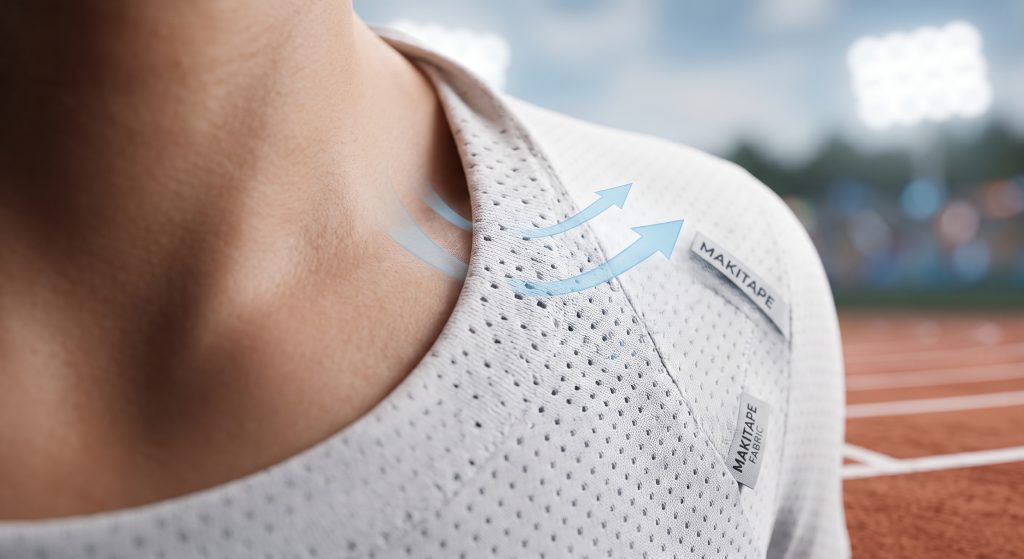
Birdseye sports ball fabric feels incredibly smooth on human skin because its double knit configuration consistently yields a flat non abrasive interior textile profile. The unique eyelet pattern creates small surface recessions that reduce total fabric surface contact area against sweaty bodies during extreme summer sports matches. You will appreciate the lightweight silkiness that prevents severe skin chafing even across friction prone garment zones like armpits or necklines. This exceptional tactile comfort maximizes athlete focus by eliminating distracting material irritation throughout demanding multi hour seasonal championship tournament events.
Why do circular tuck stitches reduce chafing irritation?
Here’s the deal regarding player safety since smooth circular micro pores glide effortlessly across moving skin without scraping sensitive epidermal tissue layers. Circular tuck stitches reduce chafing irritation by forming perfectly rounded pore grids that eliminate sharp yarn ridges found in cheap textiles.
- Rounded pore perimeters effectively eliminate abrasive structural textile edges.
- Symmetrical stitch arrangements balance internal mechanical fabric tension perfectly.
- Soft multifilament synthetic fibers drastically reduce raw yarn material roughness.
Utilizing advanced circular knitting machinery always guarantees that every fabric roll provides an identical irritation free touch for sensitive user skin.
How does smooth interior backing improve user focus?
You might be wondering if this flat inner lining blocks airflow since double knit structures use multiple yarn layers during production. Smooth interior backing improves user focus by removing sensory distractions caused by rough textured fabrics rubbing against sweating athletic torsos continuously. The engineered inner fabric surface maintains comfortable microclimates that let players channel their full mental energy into winning challenging matches.
- Flat backing panels completely eliminate localized material scratching on skin.
- Vertical micro structural spaces allow rapid hot air escape.
- Low friction surfaces fully support rapid torso rotation movement.
Key Takeaway: Sourcing birdseye knit fabrics with flat interior profiles helps your sportswear brand produce garments that deliver elite skin comfort during competitive play. Preventing skin friction complaints protects your market reputation because retail customers consistently associate your apparel line with superior premium luxury standards. You can easily target premium youth sports markets by highlighting the hypoallergenic skin safe qualities built into your micro mesh clothing lines. Ultimately tactile luxury drives repeated consumer purchases by satisfying strict comfort expectations set by professional apparel designers across the industry.
Tactile Comfort Assessment
| Knit Pattern Type | Interior Texture Profile | Chafing Risk Factor | Contact Area Ratio |
| Birdseye Eyelet Mesh | Ultra-Smooth / Flat | Minimal Risk (1/10) | 35% Skin Contact |
| Standard Pique Waffle | Raised Diamond Ridges | Moderate Risk (5/10) | 55% Skin Contact |
| Basic Polyester Jersey | Flat / Non-Porous | High Cling Risk (8/10) | 85% Skin Contact |
Examining these tactile properties clearly explains why birdseye knit geometries remain the industry standard for next to skin athletic singlets.
7. Where Does Pique Sports Ball Fabric Provide Better Grip?
Pique sports ball fabric provides better grip across heavy wear zones like shoulders and waistbands where external athletic equipment requires absolute structural stability. The raised honeycomb matrix creates significant surface friction that successfully stops heavy backpack straps or protective pads from sliding during dynamic plays. You can leverage these thick geometric patterns to construct durable corporate casual sportswear that maintains crisp professional shapes under heavy daily operational stress. Sourcing this textured material guarantees that uniforms resist snagging when athletes brush against rough field gear during intense training camp sessions.
What makes honeycomb diamond mesh perfect for polos?
What’s the real story behind polo sales since corporate customers prefer smart casual garments that retain tailored looks after multiple hot machine washes? Honeycomb diamond mesh patterns build substantial structural thickness that gives athletic polo collars excellent rigidity without requiring heavy synthetic chemical interlinings.
- Three dimensional grids maintain upright shirt collar posture effortlessly.
- Honeycomb weaving creates natural mechanical stretch recovery profiles.
- Raised diamond patterns mask localized heavy fabric sweat stains.
Integrating pique knits into your golf collections provides corporate users with an elite blend of traditional style and modern moisture wicking performance.
Can raised exterior patterns enhance garment handling?
This is where it gets interesting because referees or coaches can grab players securely during defensive training drills without fabric slipping away completely. Raised exterior patterns enhance garment handling by providing tactile surface friction that allow athletes to adjust equipment quickly during fast paced games. Sourcing heavy pique materials helps manufacturing brands construct rugged sports apparel that successfully withstands extreme handling across competitive team sports fields.
- Textured grids significantly improve manual grip during active play.
- Dimensional relief patterns resist tearing under sudden heavy pull.
- Heavy weight tuck stitches support external equipment anchoring systems.
Key Takeaway: Implementing pique structures in high wear zones guarantees that your sportswear merchandise successfully survives punishing usage without displaying rapid fiber degradation. The robust surface texture prevents premature fabric thinning which preserves the original crisp professional appearance of team uniforms across multiple playing seasons. You can pitch these rugged options to commercial B2B clients who need durable apparel for demanding field environments or heavy gear sports operations. Ultimately specialized grip performance expands your catalog utility by targeting lucrative industrial corporate sportswear niches that completely bypass standard thin activewear segments.
Grip and Rigidity Matrix
| Fabric Structure Type | Surface Friction Level | Collar Posture Retention | Snagging Resistance |
| Heavy Honeycomb Pique | High Friction Grid | Excellent (No Interlining) | Superior |
| Fine Birdseye Mesh | Low Friction Surface | Poor (Requires Support) | Moderate |
| Smooth Interlock Poly | Minimal Friction | Very Poor (Flaccid) | Poor |
Evaluating this structural matrix proves why heavyweight pique architectures remain unmatched for building durable elite sportswear with integrated collar stability.
8. Is Sustainable Sports Ball Fabric Available for Orders?
Sustainable sports ball fabric exists for bulk commercial orders through advanced recycling facilities that convert discarded plastic bottles into high grade synthetic polyester yarns. These eco friendly fibers perform identically to virgin synthetics because modern melt extrusion purification technologies completely eliminate molecular impurities during polymer recycling stages. You can easily satisfy green market demands by sourcing technical textiles certified by globally recognized environmental authorities tracking authentic post consumer supply chains. Integrating recycled materials helps your activewear brand capture environmentally conscious consumers while successfully meeting strict corporate sustainability goals without sacrificing performance durability.
How do recycled polyester yarns match virgin fibers?
But here’s the kicker regarding sustainability since modern green recycled polymers accept custom digital ink dyes with fantastic color fastness parameters. Recycled polyester yarns match virgin fibers by maintaining identical molecular weight distributions that provide high tensile resilience across complex technical knit structures.
- Recycled green yarns perfectly mirror standard virgin melting points.
- Tensile strength metrics show zero structural variance during testing.
- Elongation capabilities fully support extreme activewear fabric stretch.
Choosing high purity recycled yarns guarantees that your sports apparel lines pass rigorous performance tests mandated by elite athletic associations.
What eco certifications satisfy modern global sourcing?
Ready for the good part concerning international customs compliance since certified eco friendly technical textiles bypass specific green trade barriers seamlessly? Global Recycled Standard certifications satisfy modern global sourcing teams by verifying exact percentages of post consumer recycled chemical contents within fabric rolls.
- Official GRS verification fully guarantees total supply chain honesty.
- Standard Oeko Tex certification proves absolute chemical material safety.
- Rigorous Bluesign approval confirms low industrial environmental impact.
Partnering with fully certified mills protects your apparel brand from greenwashing accusations while building deep operational transparency that modern buyers appreciate.
Key Takeaway: Sourcing certified sustainable technical textiles empowers your clothing enterprise to capture fast growing eco friendly activewear segments without compromising product functionality. Presenting verifiable green credentials helps your business win lucrative government or school uniform procurement contracts that officially mandate strict environmental compliance. You can separate your catalog from standard synthetic options by presenting third party lab results proving substantial carbon footprint reductions. Ultimately eco friendly manufacturing builds powerful long term brand value by completely aligning corporate operations with evolving global climate preservation policies.
Sustainability Certifications
| Certification Label | Core Verification Target | Environmental Benefit | Global Market Acceptance |
| Global Recycled Standard | Recycled Material Content | Reduces Plastic Waste | 100% (Universal) |
| Oeko-Tex Standard 100 | Zero Harmful Chemicals | Guarantees Consumer Safety | 100% (Universal) |
| Bluesign Certification | Clean Factory Output | Minimizes Water Pollution | High (Premium Brands) |
Reviewing these eco friendly credentials enables procurement managers to source verified green textiles that align perfectly with modern brand sustainability mandates.
9. How Do You Inspect Sports Ball Fabric Orders for Flaws?
You inspect sports ball fabric orders for flaws by utilizing automated four point inspection systems that detect structural defects across moving textile rolls. The automated inspection system tallies penalty points based on defect size which determines whether finished fabric rolls successfully meet strict premium export quality standards. Testing teams must manually evaluate color consistency under standardized laboratory light booths to eliminate visual variations between separate dye batches before shipping. Implementing rigid quality verification protocols minimizes the risk of receiving flawed materials that severely disrupt factory sewing schedules during high volume production runs.
What batch testing steps confirm fabric tensile strength?
This is where it gets interesting because digital tensiometers record exact Newton force metrics required to rupture warp or weft yarn structures completely. Batch testing steps confirm fabric tensile strength by executing standardized laboratory mechanical pull tests until synthetic textile samples reach absolute physical failure.
- Standard grab test methods closely simulate intense player pulling.
- Digital elongation tracking confirms accurate stretch recovery parameters.
- Tear resistance analysis carefully evaluates localized puncture survival.
Reviewing these mechanical data charts guarantees that your chosen fabric batch successfully survives intense stress typical of competitive team athletic events.
How do roll width variations impact apparel cutting?
What’s the real story regarding narrow rolls since even minor centimeter deviations completely prevent computerized blades from cutting large pattern edges correctly? Roll width variations impact apparel cutting by altering automated marker nesting efficiency which leads to expensive material waste during garment factory layouts.
- Inconsistent widths easily disrupt automated mechanical fabric alignment.
- Narrow edges cause incomplete activewear pattern piece cuts.
- Nesting software strictly requires fixed usable fabric width inputs.
Demanding strict width tolerances guarantees that your production line maximizes yield efficiency while continuously keeping bulk material costs within projected target operational budgets.
Key Takeaway: Implementing systematic quality control tracking guarantees that your bulk material orders arrive completely free from defects that compromise final garment construction integrity. Catching weave irregularities before fabric cutting saves immense capital by completely avoiding finished garment rejections during subsequent final client packing stages. You can confidently scale your activewear production volume by relying on metric driven inspection data provided by verified textile manufacturing partners. Ultimately transparent testing records build rock solid operational confidence between international apparel brands and high volume technical knit textile mills.
Quality Inspection Framework
| Inspection Stage | Testing Methodology | Quality Standard Target | Acceptable Tolerance |
| Surface Weave Defect | Four-Point System | Less Than 20 Points / 100m² | Strict Compliance |
| Tensile Strength Check | Instron Mechanical Pull | Greater Than 400 Newtons | Zero Negative Variance |
| Usable Width Measurement | Automated Laser Sensor | Fixed 150 Centimeters | ± 1.0 Centimeter |
Utilizing this structured quality inspection framework guarantees that every batch delivered meets the high performance standards required by global sportswear markets.
10. Who Supplies Premium Sports Ball Fabric to Global Brands?
Direct textile factories supply premium sports ball fabric to global brands by running automated high speed circular knitting plants located in specialized industrial manufacturing zones. Advanced suppliers distinguish themselves by providing extensive texturing options including customized mesh weights and specialized technical performance finishes for activewear lines. You should select supply partners that operate dedicated laboratory testing facilities fully capable of verifying moisture management speeds before bulk material shipment. Partnering directly with experienced manufacturers eliminates middleman markups which directly allows your apparel company to secure highly competitive wholesale pricing structures.
How do lead times affect seasonal product launches?
But here’s the kicker concerning logistics since choosing vertical mills with integrated dyeing capacities cuts domestic inland transportation delays by multiple weeks. Manufacturing lead times affect seasonal product launches because late textile deliveries severely delay garment factory sewing schedules and subsequently miss critical international retail market windows.
- Rapid prototype sample development accelerates early pattern approval.
- Integrated raw yarn sourcing completely eliminates material delays.
- Streamlined export customs documentation speeds up maritime shipping.
Securing guaranteed production slots during peak textile manufacturing seasons consistently guarantees that your activewear brand launches new collections exactly on time.
Can direct factory partnerships reduce bulk cost?
Here’s the deal regarding economies of scale since direct knitting mills offer significant volume discounts on high tonnage yarn customization orders. Direct factory partnerships reduce bulk cost by completely eliminating trading company commissions that inflate raw material procurement budgets for global apparel labels.
- Direct material purchasing removes third party markup fees completely.
- Customized production runs optimize bulk yarn consumption metrics.
- Collaborative freight coordination significantly lowers international shipping costs.
Working closely with textile engineers allows your product development team to formulate cost effective fabric blends that successfully meet strict budget limits.
Key Takeaway: Establishing direct relationships with specialized vertical textile manufacturers consistently guarantees reliable fabric supply lines that protect your long term retail margins. Streamlining your supply chain minimizes communication errors which directly allows your engineering team to execute complex product modifications with absolute speed. You can scale your commercial clothing operations securely by partnering with financially stable mills capable of supporting high volume seasonal order increases. Ultimately direct sourcing partnerships build sustainable competitive advantages that help your activewear label dominate dense modern retail apparel market spaces.
Supplier Comparison Matrix
| Supplier Channel Type | Middleman Fees | Customization Capability | Lead Time Reliability |
| Direct Vertical Mill | 0% (None) | High (Yarn-Level) | Excellent (Controlled) |
| Trading Corporation | 15% – 25% | Low (Stock Only) | Poor (Third-Party) |
| Local Jobber Broker | Greater Than 30% | Zero Capability | Very Unreliable |
Reviewing this supplier matrix shows why direct factory collaborations offer the most secure path toward maximizing profitability and ensuring manufacturing consistency.
Customizing performance sportswear requires a technical understanding of how textured knit geometries successfully optimize moisture dissipation and durability across demanding team sports fields. Selecting advanced double knit structures resolves common athletic clothing issues like fabric cling and color fading that degrade player comfort during long tournament seasons. Our industrial facility stands ready to engineer premium technical knit fabrics tailored precisely to meet your unique activewear design and branding performance specifications. To build exceptional apparel collections that lead modern markets please contact us today to request custom technical textile samples for your brand.
Frequently Asked Questions
Q1: Can I apply sublimation prints to textured sports ball fabric?
Yes, you can easily apply sublimation prints to this fabric. The heat stabilized polyester fibers absorb digital dyes deep within their geometric structures without causing material shrinkage.
Q2: What’s the best knit structure for preventing hot weather garment cling?
Birdseye mesh is the best structure for preventing garment cling. Its integrated micro pores create continuous convective air channels that pull wet sweat rapidly away from skin profiles.
Q3: How do I know if my sports fabric order meets high export standards?
You look for documented four point inspection reports from the mill. Certified suppliers execute standardized mechanical tests to verify tensile strength and width consistency before shipping.
Q4: Can I request custom fabric weights for specific team sports lines?
Yes, direct vertical manufacturing mills accommodate custom weight requests. You can adjust the denier counts and stitch density to match requirements for lightweight running or heavy polos.
Q5: What’s the best way to reduce procurement costs for high volume sportswear?
Establishing direct factory partnerships is the best method to lower bulk costs. Direct sourcing eliminates trading company markup commissions while granting access to high volume manufacturing discounts.