
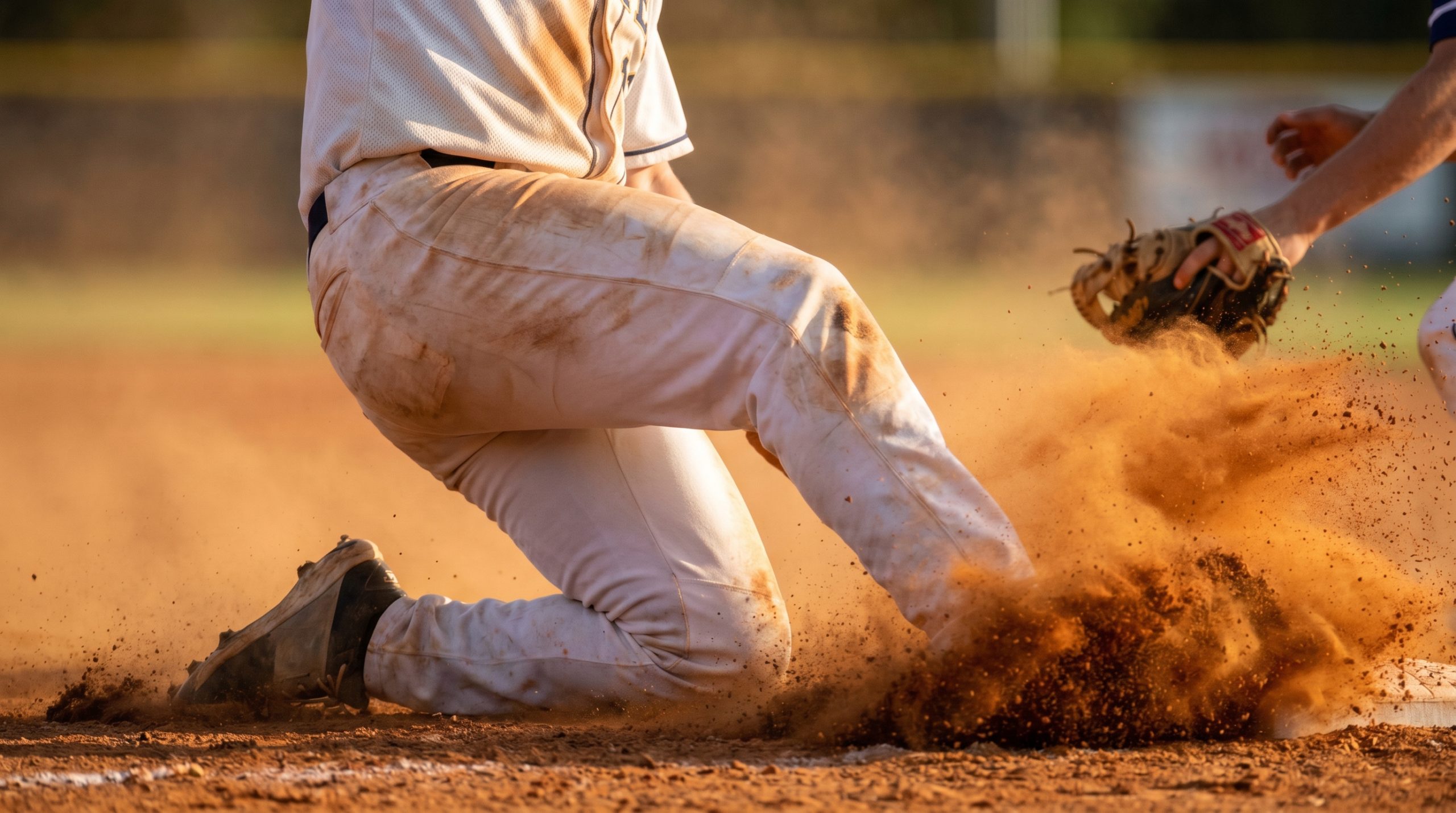
What is double knit fabric for baseball? It is a premium, dual-layered textile constructed using two interlocking needle beds to offer unmatched structural density, opacity, and durability. For B2B athletic brands, thin single-knit fabrics frequently tear at the seams and turn translucent under bright stadium lights. This structural failure leads to frustrated team managers, poor performance, and a high volume of costly garment returns. Transitioning your production to a high-density what is double knit fabric for baseball solution secures robust material integrity that protects your brand’s reputation.
What is double knit fabric for baseball?
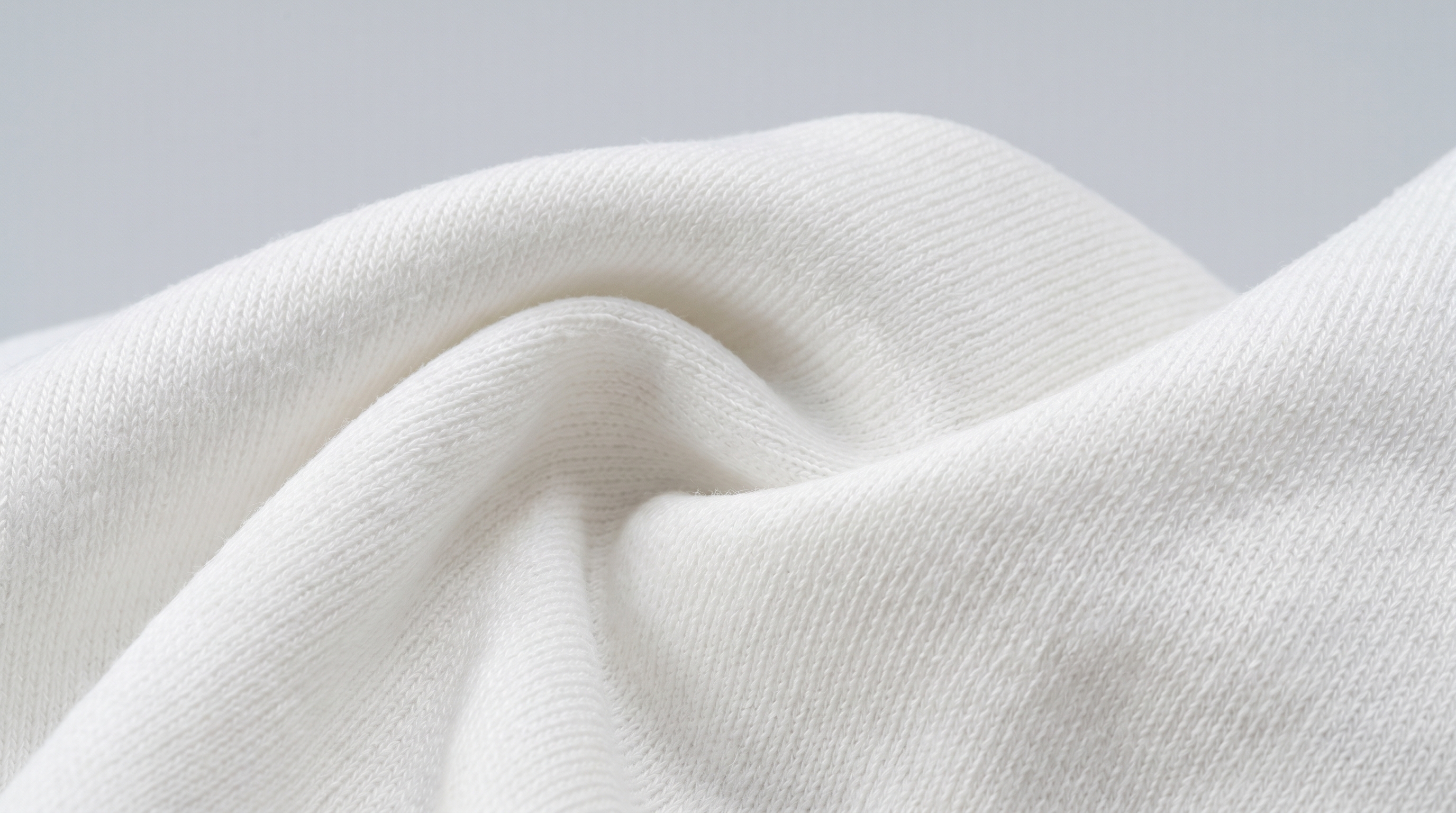
Double knit fabric for baseball is a thick, dual-face knitted textile engineered on specialized circular machines to provide maximum opacity and durability for diamond sports. If your development team is asking what is double knit fabric for baseball , they are looking for a material that has two identical, smooth sides.
This structural design eliminates the traditional rough back side typical of standard knits. The result is a heavy, professional-grade drape that moves naturally with athletes while holding a clean, tailored silhouette.
Why are two needle beds used?
Traditional circular machines use a single needle bed to knit lightweight jersey fabrics. In contrast, double-knit machines use two needle beds aligned perpendicularly to interloop two yarns simultaneously.
Here is the thing:
This advanced configuration creates a double-layered structure that locks fibers tightly together. The final product is twice as thick and significantly stronger than a single-knit option.
How does it eliminate transparency?
Players demand white uniforms that remain 100% opaque under intense stadium lighting and heavy rain. Cheaper single-knit fabrics quickly turn translucent, exposing sliding shorts and undergarments to the crowd.
- Dual-face construction blocks light transmission completely.
- Heavyweight fiber distribution ensures uniform color density.
- Dense loop interlocking prevents the fabric from stretching thin.
Key Takeaway: Specifying a dual-needle interlock structure guarantees absolute visual opacity and professional-grade performance on the field.
| Fabric Construction | Number of Face Sides | Light Opacity Rating | Dimensional Stability | |
|---|---|---|---|---|
| Single Knit Jersey | One Face | Moderate (85%) | Low (Prone to curling) | |
| Double Knit Interlock | Two Faces | Exceptional (100%) | High (Stays completely flat) |
Selecting a double-knit layout ensures your custom athletic apparel remains opaque under high stretch and heavy wear.
Why does elite athletic apparel require double knit?
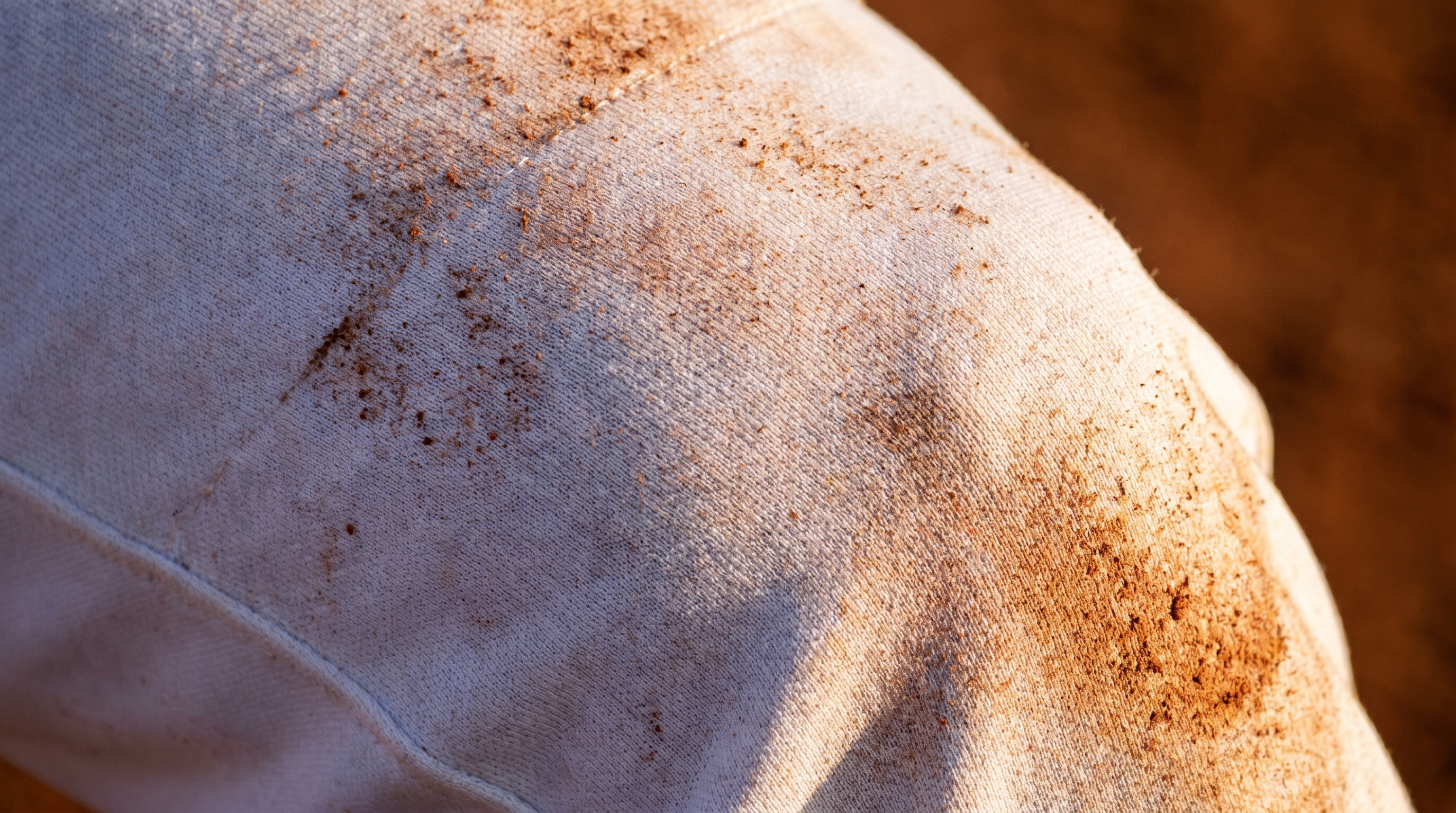
Elite athletic apparel requires double knit because its robust structural thickness withstands heavy friction and high-stress pulling without tearing. Sourcing managers must understand what is double knit fabric for baseball to select the right weight class for professional contact sports.
Standard single-knit fabrics quickly break down under sliding forces and continuous equipment friction. Investing in high-performance knitted options ensures your garments retain their professional look throughout an active season.
How does weight affect performance?
The weight of athletic textiles determines how well a garment handles mechanical stress on the field. Heavyweight fabrics offer superior protection and structure, while lightweight versions prioritize pure breathability.
Let’s face it:
Choosing the wrong weight class will cause jerseys to sag or tear prematurely during intense competition.
Why is structural memory vital?
Athletes stretch, bend, and lunge constantly, putting immense pressure on uniform seams and knees. Double-knit constructions possess excellent structural memory, snapping back to their original shapes after every play.
- Prevents bagging at the elbows and knees.
- Holds a sharp, tailored look over dozens of wash cycles.
- Distributes diagonal tension evenly across the fabric face.
Key Takeaway: Prioritizing high-weight double knits ensures uniforms maintain their shape and look sharp throughout a demanding championship season.
| Fabric Weight Class | Target Weight (GSM) | Structural Memory | Best Application Zone | |
|---|---|---|---|---|
| Lightweight Team | 150 – 180 GSM | Moderate | Warm-up tops and side panels | |
| Heavyweight Pro | 220 – 270 GSM | Outstanding | Sliding pants and knee panels |
Matching the weight class directly to player impact zones minimizes uniform failures and reduces yearly replacement costs.
How does this fabric survive aggressive sliding?
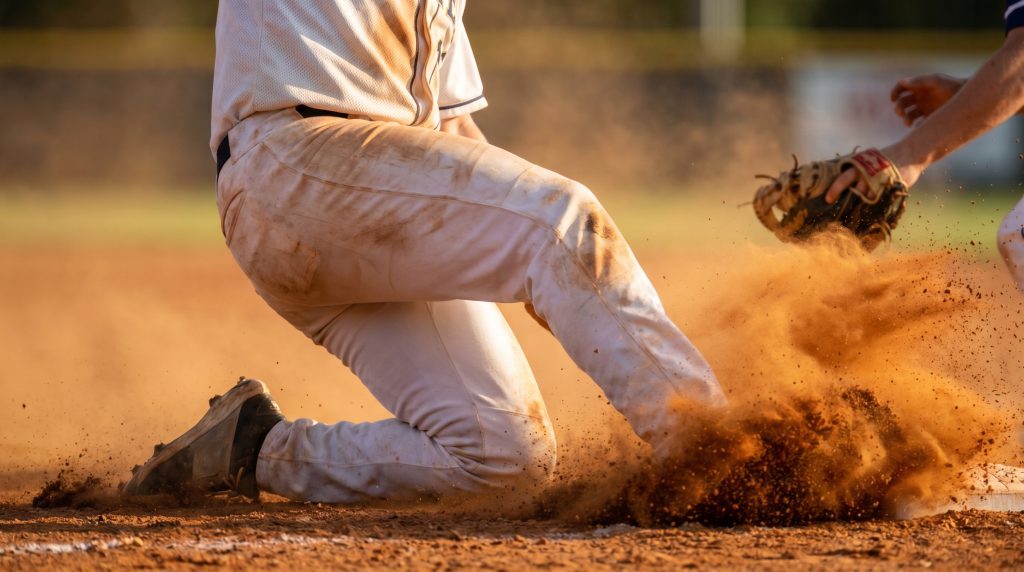
This fabric survives aggressive sliding by using tightly interlocked, continuous long-filament polyester fibers that absorb high-friction loads. When evaluating what is double knit fabric for baseball , product developers focus heavily on this high abrasion resistance.
During high-speed slides, uniform legs experience intense abrasive heat and friction against dirt or turf. A robust performance knitted sports fabric prevents this friction from melting or tearing the garment.
How is sliding heat managed?
Friction against hard infield dirt can generate localized heat that melts cheap synthetic fibers instantly. Double-knit structures distribute this thermal energy across a dense loop matrix, protecting both the player and the fabric.
And the best part?
This heat dissipation prevents the fabric from thinning out or forming slick, shiny worn spots.
Why does pilling resistance matter?
Frequent contact with dirt and equipment often causes short-staple fibers to fray and form fuzzy pills. Pro-grade long-filament polyester resists this friction, maintaining a smooth, professional hand-feel.
- Eliminates surface fuzzy build-ups after rough slides.
- Preserves sharp, high-contrast sublimation graphics.
- Maintains a comfortable, scratch-free inner texture.
Key Takeaway: Long-filament polyester construction ensures sliding pants survive aggressive play while keeping a clean, premium surface texture.
| Fiber Type | Martindale Wear Cycles | Surface Degradation | Heat Resistance | |
|---|---|---|---|---|
| Short-Staple Poly | 15,000 – 20,000 | High (Pilling) | Moderate | |
| Long-Filament Poly | ≥ 40,000 | None (Smooth) | High |
Choosing long-filament yarns prevents rapid surface wear and ensures your printed logos remain perfectly crisp.
What are the primary technical specifications?
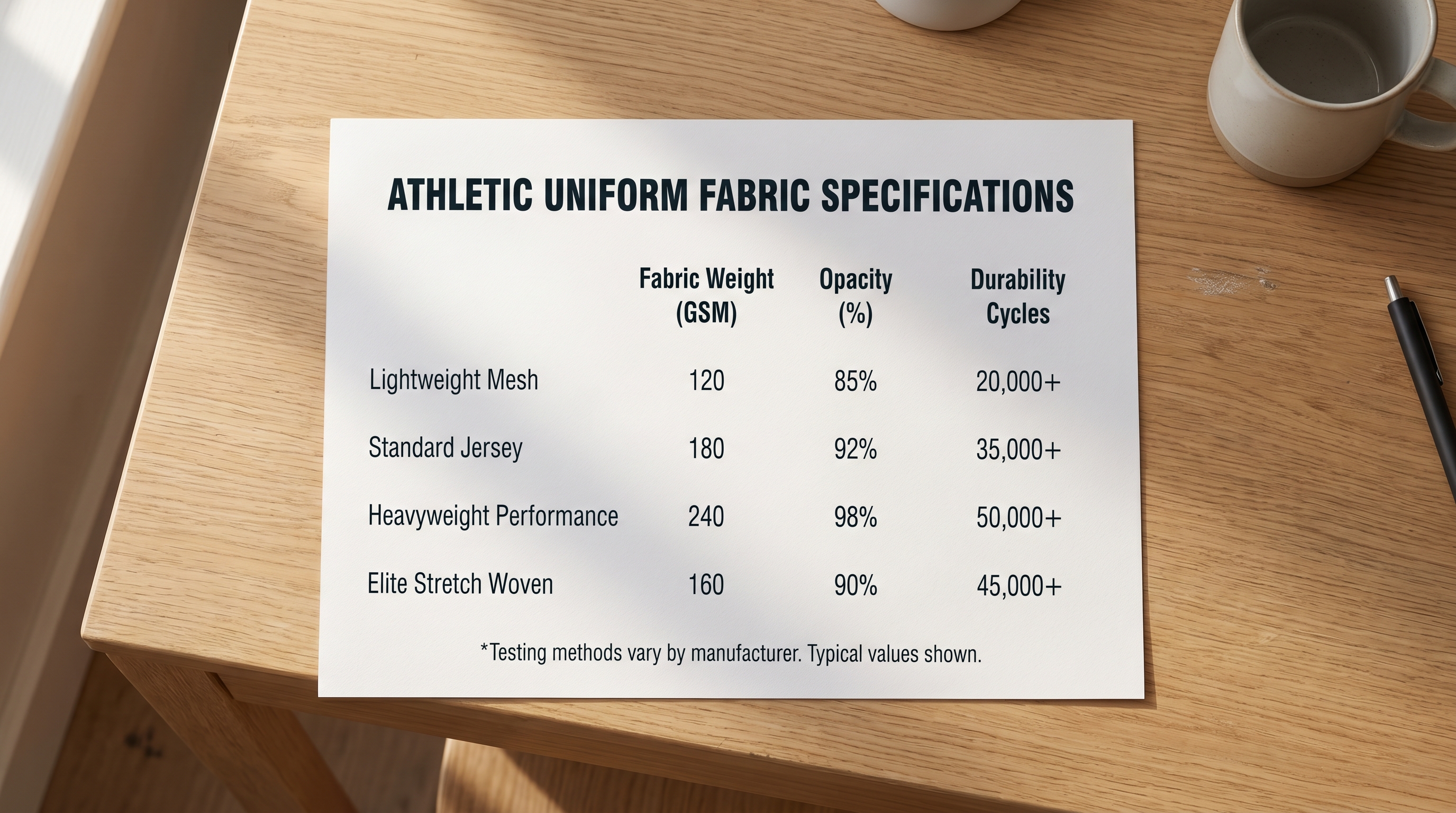
The primary technical specifications of high-performance double knit include weights of 150 to 270 GSM, high tensile strength, and elite abrasion tolerance. Sourcing managers must look beyond basic terms to appreciate what is double knit fabric for baseball at a molecular level.
These objective lab metrics ensure that the material complies with rigorous international athletic standards. Testing with standardized methods guarantees that every yard of fabric delivered to your factory will perform consistently on the field.
Why are ASTM standards critical?
B2B apparel brands cannot rely on supplier claims alone when buying bulk textiles. Standardized testing provides objective, verified data regarding tensile strength, burst resistance, and colorfastness.
- ASTM D3776: Verifies exact fabric weight in grams per square meter.
- ASTM D5034: Tests grab strength to prevent seam tearing.
- ASTM D4966: Measures Martindale abrasion resistance over thousands of cycles.
What is the grab test?
The grab test measures the maximum force a fabric can withstand before experiencing a catastrophic structural tear. High-end double-knit fabrics require a minimum of 180 pounds of force to pass.
Here is the kicker:
A high grab test rating means uniforms can withstand intense physical tackling, pulling, and lunging without seam failures.
Key Takeaway: Demanding certified ASTM test reports protects your brand from manufacturing defects and ensures long-term field durability.
| Performance Test | Minimum Standard Required | Double Knit Result | Uniform Benefit | |
|---|---|---|---|---|
| Grab Strength (ASTM D5034) | 140 lbs force | ≥ 180 lbs force | Eradicates seam blowouts | |
| Abrasion (ASTM D4966) | 30,000 Cycles | ≥ 40,000 Cycles | Resists sliding friction |
Verifying these physical metrics before production guarantees your uniforms comply with elite collegiate and professional standards.
How does polyester manage heavy sweat and heat?
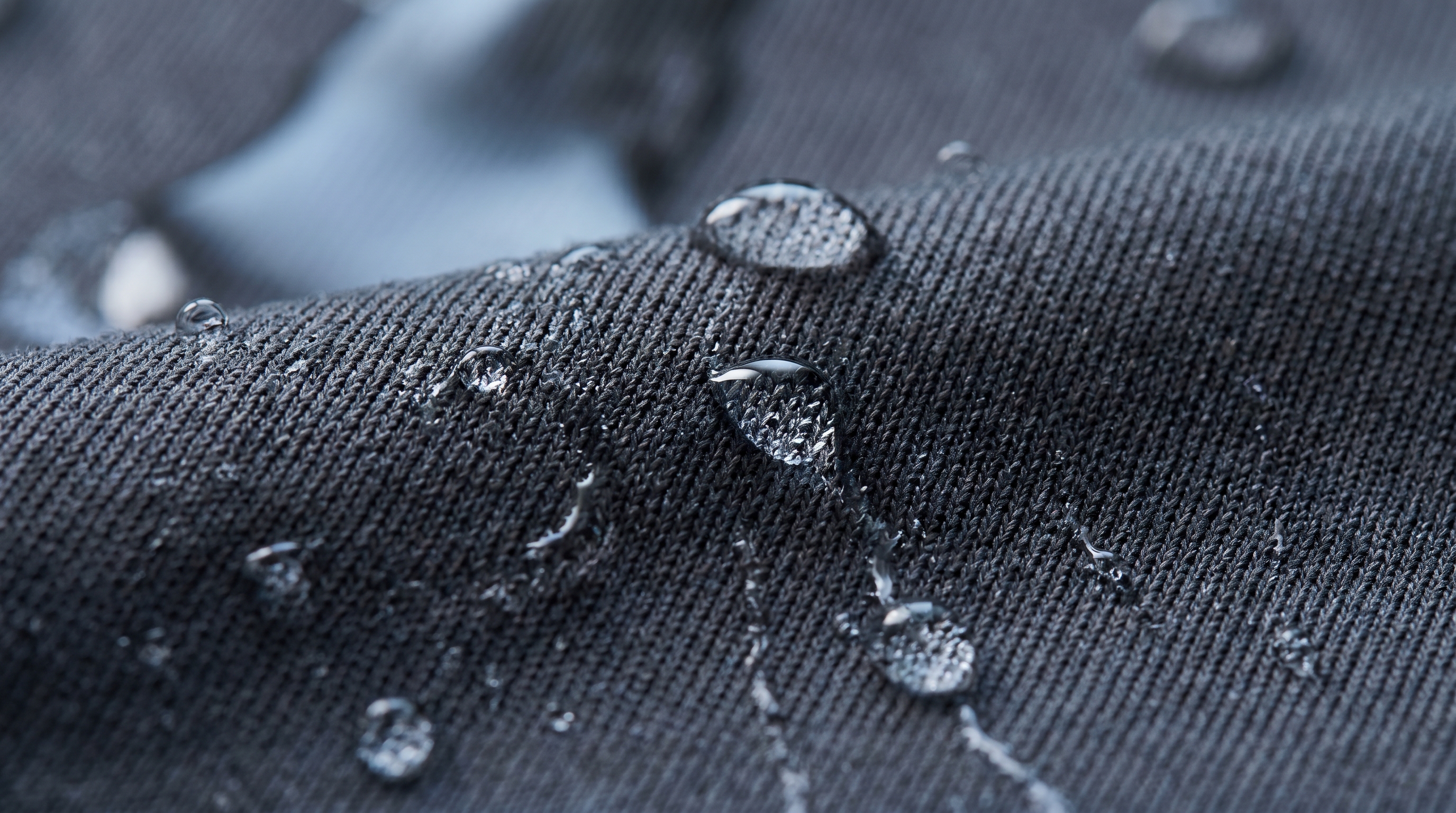
Polyester manages heavy sweat and heat through hydrophobic capillary channels that pull liquid away from the skin for rapid evaporation. This chemical and physical engineering is a key element of what is double knit fabric for baseball in hot climates.
Unlike cotton, which traps water and gains weight, high-performance polyester fibers reject moisture entirely. Modern athletic wear designers utilize our specialized activewear fabric range to build lightweight, fast-drying garments.
How does capillary action work?
Hydrophobic fibers naturally push liquid outward rather than absorbing it into their core. Specially shaped fiber channels create a microscopic capillary effect that draws moisture to the outer layer.
Here is the thing:
This capillary transport keeps the player’s skin dry and comfortable even during extreme physical exertion.
Why does drying speed matter?
A wet uniform increases in weight, saps player energy, and causes painful skin chafing during long games. Double-knit polyester dry times are up to 40% faster than cotton, ensuring optimal thermal regulation.
- Maintains a lightweight, dry feel all day.
- Prevents post-game body chills by drying quickly.
- Retains no lingering sweat odor due to low moisture retention.
Key Takeaway: Selecting quick-drying hydrophobic polyester keeps athletes light on their feet and protects against heavy sweat accumulation.
| Fabric Fiber | Moisture Absorption | Evaporation Time | Skin Chafing Risk | |
|---|---|---|---|---|
| Standard Cotton | Very High (12%) | 120+ Minutes | High (Stays wet) | |
| Hydrophobic Poly | Minimal (< 0.5%) | 30 – 45 Minutes | Minimal (Stays dry) |
Utilizing hydrophobic fibers keeps the inner garment surface completely dry, preventing heavy moisture weight gain.
Can double knit offer modern stretch and recovery?
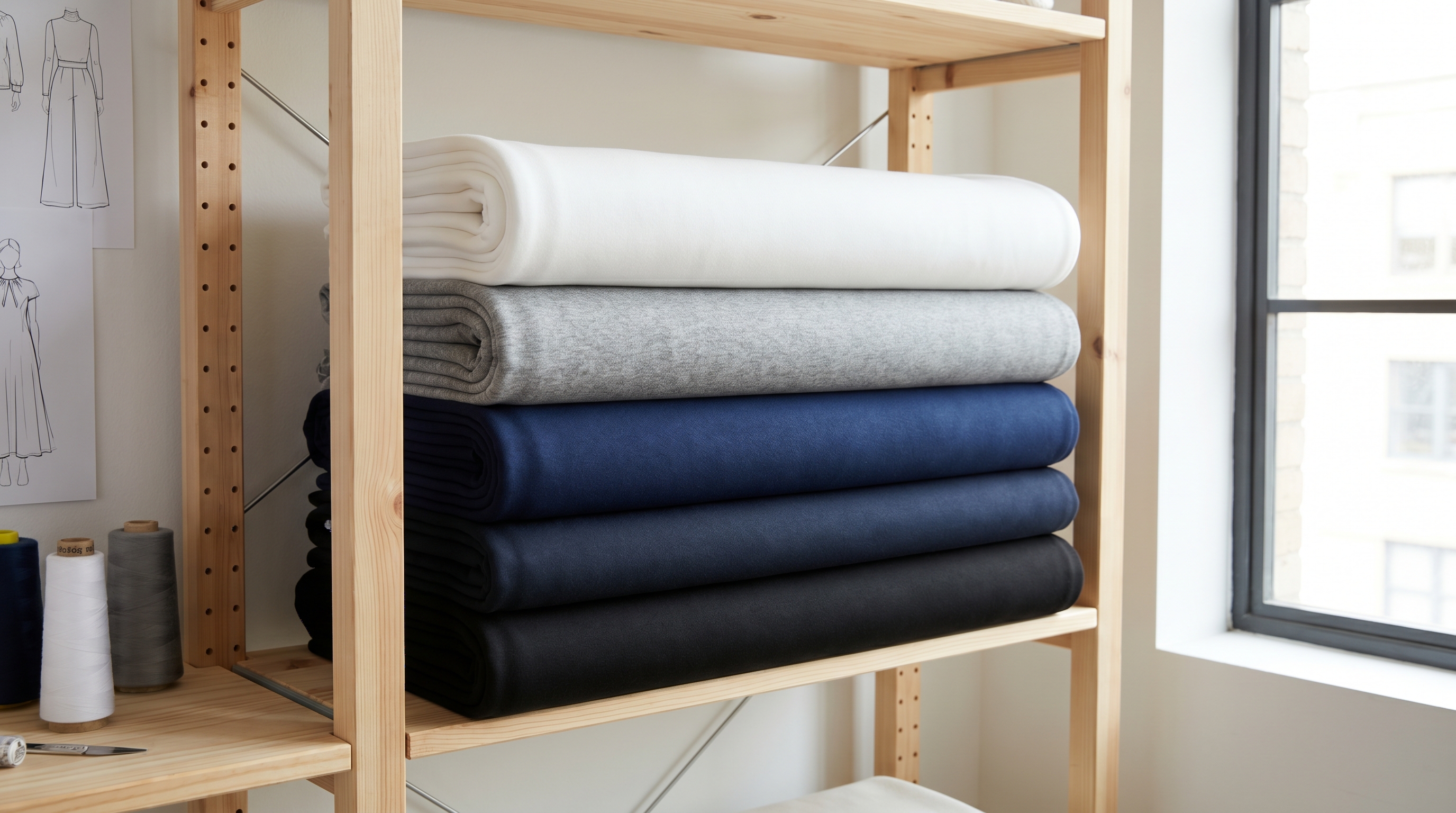
Yes, double knit offers excellent mechanical stretch naturally, which can be further enhanced with elastomeric spandex blends for premium compression. Understanding what is double knit fabric for baseball helps developers choose between natural mechanical elasticity and stretch-blend options.
Pure mechanical stretch relies on the geometry of the double-knit loops to allow comfortable movement without using degrade-prone spandex. For tighter fits, integrating spandex into the interlock structure unlocks highly responsive four-way stretch.
What is mechanical stretch?
Mechanical stretch is achieved entirely through the physical structure of the interlocked loops. This provides a stable, comfortable stretch while maintaining a thick, structured uniform shape.
And the best part?
This mechanical stretch will never degrade, break down, or lose its tension over hundreds of harsh washing cycles.
Why is spandex recovery crucial?
For tight-fitting base layers and compression gear, blending spandex provides up to 100% four-way stretch. Incorporating a specialized high-elasticity stretch fabric protects the garment from bagging out at stress points.
- Undergoes a 98% recovery rate back to original shape.
- Double knit structure shields delicate spandex from friction.
- Eliminates the white, shiny grin-through effect when stretched.
Key Takeaway: Blending spandex with a double-knit polyester shield preserves muscle compression while extending the garment’s elastic life.
| Stretch Type | Stretch Percentage | Shape Recovery | Best End-Use Fit | |
|---|---|---|---|---|
| Mechanical Poly | 5% – 12% | 100% (Permanent) | Loose-fit jerseys and warm-ups | |
| Elastomeric Blend | 80% – 100% | 98% (High tension) | Tight compression gear |
Choosing the right stretch mechanics ensures players experience unrestricted movement while maintaining a clean, structured appearance.
Why is it the ultimate choice for sublimation?
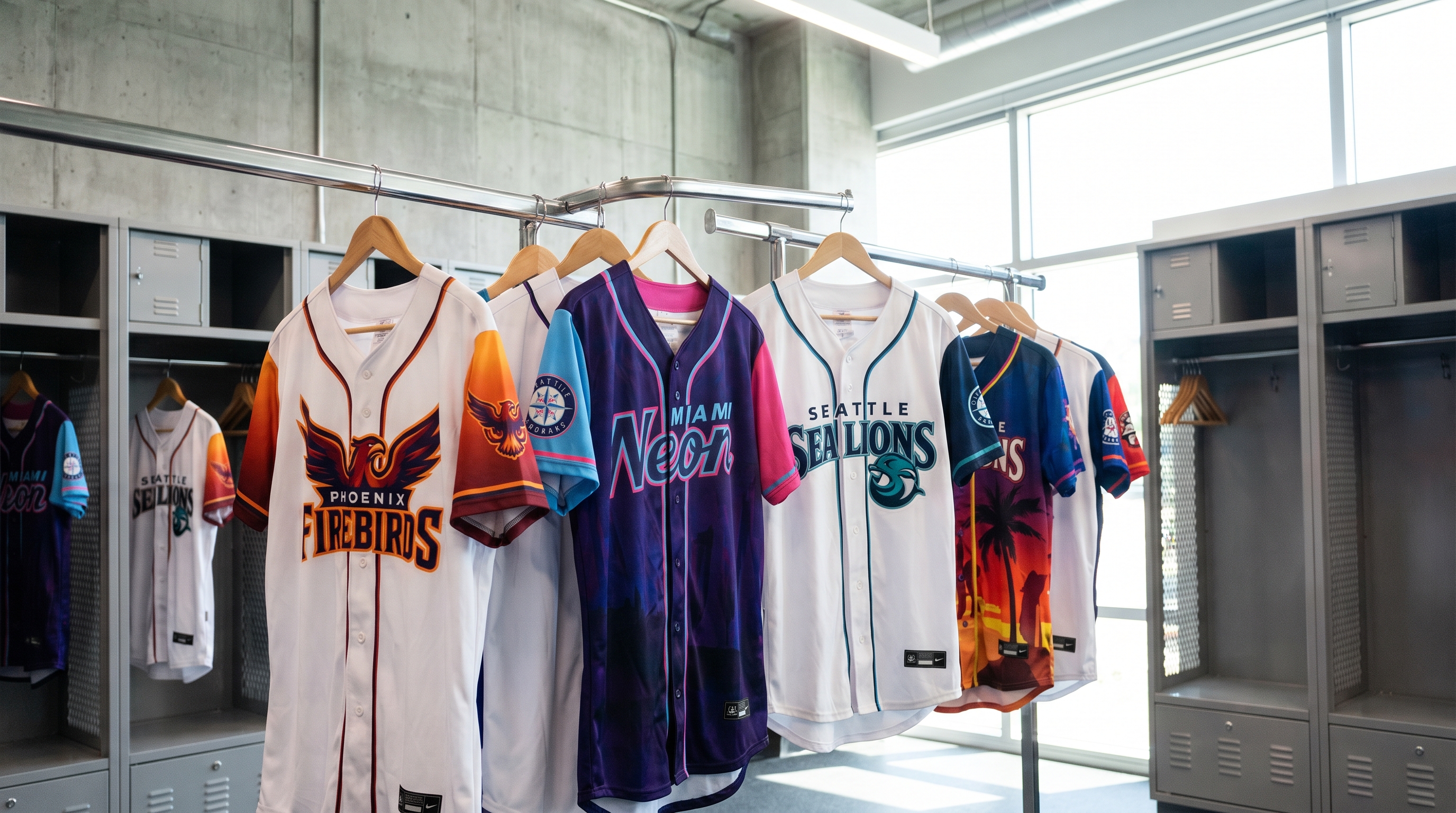
It is the ultimate choice for sublimation because its pure polyester fibers open their molecular pores under high heat to permanently lock in gaseous dye. When studying what is double knit fabric for baseball , you will discover that print durability is vital for customized team graphics.
Unlike traditional screen printing, which cracks and peels over time, sublimation bonds the ink directly into the fiber core. This ensures that vibrant team colors, player numbers, and sponsor logos remain permanent for the life of the garment.
How does molecular bonding work?
Sublimation presses apply temperatures around 400 degrees Fahrenheit, transforming solid ink directly into a gas. At this exact threshold, the synthetic polyester fibers expand and open their molecular pores.
Here is the kicker:
This molecular bonding means printed sections retain 100% of their original softness, stretch, and breathability.
Why is colorfastness guaranteed?
Because the dye becomes a physical part of the polyester fiber, it cannot wash out or bleed onto white panels. This chemical stability is essential for high-contrast designs and frequent hot commercial laundering.
- White panels stay bright and clean alongside deep team colors.
- Maintains 100% of the fabric’s original airflow and stretch.
- Your designs will never fade, peel, or crack on the field.
Key Takeaway: Pure polyester substrates guarantee brilliant, permanent print replication that never compromises the fabric’s breathability.
| Printing Technology | Graphic Lifespan | Fabric Breathability | Washing Color Bleed Risk | |
|---|---|---|---|---|
| Screen Printing | Low (Cracks/peels) | Reduced (Blocked pores) | Low | |
| Dye Sublimation | Permanent | 100% Retained | Zero Bleeding |
Utilizing sublimation-compatible double-knit fabrics ensures your customized jerseys retain a premium, soft feel with zero graphic degradation.
How does this construction speed up production?
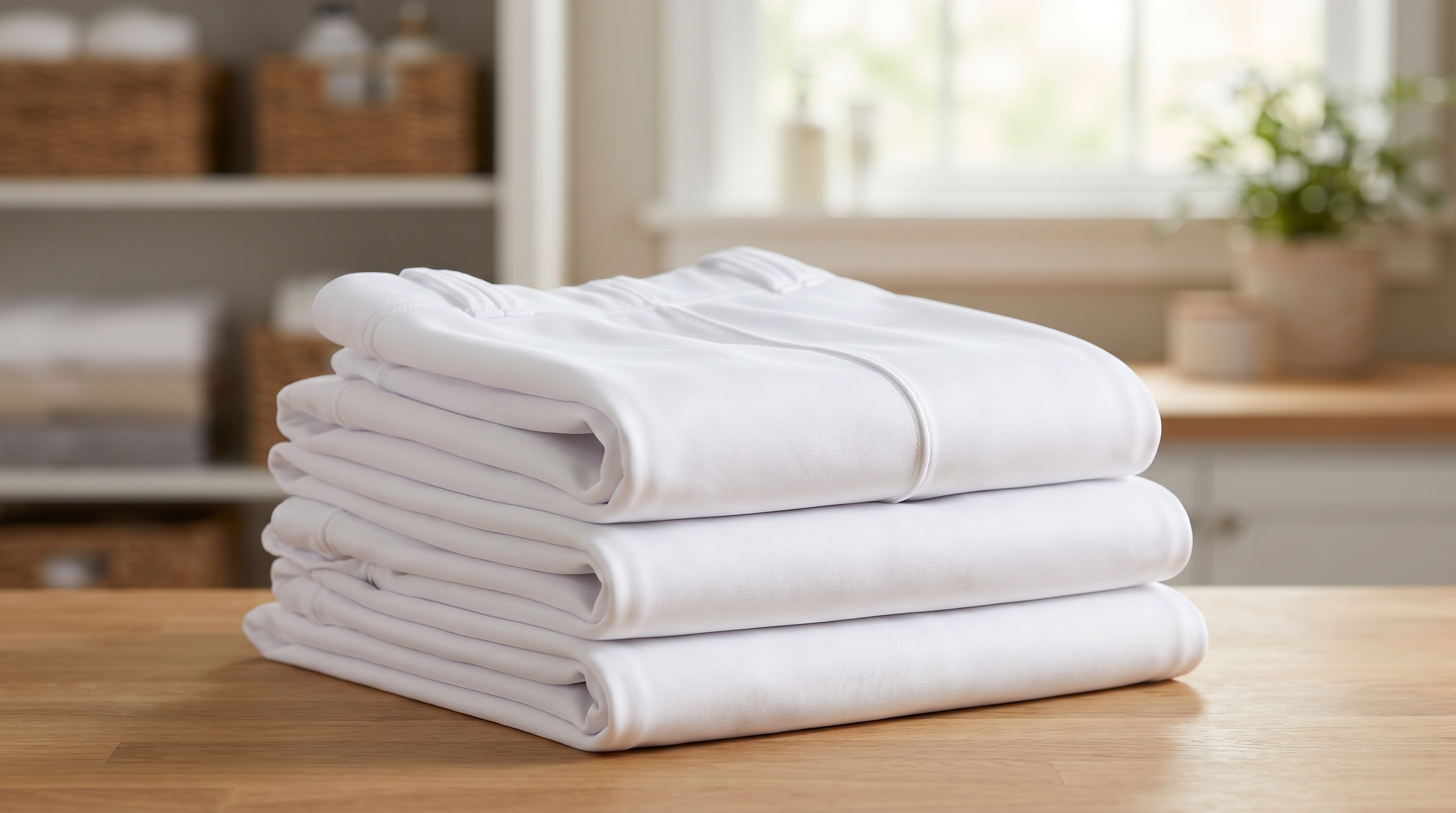
This construction speeds up production by naturally resisting edge curling, which allows high-speed automatic cutters and sewing lines to run continuously. Manufacturers need to understand what is double knit fabric for baseball to optimize their cutting room efficiency and reduce labor costs.
Single-knit fabrics are notorious for curling at the edges, requiring workers to pin, iron, or slow down production feeds. Double-knit interlock fabric lays completely flat, allowing seamstresses to achieve higher precision in less time.
Why does non-curl fabric save time?
When edges curl, sewing machine guides often jam, causing uneven seams and stitching defects. Flat-laying double knit feeds smoothly through folder attachments and high-speed overlock machines.
Let’s face it:
In high-volume B2B manufacturing, every second saved per garment significantly boosts your factory’s daily output.
How are factory defects reduced?
Misaligned seams and twisted panels are the primary reasons athletic garments are rejected during final quality control checks. Balanced double knits neutralize internal tension, keeping panels perfectly aligned during assembly.
- Cuts down on cutting table waste and errors.
- Eliminates the need for tedious manual edge pinning.
- Lowers factory scrap rates to less than three percent.
Key Takeaway: Selecting a flat-laying double-knit interlock maximizes factory throughput and minimizes costly manufacturing scrap.
| Fabric Type | Edge Curling Risk | Automatic Cutting Fit | Factory Scrap Rate | |
|---|---|---|---|---|
| Single Knit Jersey | Very High | Poor (Edges curl up) | 8% – 12% | |
| Double Knit Interlock | Zero | Excellent (Lays flat) | < 3% |
Ensuring your production uses non-curl interlock fabrics reduces labor hours and keeps bulk manufacturing schedules on target.
What are the sustainable sourcing opportunities?
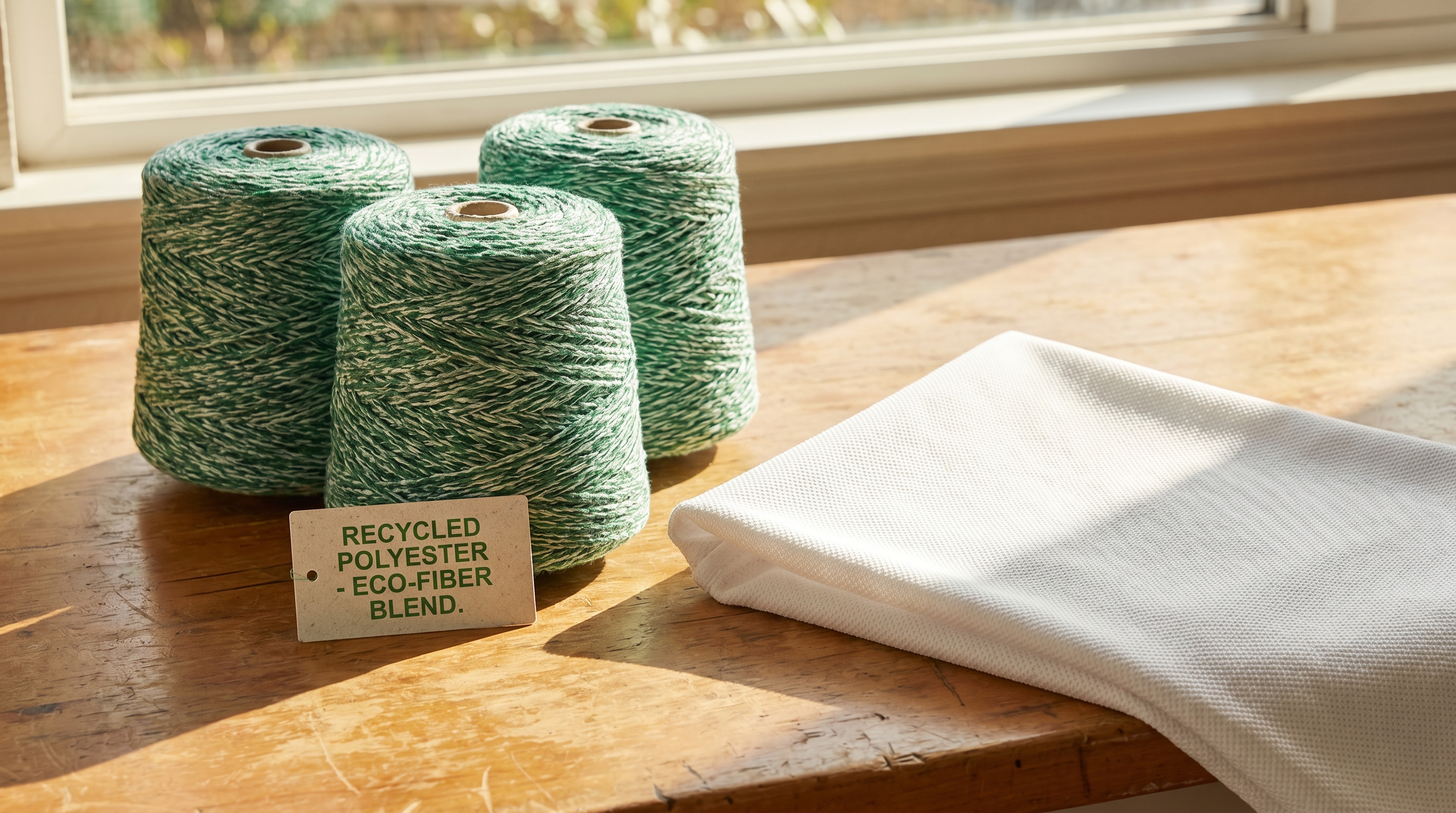
Sustainable sourcing opportunities include Global Recycled Standard (GRS) certified polyester, which delivers the exact same physical performance as virgin fibers. Exploring what is double knit fabric for baseball reveals that sustainability is becoming a major requirement for modern sports leagues.
Recycled polyester is manufactured from post-consumer plastic bottles and reclaimed ocean plastics. This eco-friendly alternative helps you capture high-margin corporate markets and appeal to environmentally conscious B2B buyers.
What is GRS certification?
The Global Recycled Standard verifies the recycled content, social and environmental practices, and chemical restrictions used during production. It provides buyers with transparent proof that the material is genuinely sustainable.
- Traceability: Tracks recycled materials from source to final fabric.
- Chemical Safety: Guarantees zero harmful processing toxins are used.
- Performance Parity: Ensures identical stretch, strength, and print quality.
Why select recycled over virgin?
Recycled polyester uses up to 50% less energy to manufacture compared to traditional virgin petroleum-based polyester. It allows team outfitters to promote high-performance, carbon-neutral apparel options.
And the best part?
Modern extrusion technology ensures that recycled fibers have identical dye absorption and tensile strength as virgin options.
Key Takeaway: Adopting GRS-certified recycled polyester double knits satisfies strict green mandates without compromising on-field durability.
| Material Type | GRS Certified | Carbon Footprint | Print & Tensile Quality | |
|---|---|---|---|---|
| Virgin Polyester | No | High | Exceptional | |
| Recycled Polyester | Yes | Low (Reduced by 50%) | Exceptional (Identical) |
Sourcing GRS-certified materials allows your apparel line to meet corporate sustainability goals while delivering professional-grade performance.
How do you choose the right wholesale supplier?
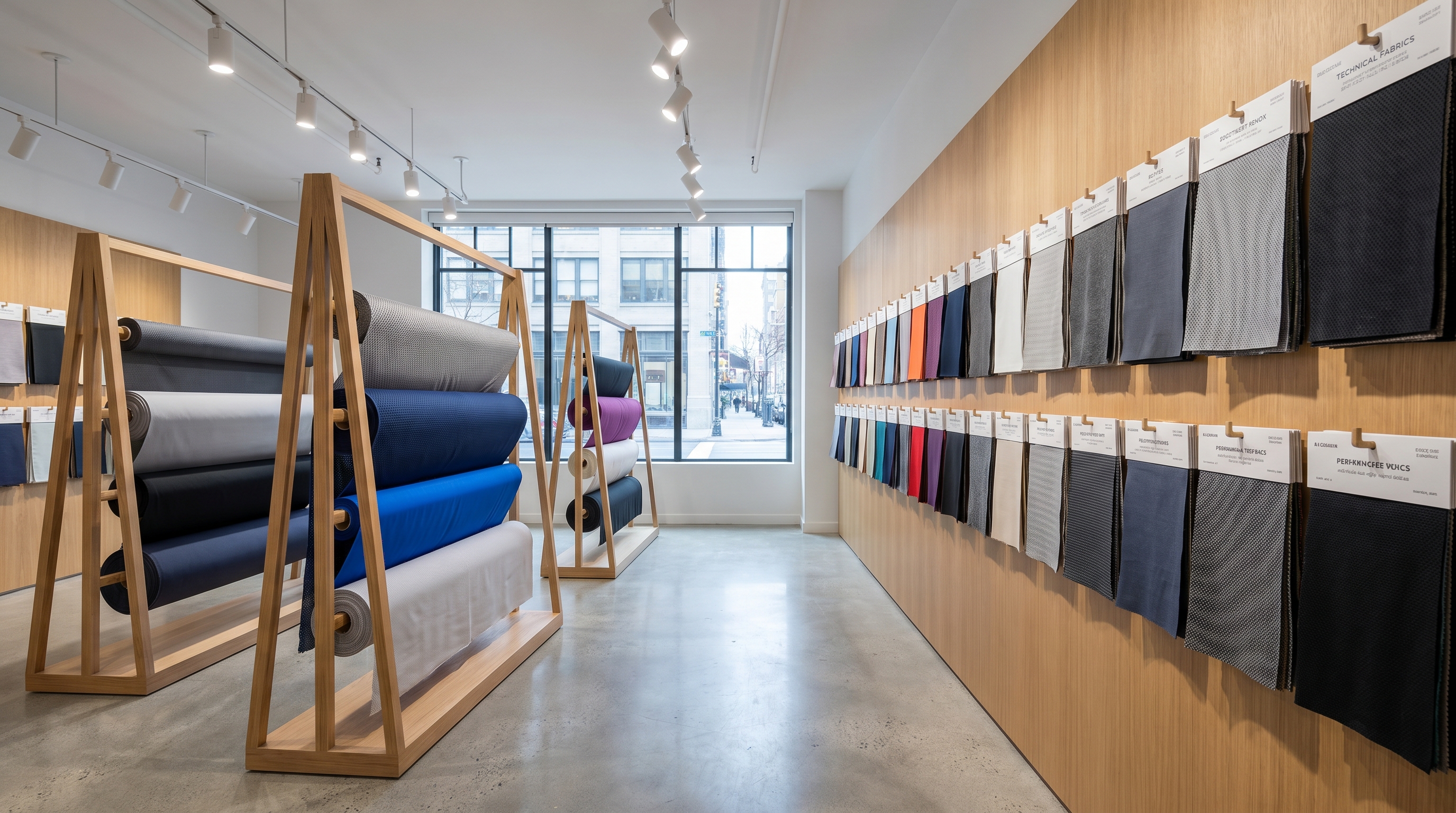
Choosing the right wholesale supplier requires verifying lab certifications, color matching capabilities, and flexible minimum order quantities (MOQs). To secure your supply chain, understanding what is double knit fabric for baseball ensures you ask the right technical questions.
A reliable partner will provide consistent dye lot matching and transparent communication throughout the production process. To optimize ventilation in high-sweat uniform zones, you can also explore integrating a high-performance mesh team sports fabric into your orders.
Why are sample packs essential?
Never commit to large-scale bulk orders based on online images or digital spec sheets alone. Physical fabric sample packs allow your design team to evaluate hand-feel, true color matching, and real-world stretch.
Here is the kicker:
Evaluating physical samples under different light sources prevents costly color mismatch errors before manufacturing begins.
How to verify lab compliance?
Ask your potential supplier to provide up-to-date, third-party lab testing certificates for every fabric category. Certified testing ensures you are receiving genuine high-performance polyester rather than cheap, low-grade blends.
- Confirms ASTM ratings for stretch and grab strength.
- Verifies colorfastness under harsh UV and washing tests.
- Guarantees consistent GSM weight distribution across all rolls.
Key Takeaway: Partnering with a certified, transparent textile mill minimizes manufacturing delays and secures consistent quality for your brand.
| Supplier Evaluation | Red Flags to Avoid | Gold Standard Performance | |
|---|---|---|---|
| Lab Testing | Unverified verbal claims | Provides third-party ASTM test certificates | |
| Color Consistency | High variance between dye lots | Strict color matching standards (ΔE<1.0) |
Selecting a supplier that provides verified physical testing and strict color controls ensures your brand delivers reliable excellence season after season.
Conclusion
By sourcing premium double-knit fabrics, you eliminate the issues of flimsy, translucent, and easily torn sports uniforms that frustrate players and trigger costly returns. We offer certified premium double-knit fabrics engineered to deliver ultimate on-field durability, outstanding opacity, and advanced capillary moisture management for elite sports brands. Ready to elevate your team-wear collection with custom weights, functional quick-dry finishes, or eco-friendly GRS recycled options? To request a free custom fabric swatch kit tailored to your brand’s performance needs, contact us today to start your sourcing journey.
Frequently Asked Questions
Can I sublimate directly onto high-density double knit polyester?
Yes, absolutely. Pure polyester double knit is the industry-standard substrate for dye sublimation printing because it easily withstands high heat (400°F) and opens its molecular pores to permanently trap dye particles, ensuring vibrant designs that never peel.
What’s the best fabric weight to choose for professional-grade baseball pants?
Choose a heavyweight option between 220 and 270 GSM. This substantial weight guarantees absolute opacity under bright lights, provides high tensile strength, and easily survives high-velocity sliding friction on rough infield clay.
How do I know if my uniform line requires mechanical stretch or spandex?
Analyze your garment fit requirements. Pure mechanical stretch polyester is perfect for loose, structured traditional jerseys and pants, whereas poly-spandex blends are required if your design demands tight muscle compression and high-elasticity recovery.
Can I source eco-friendly recycled double-knit fabrics for sports leagues?
Yes, you certainly can. Certified Global Recycled Standard (GRS) recycled polyester double knits are widely available and deliver the exact same durability, print quality, and moisture management performance as traditional virgin synthetic fibers.
How do I know if a fabric is a genuine double knit or single knit?
Inspect the edges of the fabric after cutting. Genuine double-knit interlocks lay completely flat without edge curling because their dual-needle structure balances internal tension, whereas single knits will curl up tightly immediately.