
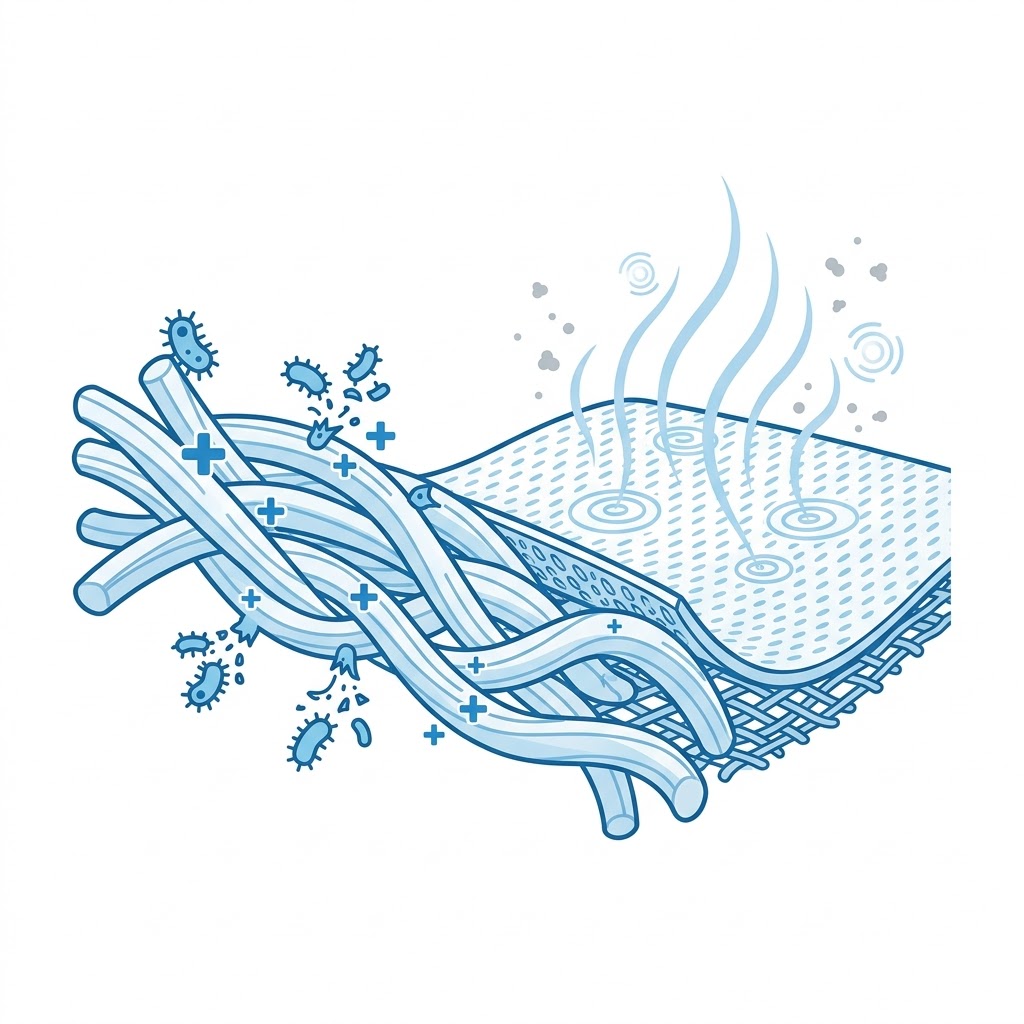
ProblemThe importance of anti-odor technology in activewear lies in its ability to neutralize the “perma-stink” caused by microbial growth on synthetic fibers. Modern performance apparel often utilizes polyester and nylon, which are excellent for moisture management but unfortunately provide the perfect environment for bacteria to flourish. When your customers finish an intense session, these microbes remain trapped in the fibers, creating a lingering smell that often survives traditional laundering.
AgitationFor B2B sportswear brands, this issue transcends simple hygiene; it directly impacts your brand equity and customer retention rates. High-performance gear that develops a permanent odor leads to negative reviews, increased returns, and a shorter product lifecycle as frustrated consumers discard the items prematurely. Furthermore, the frequent, high-heat washing required to attempt odor removal accelerates fabric degradation and increases the environmental footprint of your product line.
SolutionImplementing high-grade anti-bacterial athletic fabric provides a scientific solution that addresses odor at the source rather than masking it. By treating textiles with advanced silver-ion or bio-based antimicrobial finishes, you can stop bacteria from colonizing the garment. This proactive approach ensures the apparel stays fresh longer, enhances user confidence, and supports a more sustainable “wear more, wash less” lifestyle for the modern athlete.
Why choose anti-bacterial athletic fabric for performance?
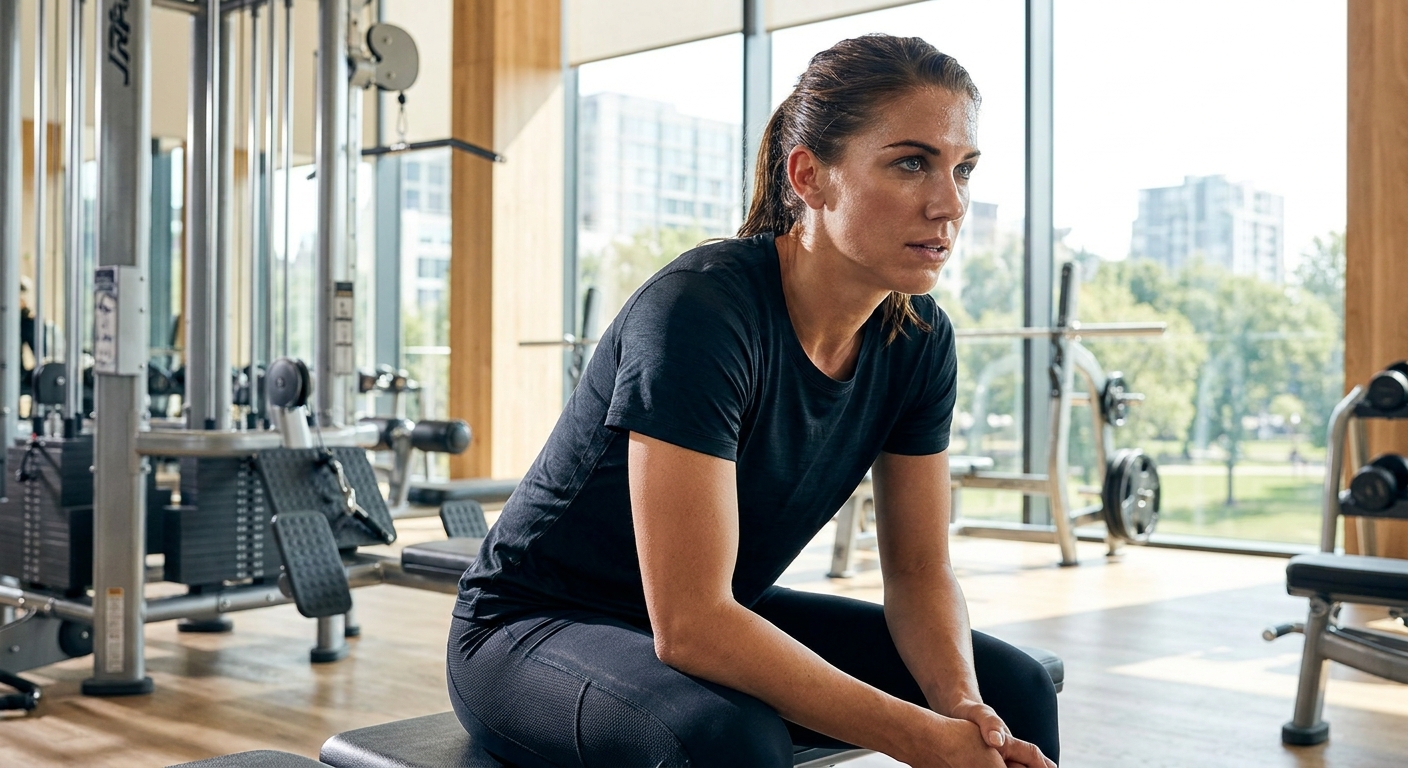
Choosing this material is essential because it allows athletes to maintain peak hygiene and comfort during prolonged, high-intensity training sessions. By incorporating anti-bacterial athletic fabric into your collection, you provide a clear performance advantage that standard synthetic textiles simply cannot match. This technology ensures that the garment remains fresh from the first minute of a workout to the very last.
Meeting the high demands of modern athletes
Athletes today expect their gear to handle more than just sweat; they demand consistent freshness and skin health. When you choose specialized materials, you are investing in the athlete’s long-term comfort and the product’s functional reliability.
Here is why:
- Reduced bacterial colonization during long workouts.
- Enhanced moisture management combined with microbial control.
- Longer intervals of freshness between wash cycles.
And that’s not all…
Does freshness impact psychological performance?
There is a profound psychological benefit to wearing fresh gear that does not distract the wearer with unpleasant smells. Professional-grade textiles allow athletes to focus entirely on their form and intensity without the self-consciousness associated with body odor in communal gym spaces.
Key TakeawayIntegrating antimicrobial properties into performance lines transforms a basic utility garment into a high-value asset that supports both the physical and psychological needs of the athlete.
| Feature | Performance Benefit | |
|---|---|---|
| Microbial Inhibition | Eliminates distractions caused by odor | |
| Hygiene Maintenance | Keeps gear fresher during multi-day events | |
| User Confidence | Enhances brand perception in social fitness settings |
The following data highlights how technical finishes interact with the textile structure to preserve freshness.
How does anti-bacterial athletic fabric stop garment odor?
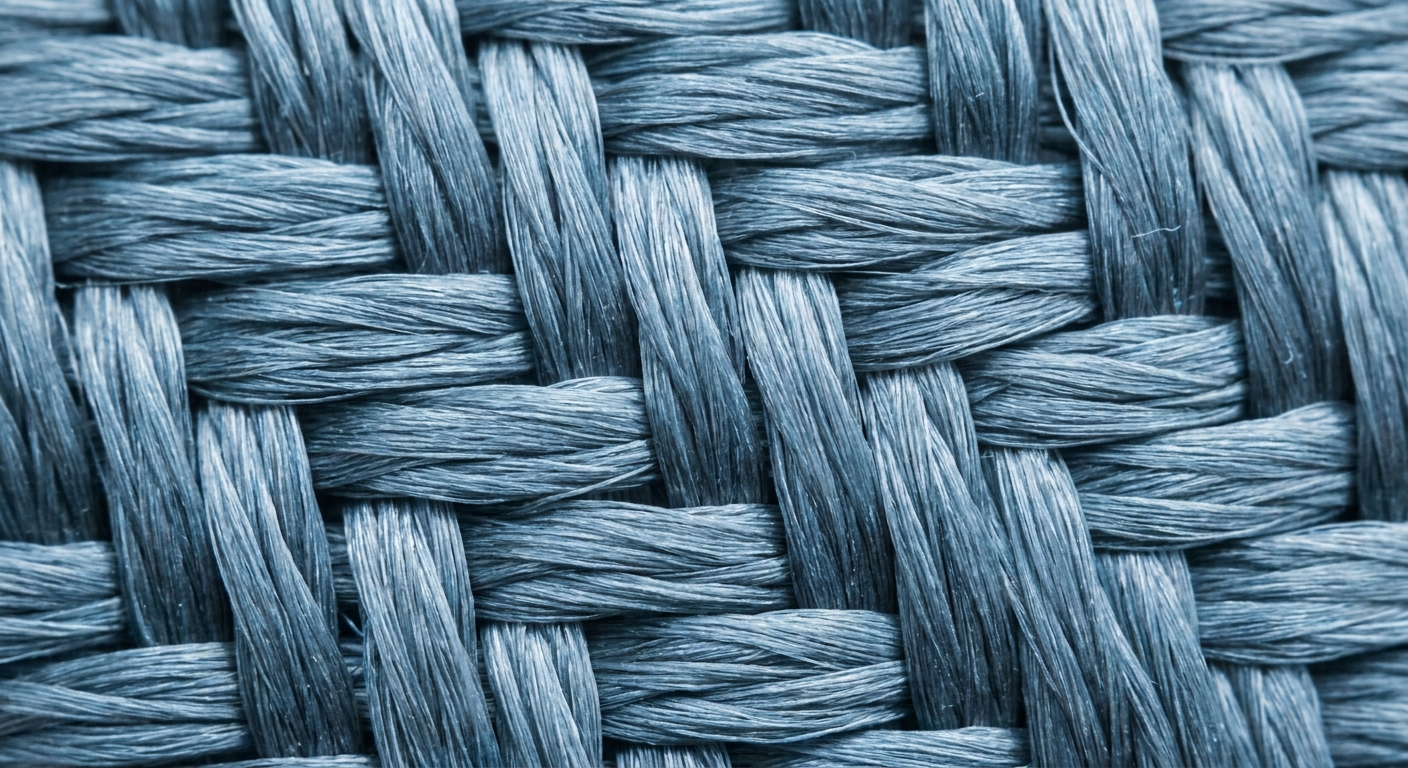
This technology stops odor by physically disrupting the cellular metabolism of the bacteria that feed on the proteins in human sweat. An anti-bacterial athletic fabric prevents these microbes from multiplying and releasing the malodorous gases typically associated with dirty laundry. Instead of using fragrances to hide smells, this scientific approach ensures the textile remains inherently clean at a microscopic level.
Disrupting the lifecycle of odor-causing microbes
Bacteria thrive on the lipids and proteins found in perspiration, but antimicrobial treatments render the fabric surface uninhabitable for them. Most advanced treatments utilize silver ions or plant-based extracts that puncture the cell walls of the bacteria upon contact.
Think about this:
- Silver ions actively inhibit bacterial DNA replication.
- The treatment remains wash-fast for the life of the garment.
- It provides 24/7 protection against microbial colonization.
The secret is simple:
Capturing environmental odors in technical textiles
Beyond just sweat, activewear often picks up ambient odors from the gym or outdoor pollutants. Some high-end finishes are engineered to trap and neutralize these volatile organic compounds before they can settle into the yarn.
Key TakeawayAnti-odor technology provides a permanent, scientific barrier by targeting the metabolic roots of smell, offering a level of freshness that standard detergents cannot achieve.
| Mechanism | Method of Action | |
|---|---|---|
| Cellular Disruption | Inhibits bacterial DNA and energy production | |
| Odor Capture | Traps and neutralizes ambient malodorous molecules | |
| Silver Ion Release | Provides continuous protection throughout the wear cycle |
Understanding the mechanism reveals why treated fibers outperform standard yarns in laboratory growth tests.
Is anti-bacterial athletic fabric better than untreated yarn?
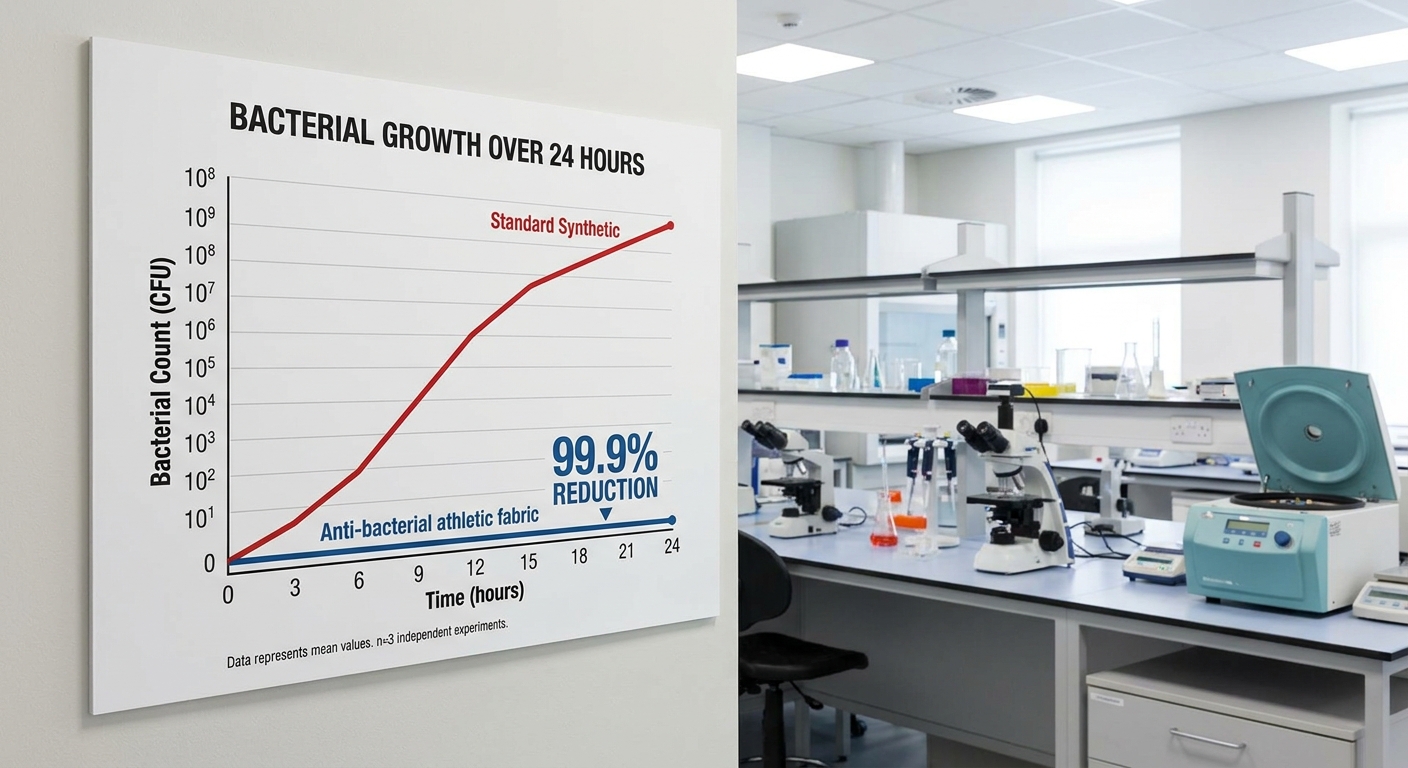
Treated fabrics are significantly better because they demonstrate a 99.9% reduction in bacterial growth compared to standard polyester over a 24-hour period. When you use anti-bacterial athletic fabric in your production, you are preventing the formation of a “biofilm” that typically causes permanent scent buildup. Untreated yarns allow bacteria to burrow deep into the fiber core where household washing machines cannot reach them.
Comparing bacterial growth in standard synthetics
Untreated synthetic fibers are naturally hydrophobic, which causes them to trap body oils and organic matter. This creates a food source for microbes, leading to exponential growth that occurs within hours of the first drop of sweat.
Let’s look at the facts:
- Standard polyester can harbor millions of bacteria after one session.
- Treated fabrics keep microbial counts near zero.
- Unprotected yarns experience rapid fiber degradation over time.
It gets even better:
Why do untreated fabrics develop a permanent smell?
The phenomenon known as “perma-stink” occurs because bacteria produce sticky secretions that bond to the synthetic polymers. These residues are often resistant to low-temperature washes, meaning the odor returns as soon as the fabric is rewarmed by the body.
Key TakeawayTreated textiles outperform untreated alternatives by ensuring the garment maintains a “like-new” scent profile throughout its entire functional lifespan, preventing permanent odor retention.
| Fabric State | Bacterial Growth | Scent Retention | |
|---|---|---|---|
| Untreated Synthetic | High / Exponential | Persistent (Perma-stink) | |
| Anti-Bacterial Fabric | Negligible / Controlled | Minimal to None |
This superior performance translates directly into measurable business benefits for established sportswear brands.
Does anti-bacterial athletic fabric enhance brand loyalty?

Implementing this technology enhances brand loyalty by ensuring your customers associate your products with long-term reliability and premium quality. Using anti-bacterial athletic fabric means your gear will not fail the “sniff test” after a few months of heavy use. When a consumer trusts that their investment will stay fresh, they are far more likely to return for future collection drops.
Building trust through long-lasting freshness
Reliability is the cornerstone of any B2B relationship and consumer-facing brand. If your garments remain odor-free after fifty washes, you have effectively validated the premium price point of your performance line.
Consider these points:
- Increased repeat purchase rates from satisfied users.
- Stronger word-of-mouth marketing within fitness communities.
- Association of your brand with high-tech innovation.
But wait, there’s more:
Reducing product returns due to odor issues
A significant percentage of customer dissatisfaction in the activewear market stems from garments that smell “ruined” too quickly. By solving this problem at the manufacturing stage, you drastically reduce the logistics costs and reputational damage associated with returns.
Key TakeawayAnti-odor treatments act as an invisible warranty for the consumer, proving that your brand prioritizes durability and user experience over cheap, short-lived alternatives.
| Business Metric | Impact of Treated Fabric | |
|---|---|---|
| Customer Satisfaction | Increased through consistent product freshness | |
| Return Rates | Decreased by eliminating “odor-based” failures | |
| Brand Reputation | Strengthened as a provider of durable, high-quality gear |
Beyond the balance sheet, these fabrics play a critical role in meeting global sustainability targets.
How does anti-bacterial athletic fabric support sustainability?

Antimicrobial technology supports sustainability by enabling a “wear more, wash less” consumer behavior that significantly reduces the environmental impact of the garment’s use phase. By utilizing anti-bacterial athletic fabric , you empower your customers to skip multiple wash cycles without sacrificing hygiene. This reduction in laundering is the most effective way to lower the total water and energy consumption of your apparel products.
Encouraging the “wear more, wash less” philosophy
The most significant carbon footprint of a garment often occurs in the consumer’s home through frequent washing and drying. Since the fabric stays fresh on its own, your customers can transition from the gym to daily errands with a single piece of gear.
Here is the impact:
- Up to 50% reduction in domestic water usage per garment.
- Significant decrease in energy consumption from dryers.
- Lowered chemical runoff from excessive laundry detergents.
The best part?
Reducing microfiber release in wastewater
Every time a synthetic garment is washed, it sheds microfibers that eventually end up in our oceans. By halving the number of required washes, you are directly contributing to the reduction of microplastic pollution in global water systems.
Key TakeawaySustainability in fashion is increasingly about extending the “use phase” and reducing maintenance resources; antimicrobial fabrics are the primary tool for achieving these eco-goals.
| Environmental Factor | Impact | |
|---|---|---|
| Water Usage | Reduced by up to 50% via fewer wash cycles | |
| Energy Consumption | Lowered through reduced laundry frequency | |
| Microfiber Release | Decreased due to fewer mechanical wash agitations |
As wash frequency drops, the physical structural integrity of the textile also benefits significantly.
Can anti-bacterial athletic fabric improve textile durability?
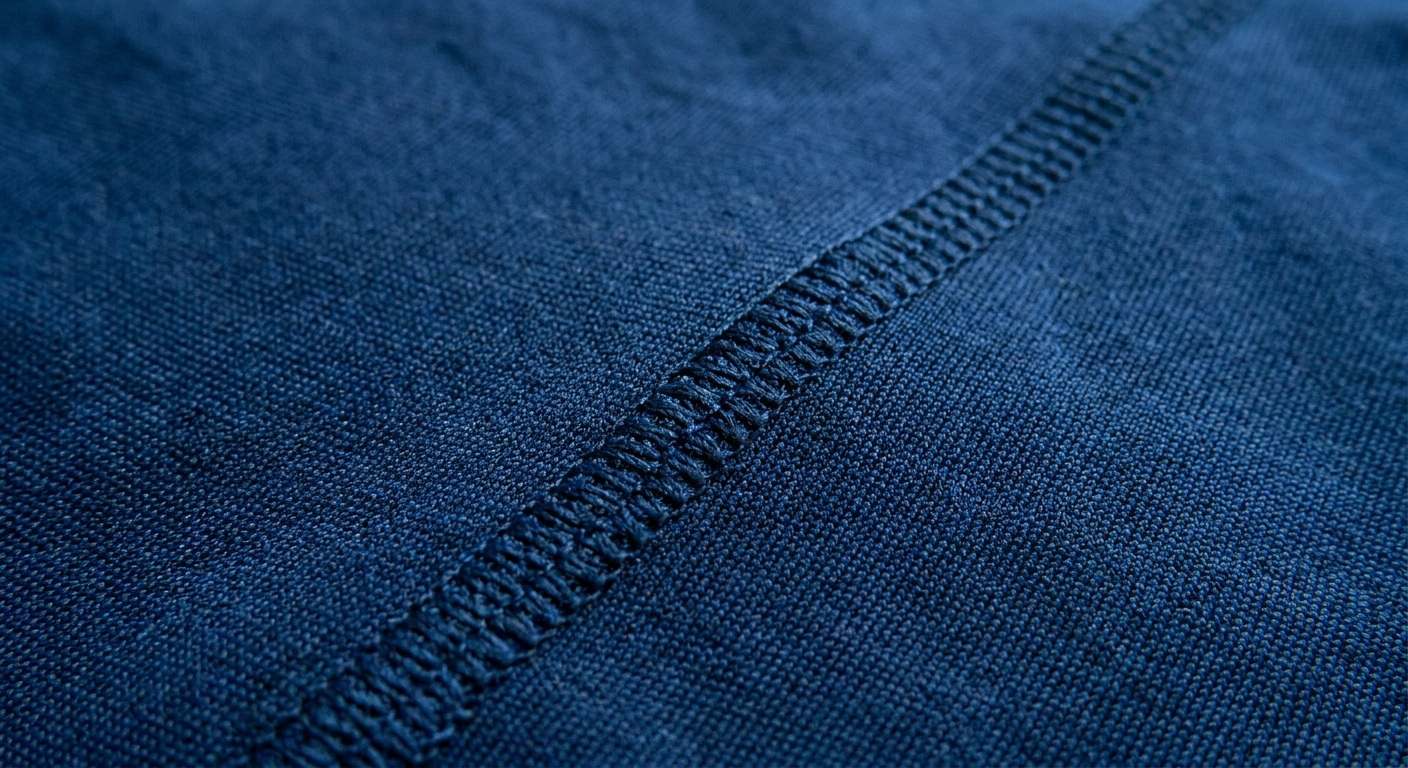
Yes, these fabrics improve durability by preventing microbial-induced fiber degradation and reducing the mechanical stress associated with frequent machine laundering. An anti-bacterial athletic fabric protects the integrity of the knit structure by ensuring that mold and fungi do not break down the polymers. This results in a garment that maintains its original elasticity and shape for a much longer period than untreated alternatives.
Preventing fiber degradation from microbial growth
Certain types of bacteria and fungi can actually feed on textile additives or trap moisture that weakens the fiber bond. By creating an inhospitable environment for these organisms, the treatment acts as a protective shield for the yarn itself.
Notice these advantages:
- Prevents the “thinning” of fabric caused by bacterial enzymes.
- Maintains the vibrant color of the dye by preventing mold spotting.
- Protects the stretch and recovery properties of elastane blends.
It’s a win-win:
Impact of reduced washing on garment lifespan
The heat and agitation of a washing machine are the primary causes of pilling and loss of elasticity. Because treated garments require less cleaning, the fibers are subjected to fewer damaging cycles, effectively doubling the usable life of the apparel.
Key TakeawayAnti-odor technology is fundamentally a durability feature that protects the physical structure of the garment from both biological threats and mechanical wear.
| Durability Factor | Benefit of Anti-Bacterial Treatment | |
|---|---|---|
| Fiber Integrity | Prevents microbial-induced weakening of yarns | |
| Elasticity Retention | Reduces exposure to damaging laundry heat | |
| Longevity | Extends the product lifecycle through “low-maintenance” care |
Ensuring this durability does not come at the cost of user safety is a top priority for premium manufacturers.
Is anti-bacterial athletic fabric safe for sensitive skin?

Premium antimicrobial textiles are entirely safe for sensitive skin because the active agents are permanently bonded to the fiber and do not migrate to the wearer’s body. By choosing high-quality anti-bacterial athletic fabric , you ensure that the body’s natural, healthy bacterial flora remains completely undisturbed. Modern treatments are engineered to be “biostatic,” meaning they only affect microbes that attempt to colonize the fabric surface itself.
Maintaining the balance of natural skin flora
There is a common misconception that antimicrobial gear might irritate the skin, but top-tier technologies are non-leaching. This means the treatment stays on the garment where it belongs, providing a safe barrier that prevents skin infections often caused by dirty workout gear.
Here is why it is safe:
- Treatments are dermatologically tested and non-irritating.
- The finish is applied at the molecular level, not as a loose coating.
- It prevents secondary skin issues like “bacne” caused by sweat-trapped bacteria.
To put it simply:
Standards for chemical safety and certifications
To meet global B2B requirements, these fabrics undergo rigorous testing by international bodies. Look for certifications that guarantee the absence of harmful substances, ensuring the gear is safe for high-sweat, close-contact activities like yoga or compression training.
Key TakeawayModern anti-odor finishes provide maximum protection against fabric bacteria while maintaining a gentle, non-migratory interface with the athlete’s skin.
| Safety Standard | Compliance Metric | |
|---|---|---|
| Dermal Safety | Non-migratory treatment ensures no skin irritation | |
| Certifications | Meets Oeko-Tex and bluesign® requirements | |
| Eco-Passport | Verified safe for human ecological health |
This combination of safety and performance makes these fabrics ideal for more than just the gym.
Why is anti-bacterial athletic fabric vital for workwear?

This material is vital for professional workwear because it provides essential hygiene and comfort for first responders, healthcare workers, and industrial laborers who work long shifts. For these professionals, anti-bacterial athletic fabric is not a luxury but a functional requirement when they cannot change clothes for 12 hours or more. The technology ensures that uniforms remain professional-looking and odor-free even in high-stress, high-heat environments.
High-intensity professional environments
Workwear designers are increasingly adopting activewear technologies to meet the ergonomic and hygiene needs of the modern workforce. When employees feel fresh and dry throughout their shift, their overall morale and professional focus improve significantly.
The benefits include:
- Improved hygiene for healthcare staff in sterile environments.
- Enhanced comfort for outdoor laborers in humid climates.
- Better uniform longevity in demanding industrial laundry settings.
Here is the deal:
Can treated fabrics reduce professional maintenance?
Industrial laundries can process treated garments more efficiently by using lower temperatures and shorter cycles. This saves operational costs for large-scale uniform providers while extending the replacement cycle for the entire fleet of apparel.
Key TakeawayIn the professional sector, anti-odor technology serves as a logistical tool that reduces maintenance overhead while significantly improving the daily experience of the end-user.
| Sector | Specific Benefit | |
|---|---|---|
| Healthcare | Improved hygiene in long-shift environments | |
| Industrial | Enhanced comfort in high-heat workstations | |
| Emergency Services | Freshness during unpredictable, extended wear |
Identifying the right production partner is the next step in bringing these benefits to your market.
How to source premium anti-bacterial athletic fabric?
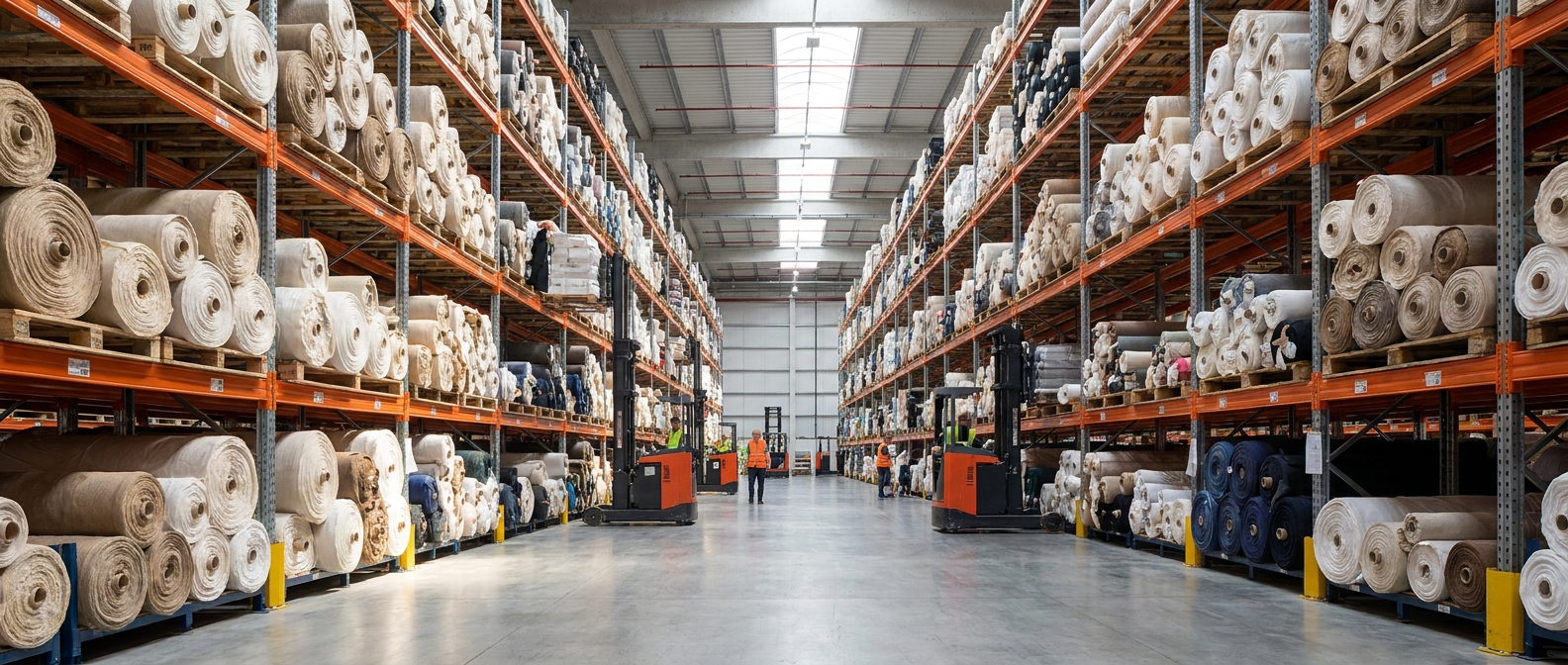
Sourcing requires a focus on vertical integration and factory certifications to ensure the antimicrobial finish is durable and consistently applied. When evaluating anti-bacterial athletic fabric suppliers, you must verify that the treatment is integrated during the finishing stage of production rather than as an afterthought. A manufacturer that controls both the knitting and dyeing processes can guarantee the “wash-fastness” that your brand requires.
Evaluating factory certifications and standards
The B2B market relies on transparency, so you should always request recent test reports that prove the efficacy of the antimicrobial treatment. Leading factories will provide documentation showing 99.9% bacterial inhibition even after 50 or 100 home laundry cycles.
Look for these markers:
- ISO and SGS certified production facilities.
- Vertical control over the chemical application process.
- Transparency regarding the source of the antimicrobial agent.
You won’t believe how easy it is:
Integration into vertical production lines
The most reliable results come from factories that use computerized finishing machines to apply the treatment uniformly. This ensures that every inch of the fabric roll possesses the same odor-fighting power, eliminating “dead zones” where bacteria could thrive.
Key TakeawayPremium sourcing depends on finding a partner that combines technical textile expertise with a transparent, certified manufacturing process to deliver truly durable anti-odor performance.
| Sourcing Criteria | Importance | |
|---|---|---|
| Vertical Integration | Ensures consistency from yarn to finished roll | |
| Certifications | Guarantees compliance with global market standards | |
| Test Reports | Provides empirical proof of antimicrobial efficacy |
As the industry evolves, new innovations are pushing the boundaries of what these fabrics can achieve.
What is the future of anti-bacterial athletic fabric tech?
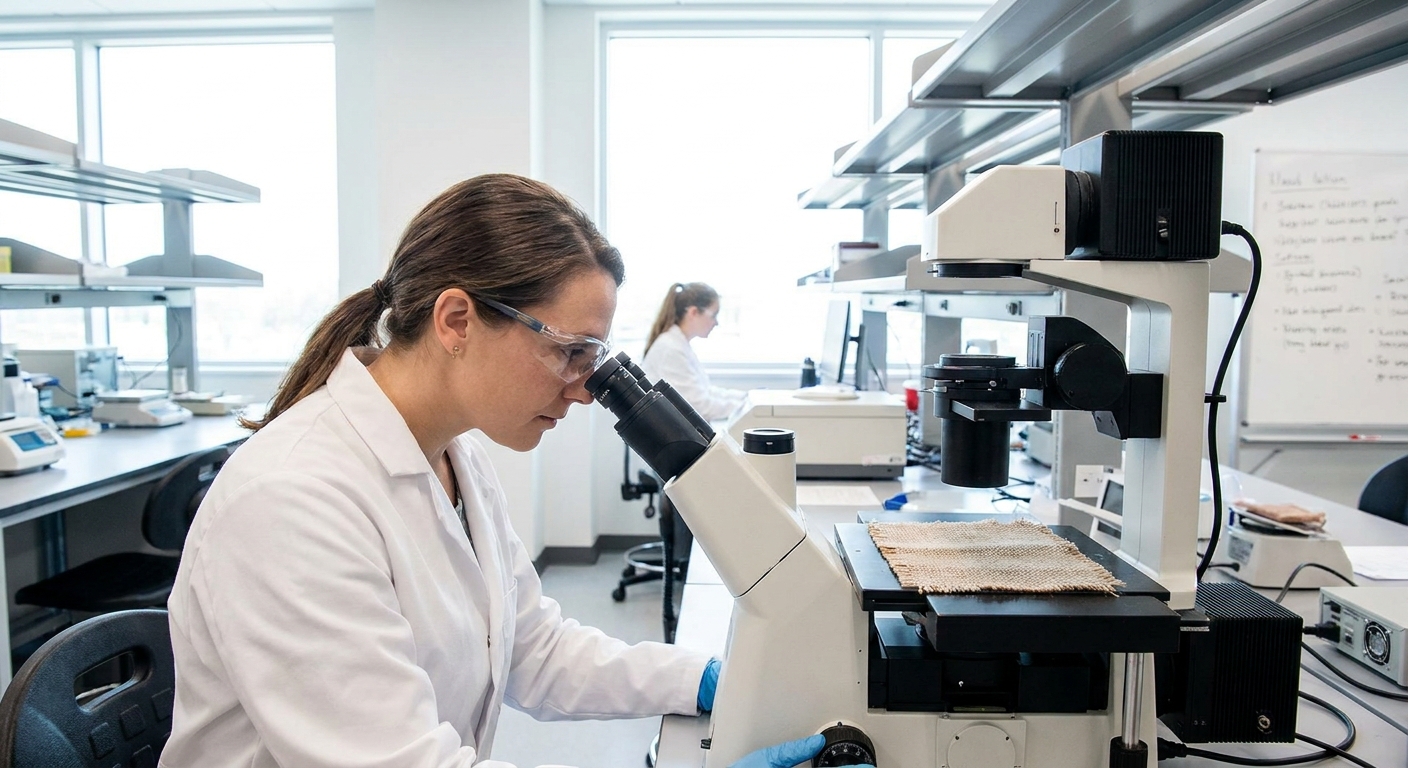
The future of this technology lies in the development of 100% bio-based antimicrobial finishes and nanotechnology that can actively “scrub” the air around the wearer. Future iterations of anti-bacterial athletic fabric will focus on ultra-sustainable solutions that use peppermint, chitosan, or other plant extracts to achieve medical-grade hygiene. This next generation of textiles will not only stop bacteria but will also break down complex odor molecules using only ambient light.
Plant-based alternatives in antimicrobial finishes
As the market moves away from heavy metals, bio-based treatments are becoming the gold standard for eco-conscious brands. These innovations offer the same performance as traditional silver ions but appeal to the 100% vegan and natural market segments.
Future trends include:
- Peppermint-based finishes for natural odor control.
- Chitosan-derived treatments from recycled shell waste.
- Enzyme-based finishes that break down oils on contact.
This is just the beginning:
Next-generation odor-capture nanotechnology
Imagine a fabric that cleans itself simply by being exposed to sunlight; this is the promise of photocatalytic finishes currently in development. These smart textiles will transition activewear from passive protection to active molecular neutralization of environmental pollutants.
Key TakeawayThe industry’s trajectory is headed toward a synergy of high-performance antimicrobial action and renewable, plant-based chemistry that eliminates the need for traditional washing entirely.
| Future Trend | Market Impact | |
|---|---|---|
| Bio-Based Finishes | Appeals to the 100% natural and vegan markets | |
| Self-Cleaning Fabrics | Reduces the need for water-based washing entirely | |
| Smart Textiles | Fabrics that signal when a wash is actually required |
Frequently Asked Questions
What is anti-bacterial athletic fabric?It is a technical textile specifically engineered with antimicrobial agents to inhibit the growth of odor-causing bacteria, mold, and fungi.
How does anti-bacterial athletic fabric work?The treatment punctures the cell walls of microbes on contact, preventing them from feeding on sweat and releasing unpleasant smells.
Is anti-bacterial athletic fabric eco-friendly?Yes, because it allows for a “wear more, wash less” lifestyle that drastically reduces household water and energy consumption.
Can I wash these fabrics in a standard machine?Absolutely, the treatments are designed to be wash-fast and permanently bonded to the fibers, so they remain effective through years of laundering.
What’s the best way to maintain the anti-odor effect?Washing at lower temperatures and avoiding fabric softeners ensures the technical finish remains unobstructed and effective for the life of the garment.
Conclusion
The implementation of anti-odor technology is no longer a luxury for premium brands; it is a fundamental pillar of modern activewear design. By integrating anti-bacterial athletic fabric into your production lines, you solve the persistent problem of “perma-stink” while simultaneously boosting brand loyalty and environmental sustainability. This scientific approach to freshness ensures that your apparel performs at the highest level, providing athletes with the confidence and durability they demand.
Are you ready to redefine the freshness of your sportswear collection? Contact us today to consult with our technical specialists and request your free sample pack of our certified antimicrobial textiles.