
Basketball shorts are primarily made of synthetic fibers such as polyester and nylon, often engineered with specialized knit structures like mesh or interlock to maximize performance.
Many athletic brands face a recurring nightmare: shipping premium-priced apparel only to have athletes complain about heavy, sweat-soaked material that causes painful chafing mid-game. This lack of moisture management doesn’t just hurt the player; it agitates your brand reputation and leads to costly returns or lost loyalty. The solution lies in sourcing high-performance technical textiles from a specialized sports fabric manufacturer that understands the science of the court.
What fabric are basketball shorts made of for performance?
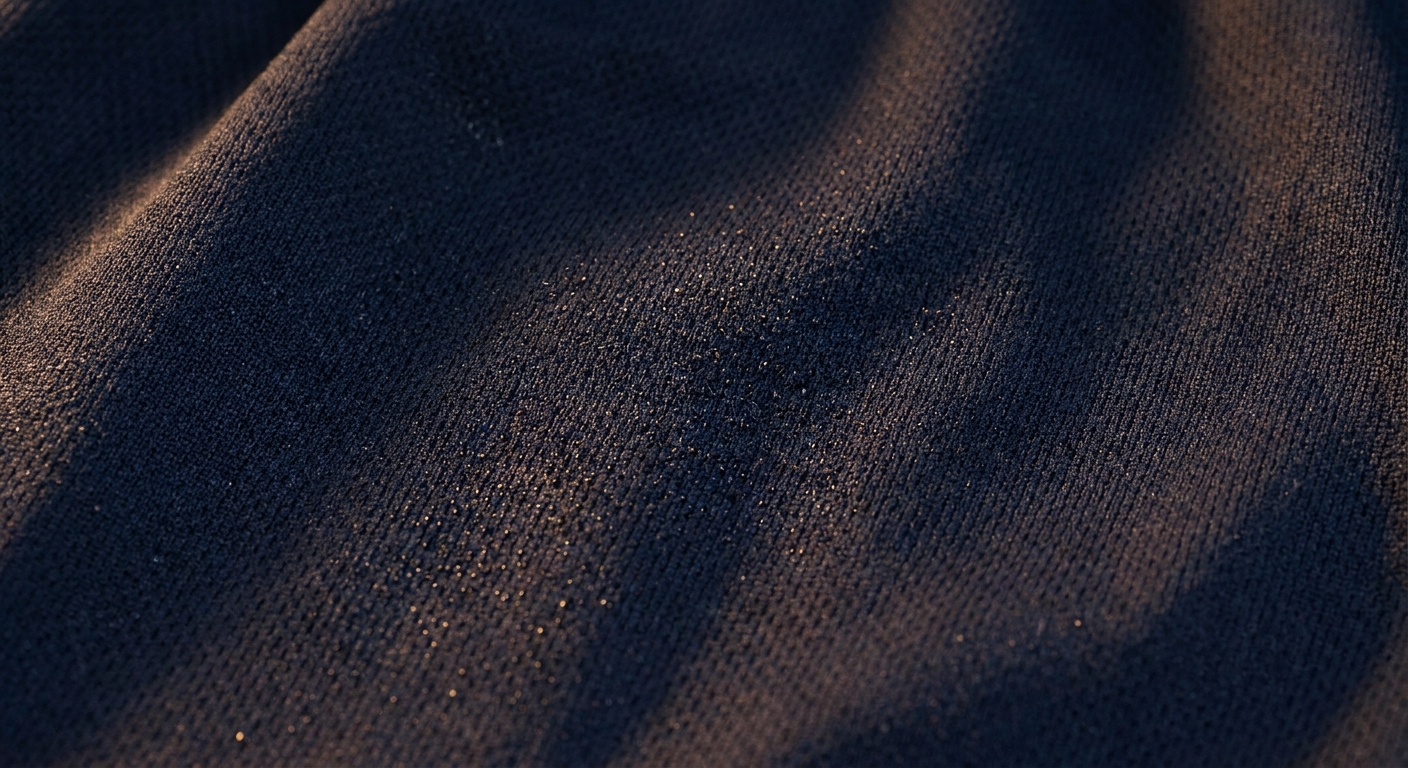
Performance-grade basketball shorts are predominantly constructed from 100% polyester due to its superior moisture-wicking and quick-drying properties. When asking what fabric are basketball shorts made of for elite competition, the answer almost always points to high-denier synthetic knits.
- 100% high-grade polyester fibers.
- Hydrophobic coatings for sweat repulsion.
- High-denier yarns for structural integrity.
- Antimicrobial finishes to prevent odor buildup.
Why is 100% polyester the industry standard?
Think about it: why do professional leagues never use heavy natural fibers? You need a material that maintains its shape and weight even when you are drenched in sweat during the fourth quarter. Polyester is the industry standard because it offers the highest strength-to-weight ratio available for activewear production.
How does moisture-wicking technology work in sports?
Here is the deal: moisture-wicking isn’t just a marketing buzzword. Capillary action in the fabric pulls sweat away from your skin to the outer surface where it evaporates instantly. This ensures you stay light and focused, rather than being weighed down by saturated apparel.
Key Takeaway: High-performance shorts prioritize synthetic fibers like polyester to ensure moisture management and durability.
| Feature | Polyester Performance | |
|---|---|---|
| Moisture Control | Excellent (Hydrophobic) | |
| Durability | High Resistance to Tearing | |
| Weight | Lightweight Synthetic |
Professional performance relies on the synthetic ability of polyester to manage moisture and maintain structural integrity under extreme physical stress.
Why is polyester mesh so popular in basketball shorts?
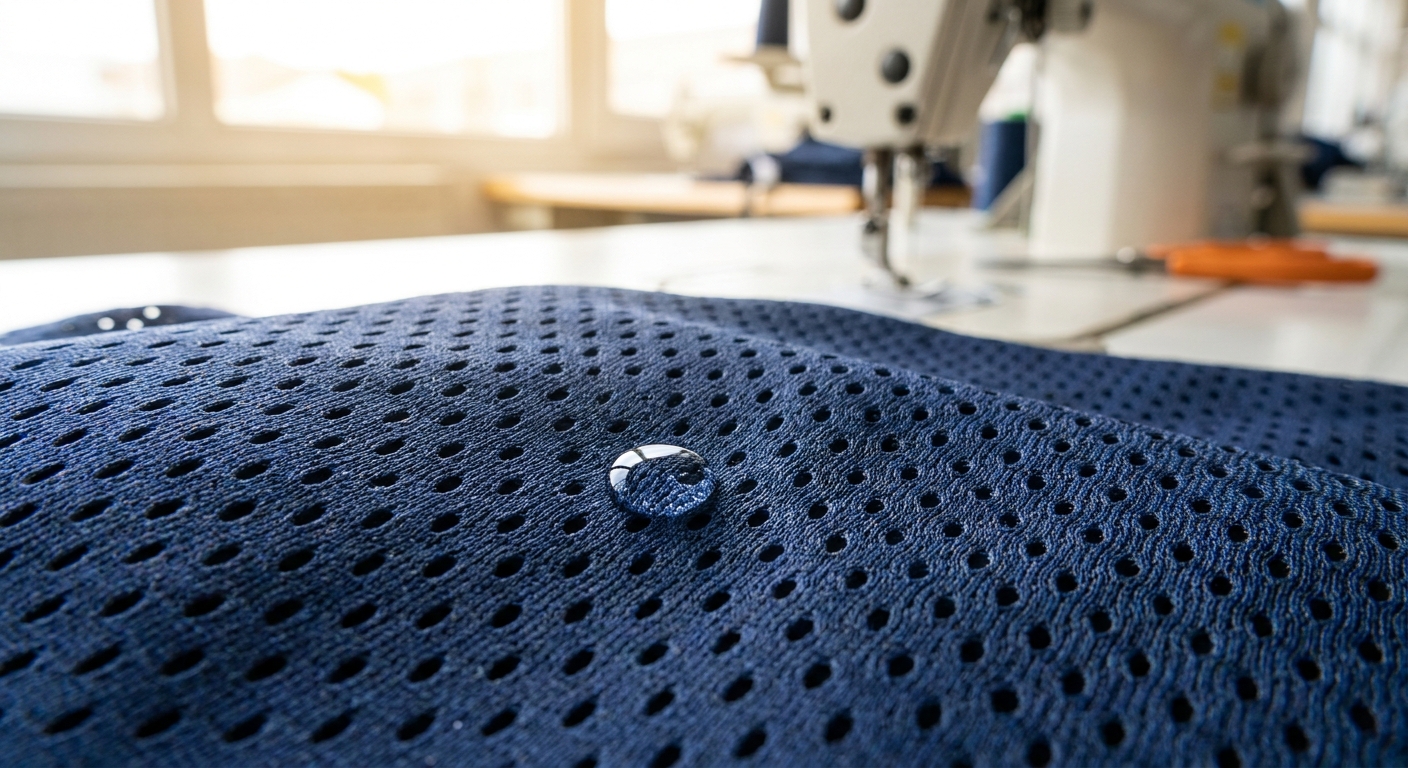
Polyester mesh is popular because its perforated design provides unmatched ventilation and airflow during high-intensity athletic activity. Every designer investigating what fabric are basketball shorts made of will find that mesh remains the go-to choice for cooling.
- Perforated knit patterns for maximum breathability.
- Double-layered construction for opacity and style.
- Excellent sublimation compatibility for team logos.
- Soft-hand finishes to reduce skin irritation.
Does the perforated structure significantly improve airflow?
Believe it or not, the tiny holes in mesh act like a personal cooling system for your body. As you move across the court, these perforations allow heat to escape while letting cool air circulate directly against your skin. You will notice the temperature difference immediately compared to solid-weave alternatives.
Comparing 70-denier and 100-denier pro mesh options
But there is a catch: not all mesh is created equal. You must choose between the lighter 70-denier practicing mesh and the heavier, more durable 100-denier professional mesh used in game-day uniforms. The 100-denier option provides the premium “swingman” feel that players crave.
Key Takeaway: Mesh is the go-to for ventilation, using a perforated knit to keep athletes cool during high-intensity play.
| Mesh Type | Denier Rating | Best Use Case | |
|---|---|---|---|
| Practice Mesh | 70D | Reversible training jerseys | |
| Pro Mesh | 100D | Official game-day shorts | |
| Micro-Mesh | 50D-70D | Inner linings and lightweight gear |
Choosing the correct denier in mesh fabric determines the balance between professional weight and aerobic breathability.
What fabric are basketball shorts made of for extra stretch?
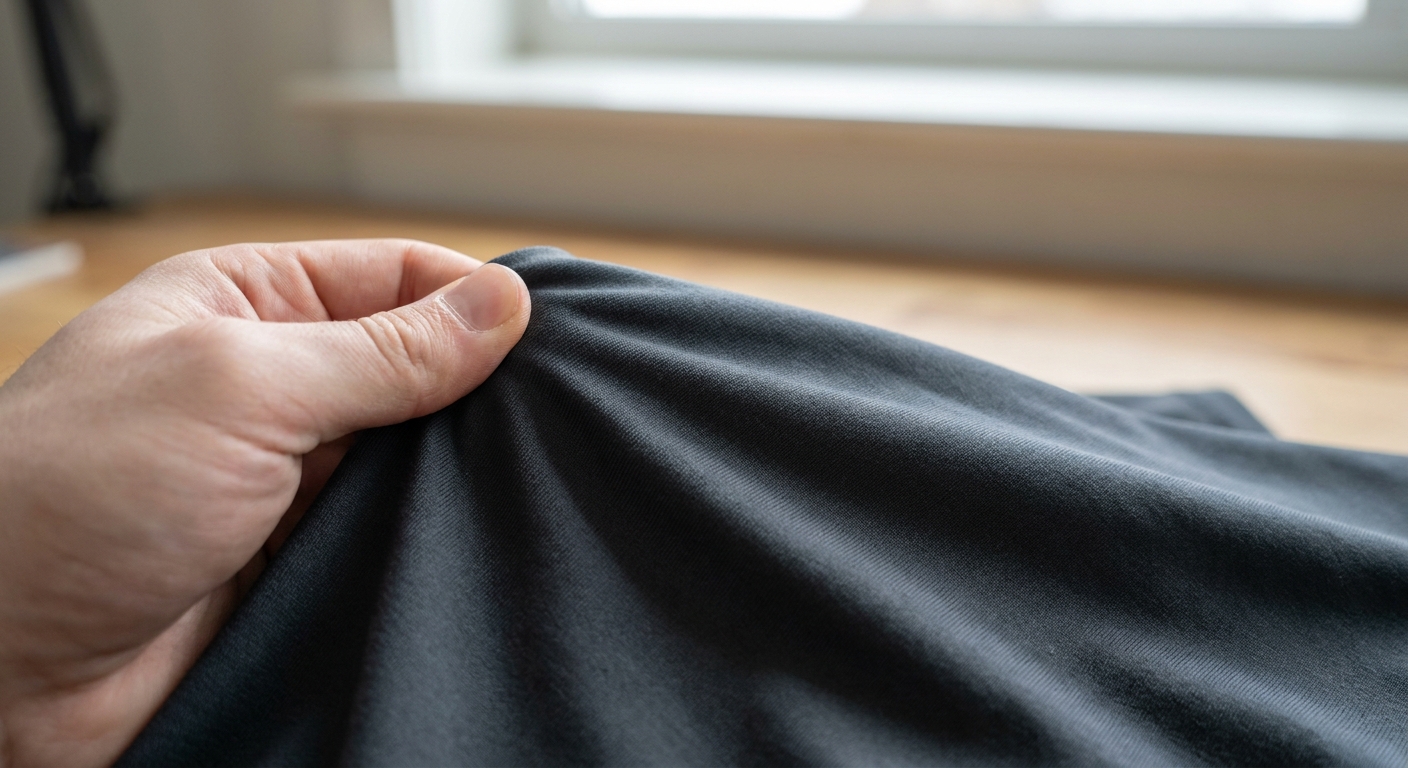
Extra stretch in basketball shorts is achieved by blending rigid polyester with elastic fibers like Spandex or Elastane. When considering what fabric are basketball shorts made of to facilitate lateral movement, these elastomeric blends are essential.
- Polyester-Spandex core blends (typically 5-12%).
- Four-way stretch knit constructions.
- Reinforced elastic waistbands for secure fit.
- High-recovery yarns that prevent sagging.
The critical role of Spandex in modern waistbands
The best part? Spandex allows the fabric to expand up to five times its original length without losing its “snap.” You need this elasticity in the waistband and the leg openings to ensure the shorts move with you rather than against you. Without Spandex, your range of motion would be severely limited by the fabric’s rigidity.
How much stretch do professional players actually need?
You might wonder if more stretch is always better. In reality, a 5% to 8% Spandex blend is usually the sweet spot for basketball. This provides enough flexibility for explosive jumps while ensuring the shorts don’t become too heavy or lose their professional shape over time.
Key Takeaway: Flexibility is achieved by blending rigid polyester with elastic fibers like Spandex or Elastane.
| Fiber Component | Percentage | Primary Function | |
|---|---|---|---|
| Polyester | 88% – 95% | Structure and wicking | |
| Spandex | 5% – 12% | Elasticity and fit | |
| Nylon Blend | Optional | Softness and sheen |
Strategic Spandex integration provides the necessary mechanical stretch required for the multi-directional movements unique to basketball.
Is Dazzle knit still used for modern basketball shorts?
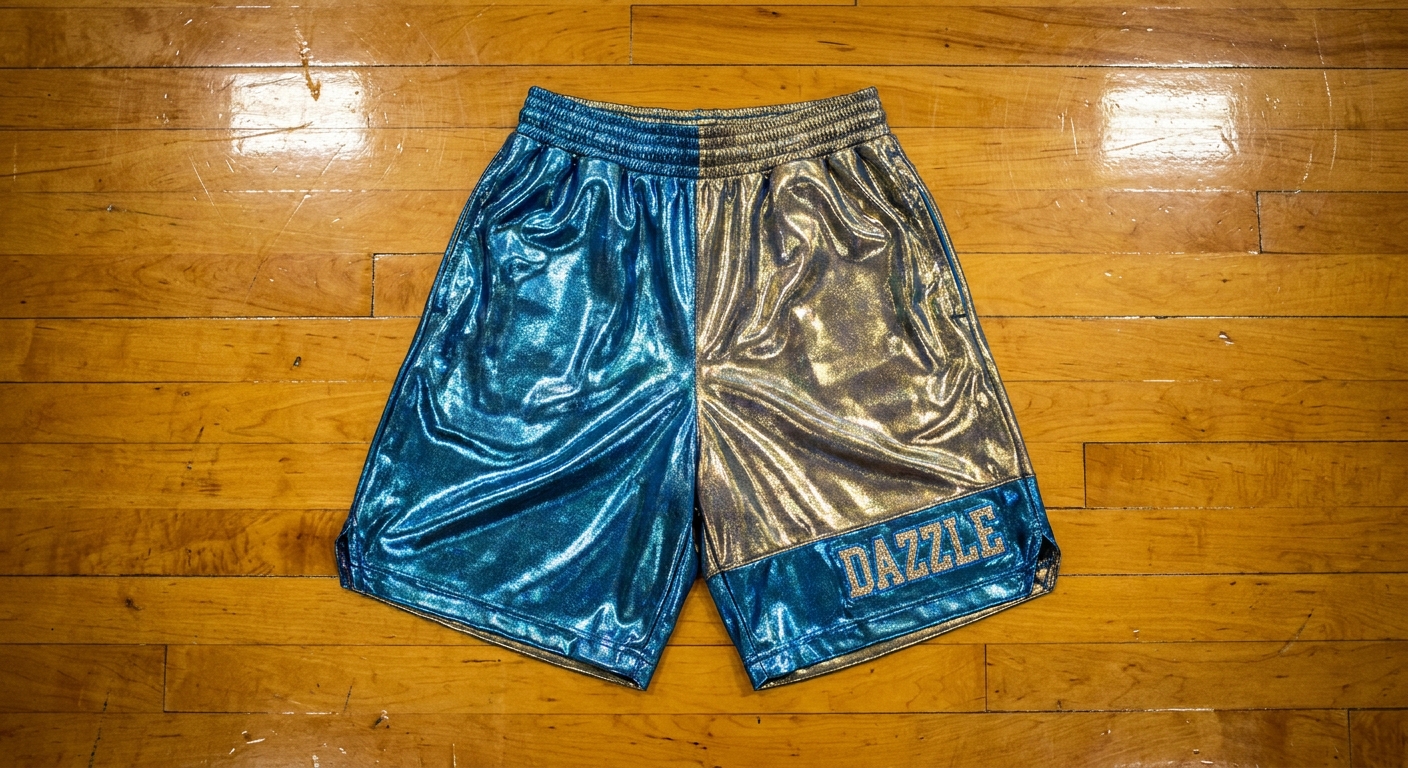
Dazzle knit is still used today, primarily for game-day uniforms that require a high-sheen aesthetic and a slightly heavier, more structured feel. If you look at what fabric are basketball shorts made of in retro or premium collections, the glossy “Dazzle” finish is a signature element.
- High-gloss polyester yarns for a shiny finish.
- Heavyweight knit structure for durability.
- Wrinkle-resistant properties for travel.
- Distinctive 90s-inspired visual appeal.
Why the high-sheen look defined the 90s basketball era
Want to know the secret to that classic 90s aesthetic? It was all about the Dazzle. This fabric was designed to catch the arena lights, making your team stand out during televised broadcasts. While modern trends lean toward matte finishes, Dazzle remains a powerhouse for “statement” sports apparel.
Dazzle knit vs. flat polyester: Which is more breathable?
Let’s be honest: Dazzle is less breathable than modern mesh. Because the knit is much tighter to achieve that signature shine, you might feel a bit warmer in Dazzle shorts. However, for short-duration games or lifestyle fashion, the trade-off for that iconic look is often worth it.
Key Takeaway: While less common today, Dazzle provides a high-sheen aesthetic and a structured weight for game-day uniforms.
| Fabric Style | Visual Finish | Breathability Level | |
|---|---|---|---|
| Dazzle Knit | High Sheen/Glossy | Moderate | |
| Flat Polyester | Matte/Dull | High | |
| Interlock | Semi-Matte | High |
Dazzle knit serves as a bridge between high-fashion aesthetics and traditional athletic utility for specialized team uniforms.
What fabric are basketball shorts made of in casual styles?
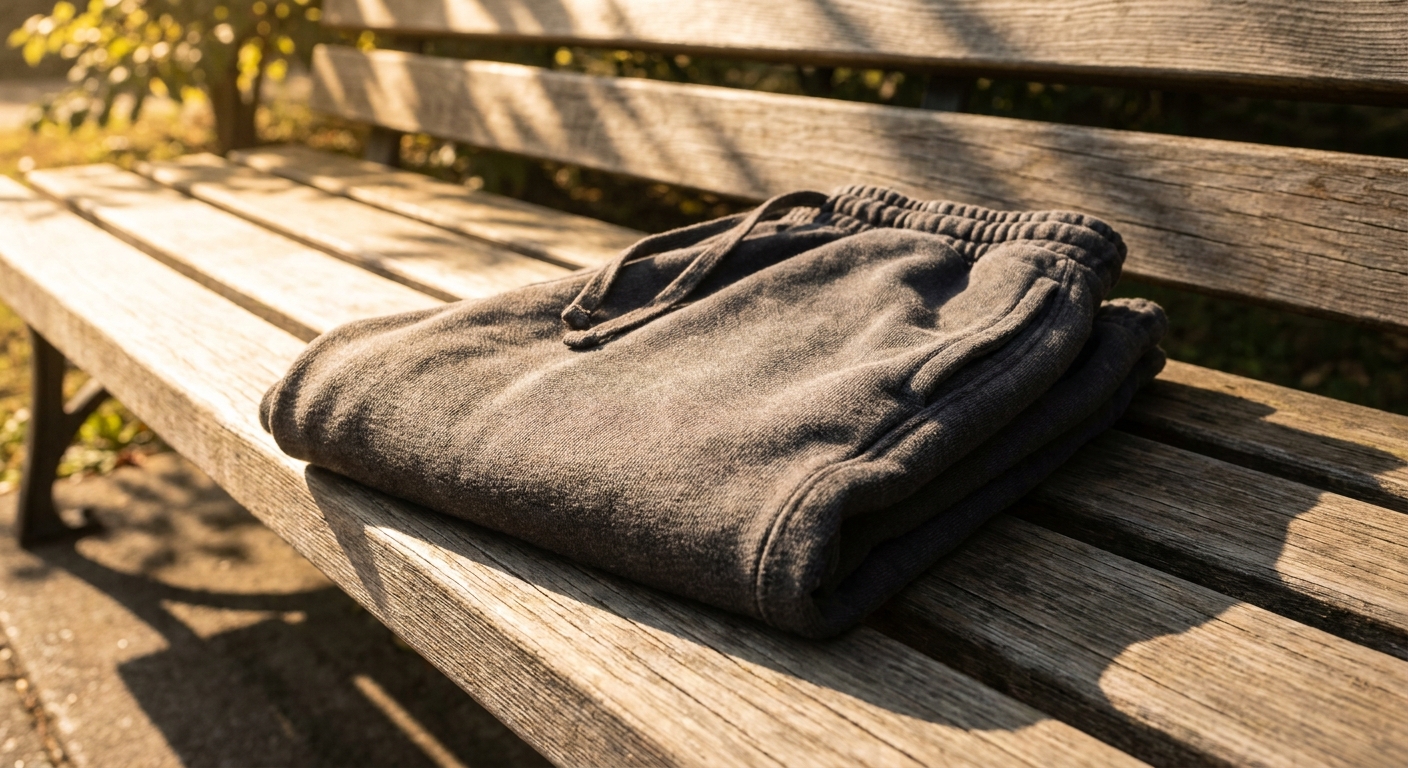
Casual basketball shorts are often made of cotton blends or heavy interlock polyester to prioritize lifestyle comfort and streetwear appeal over pure athletic performance. Understanding what fabric are basketball shorts made of in the “athleisure” sector reveals a shift toward softer, more substantial textiles.
- Cotton-polyester fleece or jersey blends.
- Heavyweight interlock knits (220-280 GSM).
- Brushed interior finishes for extra softness.
- Reinforced side-seam pockets for utility.
Are cotton blends suitable for competitive games?
Actually, you should probably avoid 100% cotton for intense play. Cotton is “thirsty”—it absorbs sweat and keeps it, meaning you will end up wearing heavy, wet rags by halftime. For a casual shoot-around or lounging, however, the softness of a cotton blend is unbeatable.
Why streetwear brands prefer heavy interlock polyester
So, why do top streetwear labels choose heavy interlock? It is all about the “drape.” You want a short that looks structured and premium, not thin and flimsy. Heavy interlock polyester gives you that high-end look while still offering a hint of athletic functionality.
Key Takeaway: Lifestyle shorts often lean toward natural fibers or heavy blends to prioritize comfort and street style.
| Casual Material | Composition | Benefit | |
|---|---|---|---|
| Cotton Blend | 60% Cotton / 40% Poly | Maximum skin comfort | |
| Heavy Interlock | 100% Poly (High GSM) | Streetwear drape/look | |
| French Terry | Cotton Loopback | Warmth and softness |
Casual basketball apparel prioritizes tactile comfort and visual structure, often sacrificing high-speed moisture transport for lifestyle versatility.
What are the benefits of using Nylon in athletic shorts?
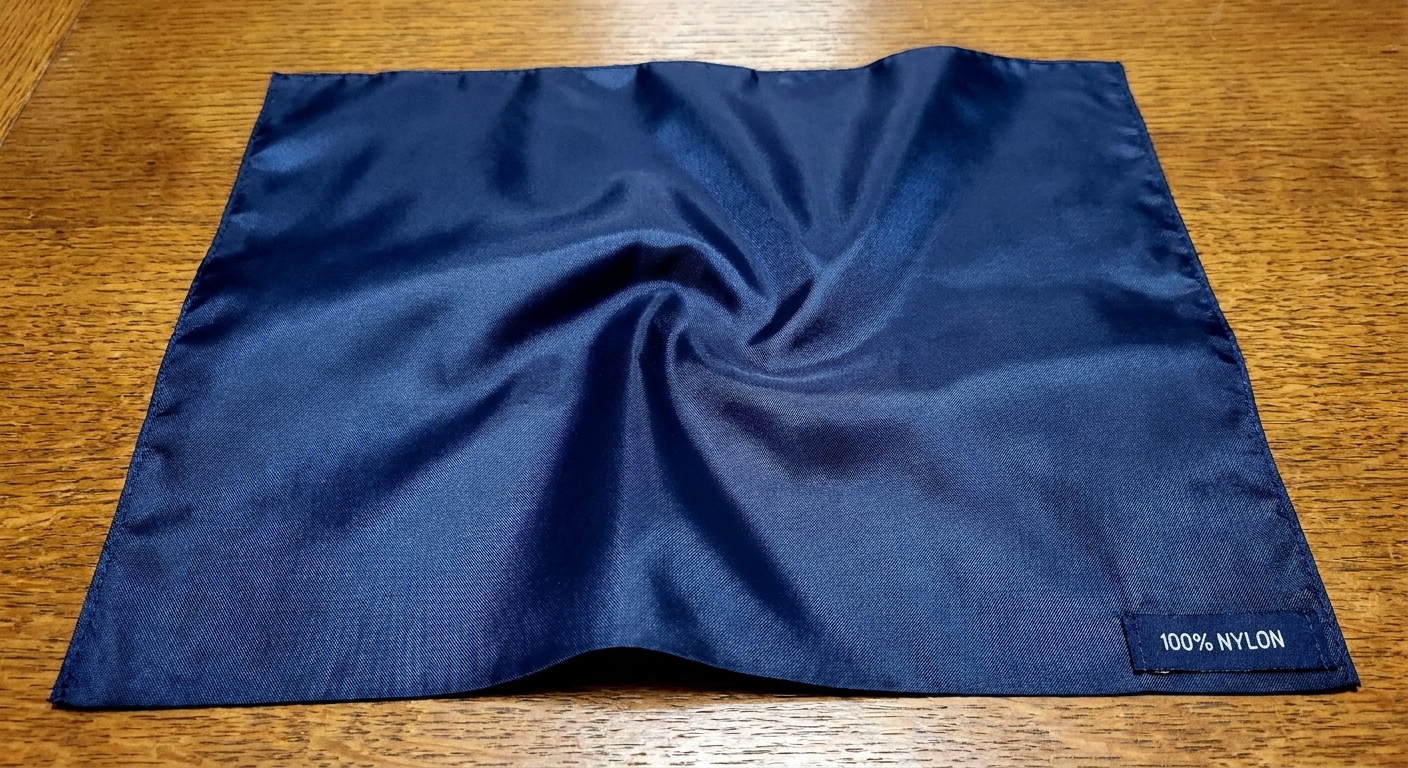
Nylon offers superior abrasion resistance and a silkier hand-feel, making it a premium alternative to traditional polyester in basketball apparel. When inquiring what fabric are basketball shorts made of for high-contact environments, Nylon is frequently the top recommendation.
- Enhanced resistance to friction and floor burns.
- Slightly cooler touch compared to polyester.
- Excellent color vibrance and depth.
- Lightweight yet extremely tough fiber profile.
Is Nylon more durable than standard polyester?
The short answer is yes. If you are diving for loose balls on a hardwood court, you want Nylon protecting you. It has a higher tensile strength and handles friction much better than polyester, which can sometimes “pill” or melt under high-speed contact with the floor.
Managing heat: Does Nylon offer enough ventilation?
You might worry that Nylon feels a bit “plastic-y” or hot. While it is naturally less breathable than mesh, modern Nylon-Spandex blends are engineered with micro-vents to combat heat. It feels silkier against your skin, which many professional athletes prefer for reducing overall drag.
Key Takeaway: Nylon offers superior abrasion resistance and a silkier hand-feel compared to traditional polyester.
| Property | Nylon | Polyester | |
|---|---|---|---|
| Abrasion Resistance | Superior | Good | |
| Softness | Silky/Smooth | Crisper/Firm | |
| Drying Speed | Fast | Very Fast |
Nylon remains the premium choice for players who demand the highest level of durability and skin-contact comfort on the court.
What fabric are basketball shorts made of for durability?
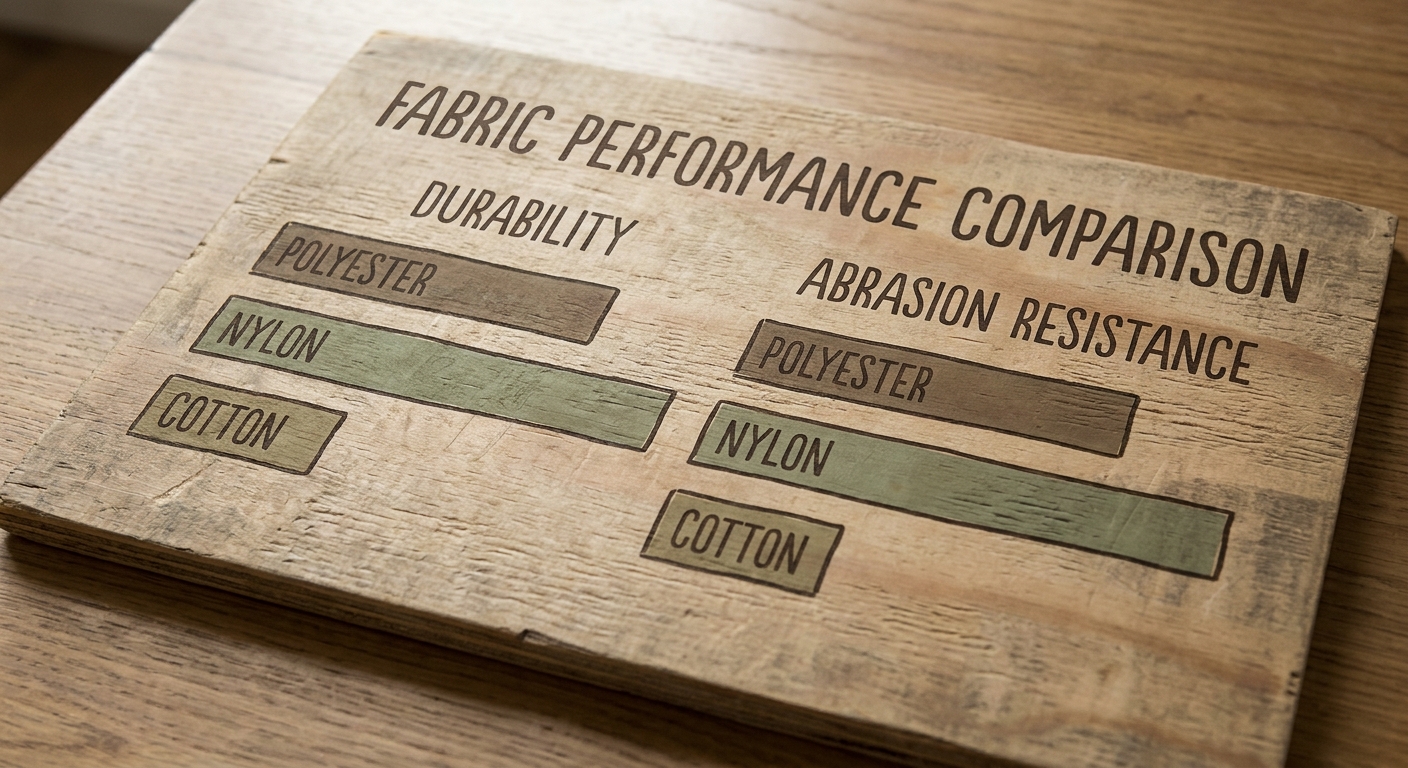
Durability in basketball shorts is typically provided by double-layered polyester mesh or high-density microfiber blends designed to withstand physical contact. If you ask what fabric are basketball shorts made of to prevent tearing, the focus shifts to construction density and fiber strength.
- Double-layered 100-denier polyester mesh.
- Reinforced triple-stitched seams.
- High-density microfiber interlock.
- Rip-stop knit patterns for high-stress areas.
The advantages of double-layered polyester designs
Here is a secret: most “pro” shorts aren’t thicker; they are just doubled up. By using two layers of mesh, you create a buffer that absorbs the energy of tugs and pulls during a game. It also ensures the shorts are completely opaque, even when the fabric is stretched during a deep defensive stance.
Why microfiber blends resist consistent rips and tears
You need to look at the fiber level to understand true strength. Microfiber blends use thousands of tiny, tightly woven filaments that are much harder to snag than traditional yarns. This means your gear stays looking new even after a full season of aggressive league play and weekly laundering.
Key Takeaway: Double-layer construction and microfiber blends provide the strength needed to withstand physical contact.
| Construction Method | Durability Rating | Feature | |
|---|---|---|---|
| Single Layer Mesh | Moderate | Maximum Cooling | |
| Double Layer Mesh | High | Classic Pro Look | |
| High-Density Interlock | Maximum | Tear Resistance |
Longevity in basketball apparel is a direct result of layering strategies and the use of high-filament-count synthetic yarns.
What is Bird’s Eye fabric and why does it matter?
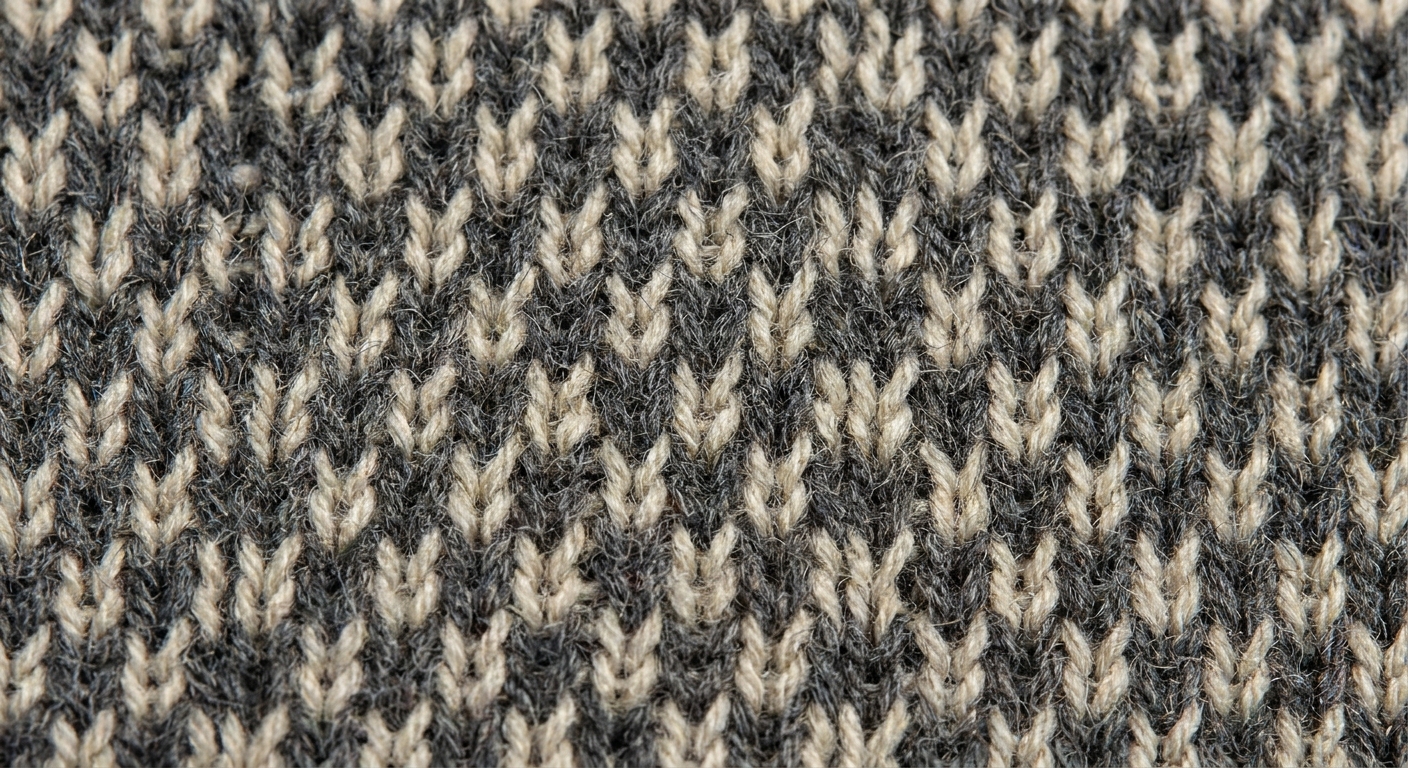
Bird’s Eye fabric is a textured polyester knit featuring small “dots” or “eyes” that increase the surface area for rapid sweat evaporation. When researching what fabric are basketball shorts made of for elite ventilation, Bird’s Eye is often cited as the top alternative to traditional mesh.
- Unique “eyelet” knit pattern for airflow.
- Mechanical stretch without excessive Spandex.
- Lightweight feel with high structural opacity.
- Highly effective moisture-wicking properties.
Exploring the textured surface for superior airflow
Think of the texture like a 3D landscape on your skin. These tiny raised “eyes” keep the bulk of the fabric from sticking to your body when you are sweating. You will find that this air gap significantly improves your comfort level during those grueling summer outdoor runs.
Is Bird’s Eye better than traditional mesh for skin comfort?
Want to know why many players are switching? Traditional mesh can sometimes feel scratchy or abrasive if the quality is low. Bird’s Eye provides a much smoother, jersey-like feel while still offering the same cooling benefits. It is the perfect middle ground for athletes with sensitive skin.
Key Takeaway: This textured knit features small “eyes” that enhance surface area for faster evaporation and unique style.
| Feature | Bird’s Eye Knit | Traditional Mesh | |
|---|---|---|---|
| Texture | Subtle/Smooth | Open/Perforated | |
| Evaporation | Rapid | Excellent | |
| Skin Feel | Soft | Variable |
Bird’s Eye technology represents the modern evolution of performance knits, offering a sophisticated balance of texture and technical cooling.
Are there sustainable options for basketball shorts fabric?
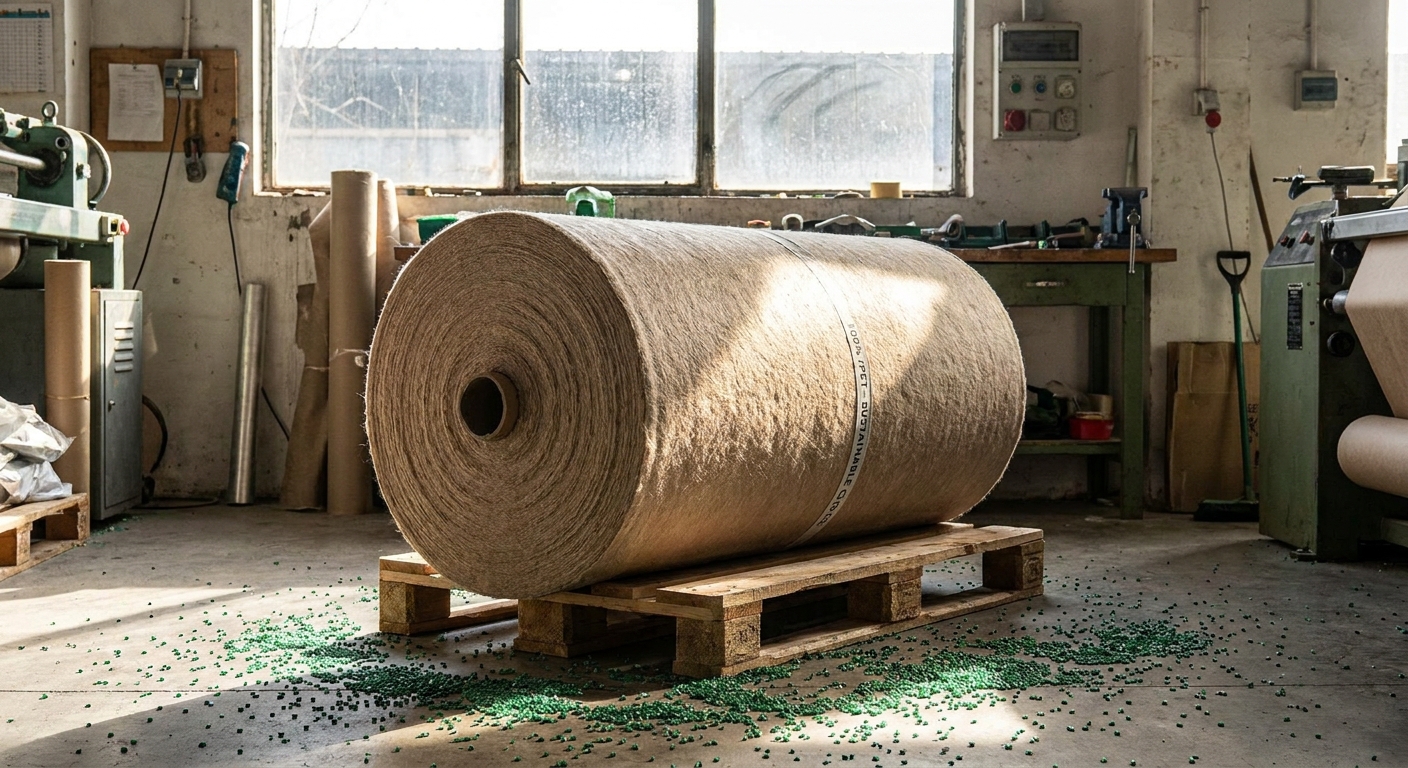
Sustainable basketball shorts are increasingly made from recycled polyester (rPET) derived from post-consumer plastic bottles. When brands ask what fabric are basketball shorts made of to meet ESG goals, GRS-certified recycled synthetics are the primary answer.
- 100% GRS-certified recycled polyester.
- Low-impact dyeing processes.
- Performance parity with virgin polyester.
- Recycled Spandex blends for eco-stretch.
Can recycled polyester handle professional level play?
You might be skeptical about gear made from “trash,” but the science is clear. Recycled polyester is chemically identical to virgin polyester once it has been processed into yarn. You get the same moisture-wicking, the same strength, and the same color fastness, all while keeping plastic out of the ocean.
The future of eco-friendly performance textiles
The best part? Sustainability is no longer a niche market. As more professional leagues mandate eco-friendly apparel, you will see a massive shift toward bio-based synthetics and circular manufacturing. Sourcing these fabrics now puts your brand ahead of the coming regulatory curve.
Key Takeaway: Recycled polyester (rPET) is becoming a mainstream solution for eco-conscious athletic brands.
| Sustainability Metric | Recycled Polyester | Virgin Polyester | |
|---|---|---|---|
| Carbon Footprint | ~30% Lower | Standard | |
| Performance Level | Identical | Identical | |
| Certification | GRS / OEKO-TEX | Standard |
Sustainable textiles have reached performance parity with traditional synthetics, allowing brands to go green without sacrificing court dominance.
How do you choose the right fabric for your specific needs?
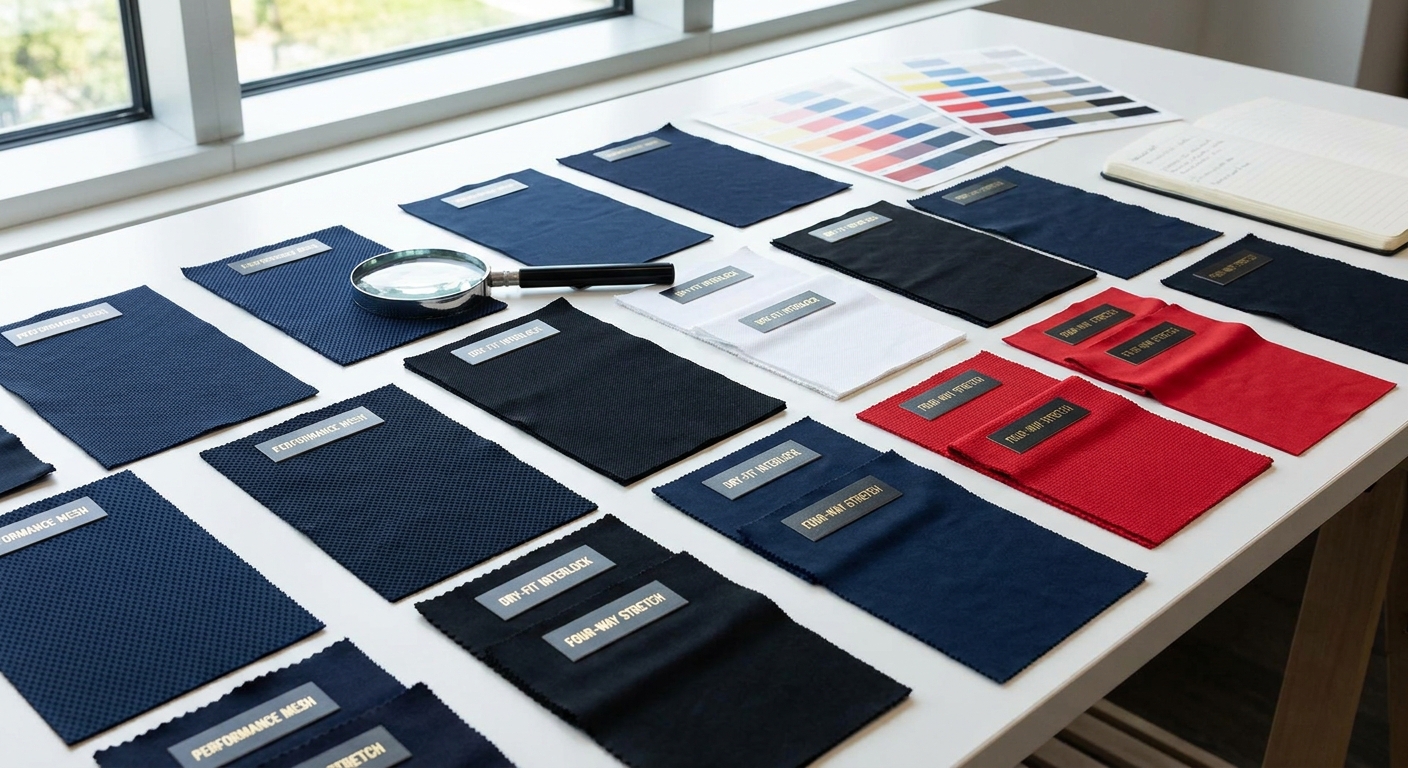
Choosing the right fabric involves balancing the cooling properties of mesh with the structural durability of interlock or the comfort of cotton blends. Deciding what fabric are basketball shorts made of for your next collection requires a deep dive into your target athlete’s environment.
- Assess game-day vs. lifestyle requirements.
- Consider climate-specific weight (GSM).
- Evaluate budget vs. premium fiber choices.
- Test color fastness for team branding.
Performance mesh vs. lifestyle cotton: The ultimate test
Here is the deal: if your customer is playing 40 minutes of full-court ball, you must go with performance mesh or Bird’s Eye. However, if they are wearing the shorts to the gym and then to a coffee shop, you will win them over with a soft, high-GSM cotton-poly blend. You have to know your user’s “off-court” habits to make the right call.
Which materials work best for different climates?
You should also think about the weather. In hot, humid regions, a lightweight (130-150 GSM) mesh is mandatory to prevent heat stroke. In cooler climates, players often prefer a heavier interlock or double-layer knit that provides a bit of wind resistance while they warm up on outdoor courts.
Key Takeaway: Selection depends on balancing the cooling of mesh with the structure of interlock or the comfort of cotton.
| Environment | Recommended Fabric | Reasoning | |
|---|---|---|---|
| Hot/Indoor | Lightweight Mesh | Maximum Airflow | |
| Outdoor/Contact | Nylon or Pro Mesh | Abrasion Resistance | |
| Lifestyle/Winter | Heavy Interlock | Warmth and Style |
Optimal fabric selection is a strategic decision that aligns textile physics with the specific environmental demands of the athlete.
Elevating your sportswear line starts with making the right choice at the fiber level. At MAKITAPE, we eliminate the uncertainty of fabric sourcing with our vertically integrated knitting and dyeing facility, offering low 100 kg MOQs and rapid sampling. Whether you need the cooling power of Bird’s Eye mesh or the sustainable edge of GRS-certified recycled polyester, we provide the technical textiles your brand needs to dominate the market. Contact us today to request your free sample pack and start building a collection that players will never want to take off.
Frequently Asked Questions
Are expensive basketball shorts always made of better fabric?Not necessarily, but usually. While you pay for the brand name, high-end shorts typically use 100-denier pro mesh or premium Nylon-Spandex blends that offer significantly better durability and “hand-feel” than budget 70-denier polyester options.
Can I use regular cotton shorts for basketball?You can, but it is a bad idea for performance. Cotton absorbs sweat like a sponge, becoming heavy, saggy, and abrasive, which leads to performance-killing chafing and discomfort.
What is the best fabric for summer outdoor basketball?Polyester mesh is the winner here. You need the perforated holes to let the summer breeze through, and the synthetic fibers will dry much faster in the sun than any natural blend.
Does “moisture-wicking” wash out of the fabric?No, if it is a high-quality knit. In premium polyester, the wicking is a result of the fiber shape and knit structure itself, though some cheap “after-market” chemical coatings can eventually fade after dozens of washes.
Why do some basketball shorts have two layers?It is mainly for durability and “modesty.” Two layers of mesh provide a thicker, professional look and ensure the shorts don’t become see-through when you are sweaty or stretching.