
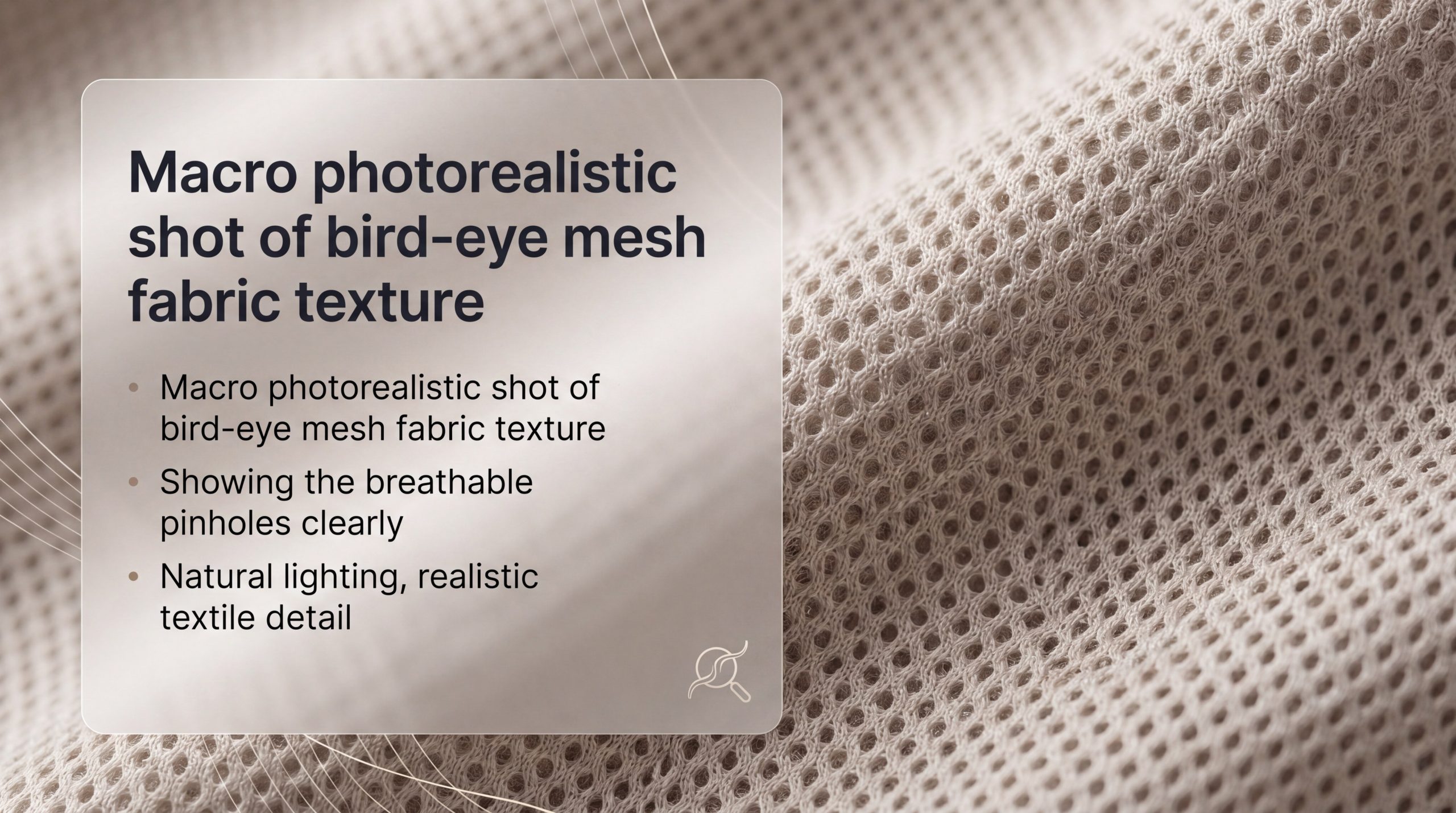
The best basketball jersey fabric material is typically a high-grade polyester-spandex blend that offers superior moisture-wicking capabilities and 4-way stretch. Choosing low-quality textiles results in heavy, sweat-soaked uniforms that limit athlete mobility and cause uncomfortable skin irritation. When players face high-intensity gameplay, even a small increase in garment weight due to moisture retention can lead to rapid fatigue and decreased agility. By selecting the right basketball jersey fabric material , manufacturers can ensure elite performance, rapid evaporation, and long-term durability for professional teams.
Why choose the best basketball jersey fabric material?
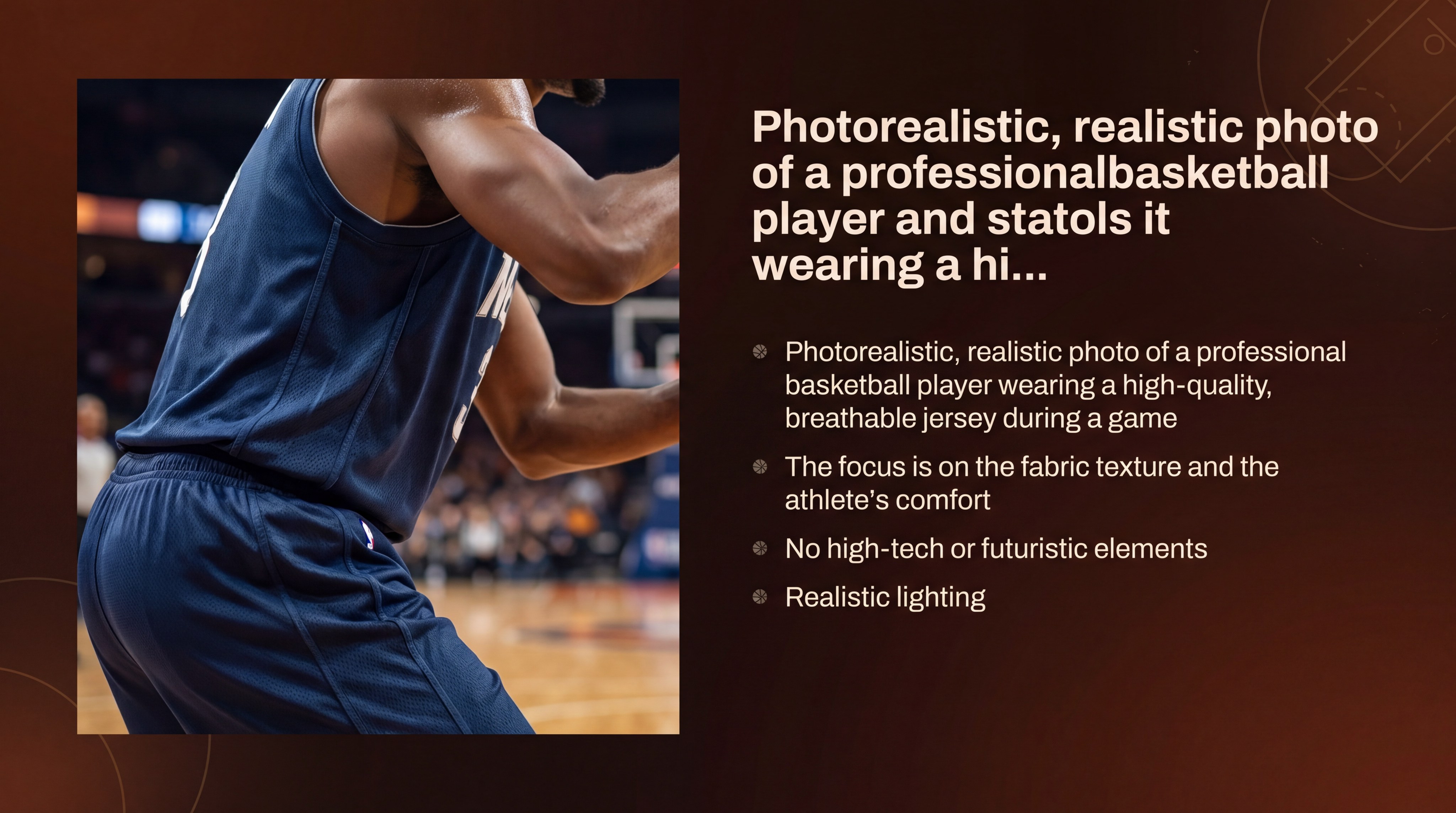
Selecting superior textiles is essential for maintaining athlete endurance and professional brand standards across the sportswear industry. You need a high-performance basketball jersey fabric material to stay competitive in the modern athletic apparel market. This choice directly influences how elite players perceive the quality and functional reliability of your specific apparel line.
How does fabric choice impact elite player speed?
You will notice that lighter fabrics allow for faster transitions and more explosive vertical jumps on the court. High-performance textiles prevent the “drag” created by moisture absorption, ensuring you maintain peak velocity during fast breaks.
Can the right material reduce muscle fatigue?
Here is the kicker: breathable fabrics regulate core temperature, which directly preserves the energy levels of your athletes. When you reduce the thermal load on the body, the player can focus entirely on their mechanical execution.
To meet professional standards, your fabric must provide:
- Capillary action for moisture transport.
- High tensile strength to resist tearing.
- Dimensional stability to prevent sagging.
- Soft hand-feel to minimize chafing.
Summary of Performance Factors
| Feature | Standard Fabric | High-Performance Blend | |
|---|---|---|---|
| Moisture Retention | High (8-10%) | Low (< 2%) | |
| Weight (Wet) | Heavy | Ultra-Lightweight | |
| Air Permeability | Moderate | High |
The transition from standard textiles to high-performance blends represents a significant leap in functional efficiency for professional athletes.
Is polyester the ideal basketball jersey fabric material?
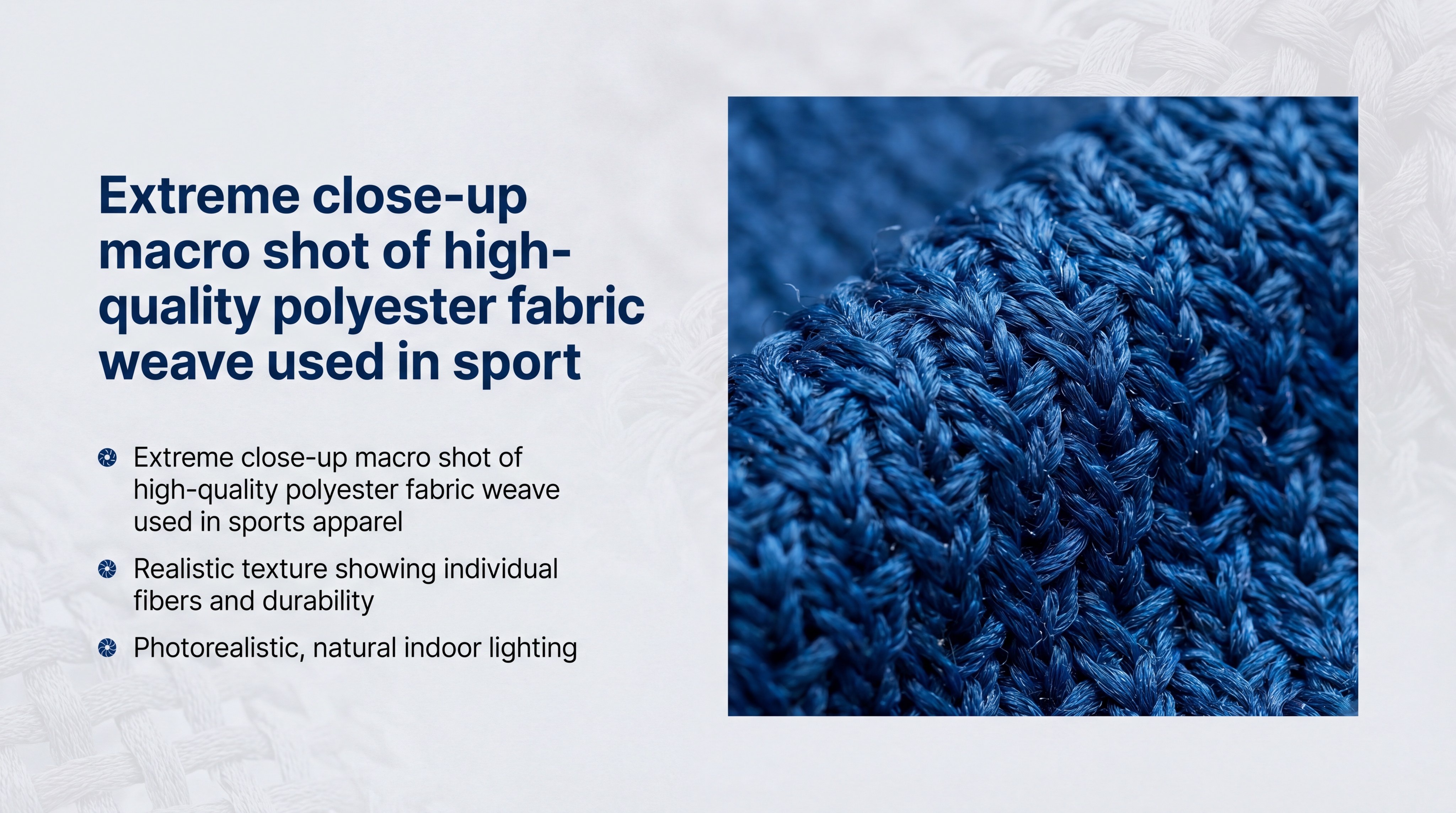
Polyester is the industry standard due to its hydrophobic properties and exceptional tensile strength under physical stress. Most professional kits rely on this specific basketball jersey fabric material because it resists stretching out of shape during intense play. It provides a lightweight foundation that survives the rigors of a full season without losing its structural integrity.
Why is polyester the industry standard for durability?
You can trust polyester to withstand the constant pulling and grabbing that occurs in the paint during a game. It resists wrinkles and shrinkage, which keeps the team looking sharp even after fifty wash cycles.
How does polyester handle heavy moisture during play?
But that is only half the story. Polyester fibers do not absorb water; instead, they push liquid to the outer surface where it can dissipate. This ensures that you never have to deal with a soggy, heavy jersey that clings to the skin.
Summary of Polyester Durability
| Metric | 100% Polyester Performance | |
|---|---|---|
| Abrasion Resistance | Excellent | |
| Moisture Absorption | < 0.4% | |
| Color Fastness | Superior |
Polyester remains the dominant fiber in basketball apparel because it balances technical performance with unmatched long-term resilience.
Does spandex enhance basketball jersey fabric material?
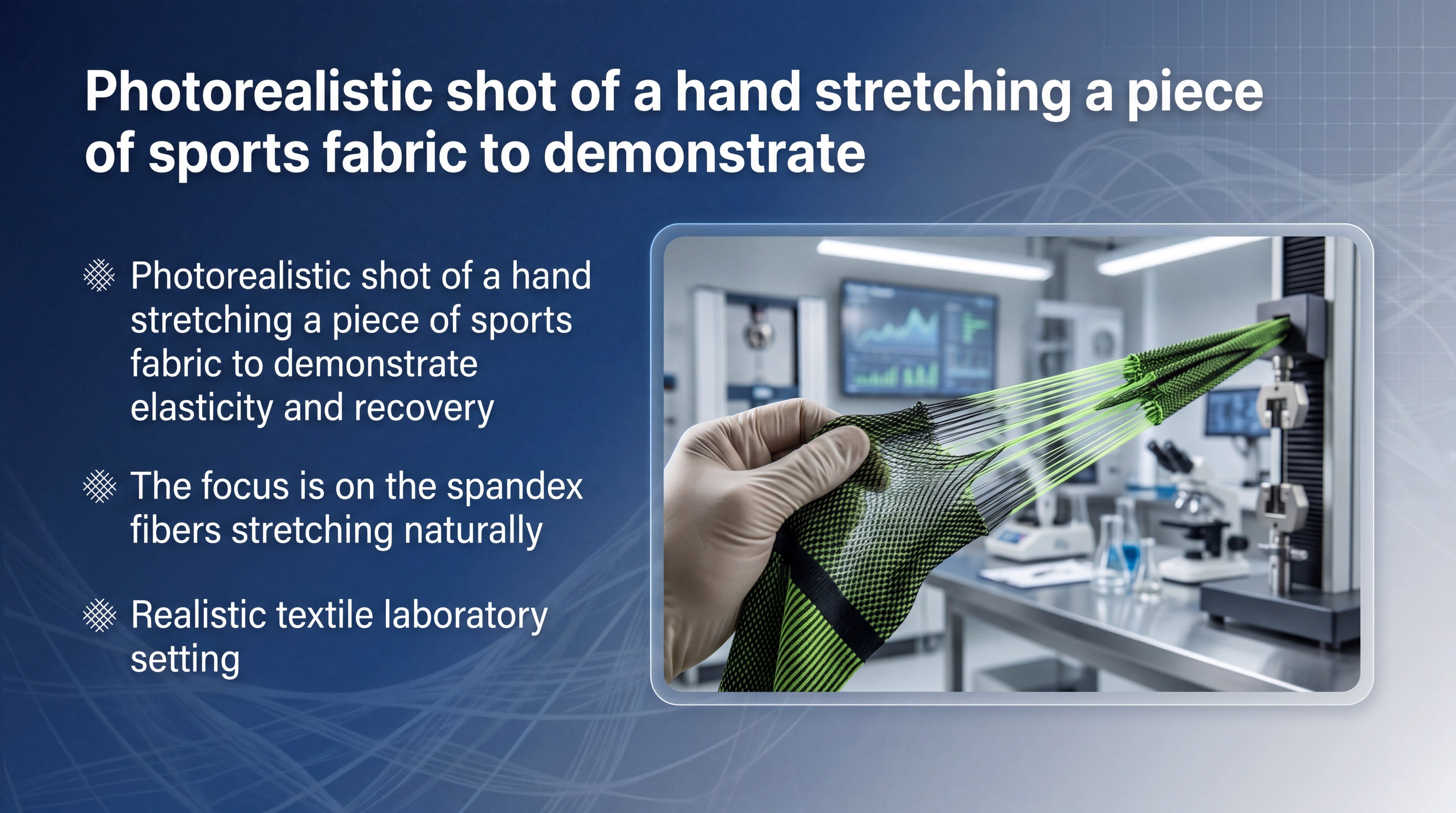
Spandex is vital for providing the 4-way stretch necessary for the explosive, multi-directional movements required on the court. Integrating spandex into your basketball jersey fabric material ensures that the garment moves with the player rather than against them. This flexibility prevents fabric tearing during high-contact situations while maintaining a sleek, professional silhouette.
What is the role of 4-way stretch in basketball?
When you include 4-way stretch, you allow the athlete to perform deep lunges and overhead reaches without any textile resistance. This freedom of movement is a game-changer for players who rely on agility and quick defensive rotations.
How much elasticity is required for a pro-level fit?
You generally want enough elasticity to provide a body-mapped fit without being overly restrictive like a compression garment. Most pro-level jerseys utilize a specific percentage to ensure the fabric “snaps back” to its original shape instantly.
Professional Stretch Key Takeaway
The “memory” provided by spandex fibers ensures that a jersey returns to its original fit after being pulled by an opponent, maintaining the professional appearance of the team.
Stretch Percentage Comparison
| Spandex % | Stretch Level | Application | |
|---|---|---|---|
| 5% Spandex | Moderate | Standard Team Kits | |
| 10% Spandex | High | Professional Game Day | |
| 15% Spandex | Elite | Performance Compression |
Proper spandex integration is the secret to creating a uniform that feels like a second skin while providing necessary athletic range.
What is the best basketball jersey fabric material ratio?
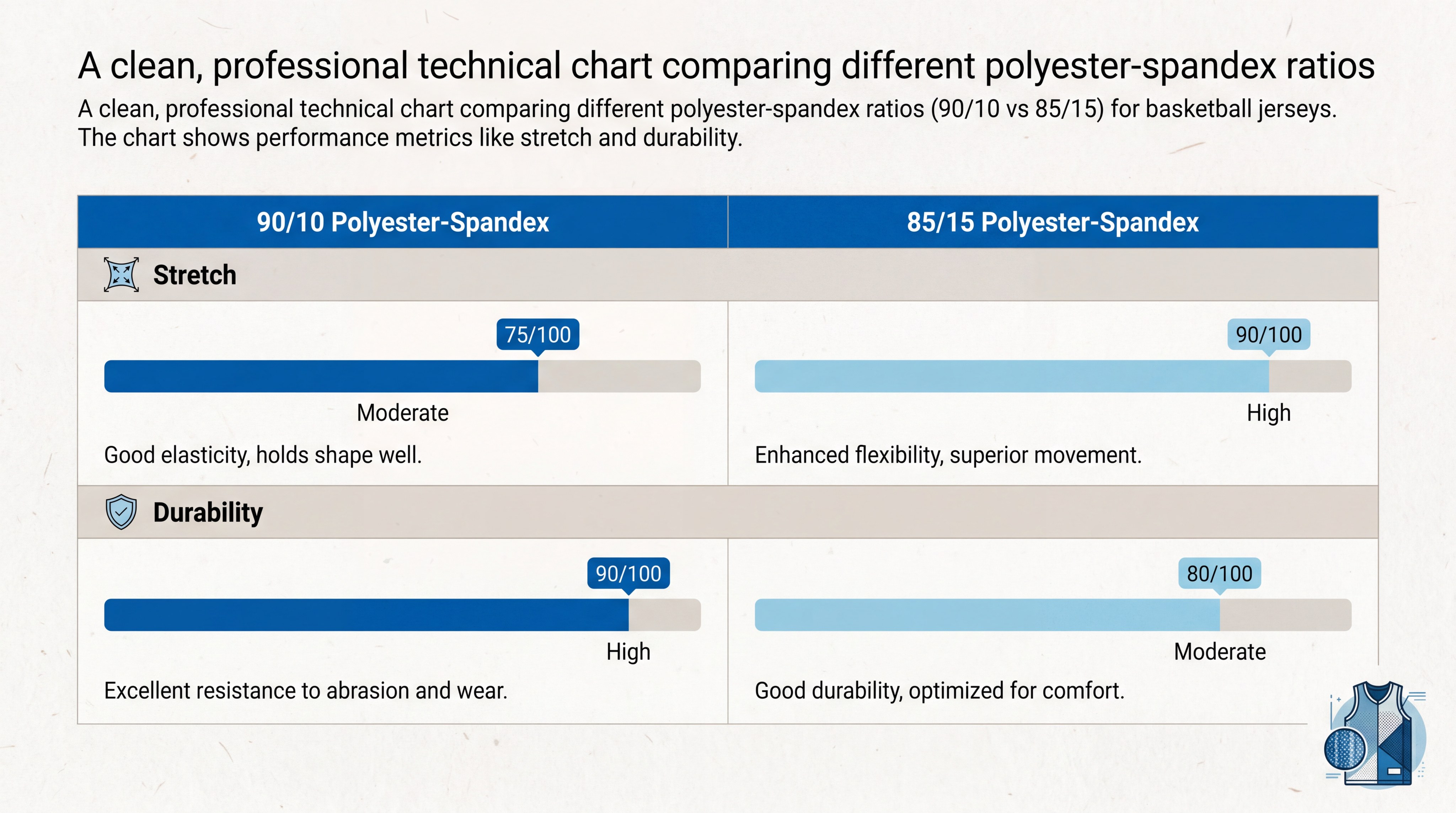
A 90% polyester and 10% spandex blend is the most effective ratio for standard professional game-day uniforms. Determining the correct ratio for your basketball jersey fabric material allows you to balance weight, durability, and flexibility for the specific needs of your players. Different positions or weather conditions may require slight adjustments to these percentages to maintain peak functional comfort.
Why is the 90/10 polyester-spandex blend so popular?
You will find that the 90/10 blend provides the perfect equilibrium between the strength of polyester and the comfort of elastane. This specific mix is favored by B2B buyers because it works across all levels of play, from youth leagues to the pros.
Is an 85/15 ratio better for compression-style fits?
If you are looking for a more “locked-in” feel, an 85/15 ratio offers the increased elasticity needed for compression styles. These are often used for base layers or elite performance tops where a tight fit is a functional requirement.
Common blend ratios you should consider include:
- 100% Polyester: Best for budget-friendly mesh or heavy-duty shorts.
- 95/5 Blend: Ideal for standard practice jerseys with minimal stretch needs.
- 90/10 Blend: The gold standard for professional game-day apparel.
- 80/20 Blend: Specific for high-compression or specialized athletic supports.
Ratio Analysis for Performance
| Blend Ratio | Fabric Weight | Stretch Recovery | |
|---|---|---|---|
| 90/10 Poly/Span | Lightweight | 98% Recovery | |
| 85/15 Poly/Span | Mid-weight | 99% Recovery | |
| 80/20 Poly/Span | Heavyweight | 100% Recovery |
Selecting the optimal fiber ratio ensures that your apparel meets the precise mechanical demands of the sport without unnecessary bulk.
Why use moisture-wicking basketball jersey fabric material?
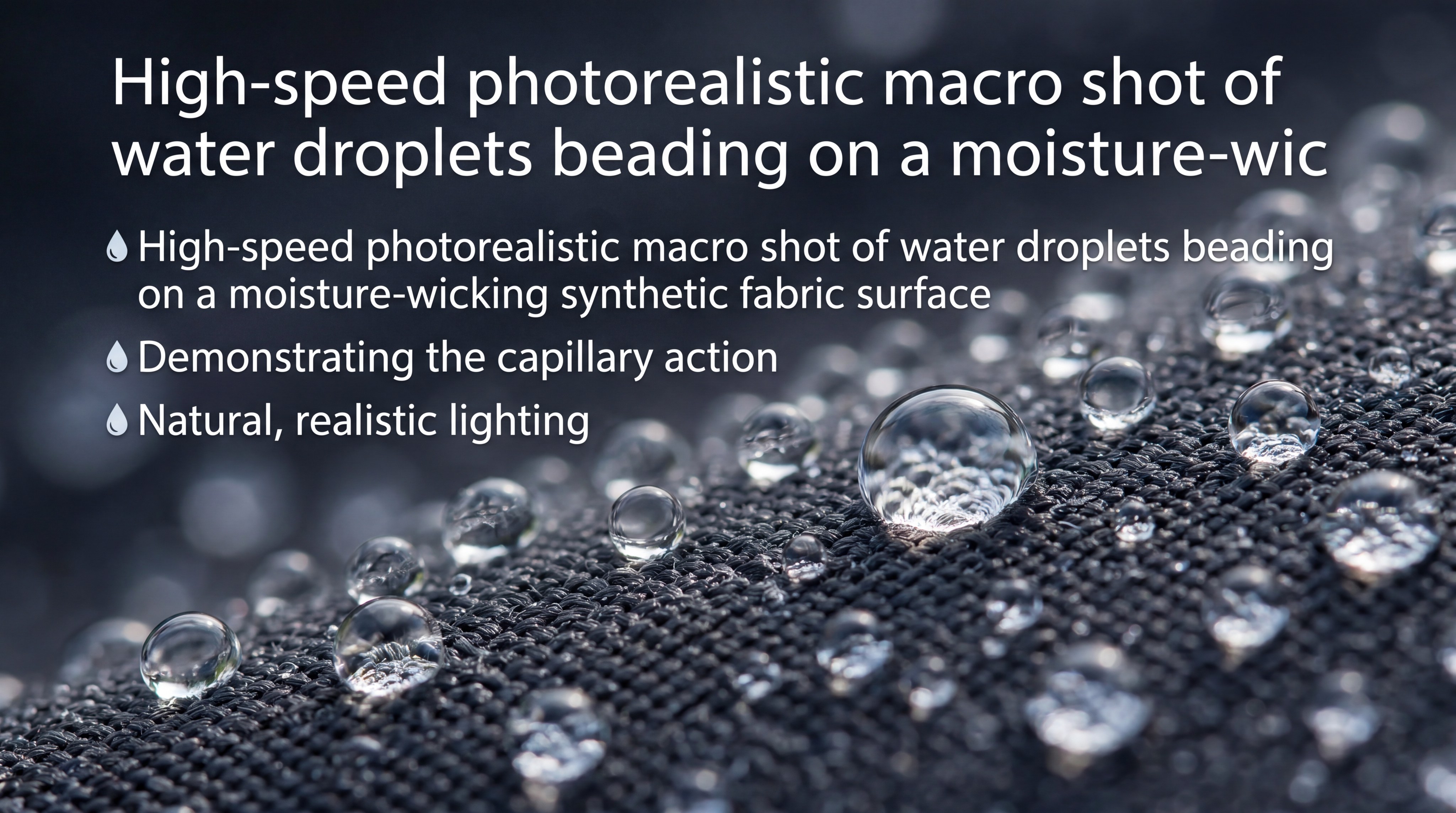
Wicking technology is critical for pulling sweat away from the skin to the fabric surface for rapid evaporation during high-energy games. A premium basketball jersey fabric material must feature advanced capillary action to keep athletes dry at all times. This prevents the jersey from becoming heavy and distracting during the critical moments of the fourth quarter.
How does the capillary action wicking process work?
You can imagine microscopic channels within the fiber that “pump” moisture from the inner surface to the outer layer. This process is passive and continuous, ensuring you stay dry even during the most humid indoor environments.
Why is quick-drying essential for tournament play?
Here is the deal: when you have multiple games in a single weekend, you need uniforms that dry quickly after washing or between sessions. Quick-drying fabrics also reduce the risk of bacterial growth and odors that can ruin a team’s gear.
Evaporation Rate Comparison
| Fabric Type | Drying Time (Minutes) | Wicking Speed | |
|---|---|---|---|
| Treated Polyester | 15 – 20 | Very High | |
| Standard Mesh | 25 – 35 | High | |
| Cotton Blend | 60+ | Low |
Advanced moisture management is the defining feature of any modern athletic textile designed for high-impact professional sports.
Is mesh a breathable basketball jersey fabric material?
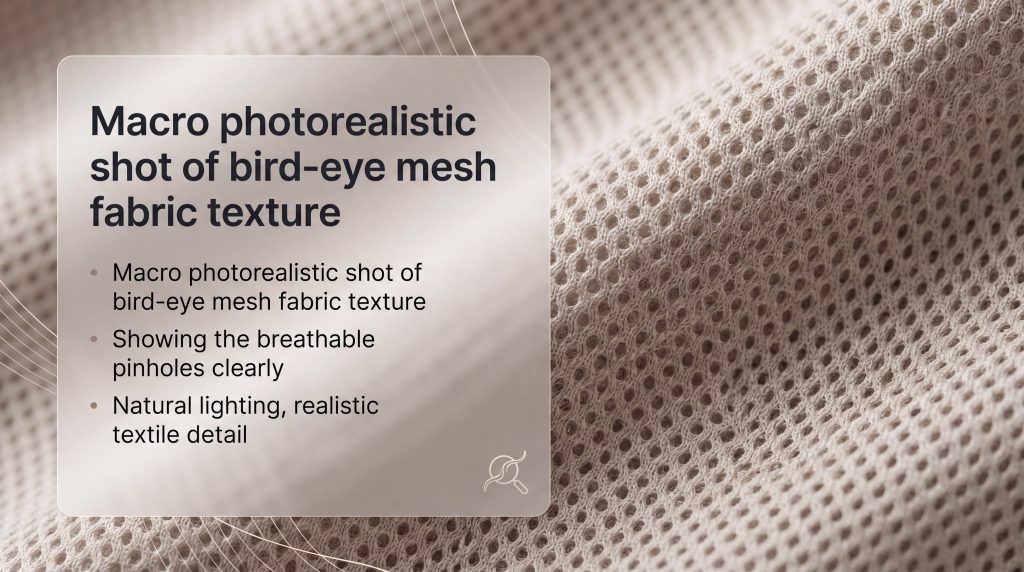
Mesh structures, such as bird-eye or pinhole weaves, provide the highest level of ventilation for core temperature regulation. Using mesh as your primary basketball jersey fabric material ensures that heat can escape efficiently during high-output activity on the hardwood. This breathability is a non-negotiable feature for summer leagues and humid indoor environments where air circulation is limited.
Does pinhole mesh improve airflow more than interlock?
You will see that the tiny perforated holes in pinhole mesh allow for direct air exchange that interlock weaves cannot match. This creates a cooling effect as the athlete moves, significantly improving their overall comfort level.
Why is bird-eye mesh a top choice for B2B sourcing?
But wait, there’s more to bird-eye mesh than just holes; its unique pattern offers a premium texture that looks great under stadium lights. It provides the durability of a solid knit with the ventilation properties of a traditional mesh.
Core Ventilation Key Takeaway
Ventilation is the primary driver of core temperature regulation in basketball, making mesh structures essential for preventing athlete overheating.
Airflow Rating by Structure
| Mesh Type | Ventilation Score | Aesthetic Style | |
|---|---|---|---|
| Bird-Eye Mesh | 9/10 | Textured/Pro | |
| Pinhole Mesh | 10/10 | Athletic/Classic | |
| Flat-Back Mesh | 7/10 | Smooth/Modern |
The choice between different mesh structures allows manufacturers to fine-tune the balance between visual appeal and functional cooling performance.
How durable is modern basketball jersey fabric material?
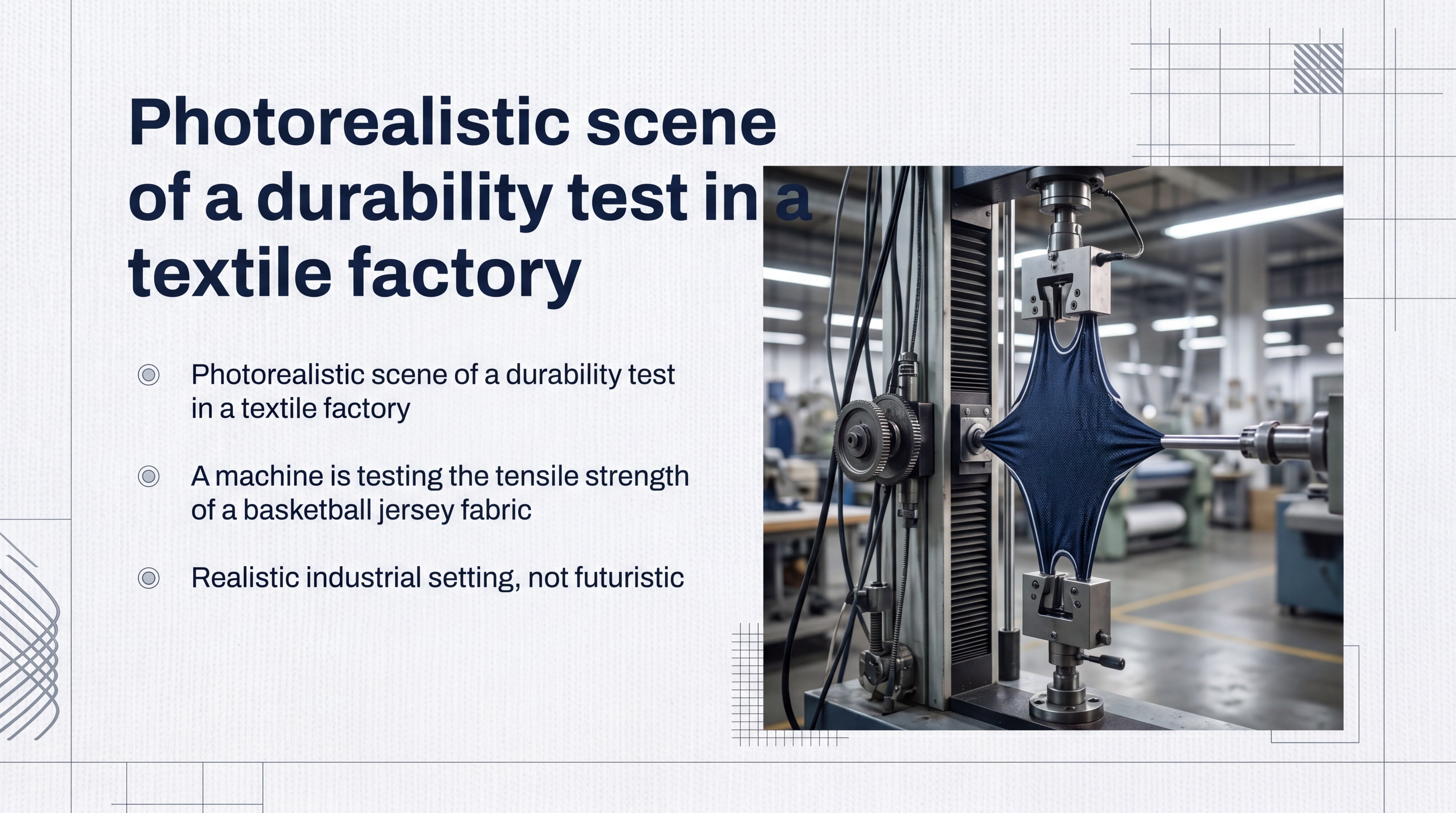
Modern synthetic blends are engineered to resist pilling, snagging, and tearing despite intense physical contact on the court. When sourcing your basketball jersey fabric material , you must verify that the weave can withstand constant pulling and floor friction. Durability directly correlates with the long-term ROI for team procurement officers who need gear that lasts.
Can the fabric withstand high-impact physical play?
You need a fabric that won’t shred when a player takes a hard fall or gets caught in a jersey-pulling scramble. High-denier polyester threads provide the necessary “armor” to protect the garment’s integrity throughout the season.
Does the material resist pilling and snagging?
You should look for “snag-resistant” ratings to ensure that velcro or fingernails don’t pull unsightly threads from the jersey. A smooth finish helps the material slide over skin and pads without creating friction points or pilling.
B2B buyers should look for these testing standards:
- Martindale Abrasion Test for surface wear.
- Tensile Strength Testing for rip resistance.
- Color Fastness to Perspiration for dye stability.
- Bursting Strength for seam and fabric reliability.
Abrasion Resistance Scores
| Fiber Type | Martindale Cycles | Durability Level | |
|---|---|---|---|
| High-Twist Poly | 40,000+ | Industrial/Pro | |
| Poly-Spandex Blend | 30,000 – 35,000 | Professional | |
| Basic Nylon | 20,000 – 25,000 | Recreational |
Superior durability ensures that the investment in a team’s uniform pays off through multiple seasons of high-intensity competitive play.
Does weight impact basketball jersey fabric material?
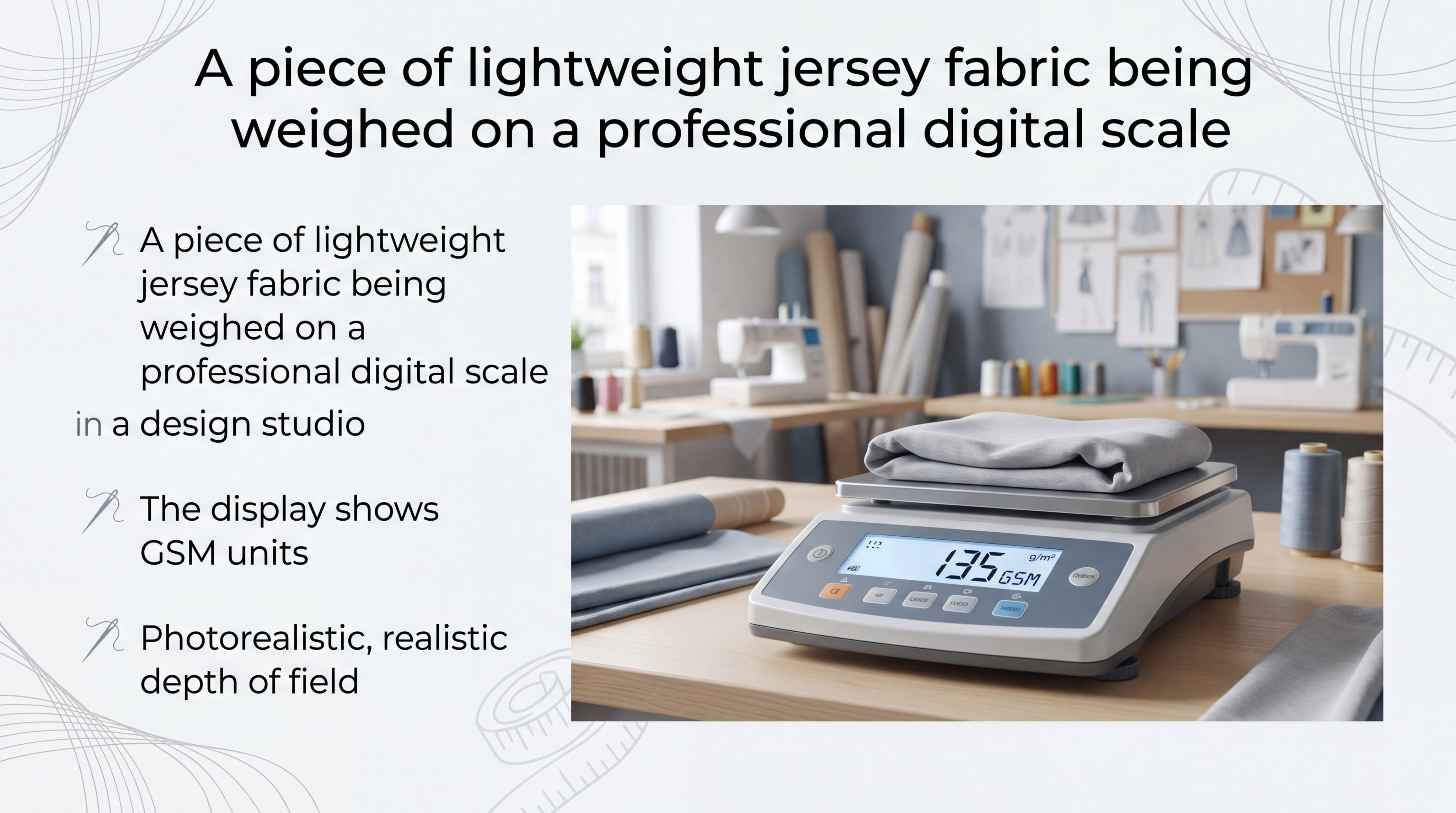
Fabric weight, measured in grams per square meter (GSM), dictates the balance between professional “hand-feel” and athletic agility. Choosing a lightweight basketball jersey fabric material helps reduce the overall burden on the athlete during long games and high-altitude play. However, the material must remain thick enough to maintain opacity and structural integrity when it becomes wet with sweat.
Is 150 GSM the ideal weight for professional jerseys?
You will find that 150 GSM is often considered the “sweet spot” for professional jerseys because it feels premium without being heavy. It provides enough body to drape well on the athlete while allowing for maximum airflow through the weave.
When should you choose a heavyweight interlock weave?
It gets better if you need a more traditional look; a 180-200 GSM interlock weave provides a “heavier” feel that some teams prefer for its perceived quality. These weights are also excellent for basketball shorts that require a bit more substance and durability.
GSM and Application Guide
| GSM Range | Weight Class | Best Use Case | |
|---|---|---|---|
| 120 – 140 | Ultra-Light | Practice/Summer League | |
| 145 – 160 | Mid-Weight | Professional Game Jerseys | |
| 170 – 200 | Heavyweight | Premium Shorts/Hoodies |
Precise weight selection is a strategic decision that affects both the aesthetic drape of the uniform and the physical performance of the player.
Can you customize basketball jersey fabric material?
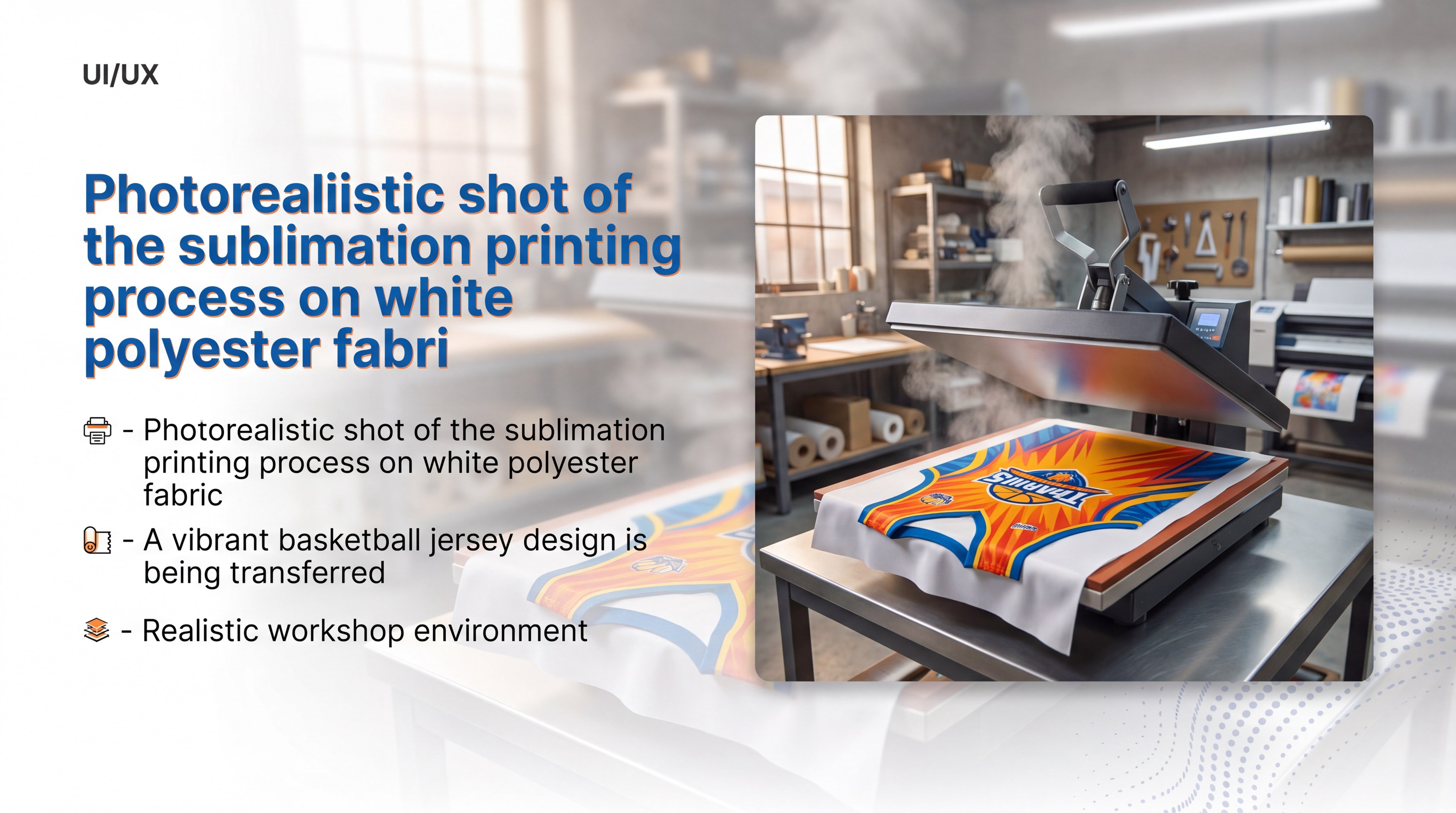
Polyester-based textiles are exceptionally well-suited for sublimation printing, allowing for vibrant and permanent team branding. Customizing your basketball jersey fabric material ensures that logos and numbers do not peel or crack over time. This makes synthetic blends the preferred choice for sportswear brands that prioritize long-lasting aesthetic appeal and complex designs.
Why is polyester the best choice for sublimation?
You can achieve incredibly detailed graphics because the sublimation ink turns into gas and bonds directly with the polyester fibers. This means the print becomes part of the fabric itself, maintaining full breathability without the “plastic” feel of screen printing.
Will colors stay vibrant after 50+ wash cycles?
You won’t have to worry about fading because synthetic fibers hold dye much more effectively than natural ones. This colorfastness is essential for maintaining team identity and professional looks across an entire multi-month tournament schedule.
Branding Longevity Key Takeaway
Synthetic blends offer the highest ROI for team branding because the prints are physically bonded to the fiber, preventing any cracking or peeling during play.
Sublimation Compatibility Comparison
| Fabric Type | Print Clarity | Durability | |
|---|---|---|---|
| 100% Polyester | 10/10 | Permanent | |
| Poly-Spandex | 9/10 | High | |
| Nylon Blend | 6/10 | Moderate |
The ability to create complex, fade-resistant designs is a major competitive advantage for brands using advanced synthetic jersey materials.
How to source quality basketball jersey fabric material?
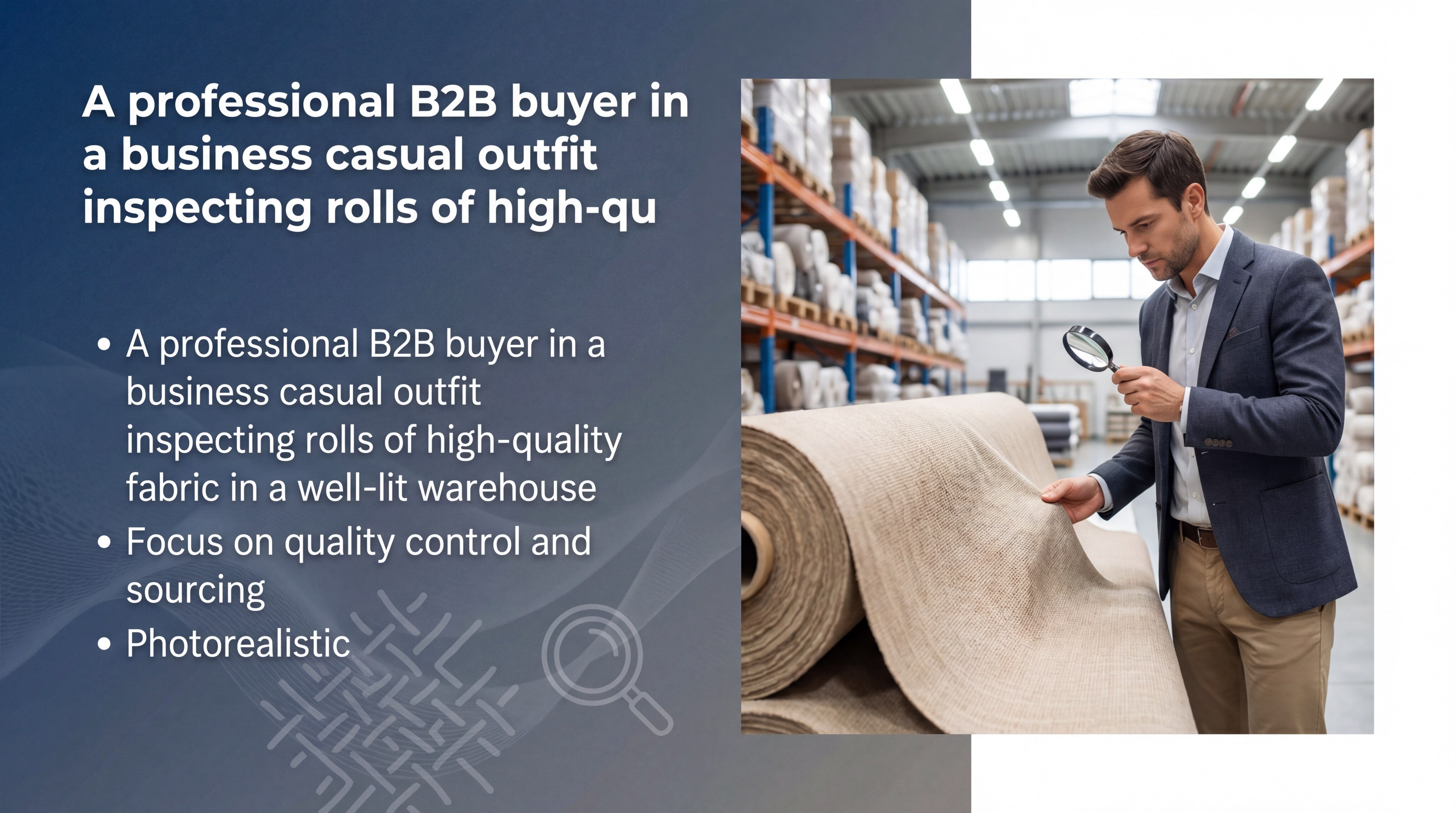
Buyers should verify technical specifications such as GSM, stretch recovery, and colorfastness before placing bulk orders for production. Finding a reliable supplier for your basketball jersey fabric material requires a thorough audit of their performance testing protocols and manufacturing consistency. You should always request physical samples to test the moisture-wicking speed and hand-feel in real-world conditions before signing a contract.
What technical specs should B2B buyers verify?
You must check the “pilling resistance” and “dimensional stability” to ensure the jerseys don’t grow or shrink after repeated use. Verifying the GRS certification is also a great way to meet sustainability goals if you are using recycled polyester.
How to request a performance sample pack for testing?
You can simply reach out to a manufacturer and specify the GSM and blend ratio you need for your prototype. Testing these samples on actual athletes will give you the best data on how the fabric performs under high-stress conditions.
When interviewing a new supplier, ask these questions:
- What is your minimum order quantity (MOQ)?
- Do you provide GRS-certified recycled options?
- What is the lead time for custom-dyed batches?
- Can you provide a lab report for wicking speed?
Bulk Fabric Inspection Checklist
| Checkpoint | Target Standard | Verification Method | |
|---|---|---|---|
| Color Consistency | Delta E < 1.0 | Spectrophotometer | |
| Weight Accuracy | +/- 5% GSM | Digital Scale | |
| Stretch Recovery | > 95% | Manual/Lab Test |
A disciplined sourcing process is the only way to guarantee that the final product meets the elite expectations of professional basketball organizations.
Selecting the right basketball jersey fabric material is a strategic decision that balances the durability of polyester with the flexibility of spandex. For high-performance outcomes, a 90/10 or 85/15 blend with moisture-wicking technology remains the gold standard in the industry. Our vision is to provide sportswear manufacturers with the technical foundation needed to build world-class athletic gear. To explore our technical specifications or request a high-performance sample pack, please contact us today.
FAQ
Can I use 100% cotton for a basketball jersey?No, because cotton absorbs sweat and becomes heavy, which causes chafing and restricts player movement during a game.
What’s the best weight for a professional jersey?150 GSM is the ideal standard because it provides a premium hand-feel while remaining light enough for high-speed athletic transitions.
How do I know if the fabric is truly moisture-wicking?You can perform a simple “drop test” where you place a water droplet on the inner surface; it should disappear and spread through the fabric instantly.
Can I sublimate on nylon-spandex blends?Yes, but the results are generally less vibrant than polyester, so you should stick to polyester-heavy blends for the best graphic clarity.
How do I know if my supplier is reliable?You should verify that they provide consistent lab reports for every batch and offer GRS certification for their recycled material options.