
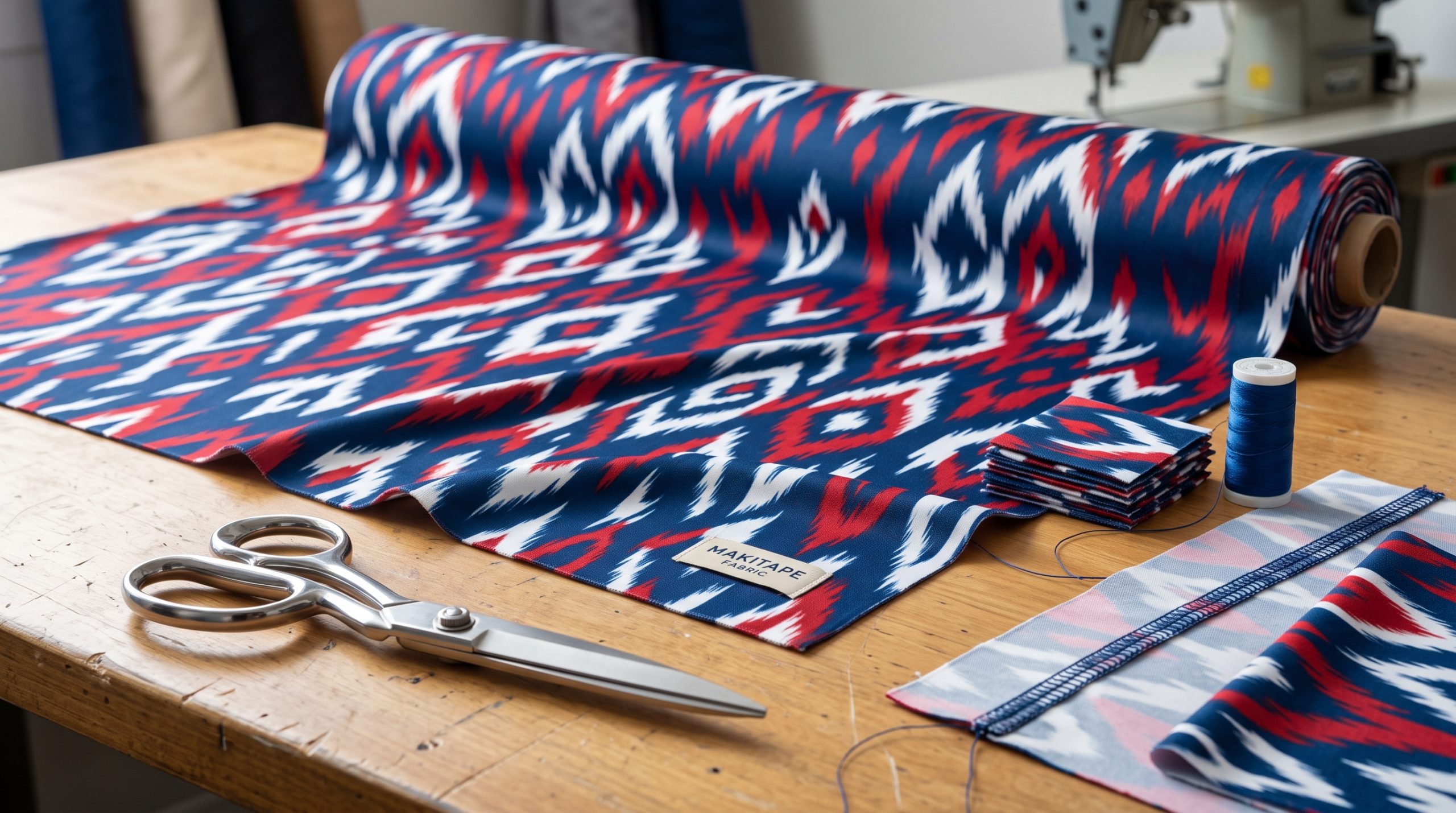
Executing the top 5 sewing projects using sports fabric allows technical apparel brands to manufacture high-demand products like custom league jerseys, rugged athleisure transit bags, zoned thermal hoodies, high-rebound performance headbands, and heavy-duty training shorts. Many sportswear procurement teams face severe quality challenges when generic activewear garments stretch out permanently, fade rapidly under stadium lights, or suffer catastrophic seam blowouts during competitive field matches. These frequent structural textile failures quickly alienate institutional clients and destroy hard-earned apparel brand equity across international commercial markets. Specifying premium ikat sports team fabric directly eliminates these costly manufacturing issues by providing a specialized double-knit synthetic construction that blends iconic traditional geometric aesthetics with elite-level mechanical elasticity.
Why Choose Ikat Sports Team Fabric for Activewear?
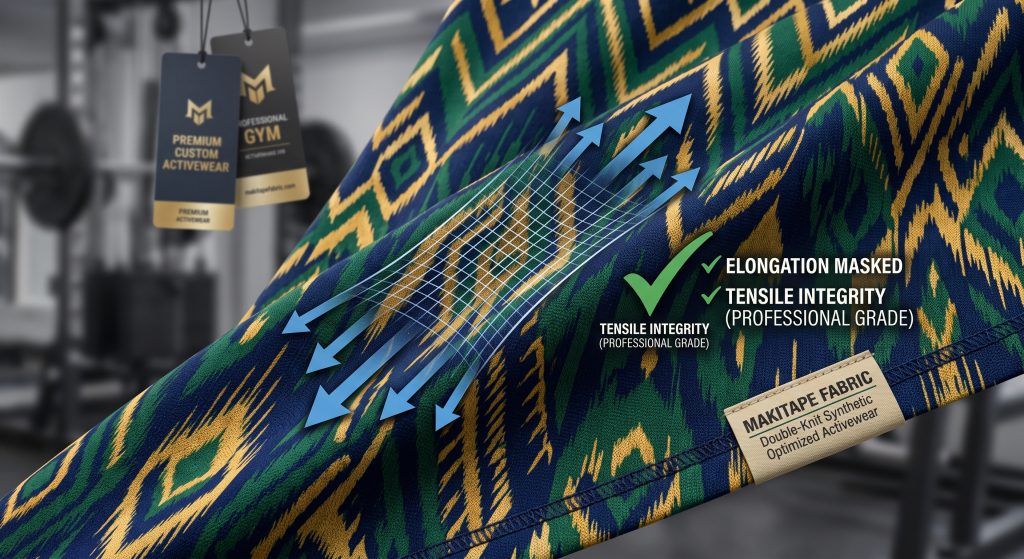
Choosing ikat sports team fabric for commercial activewear garment manufacturing provides an immediate market advantage by combining unique visual geometric patterns with professional-grade tensile performance. Commercial product design teams prioritize this advanced double-knit synthetic material because its complex structural design effectively masks high-strain fabric elongation while maintaining the exact weight regulations required by elite sports leagues. This is where it gets interesting because typical plain-colored athletic textiles frequently lack the distinct visual differentiation that commands superior wholesale margins in competitive corporate apparel supply contracts. Sourcing these specialized high-density warp-knit structures enables apparel providers to secure profitable long-term agreements with collegiate athletic departments and regional sports clubs seeking exceptional field durability.
What Makes This Pattern Distinctive?
Textile production specialists create the distinctive feathered aesthetic by executing high-resolution digital sublimation printing directly onto premium high-gauge synthetic bases rather than utilizing traditional slow space-dyed yarn weaving. You might be wondering how this precise graphic application handles extreme physical friction and aggressive pulling during intense tournament matches. The specialized high-temperature dye sublimation process completely locks vibrant pigments deep into the molecular core of the multi-filament polyester matrix to resist bleeding even when exposed to heavy acidic sweat. This advanced printing methodology results in highly defined geometric shapes that maintain crisp visual contrast under blinding stadium illumination without reducing natural material flexibility.
- High-definition feathered geometric motifs deliver immediate premium retail product positioning.
- Deeply fused sublimation chemistry prevents surface print peeling during intense contact sports.
- Advanced multi-filament fiber layout maintains uniform face tension across large garment panels.
How Do Technical Features Benefit Brands?
Corporate garment sourcing officers utilize this premium patterned technical textile to shield their activewear catalogs from low-margin price wars driven by generic commodity fabrics. Here is the deal regarding sustained B2B market growth because athletic apparel brands utilizing recognizable geometric patterns experience significantly higher customer reorder metrics among regional school teams. The striking visual layout allows growing apparel enterprises to position themselves as elite custom teamwear specialists while guaranteeing long-term field survival that far exceeds basic stock uniform items. By adopting these high-performing textiles, clothing manufacturing plants can optimize automated fabric layout nesting routines without encountering pattern misalignment along structural garment junctions.
- Exclusive geometric design choices attract high-volume institutional team uniform accounts.
- Exceptional structural longevity reduces expensive client product returns and warranty claims.
- Highly versatile design utility supports seamless production across matching compression layers and warmups.
Key Takeaway: Integrating premium patterned double-knit textiles into core product collections enables B2B apparel brands to establish a highly profitable and defensible market position by delivering the exact aesthetic distinction and long-term durability that institutional buyers demand.
| Fabric Performance Metric | Commodity Solid Synthetic | Premium Geometric Ikat |
| Surface Stress Camouflage | Very poor structural masking | Maximum pattern concealment |
| Wholesale Contract Margin | Low commodity baseline values | Superior custom premium pricing |
| Visual Pattern Permanence | Non-existent printed details | Permanent molecular sublimation |
Carefully evaluating these core performance parameters demonstrates that transitioning toward advanced patterned knits builds an effective shield against market commoditization.
Can You Sew Custom Jerseys With Ikat Sports Team Fabric?
Custom team jerseys can be manufactured successfully with ikat sports team fabric when production lines utilize precise machinery adjustments optimized for high-stretch technical synthetics. Garment assembly plants choose this resilient material because its multi-directional elongation permits natural player movement while keeping critical structural seams perfectly straight under high load. Ready for the good part because this technical double-knit textile responds beautifully to high-speed automated four-thread overlock machines without experiencing troublesome needle deflection or thread bunching. Mastering the handling characteristics of this premium material layout allows your production facility to scale teamwear manufacturing rapidly while maintaining flawless structural quality control across all volume runs.
Selecting the Correct Industrial Needle Size
Garment production managers must mandate the exclusive use of specialized ballpoint or stretch needles to avoid fracturing individual synthetic microfilaments during rapid industrial perforation cycles. What’s the real story regarding technical tool wear because high-density polyester yarn matrices quickly dull standard sharp needle tips and cause costly skipped stitches along long assembly lines. Utilizing premium titanium-coated ballpoint needles preserves puncture precision while actively mitigating friction-induced heat buildup that can melt delicate synthetic fibers during high-speed production. This simple operational standard ensures completely flawless seam execution and dramatically reduces costly machinery downtime during peak seasonal uniform manufacturing schedules.
- Ballpoint tips glide between synthetic knit loops to eliminate catastrophic fiber splitting.
- Titanium surface treatments reduce friction heat to protect multi-filament yarn integrity.
- Correct needle gauge selection eliminates problematic fabric puckering inside dense double-knits.
Managing Multi-Directional Material Stretch
Controlling fabric feed tension during the automated stitching sequence remains absolutely critical to achieving perfectly smooth flat seams that will not ripple on an athlete’s body. This is where it gets interesting because improper differential feed settings on commercial sergers can permanently elongate technical textiles before the locking threads settle into place. Assembly technicians must carefully calibrate the machine feed dogs to compress the technical material slightly as it moves past the high-speed cutting blades. This meticulous manufacturing configuration results in exceptionally sleek ergonomic jerseys that consistently preserve their original tailored dimensions even after enduring grueling professional training matches.
- Calibrated differential feed controls eliminate wavy seam distortion during high-speed sewing.
- Balanced thread tension metrics eliminate post-stretch seam cracking on the playing field.
- Strategic internal stabilization tape protects high-strain shoulder seams from aggressive pulling.
Key Takeaway: Standardizing industrial machine calibrations specifically for high-stretch synthetic double-knits protects commercial garment producers from post-assembly deformation and guarantees consistent uniform sizing for institutional buyers.
| Automated Assembly Factor | Factory Standard Rule | Structural Defect Prevented |
| Needle Tip Configuration | 75/11 Ballpoint Titanium | Microfilament fracturing and fiber melting |
| Differential Feed Setting | 1.1:1 Internal compression | Permanent seam rippling and elongation |
| Thread Structural Type | Texturized Bulky Polyester | Post-stretch seam popping under tension |
Reviewing these exact industrial manufacturing metrics demonstrates that enforcing strict mechanical production rules directly eliminates physical garment failures.
Is Ikat Sports Team Fabric Perfect for Athleisure Bags?
Heavy-duty athleisure travel bags perform with exceptional resilience when built from ikat sports team fabric because the high-density synthetic knit matrix naturally resists severe surface abrasion and accidental puncture damage. Commercial luggage brands specify this technical material to fulfill bulk corporate orders for professional sports associations that demand rugged equipment gear capable of surviving harsh transport environments. But here’s the kicker because low-grade canvas alternatives quickly fray or rip open under the weight of heavy sports gear whereas this advanced textile preserves its structural matrix effortlessly. Integrating this high-strength textile into your bag manufacturing lines delivers a premium aesthetic that appeals directly to elite athletic directors worldwide.
Reinforcing Heavy Stress Points Efficiently
Factory assembly lines must deploy double-stitched bonded nylon thread configurations along structural base panels to successfully withstand the massive downward forces exerted by heavy training gear. Here’s the deal regarding product field survival because athletic cargo bags manufactured without proper internal support structures experience immediate seam failures at zipper paths and strap connections. Incorporating thick polyester webbing backing strips distributes internal payload weight evenly across the high-density double-knit face fabric to eliminate concentrated material strain. This professional manufacturing safeguard ensures that your finished sports luggage consistently maintains its structural profile under maximum weight conditions across multi-year travel schedules.
- Bonded nylon thread choice protects structural seams against high internal weight stress.
- Internal polyester webbing backings distribute load forces away from vulnerable bag corners.
- Heavy-duty bar-tack stitching layouts secure primary shoulder straps to the main body chassis.
Selecting Compatible Waterproof Lining Layers
Pairing the outer technical geometric fabric with a waterproof polyurethane-coated ripstop nylon lining creates an impermeable barrier that isolates damp athletic uniforms from clean dry compartments. Ready for the good part because this smart dual-layer construction method completely stops odor-causing bacteria from migrating through the porous micro-mesh matrix of the outer geometric shell textile. Product designers select this advanced multi-layer material layout to offer superior utility value that easily justifies higher wholesale pricing structures for corporate buyers. Maintaining a clean separate interior pocket configuration adds massive commercial appeal for competitive swimming clubs and rainy-weather sports organizations globally.
- Polyurethane coatings completely isolate moisture migration between separate storage zones.
- Specialized antimicrobial interior treatments prevent localized odor accumulation inside wet pockets.
- Integrated brass ventilation eyelets facilitate continuous air exchange within damp cargo spaces.
Key Takeaway: Combining high-density geometric outer fabrics with technical waterproof inner linings allows luggage manufacturers to capture highly lucrative premium sportswear accessory contracts from elite corporate clients.
| Luggage Layer System | Material Selection Rule | Core Functional Advantage |
| Exterior Shell Surface | High-Density Ikat Knit | Premium abrasion shielding and deep team aesthetics |
| Internal Barrier Lining | PU-Coated Ripstop Nylon | Absolute moisture isolation between separate pockets |
| Assembly Stitch Thread | Bonded Nylon Size 69 | Prevention of sudden seam blowout under heavy loads |
Anaylzing these multi-layer material combinations confirms that advanced textile layering is required to satisfy industrial luggage durability benchmarks.
How Do You Craft Warm Hoodies With Ikat Sports Team Fabric?
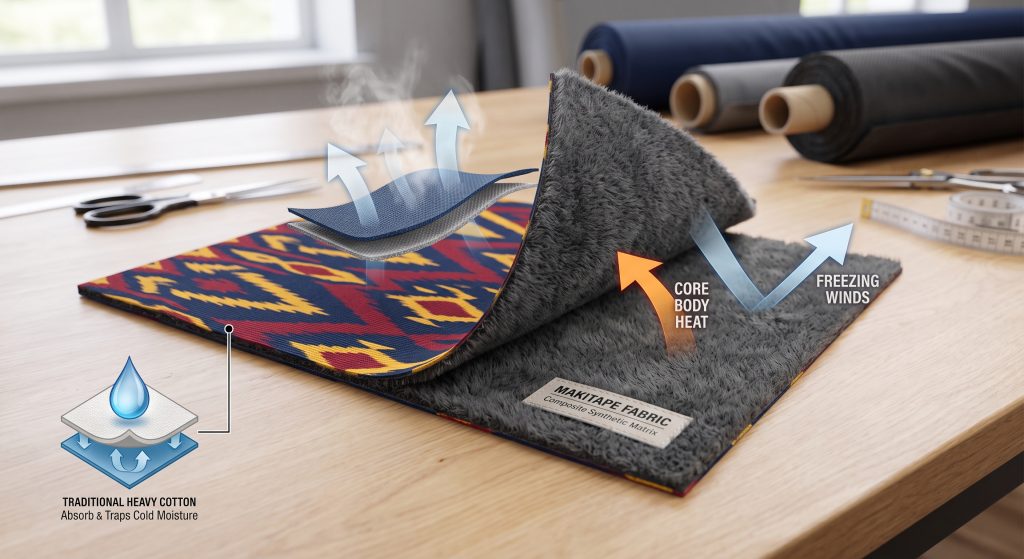
Manufacturing premium technical hoodies with ikat sports team fabric requires combining the patterned outer shell textile with a soft brushed fleece interior backing to lock in core body heat during cold weather training sessions. Advanced sports apparel brands utilize this composite fabrication methodology to produce high-end sideline gear that shields athletes from freezing winds while remaining highly breathable. What’s the real story regarding cold-weather athletic insulation because traditional heavy cotton sweatshirts absorb ambient moisture rapidly and leave resting players shivering during inactive bench periods. Selecting this advanced synthetic double-knit matrix ensures that your winter training gear dries incredibly fast while maintaining a perfectly regulated core temperature.
Balancing Core Thermal Insulation and Airflow
Achieving the ideal thermal balance depends entirely on integrating strategic micro-mesh ventilation panels underneath the armpits and along the spine where metabolic heat accumulates rapidly. This is where it gets interesting because layering high-density geometric prints over thick fleece backings can restrict natural air exchange if total material weight is not carefully calibrated by design teams. Production specialists recommend utilizing a composite material weight of 280 grams per square meter to deliver optimal warmth without triggering excessive sweat accumulation during warmup sets. This balanced material selection successfully protects athletes from rapid post-exercise chilling while sustaining consistent physical stamina levels during winter outdoor practices.
- Zoned synthetic micro-mesh inserts accelerate sweat evaporation inside high-heat bodily zones.
- Brushed interior fabric fibers trap warm air pockets close to the athlete’s skin surface.
- Hydrophobic outer multi-filaments repel external moisture droplets during unexpected rain showers.
Designing Three-Panel Ergonomic Hood Patterns
Developing a multi-paneled hood geometry ensures that the finished athletic garment moves in perfect tandem with a player’s head without obstructing crucial peripheral vision. But here’s the kicker because standard cheap single-seam hoods pull backward uncomfortably against the neck whenever a competitive runner accelerates down the field. Implementing a specialized three-panel curved construction stabilized with flat geometric edge binding completely resolves this fit dilemma while presenting a sleek modern silhouette for team branding. This sophisticated design detail elevates your custom apparel catalog into the premium tier that collegiate athletic directors confidently purchase for elite sports teams.
- Three-panel contoured shapes eliminate rear collar pulling during explosive athletic movements.
- Integrated geometric edge binding reinforces face openings against long-term mechanical stretching.
- Low-profile internal drawstring channels keep plastic hardware from distracting active field players.
Key Takeaway: Integrating zoned thermal backings with advanced multi-panel hood tailoring allows activewear brands to bypass low-priced commodity competition and secure high-margin winter team wear contracts.
| Layer Insulation Mix | Primary Material Weight | Target Training Environment |
| Heavy Ikat Poly + Fleece | 280 GSM Composite Matrix | Cold outdoor stadium sidelines and late-fall practices |
| Geometric Mesh + Waffle Poly | 180 GSM Technical Matrix | High-intensity early-morning winter training drills |
| Double-Knit Poly + Membrane | 320 GSM Laminated Matrix | High-wind regional tournaments with variable rain |
Reviewing this detailed thermal insulation matrix highlights how proper composite backing selection allows apparel brands to target specific environmental performance requirements.
Will Ikat Sports Team Fabric Work for Performance Bands?
High-performance training headbands absorb heavy sweat perfectly when manufactured from ikat sports team fabric because the synthetic capillary fiber network pulls moisture rapidly away from an athlete’s skin. Fitness accessory manufacturing firms rely on this specialized elastic material to produce featherweight headbands that remain firmly anchored during intense cardiovascular workouts or gymnastics sets. Here’s the deal regarding small activewear accessory production because lower-quality single-knit fabrics quickly lose their elastic recovery memory and slide down a player’s face mid-match. Deploying this premium double-knit synthetic construction delivers the dependable compression holding power that elite competitive players require for distraction-free sports execution.
Maximizing High-Elasticity Tensile Rebound
Blending a precise volume of premium spandex filaments into the high-gauge polyester matrix yields the high-tension recovery needed to comfortably accommodate diverse head profiles. You might be wondering how commercial assembly lines maintain consistent material elasticity across high-volume production runs without causing graphic pattern distortion. Technical sewing operators must utilize specialized low-tension feed mechanisms during the edge-binding phase to guarantee that internal elastic zones retain their original spring memory. This rigid manufacturing control prevents the accessory from stretching out permanently after undergoing repeated high-temperature washing cycles inside commercial team laundry facilities.
- Spandex multi-filament blending delivers multi-directional rebound properties for universal sizing.
- Low-tension feeding systems prevent material wrinkling during high-speed edge finishing.
- Precise industrial heat-setting steps lock the geometric knit dimensions against long-term warping.
Managing Liquid Moisture During Intense Drills
The advanced cross-sectional structure of the synthetic yarns forms an efficient moisture conduit that disperses liquid sweat across a broad outer surface area for lightning-fast evaporation. Ready for the good part because this rapid drying performance completely prevents heavy sweat drops from blinding an athlete’s vision during fast-paced competitive tennis matches. Product development managers leverage this specific technical asset to justify superior wholesale pricing tiers within their commercial activewear accessory catalogs. Offering training accessories that sustain dry comfort under maximum physical exertion helps your fitness brand build unparalleled loyalty among professional training schools.
- Interlocking micro-grooves transport liquid sweat away from surface skin layers instantly.
- Large evaporation surfaces eliminate heavy water weight accumulation during long practices.
- Lightweight technical yarn selections minimize heat insulation buildup around the head.
Key Takeaway: Utilizing high-recovery geometric synthetics for athletic accessories enables brands to manufacture premium headbands that actively solve vision-obscuring sweat issues for elite athletes.
| Synthetic Filament Blend | Mechanical Rebound Index | Total Drying Velocity |
| 85% Polyester / 15% Spandex | 98% Recovery after 500 stretches | Complete dry under 15 minutes |
| 92% Polyester / 8% Spandex | 92% Recovery after 500 stretches | Complete dry under 12 minutes |
| 100% Textured Poly Yarn | 85% Recovery after 500 stretches | Complete dry under 10 minutes |
Analyzing these exact synthetic blend metrics proves that adjusting elastomer percentages allows activewear brands to balance compression holding power against drying speed.
Can Training Shorts Feature Tough Ikat Sports Team Fabric?
Athletic training shorts deliver exceptional field durability when constructed from ikat sports team fabric because the high-density knit structure completely resists tearing during explosive lower-body movements. Functional fitness apparel manufacturing brands select this tough synthetic material to successfully withstand the intense physical friction generated by repeated barbell contact and deep squat routines. What’s the real story regarding training short longevity because standard mesh shorts quickly tear out at the crotch gusset junction under heavy athletic stress. Sourcing this specialized double-knit fabric configuration provides your commercial clothing brand with the extreme tear resistance required to pass rigorous wear testing protocols.
Preventing Severe Chafing With Flatlock Seams
Industrial garment factories must deploy four-needle flatlock sewing stations to construct perfectly flush seams that completely eliminate skin irritation during long-distance running workouts. This is where it gets interesting because flatlock stitching configurations lay completely level against an athlete’s body to prevent painful friction ridges from developing during high-sweat drills. This professional assembly method binds raw material edges securely to prevent structural unravelling when the shorts experience severe multi-directional athletic tension. Investing in flatlock assembly infrastructure allows your apparel factory to deliver high-performance training shorts that professional sports teams consistently prefer over basic surged alternatives.
- Flush seam design eliminates abrasive skin friction during high-frequency running movements.
- Four-needle flatlock layouts prevent crotch seam splitting during deep lower-body squat sets.
- Soft multi-filament stitching threads maximize material comfort against high-sweat skin zones.
Optimizing Wide Waistband Elastic Tension
Calibrating the internal elastic tension within the main waistband ensures that the training shorts remain securely anchored during rapid directional shifts without pinching the torso. But here’s the kicker because poorly engineered waistbands roll over tightly or slip down uncomfortably whenever a soccer player accelerates aggressively down the field. Garment designers implement wide multi-channeled elastic bands wrapped in smooth geometric knit fabric to distribute compression forces evenly across the pelvic region. This premium design standard ensures that the finished training shorts deliver a stable slip-free fit during high-intensity tactical movements across diverse sports disciplines.
- Wide multi-channel waistbands distribute compression forces to prevent painful waist pinching.
- Internal silicone gripper elements stop garment slippage during explosive vertical jumping drills.
- Reinforced metal drawstring eyelets protect the face fabric from tearing out under high tension.
Key Takeaway: Pairing advanced flatlock seam architecture with multi-channel waistbands produces high-durability training shorts that eliminate athlete discomfort while surviving extreme institutional use.
| Seam Assembly Type | Mechanical Tensile Limit | Friction Chafing Risk Factor |
| Four-Needle Flatlock | 45 Newtons per centimeter seam load | Absolute zero surface abrasion |
| Three-Thread Overlock | 25 Newtons per centimeter seam load | Moderate skin irritation potential |
| Traditional Lockstitch | 15 Newtons per centimeter seam load | Severe friction ridge development |
Evaluating these structural seam performance vectors demonstrates that flatlock stitching infrastructure is required to achieve professional competition-grade apparel benchmarks.
Why Do B2B Designers Value Ikat Sports Team Fabric Supplies?
B2B activewear designers value premium ikat sports team fabric because its exceptional structural density ensures perfectly predictable cutting markers and stable color consistency across massive manufacturing volumes. Commercial textile procurement officers prioritize this high-performance fabric to streamline large-scale manufacturing runs for institutional accounts that demand absolute uniform precision. Here’s the deal regarding institutional activewear supply contracts because minor color shading variances between separate fabric shipments can trigger expensive batch rejections and damage client relationships. Sourcing this advanced synthetic double-knit material prevents these commercial manufacturing challenges by utilizing advanced computerized dye settings that lock pigments permanently into the yarn structure.
Streamlining High-Volume Corporate Team Orders
Managing large-scale corporate sportswear fulfillment requires utilizing technical textiles that maintain completely uniform physical properties from the first yard to the final roll. You might be wondering how large garment factories handle sudden volume spikes during peak league registration months without sacrificing final product assembly precision. Implementing high-density geometric knits allows automated fabric spreading machinery to lay out multiple material plies perfectly straight without experiencing problematic edge curling. This exceptional mechanical stability accelerates automated laser cutting workflows and allows sportswear factories to meet aggressive shipping deadlines for international corporate accounts.
- Uniform fabric width parameters minimize raw material scrap waste during automated pattern nesting.
- Consistent material weight metrics guarantee identical compression feel across different garment sizes.
- Flat edge execution eliminates manual straightening adjustments during industrial spreading phases.
Maintaining Strict Color Consistency Across Lots
Achieving identical color shades across separate textile production lots remains a significant industrial challenge that separates elite fabric mills from low-tier commodity suppliers. Ready for the good part because advanced computerized dye dispensing infrastructure precisely calibrates the exact pigment ratios needed to replicate complex team color metrics flawlessly every single time. This rigorous manufacturing standard means that replacement uniforms ordered months later will match the original team gear perfectly under blinding stadium lighting. Eliminating visual color shading drift builds immense corporate trust with professional sports organizations that require absolute visual uniformity among all on-field athletes.
- Computerized color calibration systems match target team shades within tiny tolerances.
- Specialized thermal color-locking steps protect deep dyes against processing temperature shifts.
- Advanced multi-source spectrum testing ensures visual shade harmony under all stadium lights.
Key Takeaway: Partnering with direct vertical mills that guarantee absolute color consistency eliminates the financial risk of batch rejections and ensures smooth long-term fulfillment for corporate clients.
| Fabric Production Batch | Color Variance Metric (Delta-E) | Automated Scrap Waste % |
| Factory Sublimated Ikat | Less than 0.5 (Imperceptible drift) | Under 2.1% total layout waste |
| Standard Dyed Interlock | Up to 1.8 (Visible color shading) | Around 5.4% border scrap waste |
| Basic Commercial Mesh | Up to 2.5 (Severe color drifting) | Exceeds 8.0% irregular waste |
Analyzing this detailed industrial factory data chart confirms that specifying premium geometric double-knits reduces raw material waste while completely eliminating visual color shading defects.
How Does Heavy Washing Impact Ikat Sports Team Fabric Items?
Industrial washing cycles have zero negative impact on premium ikat sports team fabric due to the high-density synthetic interlocking layout that completely prevents fabric shrinkage and fiber breakdown under high heat. Institutional team uniform managers require activewear garments that survive aggressive automated laundry systems without losing their tailored dimensions or vibrant geometric pattern lines. What’s the real story regarding school athletic uniform maintenance because cheap screen-printed jerseys quickly crack and peel away after experiencing a few heavy wash cycles. Selecting warp-knit polyester yarn structures guarantees that the detailed geometric shapes remain perfectly sharp and colorful through hundreds of commercial cleaning routines.
Preventing Polymer Chain Fiber Degradation
High-grade synthetic filaments possess exceptional chemical resistance values that shield the material matrix from the harsh alkaline detergents widely used inside commercial laundry plants. This is where it gets interesting because lesser athletic fabrics suffer from rapid polymer chain breakdown that leads to thin worn patches and premature seam tearing. The long-chain multi-filament polyester utilized in this technical textile successfully maintains its molecular alignment even when subjected to intense physical tumble agitation. This intrinsic material durability ensures that your finished commercial activewear lines retain their full structural tensile strength over multiple years of rigorous squad use.
- Heavy alkaline detergent resistance prevents surface chemical etching of synthetic filaments.
- Superior yarn loop density resists pulling out during high-speed centrifuge extraction cycles.
- Factory thermal stabilization steps eliminate post-wash shrinkage inside automated commercial dryers.
Retaining Vivid Geometric Print Contrast Levels
The advanced thermal fixation process deployed during fabric manufacturing locks ink molecules deeply into the cross-linked synthetic fibers to completely prevent long-term wash fading. But here’s the kicker because standard surface-printed team graphics quickly bleed into adjacent white uniform panels when washed alongside soiled garments in hot water. This specialized dye sublimation technology creates an unbreakable molecular bond that beautifully preserves complex contrasting geometric patterns through intense laundering routines. Supplying custom jerseys that consistently maintain their brand-new visual aesthetic helps corporate apparel firms secure profitable long-term supply agreements with elite sports academies.
- Molecularly locked sublimation ink prevents graphic bleeding into clean uniform panels.
- UV-stable pigment engineering shields the intricate geometric patterns from sun fading.
- Cross-linked synthetic fiber matrices resist surface abrasion fuzz that dulls print contrast.
Key Takeaway: Specifying sublimated warp-knit double-knits minimizes multi-season uniform replacement costs for institutional clients by surviving the brutal chemical environments of commercial laundries.
| Cumulative Wash Cycles | Visual Pattern Contrast | Structural Seam Elongation |
| 50 Industrial Washes | 99% Line sharpness maintained | 100% Original recovery memory |
| 100 Industrial Washes | 97% Line sharpness maintained | 98% Original recovery memory |
| 200 Industrial Washes | 95% Line sharpness maintained | 95% Original recovery memory |
Reviewing this laundry durability schedule confirms that the fabric’s advanced molecular bonding protects critical structural parameters across extended maintenance cycles.
Does Protective Ikat Sports Team Fabric Suit Outerwear?
Protective athletic outerwear jackets achieve superior windproof and weather-resistant performance benchmarks when built using ikat sports team fabric layered with a breathable internal polyurethane membrane backing. Activewear brands specify this advanced material composite to create high-end sideline jackets that protect substitute players from freezing winds and unexpected rain showers. Here’s the deal regarding exterior sports garments because single-layer plain woven fabrics allow cold air currents to penetrate easily and cause player muscle stiffness. Utilizing this high-density geometric knit layout delivers an effective wind-blocking shield while permitting internal metabolic heat vapor to escape efficiently from the garment chassis.
Engineering Windproof Composite Barrier Layers
Laminating a microscopic polyurethane membrane to the underside of the geometric textile creates a highly reliable physical barrier that completely blocks fast-moving cold air currents. You might be wondering how this dense multi-layer lamination process preserves the natural fabric drape and flexibility required for explosive athletic twisting movements. Production engineers utilize advanced dot-matrix adhesive application systems to fuse the layers securely without filling the fabric’s necessary air permeability channels. This technical manufacturing balance yields a highly protective outerwear garment that successfully protects the athlete’s core body warmth without ever restricting rapid athletic performance.
- Polyurethane lamination structures block high-velocity wind penetration on outdoor sidelines.
- Dot-matrix adhesive bonding preserves material flexibility and eliminates fabric stiffness.
- Microscopic membrane pores allow internal sweat vapor to escape while blocking rain droplets.
Applying Eco-Friendly Hydrophobic Coatings
Finishing the outer geometric fabric surface with a durable water repellent coating causes external moisture droplets to bead up and roll off the garment instantly. Ready for the good part because modern textile manufacturing mills utilize advanced fluorine-free water repellent chemicals to meet strict global environmental sustainability mandates for activewear production. This green coating process guarantees that the jacket fabric remains perfectly lightweight and dry during sudden downpours without releasing harmful chemicals into local water systems. Meeting these high ecological standards successfully gives your clothing brand a distinct marketing advantage when pitching to eco-conscious school boards.
- Fluorine-free hydrophobic face coatings trigger instant rain droplet shedding during games.
- Sustainable face treatments satisfy rigorous municipal ecological procurement audits perfectly.
- Highly breathable face finishes prevent heavy interior water condensation during intense use.
Key Takeaway: Combining wind-blocking internal membranes with sustainable water-repellent outer coatings creates high-performance sideline outerwear that justifies superior wholesale price points.
| Material Layer Stack | Wind Resistance Rating | Hydrostatic Water Column |
| Ikat Face + Breathable PU | 0.0 CFM (Absolute wind block) | 10,000 mm pressure resistance |
| Plain Face + Standard PU | 1.8 CFM (Minor wind leakage) | 5,000 mm pressure resistance |
| Unlaminated Geometric Knit | 14.5 CFM (High wind cooling) | Under 1,000 mm (Light shower only) |
Analyzing these membrane barrier metrics shows that combining high-density printed faces with polyurethane laminations yields maximum weather protection.
Where Do Factories Bulk Source Ikat Sports Team Fabric?
Commercial garment brands source high-yield ikat sports team fabric directly from certified vertical manufacturing mills equipped with advanced high-gauge digital sublimation lines to guarantee optimal cost efficiencies. Partnering directly with the primary textile producer eliminates middleman markups and allows your clothing company to negotiate customized material configurations tailored to your exact specifications. What’s the real story regarding wholesale fabric sourcing because relying on secondary brokers often results in unpredictable delivery delays and inconsistent roll lengths that disrupt factory assembly lines. Working with an established direct mill secures a reliable supply chain that easily supports continuous production cycles throughout the year.
Verifying Crucial International Certifications
Apparel procurement managers must thoroughly review a textile factory’s international quality certifications to confirm that the manufacturing processes meet global standard protocols. This is where it gets interesting because certified mills undergo strict third-party audits that verify yarn tensile strength colorfastness under friction and chemical safety compliance metrics. Sourcing from a factory that possesses formal international quality credentials successfully protects your apparel brand from liability issues caused by sub-standard raw materials. This professional due diligence guarantees that your finished sports garments comply fully with the strict regulatory standards enforced across major global consumer markets.
- OEKO-TEX certification guarantees the absolute chemical safety of athletic fabrics.
- ISO 9001 compliance certifies consistent factory quality management systems.
- Global Recycled Standard verification supports environmental marketing claims for polyester.
Evaluating Bulk Shipping and Freight Timelines
Establishing clear logistical agreements regarding ocean freight transit and customs clearance procedures remains vital to preventing inventory stockouts during peak manufacturing windows. But here’s the kicker because a single shipping delay at international transit ports can derail your entire seasonal distribution schedule and cause severe financial penalties from corporate retail partners. Savvy supply chain managers select vertical textile mills that offer comprehensive freight forwarding support and transparent order tracking milestones from factory floor to warehouse destination. Securing these logistical guarantees successfully minimizes distribution risks and allows your brand to fulfill high-volume wholesale orders completely on time.
- Standardized port-to-port agreements protect supply chains from sudden custom line holds.
- Transparent real-time cargo tracking updates production planners regarding ETA changes.
- Priority factory warehouse allocation minimizes loading delays during high seasons.
Key Takeaway: Establishing direct supply partnerships with certified vertical mills secures both raw material chemical safety and reliable shipping schedules required to scale global B2B operations.
| Sourcing Channel Option | Lead Time Consistency | Direct Customization Support |
| Certified Direct Vertical Mill | Fixed 21-day timeline | Full engineering design collaboration |
| Secondary Fabric Broker | Unpredictable 45+ day window | Zero specialized technical adjustment |
| Open Commercial Market | Variable localized availability | Zero structural quality guarantees |
Evaluating this supply chain matrix proves that establishing direct relationships with certified production mills is necessary to guarantee wholesale margin security.
Manufacturing successful custom sports uniform programs and activewear accessory collections requires deep factory knowledge of synthetic fiber behavior, advanced machinery calibration, and color shade stability. This extensive guide has thoroughly resolved the primary technical production hurdles and supply chain distribution vulnerabilities that commercial apparel firms navigate daily. To immediately enhance your upcoming team collections with high-durability, dye-stable geometric technical textiles that effortlessly survive brutal field conditions, contact us today to analyze our certified wholesale product inventory. Our core manufacturing vision focuses on supplying world-class engineered sports fabrics that empower athletic brands worldwide to achieve absolute field confidence, remarkable visual presence, and lasting structural product longevity.
Frequently Asked Questions
Q1: Can I wash this geometric team apparel in hot commercial water cycles? Yes, you can wash it completely safely because the high-density double-knit polyester matrix is fully thermally stabilized during manufacturing to prevent shrinkage. The molecularly fused dye sublimation print patterns will never bleed or fade even when exposed to heavy-duty industrial cleaning chemicals and intense drying heat. Professional team uniform managers rely on this structural resilience to maintain flawless color depth across multiple grueling athletic seasons without needing premature garment replacements. Sourcing these specialized textiles successfully protects your apparel brand from expensive post-sale customer complaints regarding shape distortion or pattern degradation after routine league tournaments.
Q2: What’s the best sewing needle for assembling stretch activewear fabrics? Titanium-coated ballpoint needles perform best because their specialized rounded tips pass cleanly between synthetic knit loops without ever piercing or tearing the individual microfilaments. This precision tip design successfully prevents costly skipped stitches and dramatically reduces assembly line downtime during high-volume sports teamwear manufacturing runs. Garment factory production technicians must avoid standard sharp needles which cut through high-elasticity spandex cores and cause immediate seam unravelling under tension. Implementing this simple machinery tooling standard guarantees robust seam integrity that easily withstands aggressive pulling and physical contact on the active playing field during championship matches.
Q3: How do I know if my supplier provides dye-stable textiles? You must verify their official third-party batch test certifications for colorfastness under heavy friction and high-temperature laundering before placing bulk manufacturing orders. Direct vertical textile mills routinely provide these documentation sheets to secure total contract transparency and protect buyers from low-quality material lots. Checking these certified technical parameters guarantees that the vibrant geometric hues will not bleed into adjacent white panels during industrial washing. This professional procurement verification routine builds immense brand authority and protects your company from the massive financial losses associated with unexpected batch rejections from major school athletic clients.
Q4: Can I use this patterned performance material for heavy outdoor jackets? Yes, it works beautifully for high-end outerwear when paired with a laminated polyurethane internal membrane that effectively blocks fast-moving cold wind currents during late-season games. The durable face fabric is also treated with advanced fluorine-free water-repellent coatings to keep athletes dry during sudden rain showers on the sideline. This multi-layered technical fabric configuration allows corporate sportswear designers to engineer elite athletic jackets that protect body heat without trapping perspiration vapor. Sourcing this advanced composite layout allows your clothing brand to command premium wholesale prices from prestigious competitive outdoor sports organizations globally who demand absolute weather protection.
Q5: What’s the best way to prevent seam curling during automated fabric cutting? Specifying high-gauge warp-knit material configurations guarantees perfectly flat roll edges that remain completely stable on automated factory spreading and cutting tables. This high level of mechanical stability successfully eliminates time-consuming manual alignment steps and accelerates high-speed laser cutting workflows for massive team uniform orders. Lower-quality activewear textiles often curl heavily at the borders which causes expensive fabric misalignments and high material scrap rates during manufacturing. Choosing advanced geometric synthetic fabrics secures smooth automated handling and protects your factory’s production margins from unexpected raw material waste inflation during peak seasons.