
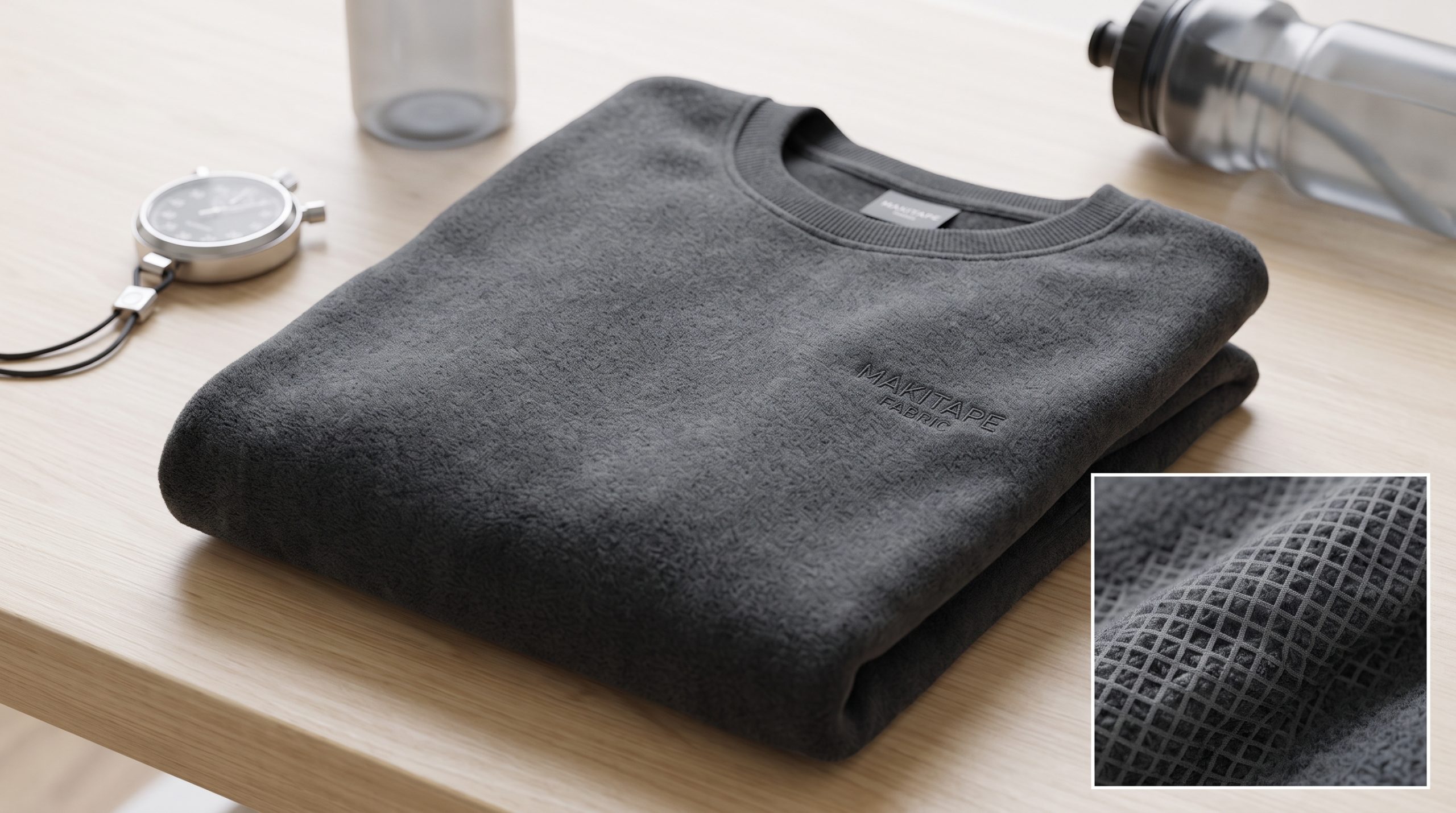
Premium technical fleece fabric sports materials represent highly advanced insulating textiles engineered explicitly for demanding outdoor athletic team apparel applications across global competitive clothing markets. Active apparel product designers experience severe thermal regulation challenges when freezing winter weather systems disrupt intensive team practice schedules or high-stakes championship tournaments continuously. Conventional heavy outerwear options trap cold liquid perspiration directly against moving human bodies causing painful chafing problems alongside dangerous core muscle temperature drops mid-game. Choosing expertly designed high-performance synthetic knits clears those specific product defects effortlessly by maintaining an incredibly dry interior microclimate that keeps competitive athletes comfortable always. This reliable textile solution guarantees elite players achieve peak agility parameters without suffering from restrictive structural fabric bulk during prolonged outdoor winter usage.
1. What defines performance fleece fabric sports?
Highly efficient fleece fabric sports selections rely upon premium high-density synthetic polyester configurations brushed carefully on interior surfaces creating thousands of microscopic thermal channels retaining warmth effectively. Corporate athletic apparel production managers evaluate specific physical performance characteristics including double-sided pile uniformity alongside filament denier counts before finalizing large wholesale material procurement contracts. This sophisticated manufacturing treatment successfully prevents rapid bodily heat dissipation without adding uncomfortable structural garment weight or limiting dynamic limb extension during intense winter training. Purchasing specialized high-performance insulating textiles guarantees custom team uniforms easily satisfy strict brand durability standards while maintaining pristine surface textures after multiple industrial washings.
Why does fiber density matter?
Here’s the deal: dense fiber spacing directly determines thermal insulation ratings by locking large volumes of warm air close to an athlete’s torso securely. You must realize that loose yarn structures fail miserably when bitter winter winds penetrate outer garment layers during high-stakes outdoor sports matches.
- Thicker fiber piles offer superior resistance against cold wind penetration
- Uniform knit structures prevent premature bald spots forming from friction
- Premium polyester yarns retain original loft characteristics after heavy stretching
This technical consistency helps clothing manufacturers produce reliable tracksuits that maintain original thermal properties despite enduring relentless physical friction across multiple competitive seasons. B2B buyers find that specifying exact fabric density metrics eliminates quality complaints from demanding athletic organizations permanently.
Key Takeaway: Evaluating micro-structural fiber density profiles allows commercial garment production teams to manufacture premium high-efficiency activewear that meets rigorous athletic performance standards flawlessly season after season. You can confidently eliminate costly material defects by partnering directly with technical textile mills providing fully audited physical specification sheets prior to executing bulk cargo shipping arrangements. This defensive product sourcing strategy successfully secures your factory manufacturing reputation while delivering exceptional thermal protection benefits directly to professional sports teams competing under extreme winter conditions. Ultimately, mastering micro-fiber mechanics thoroughly empowers wholesale clothing enterprises to command much higher profit margins across highly competitive international B2B athletic outerwear procurement markets worldwide.
| Density Grade | Thermal Retention | Wind Resistance | Best Application |
| Low Density | Minimal Warmth | Poor | Spring Training |
| Medium Density | Moderate Warmth | Fair | Autumn Outerwear |
| High Density | Maximum Warmth | Outstanding | Winter Field Sports |
Reviewing density configurations assists production managers in matching textile performance with specific seasonal training conditions.
2. How is technical fleece fabric sports manufactured?
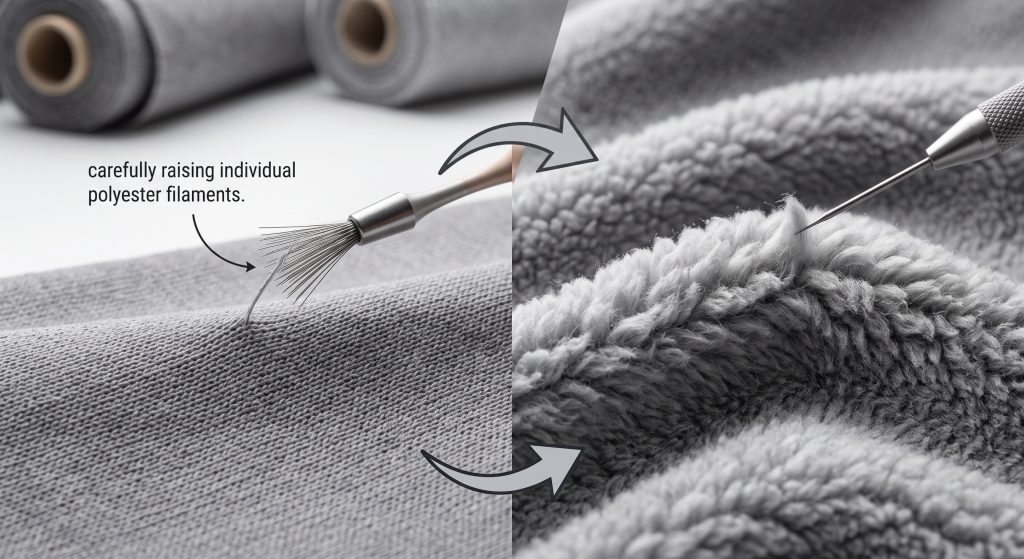
Technical fleece fabric sports varieties achieve their characteristic plush texture through an intensive mechanical napping process utilizing thousands of sharp metallic wire brushes raising individual polyester filaments carefully. This specialized textile milling operation successfully transforms flat knitted synthetic tubes into highly lofted insulation materials possessing superior warmth-to-weight ratios heavily demanded by competitive activewear brands. Factory manufacturing operators carefully regulate cylinder rotation speeds alongside fabric tension parameters actively preventing dangerous fiber shearing defects causing premature uniform thinning later during wear. Understanding this complex mechanical brushing sequence thoroughly helps commercial clothing enterprises select highly resilient textiles maintaining original insulation properties after enduring extensive field usage.
What happens during napping?
You might be wondering: mechanical napping rollers spinning at high velocities pull microscopic fiber loops outward creating a soft fuzzy surface texture across polyester fabrics. This automated physical transformation dramatically increases overall material thickness without adding dense heavy raw yarns during knitting procedures.
- Wire counter-rollers lift individual polyester filaments smoothly
- Brushing actions expand total fabric volume significantly
- Thermal stabilization ovens lock raised fibers permanently
This careful post-knit treatment guarantees finished garments insulate moving bodies effectively by trapping warm air inside thousands of newly created structural micro-pockets. You will appreciate how this precision mechanical lofting method maintains pristine fabric uniformity across large-scale wholesale textile manufacturing runs reliably.
Key Takeaway: Monitoring mechanical brushing precision metrics closely enables sports apparel brands to source highly uniform fleece materials avoiding frustrating premature piling or fiber shedding problems completely. You can easily protect your product line from consumer performance complaints by choosing manufacturing partners utilizing modern electronic napping equipment maintaining ultra-consistent pile heights. This diligent technical focus guarantees custom athletic outfits deliver exceptionally reliable insulation characteristics during sub-zero outdoor winter training sessions or high-profile championship matches. Ultimately, dedicating valuable procurement resources toward verifying factory mechanical finishing capabilities guarantees outstanding finished garment durability alongside superior commercial brand equity across highly competitive global sportswear markets.
| Process Step | Primary Mechanism | Quality Indicator | Impact on Apparel |
| Circular Knitting | Interlocking Loops | Stitch Uniformity | Base Material Strength |
| Mechanical Napping | Wire Brushing | Pile Height Equality | Thermal Insulation Loft |
| Heat Setting | Thermal Fixation | Dimensional Stability | Shrinkage Prevention |
Analyzing manufacturing steps assists outerwear designers in identifying structural features that dictate long-term athletic uniform durability.
3. Which grid structures optimize fleece fabric sports?
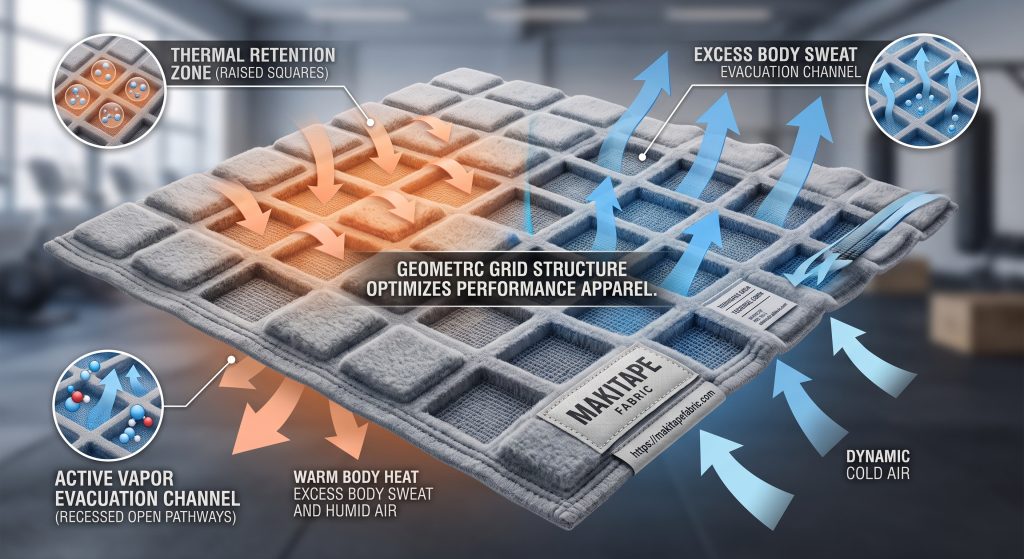
Advanced geometric grid-patterned fleece fabric sports materials optimize athletic performance by incorporating recessed open air channels that exhaust excess body vapor while retaining core warmth effectively. This innovative knit design creates separate functional zones for maximum thermal retention alongside rapid moisture evaporation allowing active players to remain perfectly dry during training. Conventional solid fleece structures frequently suffer from severe breathability bottlenecks because thick unbroken fabric piles lock hot humid air completely against perspiring skin. Implementing geometric matrix patterns successfully allows commercial apparel manufacturing factories to produce highly versatile training layers matching rigorous athletic performance requirements during intense winter games.
How do moisture channels operate?
What’s the real story? Recessed grid lines contain zero brushed fibers allowing hot vapor to escape outward through low-resistance pathways freely. You will quickly notice how this dual-action structure simultaneously protects athletes from freezing external winds while facilitating immediate internal cooling drafts.
- Raised fleece squares trap warm air pockets efficiently
- Recessed channel grids accelerate moisture vapor dispersion
- Lightweight construction reduces total athletic clothing burdens
This balanced moisture evacuation method successfully prevents rapid post-exercise cooling cycles that frequently cause severe muscle stiffness among elite outdoor competitors. B2B apparel buyers prefer grid patterns when designing high-performance layering systems because they deliver superior climate control capabilities under changing weather conditions.
Key Takeaway: Choosing geometric grid textile configurations enables technical sportswear designers to engineer highly efficient multi-functional garments serving both thermal insulation and moisture dissipation needs effortlessly. You can significantly improve overall player comfort metrics by substituting traditional flat fleeces with advanced channel-knit synthetics across your upcoming winter athletic outerwear catalog. This smart material selection successfully protects competing athletes from dangerous moisture saturation hazards while optimizing dynamic physical agility during high-stakes outdoor sports matches. Ultimately, offering engineered grid structures positions your commercial garment factory as an innovative premium industry leader capable of delivering top-tier performance activewear globally.
| Structure Style | Airflow Rate | Moisture Escape Speed | Thermal Efficiency |
| Solid Brushed | Low Permeability | Slow Evaporation | Maximum Retention |
| Geometric Grid | High Permeability | Rapid Evaporation | Balanced Retention |
| Micro Fleece | Medium Permeability | Moderate Speed | Minimal Retention |
Evaluating architectural layout data helps product developers select optimal material formats tailored for high-perspiration athletic roles.
4. Why does weight affect fleece fabric sports utility?
Material mass directly determines fleece fabric sports utility because different fabric gram-per-square-meter ratings dictate exact thermal insulation capacities alongside total aerobic movement resistance levels. Lightweight microfleece options weighing around one hundred fifty grams provide superb highly flexible layering alternatives perfect for high-speed continuous running sports like winter soccer or cycling. Conversely, heavy three hundred gram thermal variations deliver maximum wind blocking attributes absolutely necessary for stationary sideline coaches or extreme alpine sporting environments. Matching technical textile weight metrics with specific athletic movement intensities successfully allows wholesale clothing brands to build perfectly optimized product lines satisfying diverse winter sport requirements globally.
Which weight matches your sport?
Ready for the good part? Selecting appropriate material weights prevents premature player exhaustion caused by wearing excessively heavy activewear assemblies during dynamic competitive events. You can strategically engineer balanced tracking suits by combining lightweight fabrics across active joint zones while placing heavier fleece panels along core areas.
- Lightweight (100-150 GSM) maximizes aerobic mobility perfectly
- Midweight (200-250 GSM) balances insulation with agility smoothly
- Heavyweight (300+ GSM) secures maximum static body warmth
This zonal design methodology guarantees finished apparel items deliver optimal climate adaptation without bulkiness. B2B outerwear distributors find that offering tiered weight selections helps retail clients stock appropriate gear matching precise regional winter climates accurately.
Key Takeaway: Analyzing material thickness parameters closely enables professional apparel buyers to purchase appropriate technical fabrics aligning with real-world athletic physical output levels perfectly. You can easily minimize product return frequencies by clearly labeling finished sportswear items according to their intended environmental temperature ranges and kinetic activity levels. This proactive product catalog organization system efficiently guides commercial retailers toward making smarter wholesale purchasing decisions benefiting active end consumers directly during winter seasons. Ultimately, establishing precise structural material weight guidelines guarantees manufactured clothing lines maintain outstanding performance reputations among elite sporting federations internationally year-round.
| Weight Class | Weight Range (GSM) | Thick Profile | Ideal Sporting Action |
| Featherweight | 100 – 130 | Ultra Thin | Cross-Country Running |
| Intermediate | 200 – 240 | Medium Puff | Football Practice Warmups |
| Arctic Grade | 300 – 350 | Maximum Pile | Cold Sideline Protection |
Comparing fabric mass statistics assists designers in creating balanced layering systems that prevent physical performance restrictions.
5. Can breathable fleece fabric sports manage sweat?
Advanced breathable fleece fabric sports varieties manage heavy sweat efficiently by utilizing hydrophobic polyester filaments that repel liquid moisture while spreading vapor across expansive surface areas rapidly. This technical moisture transport mechanism prevents humid air accumulation inside garments keeping active athletes warm without experiencing sticky clothing sensations during prolonged physical training. Conventional non-breathable insulation alternatives frequently lock sweat inside garment cores causing dangerous post-game shivering when external environmental temperatures drop below freezing levels suddenly. Sourcing specially treated hydrophobic textiles guarantees your activewear collection delivers exceptional climate control features heavily demanded by professional athletes competing under intense pressure.
How does capillary action work?
This is where it gets interesting… specialized fiber cross-sections create natural mechanical pumping forces pushing liquid sweat away from warm skin layers outward immediately. You will observe rapid garment drying speeds because these engineered filaments possess significantly larger evaporation surfaces than basic round cotton fibers.
- Hydrophobic treatments reject moisture absorption actively
- Star-shaped fiber channels accelerate sweat transport
- Expanded surface dimensions increase drying speeds
This continuous moisture movement cycle completely eliminates cold clammy sensations that typically distract players during long outdoor matches. Choosing high-wicking synthetic insulating options ensures clothing lines perform beautifully under rigorous conditions saving athletes from unnecessary thermal stress forever.
Key Takeaway: Prioritizing advanced moisture transport engineering allows modern activewear brands to manufacture superior winter outerwear items actively safeguarding player physical health during competition. You can maximize consumer satisfaction ratings significantly by choosing synthetic insulators possessing integrated capillary action features over completely obsolete absorbent natural materials. This tactical material sourcing pivot successfully guarantees finished athletic team gear remains incredibly lightweight and completely dry during intense cold weather tournament situations. Ultimately, offering breathable high-performance textiles firmly cements your commercial market standing as a knowledgeable supplier delivering premium functional athletic clothing globally.
| Fabric Feature | Liquid Absorption | Vapor Permeability | Dry Speed Index |
| Treated Synthetic | Extremely Low | Outstanding | Ultra Fast |
| Untreated Polyester | Low | Moderate | Fast |
| Conventional Cotton | Exceptionally High | Restricted | Extremely Slow |
Reviewing liquid management coefficients assists procurement managers in identifying high-performance textiles that successfully control sweat accumulation.
6. How do you prevent pilling in fleece fabric sports?
Preventing premature pilling in fleece fabric sports materials requires applying specialized thermal shearing treatments alongside premium anti-pilling chemical finishes during final textile processing stages. These advanced manufacturing finishing operations singe loose protruding microfibers cleanly preventing them from tangling into unsightly little fuzz balls when garments face friction. Low-grade thermal insulating options often skip these critical finishing steps causing rapid surface texture degradation after only a few gentle home laundering cycles. Partnering with quality-conscious textile mills successfully ensures your corporate clothing lines maintain smooth professional outer surfaces despite facing harsh physical contact daily.
Why do fiber finishes matter?
But here’s the kicker… specialized anti-pilling treatments chemically bond with synthetic strands increasing yarn surface slickness while reducing mechanical lint generation permanently. You will achieve much higher client retention rates by supplying garments that look perfectly brand new after surviving brutal washing routines.
- Singeing treatments melt away loose loose fiber ends
- Chemical coatings lower surface friction coefficients drastically
- Long-filament polyester selection inherently minimizes pilling risks
This rigorous manufacturing discipline successfully protects custom embroidered team logos from becoming obscured by messy fabric fuzz layers over time. Strategic material buyers prioritize authenticated anti-pilling certifications when evaluating potential textile suppliers because consistent cloth clarity preserves commercial clothing aesthetics beautifully.
Key Takeaway: Verifying anti-pilling technical treatment processes thoroughly allows athletic apparel manufacturing firms to produce high-value tracking gear maintaining premium visual aesthetics indefinitely. You can easily safeguard your commercial corporate brand reputation from negative consumer reviews by selecting long-filament synthetic bases treated with modern surface-singeing technology. This strict material quality control methodology successfully guarantees customized athletic team uniforms withstand intense friction without exhibiting premature fabric surface degradation characteristics. Ultimately, focusing upon long-term material longevity features allows wholesale apparel suppliers to justify superior wholesale pricing matrices across highly competitive international sports clothing networks globally.
| Treatment Type | Mechanism of Action | Longevity Rating | Surface Feel |
| Thermal Shearing | Fiber Melting | Exceptionally High | Extremely Smooth |
| Chemical Coating | Friction Reduction | Moderate | Silky Soft |
| Untreated Raw Pile | None | Very Low | Fuzzy Rough |
Analyzing anti-pilling metrics guides product managers in purchasing pristine fabrics that preserve critical team graphic clarity over extensive wear.
7. What makes sustainable fleece fabric sports viable?
Sustainable eco-friendly fleece fabric sports items achieve commercial viability by utilizing recycled polyethylene terephthalate filaments sourced directly from post-consumer plastic water bottles worldwide. This innovative green production model delivers identical thermal retention properties compared with virgin polyester while reducing total factory energy consumption parameters significantly. Modern green athletic apparel buyers heavily demand verified environmental tracking credentials like Global Recycled Standard certifications when evaluating offshore textile manufacturing partners. Implementing recycled synthetic materials successfully helps custom clothing factories capture lucrative eco-conscious apparel markets without sacrificing required garment strength metrics during intense team sports.
Can recycled fibers perform well?
What’s the catch? Recycled polyester polymer strands undergo identical rigorous chemical purification processes ensuring their physical molecular structures mirror virgin plastic attributes perfectly. You will deliver premium thermal performance while simultaneously marketing an inspiring green brand narrative attracting modern environmentally conscious sportswear shoppers.
- Post-consumer bottles turn into clean spinning flakes
- Purified extrusion methods match original tensile strength
- Recycled yarns accept vibrant digital sublimation dyes
This sustainable loop completely satisfies strict carbon reduction goals without introducing material weaknesses that could compromise player safety on fields. Sourcing certified green components allows apparel enterprises to satisfy legislative sustainability mandates smoothly while gaining formidable market advantages over wasteful competitors.
Key Takeaway: Embracing certified recycled technical textiles closely enables forward-thinking apparel firms to fulfill complex corporate responsibility targets while providing outstanding thermal insulation products simultaneously. You can easily capture high-margin eco-conscious clothing contracts by incorporating fully audited recycled polyesters across your core athletic merchandise selections this coming season. This strategic product catalog expansion satisfies shifting global consumer buying preferences without undermining mandatory athletic uniform durability characteristics during grueling winter matches. Ultimately, building sustainable raw material supply configurations guarantees your clothing manufacturing enterprise thrives amidst intensifying international green regulatory frameworks worldwide over time.
| Eco Component | Raw Origin | Tensile Capability | Carbon Savings |
| Repurposed PET | Ocean Plastic Bottles | Exceptionally Strong | Over Fifty Percent |
| Standard Polyester | Petroleum Chemicals | Exceptionally Strong | Zero Percent Base |
| Organic Blend | Mixed Plant Waste | Moderate | Around Thirty Percent |
Reviewing sustainable testing records empowers outerwear buyers to satisfy modern corporate green procurement standards confidently.
8. Does stretch capacity improve fleece fabric sports?
Multi-directional stretch capacity drastically improves fleece fabric sports apparel by integrating flexible elastane yarns that allow unhindered joint articulation during quick dynamic athletic movements. Incorporating flexible polyurethane filaments into traditional polyester matrices successfully creates highly resilient sportswear items that conform tightly against moving human muscular systems. This snug aerodynamic fit successfully minimizes external mechanical wind resistance while actively preventing loose excess cloth from snagging on opposing player gear mid-game. Specifying high-elasticity technical fleece composites successfully allows professional garment designers to develop superior streamlined training suits perfectly suited for fast-paced professional field games.
Why choose four-way stretch?
Here’s the deal: standard two-way knits only elongate horizontally leaving vertical movements restricted during intense high-jumping maneuvers or fast sprinting exercises. You can resolve these kinetic limits completely by implementing advanced four-way stretch technology allowing uniform expansion along all structural axes.
- Elastane integration enables excellent shape memory retention
- Four-way elongation accommodates explosive physical lunges smoothly
- Tight elastic recovery prevents baggy knees forming over time
This sophisticated mechanical recovery ensures customized training uniforms retain pristine form fitting profiles after months of heavy daily practice. Smart apparel buyers look for high spandex ratios when selecting garments because flexible athletic gear directly enhances field agility parameters safely.
Key Takeaway: Evaluating multi-axis stretch capabilities carefully allows commercial clothing design teams to manufacture ergonomic athletic wear items matching natural physical body ergonomics perfectly. You can easily achieve dramatic improvements in product review scores by choosing premium elasticized insulation materials instead of stiff unyielding traditional cloth styles. This forward-looking technical textile strategy successfully protects active athletes from restrictive fabric binding issues while accelerating dynamic field performance potentials during games. Ultimately, prioritizing highly flexible synthetic insulating materials ensures your clothing manufacturing plant secures profitable large-scale supply contracts from elite international sports clubs globally.
| Stretch Mechanism | Elastane Content | Dynamic Range | Shape Longevity |
| Four-Way Knit | Over Ten Percent | Maximum Freedom | Outstanding Shape |
| Two-Way Base | Around Two Percent | Limited Vertical | Moderate Bagginess |
| Mechanical Only | Zero Percent | Restricted Flow | High Sagging Risk |
Comparing elastic performance limits enables material sourcing agents to select highly flexible textiles that enhance player physical agility.
9. How should brands source wholesale fleece fabric sports?
Sourcing bulk wholesale fleece fabric sports materials successfully requires partnering directly with certified vertical textile mills providing verified batch color consistency alongside automated quality testing sheets. Dealing directly with primary fabric manufacturing sources completely eliminates expensive middleman markups while allowing direct customization of technical parameters like weight or brushing attributes. Commercial clothing firms must establish rigorous material acceptance protocols evaluating strict colorfastness metrics alongside cross-directional shrinkage tolerances prior to finalizing bulk cargo shipments. Securing highly stable direct mill partnerships effectively ensures custom clothing factories maintain highly predictable manufacturing lead times during peak athletic merchandise production seasons.
What criteria define top mill partners?
You might be wondering: premium manufacturers implement rigorous internal testing tracking lab-dip accuracy metrics closely across every single production run before coloring large commercial batches. This automated quality tracking completely eliminates annoying color variation defects that frequently plague lower-grade wholesale clothing shipments internationally.
- Spectrophotometer calibration ensures absolute color matching accuracy
- Automated inspection machines detect micro-weaving flaws instantly
- Certified testing facilities verify post-wash dimensional stability
This level of technical manufacturing diligence successfully prevents costly factory rework delays during high-pressure customized apparel contract schedules. Experienced product managers prioritize audited suppliers because reliable raw material delivery directly protects overall corporate garment assembly profit margins.
Key Takeaway: Developing close strategic relationships with verified vertical textile mills allows custom clothing enterprises to secure highly reliable raw material supply lines while maintaining competitive wholesale pricing structures. You can easily insulate your factory production schedules from market supply shocks by executing multi-season material forecasting agreements with highly established international fabric manufacturing partners. This professional material sourcing strategy successfully guarantees your activewear assembly lines receive pristine quality inputs matching exact client technical specifications roll after roll. Ultimately, partnering with fully audited performance textile mills remains the absolute finest method for building sustainable long-term business growth within highly competitive global custom sportswear markets.
| Sourcing Route | Lead Time Rating | Customization Potential | Pricing Structure |
| Direct Mill | Ultra Predictable | Exceptionally High | Factory Wholesale |
| Local Jobber | Inconsistent | Extremely Poor | Marked Up Retail |
| Generic Trader | Unpredictable | Moderate | Tiered Broker Rate |
Reviewing procurement structures assists operations managers in optimizing raw material logistics while avoiding unnecessary middleman handling costs.
10. Why choose synthetic fleece fabric sports for teams?
Choosing modern synthetic fleece fabric sports options for professional athletic teams guarantees outstanding long-lasting shape retention alongside unmatched quick-drying functionality that classic cotton outerwear simply cannot deliver. Advanced high-performance polyester formulations inherently repel fungal mold growth while retaining intense color pigment saturation levels through hundreds of aggressive commercial laundering cycles beautifully. Traditional cotton garments collect heavy liquid perspiration fast quickly becoming waterlogged physical loads that significantly drain critical player energy reserves during grueling outdoor tournaments. Implementing technologically superior synthetic insulation materials successfully provides your team clients with highly dependable protective gear matching strict elite sports training parameters perfectly.
Why avoid cotton outerwear?
Ready for the good part? Synthetic materials boast immense structural strength profiles surviving intense physical pulling forces that easily cause catastrophic tearing across generic natural fiber products. You can engineer bulletproof product lines by utilizing industrial polyester knits designed specifically to withstand relentless rough contact sports abuse.
- Polyester fibers resist structural elongation fatigue permanently
- Hydrophobic chemistry prevents long-term moisture logging completely
- Synthetic materials dry tenfold faster than traditional cotton options
This technical superiority completely eliminates heavy sagging issues that routinely ruin classic track jackets after heavy sweat exposure. Forward-thinking clothing labels prioritize engineered synthetics because professional sports clubs demand highly advanced material performance characteristics that preserve elite player field dominance.
Key Takeaway: Understanding micro-functional material differences carefully allows corporate apparel developers to phase out inefficient natural fibers while introducing highly profitable technical synthetic outerwear items. You can easily command massive market authority by providing uniform clients with ultra-durable polyester insulation packages completely outperforming low-tech retail department clothing lines. This strategic catalog alignment with modern functional textile trends successfully ensures your factory production output remains highly sought after by premium sporting clients globally. Ultimately, delivering high-durability synthetic activewear products firmly establishes an unshakeable commercial foundation for dominating modern international team apparel supply markets successfully over time.
| Material Base | Tensile Toughness | Sweat Handling | Fungal Immunity |
| Advanced Polyester | Exceptionally High | Active Vapor Wicking | Completely Immune |
| Standard Cotton | Low Strength | Passive Heavy Retention | Highly Vulnerable |
| Rayon Blend | Medium Strength | Slow Drying Speeds | Partially Vulnerable |
Reviewing comparative performance charts enables manufacturing enterprises to construct highly specialized activewear lines that actively shield athletes from heavy moisture retention hazards.
Overcoming critical winter athletic apparel challenges successfully requires transitioning completely away from heavy absorbent natural textiles toward advanced engineered geometric synthetic insulation systems. By selecting premium high-wicking grid structures and durable anti-pilling polyester knits, modern clothing brands easily eliminate dangerous moisture chilling risks while maximizing player endurance metrics safely. Our specialized milling enterprise stands completely prepared to supply these technically audited performance materials ensuring your upcoming custom activewear lines achieve absolute international market dominance. Please contact us today to secure top-tier wholesale textile supplies elevating your sportswear manufacturing capabilities while driving human athletic potential forward across global markets forever.
FAQ
Q1: Can I use lightweight microfleece for heavy winter outerwear?
No, standard lightweight microfleece options provide completely insufficient structural insulation thickness for extreme freezing winter conditions across demanding open athletic environments. Thin one hundred fifty gram materials work beautifully for highly active layering configurations but they fail miserably when deployed as standalone outer defense barriers against bitter alpine winds. You must always source heavier three hundred gram performance variations when manufacturing premium cold-weather coats intended for stationary coaches or resting athletes sitting upon outdoor sidelines. Choosing appropriate material mass specifications effectively prevents dangerous core body temperature drops among competitive players resting between intense competitive playing periods outdoors.
Q2: What’s the best printing technique for athletic fleece?
Digital sublimation printing treatments represent the absolute finest method for adding sharp high-resolution graphic branding designs onto synthetic polyester sportswear textiles. This specialized transfer technology utilizes vaporized thermal pigments fusing permanently inside synthetic polymer molecular strands ensuring team logos never experience ugly cracking or color fading. Conventional screen printing applications lay down heavy plasticized ink barriers that completely block original structural weave breathability characteristics across technical athletic tracking clothing lines. Specifying digital sublimation methodologies successfully guarantees finished garments retain their outstanding ventilation features while displaying incredibly vivid team color palettes across hundreds of matches.
Q3: How do I know if a fleece has premium anti-pilling finishes?
You must always request certified textile laboratory testing documentation sheets verifying standardized Martindale friction abrasion resistance ratings before executing large wholesale material orders. High-quality activewear fabrics undergo meticulous mechanical gas-singeing processes that cleanly shave away loose filament tips preventing them from bunching into ugly pill defects later. Cheap generic clothing components routinely omit these expensive technical finish treatments causing rapid cloth surface texture degradation after enduring only a few basic cleaning cycles. Prioritizing authenticated anti-pilling textile certifications successfully safeguards your garment factory manufacturing reputation from negative consumer reviews while preserving crisp uniform aesthetics across long lifespans.
Q4: Can I blend elastane into recycled sports fleece?
Yes, blending high-flexibility polyurethane strands with recycled post-consumer polyester bases successfully creates premium multi-directional stretch materials perfect for manufacturing modern form-fitting athletic uniforms. This eco-friendly material composition delivers exceptional thermal insulation properties matching virgin fibers perfectly while granting competitive sports players complete physical articulation freedom on fields. Modern eco-conscious athletic clubs heavily favor these recycled stretch fabrics because they directly downsize global landfill plastic waste without compromising critical garment durability parameters. Incorporating elasticized green fibers successfully allows your technical activewear brand to satisfy corporate environmental sustainability mandates while delivering highly profitable sportswear lines internationally.
Q5: What’s the best fabric choice for wet outdoor sports?
Engineered hydrophobic synthetic fleece completely outperforms conventional natural textiles during rainy outdoor winter training routines or highly intense waterlogged championship stadium matches. Advanced high-performance polyester matrices naturally resist fluid absorption locking less than one percent of their structural material mass when encountering heavy storm downpours. This vital moisture-repelling characteristic successfully guarantees finished uniform assemblies remain incredibly lightweight keeping active athletes perfectly warm despite facing severe wet winter weather conditions mid-game. Specifying specialized technical synthetics efficiently enables your custom clothing factory to supply premium wet-weather armor protecting player physical stamina throughout demanding seasonal tournaments globally.