
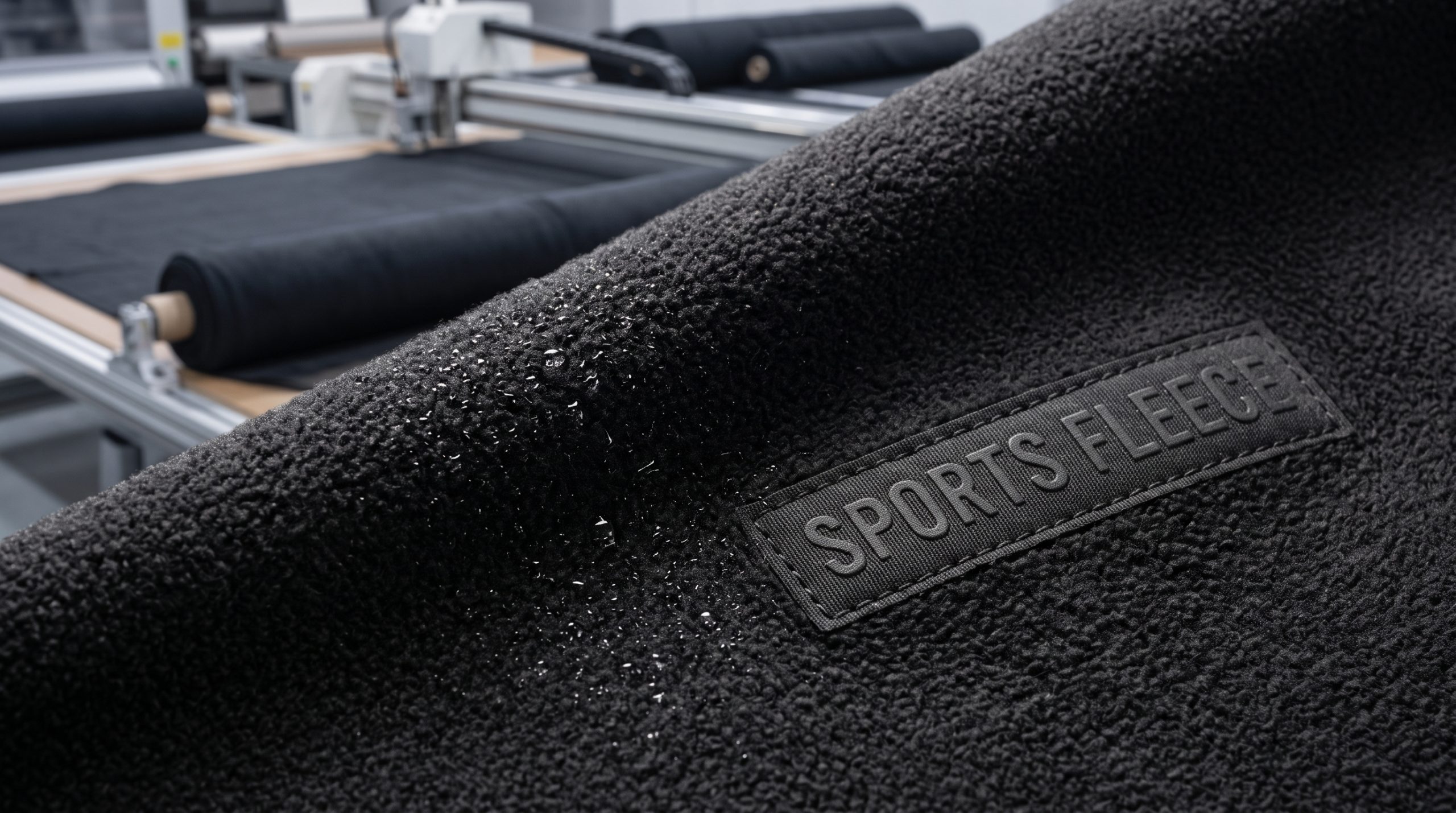
Sports fleece is a high-performance synthetic knit material engineered to provide lightweight thermal insulation, rapid moisture management, and flexibility in activewear applications.
Picture your team releasing a winter athletic line, only to receive negative feedback about heavy, sweaty jackets that restrict athlete movement during training. Choosing dense or non-breathable fabrics ruins athletic output and harms your apparel brand reputation quickly. Selecting high-grade sports fleece provides your garment lines with soft insulation, quick drying times, and complete movement freedom without bulky weight.
What Is Sports Fleece and How Does It Function?
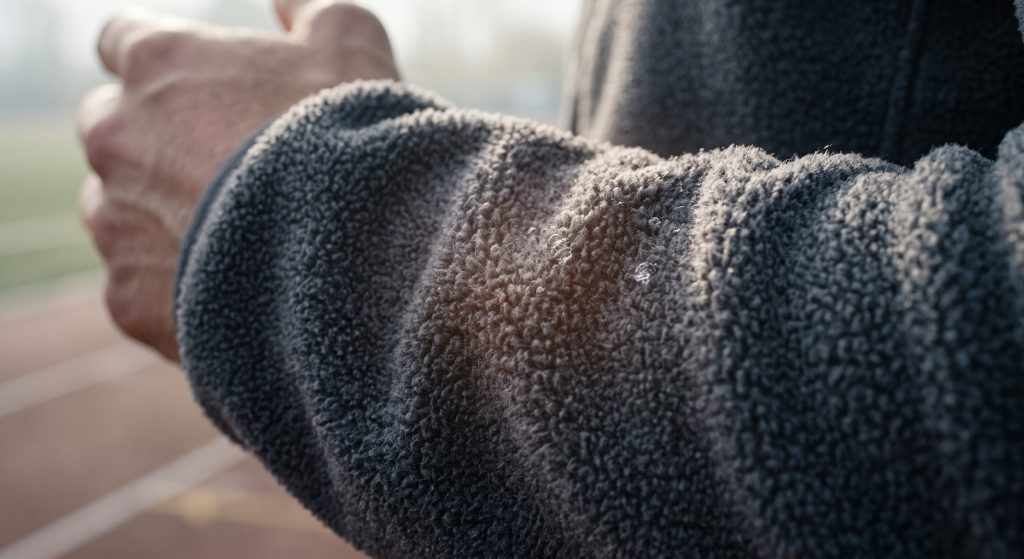
Sports fleece provides lightweight heat retention by trapping air pockets within brushed synthetic fibers while letting internal body moisture escape smoothly. Modern mills construct this fabric using polyester or nylon knits that undergo mechanical brushing to form a soft napped surface.
When you design training apparel, using sports fleece allows your garments to keep athletes warm without adding heavy layers. The brushed pile holds warm air near the skin while synthetic yarns prevent dampness build-up during intense outdoor workouts.
What Fibers Create Modern Sports Fleece?
Polyester filaments make up the core structure of most athletic fleece textiles due to inherent hydrophobic properties. Here is the deal: raw polyester yarns do not absorb water easily, allowing moisture to travel through the knit matrix rapidly.
- Micro-polyester fibers for ultra-soft hand feel
- Spandex blends for four-way directional stretch
- Recycled PET yarns for sustainable product lines
How Does Brushed Pile Retain Thermal Heat?
Mechanical wire brushes lift tiny fiber loops from the knit base to create a dense surface loft. Think about this: air trapped inside this raised loft creates a barrier against cold outside temperatures.
- Loft height controls heat retention capacity
- Double-brushed finishes add soft interior comfort
- Compact backing prevents cold wind penetration
Key Takeaway: Understanding fiber construction helps you source fleece materials that balance athlete warmth with lightweight mobility.
| Feature | Standard Polyester Knit | Performance Sports Fleece |
| Heat Retention | Moderate | High |
| Moisture Absorption | Hydrophobic | Hydrophobic with Wicking |
| Surface Texture | Smooth Flat | Brushed Napped Loft |
This comparison demonstrates how brushed loft surface construction improves thermal performance over flat knits.
Why Is Sports Fleece Ideal for Performance Lines?
Sports fleece offers superior warmth without bulky weight, giving sportswear brands a massive advantage in cold-weather apparel design. Active consumers want warmth without feeling weighed down during running, cycling, or team sports.
In corporate manufacturing, adopting sports fleece allows your development team to streamline cutting patterns and lower material shipping weights. The material handles active movement gracefully while maintaining structural shape after repeated wearing.
Why Choose Synthetic Fleece Over Heavy Knits?
Traditional heavy cotton or wool knits absorb sweat and become uncomfortably heavy during long workouts. Look at the facts: athletic fleece retains thermal value even when damp from sweat or light precipitation.
- Low garment weight reduces athlete fatigue
- Quick drying times prevent post-exercise chills
- High tensile strength withstands vigorous movement
How Does It Lower Manufacturing Defect Rates?
Stable synthetic knit construction resists fraying along cut edges during mass garment production. Here is what happens next: your sewing line experiences fewer thread breaks and material jams.
- Uniform fiber density reduces cutting errors
- Consistent stretch properties aid automated sewing
- High color fastness ensures uniform dye lots
Key Takeaway: Choosing synthetic fleece lowers product return rates by offering long-lasting warmth and structural durability.
| Metric | Heavy Cotton Fleece | Athletic Sports Fleece |
| Wet Weight Increase | Up to 80% | Under 15% |
| Drying Speed | Slow | Rapid |
| Pilling Resistance | Moderate | High (Anti-Pill Treated) |
The physical metric data highlights clear performance advantages for athletic synthetic fleece over traditional cotton alternatives.
How Do Manufacturers Produce Quality Sports Fleece?
Quality sports fleece production requires precise circular knitting, tension-controlled brushing, and specialized anti-pilling shearing treatments. Factories select fine denier polyester threads to achieve optimal tensile strength and soft hand feel.
When you work with professional textile suppliers, sourcing sports fleece produced under tight quality controls ensures consistent roll weights and stretch recovery. Proper finishing prevents common defects like fabric sagging or rough surface pile.
Which Knitting Method Yields High Elasticity?
Circular knitting machines weave continuous filament yarns into flexible tube structures with controlled elasticity. Why does this matter? right-tensioned knitting guarantees that garments hold shape through aggressive stretching routines.
- High needle gauge for tight fabric density
- Interlock knitting for smooth outer faces
- Elastane insertion for active stretch recovery
How Does Anti-Pilling Shear Processing Work?
After brushing lifts the surface pile, specialized shearing blades cut loose fibers to equal heights. Ready for the good part? precise shearing stops loose filaments from tangling into unsightly pills during wash cycles.
- Rotary blade pass trims uneven surface fuzz
- Heat setting stabilizes overall pile height
- Chemical anti-pill washes seal fiber ends
Key Takeaway: Verifying mill finishing techniques ensures your finished activewear maintains a smooth visual finish over long use.
| Production Stage | Quality Control Point | Target Outcome |
| Circular Knitting | Tension & Gauge Checks | Uniform GSM & Density |
| Mechanical Brushing | Wire Roller Pressure | Soft Loft without Weakening |
| Surface Shearing | Precision Blade Height | Clean Surface without Pilling |
Rigorous quality control points during production prevent fiber degradation and protect garment lifespan.
Which Types of Sports Fleece Work Best for Clothing?
Selecting between microfleece, grid fleece, and heavy polar fleece depends on your targeted sport intensity and thermal requirement. Different apparel layers require distinct fabric constructions to maximize athlete comfort.
Your product managers can build versatile seasonal collections by matching specific fleece structures to base layers, mid-layers, or protective outerwear. Each variant brings distinct breathability ratings and insulation capabilities to activewear garments.
Is Microfleece Right for Base Layers?
Microfleece features a thin profile with a low pile height that sits comfortably close to athlete skin. What is the secret? thin microfleece provides mild warmth while sliding easily beneath weather-resistant outer jackets.
- Fabric weights under 200 GSM for agility
- Flexible knit structure allows skin contact
- Excellent breathability during high cardio output
When Should Brands Specify Grid Fleece?
Grid fleece incorporates channels cut into the interior brushed backing to reduce garment weight while increasing airflow. Here is the bottom line: tiny channels let excess body heat vent out while solid grid square areas store warmth.
- Ideal for technical mountain and running gear
- Channel design speeds up sweat evaporation
- Compressible structure packs easily into bags
Key Takeaway: Specifying the right fleece variant optimizes athlete temperature control across varying weather conditions.
| Fleece Type | Average Weight (GSM) | Recommended Use Case |
| Microfleece | 130 – 180 GSM | Base Layers & Thermal Tops |
| Grid Fleece | 180 – 240 GSM | Technical Mid-Layers & Pullovers |
| Polar Fleece | 250 – 350 GSM | Winter Outerwear & Training Jackets |
Selecting appropriate fleece weights ensures your activewear line matches specific environmental demands.
How Does Sports Fleece Manage Moisture in Activewear?
Sports fleece manages moisture by leveraging synthetic fiber hydrophobic properties to channel liquid sweat away from human skin. Synthetic yarns do not hold moisture inside the fiber core like natural cotton fibers do.
Partnering with a specialized sports fleece manufacturer allows you to order fabrics treated with capillary-action wicking coatings. This technical combination keeps athletes dry and warm during heavy physical exertion in freezing climates.
How Do Synthetic Fibers Push Sweat Away?
Polyester filaments resist moisture absorption, forcing liquid water to travel along yarn surfaces toward the outer fabric shell. Consider this point: capillary forces pull sweat from the inner skin-facing layer to the outer surface.
- Non-absorbent fibers prevent liquid buildup
- Increased surface area spreads sweat thin
- Exterior evaporation cools fabric quickly
Can Fleece Stay Dry During Intense Workouts?
Engineered sports fleece maintains breathability by leaving space between knitted yarns for water vapor transmission. You might wonder: can sweat escape before converting back into liquid water inside the garment?
- High air permeability channels vapor away
- Quick-drying treatments accelerate evaporation
- Breathable construction prevents internal dampness
Key Takeaway: Reliable moisture wicking keeps athletes dry, preventing rapid body cooling during rest intervals.
| Moisture Index | Standard Cotton | Technical Sports Fleece |
| Fiber Absorption Rate | High (7 – 8%) | Low (Under 0.4%) |
| Evaporation Speed | Slow | Rapid |
| Skin-Side Dampness | Retained | Transferred Outward |
This moisture index comparison shows why synthetic activewear outclasses natural cotton in sweat management.
What Features Make Sports Fleece Work for Outerwear?
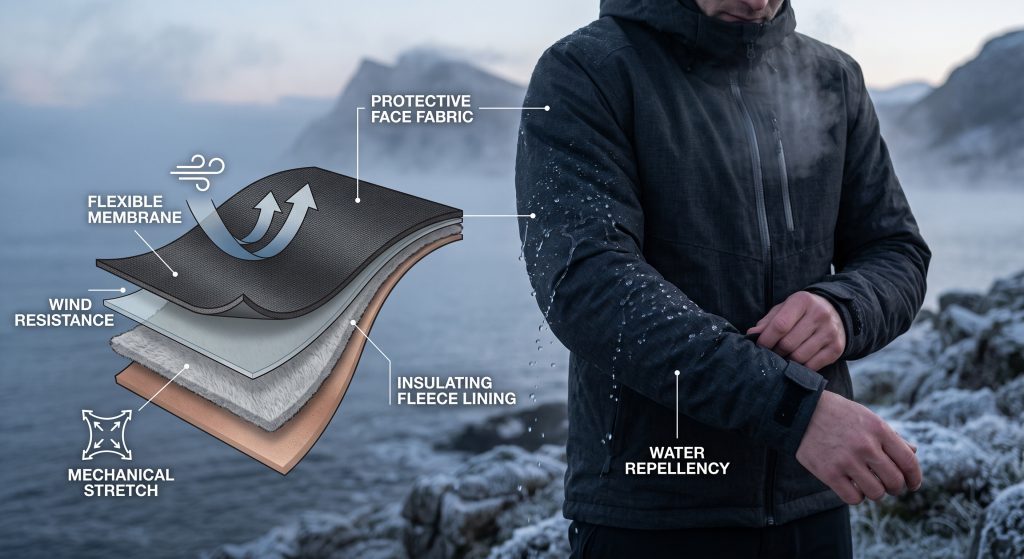
Outerwear applications require sports fleece with wind resistance, water repellency, and mechanical stretch for uninhibited movement. Combining fleece linings with protective face fabrics creates tough cold-weather jackets.
Your design team can engineer windproof activewear by bonding fleece interiors to flexible polyurethane membranes. This construction blocks freezing gusts while preserving soft tactile comfort against the wearer body.
How Does Wind-Blocking Backing Improve Warmth?
Bonding sports fleece to a middle windproof membrane stops cold air currents from penetrating through the open knitted loops. Think about this: wind protection keeps trapped warm air stationary inside the internal fleece pile.
- Three-layer softshell structures lock heat
- Membrane barrier stops chill from gusts
- Inner fleece pile retains soft tactile feel
Why Is Four-Way Stretch Necessary for Apparel?
Integrating elastane threads into the fleece base fabric allows complete four-way elasticity during active sport movements. Here is the deal: flexible clothing prevents shoulder and knee binding during aggressive motion.
- Unrestricted range of motion for athletes
- Shape recovery stops garment sagging
- Snug fit reduces aerodynamic drag
Key Takeaway: Combining thermal fleece with windproof membranes creates versatile outerwear suited for harsh winter environments.
| Layer Structure | Functional Role | Primary Benefit |
| Outer Face Fabric | Abrasion & Water Resistance | Shields against external elements |
| TPU Membrane | Wind Block & Vapor Passage | Blocks cold wind while venting vapor |
| Inner Fleece Pile | Thermal Insulation & Comfort | Traps body warmth soft against skin |
Bonded three-layer constructions deliver maximum weather protection without sacrificing internal softness.
How Do You Select the Right Sports Fleece Weight?
Selecting the correct fabric weight in grams per square meter (GSM) determines the thermal insulation and end-use of your garment line. Light fabrics suit intense sports, while heavy options serve static cold-weather protection.
Sourcing high-performance sports fleece across custom GSM specifications helps you build balanced product catalogs for spring, autumn, and winter seasons. Correct weight selection ensures your activewear meets target customer expectations.
What Is Light Gram Weight Fleece Used For?
Fleece fabrics ranging from 120 to 180 GSM offer light insulation without restricting high-velocity athletic performance. Look at the facts: lightweight fabrics vent heat rapidly to keep athletes comfortable during high cardio.
- Perfect for spring running tops and shirts
- Fits easily under outer storm shells
- Light packable weight for outdoor sports
How Do Heavy Gram Weights Serve Outerwear?
Heavy fleece fabrics from 280 to 350 GSM deliver substantial heat insulation for extreme cold-weather conditions. Here is what happens next: thick pile construction keeps coaches and sidelined athletes warm during stationary periods.
- Heavy insulation for winter outerwear
- High pile density blocks ambient cold
- Durable structure holds garment shape
Key Takeaway: Aligning GSM specifications with sport intensity levels guarantees optimal thermal balance for end users.
| GSM Category | Weight Range | Recommended Application |
| Light Weight | 120 – 180 GSM | Running Shirts & Base Layers |
| Mid Weight | 190 – 250 GSM | Training Hoodies & Pullovers |
| Heavy Weight | 260 – 350 GSM | Winter Jackets & Team Parkas |
Matching GSM ranges to garment types simplifies fabric selection for your apparel development team.
Why Is Sports Fleece Preferred over Traditional Wool?
Sports fleece surpasses traditional wool in drying speed, wash durability, weight reduction, and cost-effectiveness for activewear lines. While wool provides good insulation, it absorbs water and requires cautious washing procedures.
When you manage volume production, choosing synthetic fleece lowers material purchasing costs while raising garment ease-of-care ratings. Synthetic fleece withstands repeated industrial laundering without losing structural integrity or soft touch.
Why Does Synthetic Fleece Dry Faster Than Wool?
Synthetic polyester threads do not soak up liquid inside their fiber structures like natural wool fibers do. Why does this matter? water sits only on the surface, allowing rapid evaporation during tumble or air drying.
- Fast drying keeps garments field-ready
- Fiber stability prevents water weight gain
- Low water retention prevents fabric mold
Is Fleece Easy to Maintain in Bulk Washing?
Synthetic fleece withstands high-temperature washing and drying cycles without suffering severe fiber shrinkage or shape distortion. Ready for the good part? your customers can throw fleece activewear into home laundry without worry.
- Machine washable for simple daily care
- Shrink-resistant synthetic knit structure
- Retains dye color intensity over years
Key Takeaway: Synthetic fleece provides durable, easy-care athletic performance at a competitive commercial price point.
| Property | Natural Wool | Synthetic Sports Fleece |
| Wet Drying Speed | Slow | Fast |
| Machine Washability | Delicate / Hand Wash | Standard Machine Wash |
| Material Cost | High | Cost-Effective |
The property analysis highlights why sportswear brands prefer synthetic fleece for commercial activewear lines.
How Should Apparel Factories Care for Sports Fleece?
Apparel factories must use sharp cutting blades, tension-free spreading, and proper ballpoint needles when working with sports fleece. Improper handling causes edge rolling, fabric stretching, or needle cutting damage during manufacturing.
Consulting with an experienced sports fleece manufacturer helps your technical team set optimal sewing machine parameters and heat settings. Following correct production protocols prevents costly fabric waste on factory floors.
How Do Cutting Tools Affect Fleece Edges?
Dull cutting knives drag across raised fleece pile, causing frayed edges and uneven pattern pieces. What is the secret? high-speed rotary cutters or laser blades produce clean pattern edges without pulling fibers.
- Laser cutting seals synthetic edge fibers
- Sharp rotary blades prevent yarn fraying
- Vacuum tables keep pile layers steady
What Sewing Needles Prevent Fabric Snagging?
Using sharp ballpoint needles prevents yarn splitting and fabric snags during high-speed garment assembly. Here is the bottom line: ballpoint tips slip smoothly between knitted synthetic loops without cutting structural threads.
- Ballpoint needles avoid fiber breakage
- Medium thread tension prevents seam puckering
- Overlock seams provide elastic seam stretch
Key Takeaway: Proper cutting and sewing setups reduce factory material waste while improving finished garment seam elasticity.
| Factory Process | Recommended Equipment | Risk of Incorrect Setup |
| Fabric Spreading | Tension-Free Automatic Spreader | Fabric Distortion & Size Variation |
| Pattern Cutting | Laser or High-Speed Rotary Blade | Frayed Edges & Uneven Cuts |
| Seam Sewing | Ballpoint Needle with Overlock Stitch | Fiber Snagging & Popped Seams |
Following recommended factory setups minimizes production errors and improves garment seam strength.
What Future Trends Are Shaping Sports Fleece Fabrics?
Future sports fleece development focuses on recycled polyester fibers, bio-based synthetics, and intelligent thermal regulation technologies. Environmental regulations and consumer preferences drive demand for sustainable performance textiles.
Integrating recycled post-consumer PET fleece into your upcoming collections strengthens your brand environmental commitments. Advanced manufacturing methods now produce eco-friendly fleece that equals virgin polyester in strength and softness.
Are Recycled Fibers Suitable for High Sport Use?
Recycled polyester filaments offer identical tensile strength, dye acceptance, and softness compared to virgin synthetic yarns. Consider this point: recycled fleece diverts plastic bottles from landfills while delivering top athletic performance.
- Reduces reliance on virgin petroleum
- Maintains high anti-pilling performance
- Appeals to eco-conscious active consumers
How Do Smart Fibers Control Temperature?
Phase-change materials embedded into fleece fibers absorb body heat during exertion and release it during rest periods. You might wonder: can activewear actively balance body temperature without adding fabric layers?
- Microcapsules store and release heat energy
- Reduces overheating during intense exercise
- Maintains comfortable skin climate constantly
Key Takeaway: Adopting recycled and smart fleece technologies positions your apparel brand at the forefront of textile innovation.
| Future Trend | Primary Technology | Market Benefit |
| Recycled Fleece | Post-Consumer PET Bottle Yarns | Eco-Friendly Brand Positioning |
| Smart Thermal Control | Phase-Change Microcapsules | Dynamic Body Temperature Regulation |
| Biodegradable Synthetics | Bio-Engineered Polymer Additives | Reduced Environmental Impact |
Emerging fabric trends allow activewear brands to combine top athletic performance with environmental responsibility.
Ready to Source High-Performance Sports Fleece for Your Line?
Sourcing low-quality or poorly finished fabrics leads to pilling issues, cold athletes, and negative product reviews that hurt your activewear brand. Selecting high-grade athletic fleece resolves these thermal, moisture, and durability challenges, giving your customers lightweight warmth and total movement freedom.
We engineer high-performance synthetic fabrics designed to raise your athletic collections above competition. Our technical sales team provides custom weight development, specialized anti-pilling treatments, and reliable bulk delivery schedules tailored to your production timeline.
To upgrade your apparel line with technical performance fabrics, contact us today to request fabric swatch books and custom volume quotes.
Frequently Asked Questions
Q1: Can I use sports fleece for high-intensity summer sportswear?
No, sports fleece is designed for cold-weather insulation and is too warm for high-intensity summer heat. Lightweight flat mesh or single jersey fabrics perform better in warm summer conditions.
Q2: What’s the best GSM weight for autumn running jackets?
A mid-weight fleece between 180 and 220 GSM offers the ideal balance of light warmth and breathability for autumn running. This weight prevents overheating while keeping crisp winds out.
Q3: How do I know if sports fleece has anti-pilling quality?
Check if the fabric has undergone rotary mechanical shearing and anti-pill chemical finishing during processing. Quality mills certify anti-pilling performance using standard Martindale abrasion test ratings.
Q4: Can I dye sports fleece in custom corporate colors?
Yes, synthetic polyester fleece accepts disperse dyes readily, achieving vibrant and uniform custom pantone colors. Synthetic fibers retain dye intensity extremely well over repeated wash cycles.
Q5: What’s the best sewing technique for elastic sports fleece?
Using a four-thread overlock or flatlock machine with ballpoint needles provides the best elastic seam strength. This setup allows seams to stretch naturally with the fabric without popping threads.