
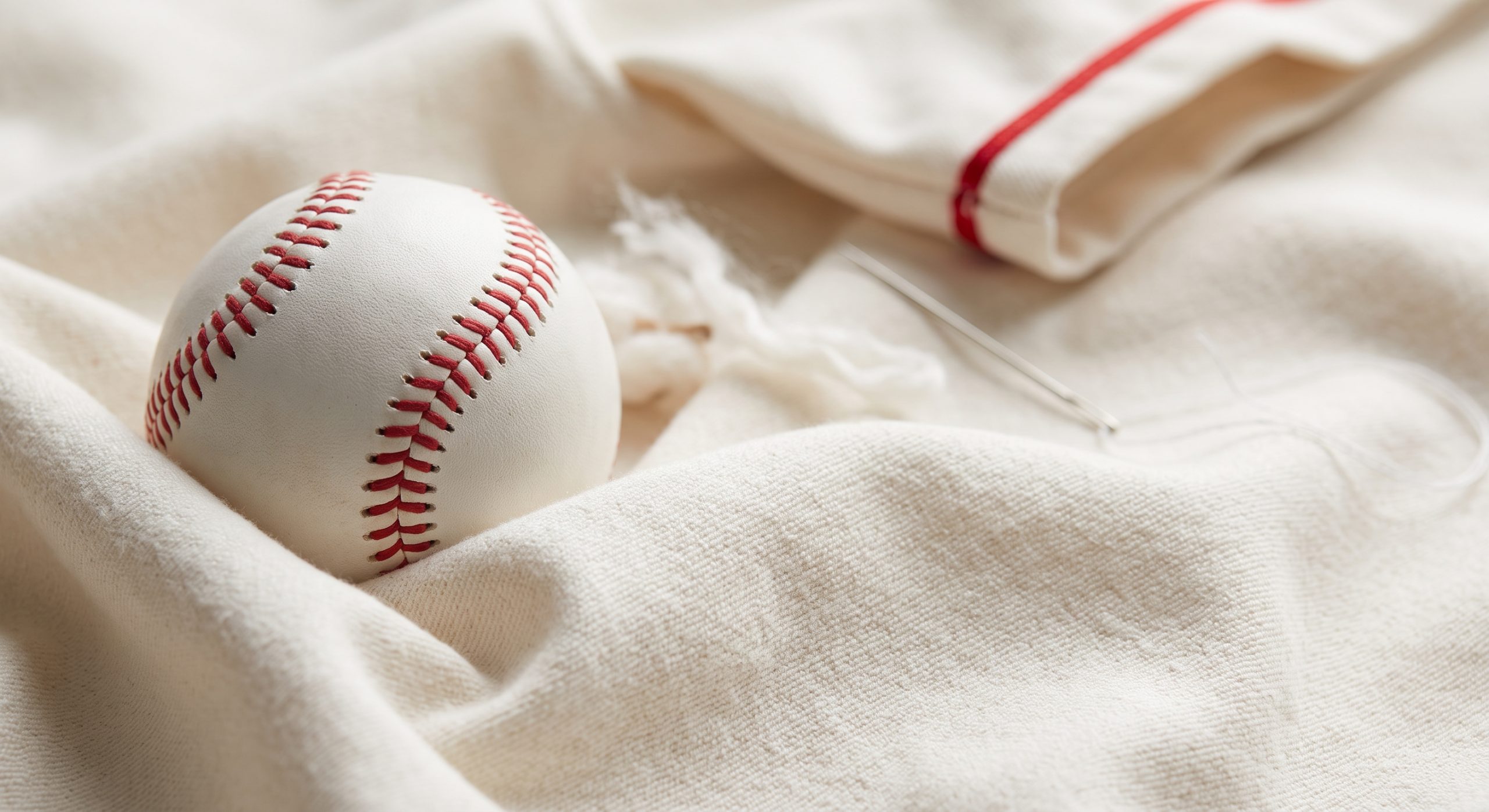
Selecting natural baseball cotton fabric gives athletic uniforms superior soft comfort, skin-friendly breathability, and reliable structural durability needed for long innings on the field.
Picture your team stepping onto the diamond for an afternoon double-header under scorching sun, only to feel stiff, abrasive jerseys rubbing against sweat-irritated skin. Cheap synthetic uniforms often trap body heat, leading to chafing, rapid athlete fatigue, and distracted performance during critical plays. Choosing high-grade cotton materials provides players with natural softness, gentle ventilation, and comfortable movement that keeps their focus entirely on winning the game.
1. What Makes Baseball Cotton Fabric Popular for Uniforms?
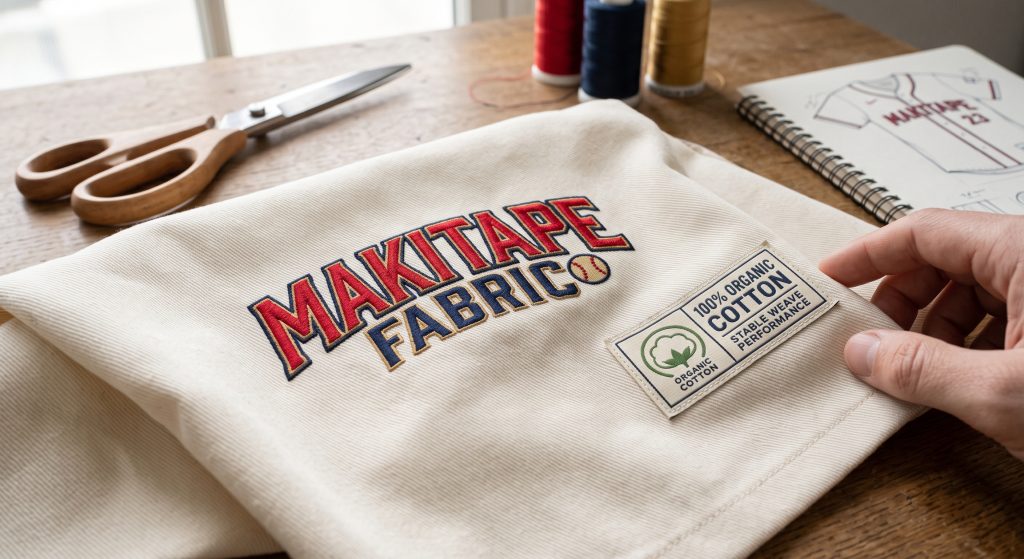
Choosing baseball cotton fabric provides sports apparel manufacturers with an ideal balance of natural fiber softness and structural stability required for athletic wear. The organic composition keeps athletes comfortable against the skin while holding up well under daily practice routines.
Apparel designers prefer natural cotton because it minimizes skin friction and static buildup during dry conditions. The sturdy weave supports heavy stitching, patch sewing, and team logo embroidery without sagging over time.
Why Do Players Love the Soft Hand Feel?
Natural cotton spun yarns feel significantly smoother against bare skin than raw synthetic filaments. Here’s the deal: soft spun fibers eliminate the harsh scratching sensation often caused by lower-grade polyesters.
- Smooth fiber surfaces reduce abrasive skin friction
- Natural antistatic qualities prevent garment clinging
- Pliable knits conform comfortably to body contours
How Does Natural Cotton Prevent Skin Chafing?
Cotton fibers absorb surface perspiration quickly, keeping liquid away from high-friction zones like shoulders and underarms. Think about this: dry skin combined with soft yarn structures lowers the risk of painful rash outbreaks during long double-headers.
- Hypoallergenic yarn construction protects sensitive skin
- Rapid sweat absorption reduces skin-to-fabric dragging
- Gentle texture prevents chafing around collar seams
Key Takeaway: Using natural cotton guarantees exceptional skin comfort, reducing friction-induced skin irritation during hot outdoor matches.
| Fabric Attribute | Standard Synthetic Knit | Premium Cotton Fabric |
| Surface Texture | Slick / Synthetic | Soft / Natural |
| Skin Sensitivity | Moderate Chafing Risk | Hypoallergenic Comfort |
| Static Build-Up | High | Very Low |
The physical attribute comparison shows why natural cotton delivers superior tactile comfort over raw synthetic knits.
2. Is Baseball Cotton Fabric Breathable for Summer Games?
High-grade baseball cotton fabric maintains steady airflow through its natural porous structure, helping body heat vent outward during intense physical activity. Natural fibers naturally allow air to pass between knitted yarns, keeping internal garment temperatures balanced.
When players run bases or field fly balls, air movement through the fabric weave speeds up skin cooling. This consistent ventilation makes cotton-based apparel a trusted choice for summer training sessions.
How Does Air Flow Through Natural Weaves?
Interwoven cotton threads create microscopic gaps that allow fresh air to penetrate the garment shell. What’s the real story? natural breathability relies on fiber spacing rather than synthetic chemicals.
- Microscopic gaps permit steady cross-ventilation
- Natural yarn loops release trapped body warmth
- Open knit configurations maximize ambient air intake
Can Cotton Keep Athletes Cool Under Hot Sun?
Cotton fibers absorb liquid sweat from skin surfaces and allow ambient breeze to cool the damp fabric. Ready for the good part? this natural evaporative effect provides immediate cooling comfort during hot afternoon games.
- Evaporative cooling lowers surface skin heat
- Absorbent threads draw moisture from sweat glands
- Open knits prevent humid air accumulation inside
Key Takeaway: Natural air permeability in cotton knits supports continuous skin ventilation, helping athletes remain cool during warm-weather play.
| Environmental Factor | Sealed Synthetic Fabric | Ventilated Cotton Fabric |
| Air Permeability | Low | High |
| Heat Retention | Traps Internal Heat | Disperses Warm Air |
| Cooling Effect | Minimal | Natural Evaporative |
Air permeability testing confirms that open cotton knits vent heat far more effectively than dense unvented synthetics.
3. How Does Baseball Cotton Fabric Compare to Birdseye Mesh?
Comparing baseball cotton fabric to synthetic birdseye mesh reveals distinct differences in tactile feel, moisture absorption, and surface structure. Birdseye mesh utilizes tiny knitted eyelet holes for extreme breathability, while cotton provides a solid, soft surface with smooth skin contact.
Teams choosing between these materials must evaluate whether they prioritize raw moisture-wicking speed or rich tactile comfort. Combining these fabrics across different garment panels offers a smart hybrid solution for sports lines.
What Are the Key Structural Differences?
Birdseye mesh features patterned eyelet perforations knitted directly into synthetic polyester yarns. Look at the facts: solid cotton knits rely on natural yarn loft rather than visible punched holes to manage airflow.
- Birdseye mesh has visible geometric pore openings
- Cotton knits present a smooth, uniform surface
- Polyester mesh offers lighter overall fabric weight
Which Fabric Feels Better During Physical Play?
Synthetic mesh can feel scratchy or abrasive when worn directly against bare torso skin for extended periods. Here is what happens next: cotton delivers a plush, luxurious sensation that athletes prefer for base layer contact.
- Soft cotton eliminates inner lining requirements
- Smooth surface prevents snagging on protective pads
- Dense structure provides superior opacity when wet
Key Takeaway: While birdseye mesh excels in extreme ventilation, cotton wins on soft tactile hand feel and non-abrasive skin contact.
| Performance Metric | Synthetic Birdseye Mesh | Solid Cotton Fabric |
| Weave Pattern | Perforated Eyelet Mesh | Smooth Solid Knit |
| Wicking Speed | Ultra-Fast | Moderate Absorption |
| Tactile Comfort | Textured / Synthetic | Soft / Natural |
This comparative analysis highlights structural tradeoffs between open synthetic mesh and dense cotton knits.
4. How Does Baseball Cotton Fabric Differ From Pique Knits?
Standard baseball cotton fabric offers a smooth, flat face, whereas pique knits feature a raised honeycomb or waffle-like textured weave. Pique textures add formal visual structure, while flat cotton knits maximize surface softness against the skin.
Sportswear manufacturers select pique for classic polo collar shirts and flat cotton for flexible match jerseys. Understanding these weave differences helps product managers build balanced teamwear lines.
How Does Surface Texture Impact Performance?
Raised waffle patterns in pique knits reduce the total surface area touching human skin directly. Think about this: reduced contact points can assist in airflow, but flat cotton provides a far softer overall touch.
- Pique knits feature raised geometric waffle structures
- Flat cotton weaves maximize smooth skin coverage
- Geometric textures add formal visual stiffness
Which Weave Is More Durable for Sliding?
Flat cotton weaves distribute surface friction evenly when players slide into bases across dirt infields. Ready for the good part? smooth fabric faces experience less snagging against abrasive turf particles than raised pique loops.
- Smooth weaves resist dirt particle snagging
- Flat surfaces clean more easily in laundering
- Uniform thread distribution resists localized tears
Key Takeaway: Flat cotton weaves offer smoother sliding friction and easier stain removal compared to textured pique knits.
| Feature | Textured Pique Knit | Flat Cotton Fabric |
| Surface Profile | Raised Honeycomb | Smooth Flat Face |
| Dirt Resistance | Traps Dirt in Loops | Sheds Loose Dirt Easily |
| Garment Style | Polo Shirts & Collars | Athletic Match Jerseys |
Fabric profile comparisons show that flat cotton faces handle sliding friction and dirt shedding better than textured knits.
5. Which Gram Weight Suits Baseball Cotton Fabric Jerseys?
Selecting appropriate baseball cotton fabric gram weight (GSM) determines the warmth, durability, and drape of finished team uniforms. Light fabrics around 160 GSM suit hot summer practice sessions, while heavy 260 GSM knits provide professional match structure.
Matching fabric density to specific seasonal playing conditions ensures your activewear line meets player expectations. Balanced GSM selection prevents garments from feeling either too flimsy or uncomfortably heavy.
When Should You Pick Lightweight Cotton Knits?
Lightweight cotton knits ranging from 150 to 180 GSM excel in high-heat summer leagues and youth training garments. Here’s the deal: lower mass allows rapid heat escape and uninhibited body motion.
- Ideal for youth leagues and summer camps
- Maximizes air mobility during hot double-headers
- Lower material weight lowers shipping overhead
Why Specify Heavy GSM for Match Uniforms?
Professional team jerseys require robust cotton fabrics between 220 and 280 GSM to withstand intense game friction. What’s the real story? heavier knits hold crisp button-down structures and sustain heavy logo embroidery.
- Supports heavy twill lettering and patches
- Resists tearing during aggressive base slides
- Maintains crisp tailored drape on the field
Key Takeaway: Choosing the right GSM balances garment durability with player thermal comfort across varying game climates.
| GSM Category | Weight Range | Best Application |
| Light Weight | 150 – 180 GSM | Youth Practice & Warm-Weather Tees |
| Mid Weight | 190 – 220 GSM | Standard Practice & Warm-Up Shirts |
| Heavy Weight | 230 – 280 GSM | Professional Button-Down Game Jerseys |
Weight categorization guides fabric buyers toward appropriate fabric densities for specific jersey categories.
6. Does Baseball Cotton Fabric Hold Up Against Heavy Sliding?
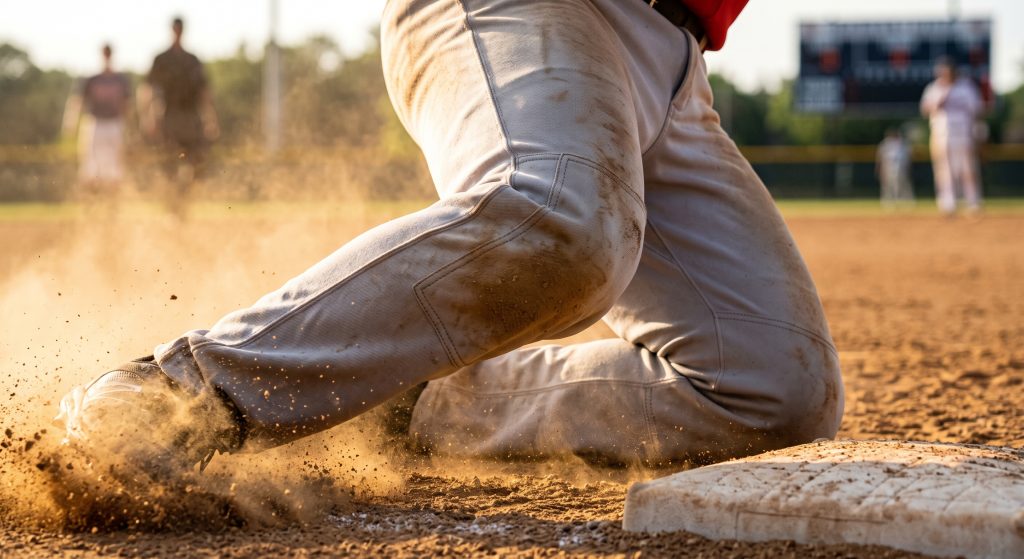
High-density baseball cotton fabric offers excellent resistance against abrasive dirt and clay when players slide into bases. Tight yarn twisting increases tensile strength, preventing premature fabric thinning at knee and hip contact zones.
Reinforcing high-stress garment panels with double-layered cotton construction extends uniform longevity significantly. Commercial laundries appreciate cotton resilience during high-temperature stain removal washing cycles.
How Do Twisted Cotton Yarns Resist Abrasion?
Tightly spun cotton yarns bind individual fibers together, creating a tough outer surface that resists tearing. Look at the facts: compact yarn twisting prevents loose surface fibers from pulling free during dirt contact.
- High yarn twist counts increase tensile strength
- Dense knit structures resist sliding friction
- Tight construction minimizes surface snagging
Can Reinforced Cotton Panels Prevent Tears?
Adding secondary cotton fabric layers over elbows and sliding hip zones doubles material resistance against rough infield dirt. You might wonder: does double layering add unnecessary stiffness to match uniforms?
- Strategic reinforcement targets high-impact zones
- Flexible double layers preserve joint mobility
- Prevents costly hole formation during slides
Key Takeaway: Tightly spun cotton yarns and strategic double-layering provide excellent abrasion resistance for rugged diamond play.
| Wear Test Zone | Single Layer Cotton | Double-Reinforced Cotton |
| Sliding Hip Area | Moderate Wear Resistance | High Abrasion Protection |
| Elbow Contact | Standard Durability | Enhanced Hole Resistance |
| Button Placket | Sufficient Tensile Hold | Maximum Stitch Retention |
Reinforcement data demonstrates that strategic double-layering protects high-friction garment areas during base slides.
7. How Can You Dye Baseball Cotton Fabric in Custom Colors?
Natural baseball cotton fabric accepts reactive dyes exceptionally well, producing rich, vibrant team colors that resist fading over time. Cellulosic cotton fibers bond chemically with dye molecules, creating long-lasting color saturation across jersey panels.
Custom apparel manufacturers can easily apply screen prints, heat transfer vinyl, and intricate embroidery onto smooth cotton faces. Reliable color fastness guarantees uniform team appearances throughout long sports seasons.
Why Do Reactive Dyes Bond So Well to Cotton?
Reactive dye molecules form covalent chemical bonds directly with the cellulose structure inside natural cotton fibers. Here is what happens next: deep chemical bonding locks color pigment inside the fiber core permanently.
- Covalent bonding prevents dye washing out
- Yields brilliant shade accuracy for team colors
- Maintains color vibrancy through sun exposure
Is Cotton Compatible With Screen Printing?
Smooth, flat cotton fabric surfaces provide an ideal canvas for crisp screen printed team logos and player numbers. Think about this: natural fibers absorb ink binders readily, preventing rubbery print peeling or cracking.
- Smooth face enables high print detail clarity
- Excellent ink adhesion prevents wash peeling
- Compatible with water-based and plastisol inks
Key Takeaway: Cellulosic cotton fibers form strong chemical bonds with reactive dyes, delivering brilliant, long-lasting team color accuracy.
| Decorating Method | Synthetic Fabric Compatibility | Cotton Fabric Compatibility |
| Reactive Dyeing | Not Applicable | Excellent Color Bonding |
| Screen Printing | Requires Special Inks | Outstanding Adhesion |
| Direct-to-Garment | Moderate | Exceptional Detail |
Decorating compatibility metrics highlight cotton’s versatility for custom screen printing and deep reactive dyeing.
8. Why Blend Synthetic Fibers With Baseball Cotton Fabric?
Blending polyester or elastane with baseball cotton fabric creates a technical hybrid textile combining natural softness with synthetic performance features. Poly-cotton blends dry significantly faster than pure cotton while retaining skin-friendly tactile comfort.
Integrating small percentages of elastane adds four-way directional stretch, allowing uninhibited movement during pitching and batting swings. Blended fabrics offer activewear brands an ideal balance of performance, durability, and easy care.
How Does Polyester Improve Drying Speed?
Polyester filaments do not absorb liquid water, forcing absorbed sweat to spread across the fabric surface for rapid evaporation. Ready for the good part? adding polyester cuts garment drying times nearly in half.
- Hydrophobic fibers accelerate sweat evaporation
- Reduces wet fabric weight during humid games
- Improves shape retention after repeated washing
Why Add Elastane to Athletic Cotton?
Incorporating 3% to 5% elastane into cotton knits provides essential stretch recovery required for aggressive athletic movements. What’s the real story? stretch recovery prevents sagging elbows and stretched-out necklines.
- Four-way elasticity supports complete motion range
- Snap-back recovery maintains tailored fit
- Reduces garment binding across shoulders
Key Takeaway: Blending synthetic fibers with cotton delivers faster drying speeds and flexible stretch without losing natural surface softness.
| Blend Ratio | Drying Speed | Elastic Recovery | Natural Hand Feel |
| 100% Pure Cotton | Standard | Low | Maximum Softness |
| 60/40 Poly-Cotton | Fast | Moderate | Soft Natural Touch |
| 95/5 Cotton-Elastane | Moderate | High | Soft Elastic Stretch |
Blend ratio evaluations illustrate how combining synthetic fibers improves drying time and elastic recovery.
9. How Should Factories Cut and Sew Baseball Cotton Fabric?
Apparel factories working with baseball cotton fabric must utilize sharp rotary cutters, tension-free fabric spreading, and appropriate ballpoint sewing needles. Proper handling prevents edge curling, fabric distortion, and seam puckering during high-speed mass production.
Setting correct sewing machine thread tension ensures seams stretch naturally with the knitted cotton fabric without popping threads. Skilled manufacturing protocols reduce material waste and guarantee consistent garment sizing.
How Do You Prevent Fabric Edge Curling?
Knitted cotton fabric edges tend to roll inward when pulled under tension during automated spreading procedures. Here’s the deal: tensionless spreading tables allow the fabric to relax completely before cutting operations begin.
- Tension-free spreading tables prevent edge roll
- Vacuum suction holds fabric plies flat
- Automated knife speed prevents ply shifting
What Needles Best Suit Knitted Cotton Seams?
Ballpoint sewing needles slip smoothly between knitted cotton yarn loops rather than piercing or cutting individual strands. Look at the facts: rounded ballpoint tips prevent small hole formations along garment seam lines.
- Ballpoint tips protect knitted thread integrity
- Prevents seam popping under athletic stress
- Maintains smooth flatlock seam finishes
Key Takeaway: Using tension-free spreading and ballpoint needles prevents fabric curling and protects seam strength during factory assembly.
| Assembly Step | Factory Equipment Choice | Quality Risk If Incorrect |
| Spreading | Tensionless Automatic Table | Edge Curling & Size Distortion |
| Cutting | High-Speed Rotary / Laser Blade | Frayed Edges & Pattern Shifts |
| Sewing | Ballpoint Needle Overlock | Fiber Cutting & Popped Seams |
Strict adherence to factory assembly protocols minimizes manufacturing defects and ensures long-lasting seam strength.
10. What Is the Care Process for Baseball Cotton Fabric?
Proper commercial laundering maintains baseball cotton fabric integrity, preserving bright team colors and removing embedded infield dirt stains effectively. Washing cotton jerseys in cool or warm water prevents thermal fiber shrinkage and preserves garment fit.
Using mild detergent solutions without harsh chlorine bleach keeps natural fibers strong through repeated seasonal wash cycles. Proper tumble drying on low heat settings maintains fabric softness while preventing dimensional distortion.
How Do You Remove Tough Infield Clay Stains?
Pre-soaking dirty cotton uniforms in warm water with oxygen-based stain removers breaks down embedded clay minerals before main washing. Think about this: gentle pre-soaking lifts dirt particles without abrading cotton fibers.
- Oxygen-based pre-soaks dissolve clay minerals
- Warm water washing lifts grease and sweat
- Avoid harsh bleach to protect team colors
How Can You Prevent Thermal Shrinkage?
Knitted cotton fibers contract when exposed to excessively hot water or high dryer heat settings during laundering. Ready for the good part? washing in cold or lukewarm water eliminates thermal shrinkage risks entirely.
- Lukewarm wash cycles maintain original fit
- Low-heat tumble drying preserves fiber loft
- Air drying extends total garment lifecycle
Key Takeaway: Cold water washing and low-heat drying preserve cotton garment dimensions and keep team colors vibrant season after season.
| Care Parameter | Recommended Standard | Risk of Improper Care |
| Water Temperature | Cold to Lukewarm (30°C) | High Heat Causes Shrinkage |
| Detergent Type | Mild / Oxygen Stain Remover | Chlorine Bleach Fades Color |
| Drying Setting | Low Heat or Line Dry | High Heat Warps Garment Fit |
Following recommended care parameters protects cotton fiber elasticity and maintains accurate team jersey sizing.
Ready to Upgrade Your Team Collections With Premium Sports Fabrics?
Managing athletic lines with low-grade fabrics leads to player chafing, faded team colors, and short garment lifecycles that harm your brand reputation. Sourcing high-performance cotton and technical synthetic textiles solves these comfort, durability, and printing issues, giving your athletic apparel lines superior field performance.
We manufacture high-grade athletic textiles engineered to elevate your custom sportswear catalogs above market competition. Our technical team offers custom weight adjustments, specialized dyeing, and dependable bulk delivery timelines tailored to your manufacturing schedule.
To enhance your sportswear lineup with technical athletic fabrics, contact us today to request sample swatch books and wholesale pricing quotes.
Frequently Asked Questions
Q1: Can I use 100% cotton for high-intensity summer baseball games?
Yes, 100% cotton provides exceptional softness and breathability, though poly-cotton blends offer faster drying speeds for heavy sweating. Pure cotton works best for comfortable training tees and traditional jerseys.
Q2: What’s the best gram weight for custom youth baseball jerseys?
A midweight fabric between 180 and 200 GSM offers the best balance of durability, lightweight comfort, and affordability for youth players. This weight withstands rough play without weighing kids down.
Q3: How do I know if cotton fabric has high pilling resistance?
Check if the cotton fabric uses combed, long-staple yarns and has undergone anti-pilling compact finishing processes. Quality textile suppliers provide Martindale test ratings verifying fabric surface durability.
Q4: Can I add sublimation prints onto cotton team uniforms?
No, pure dye sublimation requires synthetic polyester fibers to bind pigments permanently into the fabric structure. Cotton uniforms should be decorated using screen printing, direct-to-garment (DTG), or embroidery.
Q5: What’s the best sewing stitch for elastic athletic cotton?
A four-thread flatlock or overlock stitch combined with elastic thread provides maximum seam flexibility for athletic garments. This stitch setup allows seams to stretch naturally during active movement without popping.