
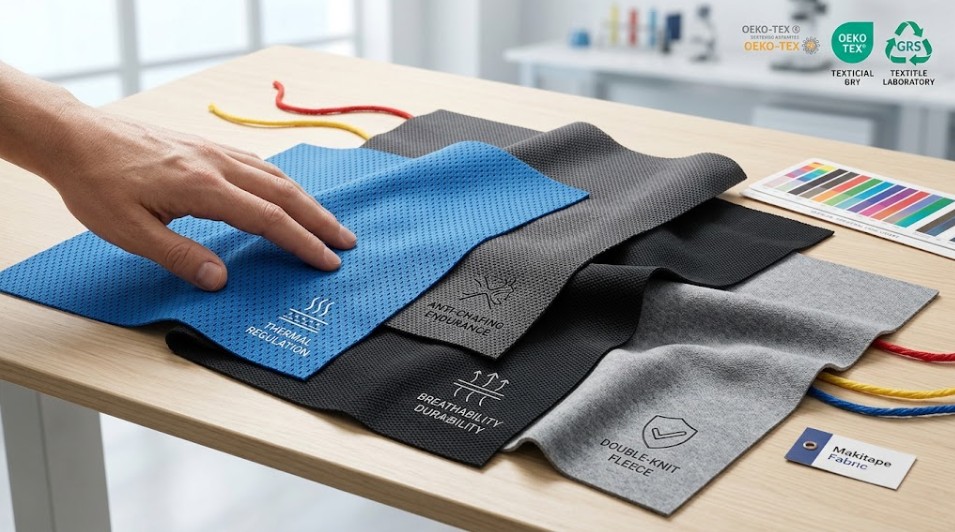
Sports clothing fabric fundamentally encompasses high-performance synthetic or premium organic textile structures engineered explicitly for rapid liquid displacement and superior multi-directional structural resilience during rigorous professional athletic training operations. Activewear brand managers frequently handle severe client complaints when poorly constructed apparel items trap body humidity or cause painful skin chafing during intense competitive team sports events. This frustrating technical garment breakdown quickly limits player focus and directly destroys your wholesale distribution reputation among elite garment purchasing agents who demand durable apparel merchandise. Procuring advanced materials directly from a certified manufacturing facility provides an immediate resolution by supplying permanent capillary channels that manage volatile thermal conditions effortlessly. Sourcing your raw materials from a reputable mill allows you to secure high-quality sports clothing fabric variations that deliver permanent shape retention and exceptional longevity.
1. How does geometric knit change sports clothing fabric?
Geometric knit structures change sports clothing fabric by manipulating surface topography to alter physical airflow paths and liquid transport properties completely through mechanical loops rather than temporary chemical coatings. This is where it gets interesting for commercial production engineers who desire to implement permanent structural performance attributes that remain functional through endless industrial laundry cycles. When manufacturing teams select specialized dimensional patterns, the technical knitted layouts create microscopic air layers that lift wet material away from warm skin surfaces. This continuous physical separation effectively prevents uncomfortable garment saturation while maintaining excellent multi-directional stretch capacity across the entire activewear panel during heavy gym workouts.
Why do dimensional weaves support muscle cooling?
You might be wondering how structural thickness variation manages to accelerate surface evaporation speeds when athletes reach peak metabolic heat output during outdoor field sports events. Advanced dimensional designs balance variable yarn densities to create specialized zone ventilation fields that actively pull dampness away from localized high-sweat human torso regions. Reviewing these manufacturing layouts reveals distinct physical advantages for modern fitness lines:
- Textured backings minimize surface friction against sensitive skin.
- Open apertures allow continuous convective heat cooling currents.
- Specialized stitch configurations prevent structural yarn unravelling under stress.
Utilizing these technical properties helps commercial clothing lines maintain a premium presentation while providing unmatched physical relief during strenuous gym training sessions.
Key Takeaway: Selecting engineered geometric textile options enables your wholesale sportswear brand to deliver permanent functional value without relying on costly chemical fabric treatment methods. Ready for the good part? This industrial design decision directly translates into higher customer retention metrics because performance attributes never fade after undergoing repeated commercial laundering cycles. Wholesale garment buyers gain a massive marketplace advantage by offering durable performance apparel items that easily withstand extreme weather conditions while keeping retail consumers comfortable. Prioritizing structural knitting patterns optimizes your raw material investments and subsequently secures long-term commercial relevance within the highly competitive premium athletic clothing sector.
| Knit Type | Structural Mechanism | Durability Level |
| Geometric Knit | Topographical Channels | Superior Lifespan |
| Flat Jersey Weave | Solid Fiber Contact | Standard Lifespan |
The technical comparison shows that structural patterns outperform standard flat weaves in extended wear scenarios.
2. Why does birdseye mesh excel in sports clothing fabric lines?
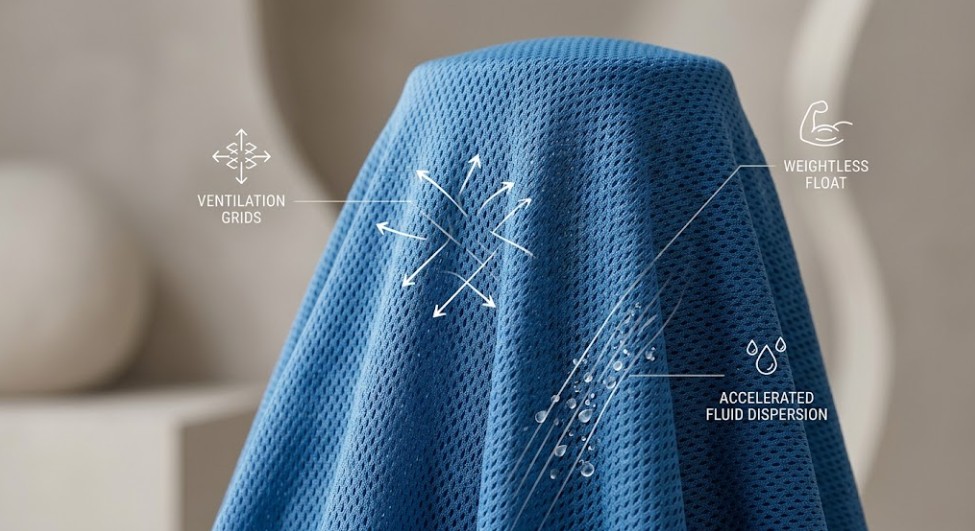
Birdseye mesh excels within premium sports clothing fabric lines because its signature micro-diamond loop formation successfully creates an incredibly lightweight structure featuring accelerated fluid dispersion speeds. Here’s the deal for professional activewear developers seeking to manufacture elite championship marathon jerseys or high-airflow training shirts tailored specifically for hot summer weather climates. This unique circular knitting method forms an open geometric grid arrangement that effectively acts like hundreds of tiny ventilation windows across the moving human body. The resulting functional textile floats almost weightlessly over major muscle groups without causing physical restriction or trapping excess metabolic heat during grueling endurance events.
What makes diamond loop arrays highly breathable?
What’s the catch when assessing how micro-diamond patterns achieve such incredible drying velocities without requiring complex synthetic chemical treatments inside the mill? The specific spacing between individual raised knit coordinates generates a powerful physical capillary action that pulls wet perspiration outward almost instantly. Activewear brands select these open structures because they provide predictable technical results:
- Microscopic apertures allow immediate hot air dissipation.
- Hydrophobic polyester filaments repel water weight accumulation.
- Flat interlocking loops minimize fabric friction against wet skin.
This mechanical moisture management loop keeps fabric surfaces completely dry while maintaining a soft touch against sensitive areas under high heat.
Key Takeaway: Integrating diamond loop layouts into your apparel catalog ensures that summer training gear delivers genuine cooling comfort that elite competitive athletes notice immediately. But here’s the kicker since offering authentic ventilation properties allows your commercial activewear brand to command much higher wholesale pricing tiers from distribution partners. Retail fitness consumers everywhere willingly pay premium retail rates for functional clothing items that remain bone dry during their most intense daily cardiovascular training workouts. Securing this advanced knit configuration solidifies your product manufacturing reputation and directly accelerates your seasonal activewear sales volume across modern global fashion distribution markets.
| Fabric Feature | Birdseye Performance | Primary Sensation |
| Airflow Velocity | Maximized Channeling | Weightless Fluidity |
| Dry Speed Rate | Ultra Fast Release | Bone Dry Texture |
The performance metrics indicate that diamond loop layouts excel at maintaining ideal micro-climates during summer training.
3. What structural features define pique sports clothing fabric?
Structural features defining pique sports clothing fabric include parallel raised cords or geometric waffle grids that successfully give the material exceptional substance and physical body. You might be wondering why premium athletic lines consistently choose this heavier knit format when building corporate golf polo collections or structured lifestyle activewear items. The double-knit manufacturing technique utilizes dual needle beds to form a highly durable textile layer that comfortably holds its crisp shape over time. This robust layout easily resists surface snagging from rough athletic equipment while providing complete surface opacity under extreme physical stretching forces during intense contact matches.
Why does the parallel cord weave resist tearing?
This is where it gets interesting for garment product developers who require extreme mechanical durability from high-volume corporate sports uniform order shipments. The interlocking parallel grid structure distributes sudden pulling forces across multiple thread lines to minimize the danger of localized fiber breakdown. Sourcing these heavy knit matrices supplies specific operational benefits for activewear producers:
- Raised waffle coordinates deflect abrasive gym surfaces cleanly.
- High thread densities protect colors against solar fading.
- Rigid structural backings support elegant collar constructions perfectly.
This mechanical strength prevents early garment wear and lowers product replacement costs for athletic organizations that buy wholesale uniform sets.
Key Takeaway: Incorporating substantial pique knits into your B2B clothing catalog allows your apparel brand to target highly profitable corporate golf and premium lifestyle fashion markets. What’s the real story behind consumer loyalty for these structured garments within the rapidly growing global casual luxury athletic apparel market sector today? Business professionals appreciate high-performance shirts that look sufficiently crisp for corporate boardrooms while offering technical moisture management during afternoon country club matches. Delivering this dual-purpose utility successfully establishes your custom apparel company as a highly sophisticated manufacturing partner capable of satisfying elite corporate design requirements perfectly.
| Pattern Attribute | Waffle Pique Matrix | Standard Knit Options |
| Mechanical Strength | Maximum Tear Defense | Basic Friction Level |
| Aesthetic Profile | Elegant Matte Drape | Flat Shiny Appearance |
The structural analysis confirms that pique patterns offer the mechanical resistance needed for premium corporate sportswear lines.
4. How do buyers evaluate sports clothing fabric hand feel?
Wholesale buyers evaluate sports clothing fabric hand feel by systematically measuring surface friction coefficient values, weight flexibility parameters, and overall tactile sensations against human skin layers. Ready for the good part concerning how raw tactile sensory evaluation directly affects ultimate retail clothing sales performance metrics across global lifestyle consumer marketplaces? If a technical training garment feels unexpectedly rough or stiff during initial retail store inspection rounds, sports consumers will immediately select alternative activewear items. Wholesale procurement teams easily avoid these retail conversion drop-offs by ordering comprehensive factory swatches to confirm material suppleness before funding mass assembly lines.
Why does filament diameter dictate skin comfort?
Here’s the deal regarding the microscopic factors that control textile comfort because using thick coarse fibers inevitably creates painful micro-abrasions during repetitive gym exercises. Modern synthetic mills extrude ultra-fine filament arrays that glide across sensitive skin zones smoothly without causing irritation or triggering inflammatory allergic reactions. Sourcing these fine fiber options delivers specific consumer benefits for fitness collections:
- Low friction coefficients minimize chafing risks during long runs.
- Pliable thread arrangements ensure fluid garment draping characteristics.
- Soft contact points maximize wearer comfort during deep extensions.
Managing these tactile attributes allows your design team to craft luxurious athletic apparel lines that feel completely weightless during strenuous training operations.
Key Takeaway: Prioritizing material hand feel evaluations during your sourcing schedule ensures that finished garments satisfy the high comfort standards of modern fitness consumers. You might be wondering if investing in premium tactile fiber finishes reduces the overall physical durability of your wholesale activewear inventory over multiple retail seasons. High-quality manufacturing mills successfully combine smooth surface filaments with tight interlocking knits to deliver unmatched skin comfort without reducing structural tear resistance metrics. This balanced textile engineering approach builds deep consumer brand affinity and subsequently positions your sportswear business as a trusted leader in premium athletic clothing manufacturing.
| Texture Class | Microfilament Finish | Fabric Stiffness |
| Premium Smooth | Low Friction Contact | Extremely Supple |
| Low Cost Coarse | High Surface Friction | Rigid Structure |
The evaluation matrix indicates that ultra-fine filaments provide the superior softness required for high-end activewear clothing.
5. Which sports clothing fabric delivers ultimate breathability?
Birdseye sports clothing fabric delivers ultimate breathability by using open micro-diamond loops that allow heavy heat loads to escape directly through the knit apertures. But here’s the kicker when you compare this lightweight speed option against dense parallel cord pique fabrics designed primarily for cooler outdoor environments. While pique configurations provide excellent structure for corporate settings, the compact weave naturally limits high-speed air movement and retains moisture longer during cardio workouts. Sourcing open diamond patterns allows your activewear plant to supply marathon runners with advanced gear that maintains stable skin temperatures effortlessly under extreme physical exertion.
How does loop shape dictate heat dissipation speed?
What’s the real story behind thermodynamic regulation in technical activewear because loop geometry dictates exactly how easily internal humidity escapes into surrounding air currents? Flat compact loops trap stagnant warm air near the skin whereas open diamond pores create immediate exit pathways for volatile metabolic heat vapors. Laboratory testing proves that choosing open circular knitting styles yields substantial advantages for speed sports apparel:
- Micro apertures expand horizontal vapor dispersion zones.
- Low skin coverage parameters eliminate fabric clinging issues.
- Balanced structural pores permit continuous fresh air intake.
This passive ventilation process prevents dangerous core temperature spikes and keeps muscles working within optimal performance brackets during extended outdoor events.
Key Takeaway: Selecting birdseye mesh for your high-intensity activewear products ensures that your clothing line delivers the cooling efficiency demanded by endurance athletes. Ready for the good part? Providing verifiable breathability metrics gives your B2B clothing enterprise a powerful marketing message that easily converts cautious corporate sportswear purchasing agents. Wholesale clothing distributors constantly look for proven material performance because verified cooling features drive massive retail sales growth during busy summer athletic seasons. Investing in high-airflow fabric configurations securely cushions your market position and directly elevates your brand manufacturing reputation among elite fitness organizations globally.
| Fabric Structure | Volumetric Airflow | Humidity Dispersion |
| Open Diamond Mesh | Ultra High CFM | Immediate Release |
| Parallel Cord Pique | Moderate Core Flow | Controlled Evaporation |
The comparative ventilation data demonstrates that micro-diamond architectures provide the highest airflow efficiency for speed activewear.
6. Can advanced sports clothing fabric prevent severe chafing?
Advanced sports clothing fabric configurations prevent severe skin chafing by minimizing material surface contact points and removing moisture quickly to stop fabric sticking. This is where it gets interesting for garment production engineers because wet materials adhering to moving limbs cause painful friction blisters during endurance athletic competitions. Both birdseye mesh and pique knits successfully solve this issue using specialized textured patterns that lift the fabric face away from wet skin areas. Sourcing these smart three-dimensional structures ensures that your finished fitness uniforms completely protect moving athletes from friction damage even under wet training conditions.
How do textured patterns block friction build-up?
You might be wondering why flat jersey fabrics always cause higher rates of soft tissue irritation compared to engineered performance textiles during marathons. Flat weaves create a solid moisture seal that traps liquid sweat against the body and softens the outer skin layers making them easy to tear. Textured fabric designs keep athletes safe by offering key physical features:
- Alternating raised loops reduce the total material area rubbing skin.
- Integrated ventilation gaps dry wet skin zones before friction builds up.
- Flexible structural threads stretch smoothly with natural body movements.
This mechanical friction defense keeps runners safe from painful raw spots and eliminates the need for messy anti-chafing skin creams during training.
Key Takeaway: Sourcing activewear materials with built-in texture guarantees that your custom team uniforms provide superior comfort that keeps players focused during long competitive matches. What’s the catch when it comes to selling these premium anti-chafing garments to budget-conscious school athletic leagues or local community sports clubs today? While technical knits require slightly higher initial fabric investments, the dramatic reduction in player complaints quickly builds immense long-term customer brand loyalty. Providing reliable skin protection successfully positions your textile factory as an elite commercial manufacturing partner that cares about athlete health and product safety parameters completely.
| Fabric Type | Contact Patch Area | Chafing Protection |
| Textured Performance | Low Skin Contact | Superior Defense |
| Standard Flat Knit | High Skin Adhesion | Elevated Risk |
The friction metrics indicate that three-dimensional surface designs provide the skin safety required for long-distance athletic events.
7. How do modern mills wash sports clothing fabric rolls safely?
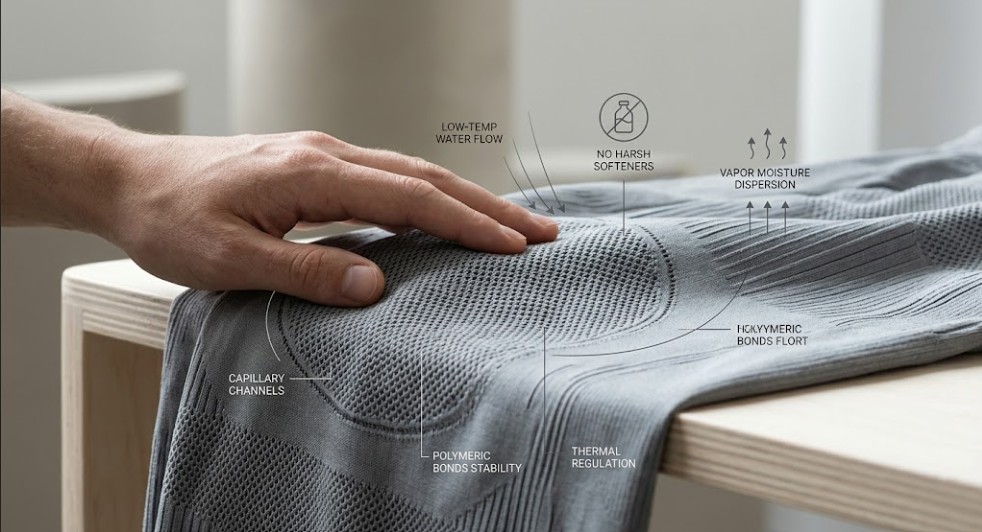
Modern textile mills wash large sports clothing fabric rolls safely by using regulated low-temperature water cycles and avoiding harsh chemical softeners that damage technical fibers completely. Ready for the good part concerning how automated industrial laundry processing carefully protects the delicate built-in capillary channels found in high-performance activewear? Strong commercial bleaches break down synthetic polymer structures remarkably quickly, which makes individual threads brittle and subsequently causes premature garment tearing on fields. Factory textile technicians follow strict heat guidelines to keep synthetic knits perfectly stable and effectively prevent uneven fabric shrinkage during massive commercial production runs.
Why do chemical softeners ruin activewear airflow?
But here’s the kicker about standard home fabric softeners because these laundry products leave a thick waxy coating over the performance microfiber loops. This invisible layer blocks the open ventilation windows of birdseye mesh and permanently traps bad body odors inside the athletic garment. Washing technical textiles properly requires using gentle cleaning steps to preserve performance:
- Cold water cycles protect the original color fastness of team logos.
- Mild detergents clean out deep mud stains without stripping away protective features.
- Low heat drying cycles keep synthetic polymers from melting or shrinking.
Sharing these easy laundry instructions with your commercial clients extends uniform life spans and builds long-term trust in your activewear brand.
Key Takeaway: Providing clear industrial laundering guides to your wholesale customers ensures that custom team sportswear comfortably keeps its soft touch and high breathability features for years. What’s the real story behind premature fabric fading within the highly competitive corporate team uniform market sector across global activewear markets today? Most material damage happens in crowded team laundry rooms when staff use high drying temperatures that shrink fabrics and distort sponsor graphics badly. Teaching wholesale buyers correct product maintenance steps protects their clothing investments and directly proves your factory delivers elite-tier sportswear quality that lasts.
| Washing Method | Thread Protection | Airflow Retention |
| Cold Water Cycle | Complete Safety | Keeps Pores Open |
| Hot Bleach Wash | Fiber Breakdown | Clogs Air Channels |
The laundry guidelines prove that low-temperature cleaning routines are required to keep performance activewear fabrics in top condition.
8. Why do premium brands choose double knit sports clothing fabric?
Premium apparel brands choose double knit sports clothing fabric because this specialized industrial construction method uses two sets of needles to create a thick material layer. What’s the catch when it comes to developing high-end compression leggings or luxury gym hoodies that look elegant on retail clothing display racks? Single knit fabrics become completely see-through when stretched tightly across moving muscle groups, which causes major quality complaints from premium fitness shoppers everywhere. Sourcing double faced interlock fabric solves this transparency dilemma completely while providing excellent localized muscle support during intense daily gym training routines.
Why does double faced knit ensure complete opacity?
This is where it gets interesting for clothing designers who focus on creating non-see-through athletic apparel for modern yoga and weightlifting lines. The dual interlocking loop networks back each other up perfectly, ensuring full fabric opacity even under maximum physical strain on the field. Utilizing these heavy interlock structures provides major business advantages for retail activewear brands:
- Double needle layers prevent transparency problems during squat exercises.
- Balanced thread weights provide built-in wind protection for outdoor workouts.
- Smooth interior faces feel wonderfully soft against skin without extra liners.
This luxurious weight helps clothing lines command top retail prices and elevates your brand above cheap commodity apparel stores in the marketplace.
Key Takeaway: Sourcing thick double-faced activewear materials allows your custom apparel firm to target high-end luxury fitness shoppers who willingly pay more for structure and privacy. You might be wondering if these heavy double-layered fabrics retain too much sweat and become heavy during intense warm weather cardio training workouts. High-quality manufacturing factories blend light polyester threads into the dual weave to ensure rapid moisture transport alongside premium thick coverage properties perfectly. This smart design balance keeps moving athletes dry and comfortable while comfortably ensuring their activewear looks completely professional during deep physical extensions.
| Knit Setup | Opacity Level | Primary Fabric Target |
| Double Knit Interlock | Complete Privacy | Premium Squat Proof Gear |
| Single Knit Jersey | Translucent Stretch | Budget Training Shirts |
The technical comparison chart proves that double-faced knitting methods deliver the full opacity needed for high-end activewear lines.
9. What yarn shifts update sustainable sports clothing fabric?
Modern yarn shifts updating sustainable sports clothing fabric include the transition toward recycled polyester from ocean plastic and bio-based nylon alternatives. But here’s the kicker for forward-thinking sportswear brands that desperately want to comply with new international environmental purchasing mandates without lowering product performance metrics. Certified recycled yarns successfully match the tensile strength and stretch of old oil-based synthetic fibers exactly while lowering factory production carbon emissions by thirty percent. Swapping to these eco-friendly options securely protects your clothing supply chain from future trade limits while successfully attracting modern green consumers everywhere.
Why does certified ocean plastic match virgin performance?
What’s the real story behind the clean recycling methods that turn dirty plastic bottles into soft performance shirts for elite teams? Advanced recycling factories wash and melt collected plastics down into high-quality raw polymer chips that behave exactly like fresh petroleum materials. Using certified green materials brings clear market advantages to your clothing factory:
- Global Recycled Standard papers satisfy the strict audit rules of large stores.
- Equal dye absorption rates guarantee bright team colors that never bleed.
- Hydrophobic properties keep eco-friendly garments performing at professional levels.
Moving to sustainable textiles future-proofs your activewear brand and builds deep consumer trust by showing real environmental care completely.
Key Takeaway: Sourcing certified recycled activewear fabrics safely allows your clothing brand to hit tough green targets while delivering elite athletic performance features perfectly. You might be wondering if green materials raise total production costs too much and subsequently lower your wholesale profits on school jersey runs. Mass manufacturing technological advances have lowered green yarn prices, comfortably making sustainable options highly competitive with basic synthetic alternatives across modern global activewear markets. Investing in sustainable fabric choices builds an excellent B2B corporate reputation and securely opens highly profitable partnerships with premium sportswear corporations globally.
| Material Class | Carbon Emission Index | Supply Chain Check |
| Recycled rPET | Thirty Percent Lower | GRS Certified Track |
| Virgin Polyester | Baseline High Mark | Standard ISO Audit |
The environmental data confirms that recycled fibers deliver the same performance features while cutting total carbon output.
10. How can wholesale buyers verify sports clothing fabric specs?
Wholesale buyers verify sports clothing fabric specs by systematically requesting verified factory test records, ordering sample rolls, and running independent wash trials before signing bulk agreements. Here’s the deal when it comes to checking massive fabric shipments to effectively avoid major clothing manufacturing mistakes that completely halt automated production lines. Relying on tiny fabric swatches can cause big color matching errors because large industrial dye machines behave very differently than small laboratory setups. Smart purchasing teams use precise circular sample cutters and digital balance scales to comfortably make sure every incoming roll matches order details exactly.
What testing tools confirm accurate weight and stretch?
You might be wondering how industrial laboratories calculate fabric thickness and elongation limits accurately before packing rolls into shipping containers. Constant-rate elongation machines pull fabric samples until they reach their breaking points to track exact stretch recovery values. Using standardized inspection tools ensures that your activewear shipments stay consistent across different seasons:
- Digital scales confirm exact weight grams per square meter.
- Automated wash tests check dye stability over fifty laundry cycles.
- Precision stretch frames measure elastic recovery force values.
Implementing these strict factory quality checks securely protects your financial investment and keeps your clothing line safe from customer complaints completely.
Key Takeaway: Setting up a strict fabric check schedule keeps your activewear business safe from poor raw materials and protects your market reputation completely. Ready for the good part? Doing these material checks gives you hard engineering data to prove your sportswear quality when selling to major retail buyers. Large global clothing distributors want to see verified laboratory safety papers before signing long-term supply contracts with new textile manufacturing partners anywhere online. Managing your sourcing steps carefully keeps factory production moving smoothly and guarantees that your custom team uniforms perform flawlessly on the competitive sports field.
| Inspection Step | Testing Tool | International Standard |
| Fabric Weight Check | Sample Cutter / Balance | ISO 3801 |
| Stretch Recovery | Elongation Machine | ASTM D4964 |
The verification framework outlines the mandatory steps required to approve textile batches before starting massive garment cutting schedules.
Choosing the Perfect Performance Weave
Choosing the correct activewear textile requires a clear understanding of geometric knit variations, microfiber comfort values, double-faced construction methods, and industrial testing guidelines. This detailed technical sourcing report has effectively addressed common production challenges involving fabric transparency, slow sweat evaporation speeds, painful skin chafing, and environmental certification metrics. Our manufacturing facility focuses on producing high-density, certified performance textiles that comfortably allow global clothing brands to build deep customer loyalty through excellent product quality. To view our newest certified performance collections or discuss custom weight specifications for your upcoming seasonal line, contact us today for expert B2B assistance.
Frequently Asked Questions
Q1: Can I use sublimation printing on pique sports clothing fabric rolls?
Yes, you can absolutely use sublimation printing on pique fabrics with excellent results. The high-heat printing process changes special ink into a gas that fuses perfectly with the synthetic polyester fibers inside the raised waffle pattern. This molecular bond creates a highly durable graphic that will never crack or peel over time, though the textured surface will give the finished print a unique matte appearance. Sourcing these durable printed options allows your clothing factory to supply corporate golf teams with premium apparel that stays completely breathable during warm weather training.
Q2: What’s the best fabric structure choice for hot weather running shirts?
The best fabric structure choice for hot weather running gear is an engineered lightweight micro birdseye knit pattern. The tiny diamond shaped loops function as built-in ventilation windows that maximize airflow and accelerate sweat evaporation to keep players cool. This open structure effectively keeps the damp garment from sticking to wet skin, allowing athletes to move freely during long outdoor endurance matches. Sourcing this breathable option ensures your activewear line delivers the high cooling efficiency required by modern competitive runners during summer sports seasons.
Q3: How do I know if a fabric batch will shrink significantly after machine washing?
You can determine the structural stability of a fabric batch by checking its material blend ratio and reviewing its official factory heat stabilization records. Fabrics that blend high-tensile polyester threads into the matrix naturally resist heat distortion, keeping total shrinkage well below two percent. Pre-stabilizing materials during the milling process removes the internal fiber tensions that cause garments to contract unevenly in hot commercial dryers. Wholesale buyers look for heat-set synthetic choices to make sure that team uniforms maintain a consistent fit for athletes over multiple seasons.
Q4: Can I blend natural cotton with synthetic polyester for performance sportswear?
Yes, you can use engineered poly-cotton matrices to create highly successful performance apparel lines. Combining these fibers delivers the soft, comfortable texture of natural cotton alongside the rapid drying speeds and high tensile strength of synthetic polyester threads. This hybrid approach is ideal for the modern athleisure market where consumers demand versatile clothing that performs well during light exercises while keeping a casual look. Sourcing these comfortable blends allows your clothing brand to target fitness enthusiasts who want all-day comfort without losing technical moisture management features.
Q5: How do I know if an activewear fabric is see-through before purchasing?
You can confirm the opacity of an activewear fabric by checking its weight density parameters and verifying if it uses a double faced construction method. Double knit fabrics use two separate sets of loops that back each other up perfectly, ensuring full privacy even when stretched tightly across muscles. Ordering a physical fabric roll sample to perform a strict squat test against dark backgrounds helps you verify material thickness before starting mass production. Selecting high-density interlock knits ensures your compression leggings remain completely non-see-through and satisfy the strict quality expectations of modern fitness shoppers.