
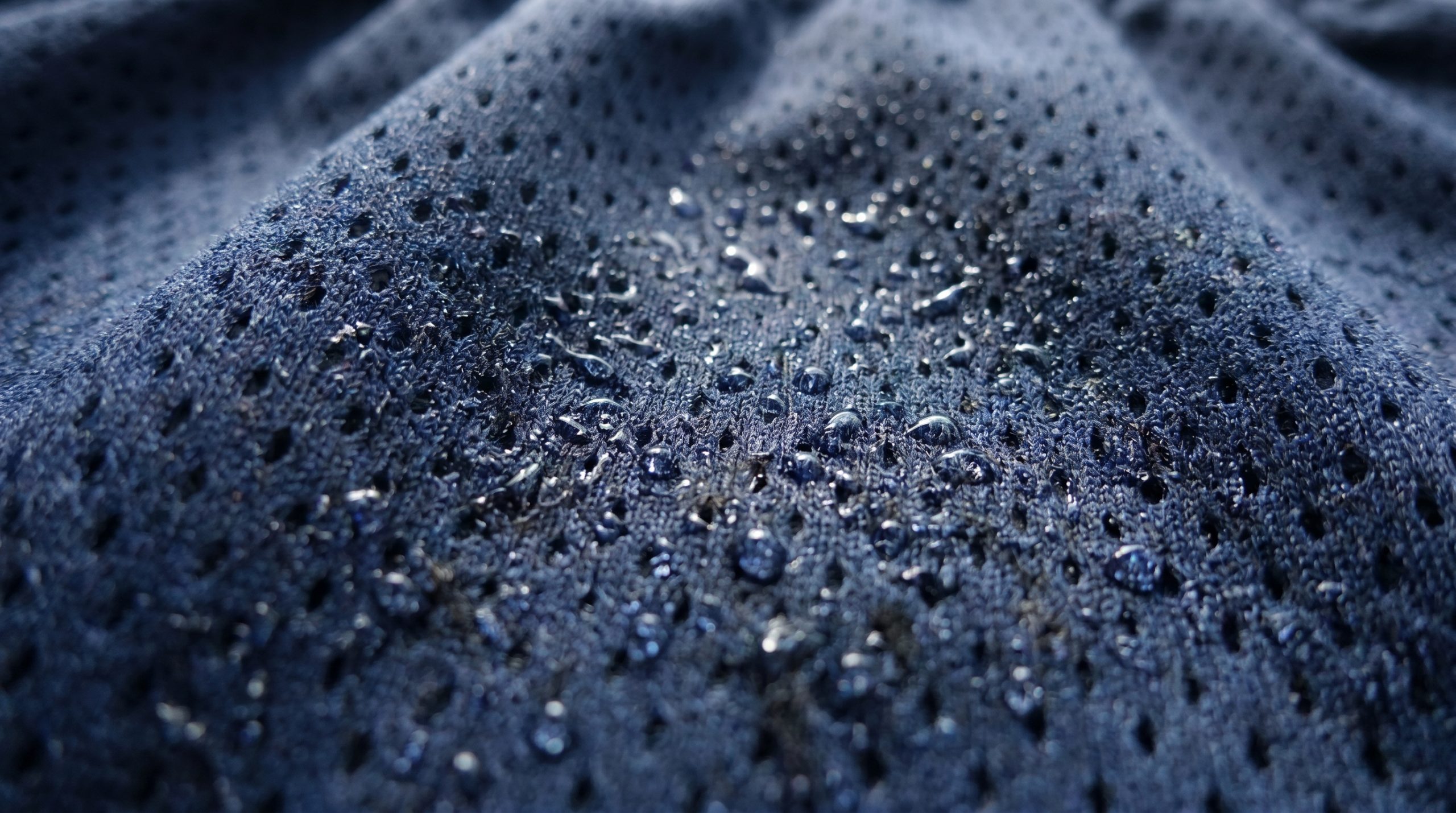
The best fabric for basketball shorts is a high-density polyester mesh or double-knit interlock ranging from 160 to 220 GSM to ensure a balance of durability, drape, and professional style. You might find that standard athletic wear often fails under the physical pressure of a high-stakes game, leading to embarrassing tears or transparency. This lack of reliability frustrates athletes and damages the reputation of your apparel brand. Here is the kicker: sourcing a premium basketball shorts fabric with advanced moisture-wicking properties and high abrasion resistance solves these issues while providing the “swing” and comfort players demand.
What makes a high-quality basketball shorts fabric?
Selecting the right basketball shorts fabric requires understanding the specific physiological demands of the sport. You must balance the need for airflow with a material weight that provides enough structure for pockets and waistbands.
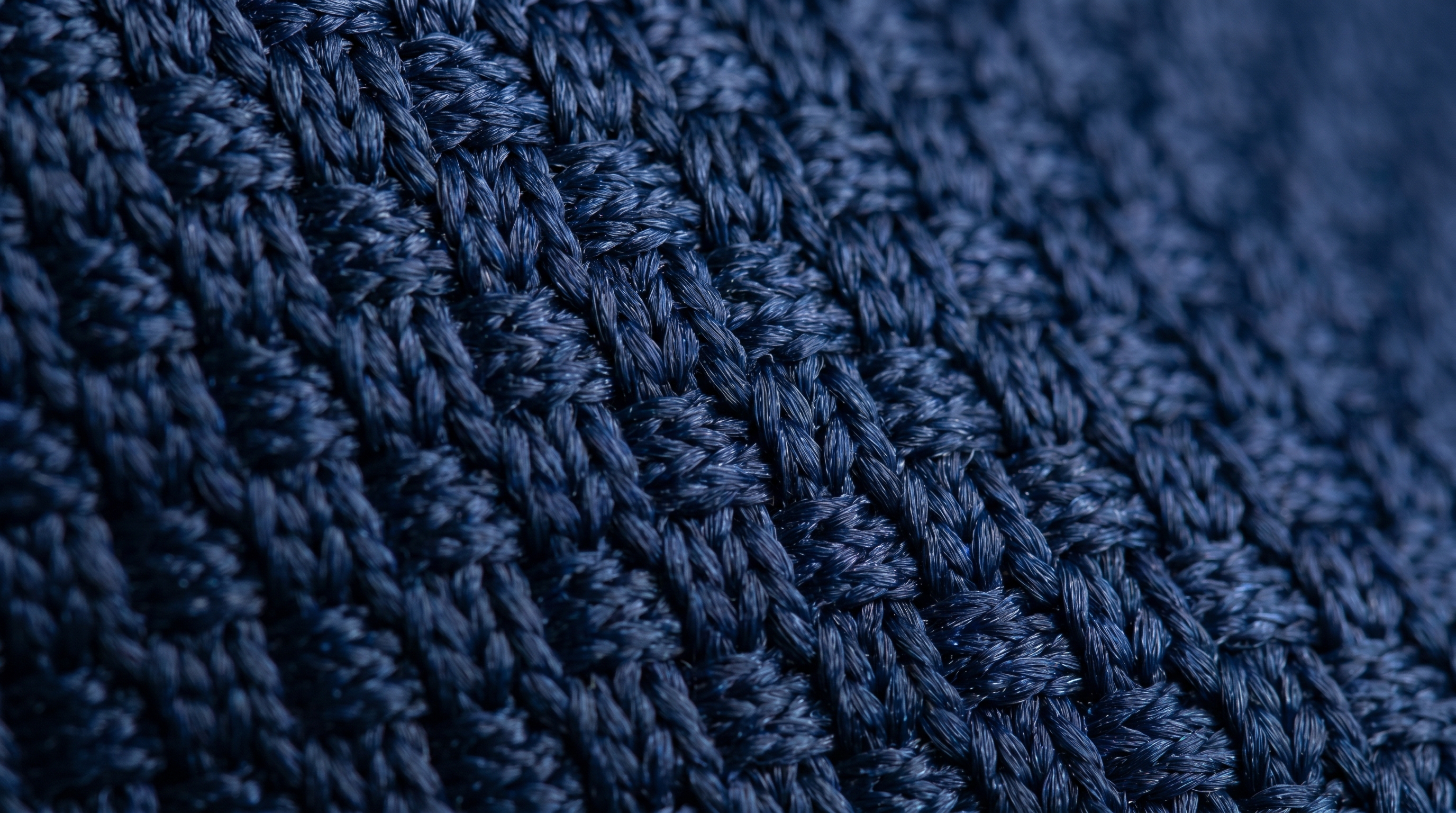
Does breathability affect performance?
- High-intensity aerobic bursts require immediate heat dissipation.
- Warp-knit structures allow for maximum airflow during lateral movements.
- Open-cell constructions prevent the fabric from sticking to sweaty skin.
Is mechanical stretch necessary?
- Players require a full range of motion for jumping and defensive sliding.
- Mechanical stretch in polyester yarns provides elasticity without the weight of spandex.
- Proper stretch prevents the fabric from “locking up” during deep squats or lunges.
How does moisture transport work?
- Capillary action pulls sweat away from the skin to the fabric surface.
- Specialized fiber cross-sections increase the surface area for rapid evaporation.
- Hydrophobic treatments ensure the garment stays light even during heavy perspiration.
Key Takeaway: High-quality fabric must combine breathability, mechanical stretch, and moisture transport to keep athletes cool and mobile on the court.
| Feature | Requirement | Benefit | |
|---|---|---|---|
| Breathability | High Airflow Knit | Temperature Regulation | |
| Stretch | 10-15% Mechanical | Unrestricted Movement | |
| Moisture | Capillary Wicking | Lightweight Feel |
We arrive at this conclusion by analyzing the aerobic intensity and directional movements typical of competitive basketball.
Why is polyester mesh the basketball shorts fabric standard?
Standardized basketball shorts fabric almost always utilizes 100% polyester due to its incredible strength-to-weight ratio. But that’s not all; polyester’s resistance to shrinking and stretching makes it ideal for the frequent washing cycles of team sports.
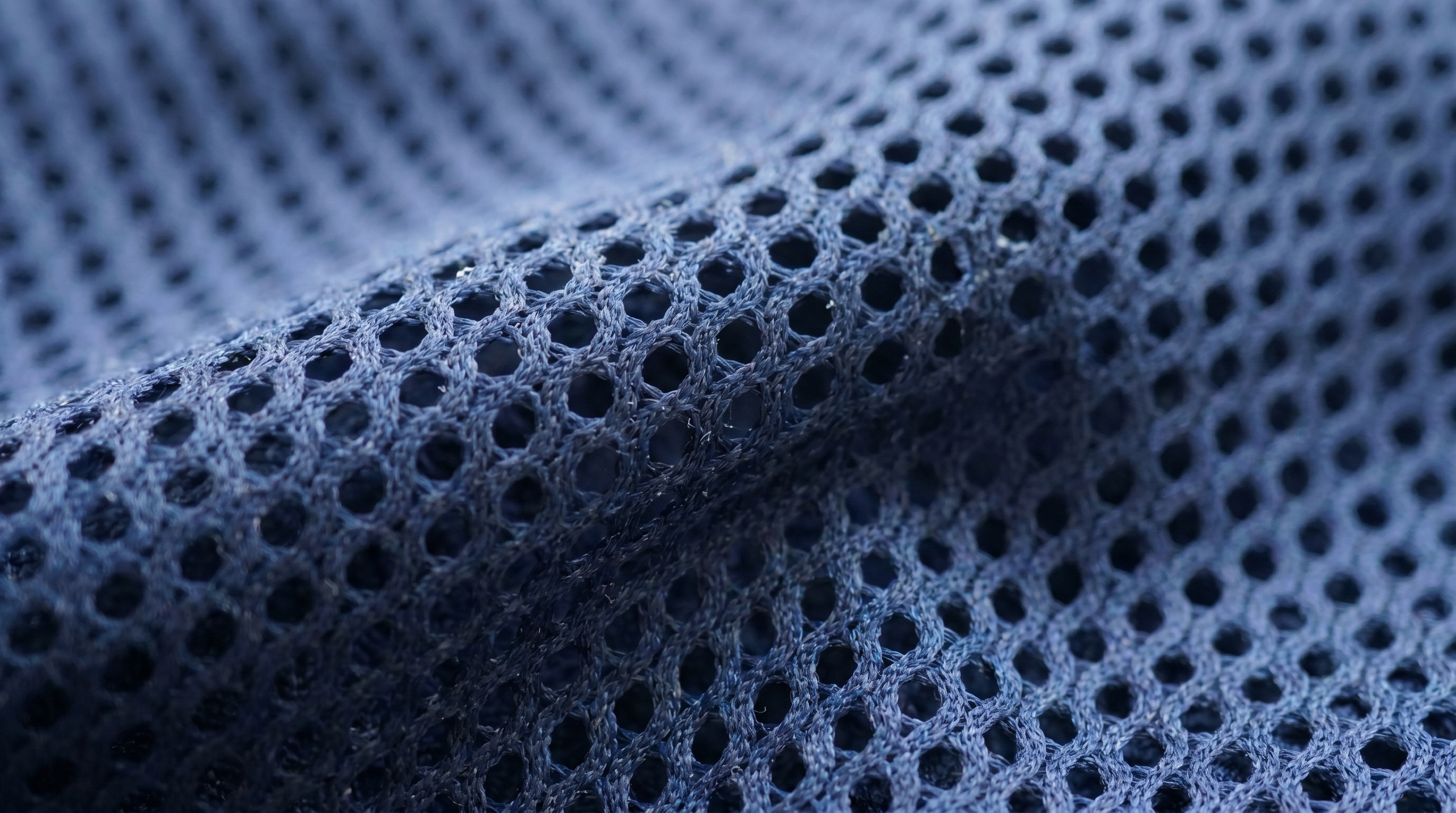
Why choose 100% polyester?
- It offers superior durability compared to nylon or cotton blends.
- Polyester fibers are naturally hydrophobic, aiding in moisture management.
- The material holds vibrant dyes and sublimation prints without fading.
Dazzle vs matte finishes?
- Dazzle fabric provides a classic, high-sheen look associated with retro kits.
- Modern matte finishes offer a sophisticated, lifestyle-friendly aesthetic.
- Both options maintain high breathability through mesh hole integration.
Key Takeaway: Polyester remains the industry gold standard because it handles the dual requirements of physical durability and high-definition customization.
| Fabric Finish | Visual Style | Common Use | |
|---|---|---|---|
| Dazzle | High-Gloss | Retro/Pro Team Kits | |
| Matte | Low-Reflection | Training/Lifestyle Wear | |
| Textured | 3D Depth | Premium Retail Apparel |
This analysis is based on the material’s inherent resistance to structural deformation and its compatibility with industrial decoration methods.
Which basketball shorts fabric offers better ventilation?
Choosing a ventilated basketball shorts fabric often comes down to a choice between Bird’s Eye and Honeycomb structures. You need to consider how the hole size and pattern impact the overall “hand-feel” of the garment.
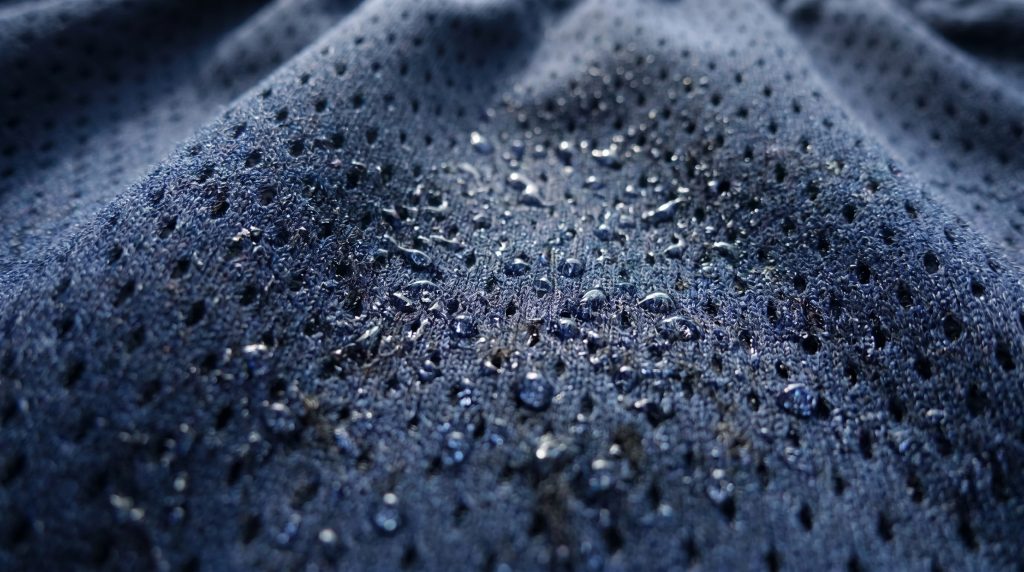
Is bird’s eye mesh comfortable?
- The small, circular knit pattern mimics the look of a bird’s eye.
- It provides a smooth internal surface that minimizes skin irritation.
- The tight knit offers a more subtle look than traditional open-hole mesh.
Why use honeycomb structures?
- Hexagonal patterns offer superior structural integrity and tear resistance.
- The 3D geometry creates a distinctive, premium texture for your brand.
- Honeycomb knits often provide slightly better airflow due to larger apertures.
How does texture impact style?
- Varied knit patterns allow for “tonal” designs without adding extra weight.
- Textured fabrics hide minor snags and wear-and-tear better than smooth ones.
- A premium texture increases the perceived retail value of the shorts.
Key Takeaway: Ventilation styles like Bird’s Eye or Honeycomb determine both the cooling capacity and the unique visual identity of the apparel.
| Knit Pattern | Airflow Rating | Texture Profile | |
|---|---|---|---|
| Bird’s Eye | Moderate | Smooth/Subtle | |
| Honeycomb | High | Bold/Geometric | |
| Traditional | Very High | Classic/Open |
The data suggests that knit geometry directly influences both the tactile comfort and the cooling efficiency of the textile.
Should you use interlock as your basketball shorts fabric?
Transitioning your basketball shorts fabric to an interlock knit can elevate the garment from basic gym wear to high-end lifestyle apparel. It’s a game-changer for brands looking to bridge the gap between performance and streetwear.
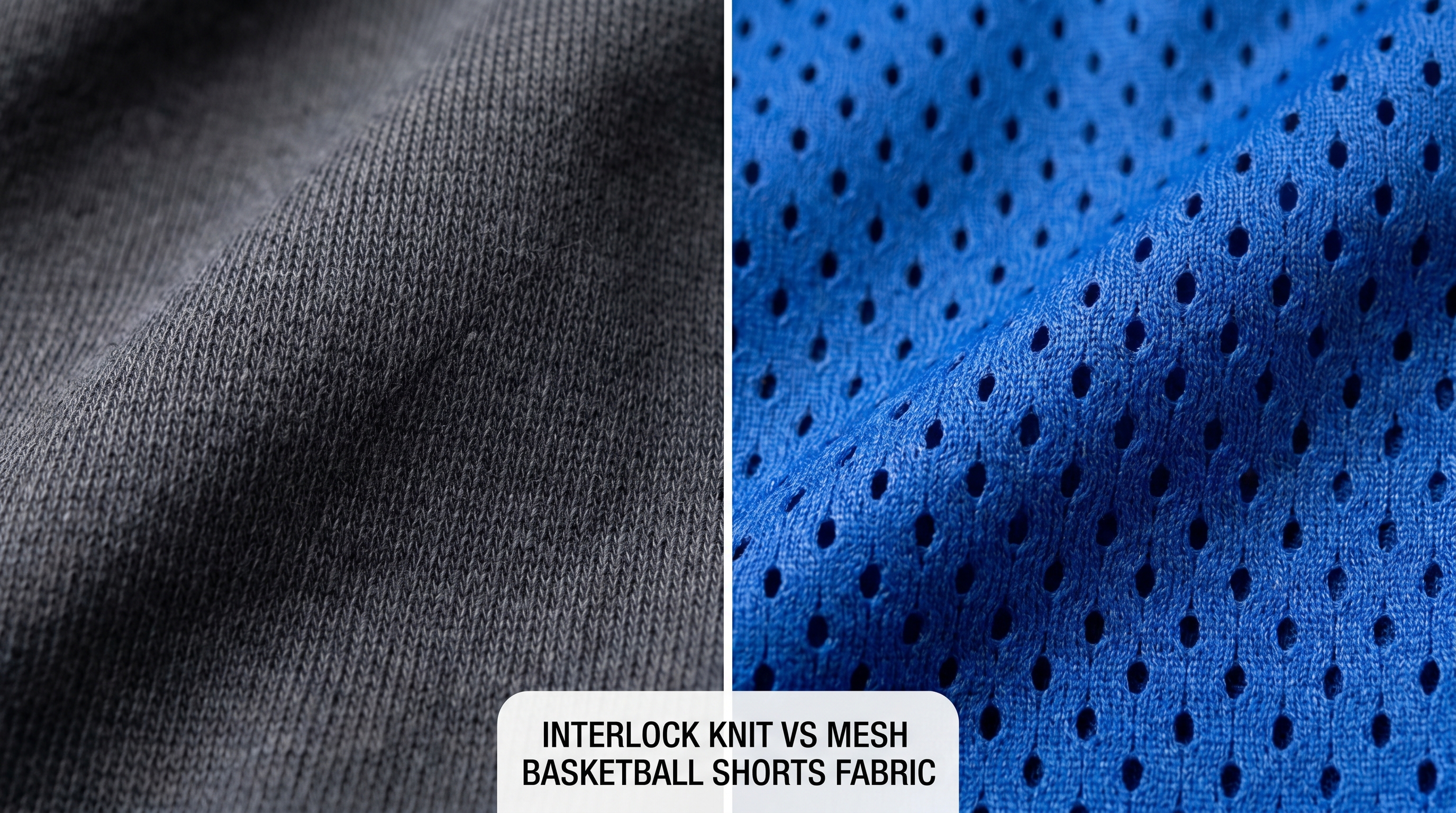
Is interlock smoother than mesh?
- Interlock is a double-knit fabric with a smooth surface on both sides.
- It feels significantly softer against the skin during long periods of wear.
- The lack of visible holes provides a clean canvas for detailed printing.
How to solve opacity issues?
- Higher gauge interlock prevents the “see-through” effect common in white shorts.
- The double-knit construction adds natural opacity without requiring a liner.
- Weight stability ensures the fabric doesn’t become transparent when wet.
Key Takeaway: Interlock fabric is the preferred choice for premium, non-see-through shorts that require a smooth, high-end finish.
| Attribute | Mesh Fabric | Interlock Fabric | |
|---|---|---|---|
| Surface | Textured/Holes | Smooth/Solid | |
| Transparency | High (needs liner) | Low (opaque) | |
| Comfort | High Airflow | High Softness |
Our comparison highlights that interlock provides a superior aesthetic for retail markets where skin comfort is prioritized over maximum ventilation.
How does GSM impact your basketball shorts fabric choice?
Finding the right weight for your basketball shorts fabric is critical to the garment’s “swing” and durability. You must distinguish between the 140 GSM used for jerseys and the heavier weights required for shorts.
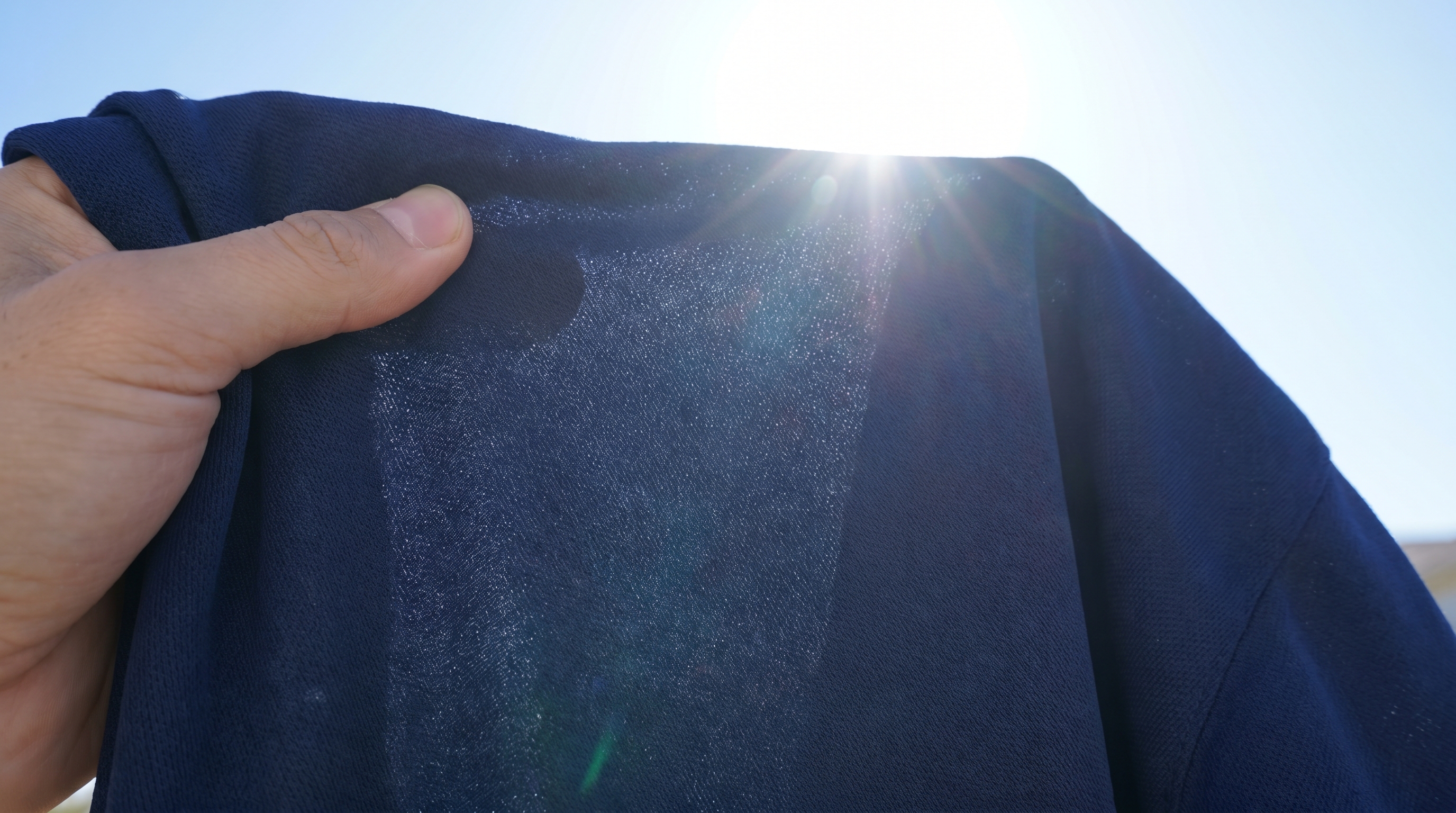
When to use 130–150 GSM?
- This weight is ideal for lightweight jerseys and practice pinnies.
- It offers the highest level of speed and agility for competitive play.
- Jerseys typically use 140 GSM to ensure they don’t weigh down the athlete.
Why is 170–220 GSM premium?
- This range provides the heavy drape necessary for high-end “Swingman” shorts.
- Heavier GSM prevents the fabric from riding up during intense movement.
- It offers much higher durability for shorts that face more friction than tops.
How to avoid heavy soak?
- High GSM fabrics must be paired with superior moisture-wicking treatments.
- Look for yarns with high filament counts to move moisture quickly.
- Proper density ensures the fabric doesn’t become a “heavy sponge” when wet.
Key Takeaway: For professional-grade basketball shorts, always target a GSM between 160 and 220 to ensure durability and proper drape.
| GSM Range | Best Application | Characteristics | |
|---|---|---|---|
| 130-150 GSM | Game Jerseys | Ultra-Light/Fast | |
| 160-190 GSM | Standard Shorts | Balanced/Mobile | |
| 200-220 GSM | Premium Shorts | Heavy Drape/Durable |
This weight distinction is vital because shorts experience higher mechanical stress and require more opacity than jerseys.
What treatments improve basketball shorts fabric?
Advanced treatments for basketball shorts fabric can drastically improve the athlete’s experience. You can turn a standard polyester into a high-performance tool that manages both sweat and odor effectively.
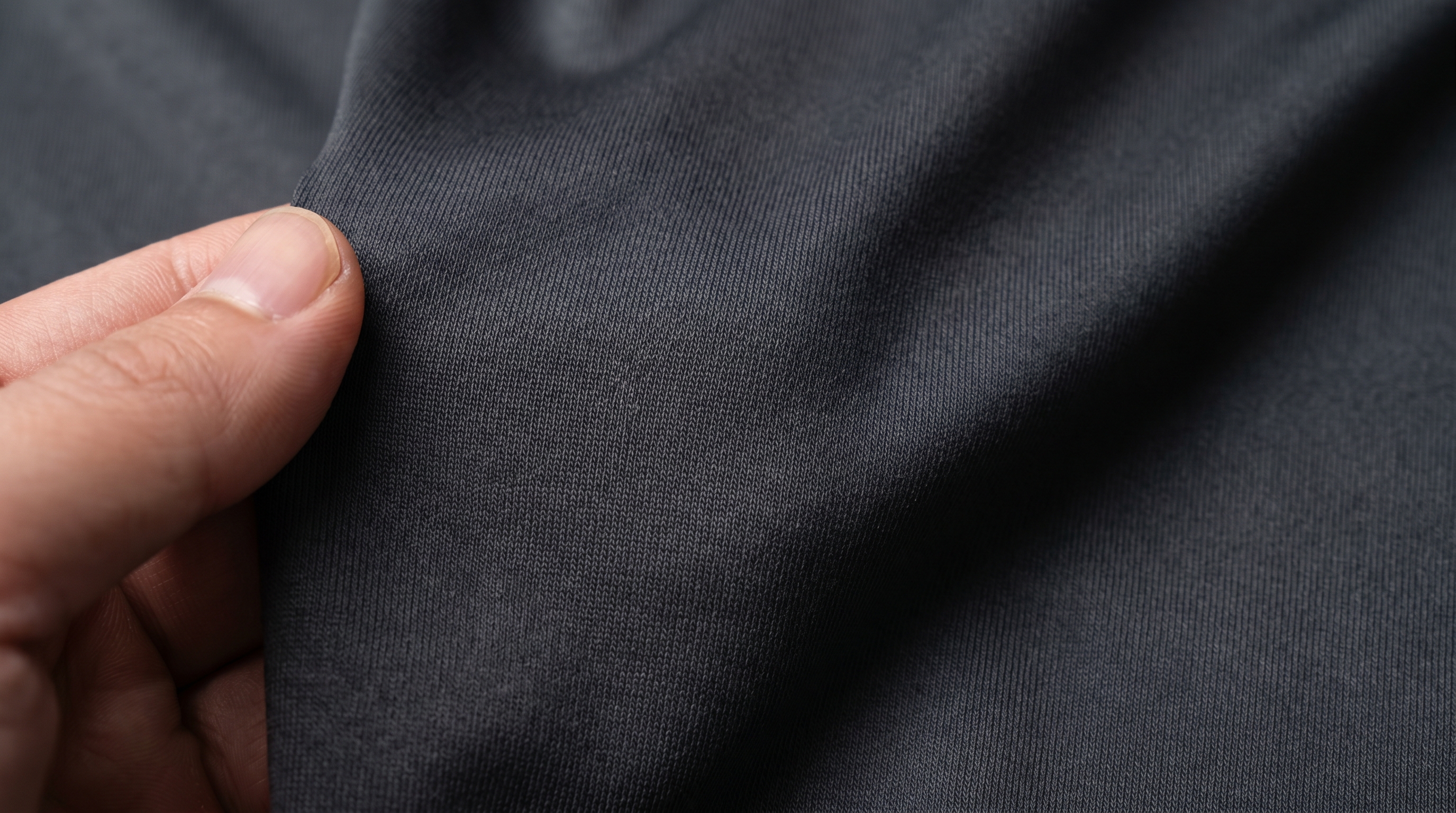
Chemical vs structural wicking?
- Chemical finishes are topical and may wash out over time.
- Structural wicking uses the shape of the yarn to move moisture permanently.
- Combining both provides the best immediate and long-term performance.
Is silver-ion tech effective?
- Silver-ion treatments inhibit the growth of odor-causing bacteria.
- It is essential for tournament apparel that might be worn multiple times.
- The treatment stays active even after dozens of high-temperature washes.
Key Takeaway: Functional treatments like silver-ion and structural wicking ensure that shorts remain fresh and dry throughout the longest games.
| Treatment Type | Primary Benefit | Durability | |
|---|---|---|---|
| Structural Wicking | Moisture Management | Permanent | |
| Silver-Ion | Odor Control | Long-Term | |
| Anti-UV | Sun Protection | High |
By investigating the longevity of topical versus yarn-level treatments, we find that structural enhancements offer better value for professional brands.
Is your basketball shorts fabric durable enough for pro play?
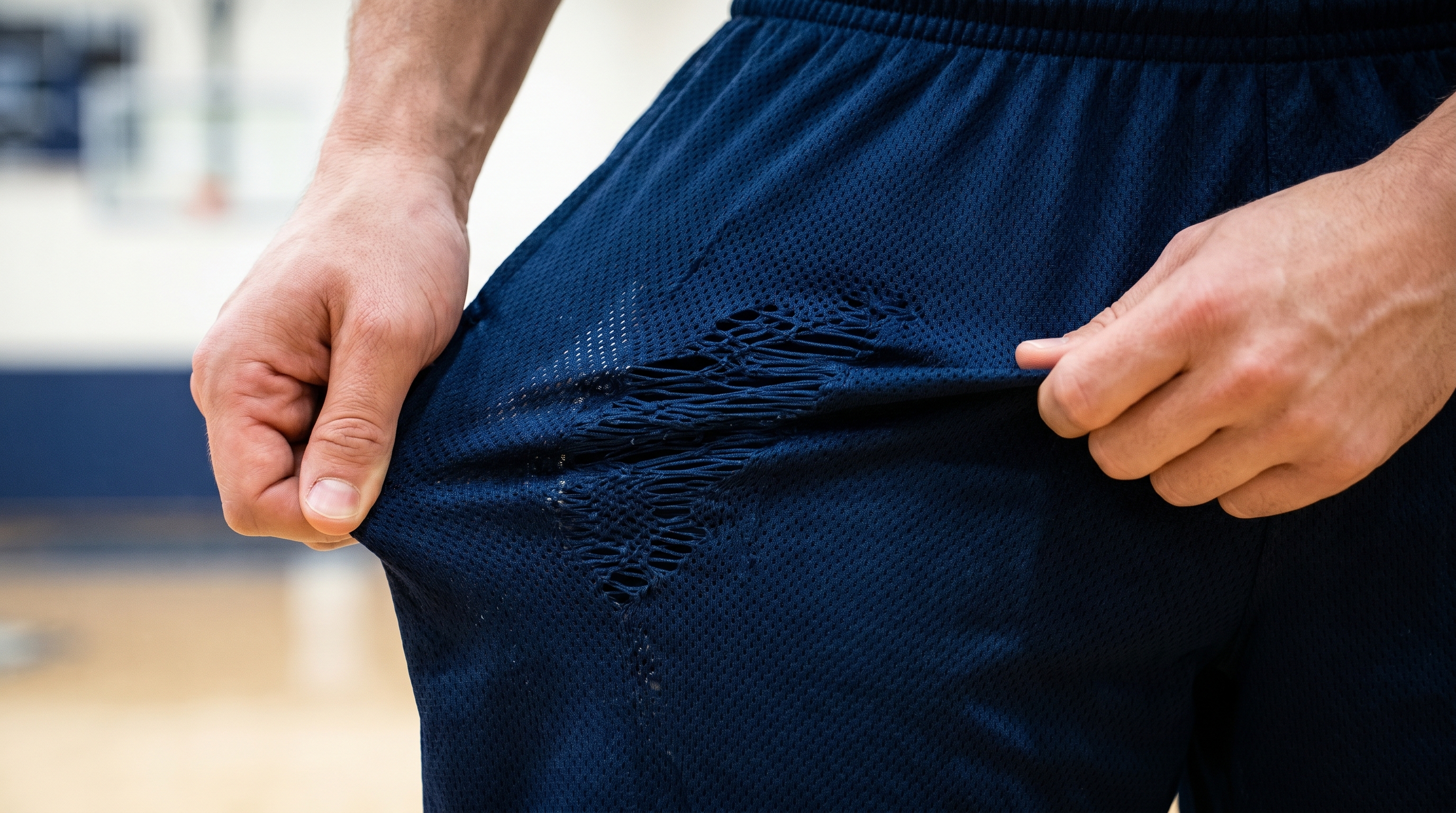
A professional-grade basketball shorts fabric must pass the Martindale abrasion test to ensure it won’t pill or tear. You need to look for scores that exceed standard gym wear benchmarks.

What are Martindale benchmarks?
- Pro-grade basketball fabric should withstand >30,000 rubs without pilling.
- This ensures the shorts can handle floor contact and jersey friction.
- Lower scores result in “fuzzing” that ruins the look of the garment.
Can you prevent fabric pilling?
- Using high-tenacity polyester yarns reduces the chance of fiber breakage.
- Tighter knit structures prevent loose fibers from forming pills.
- Singeing the fabric surface during finishing removes loose micro-fibers.
How to ensure seam strength?
- Knit density directly impacts how well the fabric holds a stitch.
- Higher GSM fabrics prevent “runs” or laddering at the stress points.
- Proper seam construction prevents the fabric from pulling apart under tension.
Key Takeaway: Ensure your fabric achieves a Martindale score of over 30,000 rubs to guarantee long-lasting, professional durability.
| Durability Test | Target Score | Importance | |
|---|---|---|---|
| Martindale Abrasion | >30,000 Rubs | Pilling Resistance | |
| Pilling (ISO 12945-2) | Grade 4.0+ | Visual Integrity | |
| Color Fastness | Grade 3.5+ | Color Longevity |
This evidence-based approach protects your investment by ensuring the fabric doesn’t degrade after the first few games.
Can sustainable basketball shorts fabric meet pro standards?
The shift toward basketball shorts fabric made from recycled polyester (rPET) is gaining momentum. You no longer have to sacrifice performance to meet your sustainability goals.
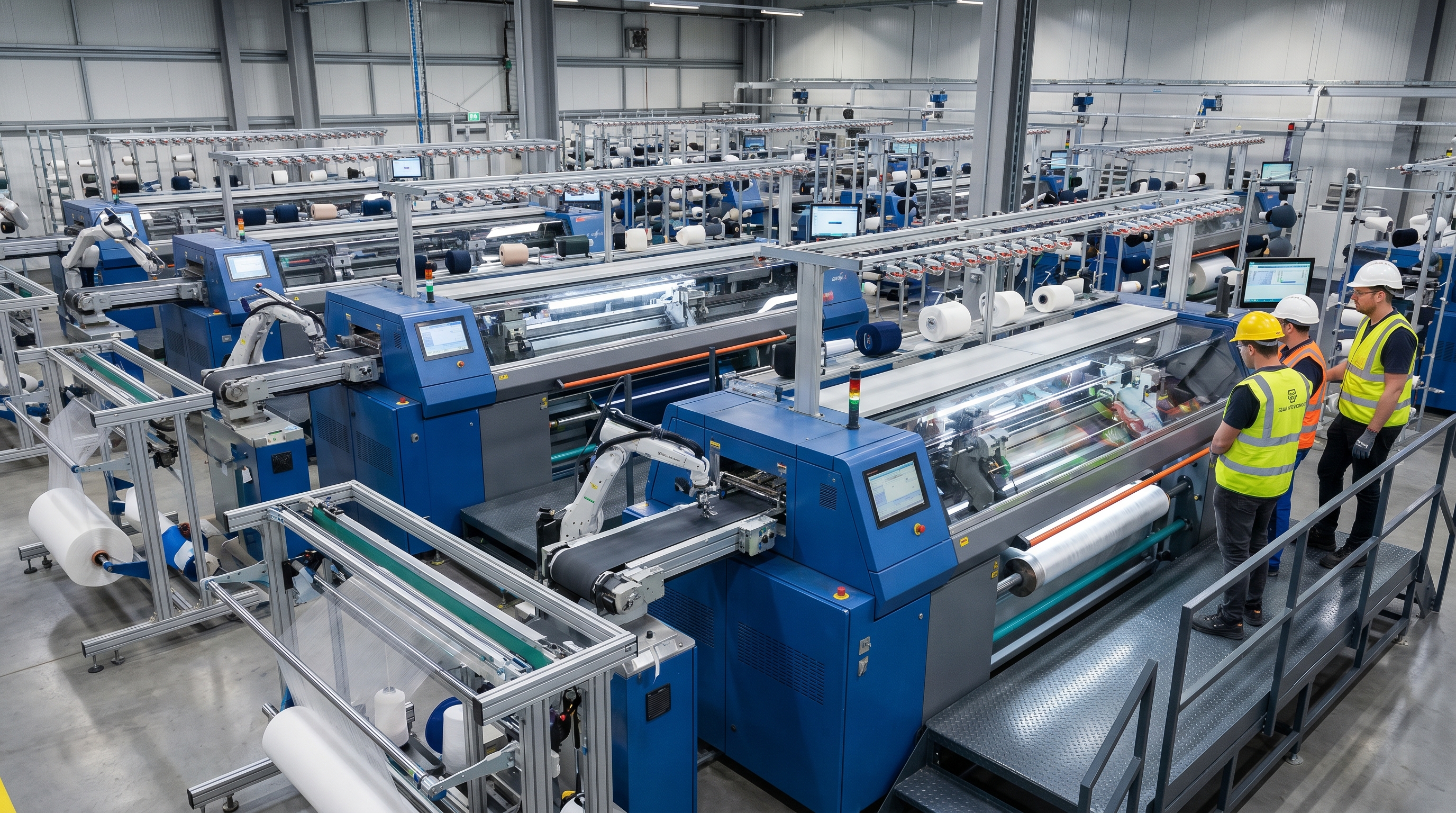
Is GRS polyester reliable?
- Global Recycled Standard (GRS) certification ensures a traceable supply chain.
- Modern rPET yarns are indistinguishable from virgin polyester in look and feel.
- The recycling process does not degrade the fabric’s wicking capabilities.
Virgin vs recycled tenacity?
- Recent tests show that high-quality rPET has near-parity with virgin fiber.
- It maintains the same mechanical stretch required for basketball.
- Recycled options are now the standard for major pro leagues worldwide.
Key Takeaway: GRS-certified recycled polyester provides the same technical performance as virgin fibers while significantly reducing environmental impact.
| Fiber Type | Performance | Sustainability | |
|---|---|---|---|
| Virgin Polyester | 100% | Low | |
| Recycled (rPET) | 98-100% | High | |
| Cotton Blends | 60% | Moderate |
Our analysis shows that modern recycling technology has closed the performance gap, making sustainable choices viable for pro-level gear.
Does your basketball shorts fabric support customization?
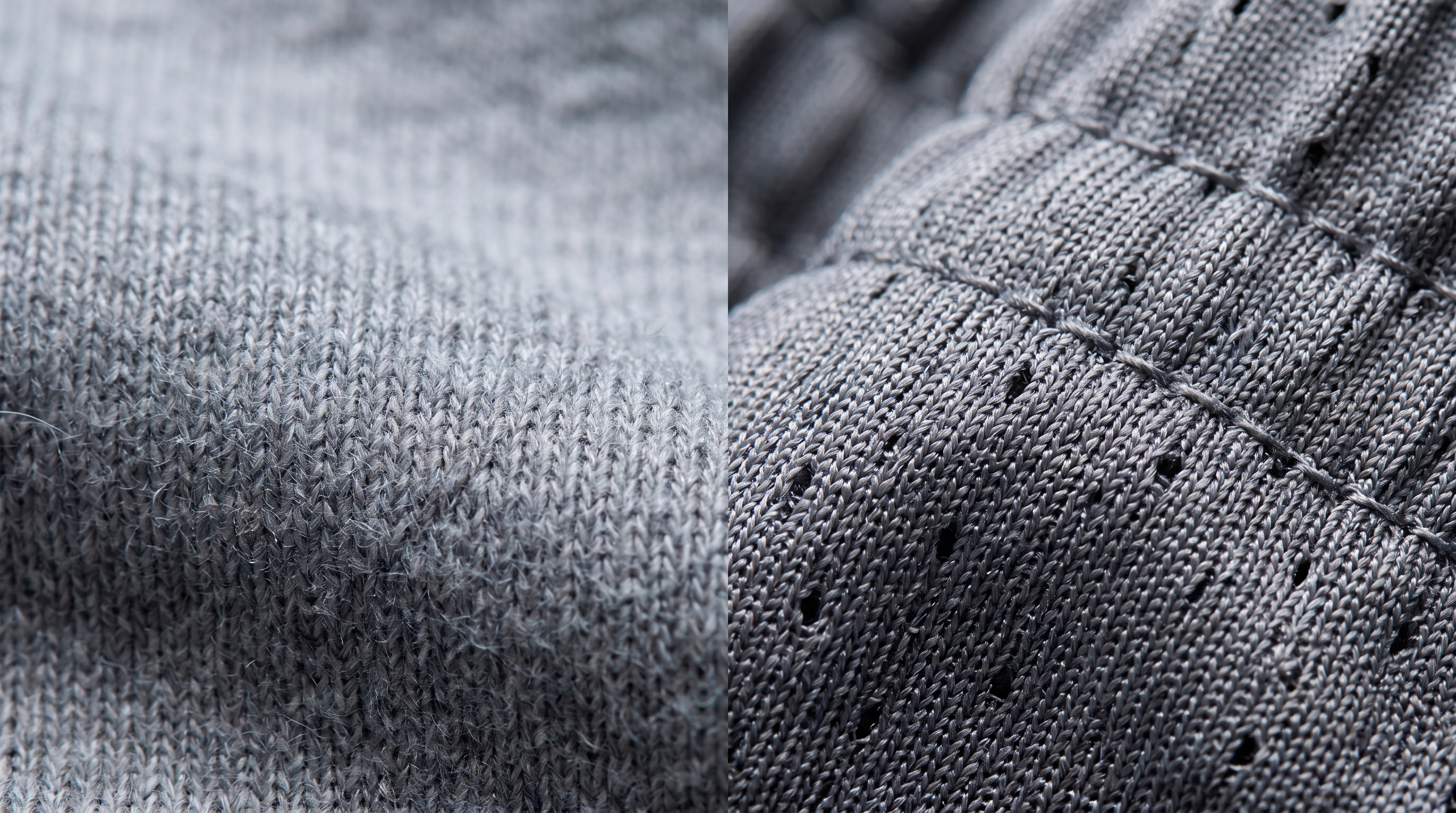
Your chosen basketball shorts fabric must serve as a high-quality canvas for team logos and numbers. You need to ensure the knit density is compatible with high-heat sublimation and screen printing.
Is it ready for sublimation?
- 100% polyester is the only material that fully absorbs sublimation ink.
- High-filament yarns provide a smoother surface for vibrant color pop.
- Proper heat settings ensure the ink penetrates deep into the fiber.
How to manage hole distortion?
- Open-hole mesh can cause logos to look broken or distorted.
- Closed-hole mesh or interlock is better for small, detailed logos.
- Choose a stable knit to ensure numbers don’t warp when stretched.
Which print method is best?
- Sublimation is best for all-over patterns and lightweight feels.
- Screen printing is cost-effective for large, solid-color team runs.
- Heat press vinyl works well for individual player names on mesh.
Key Takeaway: Select a high-filament polyester to ensure your designs remain vibrant and sharp, even after intense on-court action.
| Print Method | Best Fabric Type | Benefit | |
|---|---|---|---|
| Sublimation | Smooth/Interlock | Breathable/Vibrant | |
| Screen Print | High GSM Mesh | Durable/Classic | |
| Heat Press | Flat Surface | Easy Customizing |
The conclusion here is that fabric surface smoothness is the deciding factor for the clarity and longevity of garment customization.
How to source the best basketball shorts fabric?
When you are ready to source basketball shorts fabric , matching the material to your target market tier is the first step. Here is the kicker: starting with smaller, 100 kg MOQ batches allows you to test market viability without excessive risk.
How to match market tiers?
- Promotional wear can utilize lighter 130 GSM mesh.
- Teamwear requires durable, mid-weight 160-180 GSM Bird’s Eye.
- Retail luxury demands 200+ GSM interlock or specialty honeycomb.
Which sample tests matter?
- Perform a “Hand-Feel” test to ensure skin comfort.
- Conduct a “Wash-and-Wear” test to check for shrinkage and pilling.
- Check the “Stretch Recovery” to ensure the waistband doesn’t sag.
What are the final steps?
- Request lab reports for color fastness and Martindale scores.
- Compare various GSM samples side-by-side for drape quality.
- Confirm the lead times for custom colors to meet seasonal demands.
Key Takeaway: Strategic sourcing involves testing physical samples for comfort and durability while scaling orders to match your market’s needs.
| Market Tier | Recommended GSM | Recommended Knit | |
|---|---|---|---|
| Promotional | 130-150 | Single Mesh | |
| Performance | 160-180 | Bird’s Eye | |
| Luxury/Street | 200-220 | Double Interlock |
Choosing the right weight and knit structure ensures that your product meets the specific expectations of your end-users.
FAQ
What’s the best GSM for pro basketball shorts?A GSM between 170 and 220 is the ideal weight for professional-grade shorts. This provides the necessary drape, durability, and opacity that athletes expect in high-level competition, whereas 140 GSM is generally reserved for tops.
Can I use the same fabric for jerseys and shorts?No, you should typically use a heavier weight for shorts than for jerseys. While jerseys benefit from ultra-light 140 GSM fabrics, shorts require the 160-220 GSM range to handle the friction of sitting, sliding, and contact.
Is mesh or interlock better for basketball?Mesh is better for maximum ventilation, while interlock is better for skin comfort and a premium aesthetic. Many brands now use a hybrid approach, using interlock for the main body and mesh for side panels to optimize both comfort and airflow.
How do I know if my fabric will pill?You should always request a Martindale abrasion test report with a score of over 30,000 rubs. If the fabric meets this benchmark, it is highly resistant to the pilling and fuzzing that occurs during intense physical play.
Can I get custom colors in small quantities?Yes, many high-end suppliers offer MOQs as low as 100 kg for custom color runs. This allows you to develop a unique brand identity without the financial burden of massive inventory stocks.
Ready to elevate your athletic line? To find the perfect textile solution for your next collection, contact us today to speak with a sourcing expert.