
Sourcing directly from a manufacturer involves identifying vertically integrated facilities that combine technical knitting expertise with streamlined dyeing processes. When you enter the basketball fabric wholesale market, you often face the frustration of inconsistent textures and rising middleman costs. These disruptions can jeopardize your production timelines and erode your profit margins. Fortunately, you can bypass these hurdles by partnering with a primary factory that offers transparency and technical precision.
Why is factory quality inspection critical?
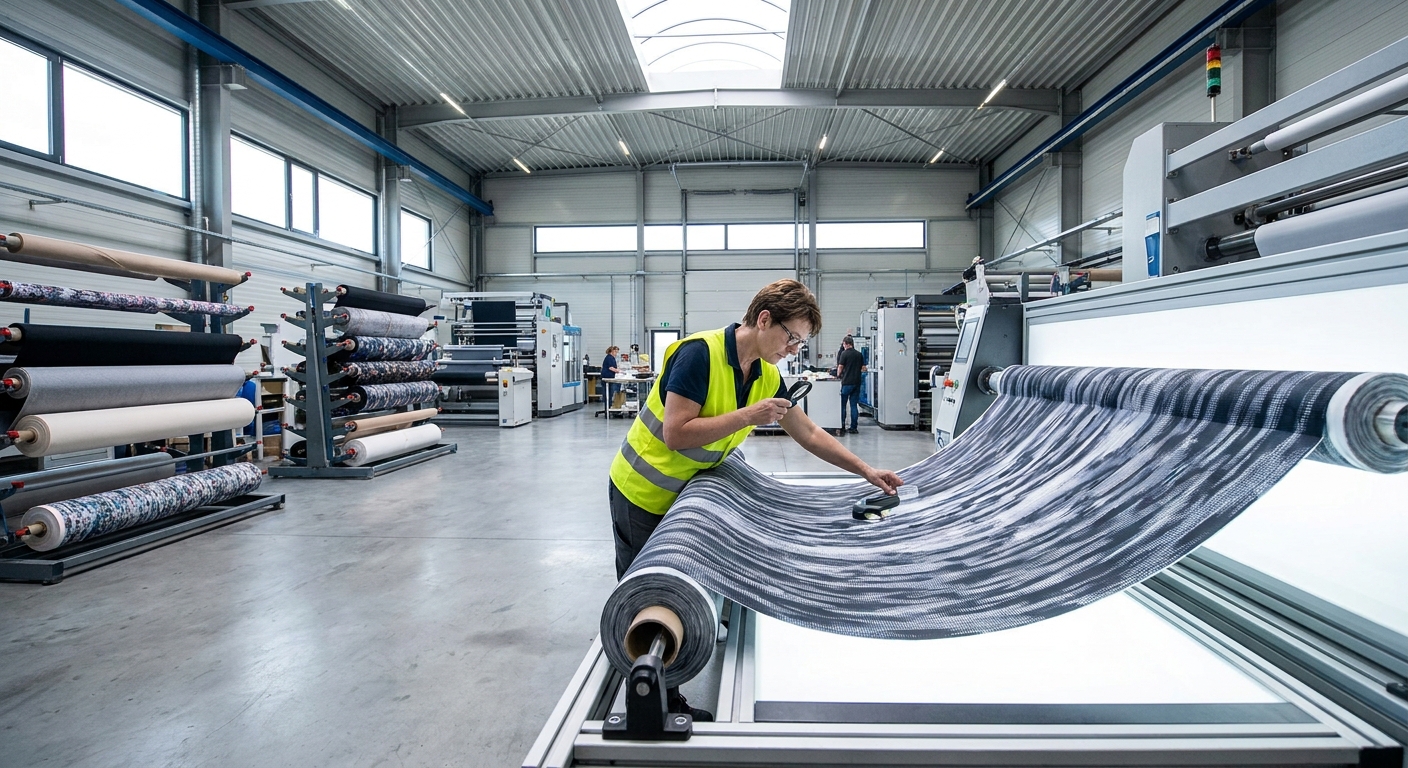
Factory quality inspection is the primary safeguard against defective materials that can halt your apparel production. Choosing a reliable basketball fabric wholesale partner ensures that every meter of mesh or jersey meets your specific performance standards. You need a supplier that implements a dual-check system at every stage of production.
How do engineers spot defects?
Experienced technicians use high-intensity lighting and magnification to identify knitting skips or yarn contamination. Here is the deal: even a small error in the warp knitting process can lead to structural failure in the finished jersey.
- Visual inspection of every roll.
- Computerized tension monitoring.
- Structural integrity testing for high-impact zones.
What are the consequences of poor QC?
Low-quality fabric often results in “pilling” or tearing during intense athletic movements on the court. You cannot afford to lose your brand reputation over a batch of poorly inspected materials.
Key Takeaway: Rigorous factory-level inspection eliminates the risk of receiving unusable inventory, protecting both your budget and your brand’s market standing.
| Inspection Metric | Standard Protocol | Expected Result | |
|---|---|---|---|
| Stitch Density | Computerized count per inch | Zero variance across rolls | |
| Surface Texture | Manual tactile assessment | No pilling or yarn snags |
Detailed inspections ensure that the technical characteristics of basketball mesh remain consistent throughout the entire bulk order.
How do you calculate total sourcing costs?

Total sourcing costs are calculated by aggregating the base material price, dyeing surcharges, and logistical overhead. Understanding the pricing structure for basketball fabric wholesale allows you to forecast your retail margins with much higher accuracy. You should always request a transparent cost breakdown that separates raw material costs from finishing treatments.
What hidden fees should you watch for?
Manufacturers may sometimes include surcharges for small-batch dyeing or specialized chemical treatments like anti-bacterial finishes. But wait, most direct factories will waive these fees if you meet certain volume thresholds or standard colorways.
- Per-meter base price for white fabric.
- Add-on costs for custom Pantone matching.
- Packaging and export documentation fees.
How does vertical integration save money?
Factories that handle both knitting and dyeing in-house eliminate the markup added by external processing facilities. Think about it: every time a roll moves between different service providers, you are paying for their profit margin and additional transport.
Key Takeaway: Requesting a granular cost breakdown helps you identify where savings can be made through bulk commitments or standardizing your color palette.
| Cost Component | Description | Savings Potential | |
|---|---|---|---|
| Raw Knitting | Base construction of the mesh | High (via bulk yarn purchase) | |
| Finishing | Wicking and UV treatments | Moderate (standardized specs) |
Analyzing individual cost drivers enables procurement teams to negotiate better terms without sacrificing the technical performance of the fabric.
Can I order small batches from manufacturers?
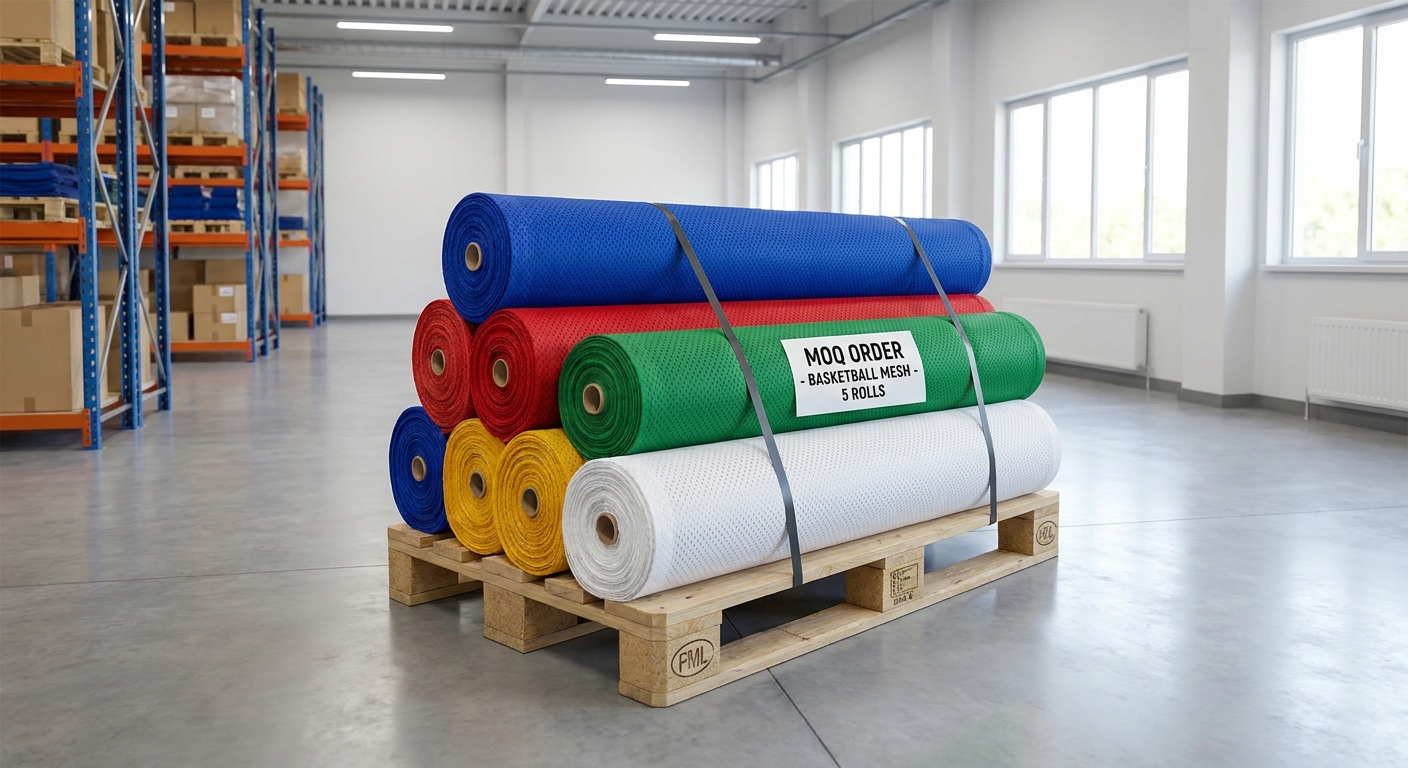
Yes, you can order smaller quantities from specialized manufacturers who offer flexible production lines for growing brands. Many basketball fabric wholesale suppliers now provide a 100kg MOQ to help you test new designs without the risk of overstocking. This flexibility is essential for startups and boutique athletic labels looking to scale.
Why is 100kg a strategic threshold?
Ordering 100kg allows you to produce approximately 800 meters of fabric, which is ideal for a limited edition jersey run. It gets better: this volume is large enough to justify the setup time for professional-grade knitting machines.
- Reduced inventory carrying costs.
- Ability to test seasonal color trends.
- Lower financial barrier for custom developments.
How does low MOQ affect customization?
Even at lower volumes, you can still request specific technical finishes like quick-dry or anti-odor technologies. Here is the deal: a manufacturer with a 100kg MOQ is often more agile and willing to experiment with your unique specifications.
Key Takeaway: A 100kg MOQ provides the perfect balance between professional factory pricing and the flexibility needed to manage inventory risk effectively.
| Volume Level | Target Audience | Main Benefit | |
|---|---|---|---|
| 100kg | Emerging Brands | Low financial risk | |
| 500kg+ | Established Labels | Maximum price efficiency |
Low minimums allow for a “test-and-scale” approach that is vital for surviving in the fast-paced team sports apparel market.
Why does fabric weight matter for performance?
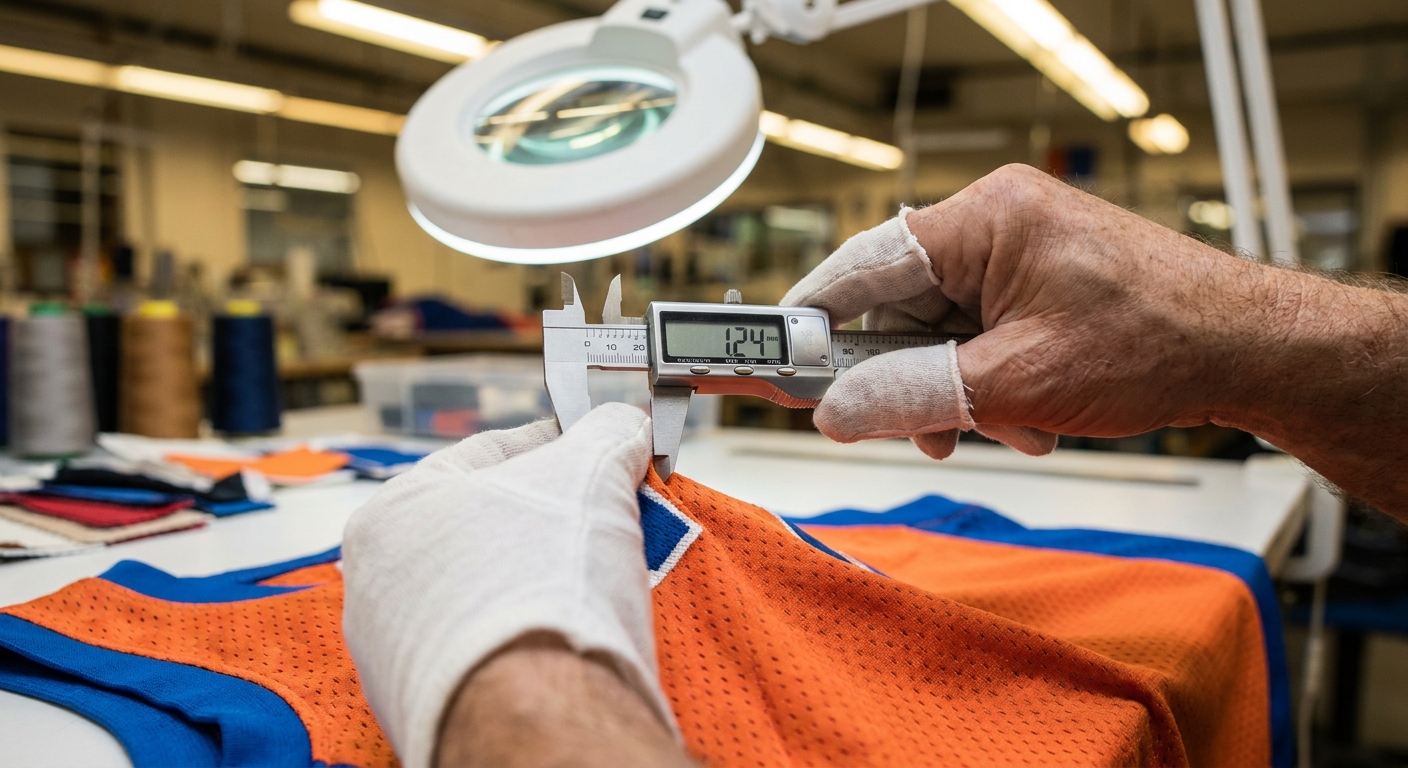
Fabric weight, measured in GSM, determines the durability, breathability, and “hand-feel” of the final basketball uniform. When sourcing basketball fabric wholesale, you must match the GSM to the specific application, whether it is for lightweight shorts or heavy-duty jerseys. Engineers use precise scales and calipers to ensure every batch hits the target weight perfectly.
What is the ideal GSM for basketball?
Pro-grade basketball mesh typically ranges from 140 to 200 GSM to provide enough body without weighing down the athlete. The best part? You can customize this weight to create different tiers of uniforms, from recreational to professional.
- 130-150 GSM: Ultra-lightweight for practice jerseys.
- 160-180 GSM: Standard weight for game-day uniforms.
- 190+ GSM: Heavy-duty mesh for premium streetwear shorts.
How do engineers verify consistency?
Technicians take samples from multiple sections of a fabric roll to ensure the knitting density is uniform from start to finish. Wait, there’s more: even a 5% variance in weight can alter how the garment hangs and performs under sweat-load.
Key Takeaway: Precise measurement of fabric weight ensures your garments provide the exact level of comfort and durability that high-level athletes demand.
| Application | Recommended GSM | Performance Focus | |
|---|---|---|---|
| Game Jersey | 170 GSM | Balance of breathability/strength | |
| Reversible Vest | 140 GSM | Extreme lightness and airflow |
Maintaining strict weight tolerances prevents “shading” issues and ensures a consistent fit across your entire size range.
How does Karl Mayer tech ensure fabric stability?
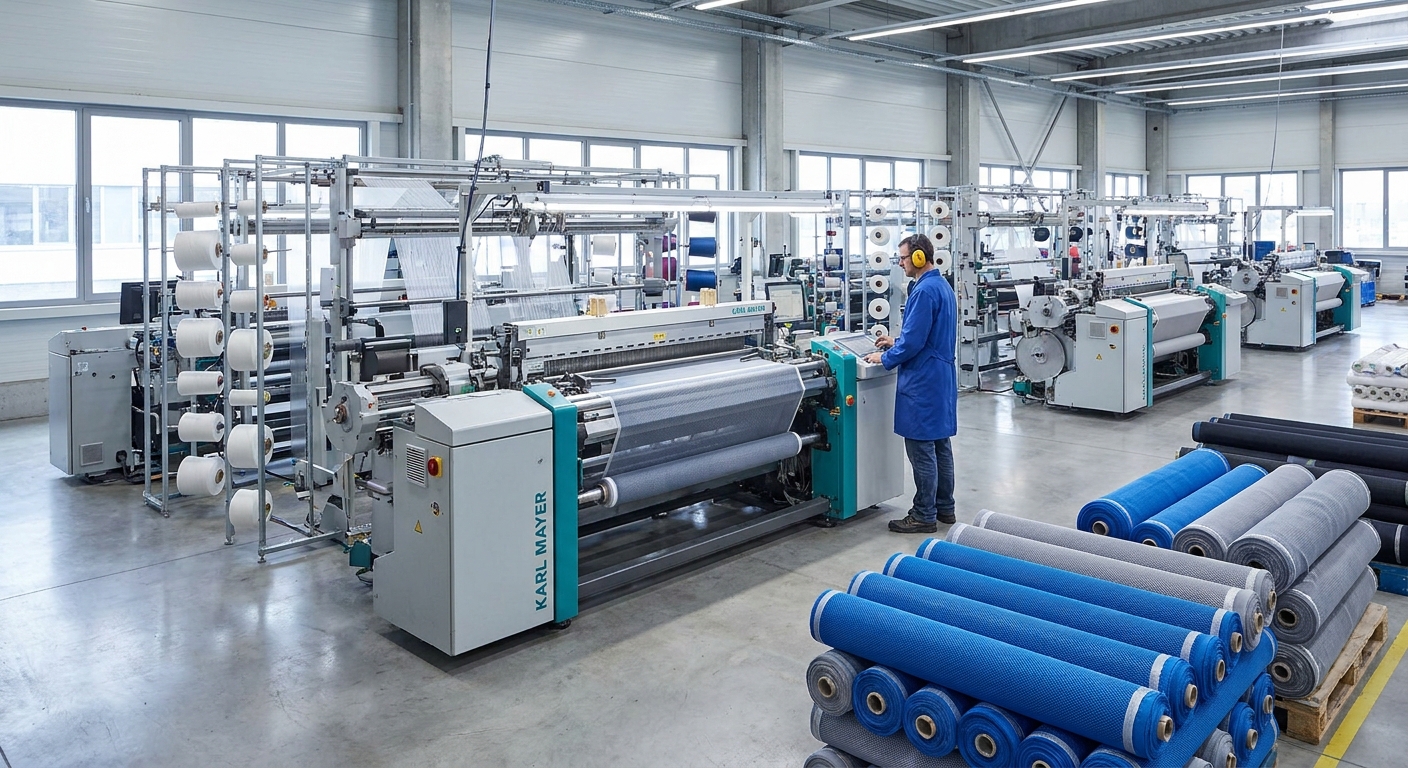
Karl Mayer machinery utilizes advanced warp knitting technology to create a stable, non-run structure that maintains its shape over time. High-end basketball fabric wholesale production relies on an inventory of 80+ Karl Mayer machines from Germany to ensure world-class delivery and consistency. These machines are the gold standard for creating the honeycomb and bird-eye structures used in professional sports.
Why is German engineering superior?
The precision of these machines allows for incredibly tight loop controls, which results in a smoother surface and better stretch recovery. Why does this matter? It means your basketball shorts won’t lose their shape after a dozen washes or aggressive play.
- High-speed production without quality loss.
- Versatile patterning for unique mesh designs.
- Superior durability compared to standard circular knits.
What does “80+ machines” mean for you?
A factory with a large fleet of Karl Mayer machines offers a massive monthly capacity, often exceeding 500,000 kg. In short: you never have to worry about production bottlenecks or long lead times for your bulk orders.
Key Takeaway: Sourcing from a factory equipped with 80+ Karl Mayer machines guarantees that your fabric is built on a foundation of precision and industrial-scale reliability.
| Tech Feature | User Benefit | Long-term Impact | |
|---|---|---|---|
| Warp Knit Stability | No fraying or running | Longer garment lifespan | |
| Computerized Control | Exact pattern replication | Zero batch-to-batch variation |
Advanced machinery translates directly into a more professional product that can withstand the physical rigors of competitive basketball.
How is color consistency maintained in dyeing?
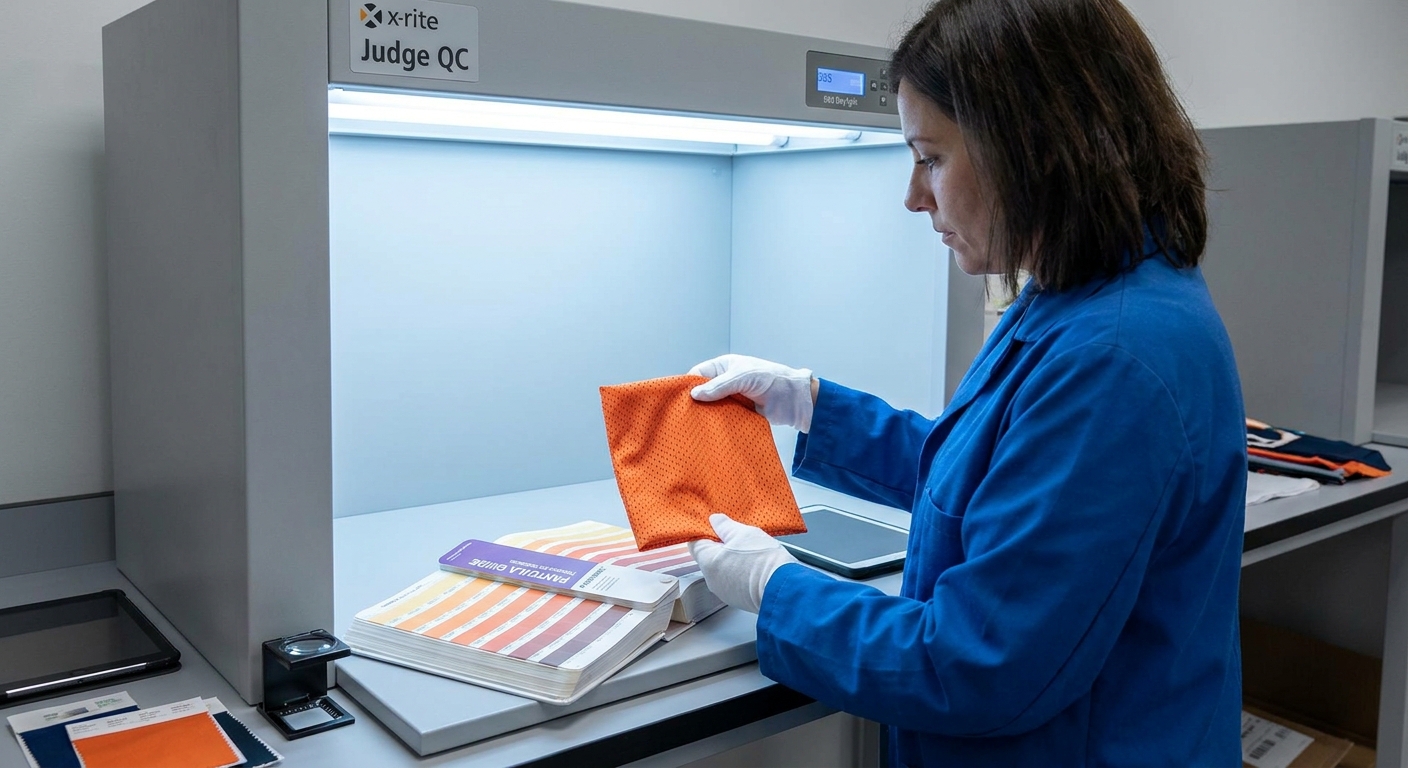
Color consistency is maintained through a combination of computerized dye matching and rigorous visual inspections under standardized light sources. When purchasing basketball fabric wholesale, achieving a color fastness of 3.5 grade or higher is essential to prevent bleeding. Your manufacturer should use professional color booths to compare production rolls against your approved “master” swatches.
How do light boxes help?
Light boxes simulate different environments, such as daylight or retail store lighting, to ensure the color looks correct everywhere. Listen to this: a red that looks perfect in the sun might look orange under stadium lights if the dye formula isn’t precise.
- Evaluation under D65 (Daylight).
- Check for metamerism (color shifting).
- Verification of side-to-center color uniformity.
What is color fastness?
This metric measures how well the fabric retains its color during washing, perspiration, and exposure to light. Here is the deal: high-performance basketball fabric must resist fading even after repeated exposure to sweat and industrial laundry.
Key Takeaway: Integrated dyeing plants allow for real-time adjustments, ensuring that every roll of fabric matches your brand’s specific Pantone requirements perfectly.
| Quality Metric | Required Level | Reason | |
|---|---|---|---|
| Color Fastness | ≥ 3.5 Grade | Prevents staining of other garments | |
| Shade Variance | Delta E < 1.0 | Ensures uniform team appearance |
Precise color management prevents the “patchwork” look that occurs when different rolls of fabric are used in a single production run.
Why are GRS and OEKO-TEX labels necessary?
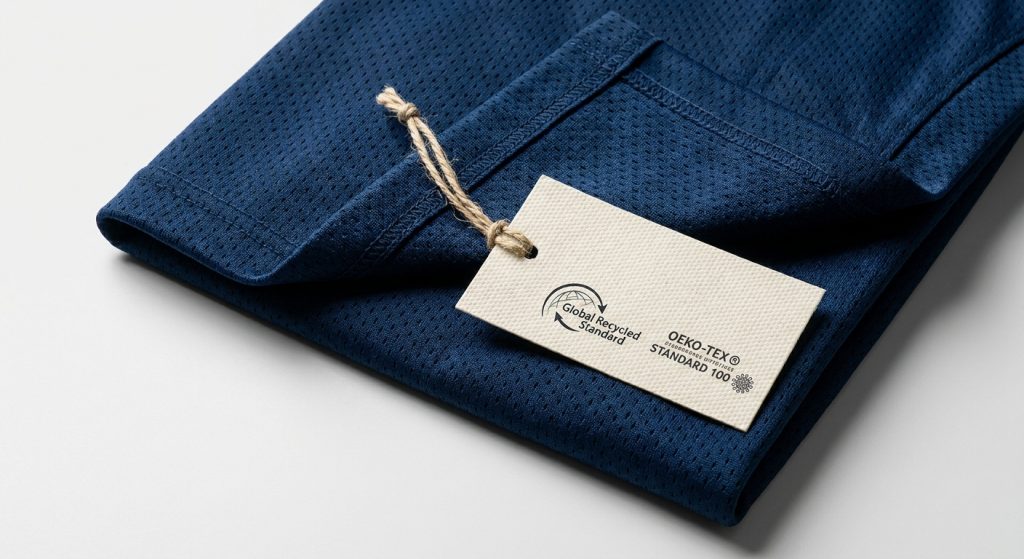
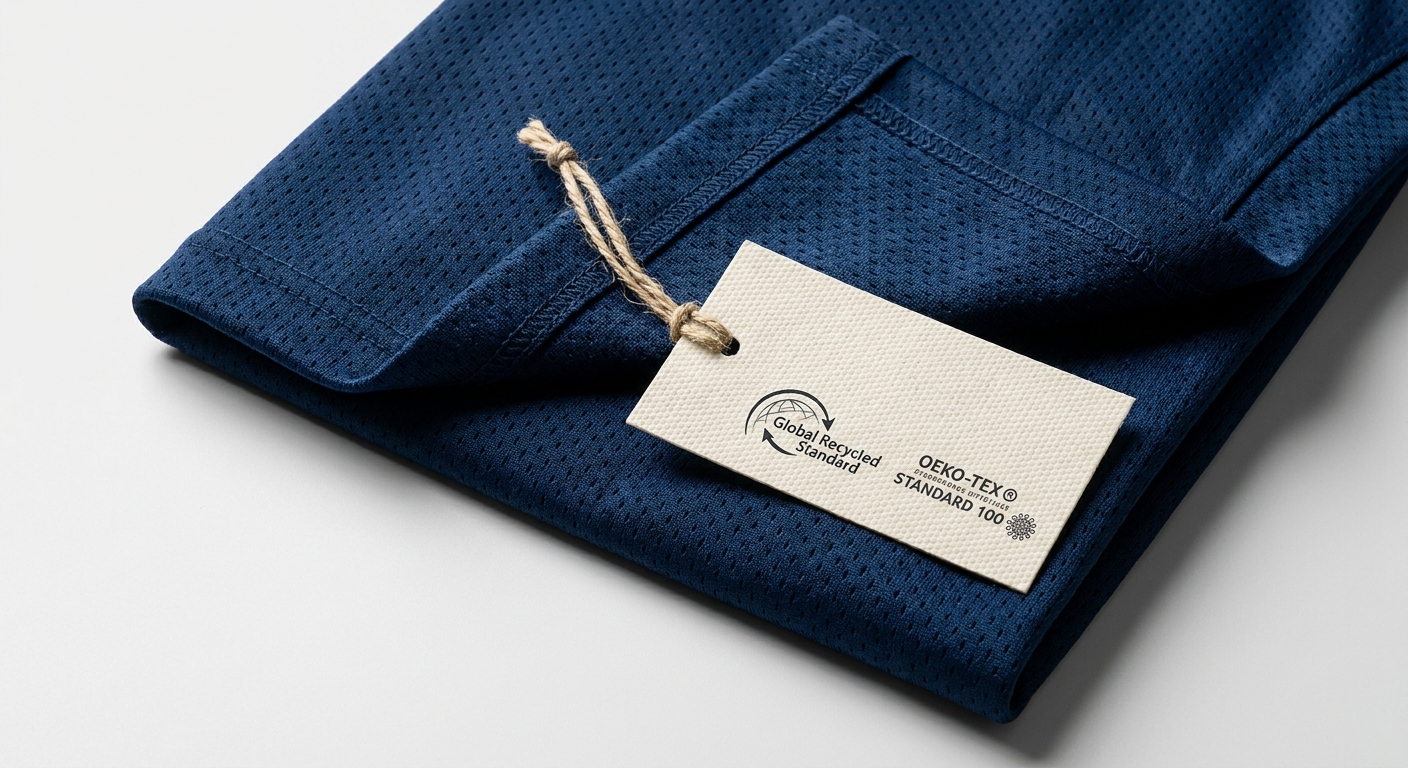
These labels prove that the fabric meets international standards for environmental sustainability and chemical safety for the end-user. Leading basketball fabric wholesale suppliers invest in these certifications to give global brands the confidence they need to clear customs and retail audits. Without these tags, your products may be barred from entering high-value markets like the EU or North America.
What does OEKO-TEX guarantee?
The OEKO-TEX Standard 100 ensures that the fabric has been tested for harmful substances and is safe for prolonged skin contact. The result? You can market your jerseys as skin-friendly and free from toxic processing chemicals.
- Absence of harmful phthalates and lead.
- Testing for skin-irritating pH levels.
- Verification of safe dye carriers.
Is recycled polyester worth it?
The Global Recycled Standard (GRS) verifies the recycled content of the yarn and ensures socially responsible production practices. Think about it: consumers are increasingly demanding eco-friendly options, and GRS-certified basketball mesh helps you meet that demand.
Key Takeaway: Certifications like GRS and OEKO-TEX are not just “extras”; they are essential compliance tools that protect your business from legal and ethical risks.
| Certification | Focus Area | Market Requirement | |
|---|---|---|---|
| OEKO-TEX | Human Safety | Mandatory for many EU retailers | |
| GRS | Sustainability | Preferred by eco-conscious brands |
Holding these certifications demonstrates a commitment to quality that goes beyond just the physical characteristics of the fabric.
How are fabric rolls shipped internationally?
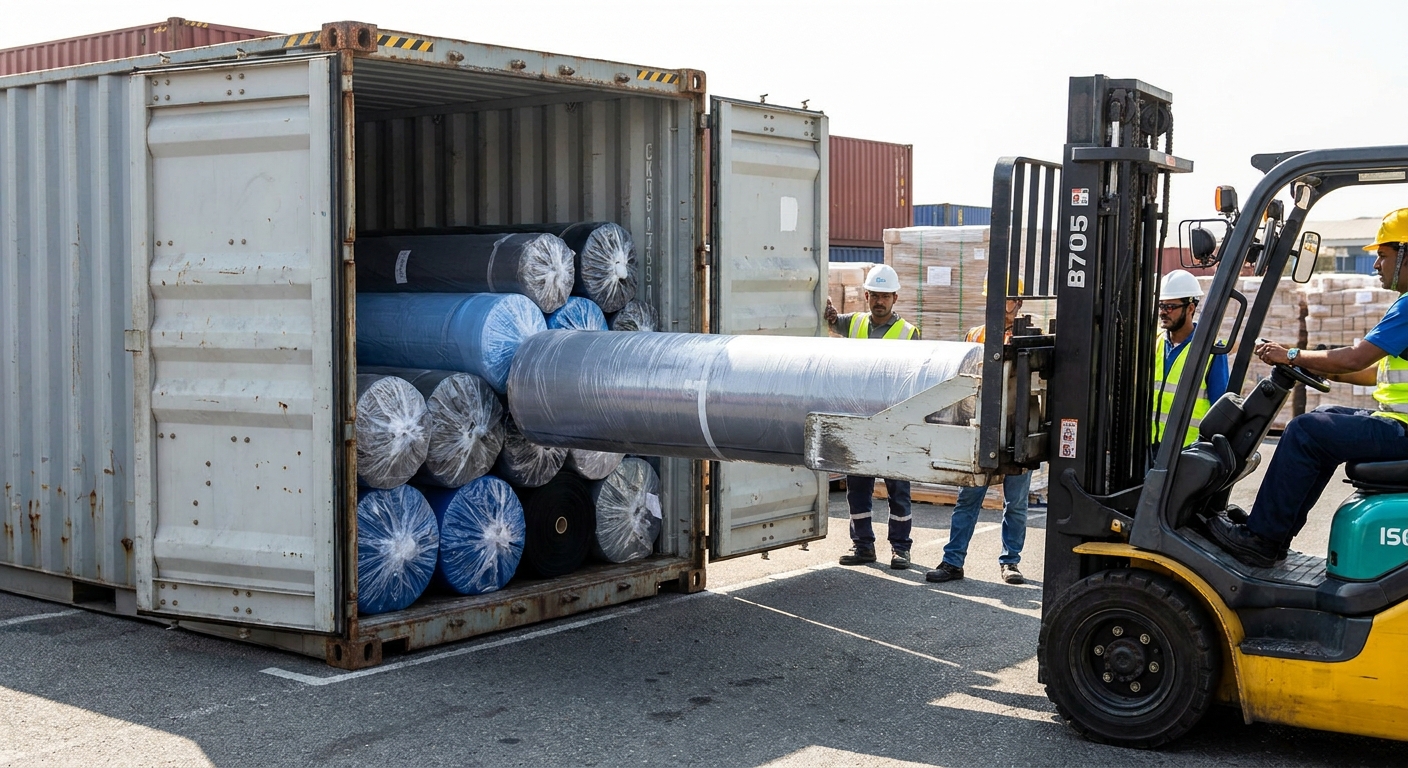
Fabric rolls are typically shipped in standardized containers using specialized wrapping to protect the mesh from moisture and dust during transit. In the basketball fabric wholesale industry, logistics management is just as important as the knitting process itself. You need a partner who understands how to maximize container space while ensuring the rolls are not crushed or deformed.
What is the best way to package?
Rolls should be wrapped in dual layers of heavy-duty plastic or woven bags to prevent tearing by forklifts. The catch? If moisture enters the packaging during sea freight, it can cause mold or “odor build-up” in the polyester.
- Dual-layer protective wrapping.
- Cardboard core support to prevent bending.
- Clear labeling for rapid customs clearance.
How do you choose between sea and air?
Sea freight is the standard for bulk orders due to its low cost, while air freight is reserved for urgent sample runs or small-batch restocks. In short: planning your production cycle 3-4 months in advance allows you to utilize sea freight and significantly reduce your landed cost.
Key Takeaway: Proper logistical handling and robust packaging ensure that the technical performance of your fabric is preserved from the factory floor to your warehouse.
| Shipping Mode | Typical Lead Time | Cost Efficiency | |
|---|---|---|---|
| Sea Freight | 30-45 Days | Extremely High | |
| Air Freight | 5-10 Days | Low (High Speed) |
Efficient logistics planning is the final step in securing a profitable and reliable supply chain for your basketball apparel line.
Can you perform a factory audit remotely?

Yes, many modern manufacturers offer live virtual tours and third-party inspection reports to facilitate remote factory audits for international buyers. Verifying a basketball fabric wholesale supplier’s infrastructure is a critical step in building a trust-based partnership. You can now use video conferencing to inspect the knitting floor, the dyeing lab, and the QC station in real-time.
What should you look for in an audit?
Focus on the condition of the machinery and the cleanliness of the production floor, as these are indicators of overall management quality. Why does this matter? A clean, organized factory is far less likely to produce contaminated or inconsistently dyed rolls.
- Maintenance records for Karl Mayer machines.
- Safety protocols for chemical handling in dyeing.
- Documentation of employee training programs.
Are third-party audits better?
SGS or ISO audits provide an unbiased assessment of a factory’s quality management system. Wait, there’s more: a factory that proactively shares these reports is signaling a level of transparency that middlemen simply cannot match.
Key Takeaway: Remote and third-party audits allow you to verify a manufacturer’s capabilities without the expense and time required for international travel.
| Audit Type | Verification Level | Implementation | |
|---|---|---|---|
| Virtual Tour | High (Visual) | Live video call | |
| ISO/SGS Report | Highest (Legal/Tech) | Official certification PDF |
Auditing your supplier ensures that they have the actual capacity and tech stack required to fulfill your long-term production needs.
How do long-term partnerships drive innovation?
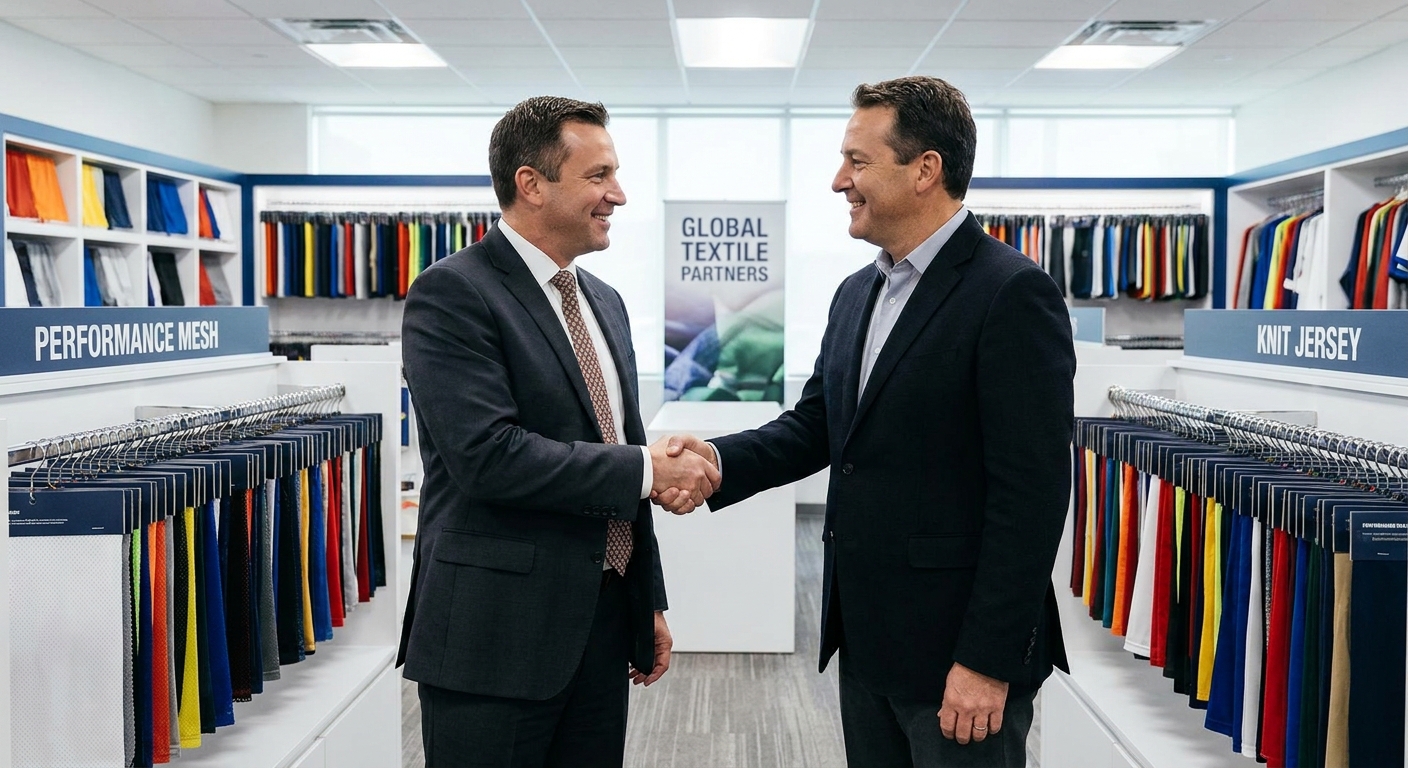
Long-term partnerships allow manufacturers to invest in custom technical developments specifically tailored to your brand’s unique performance requirements. In the world of basketball fabric wholesale, staying ahead of the curve requires more than just buying off-the-shelf materials. When you work closely with a manufacturer, you can co-develop exclusive knit patterns or advanced chemical finishes.
Can factories help with R&D?
Direct manufacturers have in-house labs where they can experiment with yarn blends to create “cool-touch” or high-compression mesh. The best part? These innovations give you a unique selling proposition (USP) that your competitors cannot easily replicate.
- Exclusive access to new knitting patterns.
- Priority scheduling for peak season production.
- Co-investment in sustainable yarn alternatives.
Why is communication the key?
Direct lines to the factory floor mean that feedback from your athletes can be immediately turned into technical adjustments for the next batch. In short: the faster the feedback loop between the court and the knitting machine, the better your product becomes.
Key Takeaway: Strategic partnerships transform a simple supplier relationship into a powerful R&D engine that keeps your brand at the forefront of sports tech.
| Partnership Level | Interaction | Business Outcome | |
|---|---|---|---|
| Transactional | Order-by-order | Standard performance | |
| Strategic | Collaborative R&D | Market-leading innovation |
Investing in a deep relationship with your manufacturer is the most effective way to ensure long-term product superiority and supply chain security.
Finding a reliable partner for your athletic apparel line shouldn’t be a gamble. By choosing a vertically integrated manufacturer that utilizes 80+ Karl Mayer machines and offers a flexible 100kg MOQ, you eliminate the typical risks of fabric sourcing. Whether you need specialized mesh for professional jerseys or durable knit for shorts, our facility provides the technical precision and international certifications (OEKO-TEX/GRS) your brand deserves. Our vision is to empower sportswear labels through transparent manufacturing and rapid innovation. We invite you to contact us today to request a sample pack and start scaling your production with confidence.
FAQ
Can I get a custom color match for my brand?Yes. You can provide a Pantone code or a physical swatch, and our in-house dyeing plant will create a lab dip for your approval before bulk production begins.
What is the fastest way to receive fabric samples?Directly. We maintain an extensive library of Mesh and Jersey materials that can be dispatched within 24 hours to accelerate your prototyping phase.
Do you offer eco-friendly basketball mesh options?Yes. We supply GRS-certified recycled polyester mesh that offers the same high-wicking performance as virgin fibers while significantly reducing your environmental footprint.
Can the fabric be used for sublimation printing?Absolutely. Our basketball fabrics are engineered to withstand the high temperatures of sublimation, ensuring vibrant colors and sharp details that won’t peel or fade.
How do I know the fabric won’t shrink after washing?Pre-setting. All of our technical textiles undergo a professional heat-setting process to ensure dimensional stability and minimal shrinkage even after repeated industrial laundering.