
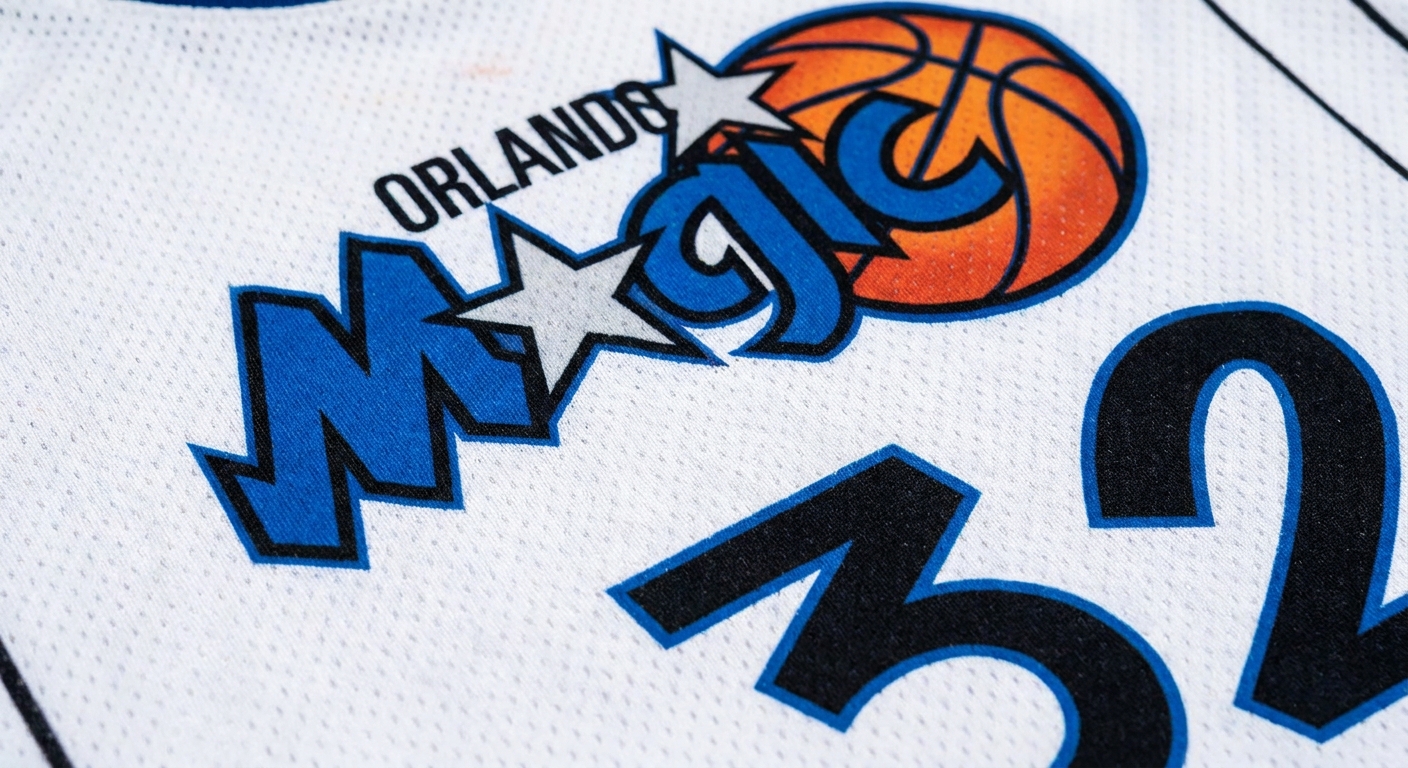
Choosing the right material requires balancing technical performance, durability, and athlete comfort to ensure long-term brand success. Imagine you are a team manager preparing for a high-stakes championship season. You select jerseys that look great but become heavy and sweat-soaked by the second quarter, restricting your players’ agility. This leads to frustrated athletes and a damaged reputation for your apparel line. To solve this, you must implement a strategy focused on high-performance basketball uniform fabric that offers superior moisture management.
The Basics of Modern Uniform Fabric Selection
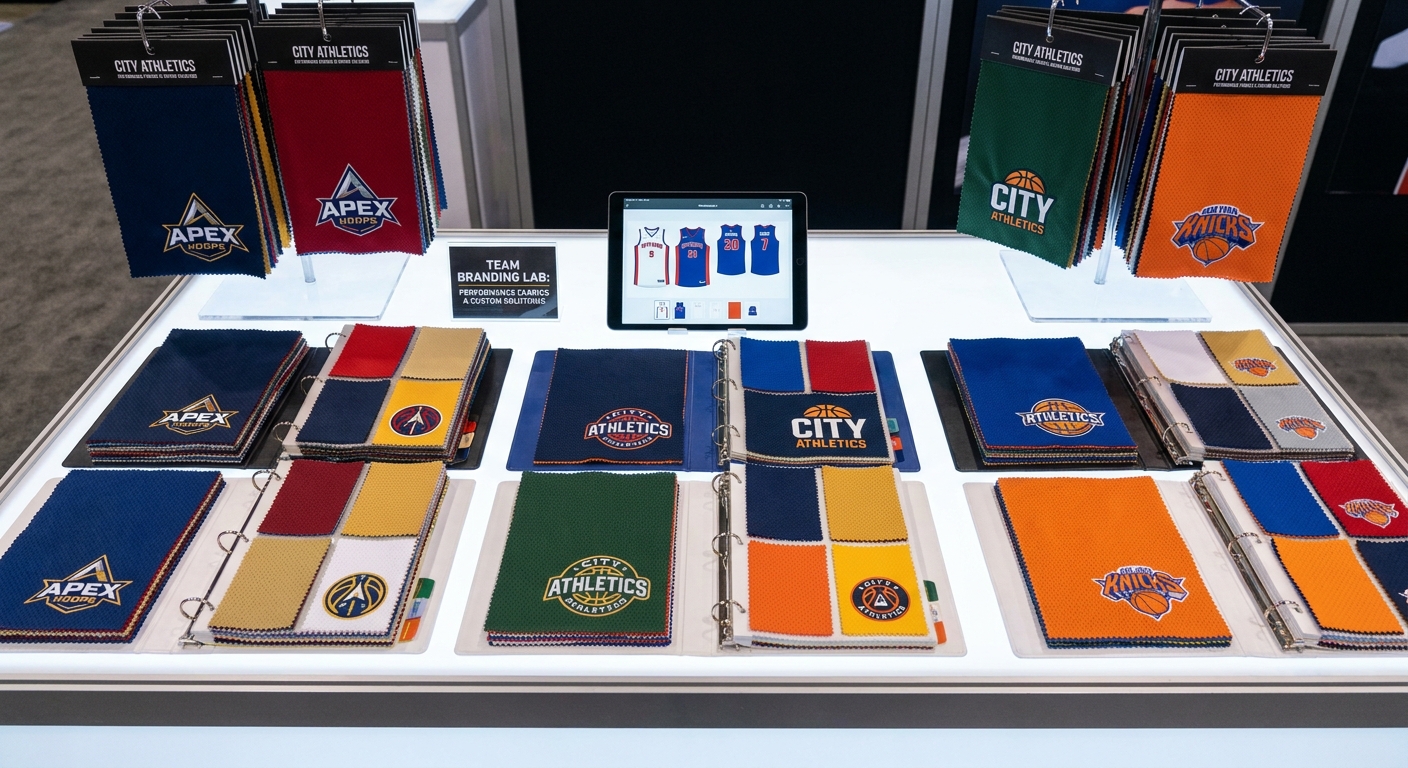
The foundation of modern selection is choosing synthetic blends that interact perfectly with the skin during high-intensity movement. When you evaluate basketball uniform fabric , you must prioritize materials that facilitate immediate moisture transport. These fabrics are engineered to stay dry and light throughout a game. Selecting the wrong base material can compromise the entire garment’s integrity.
Is polyester the best base for team uniforms?
Check this out: polyester remains the industry standard because it resists moisture absorption and maintains its shape under stress. You will find that high-grade polyester blends provide the tensile strength needed for competitive sports.
- High moisture wicking capabilities
- Exceptional dimensional stability
- Resistance to shrinking and stretching
- Superior color retention for branding
How does knit structure affect garment life?
Look at this: the way fibers are interlocked determines the opacity and overall strength of the finished uniform. You should choose interlock or jersey knits that offer a smooth surface for printing and comfort.
- Interlock knits prevent “see-through” issues
- Jersey knits offer maximum lightweight feel
- Balanced density reduces the risk of snagging
- Tight structures improve surface durability
Why is fiber denier important for athletes?
Here is the deal: denier measures the thickness of individual fibers, which directly impacts the softness and weight of the jersey. You want a lower denier for a “silky” feel that prevents skin chafing during lateral movements.
- Lower denier increases fabric softness
- High-denier fibers offer more ruggedness
- Specialized blends balance weight and comfort
- Impact on the garment’s overall drape
Key Takeaway: Start with a high-grade polyester base to ensure the uniform maintains its shape and performance under stress.
| Feature | Importance | Benefit | |
|---|---|---|---|
| Fiber Type | High | Determines moisture transport | |
| Knit Density | Medium | Affects opacity and strength | |
| Softness | High | Prevents skin chafing |
The initial material selection dictates how every other technical feature will perform on the court.
Understanding Basketball Uniform Fabric Performance
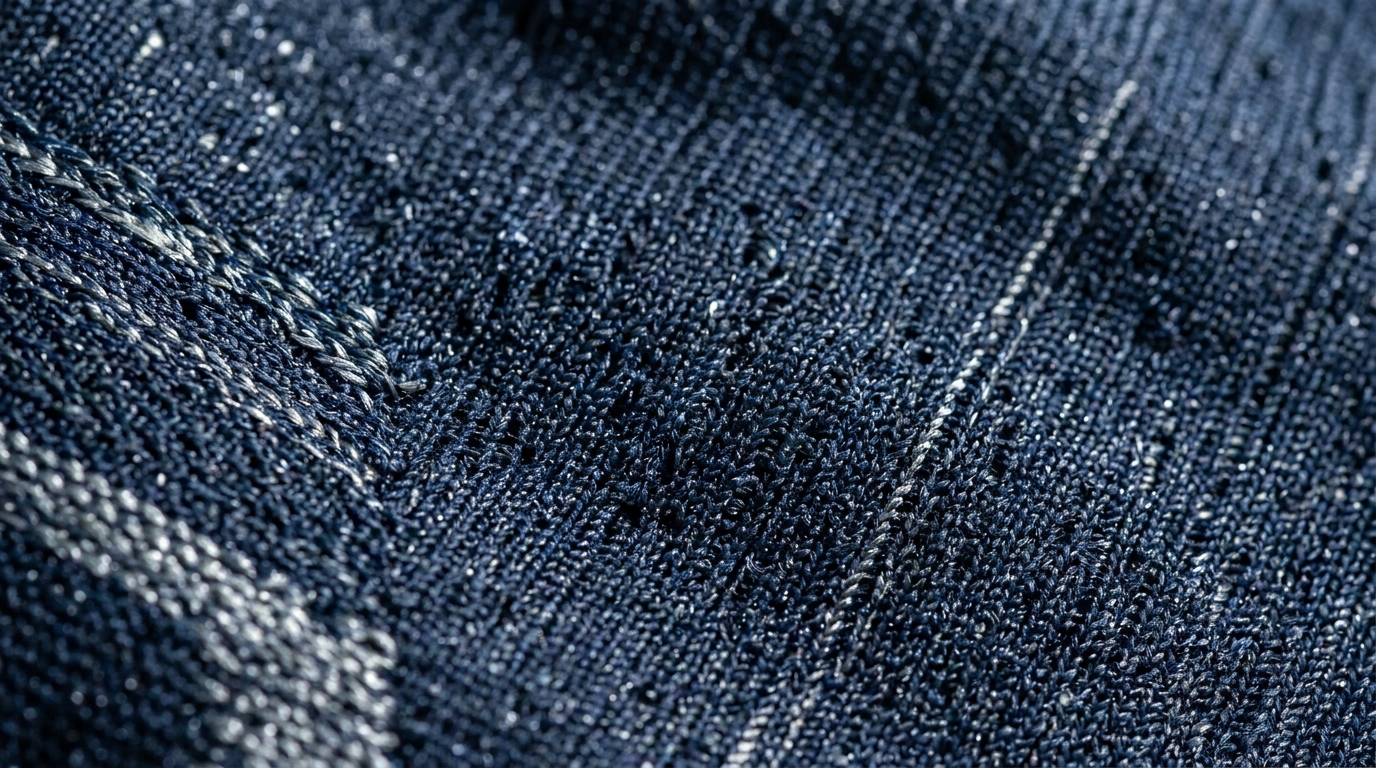
Basketball uniform fabric must be exceptionally lightweight yet strong enough to withstand constant tugging and physical contact. You need textiles that provide a 4-way stretch to ensure jerseys move with the player during jumps and sprints. High air permeability is also critical to keeping the athlete’s core temperature low. Without these traits, performance drops as the game progresses.
What makes basketball fabric different?
Believe it or not: the specific demands of the court require a unique balance of high-tensile strength and extreme breathability. You are looking for a material that feels like a second skin while resisting tears during aggressive play.
- Lightweight construction (140-160 GSM)
- Enhanced airflow through specialized knits
- Rapid-dry technology for sweat management
- High abrasion resistance for floor contact
Does 4-way stretch improve player agility?
The best part? Adding spandex or elastane allows the fabric to expand and retract in every direction without losing its original form. You will notice that players can reach and jump more freely when the garment doesn’t restrict their range of motion.
- 360-degree flexibility for explosive moves
- Excellent stretch recovery prevents sagging
- Reduces drag during high-speed sprints
- Provides a professional, tailored fit
How do we prevent fabric cling during play?
Think about it: moisture-wicking finishes ensure that sweat moves to the outer surface rather than sticking to the skin. You should look for “hydrophobic” properties that keep the inside of the jersey dry.
- Specialized chemical finishes repel sweat
- Micro-texture knits reduce skin contact area
- Fast evaporation rates prevent weight gain
- Maintains comfort even in humid arenas
Key Takeaway: The ideal basketball textile combines 4-way stretch with high air permeability to maximize player range of motion.
| Characteristic | Requirement | Impact on Player | |
|---|---|---|---|
| Stretch Recovery | >90% | Maintains professional fit | |
| Air Permeability | High | Keeps the core temperature low | |
| Tensile Strength | High | Resists tearing during contact |
Prioritizing mechanical stretch and airflow ensures your athletes remain agile throughout all four quarters.
Synthetic vs. Natural Fibers for Team Sports
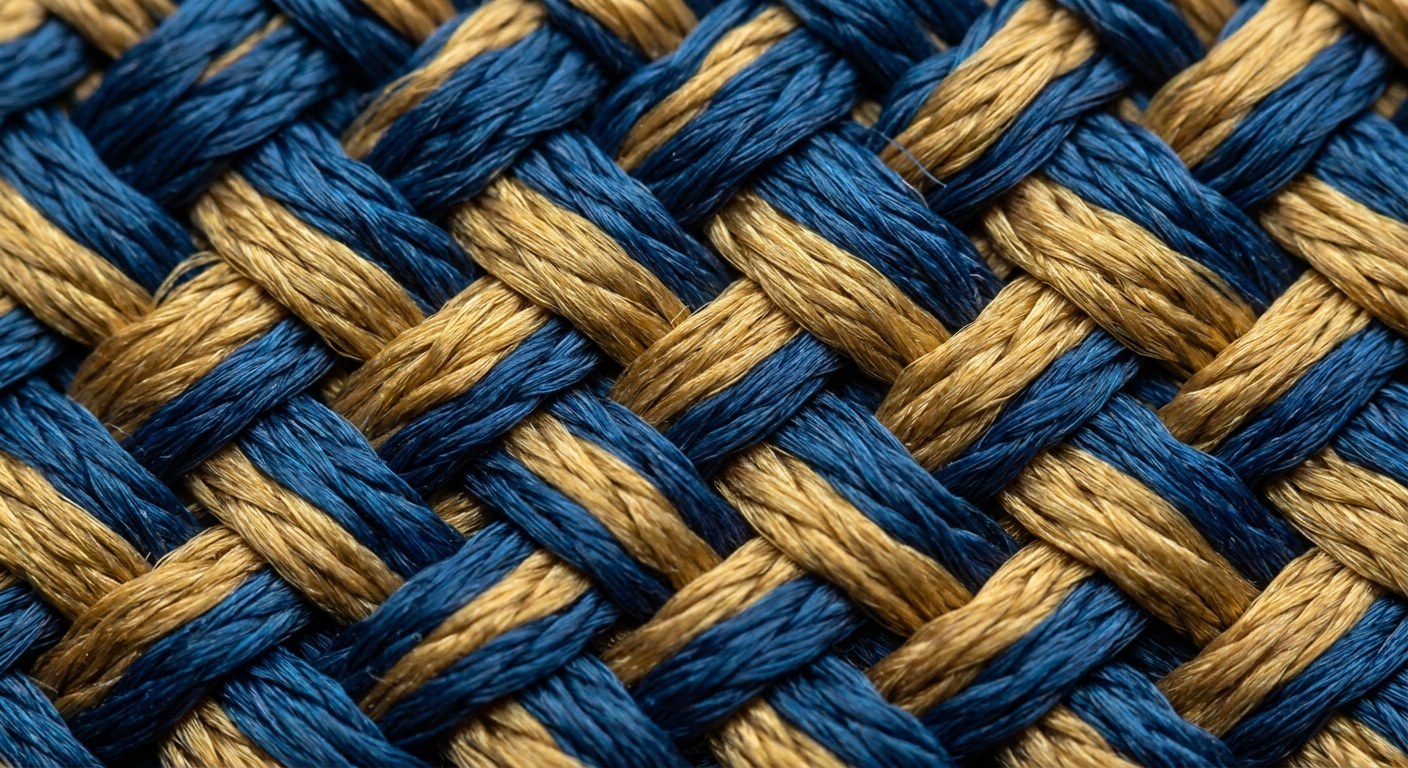
Natural fibers like cotton have no place in high-performance basketball uniform fabric because they absorb water and become heavy. You should stick to modern synthetics that are engineered to mimic the soft feel of cotton while providing technical wicking. These materials ensure that the garment remains lightweight even when the athlete is sweating heavily. Synthetic blends also offer far superior durability over long seasons.
Why avoid 100% cotton for team jerseys?
Here is the deal: cotton can hold up to 25 times its weight in water, which turns a light jersey into a heavy burden. You will find that wet cotton also causes significant skin irritation and chafing during repetitive movements.
- High water retention leads to fatigue
- Slow drying times cause post-game chills
- Susceptible to shrinking after washing
- Lacks the stretch needed for sports
Can poly-spandex blends improve comfort?
Look at this: blending polyester with spandex creates a fabric that is both durable and incredibly flexible. You get the moisture management of the synthetic and the comfort of a stretchy fit.
- Combines strength with elastic recovery
- Soft hand-feel similar to natural fibers
- Resistant to odors and mildew buildup
- Ideal for high-compression athletic wear
What are the benefits of nylon vs polyester?
But wait, there’s more: while polyester is king for sublimation, nylon offers even higher abrasion resistance for heavy-contact sports. You might choose nylon for shorts or protective gear that sees frequent floor contact.
- Nylon has superior “hand” and softness
- Higher tensile strength than polyester
- Excellent resistance to pilling and wear
- Better for deep, solid-dyed colorways
Key Takeaway: Stick to synthetic blends to ensure the garment remains lightweight even when the athlete is sweating heavily.
| Fiber | Moisture Absorption | Durability | |
|---|---|---|---|
| Polyester | Low (Fast Dry) | Very High | |
| Nylon | Low | Superior Abrasion Resistance | |
| Cotton | High (Slow Dry) | Low (Shrinks) |
Synthetic engineering provides the technical edge that natural fibers simply cannot match in a competitive environment.
The Role of Mesh in Enhanced Breathability
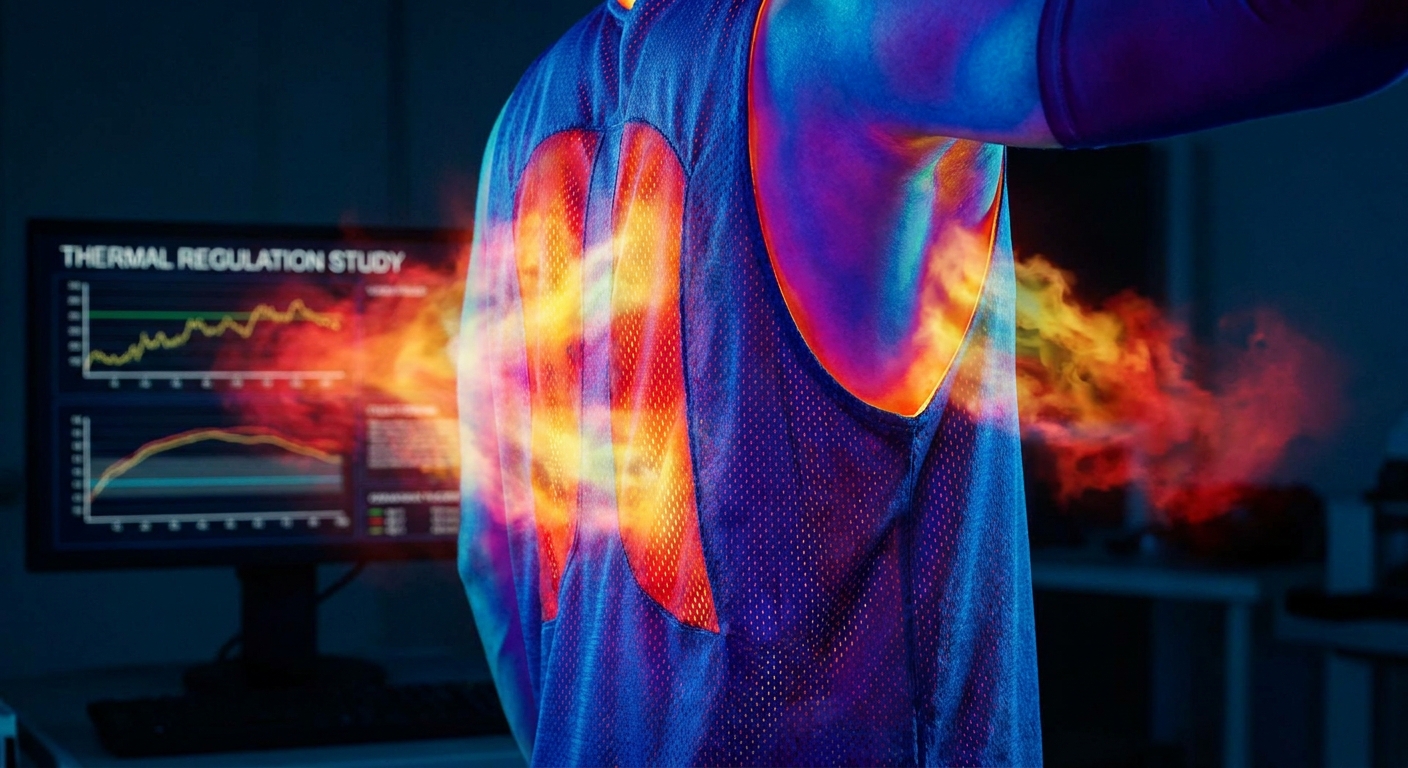
Heat is the enemy of performance, and basketball uniform fabric must integrate mesh structures to facilitate cooling. You can place open-hole panels in high-heat zones like the underarms and back to allow for immediate vapor escape. These structures significantly reduce the garment’s overall weight while increasing its cooling capacity. Strategic ventilation keeps athletes comfortable during the most intense moments of the game.
Is bird-eye mesh better than pin-hole?
Believe it or not: bird-eye mesh is often preferred for its unique aesthetic and superior air circulation properties. You will find that the specialized “eye” pattern creates more surface area for moisture to evaporate.
- Distinctive textured look for branding
- Excellent multidirectional airflow
- Highly resistant to snagging and tears
- Maintains opacity even when stretched
Where should mesh panels be placed?
Check this out: placing mesh in the side gussets and across the upper back targets the areas where the body generates the most heat. You can optimize the jersey’s thermal regulation without sacrificing the durability of the main body panels.
- Underarms for maximum sweat evaporation
- Back panels to release core heat
- Side vents to improve overall mobility
- Necklines to prevent collar irritation
Does mesh affect sublimation print quality?
The best part? Modern basketball mesh is designed to take sublimation ink perfectly, ensuring that your logos and numbers look sharp. You just need to ensure the knit density is high enough to hold the detail of the design.
- Smooth surface for high-definition prints
- Vibrant color absorption across the holes
- Ink bonds directly to the polyester fibers
- Graphics won’t peel or crack over time
Key Takeaway: Strategic use of mesh structures can reduce a garment’s overall weight while significantly increasing its cooling capacity.
| Mesh Type | Weight (GSM) | Primary Application | |
|---|---|---|---|
| Bird-Eye | 130-160 | Main body panels | |
| Honeycomb | 150-180 | Reversible jerseys | |
| Micro-Mesh | 110-130 | Ventilation inserts |
Ventilation placement is a science that directly correlates to an athlete’s ability to maintain high intensity.
Weight and GSM: Finding the Perfect Balance
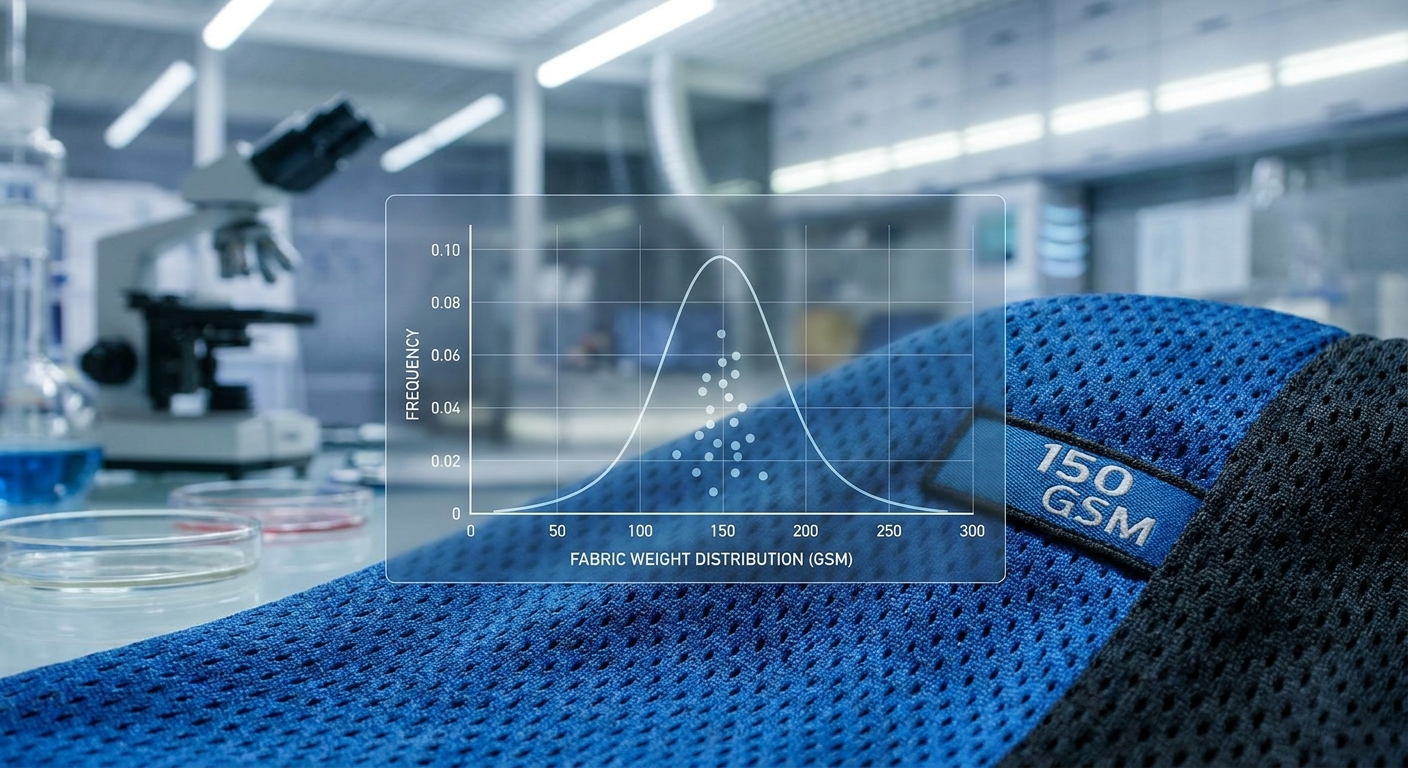
Fabric weight, measured in Grams per Square Meter (GSM), determines how the basketball uniform fabric hangs and feels on the athlete. You want a mid-range weight—heavy enough to be durable for a full season, but light enough to feel “barely there.” For basketball, a range of 150-160 GSM is typically the “sweet spot” for standard jerseys. Understanding these metrics helps you avoid shipping heavy, inefficient products.
What is the ideal GSM for jerseys?
Here is the deal: a GSM between 140 and 180 provides the best balance of drape, strength, and breathability for the court. You will find that fabrics in this range offer enough “substance” to look professional without weighing the player down.
- 140-150 GSM for ultra-light game jerseys
- 160-180 GSM for durable practice gear
- Consistency across batches ensures quality
- Affects the overall drape and fit
How does weight impact shipping costs?
Look at this: every gram counts when you are shipping thousands of uniforms internationally to your clients. You can significantly reduce logistics expenses by choosing high-performance fabrics that achieve strength with less mass.
- Lighter fabrics reduce bulk shipping fees
- Easier to pack more units per carton
- Lowers carbon footprint for global brands
- Improves overall supply chain efficiency
Does higher GSM mean better quality?
But wait, there’s more: a higher weight does not always equal better quality, as some heavy fabrics are just poorly made with cheap fibers. You should focus on the “performance per gram” rather than just the thickness of the material.
- High-tech thin fibers can be very strong
- Heavy fabrics can trap too much heat
- Quality is found in the knit and finish
- Balance durability against thermal comfort
Key Takeaway: Aim for a 150-160 GSM for standard basketball jerseys to achieve the best balance of durability and comfort.
| Sport | Recommended GSM | Reasoning | |
|---|---|---|---|
| Basketball | 140 – 180 | Balance of drape and strength | |
| Football/Soccer | 150 – 200 | Added durability for sliding | |
| Compression Gear | 220 – 280 | Necessary for muscle support |
Finding the correct GSM is essential for creating a uniform that feels premium without hindering player performance.
Durability and Pilling Resistance for Long Seasons
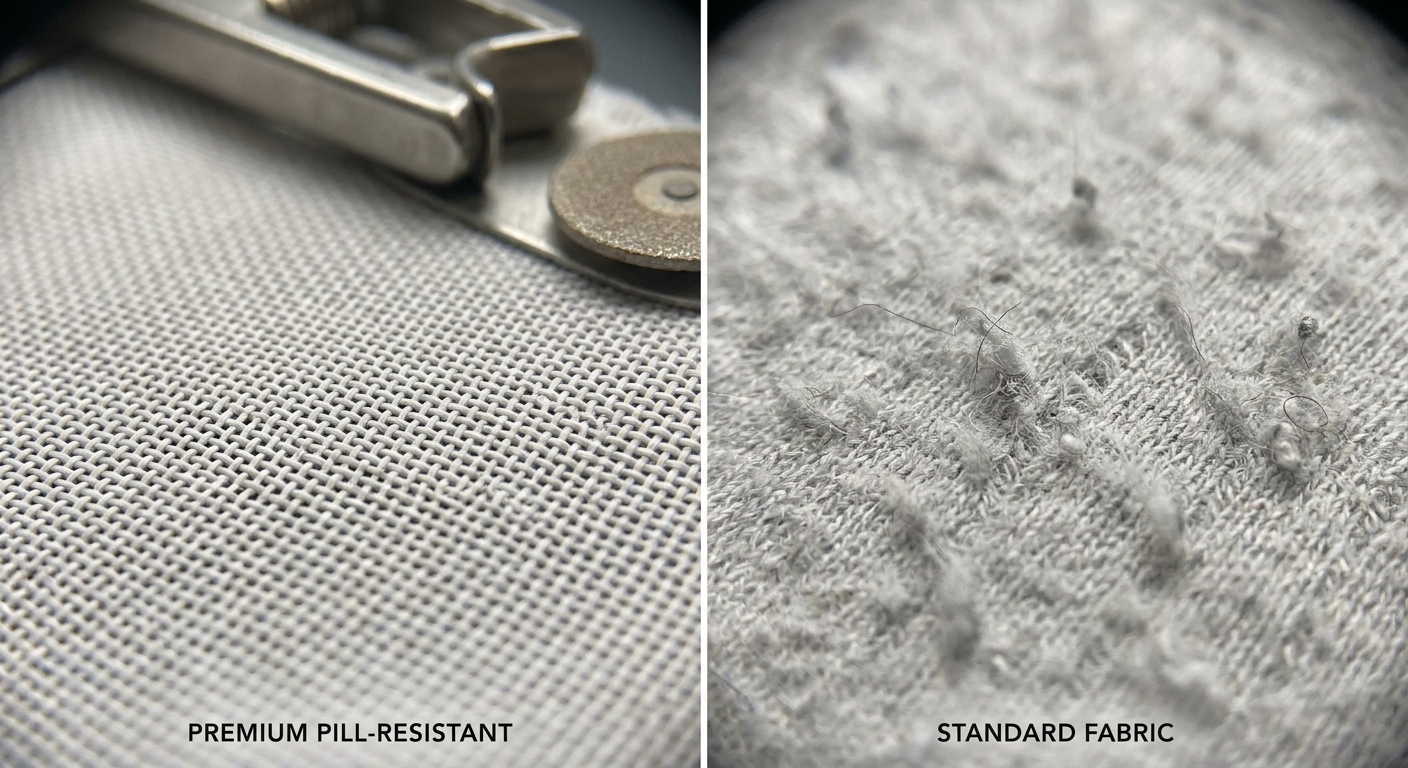
You do not want your uniforms looking “fuzzy” or worn out after just a few washes during a long season. Basketball uniform fabric must undergo specific finishing treatments to ensure it maintains a smooth, professional look. Pilling occurs when fibers break and tangle on the surface, which can ruin the aesthetic of your team brand. Selecting high-grade materials with proven pilling resistance is a non-negotiable for professional apparel.
How is pilling resistance measured?
Check this out: the industry uses the ISO 12945-2 standard to grade how well a fabric resists surface wear. You should always insist on a Grade 3.5 or higher to ensure the uniform stays looking new.
- Standardized testing ensures batch consistency
- Grades from 1 (poor) to 5 (excellent)
- Higher grades resist friction and abrasion
- Essential for items with frequent contact
Does fabric finishing prevent snagging?
The best part? Specialized anti-pilling finishes create a protective layer on the fibers that prevents them from breaking easily. You will see that uniforms treated this way look vibrant and smooth even after repeated heavy laundering.
- Chemical finishes bond to fiber surfaces
- Heat-setting processes stabilize the knit
- Reduces the frequency of “pulls” or snags
- Maintains a high-end look and feel
Why do some fabrics “fuzz” faster?
Think about it: short-staple fibers and loose knit structures are the primary causes of premature pilling and wear. You must source fabrics made from long-staple synthetic yarns that are knitted tightly to prevent fiber escape.
- Loose knits allow fibers to tangle
- Low-quality yarns break more easily
- Excessive heat in drying can damage fibers
- Friction against gear increases wear rates
Key Takeaway: Insist on Grade 3.5 pilling resistance or higher to ensure the uniform maintains a premium look after repeated laundering.
| Test Metric | Standard | Professional Grade | |
|---|---|---|---|
| Pilling Resistance | ISO 12945-2 | Grade 3.5 or higher | |
| Color Fastness | ISO 105-C06 | Grade 4.0 | |
| Bursting Strength | ASTM D3786 | >250 kPa |
Uniforms that resist wear and tear represent the quality of your brand long after the first game.
Moisture-Wicking and Anti-Bacterial Technologies
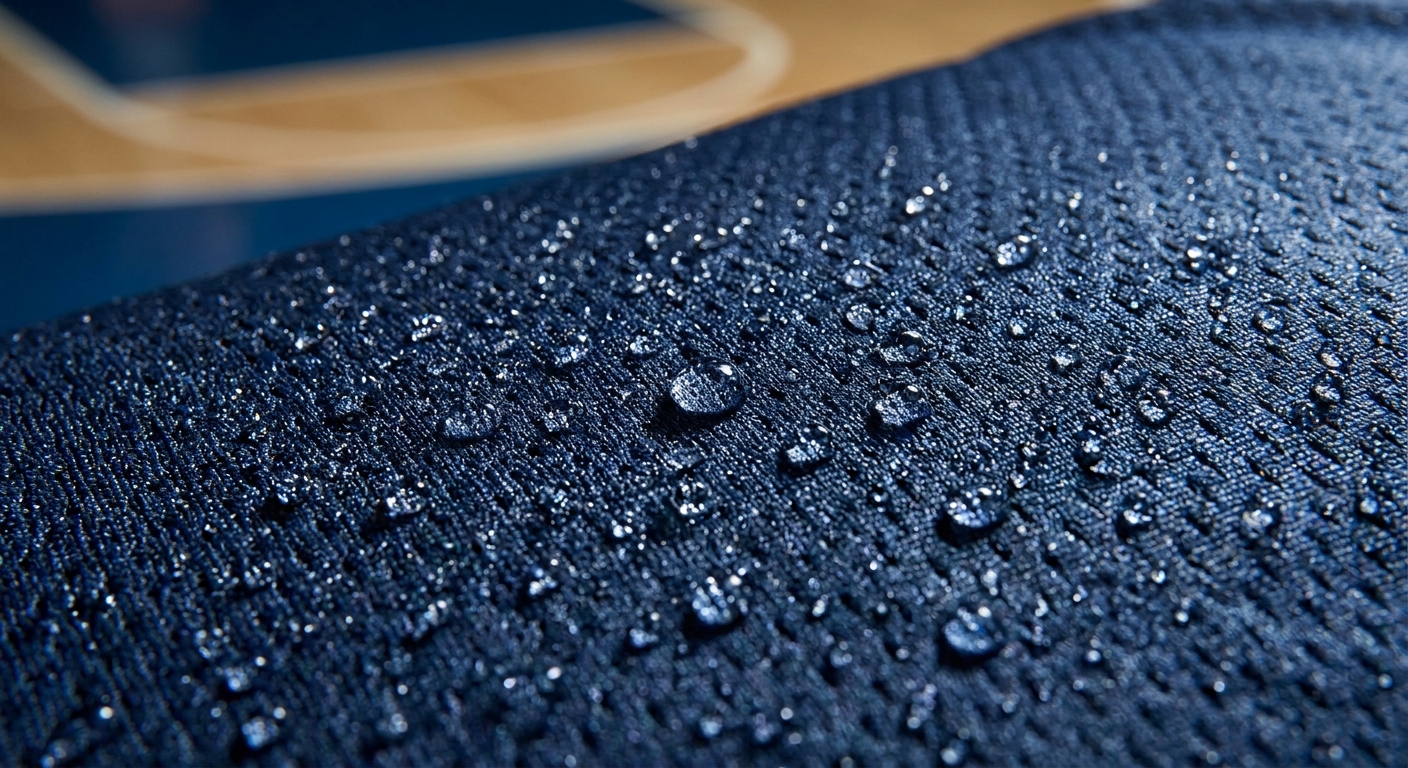
The secret to a “fresh” uniform lies in the advanced chemistry applied to the basketball uniform fabric . High-performance textiles often include silver-ion treatments that pull sweat away from the skin and neutralize odor-causing bacteria. These functional finishes ensure that your athletes stay dry and comfortable even in the most high-pressure situations. Prioritizing dual-action fabrics gives your team a competitive edge by maintaining hygiene and comfort.
How does moisture-wicking technology work?
Believe it or not: the fabric uses capillary action to pull moisture through the fibers to the outer surface of the garment. You will notice that the sweat evaporates almost instantly once it reaches the air.
- Transports liquid away from the skin
- Increases the surface area for drying
- Keeps the fabric from sticking to the body
- Regulates the athlete’s body temperature
Are anti-bacterial finishes permanent?
Look at this: silver-ion technology is often embedded directly into the fiber, meaning the odor protection won’t wash away after a few cycles. You get permanent performance that keeps the gear smelling fresh throughout the entire season.
- Inhibits the growth of odor-causing microbes
- Reduces the need for harsh detergents
- Extends the lifespan of the garment
- Safe for skin and environmentally friendly
Do chemical finishes affect sensitive skin?
Here is the deal: professional-grade functional fabrics are OEKO-TEX certified to ensure they are free from harmful substances. You can be confident that the wicking and anti-bacterial treatments are safe for all your players.
- Rigorous testing for skin compatibility
- No toxic residues or heavy metals
- Hypoallergenic properties for comfort
- Meets international safety standards
Key Takeaway: Prioritize dual-action fabrics that offer both moisture transport and odor control for a competitive edge.
| Treatment Type | Function | Duration | |
|---|---|---|---|
| Wicking Finish | Moves sweat to surface | 20 – 50 Washes | |
| Anti-Microbial | Prevents odor buildup | Permanent (Silver Ion) | |
| UV Protection | Blocks harmful rays | Permanent (Fiber based) |
Advanced chemical finishes transform standard polyester into a high-performance tool for athletes.
Customization and Sublimation Printing Suitability
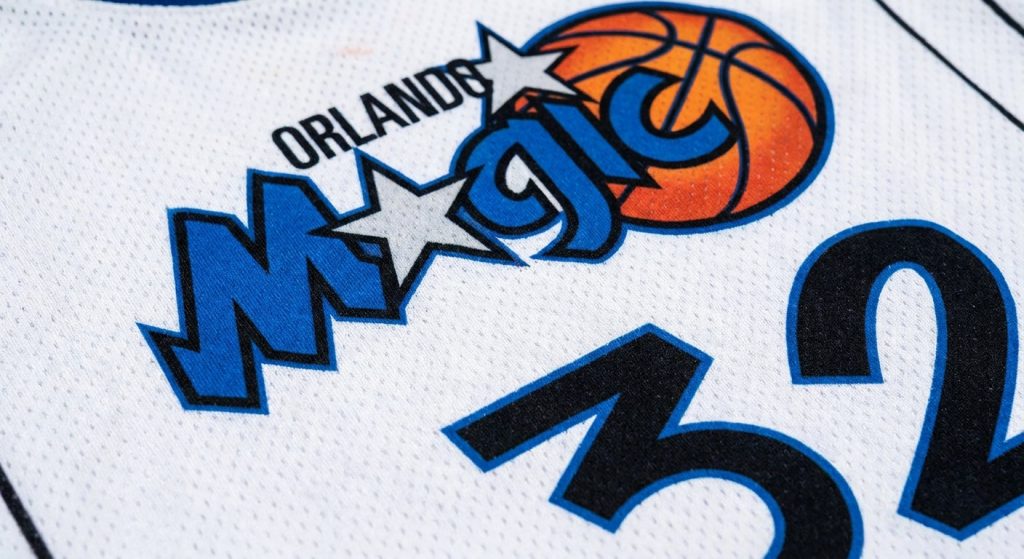
Visual identity is everything in team sports, and basketball uniform fabric must be fully compatible with sublimation printing. This process allows the ink to turn into a gas and bond directly with the polyester fibers, ensuring the design never cracks or peels. You can achieve infinite color possibilities and complex patterns that stay vibrant for the lifetime of the garment. Choosing sublimation-ready textiles is the best way to ensure permanent, professional branding.
Is 100% polyester best for sublimation?
Check this out: the sublimation process requires at least 85% polyester content to allow the dye to bond properly with the synthetic polymers. You should aim for 100% polyester to get the most vibrant and sharp results for your logos.
- Maximum color saturation and brilliance
- Precise detail for intricate team logos
- No interference from natural fiber content
- Consistent results across large batches
Can you sublimate on dark fabrics?
But wait, there’s more: sublimation works best on white or light-colored bases because the ink adds color to the existing fiber. You should use white “dye-sub” fabric and print the background color to achieve dark uniform designs.
- Allows for “all-over” print coverage
- Ensures color consistency on the court
- Prevents the “heavy” feel of screen printing
- Maintains the fabric’s original breathability
Does printing affect fabric breathability?
The best part? Unlike screen printing which sits on top of the fabric, sublimation doesn’t block the knit’s pores, keeping the jersey fully breathable. You can cover the entire uniform in graphics without sacrificing any cooling performance.
- Zero hand-feel (ink is inside the fiber)
- Open knit structure remains unobstructed
- No “sweat patches” under large numbers
- Lightweight feel remains unchanged
Key Takeaway: Choose sublimation-ready polyester for basketball uniforms to ensure vibrant, permanent team branding.
| Printing Method | Best Fabric | Longevity | |
|---|---|---|---|
| Sublimation | White Polyester | Lifetime of garment | |
| Screen Print | Cotton/Blends | Medium (May crack) | |
| Heat Transfer | Most Synthetics | Low (May peel) |
Sublimation technology allows you to create bold, creative designs that are as durable as the fabric itself.
Sustainability in Modern Sportswear Manufacturing
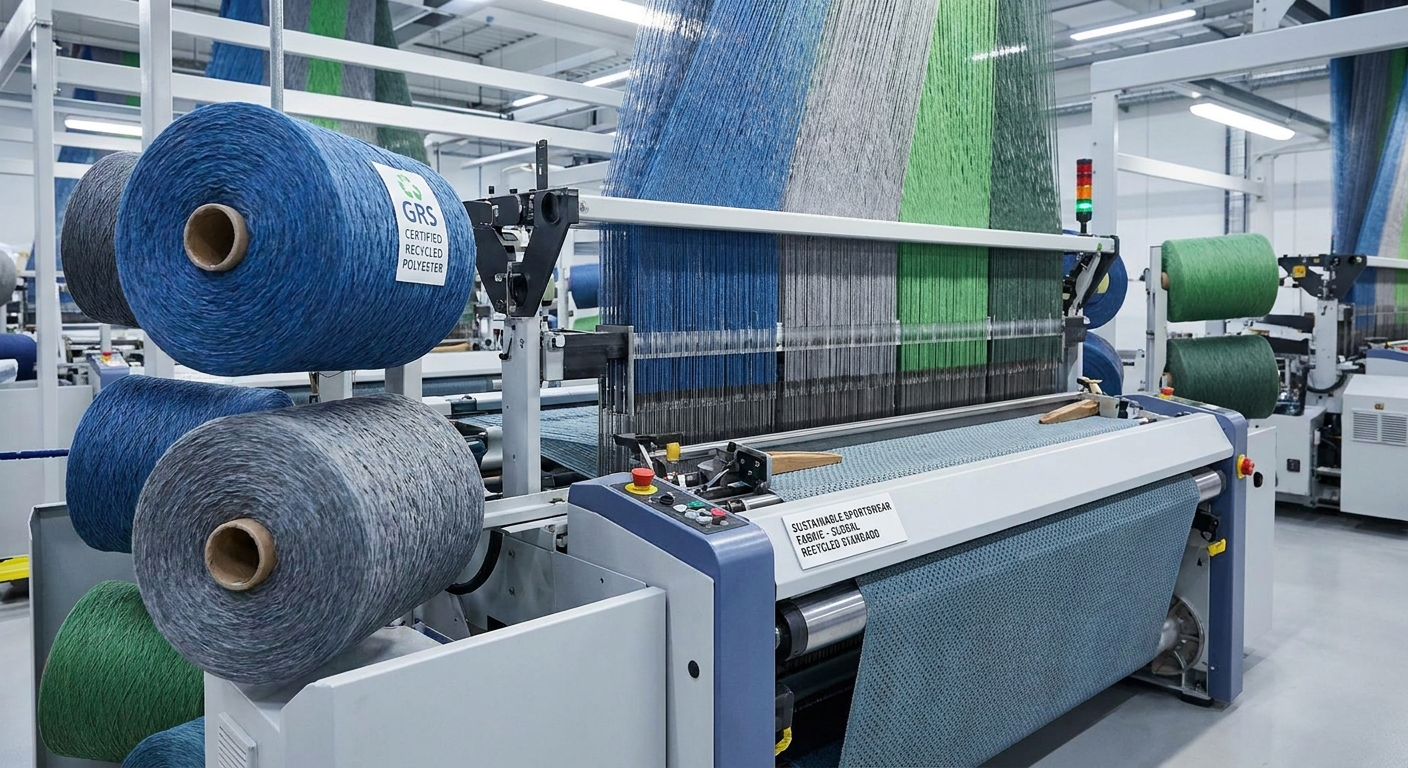
Eco-conscious branding is no longer optional; it is a requirement for modern basketball uniform fabric production. Utilizing recycled polyester made from post-consumer plastic bottles allows you to offer high-performance gear with a much lower environmental footprint. You can maintain the same technical standards while meeting the sustainability goals of your clients and the market. Transitioning to GRS-certified materials provides a powerful marketing narrative without sacrificing on-court performance.
Is recycled polyester as strong as virgin?
Believe it or not: modern recycling processes produce fibers that are chemically identical to virgin polyester, offering the same strength and wicking. You will find that recycled textiles perform just as well under the stresses of professional play.
- Indistinguishable performance from virgin poly
- High tensile and bursting strength
- Supports circular economy initiatives
- Reduced reliance on petroleum-based yarn
What certifications should I look for?
Look at this: the Global Recycled Standard (GRS) is the gold standard for verifying the recycled content in your fabrics. You should also check for OEKO-TEX Standard 100 to ensure the material is free from harmful chemicals.
- Verification of the entire supply chain
- Ensures fair labor and environmental practices
- Builds trust with eco-conscious consumers
- Required for many professional tenders
Does eco-fabric cost significantly more?
Here is the deal: while there used to be a large price gap, the increasing demand has made recycled polyester very competitive with standard materials. You can often make the switch with only a minor impact on your production budget.
- Costs are stabilizing due to scale
- High marketing value offsets small price delta
- Long-term brand loyalty from “green” buyers
- Helps meet future regulatory requirements
Key Takeaway: Transitioning to GRS-certified recycled polyester offers a powerful marketing narrative without sacrificing technical performance.
| Sustainable Material | Source | Certification | |
|---|---|---|---|
| Recycled Polyester | PET Bottles | GRS (Global Recycled Standard) | |
| Bio-based Nylon | Castor Beans | OEKO-TEX Standard 100 | |
| Organic Blends | Certified Farms | GOTS |
Sustainability is a competitive advantage that aligns your brand with the values of modern athletes and fans.
How to Source High-Quality Fabrics for Production
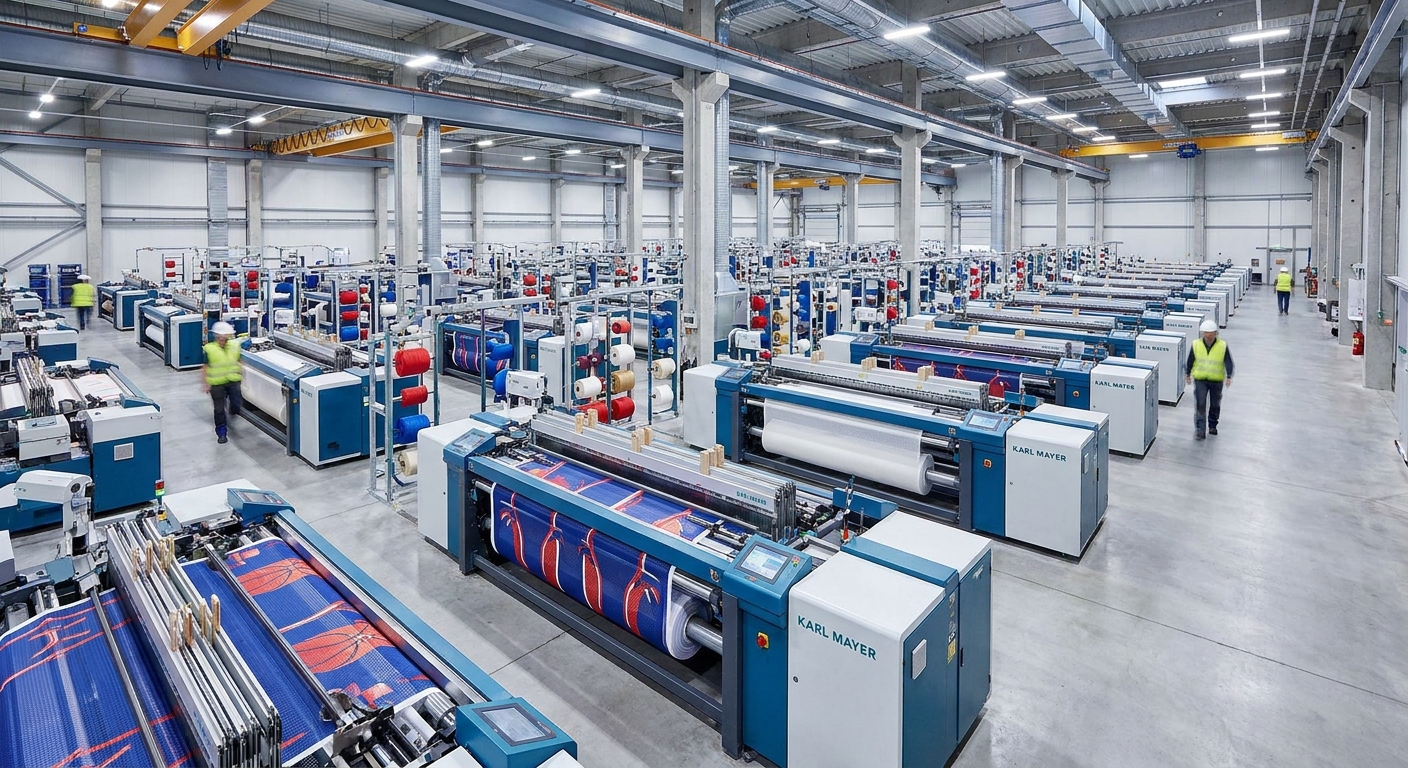
Your supplier is your partner, and sourcing basketball uniform fabric requires a factory with a vertically integrated production line. You must prioritize Color Matching through automated dyeing control to ensure consistency across every jersey in a large batch. Furthermore, Stability is guaranteed by facilities using 80+ Karl Mayer machines, which maintain the highest quality standards during mass production. Working with an integrated manufacturer eliminates the delays and quality gaps common in outsourced dyeing.
What is the standard MOQ for sports fabric?
Check this out: many factories require large orders, but you should look for partners that offer low MOQs, such as 100 kg, for testing. This flexibility allows you to trial new colorways without overcommitting your inventory budget.
- Low 100kg minimums for emerging brands
- Flexibility to test niche product lines
- Reduces financial risk on new designs
- Fast turnaround for seasonal re-orders
How do I verify a factory’s QC process?
The best part? A reliable factory will have a dual-check inspection system that monitors weight, color consistency, and stretch recovery. You should request a virtual factory tour to see their testing laboratory and computerized knitting machines in action.
- Computerized precision (80+ Karl Mayer)
- Automated dyeing for perfect color matching
- In-house laboratory for technical testing
- Transparent reporting on every fabric batch
Can I get custom fabric weights?
Think about it: vertically integrated factories can adjust their machine settings to produce exact custom GSMs tailored to your specific needs. You are not stuck with “off-the-shelf” options and can truly differentiate your product line.
- Tailored GSM for specific athletic needs
- Custom knit patterns for brand identity
- Ability to develop proprietary finishes
- Full control over the textile’s “hand-feel”
Key Takeaway: Look for suppliers with in-house dyeing and knitting to ensure the highest level of quality control and lead-time reliability.
| Sourcing Factor | Why It Matters | MAKITAPE Advantage | |
|---|---|---|---|
| MOQ | Flexibility in inventory | Low 100kg minimums | |
| Lead Time | Time-to-market speed | Rapid 24h sampling | |
| QC | Reduced reject rates | Dual-check inspection |
Sourcing from a technologically advanced, integrated facility is the only way to ensure quality at scale.
Frequently Asked Questions
Can I use the same fabric for all sports? While polyester is versatile, specific weights and knits are optimized for different sports; basketball requires more breathability than cold-weather sports like football or hockey.
What’s the best way to test fabric quality? Request a sample pack and perform a “stretch and recovery” test, along with a wash test to check for color bleeding and pilling.
Can I get custom colors for small orders? Yes, factories with integrated dyeing plants can often provide custom color matching even for orders as low as 100kg.
What’s the best fabric for reversible jerseys? Mid-weight honeycomb mesh or interlock jersey is ideal as it provides enough opacity to prevent “show-through” between the two layers.
Can I request eco-friendly certifications? Absolutely. Always ask for GRS or OEKO-TEX certificates to verify the sustainability and safety claims of the fabric manufacturer.
Conclusion
Navigating the complexities of technical textiles is the difference between an average product and an industry-leading apparel brand. By focusing on high-performance moisture-wicking, durability through advanced knitting, and the precision of integrated manufacturing, you solve the problem of poor performance and inconsistent quality. We are here to provide the engineering excellence and supply chain stability you need to scale with confidence. Our vision is to empower every athlete with textiles that feel like a second skin. contact us today to request your free sample pack and start building a superior sportswear collection.