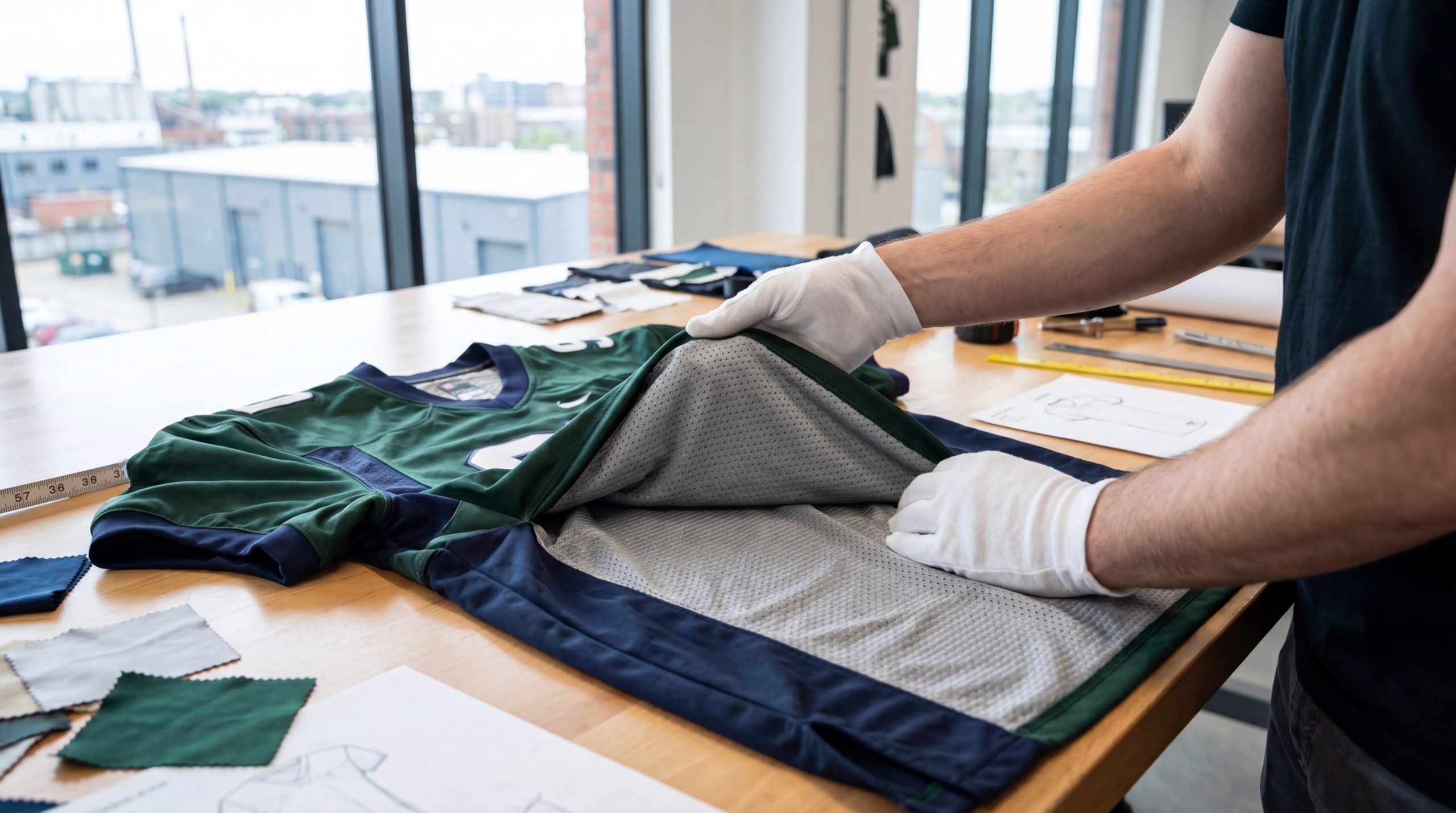
Selecting the right mesh lining for team sports uniforms requires balancing physical durability, moisture-wicking capacity, and raw fabric weight to ensure peak athletic performance. Sportswear brand owners and factory buyers frequently face severe friction from poorly chosen linings that trap heat, retain sweat, and cause extreme skin chafing. When jerseys cling to athletes’ skin and degrade rapidly after a few commercial laundry cycles, your brand’s reputation suffers, leading to costly batch returns. To prevent these quality issues, partnering with an experienced Sportswear lining fabric supplier allows you to customize premium, high-strength warp-knit meshes tailored for modern athletic wear.
Why does mesh lining matter for team sports?
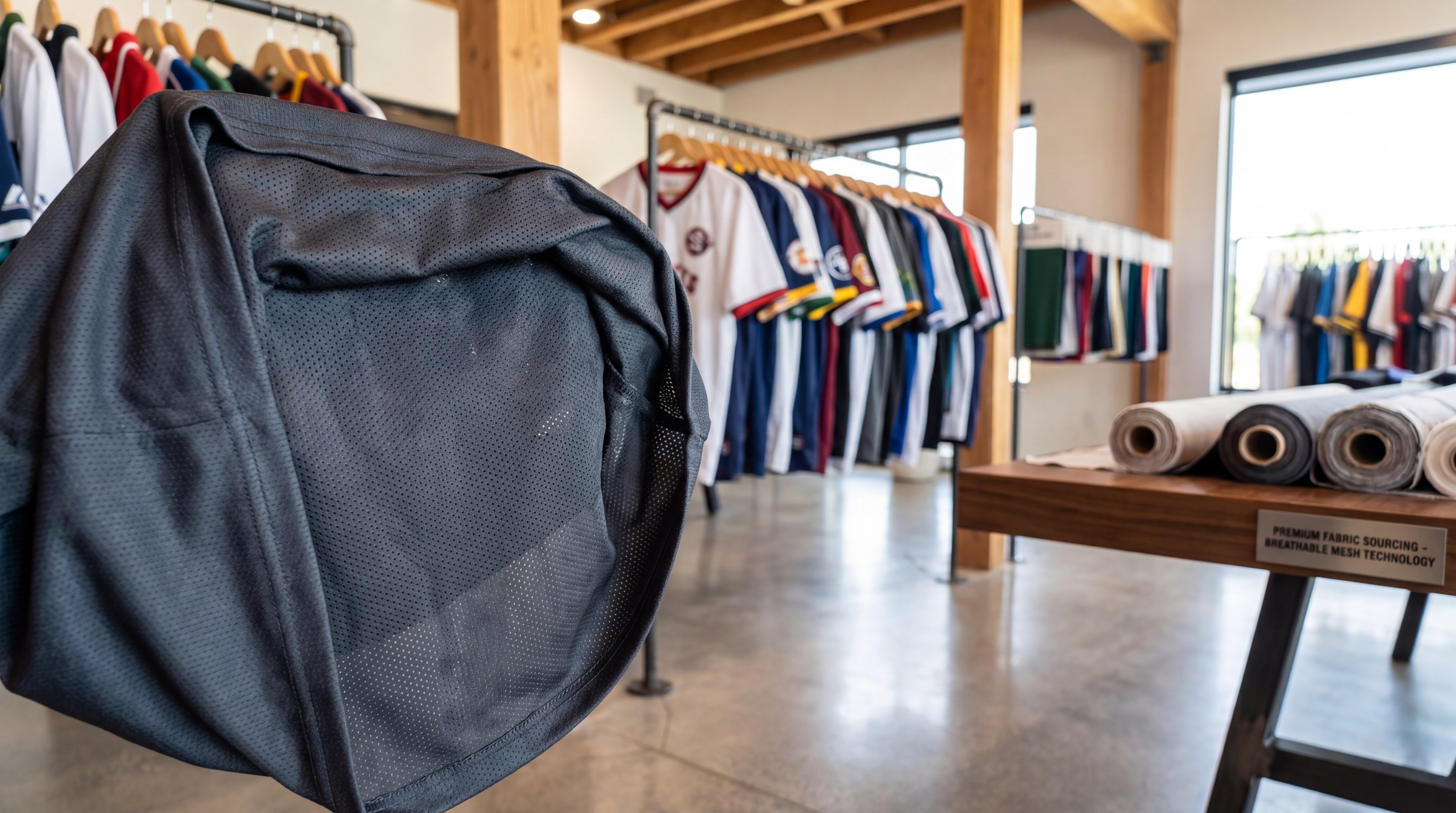
Mesh lining acts as the critical barrier between an athlete’s skin and the outer uniform shell, regulating heat and moisture during high-intensity matches. Sourcing high-grade interiors from a reliable Sportswear lining fabric supplier prevents performance degradation and physical discomfort during intense athletic play. Premium warp-knit linings are engineered to optimize ventilation and protect the outer fabric shell from friction and bodily sweat.
How does lining affect sweat management?
When athletes sweat, advanced lining fibers use capillary action to pull moisture away from the skin instantly. Think about it: without this rapid dispersal layer, perspiration stays trapped against the body, making the uniform heavy and uncomfortable.
The correct fiber structure distributes sweat across a wide surface area for accelerated evaporation.
- Capillary transport channels
- High-wicking hydrophobic fibers
- Fast drying rates
Can the wrong lining cause skin chafing?
Stiff, low-quality synthetic meshes create intense friction against moving skin, leading to painful irritation and distraction. You must prioritize smooth, multi-filament yarns that glide effortlessly during continuous running and jumping.
This is why premium technical linings use soft-touch polymers to shield athletes from seam abrasions.
- Filament-level smoothness
- Low-friction yarn profiles
- Anti-chafing seam coverage
Does lining impact uniform durability?
Heavy contact sports place tremendous shear stress on uniform seams, making high tensile strength non-negotiable for linings. Why does this matter? A durable lining absorbs body oils and mechanical stress, protecting the outer dye-sublimated fabric from breaking down.
Using a warp-knit construction ensures the interior retains its shape and structural integrity even after dozens of high-temperature wash cycles.
- High burst resistance
- Wash-cycle structural recovery
- Abrasion shield capability
Key Takeaway: Choosing the correct interior lining keeps athletes focused and extends the structural lifespan of the entire team uniform under grueling play conditions.
| Performance Metric | Low-Quality Mesh Lining | High-Quality Engineered Lining | Impact on Athlete Performance | |
|---|---|---|---|---|
| Moisture Transport | Retains sweat, clings to skin | Capillary action, rapid dispersal | Keeps skin dry, prevents cooling chill | |
| Surface Smoothness | High-friction, stiff texture | Soft-touch, filament yarns | Eliminates skin chafing and distraction | |
| Tensile Resistance | Tears under sudden tension | High burst-strength warp-knit | Extends uniform lifecycle |
This performance comparison shows how switching to engineered filaments directly translates to improved on-field execution and garment longevity.
Which mesh structures offer the best airflow?
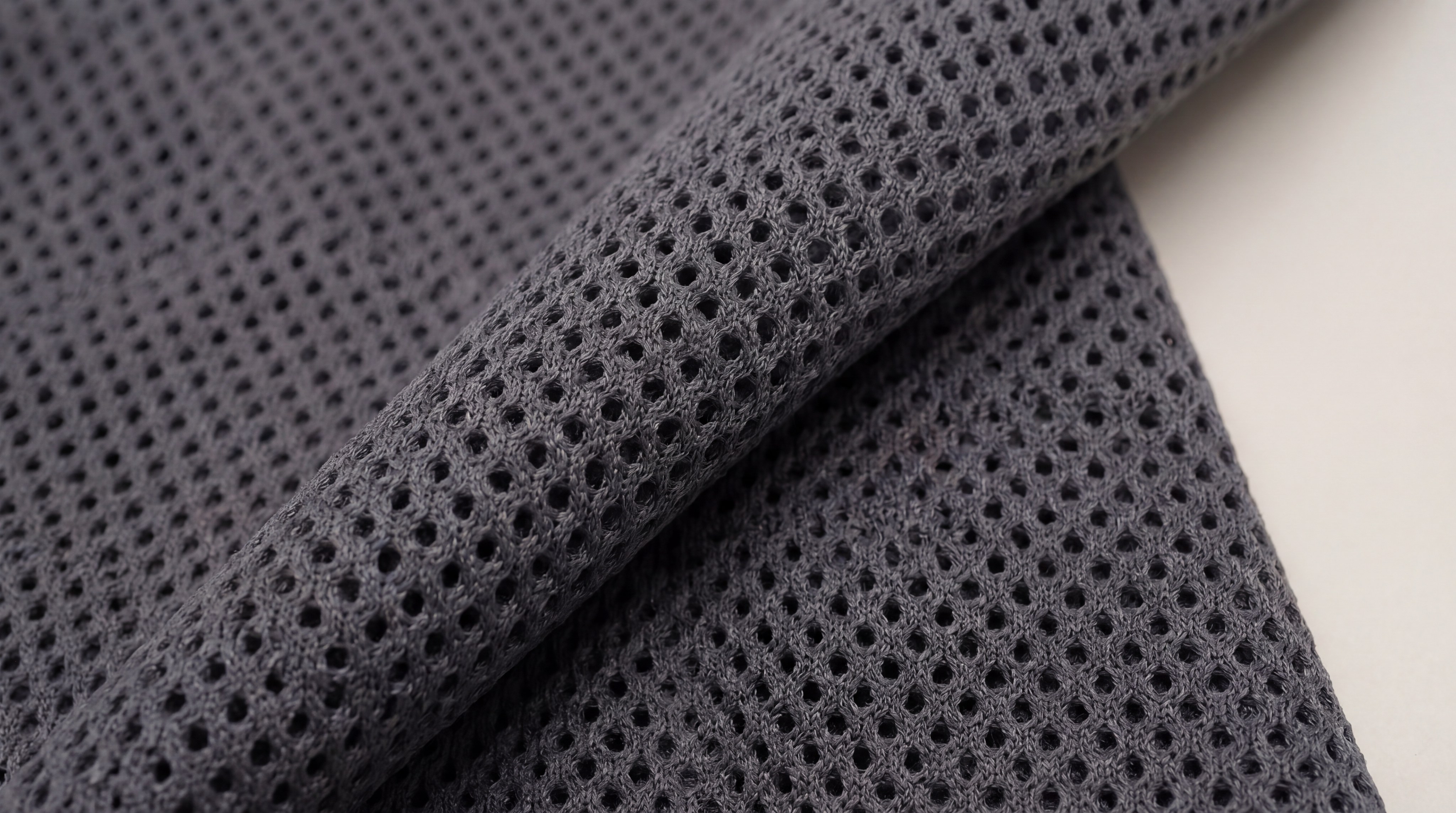
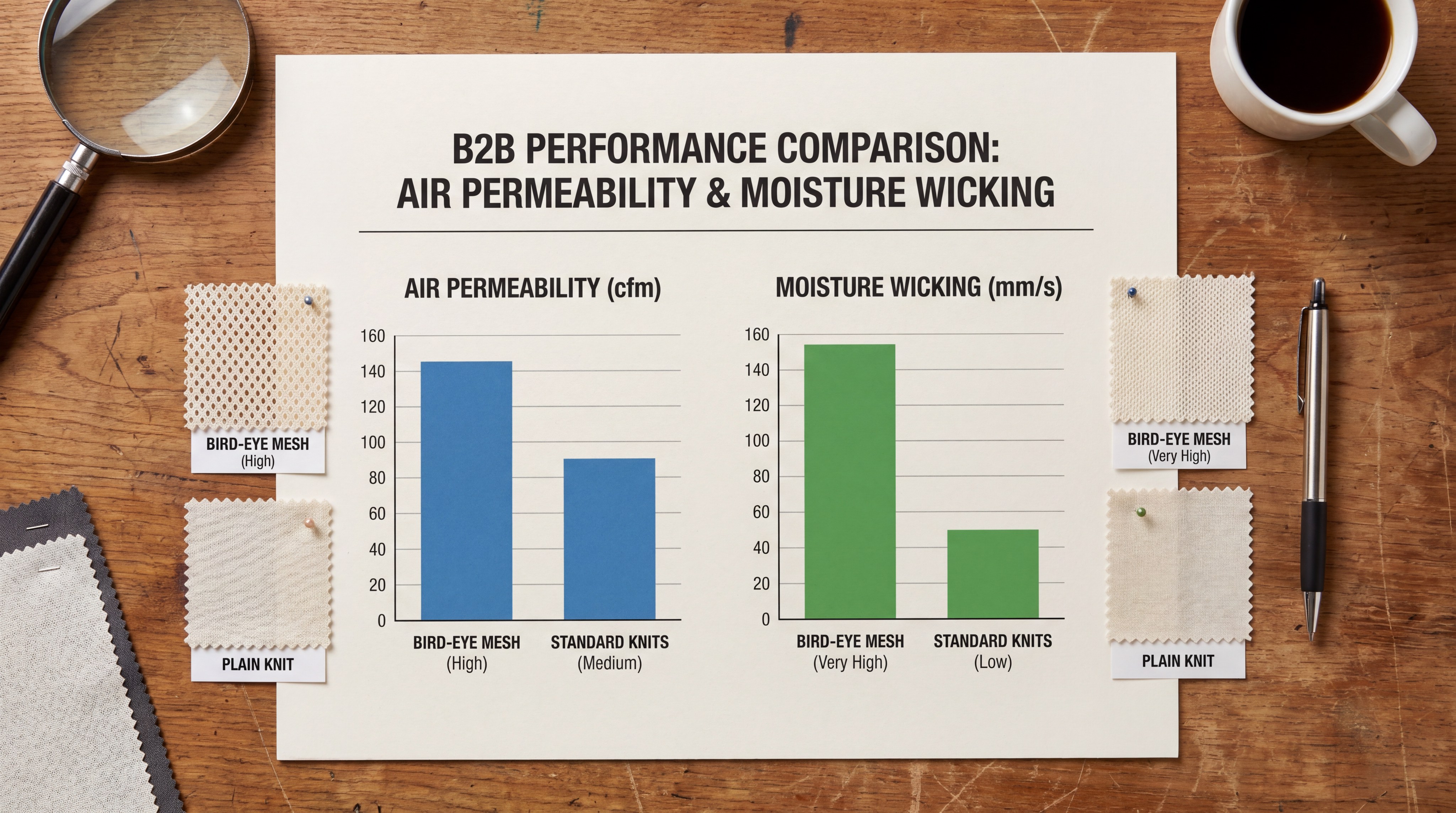
Selecting the right pattern, like open hole or bird-eye, depends on your specific ventilation and physical drape requirements. Utilizing a Bird-eye mesh fabric for athletic lining offers the ideal balance of passive ventilation and structural softness. Choosing the appropriate knit pattern ensures that heat can escape easily while maintaining a sleek, professional drape.
What are the benefits of open hole mesh?
Open eyelet structures provide massive airflow by incorporating distinct, geometric apertures into the knit. But here is the catch: while ventilation is maximized, these open structures are more prone to snagging during contact play.
You will find open hole designs highly effective for paneling and loose-fitting jerseys.
- Maximum passive airflow
- High-ventilation geometry
- Lightweight breathable zones
Why choose bird-eye mesh for high output?
The bird-eye pattern utilizes a micro-tapestry texture that creates continuous air channels without exposing large open holes. And the best part? It maintains an exceptionally smooth surface against the skin, virtually eliminating friction during high-output sports.
This versatile structure makes it the preferred lining for modern activewear and elite field uniforms.
- Micro-aperture heat escape
- Superior multi-directional stretch
- Sleek professional appearance
When is micro-mesh the superior option?
Micro-mesh is an ultra-fine gauge knit designed for weightless comfort and exceptional elasticity. Think about it: when you are designing lightweight warm-ups or compression linings, every gram of weight matters.
This fabric delivers a silky, flat-face texture that feels like a second skin while supporting rapid moisture movement.
- Ultra-fine gauge knitting
- Featherweight construction
- Silky flat-face hand feel
Key Takeaway: Matching the specific mesh structure to the uniform’s intended use optimizes ventilation without sacrificing structural integrity.
| Mesh Structure Type | Air Permeability (CFM) | Hand Feel / Texture | Ideal Athletic Application | |
|---|---|---|---|---|
| Open Hole / Eyelet | Extremely High (>150) | Textured, structural | Classic jerseys, heavy contact panels | |
| Bird-Eye Pattern | High to Very High | Ultra-soft, micro-textured | High-end activewear, running liners | |
| Micro-Mesh | High (focused on stretch) | Silky, smooth flat-face | Compression-wear liners, cycling jerseys |
Analyze these structural parameters to select a knit pattern that matches your required CFM and aesthetic profiles.
How do basketball and football requirements differ?
Basketball uniforms require featherweight, dry-touch comfort, while football gear demands high burst-strength to withstand pads and constant pulling. Selecting the right Basketball jersey mesh lining material involves prioritizing vertical drape and instant heat dissipation. This contrast in design philosophies ensures that each sport’s unique physical challenges are met with targeted textile solutions.
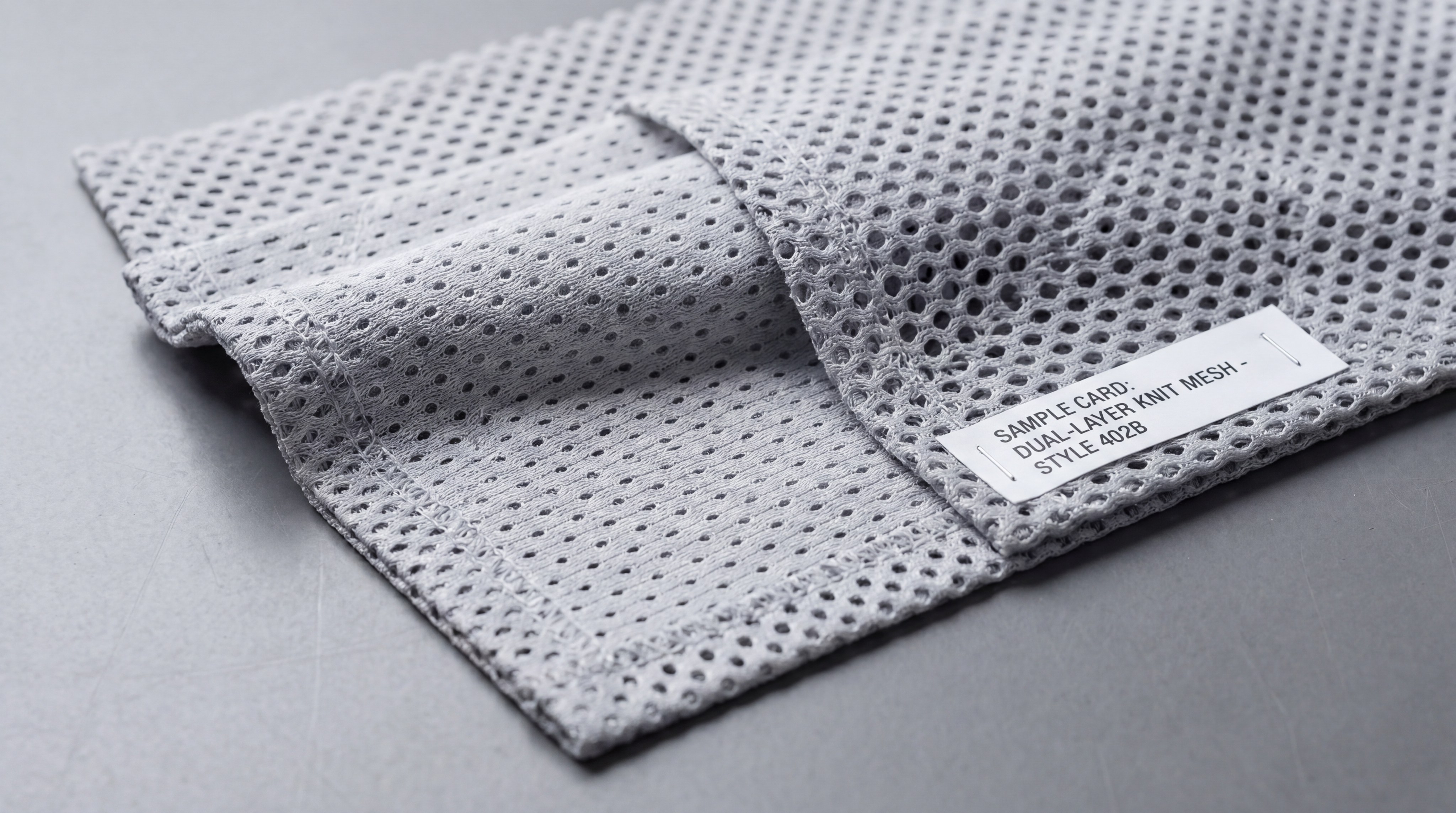
What does jersey lining require?
Basketball players undergo constant vertical leaps and sudden changes in direction, demanding completely unrestricted range of motion. Why does this matter? If the interior lining is too heavy or stiff, it restricts natural movements and clings uncomfortably during sweat-heavy indoor play.
You need a lightweight, high-drape mesh that allows the jersey to move independently from the body.
- Fluid, weightless drape
- Zero restriction layout
- Rapid indoor cooling
How do contact sports impact fabric choice?
Football, rugby, and lacrosse demand heavy-duty linings that can survive intense friction from protective gear and aggressive pulling. But here is the catch: the fabric must stay breathable while resisting high-friction wear from interior shoulder pads.
Selecting a high-GSM warp-knit lining ensures the uniform retains its shape and structural integrity under constant physical impact.
- Heavy-gauge tear resistance
- Pad-abrasion shielding
- High-tensile seam strength
Key Takeaway: Designing for specific athletic disciplines ensures you do not over-engineer court wear or under-protect contact field uniforms.
| Sport Domain | Key Lining Requirement | Target GSM Range | Recommended Knit Type | |
|---|---|---|---|---|
| Basketball & Court Sports | Weightless drape, rapid drying | 70 – 100 GSM | Soft Bird-Eye or Micro-mesh | |
| Football & Heavy Contact | Tear-resistance, pad interface | 110 – 140 GSM | Heavy warp-knit open hole mesh | |
| Outdoor Winter Field Sports | Thermal buffer, moisture-dry | 90 – 120 GSM | Brushed micro-grid mesh |
Rely on this tailored sports matrix to match your next product line’s target athletic movements with the perfect fiber weight.
Is polyester or nylon better for team linings?
Polyester dominates B2B team sports for its superior moisture management and sublimation compatibility, whereas nylon offers unmatched luxury and elasticity. Specifying the ideal Football team uniform lining fabric requires evaluating how different polymer properties handle moisture absorption, dye processes, and mechanical stress. Understanding these core chemical differences ensures you choose the right material for your long-term production needs.
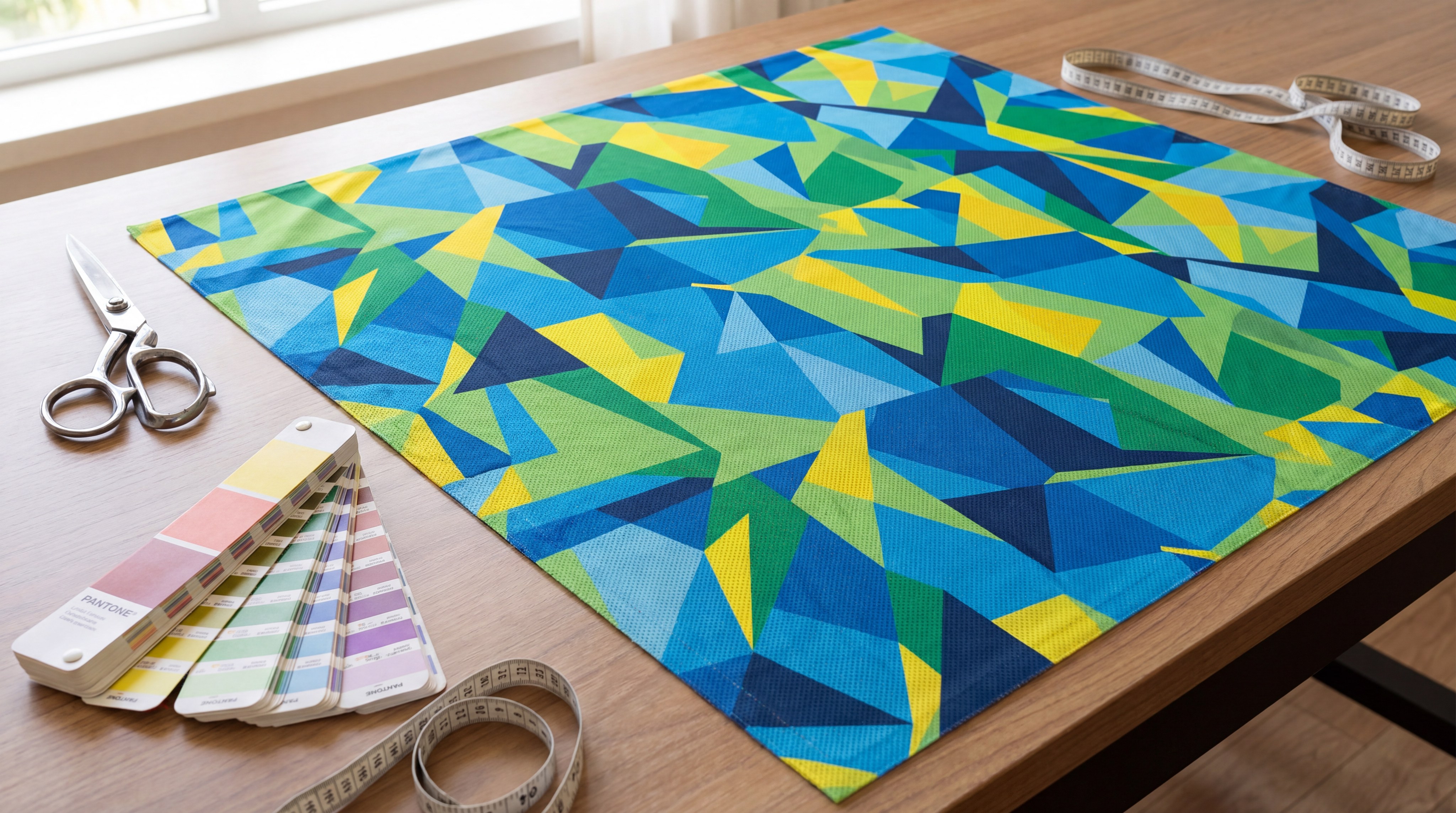
Why is polyester the industry standard?
Polyester’s highly hydrophobic nature means it absorbs almost no moisture, allowing sweat to pass through rather than collecting in the fibers. And the best part? It boasts incredible resistance to laundry chemicals and maintains its shape perfectly over multiple seasons.
You will appreciate how polyester resists stretching or sagging, keeping team logos and numbers aligned perfectly.
- Hydrophobic moisture transport
- High structural stability
- Outstanding wash durability
When does nylon justify its premium cost?
Nylon is incredibly strong and highly resistant to surface abrasion, making it perfect for high-impact zones. Think about it: if you want a lining that feels cool to the touch and offers buttery-soft elasticity, nylon is the premium choice.
Its superior tensile strength ensures that even lightweight linings resist tearing under intense physical pressure.
- Excellent tensile resistance
- Cool-touch temperature regulation
- Premium elastic recovery
Which fiber holds color sublimation better?
Polyester is the undisputed champion for dye sublimation, as its molecular structure opens up to lock in disperse dyes at high temperatures. Why does this matter? If your team designs feature intricate, multi-tonal graphics, polyester ensures vibrant, permanent colors that will not bleed.
Nylon requires complex acid dyeing processes, making it less suitable for rapid-turnaround sublimated teamwear.
- Flawless sublimation locking
- Zero color bleeding or fading
- Crisp graphic resolution
Key Takeaway: While nylon offers luxurious strength, polyester remains the most practical and high-performing option for sublimated team sports uniforms.
| Performance Characteristic | Polyester Mesh Lining | Nylon Mesh Lining | Sourcing Recommendation | |
|---|---|---|---|---|
| Moisture Absorption | Extremely low (0.4% regain) | Moderate (4% regain) | Polyester for high-perspiration sports | |
| Tensile & Tear Strength | Excellent | Superior | Nylon for high-contact outer-lining combos | |
| Sublimation Compatibility | Perfect (vibrant, permanent) | Poor (requires acid dyes) | Polyester for customized sublimated lines |
Compare these material properties to align your product designs with either polyester’s sublime sublimation traits or nylon’s rugged feel.
Why is fabric weight critical for athlete comfort?
Choosing the correct GSM prevents garments from absorbing excess sweat weight or failing structurally under physical duress. Sourcing from a reliable Sportswear lining fabric supplier helps you carefully calibrate fabric weight (GSM) to prevent heavy, sweat-logged uniforms on the field. The right weight balance ensures athletes stay fast and comfortable throughout the game.
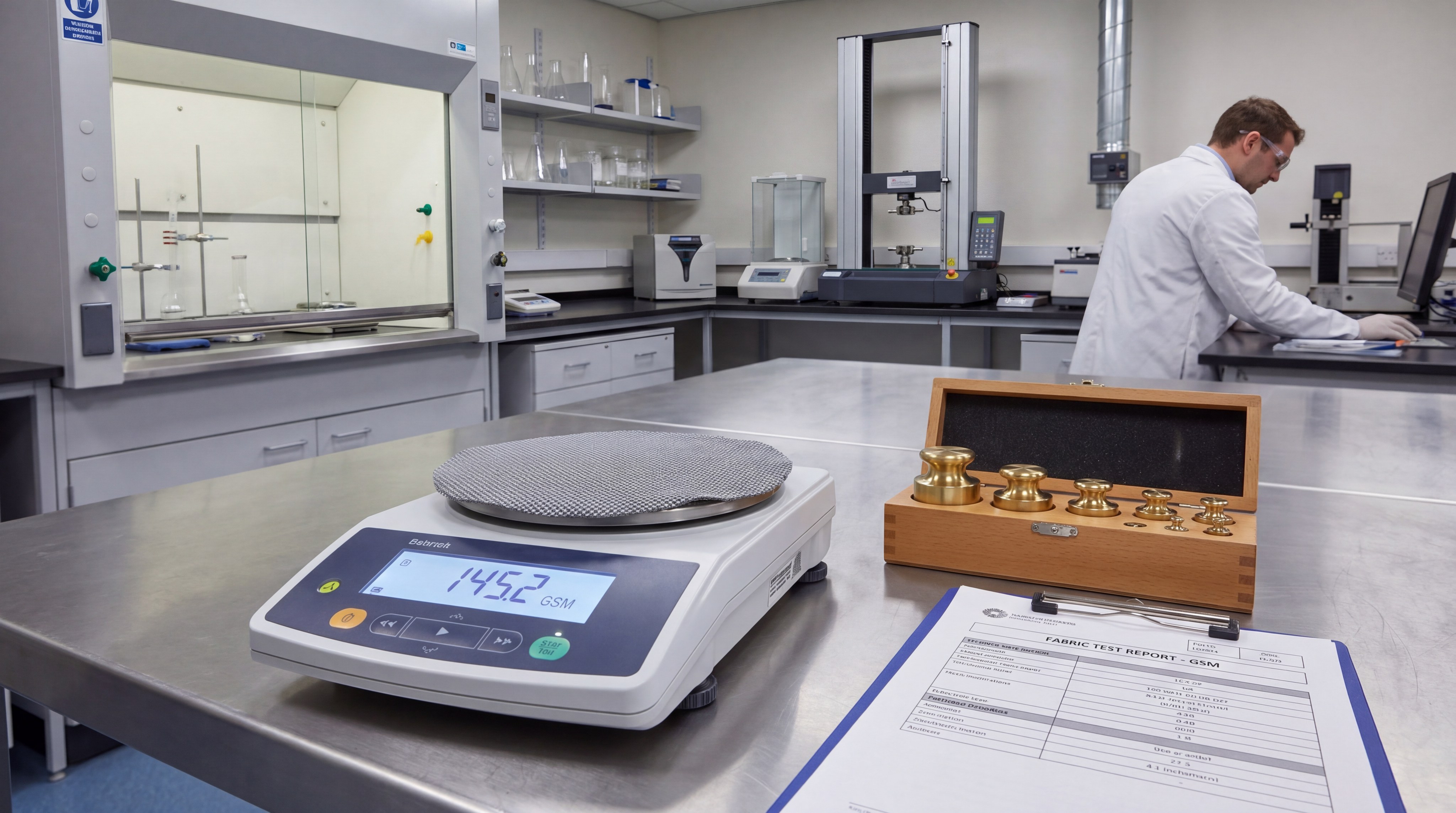
What are the hazards of heavy linings?
Heavy mesh linings absorb excessive sweat and cling to the athlete’s body, creating unnecessary weight drag. But here is the catch: as the garment sags, it saps the athlete’s energy and restricts fast movement.
You must avoid high-GSM interior meshes for sports that require quick vertical or horizontal agility.
- Increased physical fatigue
- Uncomfortable skin clinging
- Poor heat dissipation
Are ultra-light fabrics durable enough?
Sourcing ultra-light linings below 70 GSM can maximize breathability but risks premature tearing at the seams. Why does this matter? Contact sports will quickly rip fragile meshes, leading to costly quality complaints from team buyers.
You need to ensure lightweight meshes are knit on high-gauge warp machines for enhanced structural security.
- Risk of seam slippage
- Low puncture resistance
- Accelerated wear and tear
How do you balance GSM and durability?
Finding the sweet spot around 80 to 110 GSM delivers a lightweight feel while offering excellent structural support. And the best part? Modern warp-knit technologies allow factories to engineer high-strength meshes at reduced weights.
This balance ensures that your team uniforms look premium, feel light, and last through tough seasons.
- Optimized strength-to-weight ratio
- Reliable seasonal endurance
- Uninhibited athletic speed
Key Takeaway: Selecting the correct GSM prevents team wear from becoming heavy and sagging while safeguarding the uniform’s structural integrity.
| GSM Weight Category | Durability Rating | Breathability Performance | Recommended Sport Target | |
|---|---|---|---|---|
| Ultra-Light (< 80 GSM) | Low to Moderate | Exceptionally High | Track & field, running, non-contact | |
| Mid-Weight (80 – 120 GSM) | High | Very High | Basketball, soccer, warm-up jackets | |
| Heavy-Weight (> 120 GSM) | Maximum | Moderate | Gridiron football, ice hockey linings |
Refer to this weight specification table to choose the target GSM that matches your specific sports environment.
What performance finishes should you consider?
High-performance finishes like hydrophilic wicking, anti-microbial coatings, and anti-static agents transform basic synthetics into professional-grade sportswear. Applying specialized wicking and quick-drying finishes to your chosen Bird-eye mesh fabric for athletic lining dramatically improves moisture management and player comfort. These chemical and physical treatments ensure fibers perform under the most demanding on-field conditions.
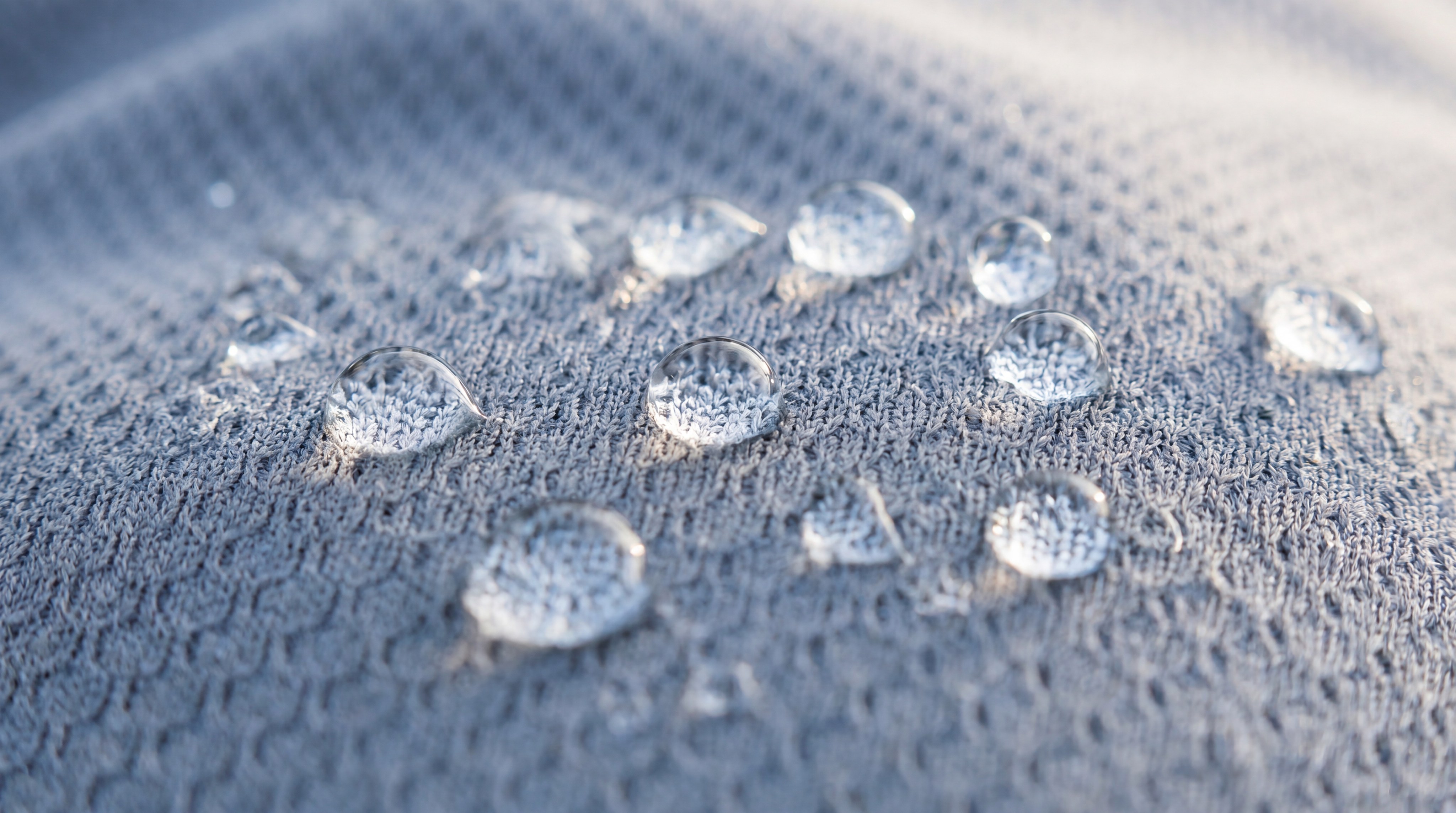
How does wicking treatment work?
Hydrophilic finishes change the surface energy of hydrophobic polyester fibers to pull moisture along the yarn channels. Think about it: instead of letting sweat pool on the skin, this treatment acts as an evaporator highway.
You will notice uniforms dry exponentially faster, keeping players light and focused.
- Hydrophilic surface conversion
- Accelerated surface evaporation
- Consistent dry-touch feel
Why are anti-microbial coatings vital?
Synthetic activewear is prone to trapping sweat and body oils, which can quickly breed odor-causing bacteria. Why does this matter? If team uniforms develop a persistent bad smell, buyers will switch to competing brands next season.
You should incorporate silver-ion treatments to disrupt bacterial growth and keep fabrics smelling fresh.
- Bacterial replication control
- Long-lasting garment freshness
- Protects fiber integrity
Do anti-static properties reduce cling?
Dry indoor courts and synthetic friction can generate annoying static electricity, causing linings to cling tightly to the legs. And the best part? Anti-static finishes dissipate these electrical charges, allowing fabrics to drape beautifully and glide over skin.
This finish ensures comfortable, distraction-free movement during high-velocity running and jumping.
- Static electricity dissipation
- Enhanced drape fluidity
- Smooth contact interface
Key Takeaway: Performance finishes enhance the performance of standard polyester mesh, ensuring players stay dry, fresh, and fully mobile.
| Finish Technology | Mechanical Action | Key Benefit | Longevity (Typical Wash Cycles) | |
|---|---|---|---|---|
| Hydrophilic Wicking | Lowers water surface tension | Rapid drying, zero skin cling | 30 – 50 washes (depends on quality) | |
| Silver-Ion Anti-Microbial | Disrupts bacterial cell walls | Odor prevention, freshness | 50+ washes / Permanent options available | |
| Anti-Static Finish | Dissipates static charges | Prevents cling, smooth drape | 20 – 30 washes |
Review these finish benefits to add value to your sportswear and outperform generic fabrics.
How do you evaluate stretch and recovery needs?
High-quality athletic linings use mechanical stretch from advanced warp knitting rather than fragile spandex to maintain long-lasting shape recovery. Sourcing the right Knitted fabric lining for sports apparel means finding the right balance of stretch and recovery. This ensures uniforms maintain their shape and support athletic movement without stretching out over time.
Why does mechanical stretch beat spandex?
Spandex fibers degrade rapidly when exposed to sweat, chlorine, and commercial laundry heat, losing their elasticity over time. But here is the catch: warp-knit mechanical stretch uses clever loop structures to provide flexibility without using heavy elastomer fibers.
You can design lighter, more durable linings that maintain their performance for seasons to come.
- Chemical-free elastic recovery
- Lightweight breathable comfort
- High resistance to degradation
How does recovery prevent uniform bagging?
Low-quality linings will stretch out during play but fail to spring back, leaving uniforms looking baggy and misshapen. Why does this matter? Sagging linings can catch on player pads and reduce the aerodynamic fit of the garment.
You must look for warp-knits with high recovery percentages to keep team uniforms looking sharp.
- Retains sharp tailored fit
- Prevents lining displacement
- Long-term aesthetic stability
Does warp knit outperform weft knit?
Warp-knit fabrics like tricot use a unique zig-zag loop structure that makes them exceptionally run-resistant. Think about it: if an athlete snags their lining on a zipper or protective gear, a warp-knit will lock the loop and prevent the run from spreading.
Weft circular knits run easily when snagged, making them far less durable for intense team sports.
- Run-resist loop configuration
- High-velocity tear lock
- Excellent flat-face comfort
Key Takeaway: Prioritizing warp-knit mechanical stretch over spandex ensures lightweight flexibility and long-lasting shape retention.
| Knit Architecture | Stretch Mechanism | Dimensional Recovery | Run-Resist Rating | |
|---|---|---|---|---|
| Warp Knit (Tricot/Raschel) | Interlooping structure | Excellent | Superior (No laddering/unraveling) | |
| Weft Knit (Circular Knit) | Loop-form mechanical | Good (relying on density) | Poor (runs easily if snagged) | |
| Spandex Blended Knit | Elastomeric fiber core | Maximum | Varies by knit structure |
Check these physical specs to choose a run-resistant structure that stands up to rugged athletic play.
Why source directly from Chinese manufacturers?
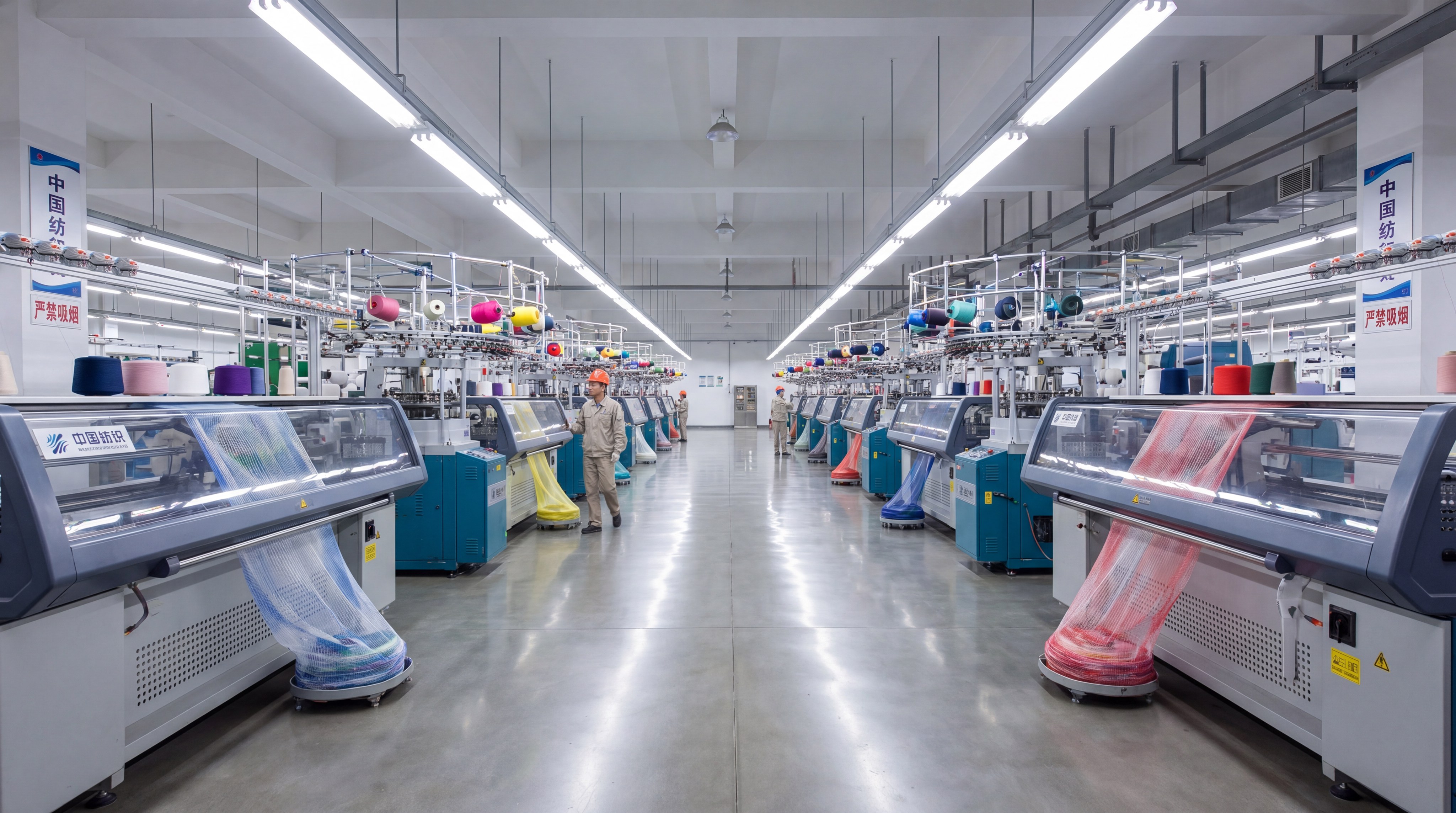
Sourcing directly from advanced factories in China eliminates middleman markups, gives you access to state-of-the-art knitting technology, and ensures consistent quality control. Working directly with a verified Performance athletic fabric factory in China gives you full control over customization options and offers competitive wholesale pricing. This direct relationship streamlines your supply chain and ensures your custom specifications are met perfectly.
How does direct sourcing lower unit costs?
Working with local trading agents and distributors adds significant markups to your fabric costs. And the best part? Sourcing factory-direct from a manufacturer with integrated knitting and dyeing operations passes those savings directly to your bottom line.
This helps you maximize your profit margins while offering competitive prices to sports teams.
- Eliminates middleman markups
- Direct volume pricing benefits
- Transparent cost breakdown
Can Chinese factories handle custom specs?
Leading Chinese manufacturers use advanced machinery, like Karl Mayer warp-knitting machines, to produce custom GSM weights and specialized performance finishes. Think about it: whether you need a custom-dyed athletic hue or a specific moisture finish, direct factory access makes it happen.
You can work directly with textile engineers to develop custom-performance fabrics that fit your brand.
- Precision machinery capabilities
- Custom dye-to-match services
- Engineered weight adjustment
What are the typical lead times?
Vertically integrated factories manage the entire process in-house, from raw yarn selection to final finishing, reducing shipping delays. Why does this matter? Fast turnaround on custom samples and reliable production schedules help you launch new collections on time.
You can plan your production timelines with confidence, knowing exactly when your fabric will arrive.
- Fast prototype sample turnaround
- Integrated in-house scheduling
- Streamlined global logistics
Key Takeaway: Partnering with an integrated Chinese factory ensures you get competitive pricing, advanced fabric customization, and reliable lead times.
| Procurement Vector | Direct Chinese Factory Sourcing | Local Sourcing Middlemen | Risk & Opportunity Profile | |
|---|---|---|---|---|
| Unit Price (FOB) | Lowest (Direct Cost) | High (20 – 40% Markup) | Direct sourcing saves significant margin | |
| Customization Depth | Unlimited GSM/Finish options | Limited to stock catalogs | Factory-direct allows custom engineered specs | |
| Communication Path | Direct with factory engineers | Through salesperson | Direct avoids specs getting lost in translation |
Review this supply chain comparison to see how factory-direct sourcing can improve your margins and product options.
How do you test mesh lining quality before bulk?
Running pre-production laboratory tests on key performance metrics prevents expensive batch rejections and ensures long-lasting garments. Testing your chosen Football team uniform lining fabric for color fastness, shrinkage, and strength before starting bulk production protects your brand’s reputation. This rigorous quality check ensures the finished sportswear performs reliably under intense game conditions.
How is burst strength evaluated?
The Mullen Burst Test (ASTM D3786) measures the amount of pressure a fabric can handle before tearing. But here is the catch: if your interior lining fails under sudden physical impact, the seams will blow out during the game.
You must ensure your athletic lining meets high burst standards to withstand aggressive play.
- ASTM D3786 test standard
- Measures peak bursting pressure
- Prevents blowout failures
What tests measure color fastness?
Sportswear often combines contrasting colors, making it vital to test the lining so dark dyes don’t bleed onto light outer panels during washing. Think about it: a vibrant red lining bleeding into a white jersey will ruin the entire team’s look.
You should test for color fastness under washing, rubbing, and sweat to keep colors looking crisp.
- AATCC 61 washing standards
- Crocking resistance evaluation
- Prevents color bleeding issues
How is shrinkage tested post-washing?
Mismatched shrinkage rates between the lining and the outer fabric can cause ugly puckering and twisting at the seams after washing. Why does this matter? If your lining shrinks more than the outer shell, the uniform will look distorted and fit poorly.
You must test for dimensional stability to ensure both fabrics shrink evenly and maintain their shape.
- AATCC 135 shrinkage test
- Checks dimensional stability
- Keeps seams smooth and flat
Key Takeaway: Performing strict pre-production lab tests protects your investment and ensures your garments meet professional athletic standards.
| Critical Lab Test | Industry Test Standard | Target Passing Threshold | Operational Risk of Failure | |
|---|---|---|---|---|
| Mullen Bursting Strength | ASTM D3786 / ISO 13938 | > 180 kPa (dependent on GSM) | Premature tearing and blowout at seams | |
| Colorfastness to Washing | AATCC 61 / ISO 105-C06 | Grade 4.0 or higher | Lining bleeds and ruins contrast outer panels | |
| Dimensional Stability | AATCC 135 / ISO 6330 | < ±3.0% warp and weft change | Garment twisting, puckering, and uneven hems |
Use these testing guidelines as your standard quality check to ensure every batch of fabric meets your high standards.
Frequently asked questions about mesh linings?
Sourcing mesh linings requires clear technical guidelines to ensure seamless production and long-lasting garments. Our technical team has compiled answers to the most common questions from sportswear brand owners and purchasing managers. Sourcing the right Knitted fabric lining for sports apparel often raises important technical and practical questions.
Can I sublimate mesh lining with the outer shell?
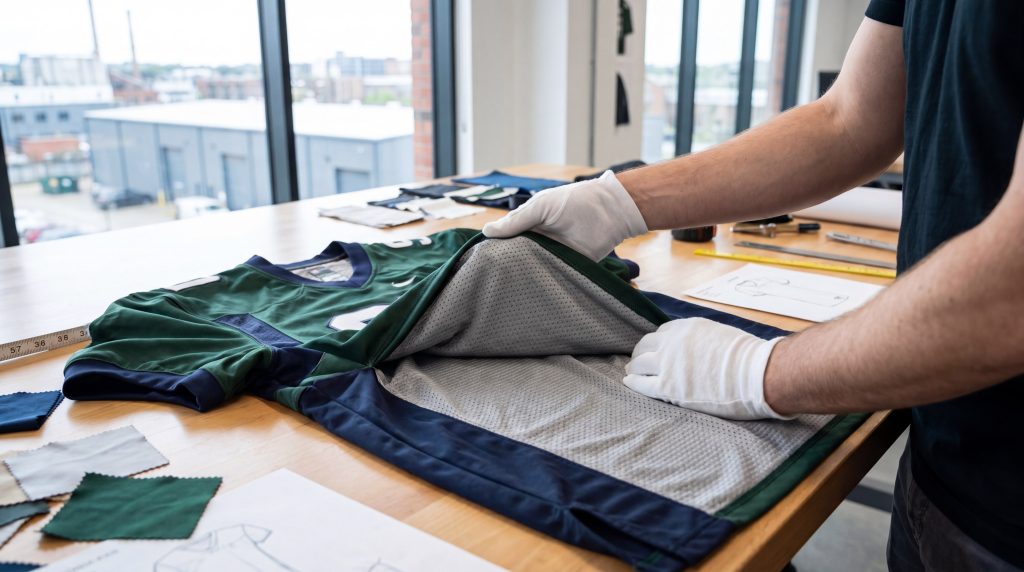
Yes, you can sublimate mesh linings as long as they are made of 100% polyester. Because mesh has an open structure, the color may look slightly lighter than on flat fabrics, so you should calibrate your sublimation settings specifically for mesh.
What is the best GSM range for high-contact sports?
The ideal weight is between 110 and 130 GSM for heavy contact sports. This range provides the strength and durability needed to handle pad friction without adding bulk or slowing down players.
How do I prevent mesh lining from snagging?
You can easily prevent snagging by washing garments inside out or using commercial wash bags. Keeping mesh away from exposed zippers, hooks, or Velcro during washing protects the fine knit loops.
Are anti-microbial treatments permanent?
No, topical anti-microbial treatments are not permanent and usually start to degrade after 30 to 50 washes. For a permanent solution, you should choose fabric made with silver-ion additives embedded directly into the polymer during fiber extrusion.
What is the typical MOQ from a Chinese factory?
Custom-dyed fabrics usually require a minimum order of 500 to 1,000 meters per color. If you use standard stock colors or gray goods in process, factories can often accommodate much lower MOQs.
Conclusion
Selecting the perfect interior mesh lining is essential for producing high-quality team uniforms that perform under pressure. By balancing fiber selection, choosing the right knit pattern, and applying targeted finishes, you can create garments that keep athletes cool, dry, and comfortable. If you are ready to scale your activewear production with reliable, high-performance fabrics, contact us today to request a custom sample pack or a direct factory quote.
As a vertically integrated manufacturer, FUZHOU HG TEXTILE CO., LTD (MAKITAPE) handles everything in-house—from knitting to dyeing—ensuring consistent quality and competitive wholesale prices. We solve common sourcing issues like high MOQs, long lead times, and color matching, helping sportswear brands grow with confidence. Our vision is to elevate global athletic apparel through advanced technical textiles, delivering premium performance fabrics to partners around the world.