
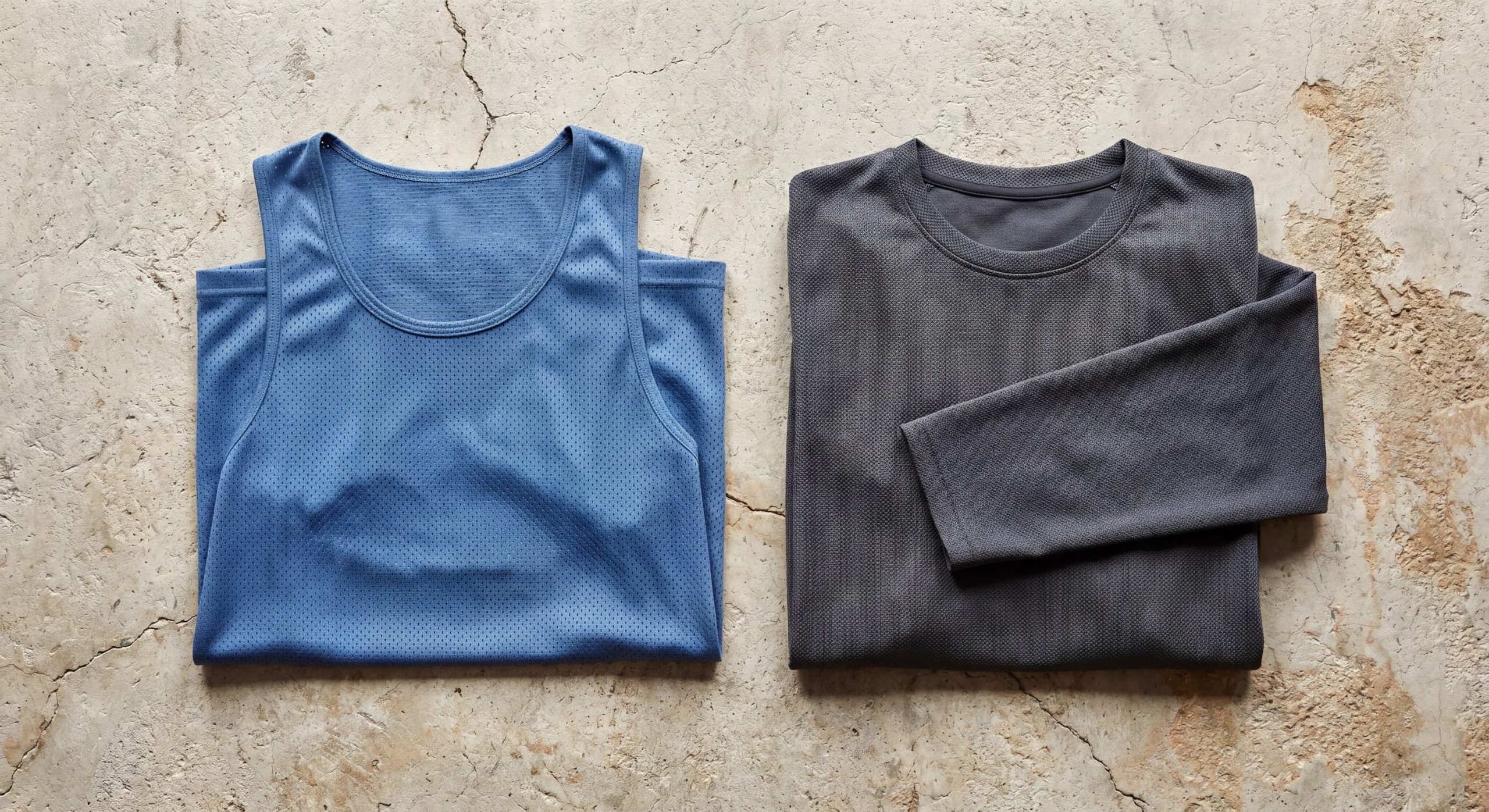
Selecting the best mesh lining for jerseys depends entirely on your performance goals, where Bird-eye mesh fabric offers superior breathability and weight reduction, while pique mesh fabric provides unmatched durability and structured aesthetic appeal. Sourcing the perfect jersey lining is a balancing act; choosing a fabric that looks premium but performs poorly under athletic strain can ruin an entire production run. A lining that chafes, traps moisture, or snags easily leads to negative athlete feedback, brand erosion, and costly post-production returns. We provide an engineering-grade breakdown of physical weight, tensile strength, moisture management, and dye properties to help you select the ideal mesh lining for your next high-performance sportswear line.
Is Bird-eye mesh fabric softer than pique mesh fabric?
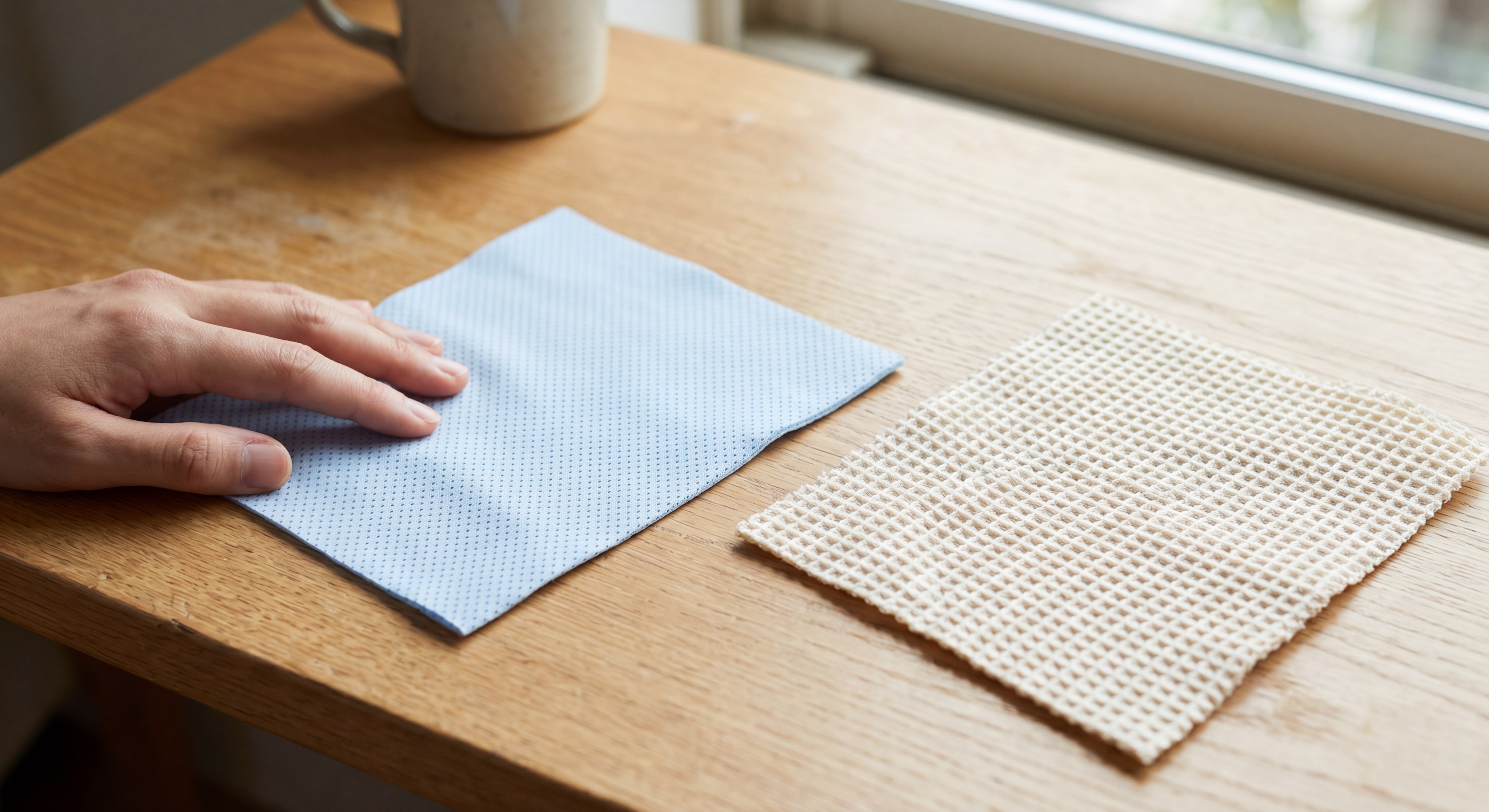
Yes, Bird-eye mesh fabric features a flatter, double-knit surface that feels significantly softer against bare skin than the textured, cellular weave of pique mesh fabric. This physical knitting process directly affects the hand-feel, contrasting smooth, continuous loops against raised, geometric ridges. Tactile comfort is paramount when selecting linings for garments worn directly next to the skin.
Tactile Surface Differences
The unique loop configurations of both fabrics define their physical touchpoints under pressure. Bird-eye fabric utilizes a flatter double-knit construction that remains flush with the skin, minimizing contact points. But that is not all. The raised cells of pique mesh create a three-dimensional pattern that is naturally crisper.
- Bird-eye profile: Smooth, flat, and non-abrasive.
- Pique profile: Waffle-textured, structured, and high-friction.
Comfort During High-Movement Sports
During high-repetition movement, fabric friction can cause severe skin irritation and chafing. Bird-eye mesh glides effortlessly across skin surfaces, maintaining an exceptionally low friction coefficient. Here is the catch: pique mesh can feel too abrasive if used as an unlined interior layer in high-motion zones.
Key Takeaway: For garments worn directly against the skin without an undergarment, bird-eye mesh is the superior choice to eliminate friction-induced chafing.
| Metric | Bird-eye Mesh Fabric | Pique Mesh Fabric | |
|---|---|---|---|
| Surface Texture | Smooth, flat micro-eyelets | Raised geometric waffle/honeycomb | |
| Skin Friction Coeff. | Very Low | Moderate | |
| Primary Comfort Use | Direct skin-contact linings | Outer shells / Structured linings |
Analytical Guide: While tactile softness defines immediate comfort, how these fabrics manage moisture under physical exertion determines their long-term athletic performance.
How do Bird-eye mesh fabric and pique mesh fabric dry?
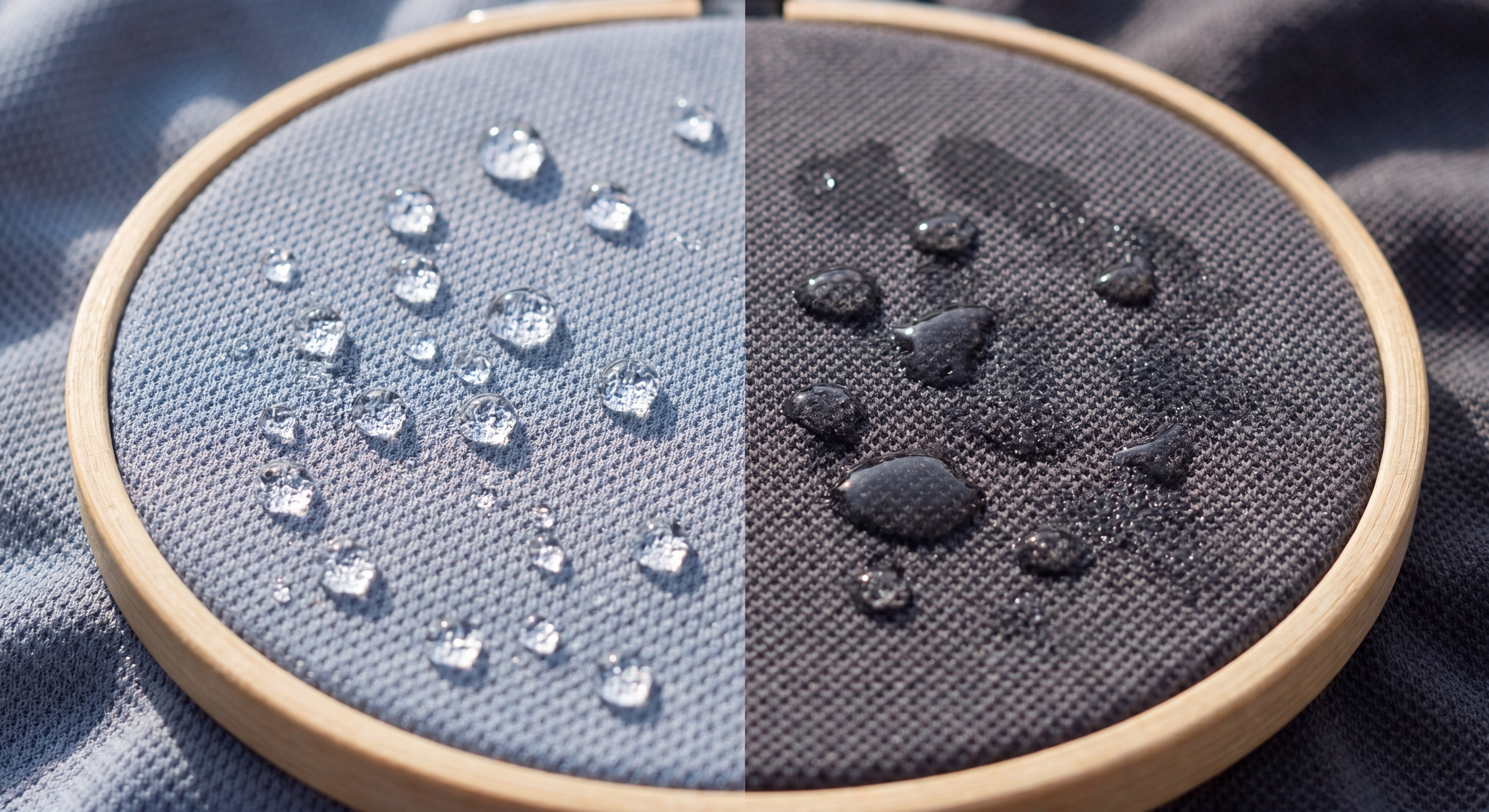
Bird-eye mesh fabric dries considerably faster due to its engineered open-eyelet structure which accelerates capillary action and wicking speed, whereas pique mesh fabric retains moisture longer within its dense, double-layer geometric cells. Discussing the physics of evaporation is critical when choosing high-performance sports fabric options that affect thermal comfort. The capillary pathway differences between a flat eyelet and a raised double-knit dictate moisture movement.
Capillary Action and Wicking Speed
The circular knit “eyes” of the bird-eye structure pull water away from the skin immediately, spreading it across a wide surface area. In contrast, the deeper honeycombs of pique absorb water into pockets before releasing it slowly. It gets better: rapid moisture wicking prevents the fabric from clinging to wet skin during extreme workouts.
- Bird-eye wicking: Fast lateral dispersion through micro-cavities.
- Pique wicking: Vertical absorption with localized moisture pooling.
Evaporative Cooling Efficiency
Airflow interaction with wet fibers determines the rate of evaporative cooling. Bird-eye mesh permits high air-permeability, accelerating the latent heat of vaporization to cool the athlete. Here is the critical part: pique’s bulkier knit restricts airflow slightly, slowing down the overall drying process.
Key Takeaway: Bird-eye mesh maximizes active evaporative cooling, making it essential for hot-weather training jerseys.
| Performance Metric | Bird-eye Mesh Fabric | Pique Mesh Fabric | |
|---|---|---|---|
| Wicking Speed | Rapid capillary draw | Moderate absorption | |
| Drying Time | Ultra-Fast | Moderate to Slow | |
| Airflow Permeability | High | Moderate |
Analytical Guide: Moisture transport efficiency directly correlates with the mechanical elasticity needed for dynamic athletic movements.
Does Bird-eye mesh fabric stretch like pique mesh fabric?
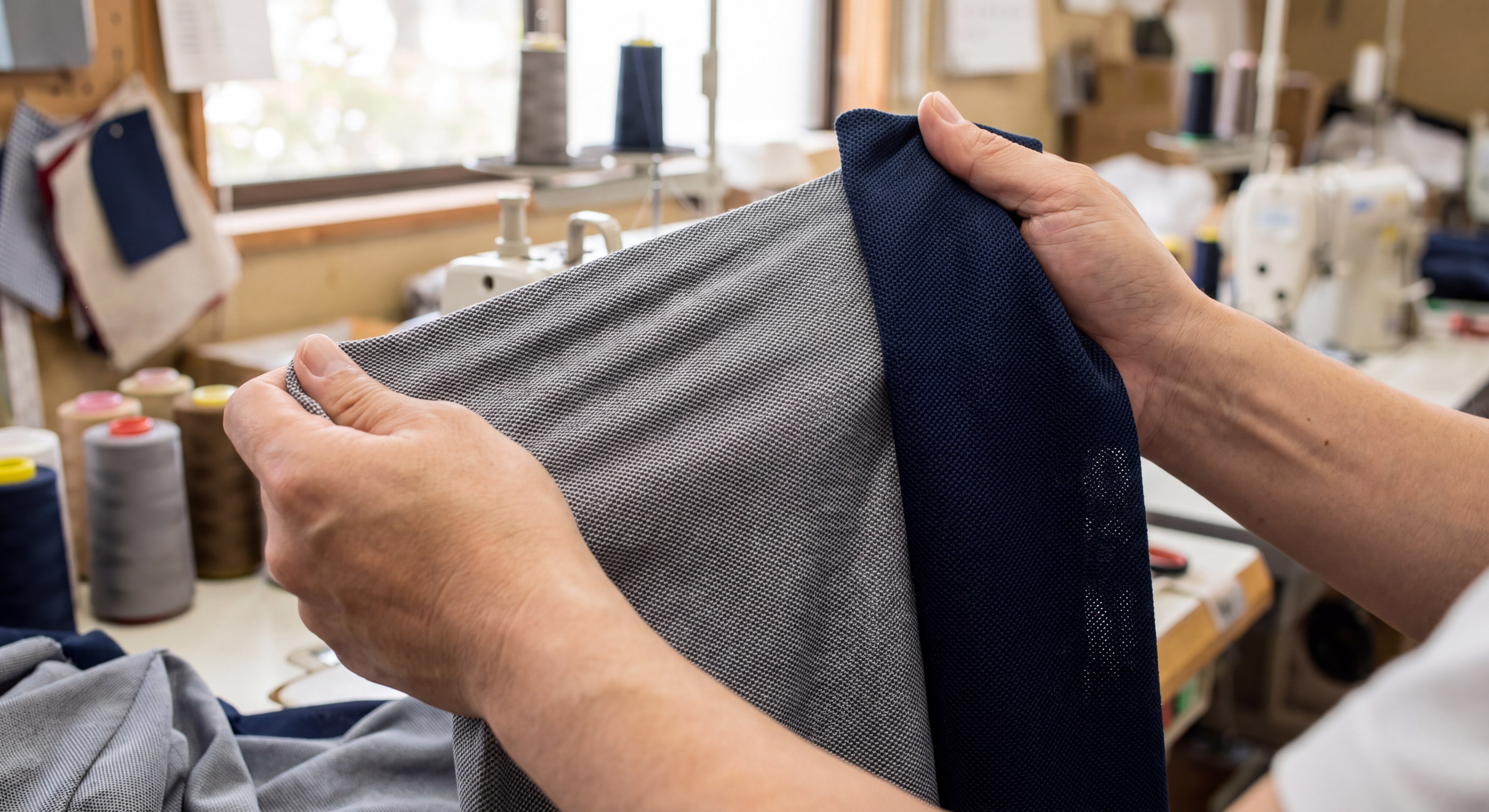
No, Bird-eye mesh fabric provides significantly higher multi-directional stretch and elastic recovery than pique mesh fabric, which is inherently stiffer and offers only limited horizontal stretch with minimal vertical give. Sourcing high-stretch options is critical when designing sportswear that requires uninhibited physical movement. This structural elasticity dictates how patterns are drafted and sized during apparel manufacturing.
Elasticity in Multi-Directional Knits
The loose knit loops of bird-eye patterns allow for outstanding 4-way flexibility without requiring high spandex percentages. This means garments move in harmony with the athlete’s body during high-intensity maneuvers. But that is not all. Pique’s rigid, interlocked cells lock the yarns in place, limiting mechanical stretch.
- Bird-eye flexibility: High mechanical stretch in warp and weft.
- Pique flexibility: Stiff, structural limit with minimal horizontal yield.
Shape Retention and Bagging Resistance
Garments must maintain their original shape after repeated stretches and high tensile strain. Pique mesh shines in holding a crisp, clean drape that resists sagging at the elbows or collar over long periods of wear. Here is the catch: bird-eye offers great recovery but can warp under excessive weight.
Key Takeaway: Use bird-eye for compression and form-fitting athletic gear, but opt for pique when a stable, structured garment shape is required.
| Stretch Property | Bird-eye Mesh Fabric | Pique Mesh Fabric | |
|---|---|---|---|
| Horizontal Stretch | High (40% – 60%) | Moderate (15% – 25%) | |
| Vertical Stretch | Moderate to High | Low | |
| Recovery Stability | Excellent | Superior shape retention |
Analytical Guide: Structural elasticity properties have a direct, measurable influence on the finished weight and density of the jersey lining.
Is Bird-eye mesh fabric lighter than pique mesh fabric?
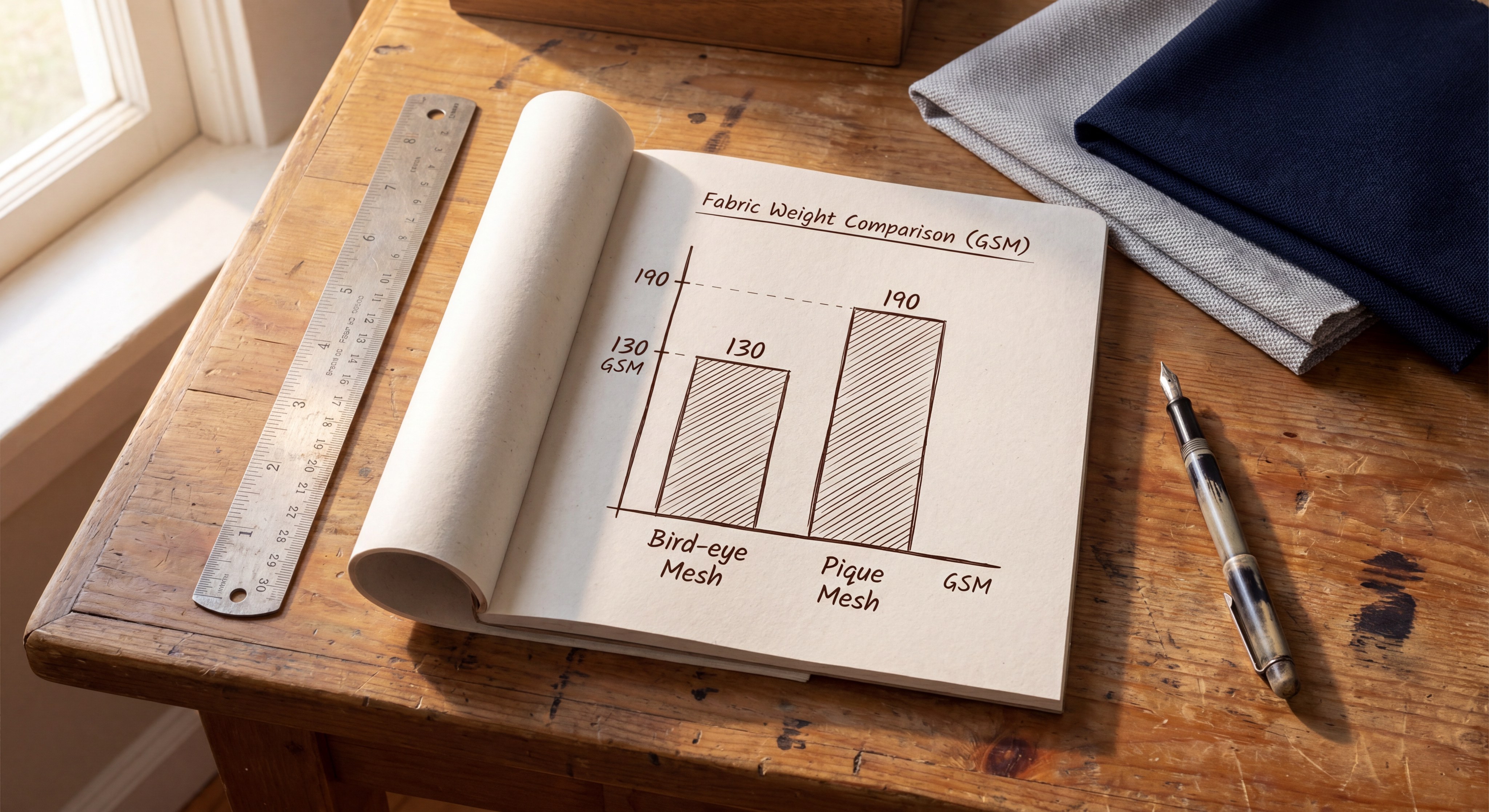
Yes, Bird-eye mesh fabric is typically lighter, ranging from 120 to 150 GSM, compared to pique mesh fabric, which usually weighs between 160 and 220 GSM due to its dense, double-knit dimensional structure. Minimizing weight is crucial for activewear fabric choices where every gram counts toward athlete performance. The knit structure and yarn density are the primary factors determining finished roll weight.
Grams per Square Meter Comparison
Low-GSM linings are preferred for high-performance jerseys because they prevent bulk and allow maximum breathability. The open spaces in the bird-eye knit pattern save significant raw material weight, reducing bulk. It gets better: a lighter lining translates directly to a lower total garment weight.
- Bird-eye GSM: 120 – 150 (ultra-light performance standard).
- Pique GSM: 160 – 220 (medium-weight structured standard).
Lightweight Lining Performance Benefits
Heavy linings trap moisture, which quickly increases sweat weight during endurance sports and accelerates athlete fatigue. Bird-eye mesh retains very little water, keeping the jersey lightweight even during intense perspiration. Here is the critical part: pique’s dense cells can hold onto moisture, compounding the weight difference during activity.
Key Takeaway: Bird-eye mesh lining keeps total garment weight minimal, making it the ideal selection for competitive running and marathon singlets.
| Weight Characteristic | Bird-eye Mesh Fabric | Pique Mesh Fabric | |
|---|---|---|---|
| Typical GSM Range | 120 – 150 GSM | 160 – 220 GSM | |
| Yarn Density | Low to Medium | High | |
| Wet Weight Increase | Minimal water retention | High retention weight |
Analytical Guide: Fabric weight and density parameters also influence how effectively these materials absorb dye molecules during high-temperature printing processes.
Should you dye Bird-eye mesh fabric or pique mesh fabric?
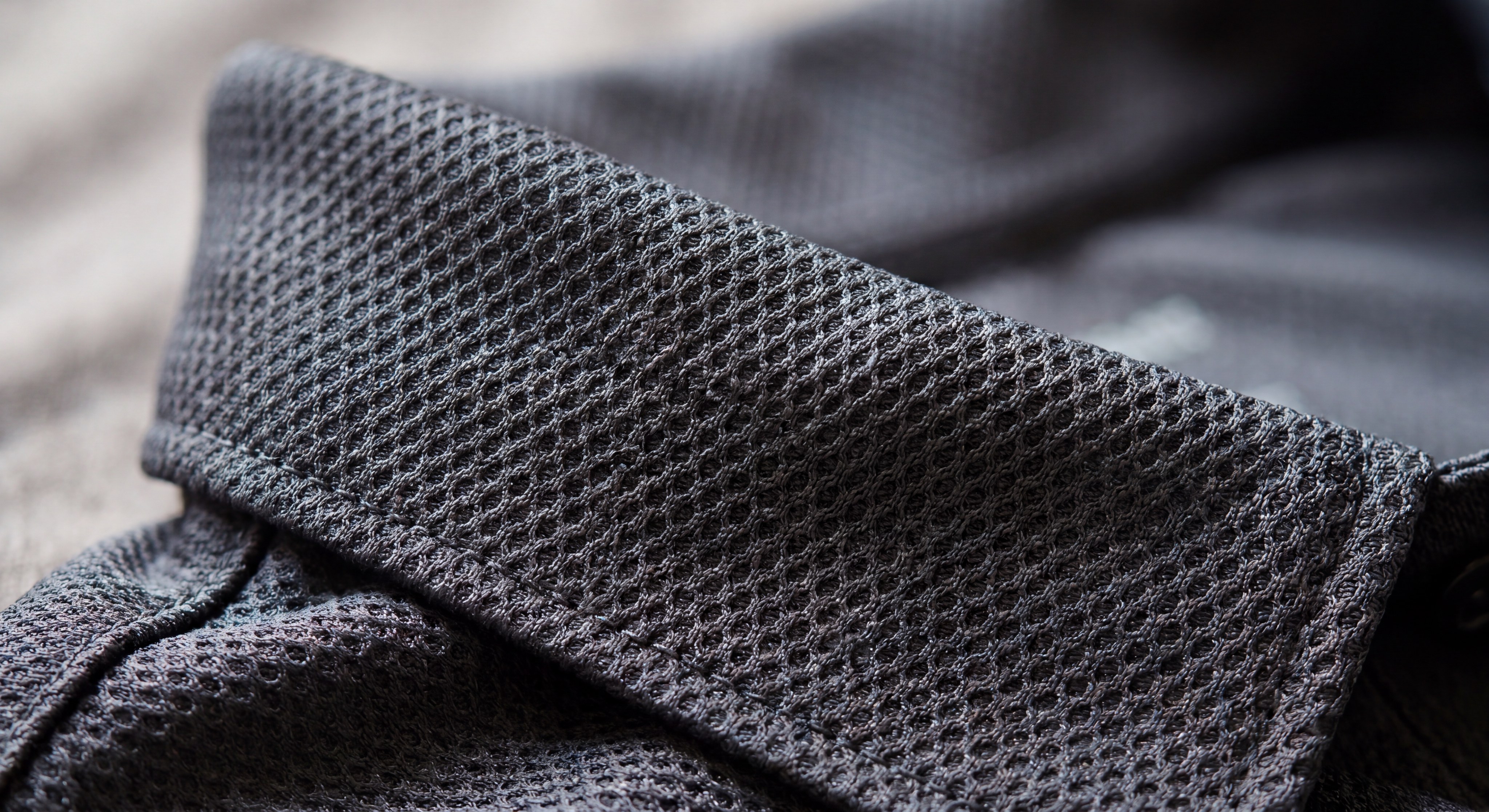
Both fabrics take dye exceptionally well, but pique mesh fabric yields deeper, more saturated solid colors due to its high fabric density, while Bird-eye mesh fabric is far better suited for sharp, vibrant sublimation printing. Choosing the right sports fabric dye method ensures consistent visual appeal and prevents post-wash bleeding. The textured peaks and valleys of pique create unique microscopic shadows that enrich solid color depths.
Sublimation and Print Clarity
Flat surfaces are necessary for clean, distortion-free paper-transfer sublimation printing. Bird-eye’s uniform, flat micro-eyelet face allows sublimation inks to transfer with absolute precision and clarity. But that is not all. Printing on pique’s deep textured surface can cause ink gaps and pixelation.
- Bird-eye printability: Highly flat, perfect for complex team graphics.
- Pique printability: Textured, prone to minor color breaks and print voids.
Color Fastness and Wash Resistance
Sourcing colorfast fabrics prevents color migration during high-temperature industrial laundering cycles. Pique’s dense knit locks in dyestuffs deep within its fiber core, ensuring outstanding longevity. Here is the catch: sublimation prints on bird-eye must be properly cured to avoid premature fading.
Key Takeaway: Choose bird-eye for complex, multi-color sublimation team designs, and pique for clean, high-end solid colored apparel.
| Aesthetic Variable | Bird-eye Mesh Fabric | Pique Mesh Fabric | |
|---|---|---|---|
| Sublimation Quality | Crisp, highly detailed | Distorted by deep textures | |
| Solid Color Depth | Standard saturation | Deep, rich dimensional tones | |
| Texture Shadow Effect | None (Flat appearance) | High (Adds visual richness) |
Analytical Guide: Visual appeal must be matched with physical durability to survive the harsh abrasions of competitive contact sports.
How do Bird-eye mesh fabric and pique mesh fabric wear?
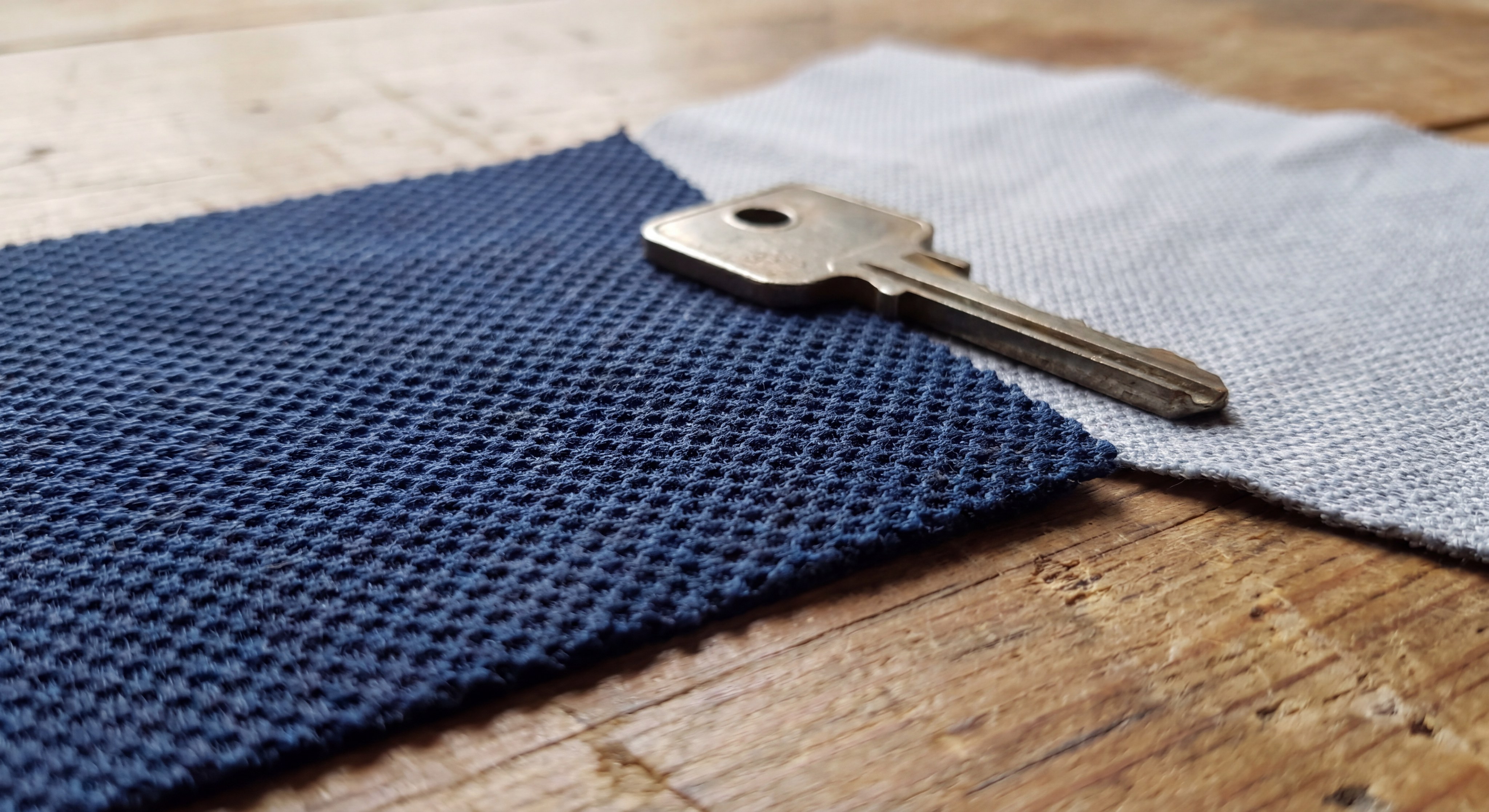
Pique mesh fabric is significantly more durable and wear-resistant because its interlocking double-knit pattern protects against snags and surface abrasion better than the delicate eyelet structure of Bird-eye mesh fabric. When specifying functional fabric linings, B2B buyers must evaluate abrasion resistance to maximize garment life cycles. The stable, tuck-stitch architecture of pique protects the yarns from physical stress.
Snagging Resistance in High-Contact Sports
High-contact athletics expose linings to severe snagging hazards from Velcro, fingernails, or gear. Pique’s tightly interlocked loop structure prevents individual fibers from being pulled easily out of alignment. Here is the critical part: bird-eye’s open micro-apertures are more vulnerable to catching and snagging.
- Bird-eye snag profile: Moderate risk due to exposed eyelet loops.
- Pique snag profile: Outstanding resistance with locked-in stitches.
Abrasion Resistance and Pilling Control
Continuous friction from backpacks, gear, or outer shells can cause rapid pilling on the lining face. Pique consistently scores higher on Martindale abrasion tests, maintaining its clean appearance over multiple seasons of intense play. It gets better: pique’s textured weave masks minor surface wear, preserving garment aesthetics.
Key Takeaway: For rugged, high-contact sports like rugby, hockey, or lacrosse, pique mesh lining offers the durability required to prevent premature garment failure.
| Durability Metric | Bird-eye Mesh Fabric | Pique Mesh Fabric | |
|---|---|---|---|
| Snag Resistance | Moderate (Vulnerable eyelets) | Excellent (Locked tuck stitches) | |
| Pilling Grade (Martindale) | Grade 3-4 | Grade 4-5 | |
| Tear Strength | Medium | High |
Analytical Guide: The difference in mechanical durability is a key driver of production and procurement costs for bulk manufacturing.
Is Bird-eye mesh fabric cheaper than pique mesh fabric?

Generally, Bird-eye mesh fabric is more cost-effective to produce and purchase in bulk than pique mesh fabric because it requires lower yarn mass and has a faster machine knitting rate. Procurement managers must analyze the raw material costs and manufacturing speed to balance their production budgets. The simpler double-knit eyelet setup reduces overall knitting time and machine wear.
Raw Material and Knitting Efficiency
Circular knitting machine setups dictate the production cost per kilogram of finished fabric rolls. Bird-eye mesh uses less yarn mass per square meter, meaning more yardage per roll for the same weight. But that is not all. Pique’s complex tuck-and-float knitting cycle runs slower, driving up labor and machine hours.
- Bird-eye efficiency: Highly rapid circular knitting with low yarn consumption.
- Pique efficiency: Moderate speed with complex tuck setups.
Total Cost of Ownership in Bulk Production
When manufacturing thousands of jerseys, slight material savings dramatically reduce total cost of goods sold. Sourcing the lighter bird-eye variant yields major savings on shipping weights and custom duty fees. Here is the catch: pique remains a premium fabric option that commands higher retail prices.
Key Takeaway: Sourcing managers on tight budgets can significantly reduce bill-of-materials costs by selecting bird-eye mesh over pique without sacrificing basic athletic functionality.
| Economic Parameter | Bird-eye Mesh Fabric | Pique Mesh Fabric | |
|---|---|---|---|
| Production Speed | High (Highly efficient) | Moderate (Complex setup) | |
| Yarn Consumption | Lower (Less mass per m²) | Higher (Denser knit structure) | |
| Relative Wholesale Price | Cost-Effective ($) | Premium ($$) |
Analytical Guide: While production costs sway initial sourcing budgets, physical performance requirements like heat retention cannot be overlooked.
Can Bird-eye mesh fabric match pique mesh fabric warmth?
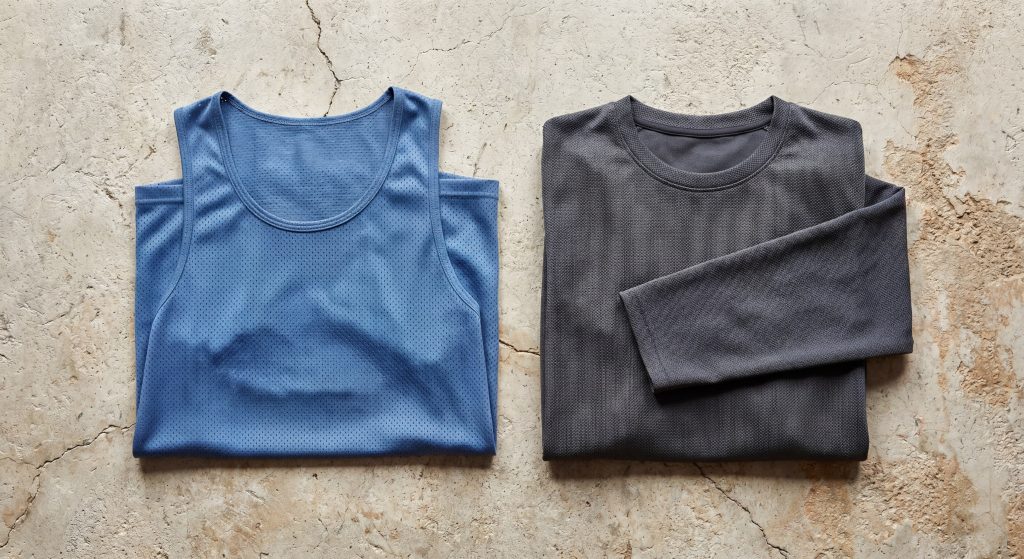
No, Bird-eye mesh fabric cannot match the thermal retention of pique mesh fabric because its high air permeability rapidly vents heat, whereas the raised geometric cells of pique act as dead-air chambers that trap body warmth. Sourcing appropriate linings requires matching fabric thickness with the seasonal climate of your target market. The heat conservation profiles of these two fabrics dictate their target temperature zones.
Air Permeability and Wind Resistance
The direct-path micro-holes of bird-eye fabric offer almost zero resistance to incoming breezes, keeping athletes cool. Pique’s offset, raised knitting pathways create a natural barrier that buffers moderate wind chill. It gets better: pique’s structure blocks cool drafts while maintaining excellent skin breathability.
- Bird-eye wind resistance: Very low (focuses on maximum cooling).
- Pique wind resistance: Low to moderate (focuses on transitional warmth).
Microclimate Heat Retention
Athletic linings must manage the temperature of the microclimate layer of air trapped against the skin. Pique’s textured face holds a thin pocket of stagnant, warm air, protecting the body from cold weather. Here is the critical part: bird-eye vents this warm layer instantly to prevent heat buildup.
Key Takeaway: Choose pique mesh linings for transitional or cool-weather training jackets to provide a buffer against low temperatures.
| Thermal Factor | Bird-eye Mesh Fabric | Pique Mesh Fabric | |
|---|---|---|---|
| Thermal Insulation | Low (Vents heat instantly) | Moderate (Traps dead air) | |
| Wind Blocking | Extremely Low | Moderate | |
| Best Seasonal Use | Hot Summer / Indoor High-Intensity | Cool Spring / Crisp Autumn |
Analytical Guide: Beyond temperature management, sports garments must maintain high health and safety standards for the wearer’s skin.
Is Bird-eye mesh fabric safer than pique mesh fabric?
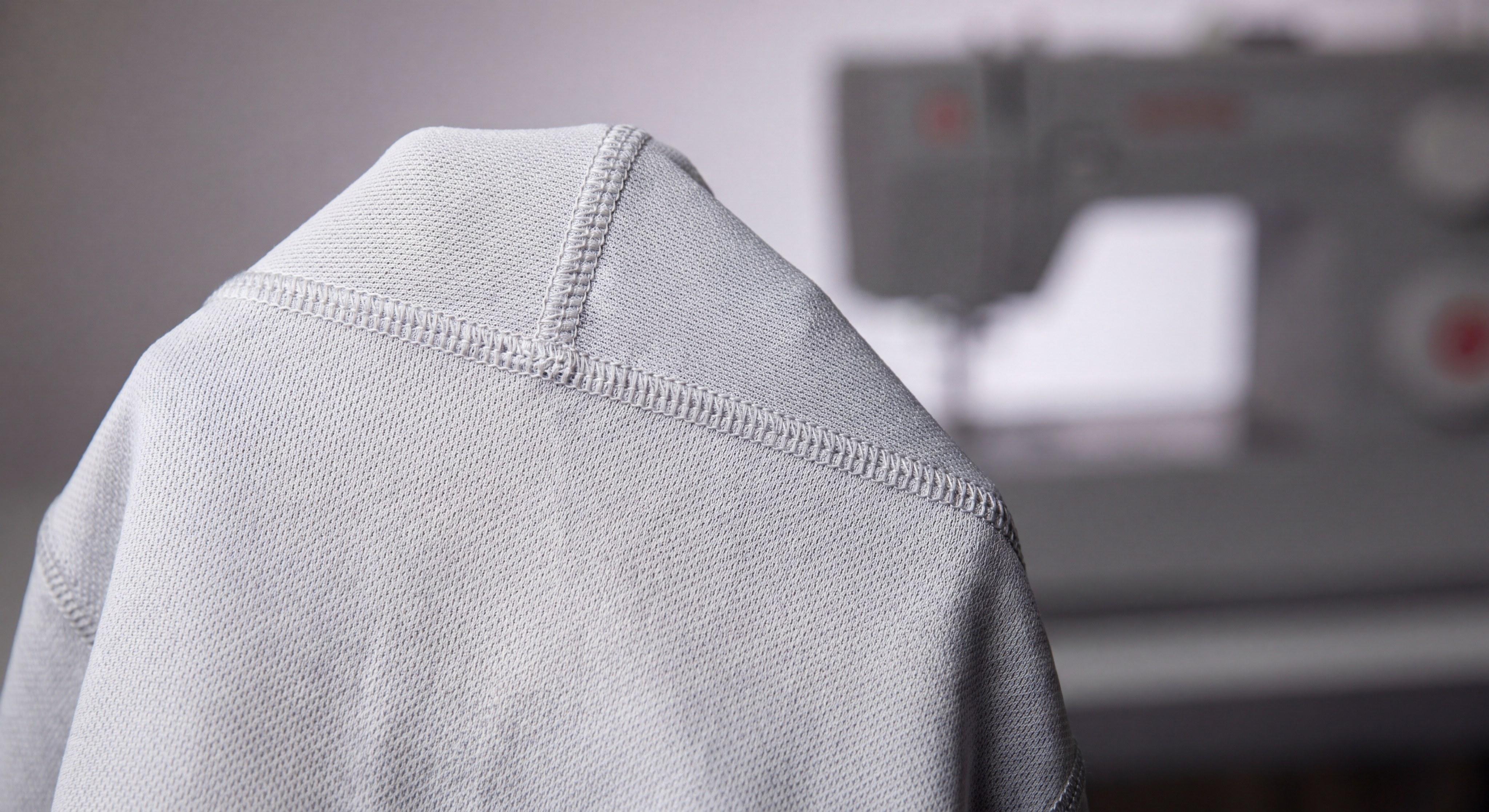
Both fabrics are chemically and physically safe when manufactured to modern standards, but Bird-eye mesh fabric offers a slight hypoallergenic safety advantage because its flat surface reduces mechanical skin friction and chafing during high-repetition movement. Sourcing certified functional fabric options ensures your sportswear meets strict global safety standards. The mechanical non-abrasiveness of a lining is crucial for athletes with highly sensitive skin.
Friction Reduction and Chafing Prevention
Wet synthetic fabrics rubbing against warm skin can cause painful runner’s nipple and underarm chafing during marathons. Bird-eye’s smooth gliding action prevents skin irritation by dispersing pressure uniformly over the body. But that is not all. Pique’s textured ridges can act like micro-abrasives under continuous wet friction.
- Bird-eye chafing risk: Very low (highly recommended for high-repetition sports).
- Pique chafing risk: Moderate (requires smooth seams or undergarments).
Antibacterial and Odor Retention Properties
Bacteria thrive in warm, damp fabric crevices, producing unpleasant odors that stick to polyester fibers over time. Bird-eye’s rapid drying time leaves no moisture window for odor-causing bacteria to multiply. Here is the catch: pique’s deeper cell structure can trap sweat and bacteria if not washed promptly.
Key Takeaway: Bird-eye mesh is the safer choice for high-sweat, continuous-motion wear where preventing skin chafing is a priority.
| Dermal Metric | Bird-eye Mesh Fabric | Pique Mesh Fabric | |
|---|---|---|---|
| Mechanical Friction | Minimal (Soft gliding action) | Moderate (Textured contact) | |
| Bacterial/Odor Retention | Low (Dries too fast to breed) | Moderate (Pockets hold sweat) | |
| Chafing Risk Level | Low | Moderate |
Analytical Guide: Understanding these physical properties allows manufacturers to match the correct fabric with the right consumer demographic.
Who buys Bird-eye mesh fabric versus pique mesh fabric?
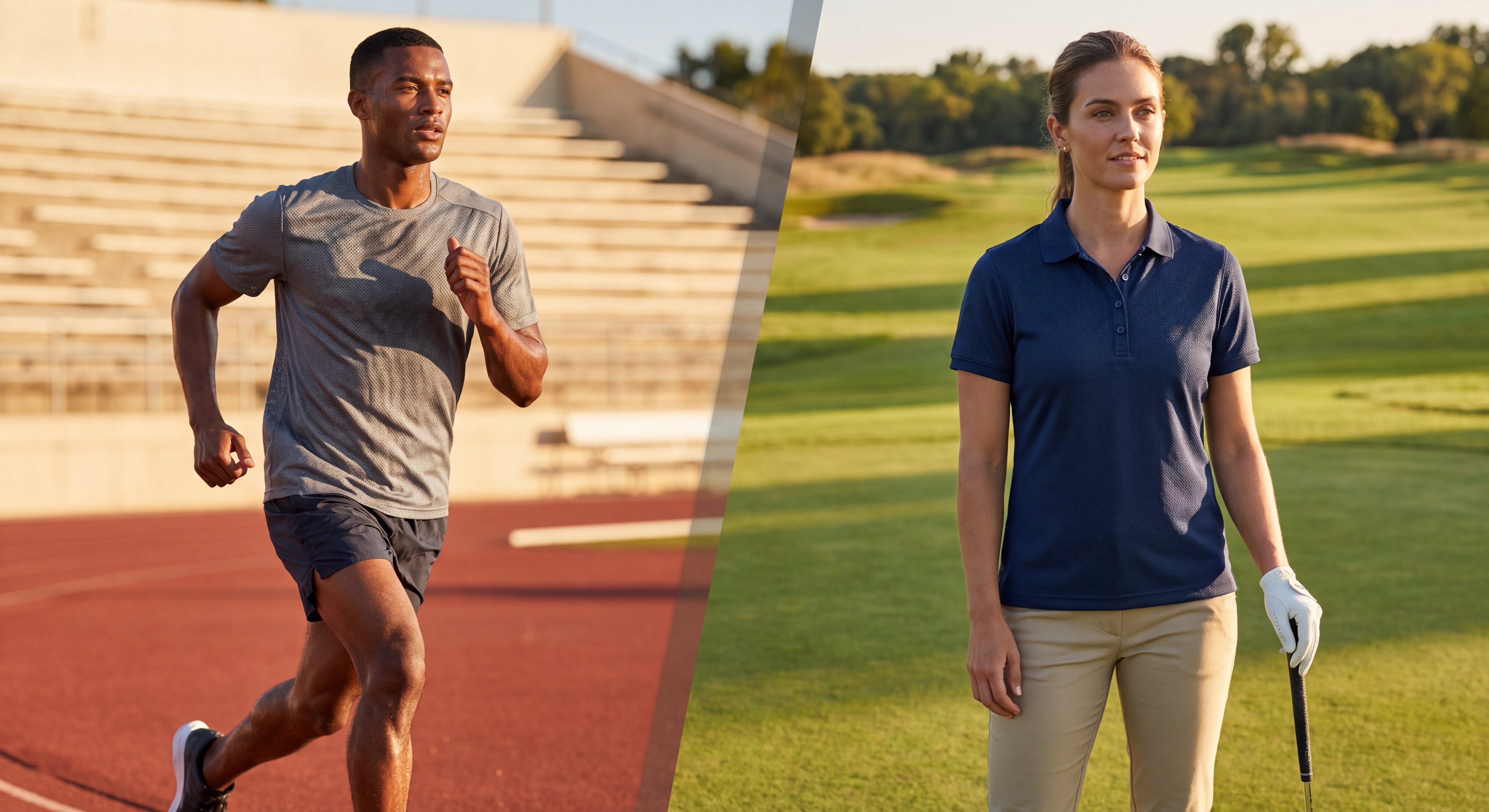
Marathon, basketball, and track-and-field brands buy Bird-eye mesh fabric for its cooling properties, whereas golf, tennis, and upscale corporate activewear brands favor pique mesh fabric for its structured, premium polo-style aesthetic. Sourcing the correct fabric lining aligns your finished products with consumer expectations in each sport sector. Brand positioning and retail price points guide designers in choosing their raw materials.
Market Segmentation and Sport Types
Sportswear brands segment their offerings based on physical output levels and traditional style codes. High-aerobic athletes require maximum breathability, leading to the selection of lightweight bird-eye linings. It gets better: golf and country club lines demand high structure, making pique the absolute standard.
- Bird-eye purchasers: Athletics, running, basketball, and active training brands.
- Pique purchasers: Golf, tennis, yachting, equestrian, and premium leisurewear brands.
Brand Positioning and Perceived Value
Consumers associate pique textures with luxury heritage apparel, justifying higher wholesale and retail price points. Bird-eye is viewed as raw, technical performance gear optimized for pure speed and endurance. Here is the critical part: using pique lining instantly upgrades the structural look of transitional jackets.
Key Takeaway: Match pique with premium-lifestyle sportswear lines, and bird-eye with competitive, high-performance athletic apparel collections.
| Commercial Factor | Bird-eye Mesh Fabric | Pique Mesh Fabric | |
|---|---|---|---|
| Target Sports | Running, Basketball, Athletics | Golf, Tennis, Smart-Casual Sport | |
| Consumer Perception | Ultra-technical, High-octane | Premium, Classic, Luxurious | |
| Retail Price Tier | Budget to Mid-Range | Mid-Range to Luxury |
Analytical Guide: Now that we have compared every functional and commercial metric, we can synthesize these findings into a final selection framework.
Conclusion
Optimize your next sportswear collection with elite textile engineering. Sourcing high-quality linings requires a reliable manufacturing partner who understands yarn properties and fabric construction. At Maki Tape Fabric, we do not just supply textiles—we engineer performance-driven solutions. By controlling our yarn quality, knitting geometry, and dye processes, we ensure that every yard of fabric delivered to your factory exceeds global sportswear standards. We invite you to contact us today to receive your custom sample kit and collaborate with our technical design team.
FAQs
Can I use Bird-eye mesh fabric for sublimation printing on custom team wear?
Yes, you can. Bird-eye mesh fabric has a flat surface and dense eyelet distribution that makes it the premier choice for sublimation printing. It ensures bright, sharp designs without the blurriness or color gaps often caused by textured pique fabrics.
What’s the best way to wash a jersey with a pique mesh fabric lining?
Wash pique-lined jerseys in cool water on a gentle cycle, and wash them inside out. This method protects the geometric tuck stitches from catching on zipper teeth or other hardware in the washing machine.
Can Bird-eye mesh fabric and pique mesh fabric be combined in a single garment?
Yes, many high-end brands use body-mapping techniques to combine them. They place breathable bird-eye mesh in high-sweat areas like the underarms and back panels, and structured pique mesh on the chest and shoulders for added durability and shape.
How do I know if Bird-eye mesh fabric is too light for my winter activewear line?
If your winter garments require high heat retention and wind blocking, bird-eye mesh fabric is indeed too light. It vents heat immediately, so you should instead select heavier pique mesh linings or brushed fleece materials to maintain warmth.