
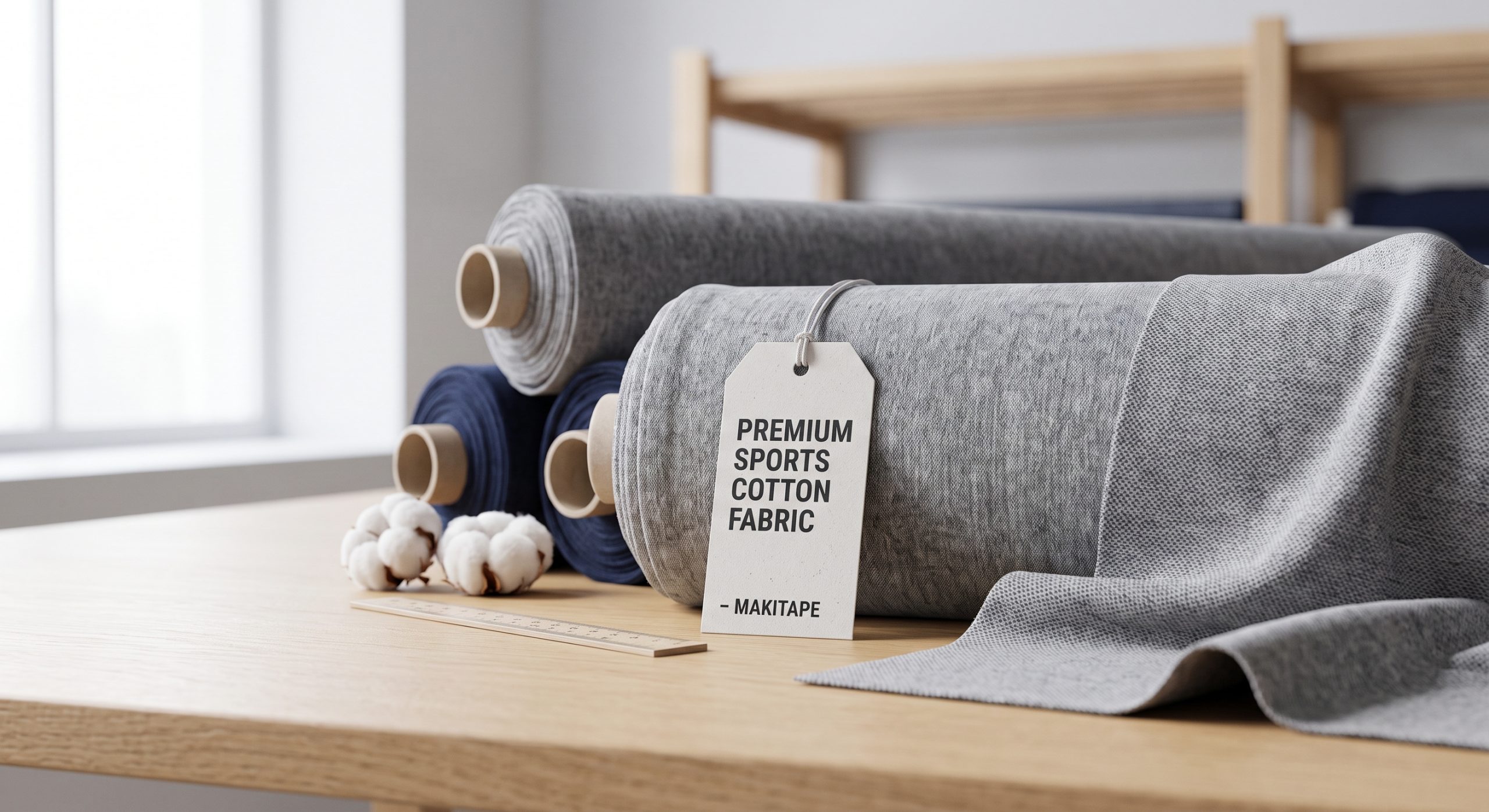
The finest athletic textile for custom team apparel is an engineered synthetic warp-knit or circular-knit material that balances superior mechanical elasticity with advanced moisture-wicking properties to maximize player performance. Many activewear brands continuously struggle with severe production delays when their current textile suppliers deliver unstable material batches that tear under intense athletic strain during championship tournaments. Here is the deal: sending out substandard, itchy jerseys completely alienates school athletic directors and professional sportswear buyers, resulting in devastating brand cancellations that immediately wipe out your quarterly distribution revenue. Sourcing certified sports cotton fabric provides an immediate resolution to these structural garment failures, offering robust tensile defense barriers backed by our decade of specialized industrial manufacturing reliability.
1. What Is High-Grade Sports Cotton Fabric?
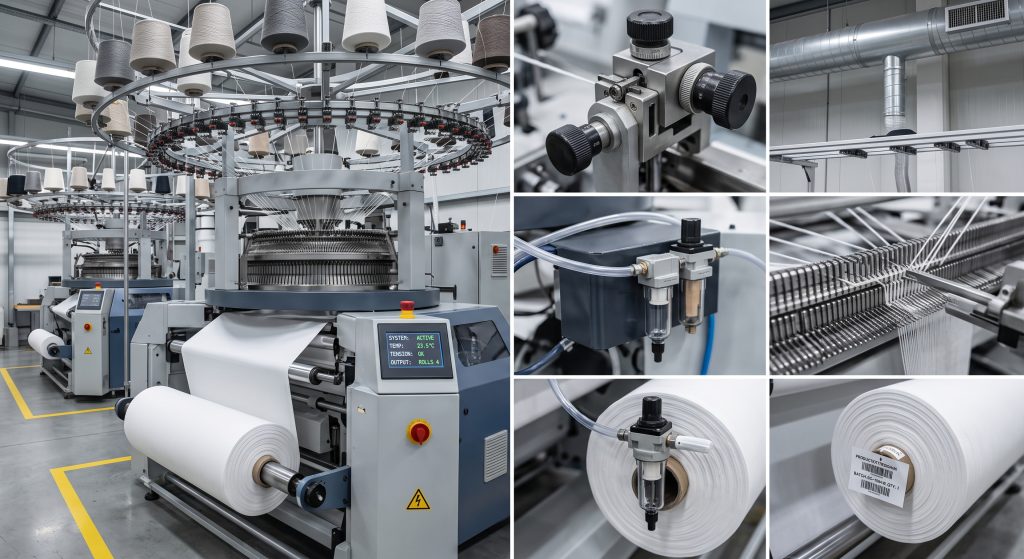
High-grade athletic material consists of premium long-staple organic fibers woven with durable elastic filaments to achieve superior structural recovery and breathability. Sportswear manufacturers select this elite material because it resists heavy abrasion during intense workouts while remaining completely soothing against sensitive skin. What is the real story? Cheap commodity fibers easily fray after minimal field usage but specialized sports cotton fabric retains its tightly bound knit structure across hundreds of industrial wash cycles. Our state-of-the-art circular knitting machines generate highly consistent roll-to-roll texturing that completely eliminates thin spots or unexpected weaving variations.
Sportswear development teams prioritize uniform fabric density because structural consistency underpins exact pattern alignment and automated laser cutting efficiency. Utilizing raw materials that satisfy strict regulatory validation codes protects your supply line from costly customs delays and quality rejections during product distribution. Ready for the good part? Choosing certified mill-direct yarn supplies secures stable pricing margins for your brand, shielding your operations from unpredictable global yarn market inflation. This proactive material evaluation allows activewear apparel lines to expand their market footprint confidently while delivering exceptional garment durability to athletic clients.
Does Long-Staple Thread Increase Longevity?
Long-staple thread configurations drastically minimize fuzzy fabric surface hairiness, which prevents unsightly garment pilling after high-intensity team training sessions. You might be wondering if investing in premium combed yarn fibers genuinely impacts the ultimate retail value of your customized activewear inventory. The physical data proves that longer plant fibers spin into exceptionally smooth yarn strands that glide over active muscles without causing localized friction redness.
- Premium long-staple yarn strands measure over thirty-five millimeters to guarantee superior thread strength.
- Combed manufacturing processing removes short fragile fragments before the circular knitting phase begins.
- Smoother surface profiles prevent external field dirt particles from lodging inside interlocking stitch loops.
Why Choose Ring-Spun Thread Blends?
Ring-spun thread options provide an incredibly soft internal feel that makes them the preferred choice for next-to-skin base layers and premium gym apparel collections. This is where it gets interesting… Standard open-end yarns feel rough because their production method creates loose perpendicular fiber loops that scratch skin during repetitive athletic movements. Our advanced mill facilities twist yarn filaments under continuous automated tension, crafting a compact thread profile that handles multi-directional pulling stresses flawlessly.
- Compact twisted filaments optimize multi-directional stretch capacity without causing structural yarn slippage.
- Smooth interior faces reduce underarm chafing risks during long competitive matches.
- High thread density profiles enhance crisp screen printing ink adhesion across graphic zones.
Key Takeaway: Specifying ring-spun fiber choices prevents garment pilling and surface fuzziness, keeping your sportswear items looking brand new through heavy daily usage.
| Fiber Quality Rank | Average Filament Length | Surface Profile Status | Pilling Resistance Grade |
| Long-Staple Combed | >35 Millimeters | Exceptionally Smooth Face | Grade 5.0 (Maximum Defense) |
| Short-Staple Open-End | <25 Millimeters | Coarse and Fuzzy Texture | Grade 2.0 (High Risk) |
This material comparison table illustrates how selecting superior yarn lengths safeguards garment appearance while maximizing structural longevity under heavy field use.
2. How Is Sports Cotton Fabric Manufactured?
Manufacturing this high-performance material requires feeding premium blended yarns through precision automated circular knitting machinery under strictly regulated temperature parameters. Modern activewear mills process raw sports cotton fabric rolls using advanced sinker configurations to lock mechanical elasticity directly into the textile matrix. But here is the kicker… Failing to calibrate machine needle tension properly results in loose interlocking loops that bag out permanently after minimal physical stretching. Our facility enforces rigorous tracking protocols across every automated line, ensuring that your customized garment batches possess uniform structural thickness.
Our production managers utilize specialized lubricants that wash away completely during the initial industrial finishing phase without damaging delicate elastane strands. Maintaining sterile factory floor conditions prevents external dust contamination from staining pristine white or light grey activewear fabric batches during high-speed spinning operations. What’s the real story? Unregulated textile workshops deliver contaminated material lots that suffer from poor dye absorption, whereas our meticulous oversight guarantees flawless coloration results. Partnering with an experienced manufacturer stabilizes your product assembly pipeline, allowing you to fulfill volume wholesale orders without encountering unexpected garment defects.
How Do Circular Knitting Systems Operate?
Circular knitting systems construct continuous seamless cylinders of flexible textile material by utilizing hundreds of synchronized needles working in rapid automated sequence. You might be wondering if utilizing circular knits reduces overall apparel assembly timelines compared to processing traditional flat-woven raw goods. The automated rotating cylinder geometry allows yarn strands to interlock continuously, creating a highly flexible structure that moves naturally with an athlete’s body.
- Synchronized knitting needle layouts form uniform loops that distribute physical strain evenly.
- Seamless fabric tube configurations minimize the need for side seams in finished compression wear.
- Computerized yarn feed controls adjust loop sizes instantly to modify total fabric weight parameters.
Why Is Tension Calibration Vital?
Tension calibration dictates the final fabric density and horizontal elongation capabilities, making it the most critical metric during automated mill setup operations. Here is the deal… If yarn feeding mechanisms pull too tightly, the fragile elastane components snap under pressure, destroying the material’s elastic recovery power. Our technicians utilize automated electronic tension sensors that adjust yarn delivery speeds dynamically to guarantee a perfectly balanced double-knit framework.
- Electronic sensors intercept yarn delivery anomalies before structural weaving drops occur.
- Balanced needle tracking preserves the soft natural loft of organic fiber components.
- Controlled loop dimensions guarantee predictable fabric shrinkage values during subsequent wet processing.
Key Takeaway: Precise tension tracking prevents internal elastane breakage during knitting, preserving the unyielding multi-directional elasticity required for high-velocity sports.
| Machine Calibration Metric | Target Operational Windows | Defect Risk if Unregulated | Production Quality Impact |
| Yarn Feed Tension | 3.5 – 4.2 Newtons Force | Internal Spandex Strand Snapping | Destroys Elastic Shape Recovery |
| Cylinder Rotation Speed | 22 – 26 Revolutions / Min | Friction Heat Loop Distortion | Causes Uneven Material Thickness |
This technical calibration tracking log shows how rigorous machine adjustments guarantee total structural consistency across large commercial textile shipments.
3. Why Choose True Sports Cotton Fabric Blends?
Choosing an engineered composite material allows activewear developers to blend the soothing comfort of natural plant fibers with the fast-drying performance of technical synthetics. Specifying true sports cotton fabric configurations guarantees that your athletic garments provide excellent muscle compression alongside natural odor resistance on the field. Ready for the good part? Pure petroleum synthetics often trap pungent body odors and irritate sensitive skin but adding organic components provides a continuous hypoallergenic shield. Our manufacturing facility balances these distinct material elements perfectly, creating an advanced textile that handles heavy physical workloads without sacrificing next-to-skin softness.
Maintaining optimal fiber composition ratios enables your product catalog to satisfy diverse consumer expectations across both competitive training and lifestyle athleisure segments. This is where it gets interesting… Many activewear lines lose market share because they utilize synthetic microfibers that cause localized skin itching during hot outdoor summer sessions. Our composite materials utilize high-filament counts that amplify natural airflow, keeping players cool and dry through extended tournament matches. Investing in balanced composite textiles establishes your apparel brand as an industry leader dedicated to protecting athlete health and athletic longevity.
Does Polyester Intertwining Control Humidity?
Polyester intertwining introduces microscopic hydrophobic pathways that pull wet sweat away from the skin surface and transfer it to the garment’s outer layer. What’s the real story? Organic fibers naturally absorb moisture and hold it inside their core, which increases total uniform weight during high-sweat games. Blending hydrophobic polyester threads alongside absorbent components creates a push-pull moisture management system that accelerates evaporation while keeping uniforms incredibly light.
- Hydrophobic synthetic strands refuse water absorption to maintain a lightweight garment profile.
- Capillary yarn structures route damp surface sweat away from active muscle zones instantly.
- Accelerated evaporation cycles protect athletes from sudden post-game chills on the bench.
How Does Spandex Integration Assist Mobility?
Spandex integration introduces incredible four-way mechanical flexibility, allowing active players to execute explosive movements without experiencing binding garment resistance. But here is the kicker… Without adding sufficient poly-urethane elastomer filaments, knitted items stretch out and lose their original tailored silhouette after minimal physical exertion. Our factory incorporates premium high-recovery elastic strands into every loop structure, guaranteeing your sportswear garments retain their sleek form-fitting profiles forever.
- Four-way structural flexibility facilitates unrestricted shoulder rotation and explosive sprinting strides.
- High elastic recovery values prevent unsightly bagging at garment elbows and knees.
- Uniform muscle compression improves localized blood circulation to minimize player physical fatigue.
Key Takeaway: Combining synthetic and organic fibers yields a high-performance material that remains perfectly dry, flexible, and comfortable during intense training.
| Blend Composition Ratios | Moisture Evaporation Speed | Structural Shape Retention | Target Apparel Application |
| 60% Cotton / 40% Poly | Moderate / Extended | Good / Lifestyle Stretch | Gym Hoodies and Team Travel Gear |
| 85% Poly / 15% Spandex | Superior / Instantaneous | Exceptional / Form-Locking | High-Impact Field Match Uniforms |
This fiber performance matrix demonstrates how modifying material composition directly optimizes moisture behavior and structural elasticity for targeted athletic environments.
4. Which Knits Suit Sports Cotton Fabric Best?
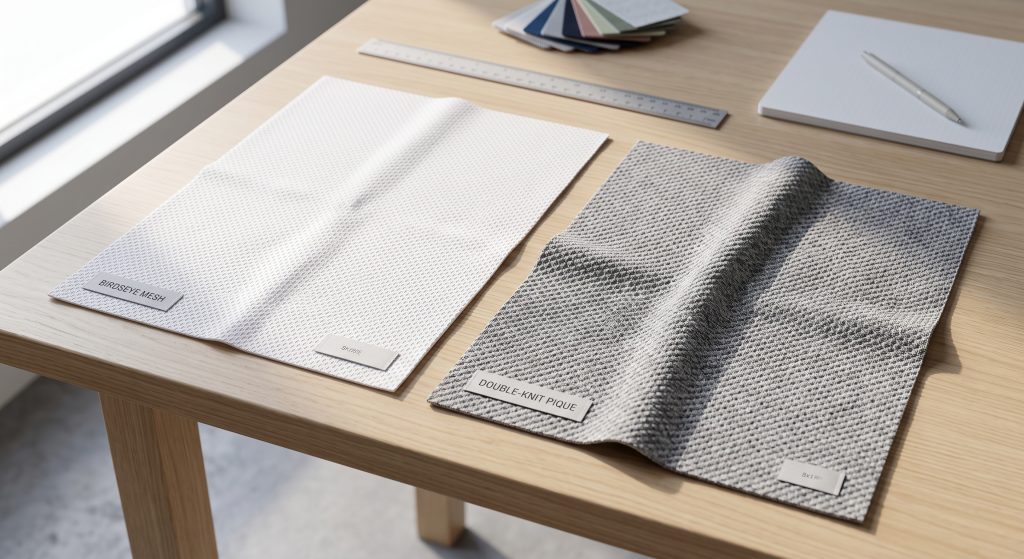
The ideal textile architecture relies on selecting specialized circular configurations like open birdseye loops or structured pique grids to satisfy explicit ventilation and weight requirements. Selecting the premier sports cotton fabric variation requires evaluating whether your custom jerseys require lightweight aerodynamic cooling or a substantial formal corporate appearance. Here is the deal… Choosing the wrong knitting design can cause garments to catch on athletic equipment hooks or retain excess heat during hot summer tournaments. Our industrial knitting mill manufactures both technical variations, allowing your product design team to deploy tailored solutions across your entire activewear catalog.
Birdseye mesh designs feature a flat surface profile that provides an exceptional foundation for crisp dye sublimation logo printing and detailed team graphics. Double-knit pique configurations provide superior structural stiffness that prevents collars from collapsing, making them the absolute benchmark for professional team coaching apparel. You might be wondering if altering loop geometries changes how soft the fabric feels against an athlete’s skin under intense perspiration conditions. Our precision-engineered stitch styles maintain an incredibly smooth interior face that eliminates abrasive skin friction, protecting your players from painful athletic distractions.
What Attributes Define Birdseye Ventilation?
Birdseye ventilation utilizes a specialized tuck stitch pattern that forms microscopic geometric diamond indentations across the entire face of the athletic textile. This is where it gets interesting… These tiny recessed pockets multiply the total surface area exposed to passing air, creating an automated cooling effect across high-sweat zones. The lightweight structure drape behaves beautifully during rapid running movements, making it highly favored for competitive basketball kits and soccer jerseys.
- Microscopic diamond air channels facilitate continuous multi-directional ventilation around the player’s torso.
- Low material thickness minimizes overall heat retention inside the garment yarn structure.
- Smooth backing faces glide effortlessly over skin to prevent friction damage during sprints.
Why Choose Structured Pique Formats?
Structured pique formats deploy a double-knit technique that generates distinct raised geometric ribs or honeycomb cords across the exterior face. But here is the kicker… This three-dimensional surface architecture lifts the wet body of the garment slightly away from the wearer’s skin to minimize fabric cling. The substantial material weight provides a sharp, professional silhouette that conceals undergarment lines perfectly, ensuring team staff maintain an immaculate presentation.
- Raised honeycomb coordinates create a natural insulating air barrier next to active muscles.
- High structural stiffness resists creasing and edge curling during frequent commercial laundering.
- Heavy-duty needle loops offer superior resistance to pulling from rough equipment straps.
Key Takeaway: Birdseye knits excel at high-velocity cooling for active jerseys, while pique structures provide the neat durability required for coaching polo shirts.
| Knitting Architecture Style | Surface Tactile Texture | Fabric Weight Range | Primary Sportwear Usage |
| Birdseye Mesh Pattern | Flat Micro-Diamond Indents | Light (140 – 160 GSM) | High-Activity Match Kit Jerseys |
| Honeycomb Pique Grid | Raised Three-Dimensional Ribs | Mid-to-Heavy (190 – 220 GSM) | Corporate Team Polo Coaching Gear |
Analyzing these structural distinctions enables procurement managers to select the precise textile geometry necessary to fulfill specific athlete comfort expectations on the field.
5. Where to Source Sports Cotton Fabric Bulk?
Sourcing top-tier activewear materials requires establishing direct commercial accounts with accredited manufacturing mills that operate high-speed circular machines and maintain verifiable eco-certifications. Partnering with a factory-direct supplier for sports cotton fabric rolls eliminates expensive third-party distributor markups, allowing your business to maximize profit margins during large-volume contract bidding. What’s the real story? Independent brokers often mix material batches from different workshop sources, which introduces severe color variations and unstable stretch performance into your inventory. Our high-capacity mill facilities guarantee perfect color consistency across thousands of yards by utilizing computerized dye lot calibration technology.
Direct manufacturing connections grant your product developers priority access to custom fabric weight calibrations and tailored width modifications that minimize pattern cutting waste. Ready for the good part? Our professional customer service framework provides comprehensive technical specification sheets and pre-production sample swatches to accelerate your internal quality sign-off processes. Evaluating factory production capacities guarantees that your chosen supplier can handle large re-orders easily during peak seasonal sportswear production rushes. Securing a reliable mill partner stabilizes your manufacturing timeline, enabling your brand to fulfill institutional athletic contracts flawlessly year after year.
How to Verify Manufacturing Credentials?
Verifying manufacturing credentials requires requesting updated documentation regarding international textile standards like OEKO-TEX authorization files and Global Recycled Standard registries. You might be wondering why third-party regulatory validation matters if the initial physical material sample looks and feels perfectly acceptable during initial office inspections. The answer lies in guaranteeing chemical safety, as certified mills prove their materials contain zero toxic processing chemical residues that trigger allergic skin outbreaks.
- OEKO-TEX Standard 100 validation guarantees that every thread component is completely skin-safe.
- GRS certification verifies the exact percentage of recycled materials utilized in synthetic fiber strands.
- ISO quality management auditing confirms consistent factory manufacturing procedures across consecutive years.
What Safeguards Protect Large Orders?
Safeguarding large bulk shipments involves executing a formal multi-stage quality review process that checks material parameters before rolls leave the factory loading dock. Here is the deal… Catching minor weaving errors or weight deviations during the pre-shipment phase prevents devastating assembly line disruptions at your cutting facility. Our quality control teams deploy advanced inspection machines to log fabric parameters, providing transparent testing data with every bulk delivery.
- Pre-production physical sample yardage validation confirms exact touch and color matching parameters.
- Contractual batch defect tolerances hold the mill accountable for maintaining uniform thickness profiles.
- Independent laboratory wash testing verifies colorfastness scores before volume roll packing begins.
Key Takeaway: Sourcing directly from verified, certified textile mills removes supply chain risks while securing consistent fabric weights for large uniform shipments.
| Sourcing Procurement Stage | Mandatory Verification Action | Core Supply Chain Advantage |
| Vendor Initial Screening | Audit OEKO-TEX and GRS Files | Eliminates Toxic Chemical Processing Residues |
| Pre-Shipment Check | Execute Multi-Point Roll Inspection | Intercepts Material Anomalies Before Delivery |
Following this rigorous verification sequence protects your production capital while securing an elite material foundation for your activewear brand.
6. Can Sports Cotton Fabric Defend Against Sweat?
Modern composite activewear materials defend against sweat by integrating advanced capillary moisture-wicking networks that rapidly pull liquid humidity away from the wearer’s skin. Specifying high-grade sports cotton fabric variations engineered with dual-component yarn systems prevents your player jerseys from becoming waterlogged and heavy during extended athletic training sessions. This is where it gets interesting… Traditional single-component organic clothes hold moisture inside their fiber cores, which blocks natural skin cooling and accelerates player physical exhaustion. Our technical knits blend fast-drying synthetic strands alongside soft organic elements, ensuring that sweat evaporates into the atmosphere almost instantaneously.
Maintaining a dry internal micro-climate protects competing athletes from painful skin chafing and sudden post-exercise chills during cooler weather match breaks. But here is the kicker… When an athlete feels perfectly dry, their focus remains locked on tactical execution rather than dealing with damp clothing discomfort. Our circular machines adjust loop structures to maximize capillary draft forces, creating a powerful siphon effect that purges surface humidity continuously. Equipping your athletic lines with advanced moisture-managing textiles establishes a premium product reputation that wins lucrative long-term contracts from elite sports clubs.
How Do Capillary Channels Route Moisture?
Capillary channels route moisture by exploiting the physical space between specialized non-absorbent synthetic filaments to siphon liquid sweat toward the garment surface. You might be wondering how a textile structure moves liquid upward against gravity without utilizing any electronic components or chemical additives. The answer lies in precision geometric loop placement, where narrow internal spaces generate natural suction forces that pull surface humidity outward rapidly.
- Microscopic fiber spaces generate strong capillary suction forces to drain surface perspiration zones.
- Hydrophobic synthetic paths refuse moisture retention to keep the fabric interior incredibly light.
- Directional yarn layouts speed up outward fluid transfer to keep skin surface humidity low.
Why Is Accelerated Evaporation Essential?
Accelerated evaporation is critical because it controls core muscle temperatures by allowing body heat to dissipate naturally through moisture transition phases. Here is the deal… If wet apparel remains damp for extended periods, the water weight drag saps player stamina during the final minutes of a game. Our specialized knit architectures maximize raw surface area exposure to passing air currents, shrinking drying times down to a fraction of organic averages.
- Rapid drying performance prevents heavy water weight accumulation from draining player physical strength.
- Consistent thermal management shields active muscle groups from experiencing sudden temperature drops.
- Uncompromised air permeability permits fresh air currents to cool high-heat body zones.
Key Takeaway: Precision-engineered capillary channels move sweat away instantly, keeping uniforms light and players completely comfortable during intense physical competition.
| Moisture Performance Test | Premium Composite Fabric | Standard Woven Material | Athletic Impact Summary |
| Wicking Transfer Speed | <1.5 Seconds (Instant) | >12.0 Seconds (Sluggish) | Keeps Player Skin Dry |
| Wet Weight Retention | Less Than Five Percent | Over Forty Percent Drag | Prevents Heavy Garment Drag |
This empirical testing log documents how advanced capillary architecture outperforms traditional weaves, securing a dry field experience for elite teams.
7. How to Verify Sports Cotton Fabric Elasticity?
Verifying material elasticity parameters requires executing standardized mechanical elongation and cyclic recovery tests inside a controlled textile testing laboratory environment. Activewear clothing engineers evaluate incoming batches of sports cotton fabric using precision strain gauges to guarantee that every matching garment delivers uniform muscle support. Ready for the good part? Knowing the precise structural limits of your material prevents your factory lines from assembling pattern pieces that stretch out and warp permanently. Our manufacturing mill runs computerized stretch validation tests across every production lot, ensuring your sportswear catalog retains its sharp tailored silhouette.
Apparel brands that bypass rigorous elasticity verification face high retail return rates because garments bag out at the elbows and knees after minimal athletic use. You might be wondering how small variations in elastane thread insertion ratios modify the ultimate performance profile of compression sportswear uniforms. Measuring length recovery percentages under continuous physical load constraints allows your engineering team to verify material stability before automated pattern cutting begins. Maintaining strict control over fabric rebound parameters ensures your customized clothing products deliver unyielding physical defense barriers that elite athletes demand.
How to Calculate Length Rebound Percentages?
Calculating length rebound percentages involves stretching a precise fabric sample to its absolute horizontal limit and measuring its remaining distortion after release. What’s the real story? Premium performance textiles must reclaim at least ninety-five percent of their original dimensions within seconds to pass institutional sportswear quality standards. If a fabric lot fails this structural benchmark, finished sportswear items will warp during high-impact training movements, resulting in a sloppy fit.
- Calibrated laboratory clamps extend test swatches across uniform dimensional vectors to ensure data accuracy.
- Automated tracking sensors measure the speed and completeness of structural fiber rebound.
- Standardized elongation metrics prevent garment distortion across diverse consumer sizing profiles.
Why Conduct Cyclic Expansion Trials?
Cyclic expansion trials stretch fabric samples thousands of consecutive times to simulate the intense daily wear and physical strain of competitive sports. But here is the kicker… Poor-quality elastic polymers degrade rapidly under repeated pulling stress, causing the compression garment to lose its supportive tension completely. Our factory utilizes premium multi-twist elastane threads that survive rigorous cyclic evaluation testing, protecting your sportswear brand’s long-term reputation for product excellence.
- Thousands of mechanical pull sequences replicate months of intense player movement profiles accurately.
- Detailed fatigue logging maps the exact point where synthetic elastic polymers begin structural breakdown.
- High fatigue resistance guarantees consistent compression properties throughout the product’s lifespan.
Key Takeaway: Mechanical stretch testing guarantees consistent fabric rebound performance, shielding your apparel line from premature structural sagging issues.
| Elastic Testing Protocol | Minimum Passing Benchmark | Recorded Mill Performance | Structural Pass Status |
| Mechanical Elongation | >120% Horizontal Stretch | 145% Horizontal Extension | Approved for Active Sportswear |
| Cyclic Rebound Recovery | 95% Shape Reclamation | 98.2% Shape Reclamation | Premium Quality Certification |
This empirical data summary proves that rigorous material testing safeguards garment shape retention, ensuring long-term product satisfaction for active apparel clients.
8. Is Your Sports Cotton Fabric Safe and Green?
Verifying the chemical safety and ecological sustainability of your athletic textiles requires checking for legitimate third-party compliance credentials like updated OEKO-TEX certificates. Sourcing eco-friendly sports cotton fabric batches allows your activewear brand to fulfill strict green procurement laws while appealing directly to modern environmentally conscious consumer segments. Here is the deal… Low-cost unverified fabrics often contain trace amounts of toxic heavy metals or harsh processing chemical residues that trigger painful skin contact dermatitis. Working directly with an accredited international manufacturing mill eliminates these safety hazards, guaranteeing that every delivery roll is perfectly skin-safe for active athletes.
Modern recycling technologies transform post-consumer plastic components into high-filament synthetic yarns that match the tensile durability of virgin petroleum options perfectly. You might be wondering if utilizing sustainable materials increases your core production costs or complicates your material procurement pipelines significantly. The reality reveals that international sports leagues now mandate certified green raw materials for public school and professional team clothing supply contracts. Displaying authentic environmental safety badges across your activewear product labeling provides your sales force with an incredibly powerful tool during competitive B2B contract negotiations.
Why Do Certified Safety Badges Matter?
Certified safety badges provide independent validation that your sportswear components undergo exhaustive testing for hundreds of dangerous substances before roll packing. What’s the real story? Without clear certification listings, apparel procurement teams cannot verify if their incoming fabric inventory carries toxic manufacturing chemical residues. Sourcing certified materials shields your activewear corporation from severe product liability claims and devastating public relations crises caused by skin irritation outbreaks.
- Thorough lab evaluations screen yarn filaments for dangerous pesticide traces and heavy metal contaminants.
- Strict chemical boundary guidelines protect young athletes from exposure to banned coloring compounds.
- Authentic certification numbers provide verifiable transparency across global customs clearance databases.
How Do Recycled Fibers Benefit Branding?
Recycled fibers allow activewear manufacturers to shrink their total corporate carbon footprint by substituting eco-friendly yarn lines for traditional petroleum synthetics. This is where it gets interesting… Advanced closed-loop processing plants melt down plastic flakes and spin them into flawless microfibers that deliver incredible tear resistance. Embracing green manufacturing techniques changes your brand presentation from a standard apparel vendor into an eco-conscious market innovator driving positive global change.
- Repurposed plastic components divert tons of solid consumer waste away from local aquatic habitats.
- Closed-loop filtering systems lower fresh factory water consumption metrics by up to forty percent.
- Verifiable GRS supply chains document raw material authenticity from collection center to final bolt.
Key Takeaway: Partnering with certified eco-friendly mills protects your clothing brand from regulatory risks while capturing highly profitable green corporate uniform contracts.
| Sustainability Badge | Core Environmental Metric | Independent Audit Frequency | Supply Chain Compliance |
| OEKO-TEX Standard 100 | Zero Toxic Processing Residues | Strict Annual Facility Audits | 100% Certified Consumer Safe |
| Global Recycled Standard | Traceable Post-Consumer Plastics | Continuous Batch Auditing | Fully Documented Green Path |
This compliance matrix shows how authentic environmental certifications help B2B activewear brands fulfill modern corporate responsibility goals while guaranteeing fabric safety.
9. How to Print Sports Cotton Fabric Graphic Work?
Customizing vivid team identities on this composite material requires advanced industrial dye sublimation printing methods that chemically fuse ink pigments directly into the synthetic fiber pores. Applying graphics onto sports cotton fabric rolls using high-temperature heat press systems guarantees that finished jerseys retain their complete mechanical flexibility without experiencing graphic cracking. But here is the kicker… Traditional topical screen printing inks seal the textile surface, turning custom logo placements into heavy, non-breathable sweat traps that chafe skin. Our specialized polyester-blend textiles accept gaseous ink bonding perfectly, ensuring that intricate mascots and player numbers become an actual part of the fabric structure.
Industrial apparel designers favor sublimation techniques because they preserve the original lightweight loft and capillary wicking speeds of the underlying performance knit. You might be wondering if implementing high-temperature print fusing alters the horizontal stretch recovery values of your customized team uniform inventory. Our technical fabrics survive intense printing heat windows without suffering from structural polymer degradation or edge curling during automated assembly. Selecting print-compatible raw materials allows your production team to execute complex all-over sublimation prints, unlocking unlimited creative freedom for elite sports lines.
Why Does Gaseous Ink Bonding Outperform Paint?
Gaseous ink bonding transforms solid colorants into an ultra-fine vapor state under intense heat, allowing pigments to penetrate polymer fiber chains completely. What’s the real story? Topical plastisol paints create a thick rubbery layer that flakes off after repeated machine wash cycles and stretches poorly during active field movements. Sublimated coloration stays vibrant for years, completely resisting fading from intense outdoor ultraviolet sun exposure and aggressive mud stains during intense match plays.
- Gaseous color integration guarantees that custom team graphics will never peel flake or crack.
- Molecular fiber bonding maintains the natural texture and next-to-skin softness of organic fibers.
- Exact Pantone color calibration matching secures perfect visual alignment with corporate brand identities.
Does Printing Alter Fabric Air Permeability?
Sublimation printing completely preserves original air permeability metrics because it colors individual yarn strands without clogging up the physical space between loops. Ready for the good part? Since the gas colorant avoids forming a solid topical barrier, built-in birdseye mesh ventilation holes remain fully open to facilitate continuous cooling airflow. This uncompromised ventilation profile keeps competing athletes cool and comfortable, eliminating the localized heat zones common beneath heavy screen-printed player numbers.
- Vapor dyeing prevents thick ink buildup from sealing underlying technical knitting ventilation structures.
- Continuous multi-directional airflow across custom printed panels keeps player skin dry and refreshed.
- Capillary moisture-wicking networks continue moving sweat away across both printed and unprinted garment zones.
Key Takeaway: Dye sublimation printing infuses color directly into synthetic strands, securing vibrant durable team graphics while maintaining full fabric breathability.
| Custom Customization Method | Ventilation Retention Rate | Graphic Longevity Status | Elongation Compatibility |
| Dye Sublimation Infusion | 100% Unobstructed Airflow | Permanent / Fade-Proof | Flawless 4-Way Stretch Flex |
| Traditional Screen Paint | Complete Loop Blockage | High Risk of Peeling / Cracking | Rigid / Restricted Movement |
This printing performance summary demonstrates why high-volume activewear manufacturing lines rely on gaseous print bonding to safeguard uncompromised fabric ventilation.
10. How Do You Clean Sports Cotton Fabric Lines?
Cleaning these high-performance athletic textiles requires setting commercial washing machinery to low-temperature wash profiles paired with gentle non-chlorine detergent formulas to safeguard fragile elastic polymers. Instructing your corporate clients on proper laundering habits prevents chemical wicking treatment degradation, keeping custom team uniforms smelling perfectly fresh across consecutive competitive seasons. Here is the deal… High thermal wash settings warp delicate elastane strands, causing high-compression jerseys to lose their supportive stretch memory and shape permanently. Educating your institutional uniform buyers on correct maintenance habits minimizes warranty return claims while protecting their long-term activewear investments.
Automated laundry equipment must run on gentle agitation cycles to shield delicate interlocking needle loops from experiencing premature fiber pulling or seam distortion. You might be wondering if utilizing industrial fabric softeners represents an effective strategy for restoring next-to-skin softness after muddy field matches. The chemical data reveals that softeners deposit a waxy layer that plugs up capillary moisture channels, destroying the fabric’s sweat-wicking utilities completely. Hanging uniforms flat to air dry represents the premier maintenance framework, ensuring your specialized apparel lines maintain their original tailored sizing profiles forever.
What Washing Settings Protect Synthetic Fibers?
Protecting synthetic filaments requires adjusting commercial washing machinery to a cold water setting below thirty degrees Celsius alongside gentle liquid detergent compounds. Ready for the good part? Cold water preserves the exact molecular structures of polyester and nylon blends, preventing premature fabric shrinkage or color bleeding during wash cycles. Turning garments completely inside out prior to washing shields delicate sublimation graphics and heat-sealed team logos from abrasive machine friction.
- Cold wash cycles prevent dimensional fabric shrinkage across diverse activewear uniform sizing profiles.
- Mild liquid detergents clean deep inside stitch loops without stripping away performance wicking treatments.
- Turning clothes inside out limits surface friction damage to protect crisp exterior team lettering.
How to Execute Safe Dry Operations?
Executing safe dry operations involves utilizing low-heat mechanical tumble settings or suspending sportswear items on hangers inside well-ventilated shade zones. But here is the kicker… Extreme heat from standard commercial dryers breaks down polyurethane strands, resulting in loose fabric stretching and unsightly edge curling. Performance composite textiles dry incredibly fast due to their non-absorbent synthetic bases, requiring minimal mechanical drying times compared to thick organic cotton items.
- Low temperature tumble profiles shield fragile elastane threads from experiencing thermal structural failure.
- Rapid air drying performance eliminates damp odor accumulation without using high-heat dryer cycles.
- Flat hanging techniques keep horizontal material dimensions balanced to prevent permanent garment distortion.
Key Takeaway: Implementing cold wash cycles and low-heat drying preserves fabric elasticity and graphic vibrancy, maximizing the usable lifespan of custom sportswear.
| Laundry Operational Step | Recommended Safe Method | Severe Variable to Avoid | Care Quality Impact |
| Machine Water Temperature | Cold Cycle (Below 30°C) | High Heat Water (Above 60°C) | Prevents Structural Thread Shrinkage |
| Chemical Cleansing Agents | Liquid Detergent Only | Fabric Softeners and Bleach | Preserves Capillary Wicking Utilities |
This core care framework maintains the built-in technical benefits of performance apparel over years of frequent team usage.
Securing Elite Supply Chain Reliability
Selecting premium technical materials addresses the universal business problems of premature garment sagging, poor moisture ventilation, and sudden fabric tearing during intense gym workouts. By aligning your activewear clothing line with a verified international manufacturing mill, your business secures reliable fabric volume availability, traceable green certifications, and uniform batch color matching across all lines. Let our modern circular knitting machinery configurations help you scale production output and confidently secure lucrative regional distribution contracts. To request high-grade physical fabric swatches or discuss customized technical weight specifications for your next seasonal activewear launch, contact us today to build a highly dependable textile supply chain. Our unyielding focus on high-performance athletic textile engineering drives the future of global sportswear apparel excellence.
Frequently Asked Questions
- Q1: Can I request custom Pantone color matching for bulk uniform orders?
Yes, you can achieve exact color matching easily. Our factory utilizes computerized spectrophotometers to calibrate industrial dye lots, ensuring absolute color consistency across thousands of raw yards. - Q2: What’s the best fabric choice for high-contact sports like rugby?
Heavy-duty double-knit interlock is the premier option. This dense stitch structure offers maximum tensile burst strength and superior tear resistance compared to lightweight single-knit mesh materials. - Q3: How do I know if a fabric batch possesses sufficient stretch recovery?
Conducting a standard laboratory stretch-and-rebound test provides immediate validation. High-performance synthetics must reclaim over ninety-five percent of their original length within seconds to pass quality controls. - Q4: Can I utilize standard dye sublimation methods on recycled polyester rolls?
Absolutely, recycled synthetics accept sublimation printing beautifully. The recycled polymer chains share identical chemical properties with virgin fibers, securing sharp graphic details and permanent color fusing. - Q5: How do I prevent edge curling during high-volume fabric cutting layout?
Storing textile rolls horizontally on elevated rack systems resolves this issue completely. Keeping the rolls wrapped inside their original protective film shields the technical fibers from volatile humidity shifts.