
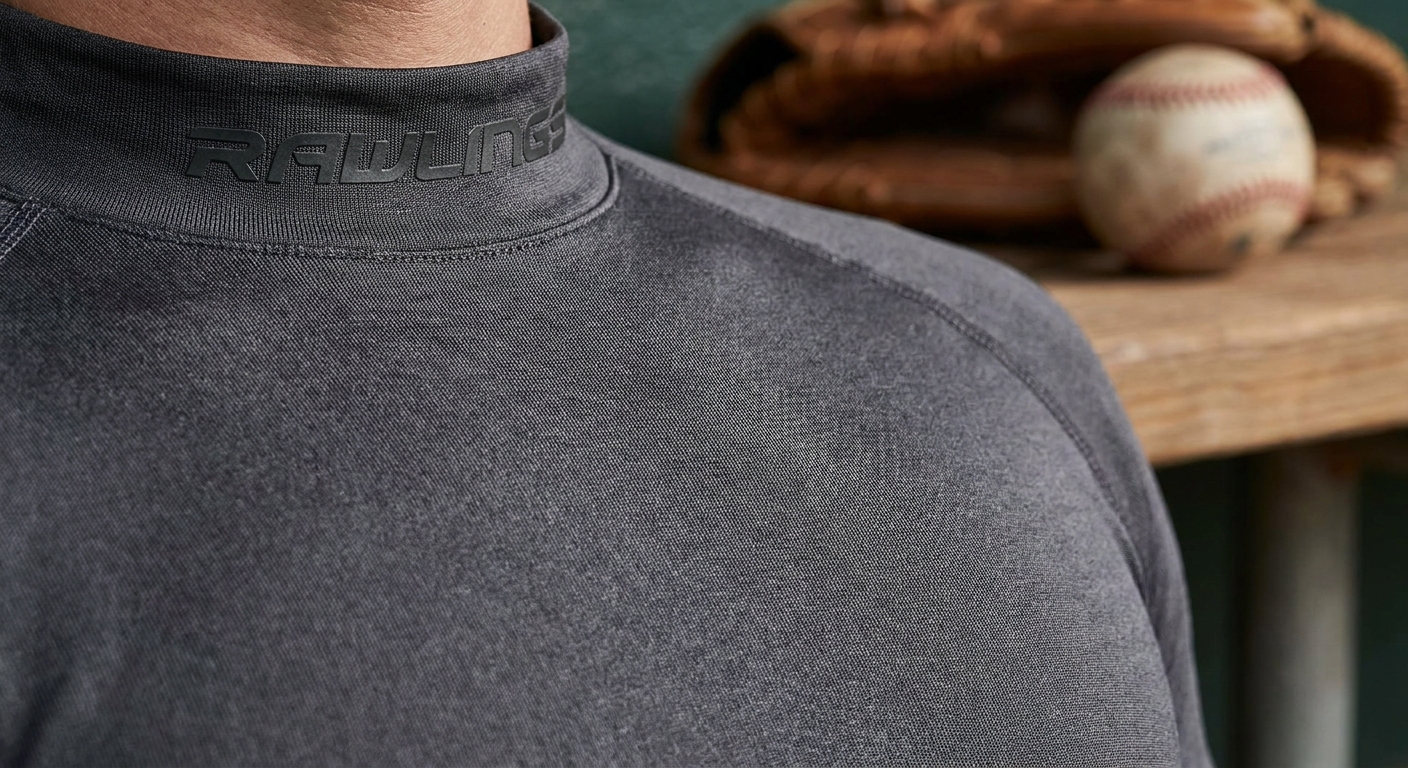
The best materials for cold-weather and performance baseball uniforms are technical synthetics like polyester, nylon, and advanced synthetic blends, which provide superior thermal regulation and moisture management. Imagine standing on a freezing field as damp winds slice through your jersey during a late-autumn championship game. The bitter chill quickly turns wet sweat into ice, causing shivering, painful muscle tightness, and a drastic drop in reaction times when you need to make a split-second play. To protect your team, finding the best fabric for baseball base layer shirts is crucial to maintaining core temperature and flexibility.
What is the best fabric for baseball base layer shirts?
A premium polyester-spandex blend is the best fabric for baseball base layer shirts because it combines superior thermal insulation with quick-dry capabilities. This advanced synthetic blend is engineered to trap core body heat while allowing sweat to pass directly through the fibers. This ensures that players do not get cold during long stretches on the bench or in the outfield. Manufacturers utilize this specific fiber ratio to create durable athletic apparel that retains its shape game after game.
When you are looking to build a high-performance team uniform, selecting the proper textile is your most important decision. A quality blend offers the compression required to support muscles while actively keeping the cold air out. This balance of warmth and dryness keeps athletes performing at their absolute peak.
Understanding Synthetic Thermal Insulation
Think about it: how do players stay warm without wearing bulky jackets? Premium synthetic base layers utilize micro-brushed interiors to create tiny air pockets that lock in heat. This lightweight thermal barrier keeps your muscles warm and elastic even in freezing conditions. The material prevents cold air from penetrating to the skin.
To optimize heat retention, you must look for specific performance features in your fabrics:
- Micro-fleece inner backing for heat locking.
- High-density knitting to block cold wind.
- Flatlock seams to prevent skin irritation.
Why Moisture Wicking Matters on the Field
Moisture management is the single most important factor in cold-weather performance. If sweat is allowed to pool against your skin, your body temperature will drop rapidly as soon as you stop moving. Synthetic capillary fibers pull sweat away from the body to the outer surface of the fabric. This process ensures the player remains dry and warm.
The best part? Because synthetics are hydrophobic, they dry almost instantly upon exposure to air. This prevents the heavy, soggy feeling associated with wet cotton garments. You get a reliable protective layer that keeps players light and fast.
Key Takeaway: A polyester-spandex blend is the ultimate foundation for cold-weather baseball uniforms due to its dual-action thermal and moisture-wicking properties, keeping players agile and protected.
| Fabric Property | Performance Rating | Primary Benefit | |
|---|---|---|---|
| Thermal Insulation | High | Traps core body heat | |
| Moisture Wicking | Excellent | Keeps skin completely dry | |
| Elastic Recovery | High | Allows unrestricted movement |
When analyzing these performance ratings, prioritize fabrics that balance high thermal insulation with excellent moisture-wicking metrics to ensure comprehensive on-field protection.
Why buy the best fabric for baseball base layer shirts?
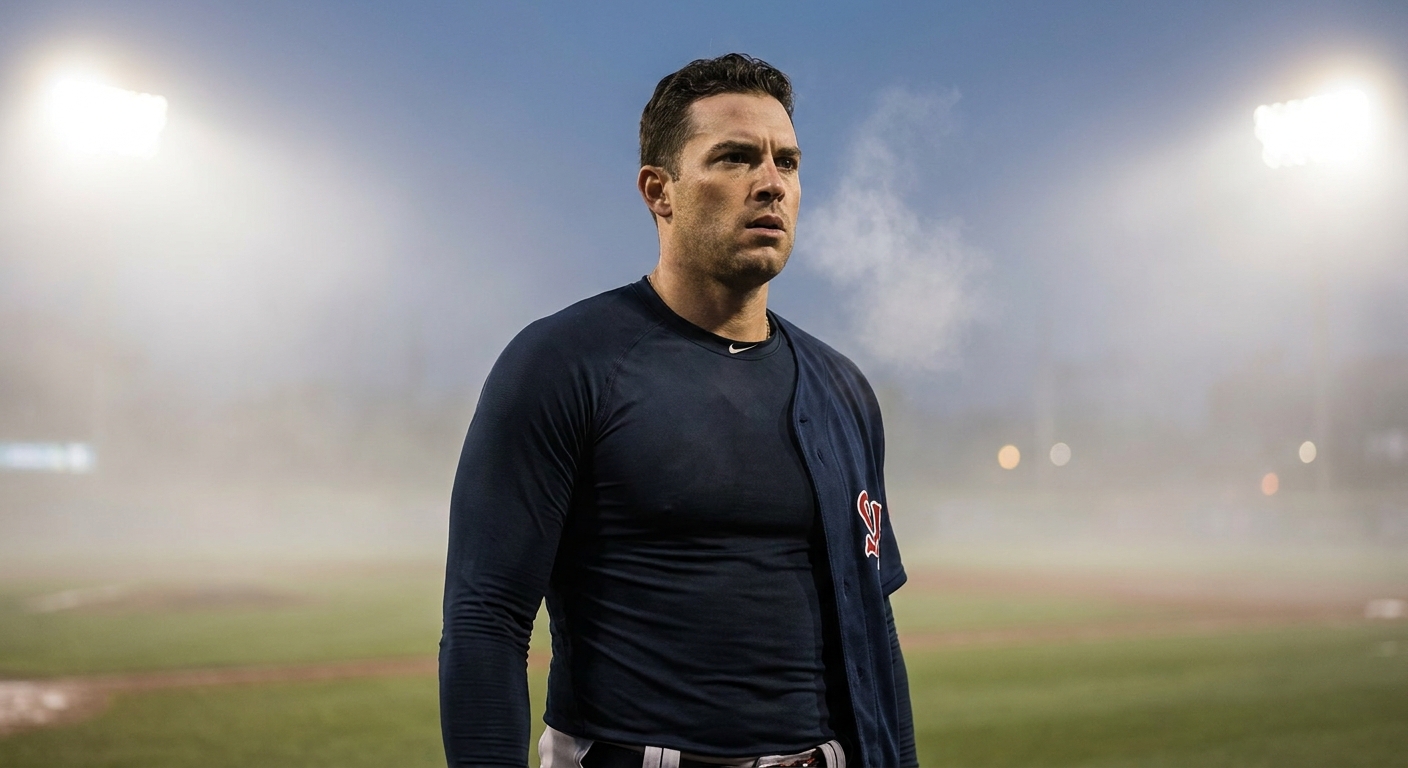
You should invest in the best fabric for baseball base layer shirts to prevent cold-induced muscle tightness and keep players performing at their physical peak. When your muscles are kept warm, they react much faster and are far less susceptible to strains. This critical layer of protection maintains healthy blood circulation through freezing innings. High-quality base layers ensure that every throw and sprint is executed with explosive power.
Without this specialized protection, exposure to harsh winter conditions can rapidly degrade athletic execution. Cold temperatures compromise coordination and slow down physical response times. By sourcing the correct technical fabric, you protect your athletes from cold-weather injuries.
Preventing Chills and Muscle Tightness
Here is the deal: a sudden drop in core temperature can seriously impair motor skills and focus. Cold air and damp garments drain your energy as your body fights to stay warm. High-performance synthetics prevent this energy drain entirely, allowing you to focus 100% on the game. You will notice immediate performance benefits when athletes remain warm.
Protecting athletes requires selecting materials with advanced protective specifications:
- Wind-resistant exterior knit faces.
- Hydrophobic fiber composition to repel wet snow.
- Fast drying rates to keep layers dry.
Enhancing Athletic Mobility in Winter
Cold weather naturally stiffens muscles and joints, which can lead to poor playing mechanics. Spandex blends provide a compression fit that supports muscles and improves circulation. This constant support keeps your shoulders and arms ready for sudden, explosive actions. Improved blood flow also speeds up muscle recovery times between innings.
But that is not all. Compression base layers reduce muscle oscillation during high-intensity movements, which minimizes fatigue. This keeps you feeling fresher for longer.
Key Takeaway: Choosing high-performance base fabrics is a vital step to safeguard players against core temperature drops and cold-induced athletic decline.
| Environmental Factor | Impact on Player | Protective Fabric Defense | |
|---|---|---|---|
| Damp/Wet Snow | Rapid chilling | Hydrophobic fibers | |
| Freezing Winds | Muscle stiffness | High-density circular knit | |
| Sub-Zero Temps | Shivering and fatigue | Brushed thermal fleece |
This environmental defense table demonstrates that a multi-tiered fabric shield is essential for neutralizing wet, windy, and freezing conditions simultaneously.
Which is the best fabric for baseball base layer shirts?
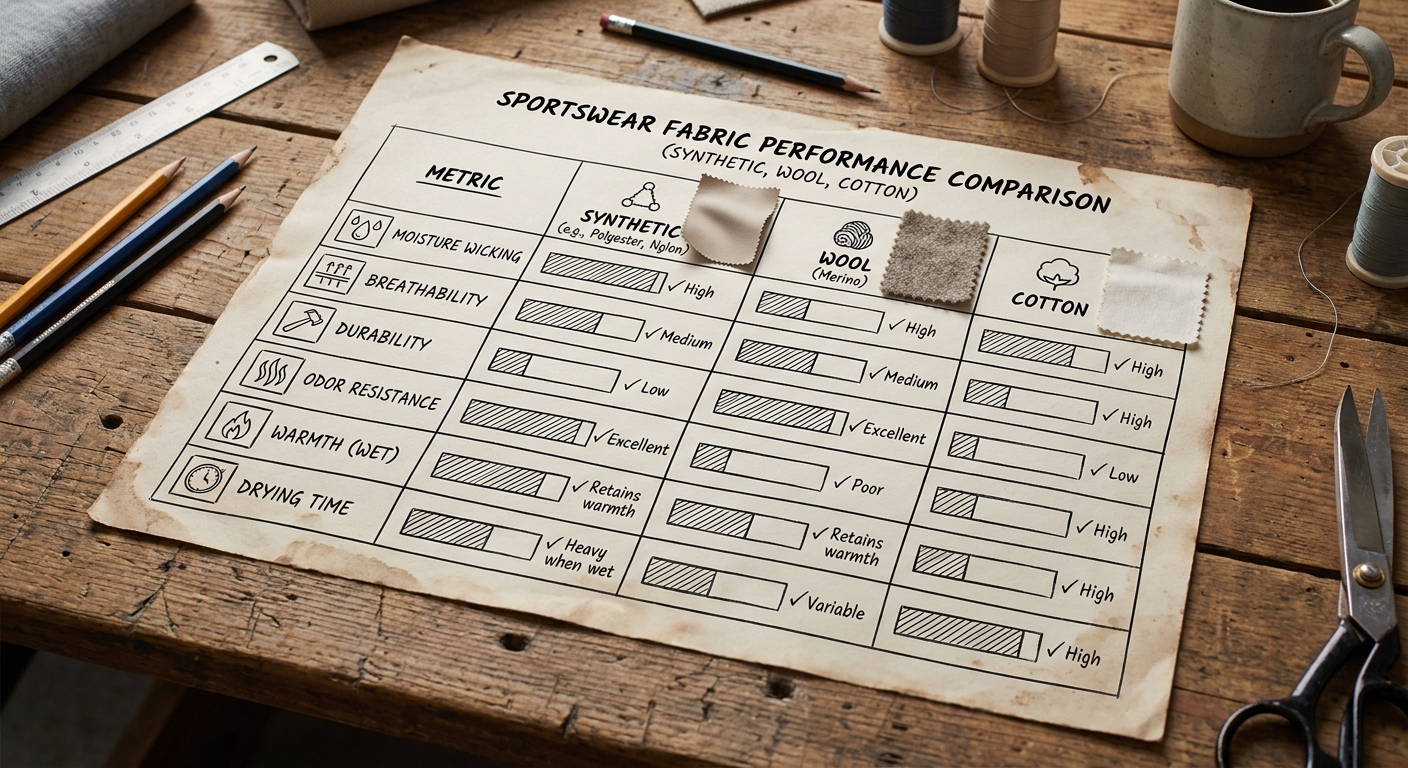
When comparing options, polyester and nylon-spandex technical blends emerge as the best fabric for baseball base layer shirts due to their rapid sweat evaporation and elastic recovery. While traditional cotton has been phased out, modern circular knit fabrics offer the perfect blend of warmth and flexibility. This activewear innovation ensures optimal fit and muscle compression. Understanding the structural differences helps B2B buyers select the ideal material for high-performance uniforms.
Choosing between polyester and nylon depends on your specific performance and budget requirements. Both materials offer exceptional durability and weather resistance when compared to natural fibers. Let us dive deeper into how these materials stack up against each other.
Comparing Polyester vs. Synthetic Blends
But there is a catch: not all synthetics are created equal. Pure polyester is incredibly tough and lightweight, but it lacks the necessary stretch for batting and throwing. Adding spandex creates a highly elastic blend that moves perfectly with your body. This combination offers the ultimate balance of durability and flexibility.
Compare the key traits of these popular choices to find your perfect match:
- Pure polyester: Excellent wicking, high durability, limited stretch.
- Polyester-spandex blends: Great wicking, superior four-way stretch.
- Nylon-spandex: Maximum abrasion resistance, premium hand feel.
Is Merino Wool Viable for High-Performance?
Merino wool is famed for its extreme warmth and natural odor resistance. However, it absorbs too much water compared to modern synthetics. When wet, wool can become heavy and slow down your drying times. Synthetics remain the superior choice for high-intensity competitive play where weight is a factor.
Think about it: who wants to run the bases in a heavy, waterlogged shirt? Synthetic blends remain light and functional, giving you the competitive edge. They are easier to care for as well.
Key Takeaway: Synthetic blends consistently outperform natural wool and pure polyester by offering superior stretch and faster drying times.
| Fabric Category | Elasticity | Drying Speed | Durability | |
|---|---|---|---|---|
| Pure Polyester | Moderate | Very Fast | Extremely High | |
| Polyester-Spandex Blend | High | Fast | High | |
| Merino Wool | Low | Slow | Moderate |
Analyze this comparison to choose polyester-spandex for active positions requiring high elasticity and pure polyester for durable outer layers.
How to find the best fabric for baseball base layer shirts?
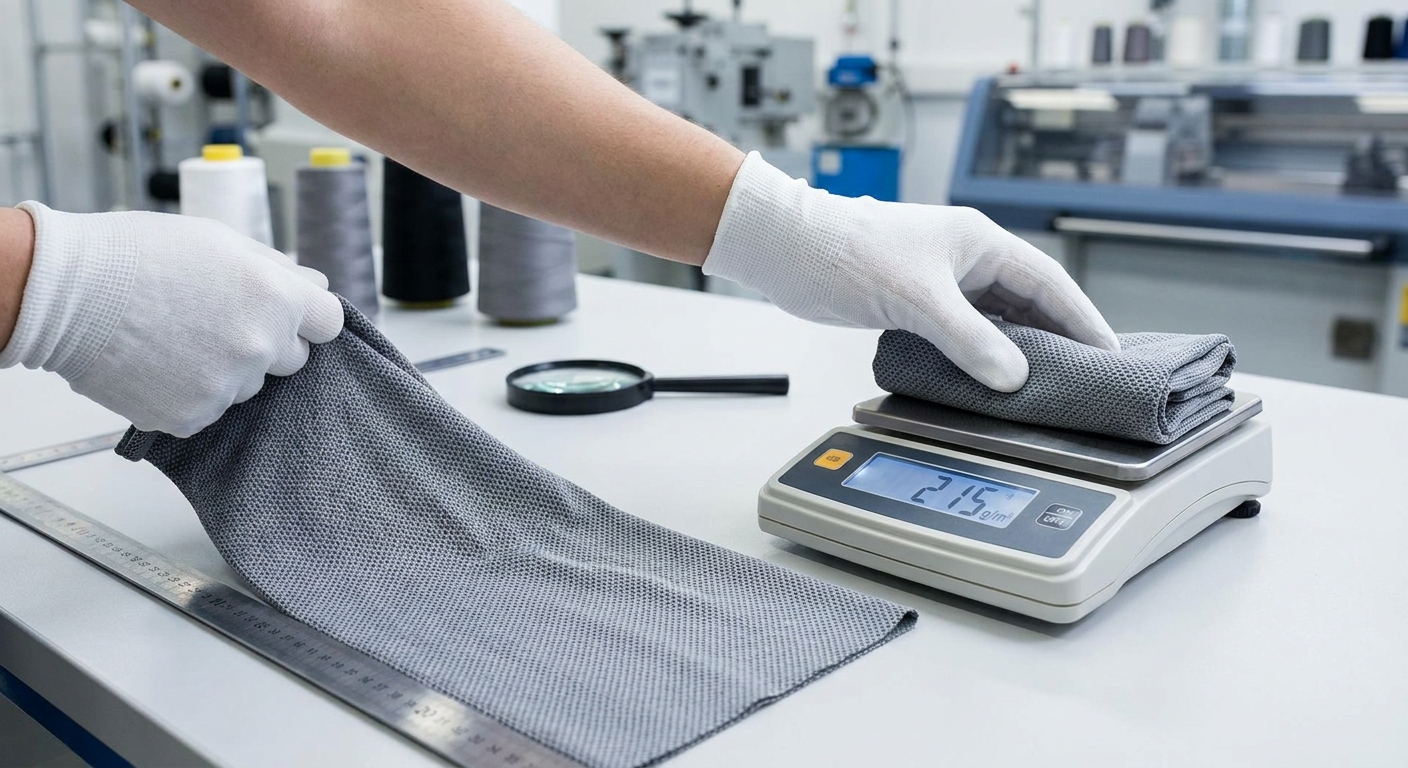
To find the best fabric for baseball base layer shirts , manufacturers must evaluate key textile specifications including weight, circular knit density, and moisture wicking coefficients. You must look beyond standard marketing terms and inspect the technical data sheets. Fabric weight determines how much heat the garment can trap. Balancing weight and breathability is key to creating a high-performance athletic garment.
Selecting a fabric without verifying these technical metrics can result in poor-performing team uniforms. High-quality suppliers provide fully documented testing parameters for their performance knits. This data-driven approach ensures you get exactly what your team needs.
Checking Fabric Weight and GSM Specs
Let us look at the data: fabric density is measured in grams per square meter (GSM). For cold-weather baseball, a mid-weight fabric between 200 and 250 GSM is ideal. Anything lighter won’t provide you with enough warmth. Anything heavier will restrict your movement and cause rapid overheating.
When evaluating GSM, you should consider these performance parameters:
- 150-180 GSM: Light-weight, best for hot summer games.
- 200-250 GSM: Mid-weight, perfect for cold-weather play.
- 280+ GSM: Heavy-weight, best for stationary sideline gear.
Evaluating Stretch and Durability
Baseball players must be able to swing, pitch, and slide without restriction. A proper cold-weather base layer must offer four-way stretch capabilities. This ensures the fabric stretches both horizontally and vertically. High elasticity also prevents the fabric from tearing at the seams under stress.
The best part? Testing the fabric’s tensile strength ensures long-lasting garments that survive the season. You can feel confident that players can move dynamically without worrying about fabric failure.
Key Takeaway: The ideal base layer fabric must have a mid-weight GSM of 200-250 and four-way stretch to ensure maximum warmth and full mobility.
| Fabric Weight (GSM) | Best Climate Use | Mobility Level | |
|---|---|---|---|
| 150 – 180 GSM | Warm/Mild Spring | Maximum | |
| 200 – 250 GSM | Cold/Frosty Autumn | High (Four-Way Stretch) | |
| 280+ GSM | Extreme Freezing Winter | Restricted / Heavy |
Based on GSM data, choose the 200-250 GSM range to guarantee a perfect balance of athletic mobility and cold thermal protection.
Who needs the best fabric for baseball base layer shirts?
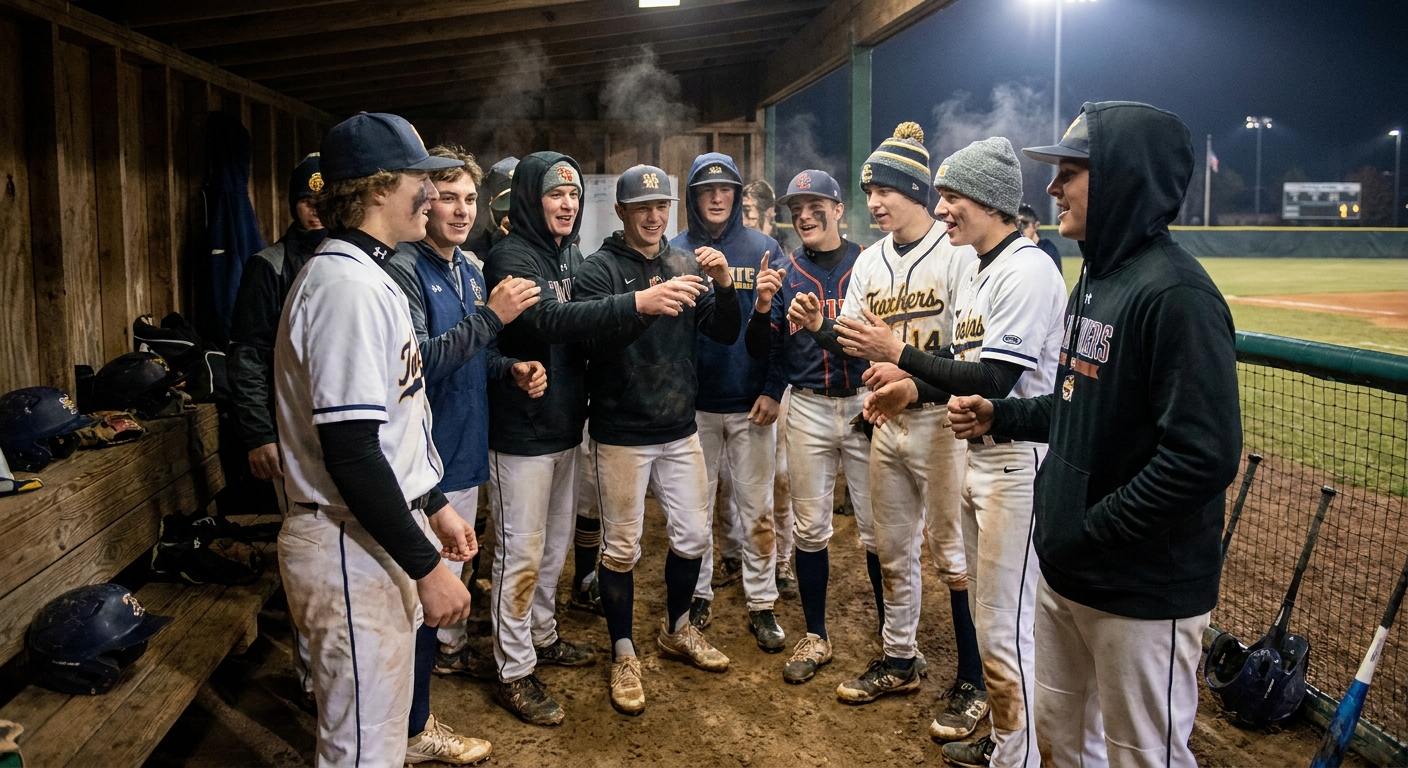
Active outfielders and stationary bench players alike need the best fabric for baseball base layer shirts to maintain stable core body temperatures during cold-weather games. Different player positions have unique physical demands and activity levels. Outfielders may stand still for long periods before sprinting. High-quality sports activewear fabrics cater to these varying levels of physical activity.
Coaches and team managers must evaluate the specific environmental needs of every position on the field. From the pitcher’s mound to the dugout, thermal defense must remain uniform. This collective protection keeps the whole team operating as a cohesive, warm unit.
Tailoring Base Layers for Outfielders
Think about it: an outfielder might stand in freezing wind for twenty minutes without moving, then suddenly sprint at full speed. This rapid change in activity requires a highly adaptive material. The fabric must retain heat during downtime but immediately release moisture during a sprint. This dual capability prevents your muscles from cramping up.
To protect your outfielders, search for these targeted features:
- High-stretch zones around shoulders and elbows.
- Mesh-ventilated underarms for targeted breathability.
- Wind-blocking chest panels to protect the core.
Keeping Pitchers Warm in the Dugout
Pitchers face the toughest challenge in cold weather. They must keep their throwing arm warm while sitting in the dugout to prevent severe injuries. A thick, high-performance base layer helps maintain muscle temperature. This ensures they can throw with maximum velocity as soon as they step back onto the mound.
But that is not all. Warm arms recover much faster from the intense strain of pitching. By keeping the muscles warm, you actively reduce the risk of critical rotator cuff strains.
Key Takeaway: Pitchers, infielders, and outfielders all require advanced base layers to prevent muscle cooling and maintain explosive performance during long periods of inactivity.
| Player Position | Primary Cold Hazard | Recommended Fabric Feature | |
|---|---|---|---|
| Pitchers | Rapid arm cooling | High-thermal sleeve compression | |
| Outfielders | Standing in cold winds | Wind-resistant circular knit | |
| Infielders | Friction and sliding | Reinforced anti-abrasion panels |
Evaluate the specific physical demands of each position on your team to select the appropriate specialized fabric features shown above.
Where to get the best fabric for baseball base layer shirts?
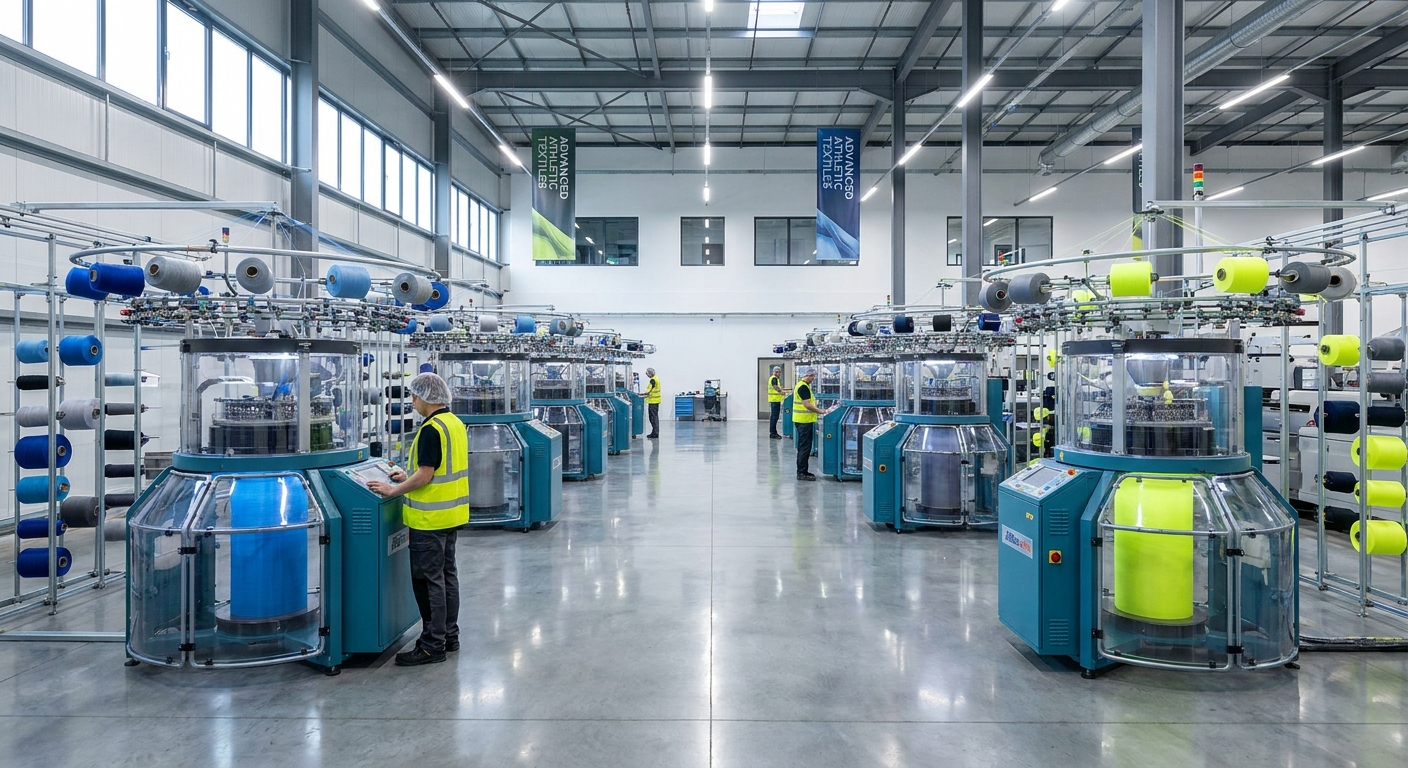
B2B buyers looking to source the best fabric for baseball base layer shirts should buy directly from a vertically integrated factory with certified production lines. Sourcing directly from the manufacturer ensures consistent quality control and lowers bulk procurement costs. This eliminates middlemen and streamlines your production timeline. Partnering with a reliable factory guarantees that your sports uniforms meet global performance standards.
Finding a trusted manufacturing partner allows you to customize fabric specifications to meet unique climate needs. It also guarantees consistent supply chains during peak uniform-ordering seasons. Direct factory sourcing is the smartest choice for scaling athletic apparel brands.
Sourcing Directly from Factories
What does this mean for your bottom line? Buying directly from a factory reduces per-meter fabric costs significantly, boosting your profit margins. It also allows for custom weight, color, and finish specifications. You can work directly with textile engineers to develop proprietary performance blends.
Here is the deal: direct access gives you complete control over your supply chain. Consider these key advantages when sourcing direct:
- Lower minimum order quantities for custom fabric testing.
- Direct access to certified recycled materials.
- Faster sampling and prototyping cycles.
Benefits of Vertically Integrated Suppliers
Vertically integrated factories handle both knitting and dyeing under one roof. This tight integration ensures color consistency across different fabric batches. It also guarantees that quality checks are performed at every stage of production. Working with such suppliers minimizes your risk of receiving defective or inconsistent fabric rolls.
You can rest assured that your production remains on schedule when one factory controls the entire workflow. This structural efficiency leads to shorter lead times. It is the most reliable way to fulfill large team orders.
Key Takeaway: Sourcing directly from a vertically integrated factory guarantees consistent quality, competitive pricing, and custom development opportunities for high-performance baseball uniforms.
| Supplier Model | Quality Control | Customization Flexibility | Unit Cost | |
|---|---|---|---|---|
| Vertically Integrated Factory | Excellent (Single Roof) | Extremely High | Low (Direct) | |
| Fabric Broker / Middleman | Variable (Multiple Sources) | Low | High (Marked Up) | |
| Wholesale Distributor | Good (Pre-made stock) | None | Medium |
Compare these supplier models to see why partnering with a vertically integrated factory is the most cost-effective and flexible option for custom brand manufacturing.
Is nylon the best fabric for baseball base layer shirts?
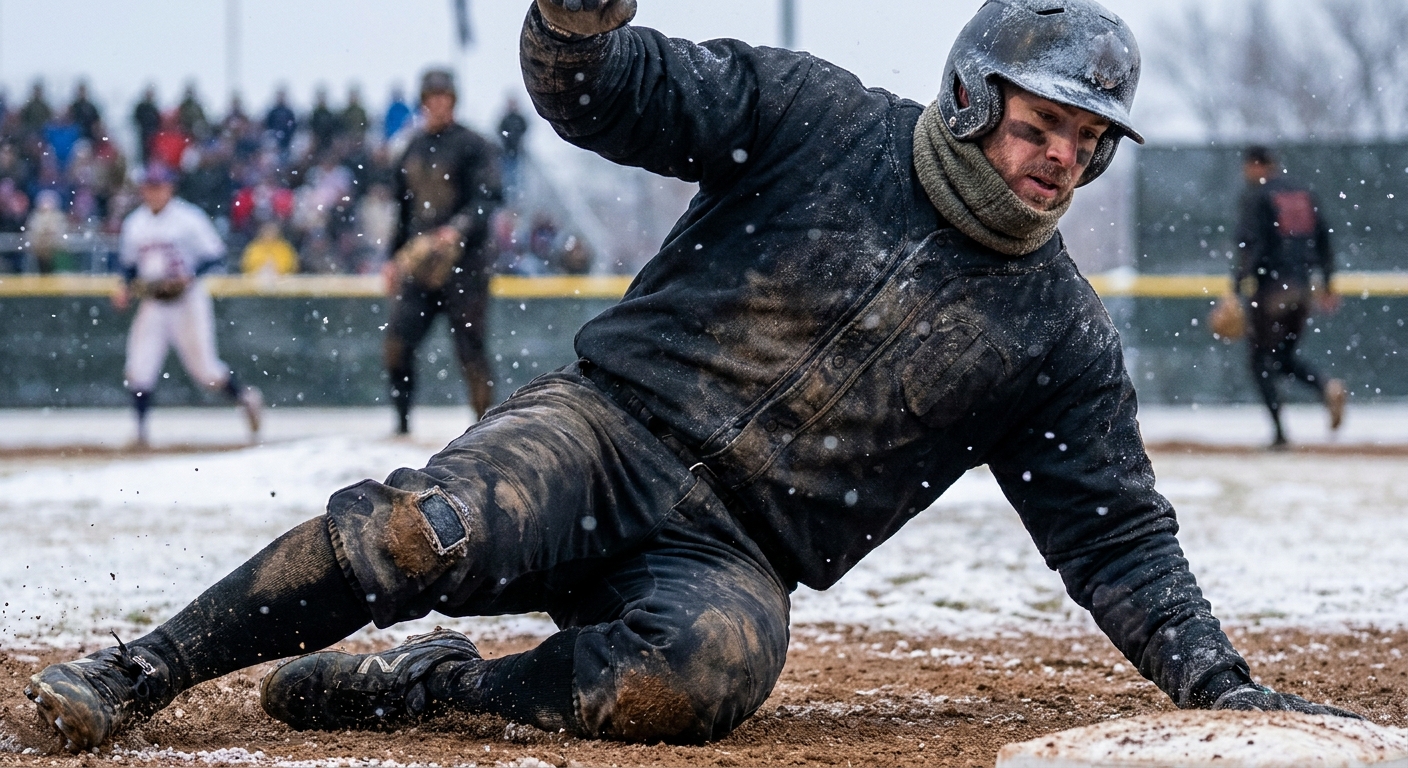
While nylon provides incredible tensile strength and abrasion resistance, it is only the best fabric for baseball base layer shirts when blended with highly elastic spandex. Nylon is celebrated for its durability and smooth texture against the skin. However, 100% nylon lacks the breathability and fast wicking required for high-intensity sports. This is why high-end baseball uniforms utilize a specialized circular-knit fabric to optimize performance.
When you are sliding on frozen turf, fabric strength becomes a safety issue. A thin or weak fabric will tear instantly, exposing your skin to cold air and turf burn. Nylon provides the rugged durability needed to withstand extreme friction.
Assessing the Rugged Durability of Nylon
The best part? Nylon fibers are incredibly resilient against friction and wear. This makes them perfect for the physical demands of baseball, including sliding and diving on hard dirt. Nylon garments do not tear easily and maintain their sleek shape. This durability ensures the uniform lasts through several intense seasons.
To maximize lifespan, you should select nylon knits that incorporate these traits:
- Superior abrasion resistance compared to polyester.
- Exceptionally smooth, low-friction surface.
- Resistance to mildew, mold, and chemical breakdown.
Weight and Flexibility Trade-Offs in Winter
Nylon is slightly heavier than polyester and retains slightly more moisture. In freezing weather, this minor moisture retention can lead to a slight chill if not blended properly. Spandex must be integrated to improve elasticity and speed up drying times. This blend ensures the garment remains lightweight and highly functional.
Think about it: minor differences in fabric weight can dramatically change a player’s comfortable range of motion. Sourcing a professional nylon-spandex blend ensures you get the ideal balance. Your players will thank you on freezing days.
Key Takeaway: Nylon-spandex blends offer unmatched durability and a premium feel, making them excellent for baseball uniforms when properly engineered.
| Fabric Characteristic | Nylon-Spandex Blend | Polyester-Spandex Blend | |
|---|---|---|---|
| Abrasion Resistance | Superior | High | |
| Moisture Wicking | Good | Excellent | |
| Hand Feel / Softness | Premium (Silky) | Soft (Cotton-like) |
Based on these technical comparisons, specify nylon-spandex blends for sliding-heavy positions where outer-abrasion resistance is your primary design concern.
Is polyester the best fabric for baseball base layer shirts?
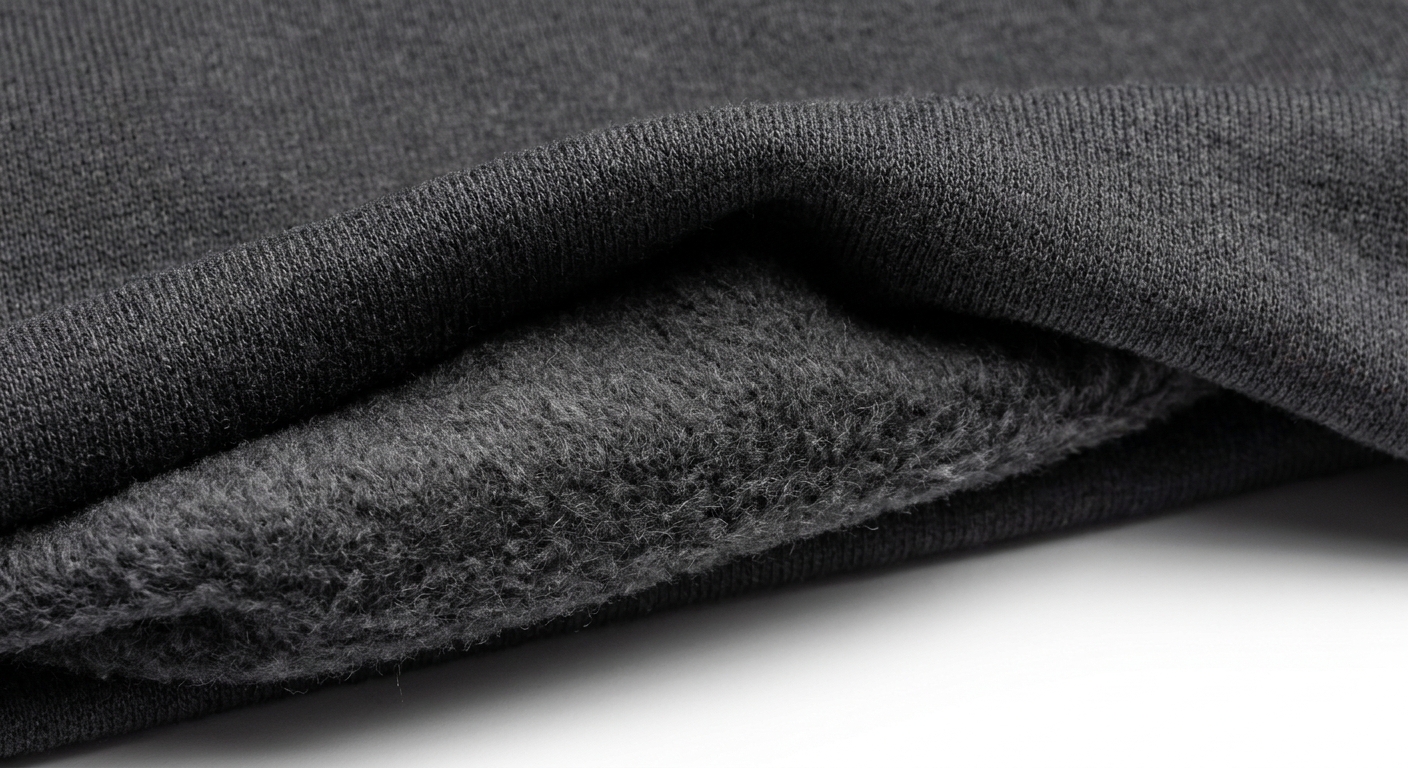
Yes, pure technical polyester is widely considered the best fabric for baseball base layer shirts because of its hydrophobic fibers and exceptional durability. Polyester fibers repel water, ensuring that sweat is pushed away from the body rather than absorbed. This quick-drying nature is critical in cold weather to keep players dry. This synthetic textile has become the standard for professional sports teams worldwide.
For B2B buyers managing bulk uniform programs, polyester represents the most dependable and cost-effective fabric option. It resists shrinking and holds vibrant team colors without fading. You can rely on polyester to look professional season after season.
Analyzing Polyester Moisture Transport
How does this work in practice? Polyester yarns are engineered with channels that pull liquid sweat outward through capillary action. This ensures your skin stays dry and warm even during intense activity. The moisture quickly evaporates once it reaches the outer layer of the fabric. This continuous process keeps your core temperature perfectly balanced.
But that is not all. Polyester’s specific micro-structure supports these active wicking benefits:
- Hydrophobic fibers that refuse to absorb water.
- High surface area yarns for rapid evaporation.
- Micro-channels that pull moisture away instantly.
Resistance to Stretching and Shrinking
Polyester uniforms are famous for holding their exact size and shape through hundreds of wash cycles. Unlike cotton, polyester will not shrink in hot water or stretch out during games. This dimensional stability is a huge benefit for you when managing large team inventories. It ensures uniforms maintain a professional look and perfect fit.
The best part? Because it resists wrinkles and stretching, you save massive amounts of time on uniform preparation. The fabric remains crisp and clean straight out of the wash.
Key Takeaway: Pure polyester’s unmatched moisture-wicking and dimensional stability make it the most reliable, easy-care option for cold-weather baseball uniforms.
| Performance Indicator | Pure Polyester | Pure Cotton | |
|---|---|---|---|
| Moisture Retention | Negligible (Hydrophobic) | High (Hydrophilic) | |
| Shrinkage Resistance | High | Low | |
| Lifetime Wear Cycles | 150+ Washes | 50-70 Washes |
As shown in the table, technical polyester offers a significant lifespan advantage over cotton, dramatically reducing seasonal replacement costs for athletic programs.
When to wear the best fabric for baseball base layer shirts?
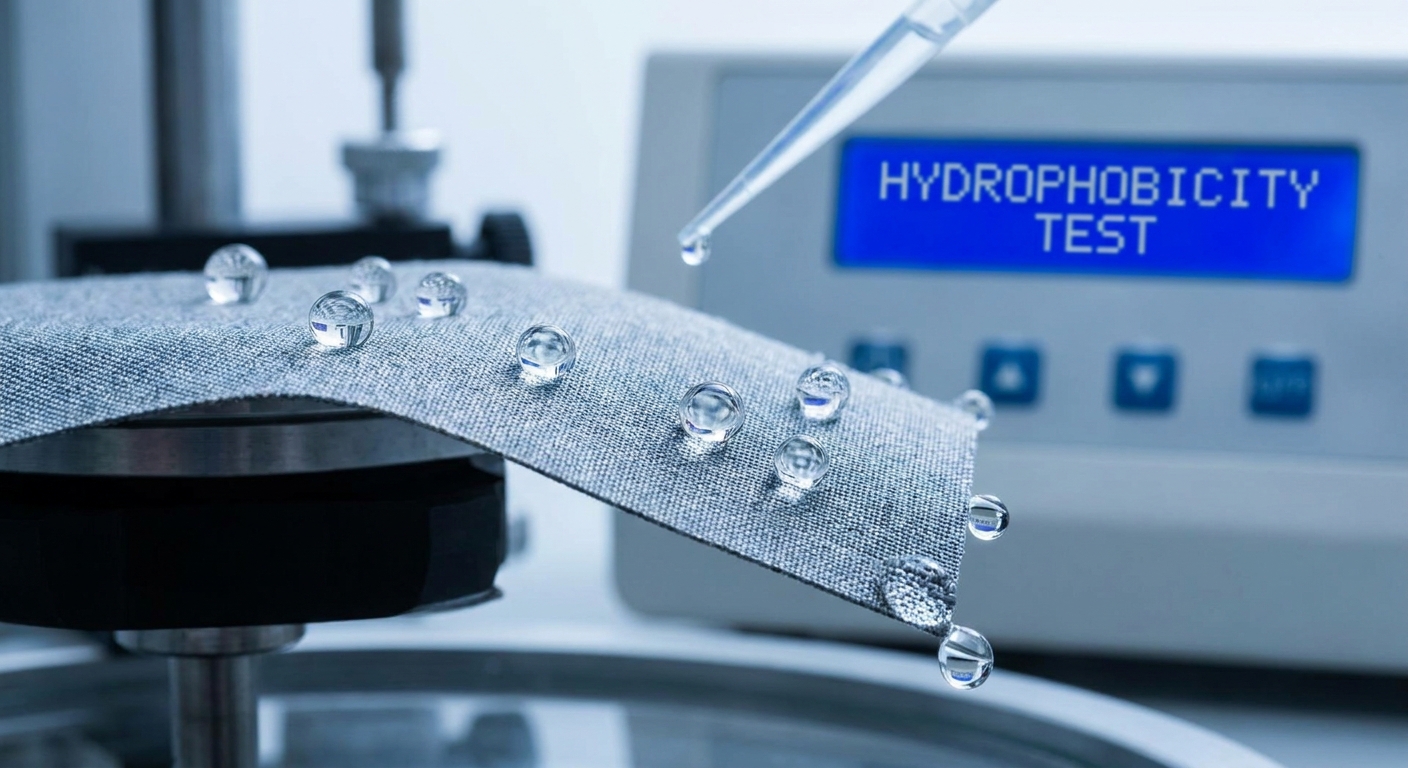
Teams should wear the best fabric for baseball base layer shirts during late autumn matches and early spring training when cold wind and damp air threaten player comfort. These transitional seasons often bring unpredictable weather, including freezing rain and sudden wind gusts. A high-performance base layer acts as an essential shield against the elements. Choosing a certified recycled polyester option ensures this protection is both effective and environmentally sustainable.
Waiting until temperatures drop below freezing to issue base layers is a common mistake. You should integrate these garments into your team’s standard uniform setup as soon as the autumn chill begins. Early prevention is key to avoiding cold-weather muscle strains.
Choosing the Right Layering Sequence
But there is a catch: layering must be done correctly to avoid restricting player movement. Start with a compression-fit base layer to wick sweat and trap core heat. Add a mid-weight insulating jersey to block out the freezing air. Finish with a wind-resistant jacket during warm-ups to stay warm.
Follow this strict layering sequence to protect your body:
- Base Layer: Compression fit polyester-spandex for wicking.
- Mid-Layer: Heavy-duty knit jersey for insulation.
- Outer Layer: Weather-resistant jacket for dugout warmth.
Adapting to Unpredictable Spring Weather
Spring weather can start freezing in the morning and turn warm by afternoon. Base layers made with high-breathability synthetic blends allow you to adapt to these shifts easily. The fabric regulates temperature so you do not overheat as the sun comes out. This versatility makes performance synthetics indispensable for long tournaments.
Think about it: how much better will your team perform when they are not distracted by shifting weather? Keeping the core temperature stable ensures focus remains entirely on the game.
Key Takeaway: Correct layering with performance synthetics ensures that players remain comfortable, warm, and injury-free during rapid seasonal weather transitions.
| Game Temperature | Recommended Layering Setup | Primary Performance Goal | |
|---|---|---|---|
| Below 40°F (4°C) | Base + Mid-Layer + Windbreaker | Maximum thermal retention | |
| 40°F – 55°F | Base Layer + Standard Jersey | Balance warmth and speed | |
| Above 55°F (13°C) | Lightweight Base Layer Only | Moisture wicking and cooling |
Utilize this temperature setup guide to dynamically adjust your team’s uniform layers as game-day weather forecasts shift.
How to wash the best fabric for baseball base layer shirts?
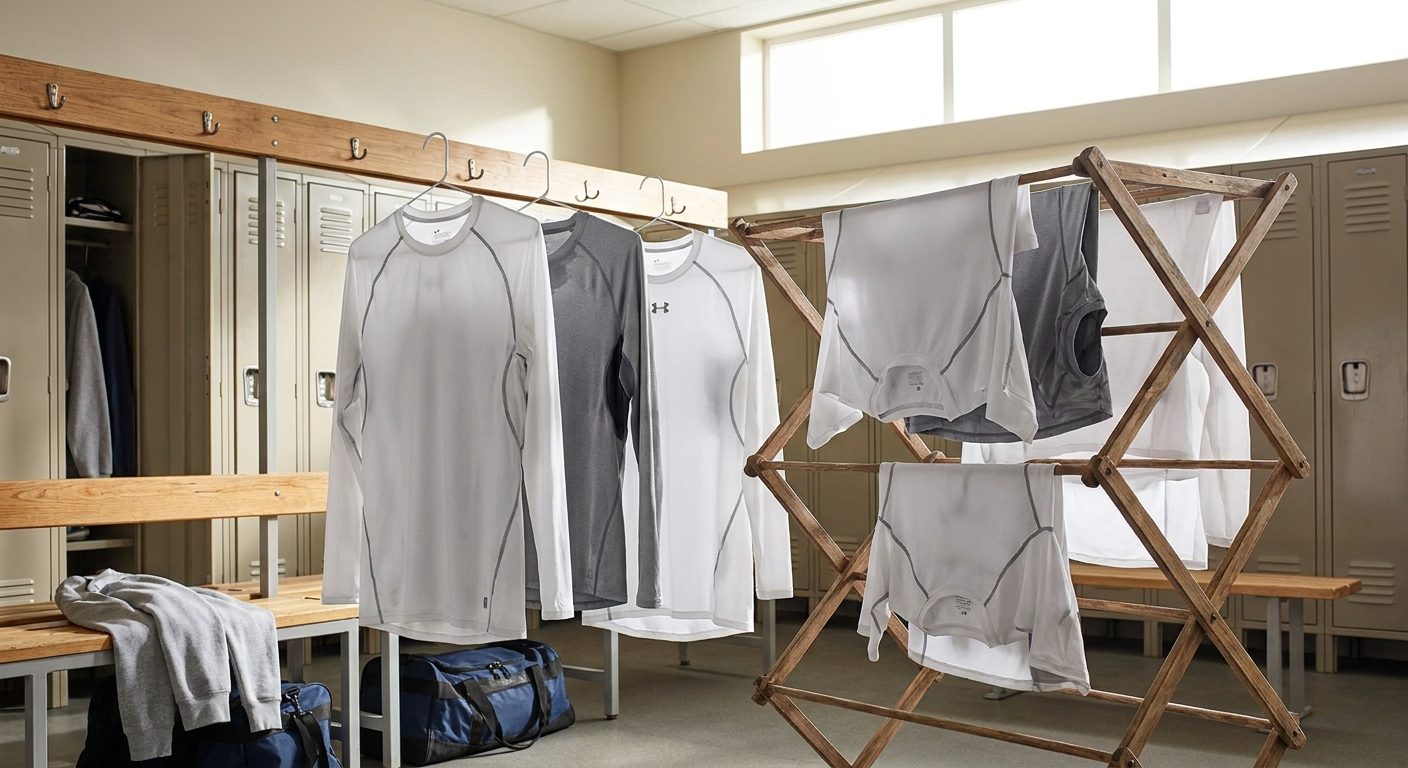
To properly wash the best fabric for baseball base layer shirts , you should use cold water, mild detergents, and avoid fabric softeners that can clog the performance fibers. High-performance synthetics require proper maintenance to protect their technical treatments. Incorrect washing can strip away moisture-wicking and antibacterial finishes. Following the correct care guidelines will extend the lifetime of your team uniforms.
Investing in high-quality uniforms is only half the battle; proper maintenance is what protects your investment. You must establish strict laundering protocols for your athletic staff. This ensures the fabrics retain their premium performance characteristics over multiple seasons.
Best Practices for Technical Synthetic Knits
The best part? Technical synthetics are naturally stain-resistant and hold their color exceptionally well. However, they must be washed on a gentle cycle to avoid damaging the delicate knit fibers. Air drying is highly recommended to protect your spandex elasticity. Avoid high-heat commercial dryers as they can weaken the synthetic materials.
Follow these simple steps for washing your team’s base layers:
- Wash inside out in cold water.
- Use liquid, residue-free detergents.
- Air dry on a rack or tumble dry on low.
Preventing Odor Buildup in Synthetic Blends
Synthetics are prone to retaining body odors if left damp in an equipment bag. To prevent this, you should wash the garments immediately after the game. You can also use specialized sports detergents designed to break down bacteria. This keeps your uniforms smelling fresh and clean for the entire season.
Here is the thing: clean uniforms elevate team morale and present a professional image. Taking care of your gear shows respect for the sport and the organization.
Key Takeaway: Proper washing using cold water, gentle cycles, and prompt air drying preserves the elasticity and moisture-wicking performance of your baseball base layers.
| Care Practice | Recommended Action | Avoid Completely | |
|---|---|---|---|
| Water Temperature | Cold Water (30°C / 86°F) | Hot Water / Boiling | |
| Drying Method | Air Dry / Low Tumble | High-Heat Commercial Dryer | |
| Fabric Softener | None (Clogs fibers) | Standard Liquid Softeners |
Adhering to these strict wash instructions ensures that your high-performance uniforms retain their elastic fit and advanced technical properties over multiple seasons.
FAQs
Can I wash performance baseball base layers with regular laundry?
Yes, you can wash them with regular laundry, but you must ensure that no fabric softeners or high heat are used. High heat degrades spandex fibers, while softeners clog the moisture-wicking pores.
What is the best fabric weight for late autumn baseball matches?
A mid-weight synthetic fabric of 200 to 250 GSM is the best choice. It provides optimal thermal insulation without restricting the quick, explosive movements required on the field.
How do I know if my base layer shirt is actually wicking moisture?
You will know it is working if your skin remains completely dry and warm during heavy physical activity. If the fabric feels heavy, wet, and clings to your body, it is absorbing moisture instead of wicking it.
Can I use standard bleach to clean stubborn baseball stains on synthetic blends?
No, it is not recommended to use standard chlorine bleach on synthetic performance fabrics. Bleach can break down the technical fibers and ruin the elastic properties of spandex.
What is the best fiber combination for maximum athletic flexibility and warmth?
A blend of 85% technical polyester and 15% elastic spandex is the best combination. This precise ratio offers exceptional moisture transport combined with four-way stretch, keeping players dry and highly mobile.
Conclusion
Selecting the ultimate performance textiles is the key to maintaining player warmth, safety, and competitiveness during cold-weather baseball games. By prioritizing advanced synthetics like technical polyester, nylon, and spandex blends, athletic programs can protect players from muscle tightness and hypothermia. Maintaining proper uniform care and sourcing from the right partners guarantees long-lasting durability. Are you ready to upgrade your sports uniforms with custom-engineered, factory-direct performance fabrics? To secure high-density circular knits, certified recycled materials, and custom-dyed performance fabrics, contact us today to discuss your bulk manufacturing needs and request rapid prototyping samples. At Makitape Fabric, we believe that elite athletic performance begins with revolutionary textile engineering, empowering every player to play without limits.