
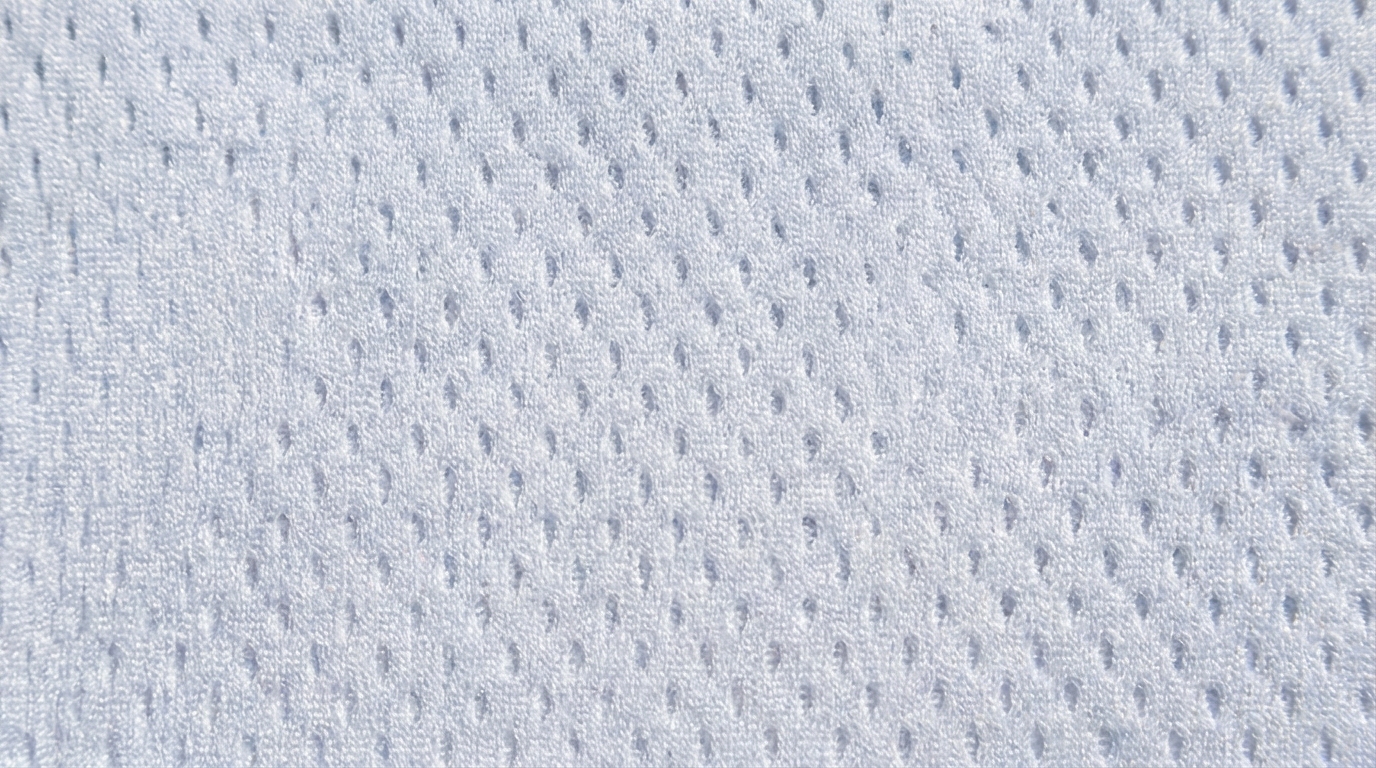
The best basketball jersey fabrics prioritize breathability, moisture management, and durability to ensure athletes maintain peak performance during high-intensity play. Choosing the wrong material can lead to skin irritation, heavy sweat retention, and premature wear. When you are sourcing for a team or brand, the pressure to balance cost with professional-grade quality is immense.
Types of basketball jersey fabric vary from standard polyester to advanced micro-meshes, each impacting player comfort differently. This guide clarifies how to navigate the technical specifications of athletic textiles.
What defines high standards for types of basketball jersey fabric?
High standards for Types of basketball jersey fabric are defined by the material’s ability to wick moisture, resist abrasion, and provide multi-directional stretch. Professional-grade textiles must withstand the physical rigors of the court while remaining lightweight.
When you evaluate a sports fabric , check the denier rating and fiber strength. Durable fibers prevent the jersey from tearing during contact or pilling after repeated washes.
Is weight a factor in quality?
The weight of the fabric determines how heavily it sits on the player’s frame during exertion. Lightweight fabrics are essential for increasing performance speed and ensuring the player does not feel bogged down.
What role does flexibility play?
Think of it this way: basketball involves constant jumping and reaching.
- Four-way stretch allows for full range of motion.
- Elasticity prevents the garment from losing its shape.
- Natural recovery keeps the fit crisp all season.
Key Takeaway: High-quality fabrics ensure players stay focused by eliminating distractions caused by heavy, restrictive, or irritating materials.
| Factor | High Standard Metric | Benefit | |
|---|---|---|---|
| Stretch | 4-Way Recovery | Full mobility | |
| Strength | 150+ Denier | Tear resistance | |
| Feel | Smooth/Soft | Anti-chafing |
This assessment highlights why professional leagues prioritize technical synthetic blends over natural fibers.
Why is polyester dominant for types of basketball jersey fabric?
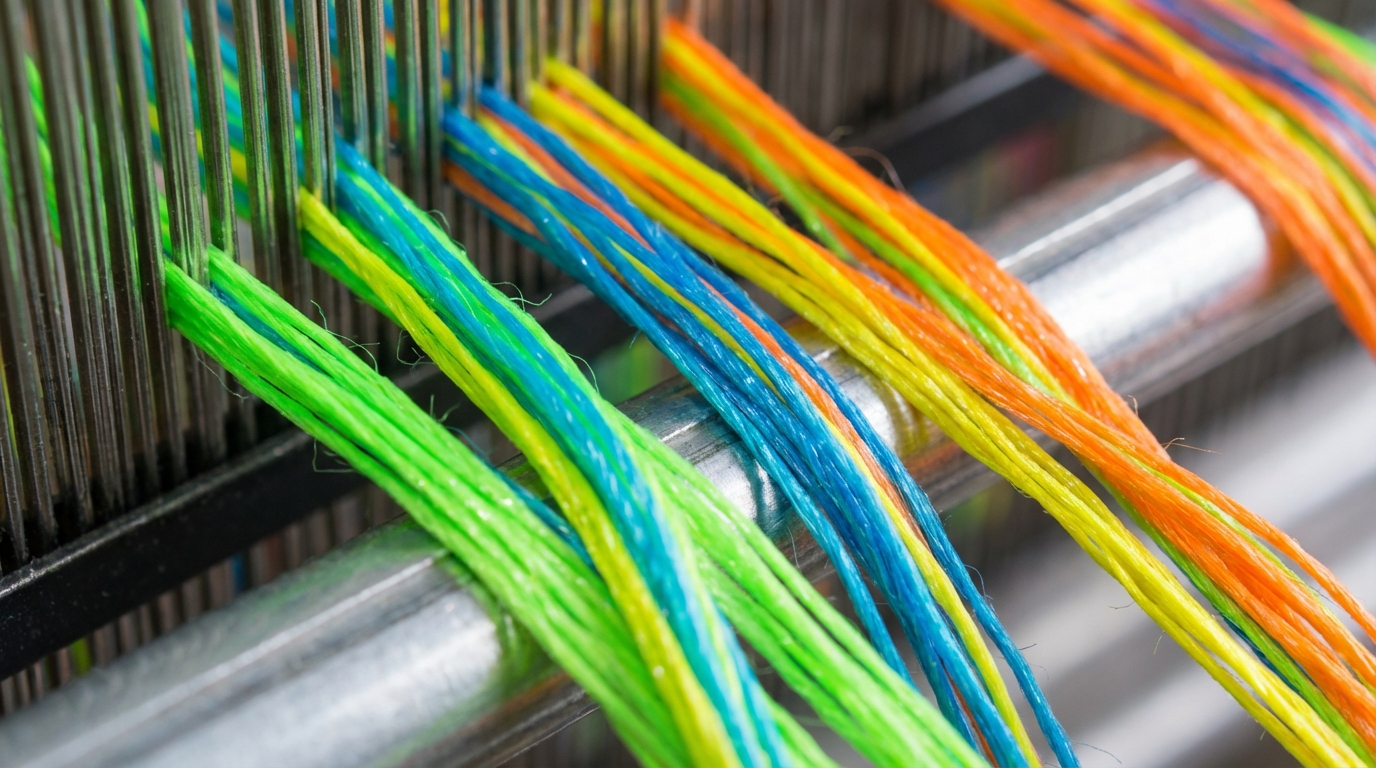
Polyester is the industry leader for types of basketball jersey fabric because it is exceptionally durable, hydrophobic, and resistant to shrinking. Its synthetic nature allows it to transport moisture to the surface for rapid evaporation.
Modern activewear fabric often utilizes 100% polyester or high-polyester blends. These materials offer the best balance of longevity and cost-effectiveness for bulk manufacturing.
Why is polyester better than cotton?
Cotton is a poor choice for high-intensity sports because it absorbs sweat and becomes heavy. The best part? Polyester remains lightweight regardless of perspiration levels.
- It does not absorb water fibers.
- It resists mildew and bacterial odors.
- It dries significantly faster than natural alternatives.
How does polyester support durability?
Polyester fibers are naturally strong and maintain their integrity under stress. This makes them perfect for the “tug and pull” nature of competitive basketball games.
Key Takeaway: Using polyester ensures that your jerseys remain professional in appearance and performance through an entire season of heavy use.
| Material | Moisture Absorption | Durability | Best Use | |
|---|---|---|---|---|
| Polyester | Very Low | High | Competitive Play | |
| Cotton | High | Moderate | Casual Fan Wear | |
| Spandex | Low | High (Stretch) | Compression Gear |
Understanding material science confirms polyester as the “workhorse” of the athletic apparel industry.
How does Birdseye mesh top types of basketball jersey fabric?
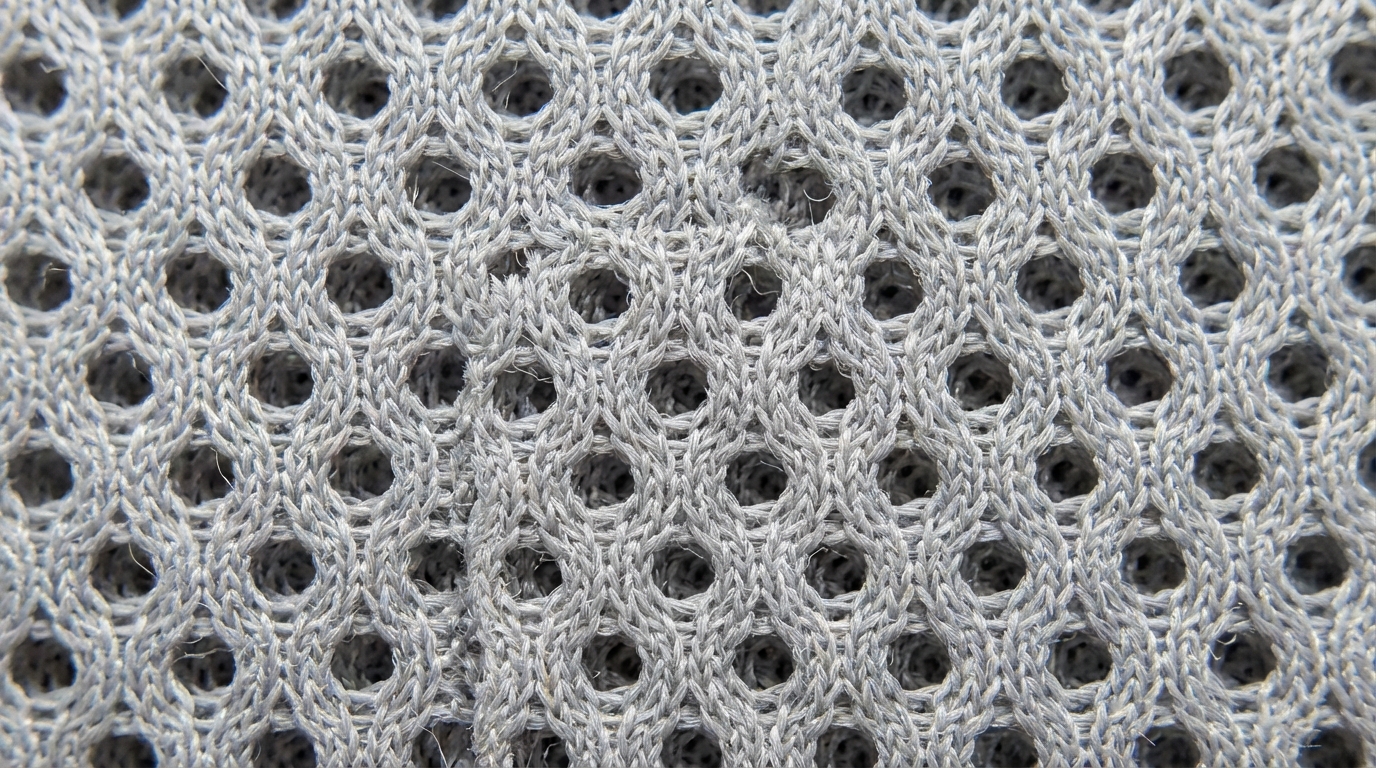
Birdseye mesh tops Types of basketball jersey fabric lists due to its unique “honeycomb” knit that maximizes surface area for ventilation. This structure facilitates rapid heat escape and keeps the athlete’s body temperature regulated.
When you use mesh fabric , you provide the player with a weightless feel that mimics professional NBA-level gear. Its aesthetic texture also adds a premium visual element to custom designs.
What is the advantage of the Birdseye knit?
The distinct pattern creates micro-channels for air to flow directly against the skin. In other words, it is the ultimate cooling technology.
- Superior breathability in high-heat zones.
- High aesthetic value for team branding.
- Quick-dry properties for tournament play.
Is Birdseye mesh durable enough?
Despite the open-hole appearance, Birdseye mesh is engineered with interlocked fibers to prevent snagging. It remains a top choice for both game-day jerseys and practice pennies.
Key Takeaway: Birdseye mesh offers the best ventilation-to-strength ratio, ensuring players stay cool without sacrificing the jersey’s structural integrity.
| Feature | Birdseye Mesh | Benefit | |
|---|---|---|---|
| Texture | Honeycomb Knit | Enhanced Airflow | |
| Weight | ~140-160 GSM | Weightless Feel | |
| Finish | Matte or Semi-Gloss | Professional Look |
This fabric remains the gold standard for teams operating in humid or poorly ventilated environments.
Does double-knit beat standard types of basketball jersey fabric?
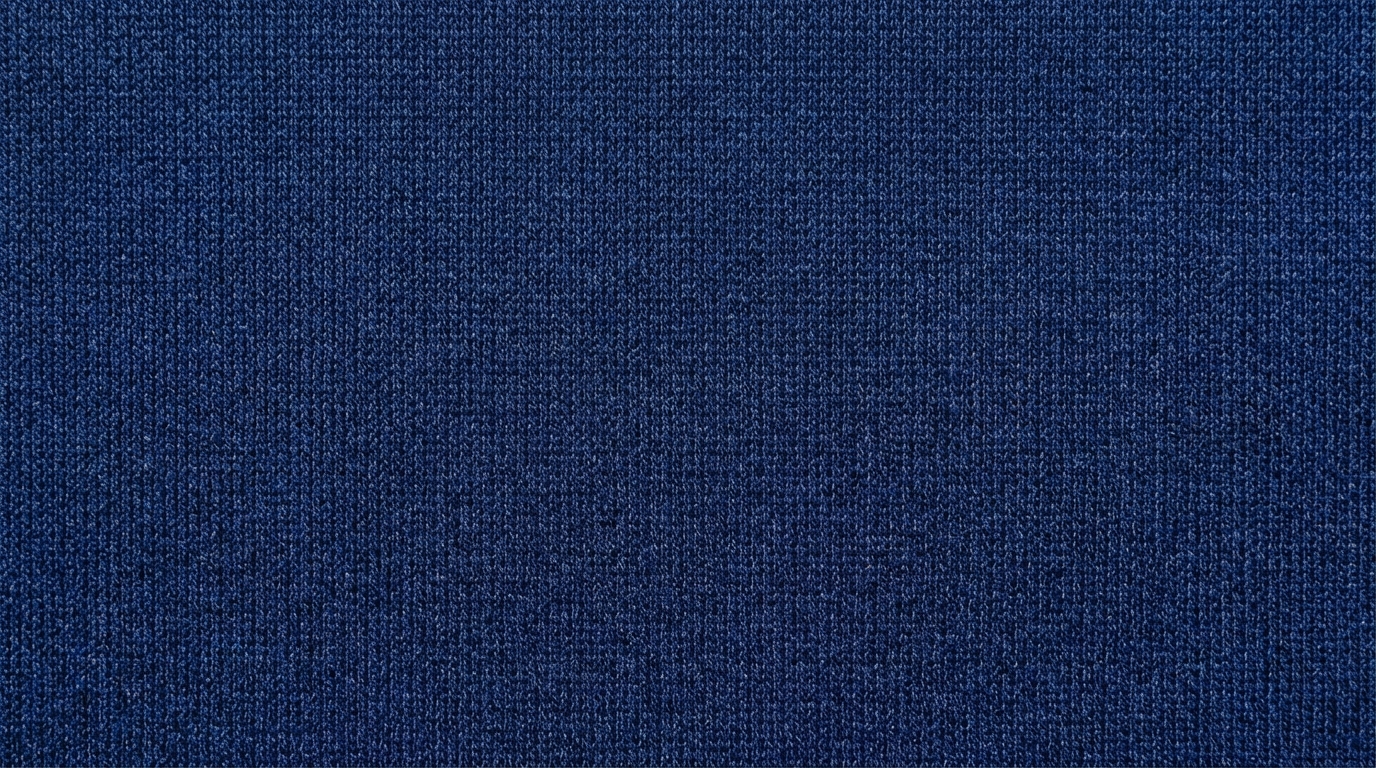
Double-knit construction beats standard types of basketball jersey fabric when the primary goal is durability and a structured, professional silhouette. This method interlocks two layers of fabric to create a thicker, more resilient textile.
Double-knit jerseys are often found in high-end fan replicas and professional collegiate uniforms. They provide a “heavy” premium feel while still incorporating modern moisture-wicking technology.
When should you choose double-knit?
Double-knit is ideal for contact sports where players are frequently grabbed or bumped. But that’s not all.
- It resists “see-through” issues with light colors.
- It holds embroidery and twill patches better.
- it provides a more formal, tailored fit.
Does it compromise on breathability?
While thicker than micro-mesh, modern double-knit often includes laser-perforated zones for ventilation. This hybrid approach ensures you get the strength of a heavy knit with the airflow of a mesh.
Key Takeaway: Choosing double-knit construction provides a durable, high-end uniform that maintains its shape and supports heavy customization.
| Construction | Thickness | Ventilation | Customization | |
|---|---|---|---|---|
| Single-Knit | Thin | Very High | Light Printing | |
| Double-Knit | Medium | High | Heavy Twill/Patch | |
| Triple-Knit | Thick | Moderate | Outerwear |
Strategic use of double-knit can elevate the perceived value of your team’s brand identity.
Which types of basketball jersey fabric suit sublimation printing?
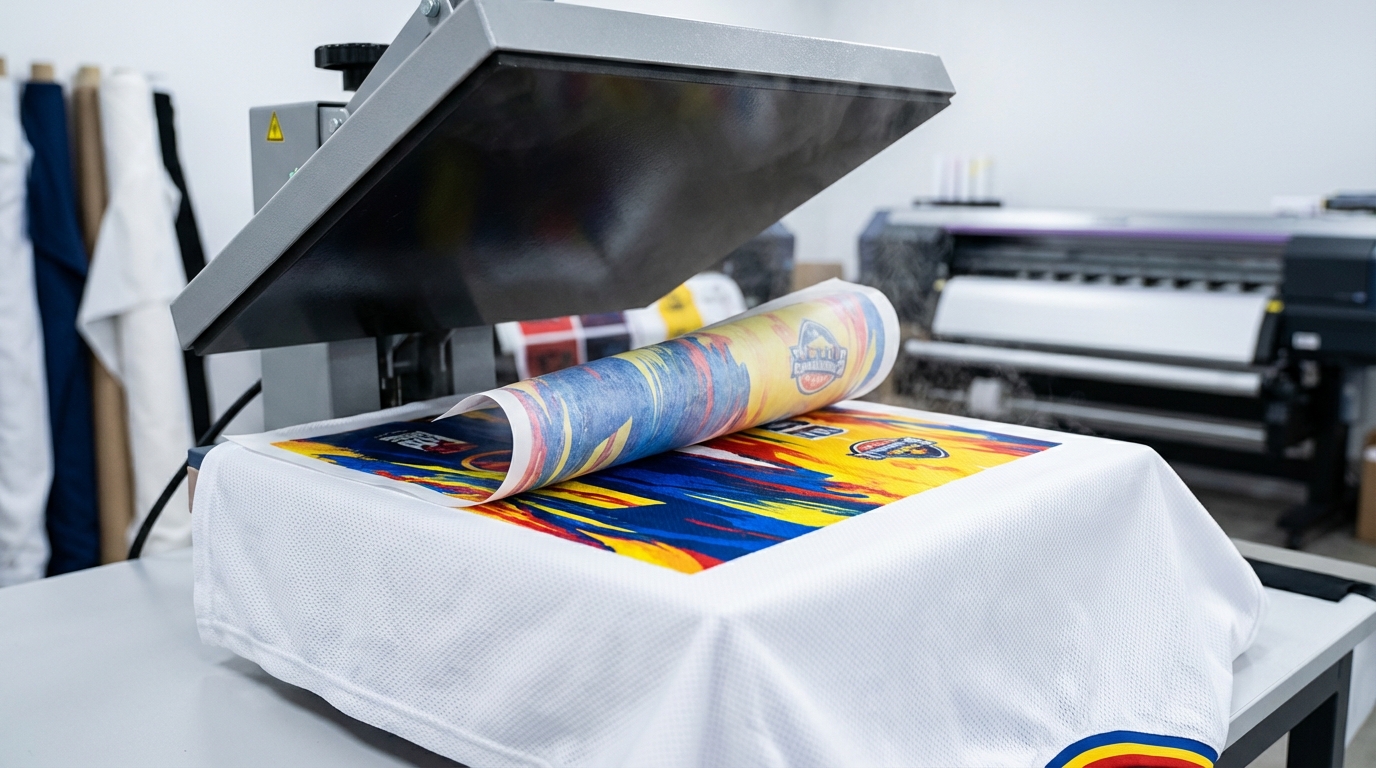
Synthetic types of basketball jersey fabric with high polyester content are the only materials that suit sublimation printing perfectly. Sublimation requires the ink to turn into a gas and bond directly with the polyester fibers.
Using Types of basketball jersey fabric that are 100% polyester ensures that the colors remain vibrant and do not peel or crack over time. This process allows for unlimited design creativity without adding extra weight to the garment.
Why is sublimation the preferred method?
Sublimation allows you to dye the fabric itself rather than printing on top of it. Here is the deal:
- The fabric remains fully breathable.
- Logos and numbers never fade or peel.
- Design possibilities are mathematically infinite.
Can you sublimate on mesh?
Yes, Birdseye and flat-back mesh are excellent candidates for sublimation. The ink permeates the fibers around the holes, ensuring the design looks consistent even when the fabric stretches.
Key Takeaway: Sublimation-ready polyester ensures your team colors stay sharp and vibrant for the life of the jersey without clogging the fabric’s pores.
| Method | Durability | Breathability | Texture | |
|---|---|---|---|---|
| Sublimation | Permanent | Excellent | Invisible | |
| Screen Print | High | Moderate | Rubberized | |
| Vinyl Heat | Moderate | Low | Plastic Feel |
This technical compatibility is why nearly all modern custom basketball uniforms utilize sublimation on polyester bases.
What are GSM differences in types of basketball jersey fabric?
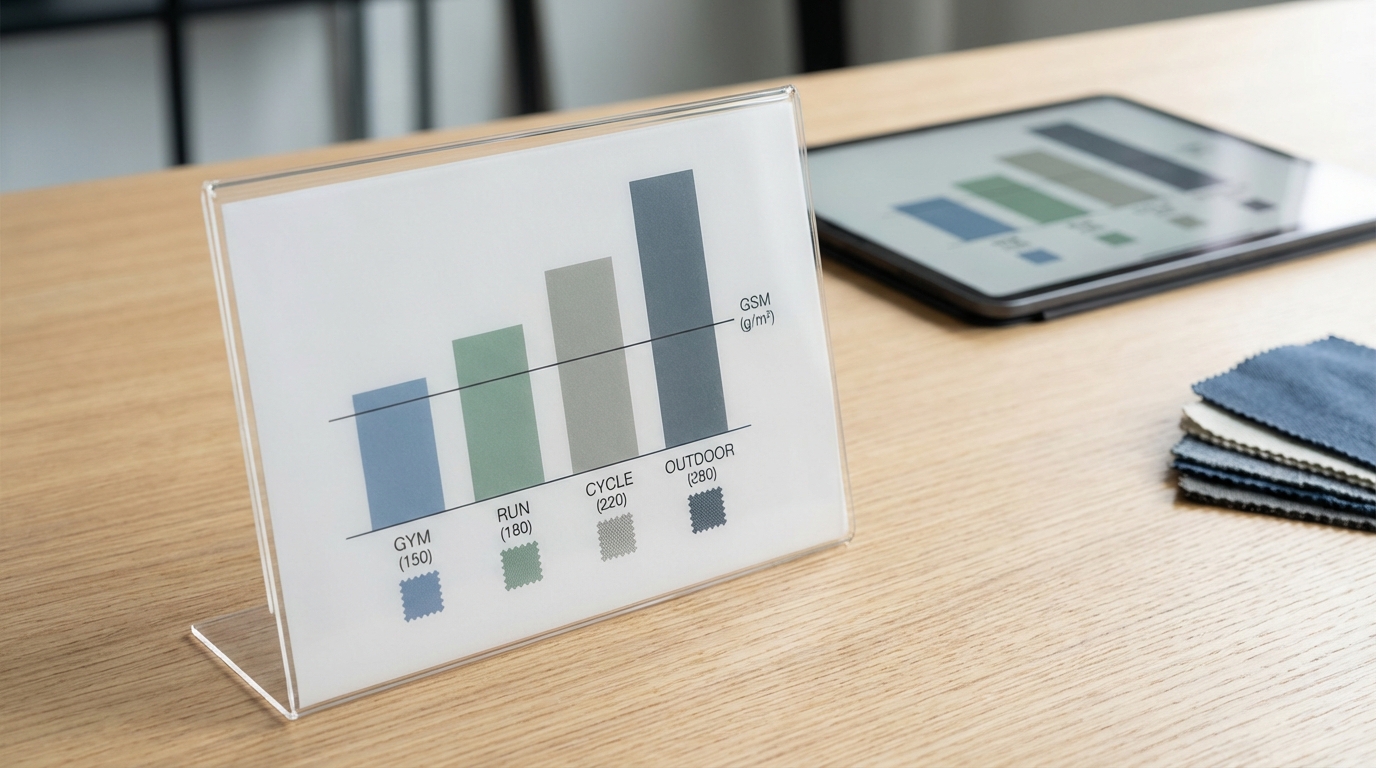
Grams per Square Meter (GSM) differences in types of basketball jersey fabric dictate the weight, opacity, and thermal properties of the uniform. Generally, basketball jerseys range from 130 GSM to 220 GSM depending on the specific application.
Lower GSM fabrics are used for high-ventilation jerseys, while higher GSM materials are preferred for shorts and outer shells. Choosing the right weight is critical for balancing player comfort with garment durability.
What is the “sweet spot” for jerseys?
A range of 140-170 GSM is typically considered the industry standard for game jerseys. The best part? It’s light enough for speed but thick enough for modesty.
- 130-145 GSM: Ultra-light for extreme heat.
- 150-180 GSM: Standard professional game-day weight.
- 200-240 GSM: Heavy-duty shorts or reversible jerseys.
Does high GSM mean better quality?
Not necessarily; high GSM in a jersey might lead to overheating and restricted movement. Quality is found in the weave density rather than just the raw weight of the textile.
Key Takeaway: Selecting the appropriate GSM ensures the jersey is heavy enough to last but light enough to let the athlete perform at full speed.
| Weight (GSM) | Classification | Best Application | |
|---|---|---|---|
| 135 | Ultra-Light | Practice Vests | |
| 165 | Standard | Game-Day Jerseys | |
| 200 | Heavy | Basketball Shorts |
Weight management is a primary factor in professional textile engineering for sports brands.
How does moisture-wicking fit types of basketball jersey fabric?
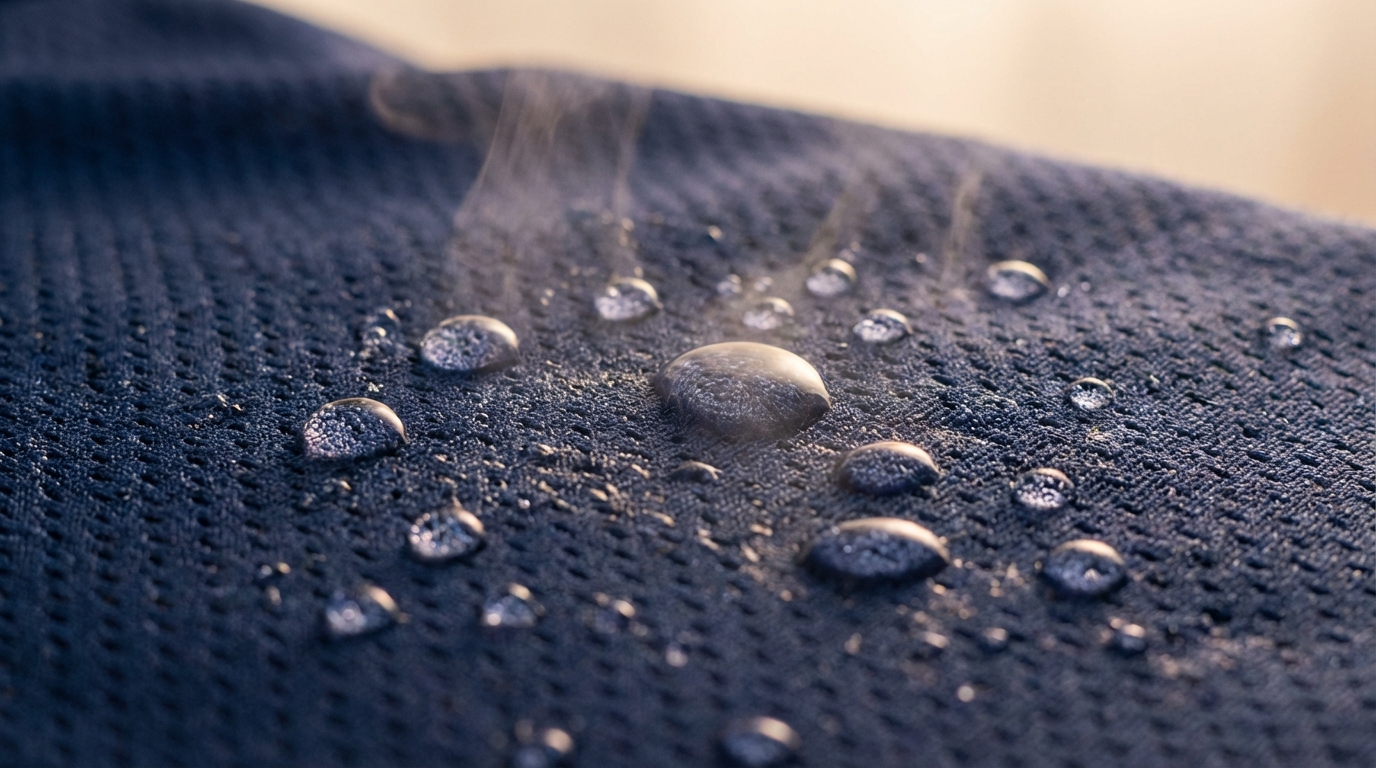
Moisture-wicking technology fits Types of basketball jersey fabric by using capillary action to pull sweat away from the skin to the outer layer of the cloth. This process keeps the player dry and prevents the jersey from sticking to the body.
When you source functional fabric , look for treated fibers or specific weaves designed for hydration management. This technology is vital for preventing chafing and maintaining comfort during long tournaments.
How do you test moisture-wicking?
You can drop a small amount of water on the fabric to see how quickly it spreads and absorbs. Here is the deal:
- Premium fabrics wick in under 3 seconds.
- The water should spread rather than bead up.
- Fast evaporation should follow immediately.
Why is drying speed important?
A wet jersey can increase in weight by up to 20%, significantly impacting player stamina. Modern synthetic blends are engineered to dry in half the time of standard textiles.
Key Takeaway: Moisture-wicking ensures that sweat does not become a performance-limiting factor, keeping players light and comfortable.
| Feature | Wicking Fabric | Standard Fabric | |
|---|---|---|---|
| Dry Time | Fast (<15 mins) | Slow (>45 mins) | |
| Skin Feel | Dry/Cool | Damp/Clingy | |
| Weight Gain | Minimal | Significant |
This functionality is arguably the most important advancement in modern basketball uniform design.
Are sustainable fibers in modern types of basketball jersey fabric?
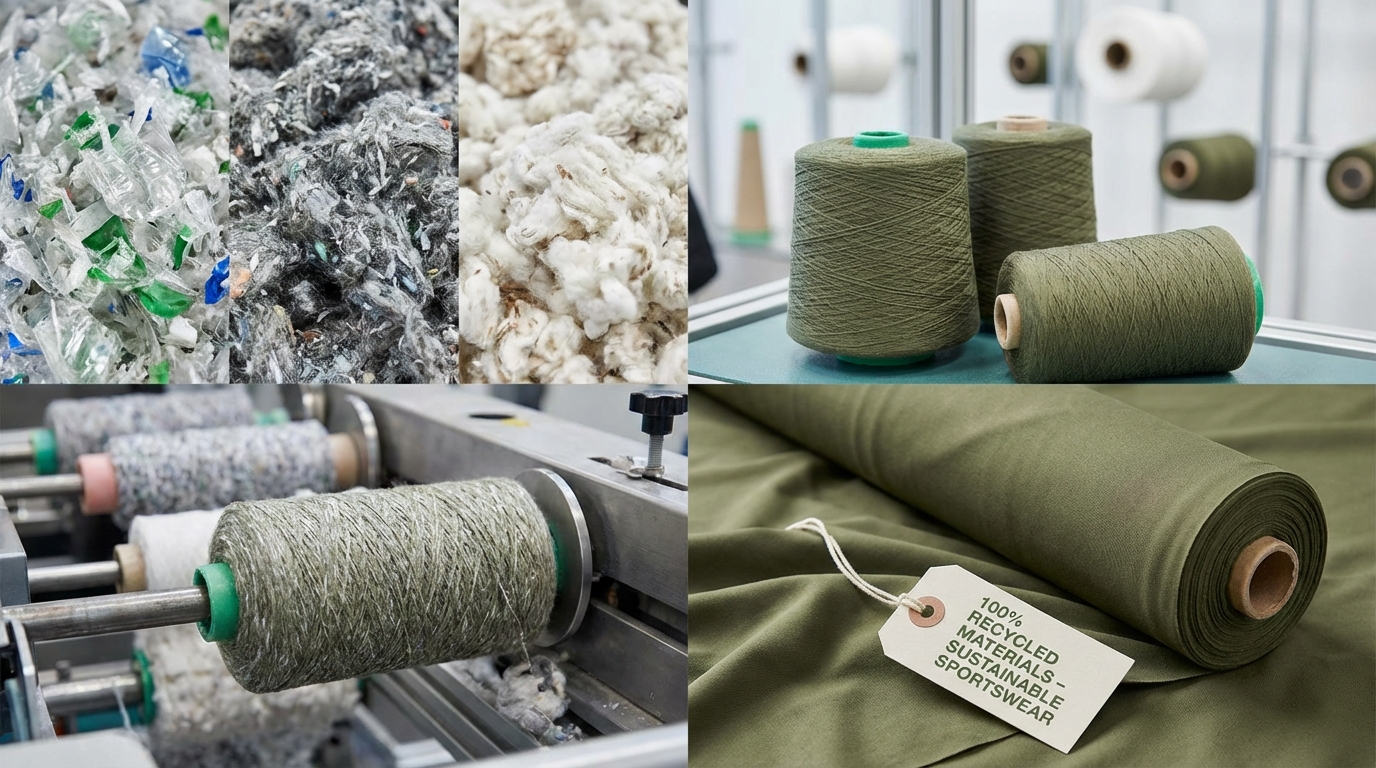
Sustainable fibers are becoming standard in modern types of basketball jersey fabric, specifically through the use of recycled polyester (rPET) derived from plastic bottles. These eco-friendly options provide the same performance metrics as virgin polyester.
Using recycled fabric allows brands to meet CSR goals without compromising on the jersey’s moisture-wicking or durability standards. Many global suppliers now offer GRS-certified options for team sports.
Is recycled polyester as good as virgin?
Yes, at a molecular level, there is virtually no difference in performance or strength. Think of it this way:
- It reduces landfill waste and energy use.
- It accepts sublimation dyes perfectly.
- It maintains identical tensile strength.
What are the certifications to look for?
Reputable suppliers will provide Global Recycled Standard (GRS) or OEKO-TEX certificates. This ensures the material is safe for the skin and truly derived from sustainable sources.
Key Takeaway: Switching to sustainable fibers allows your brand to participate in the circular economy while delivering professional-grade performance.
| Fiber Type | Source | Impact | |
|---|---|---|---|
| Virgin Polyester | Petroleum | High Footprint | |
| Recycled Polyester | Plastic Bottles | Low Footprint | |
| Organic Cotton | Natural | Water Intensive |
Sustainability is no longer a niche; it is a core requirement for modern B2B textile sourcing.
What types of basketball jersey fabric suit high-contact shorts?
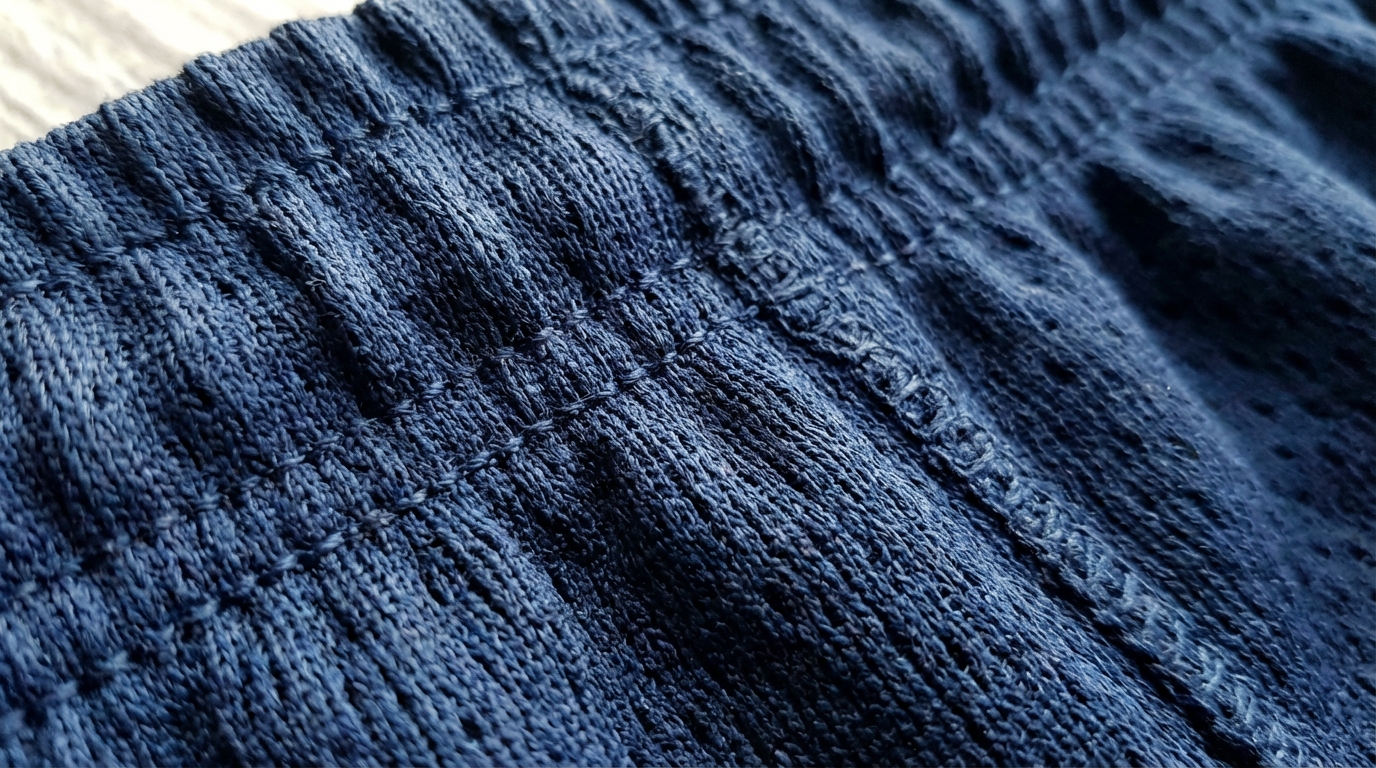
Heavier types of basketball jersey fabric, such as interlock and double-mesh, best suit high-contact shorts that require extreme abrasion resistance. Shorts endure more friction from the court surface and defensive contact than jerseys.
When selecting Types of basketball jersey fabric for bottoms, look for a higher GSM and a tight-knit structure. This prevents tearing during dives for loose balls and provides better coverage for the athlete.
Why is interlock knit popular for shorts?
Interlock provides a smooth surface that reduces friction against the skin and pads. But that’s not all.
- It has excellent stretch and recovery.
- The surface is highly resistant to pilling.
- It provides a thick, non-see-through finish.
Does mesh work for shorts?
Double-layered mesh is a classic choice for basketball shorts, providing airflow while maintaining modesty. The inner lining prevents the outer mesh from causing skin irritation during intense movement.
Key Takeaway: Selecting high-durability interlock or double-layered mesh ensures your team’s shorts last through physical play and frequent sliding.
| Requirement | Best Fabric | Reason | |
|---|---|---|---|
| Abrasion Resistance | Interlock Knit | High Stitch Density | |
| Ventilation | Double Mesh | Layered Airflow | |
| Flex | Poly-Spandex | Superior Stretch |
Shorts require a specialized material focus because they face the most physical abuse on the court.
How to find suppliers for premium types of basketball jersey fabric?
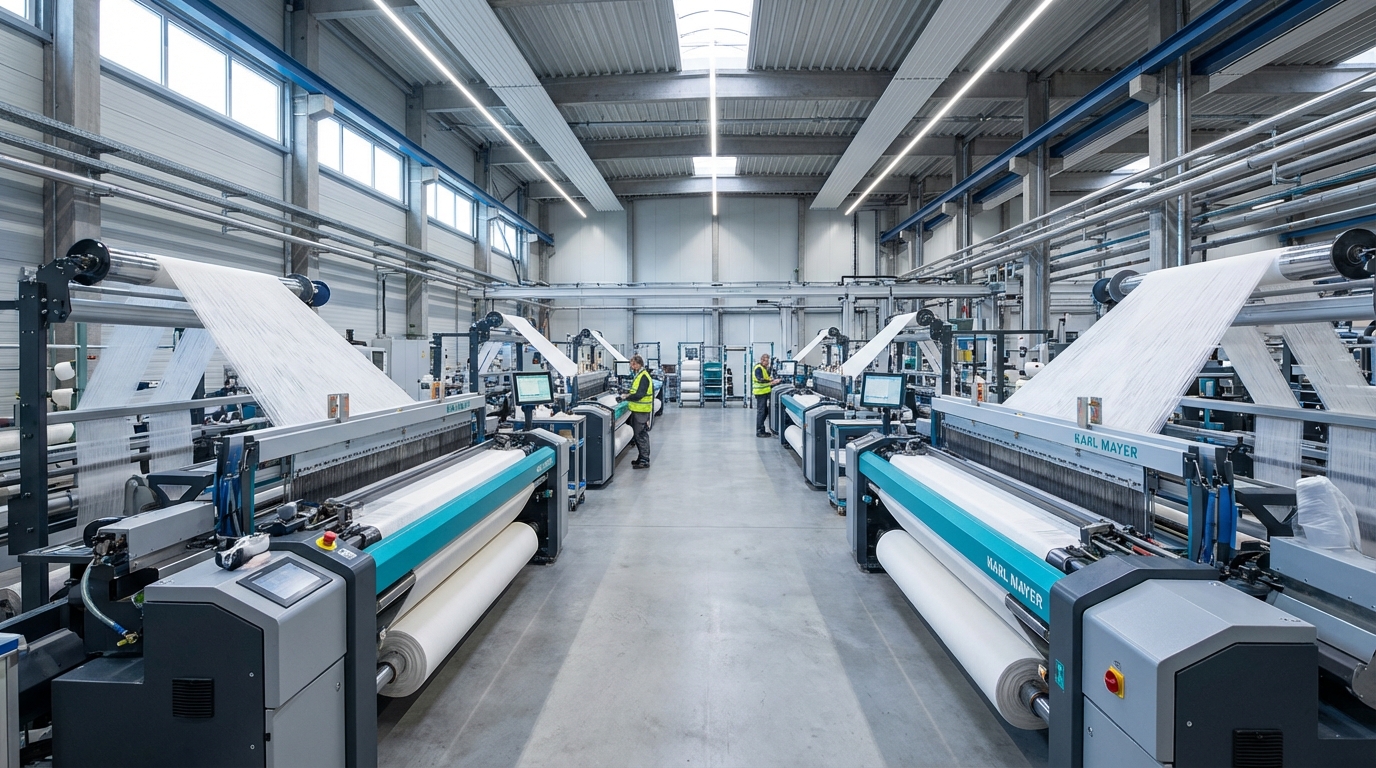
Finding suppliers for premium types of basketball jersey fabric requires vetting for vertically integrated facilities that control both knitting and dyeing. Integrated factories ensure consistent color batches and faster lead times.
You should look for manufacturers that utilize high-precision German knitting machines, such as Karl Mayer, to ensure uniform stitch quality. Requesting a sample pack is the best way to evaluate hand-feel and stretch before committing to a bulk order.
What questions should you ask a factory?
Check for certifications and minimum order quantities (MOQ) to ensure they fit your scale. The best part? Professional factories offer flexibility for emerging brands.
- Do you have OEKO-TEX or GRS certifications?
- What is your monthly capacity for Birdseye mesh?
- Can you provide custom GSM and color matching?
How do you verify quality from a distance?
Request testing reports for color fastness, shrinkage, and wicking speed. A reliable supplier will have these documents ready for any batch they produce.
Key Takeaway: Partnering with a vertically integrated factory guarantees that your fabric quality remains consistent from the first yard to the last.
| Supplier Check | Ideal Response | Why it Matters | |
|---|---|---|---|
| Vertical Integration | In-house Knitting/Dyeing | Better Quality Control | |
| MOQ | Low (100kg – 300kg) | Scaling Flexibility | |
| Tech Support | Free Sampling | Accuracy in Design |
Establishing a direct relationship with a manufacturer is the most effective way to secure competitive pricing and superior textile quality.
Choosing the right materials is the foundation of any successful sportswear brand. By understanding the nuances between polyester weaves, GSM weights, and wicking technologies, you can provide jerseys that professional athletes trust. If you are ready to elevate your team’s gear with high-performance textiles, contact us today to request a custom sample pack tailored to your specific needs. Our mission is to engineer the fabrics that drive performance and define team identity on a global scale.
FAQ
Can I use cotton for professional basketball jerseys?No, cotton is not recommended because it absorbs moisture, becomes heavy, and causes skin irritation during high-intensity play. Professional standards require synthetic moisture-wicking polyesters to maintain player comfort and speed.
What is the best fabric for sublimation printing?100% polyester is the best choice because the sublimation process relies on a heat-bond with synthetic fibers. This ensures that the colors are permanent, vibrant, and do not block the fabric’s natural breathability.
How do I know if a fabric is breathable?You should look for mesh structures or hold the fabric up to the light to see the ventilation gaps. A direct test involves breathing through the material; if you feel minimal resistance, the fabric will facilitate excellent airflow during a game.
Why does GSM matter for basketball uniforms?GSM determines the weight and thickness of the uniform, which impacts how it feels on the player’s body. A jersey that is too heavy will cause overheating, while one that is too light may be transparent or prone to tearing.
Is recycled polyester as durable as standard polyester?Yes, recycled polyester offers identical tensile strength and performance metrics to virgin polyester. It is an excellent choice for brands looking to reduce their environmental impact without sacrificing the professional quality of their sports apparel.