
100% polyester mesh is the best fabric for basketball jersey production due to its superior moisture management and durability. Every apparel manufacturer knows the struggle of dealing with high-intensity sweat and physical contact on the court. Without the right technical textile, uniforms become heavy, abrasive, and prone to tearing, which directly impacts player speed and brand reputation. MAKITAPE provides the ultimate solution with our best fabric for basketball jersey selections, engineered specifically for professional athletic performance.
Why pick the best fabric for basketball jersey for performance?
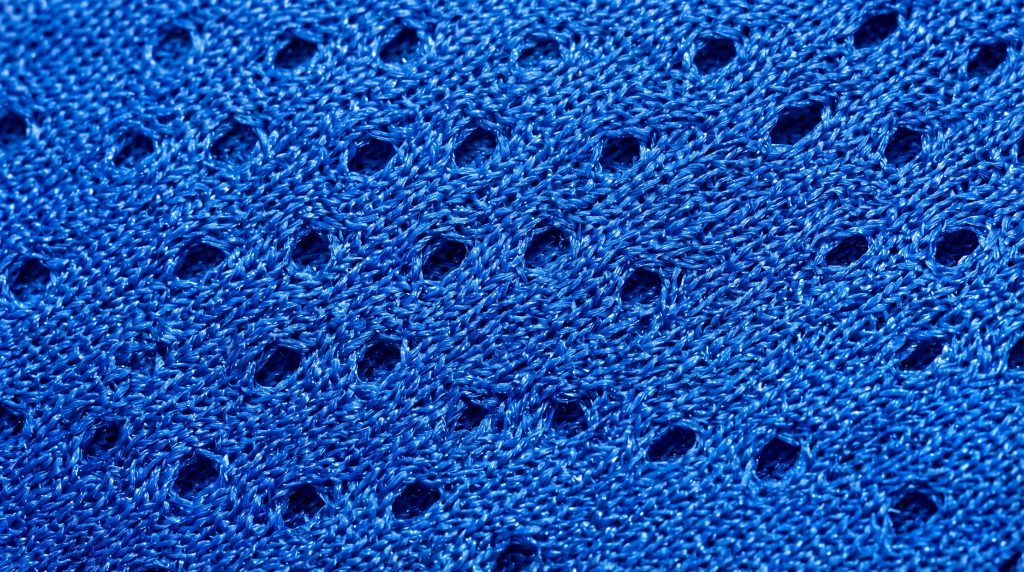
High-performance textiles are the foundation of modern basketball apparel because they regulate body temperature and ensure total freedom of movement. When you source the best fabric for basketball jersey teams, you are investing in moisture-wicking technology that pulls sweat away from the skin. This prevents the “heavy jersey” effect that slows players down during the fourth quarter.
How does moisture-wicking improve gameplay?
Efficient moisture-wicking ensures that athletes stay dry and light throughout the game.
- Accelerates evaporation of sweat.
- Reduces skin irritation and chafing.
- Maintains the original weight of the garment. Check this out: Players can focus entirely on their performance without being distracted by soaking wet fabric sticking to their bodies.
What role does weight play in elite uniforms?
A lightweight uniform is essential for the vertical leaps and quick sprints required in basketball.
- Enhances agility and explosive movements.
- Reduces fatigue during long-duration play.
- Allows for better layering without bulk. Here is the kicker: Even a few grams of saved weight can be the difference between a successful dunk and a missed opportunity.
Can durability withstand high-impact physical play?
The fabric must endure constant pulling, sliding, and aggressive defensive maneuvers.
- High tensile strength prevents tearing.
- Abrasion resistance protects against floor burns.
- Reinforced knitting structures maintain shape. The best part? A durable jersey maintains its professional look for the entire season, saving teams money on replacements.
Key Takeaway: Performance fabrics prioritize lightness, dryness, and strength to keep players at their peak.
| Technical Spec | Performance Impact | |
|---|---|---|
| Wicking Rate | High (dries in < 15 mins) | |
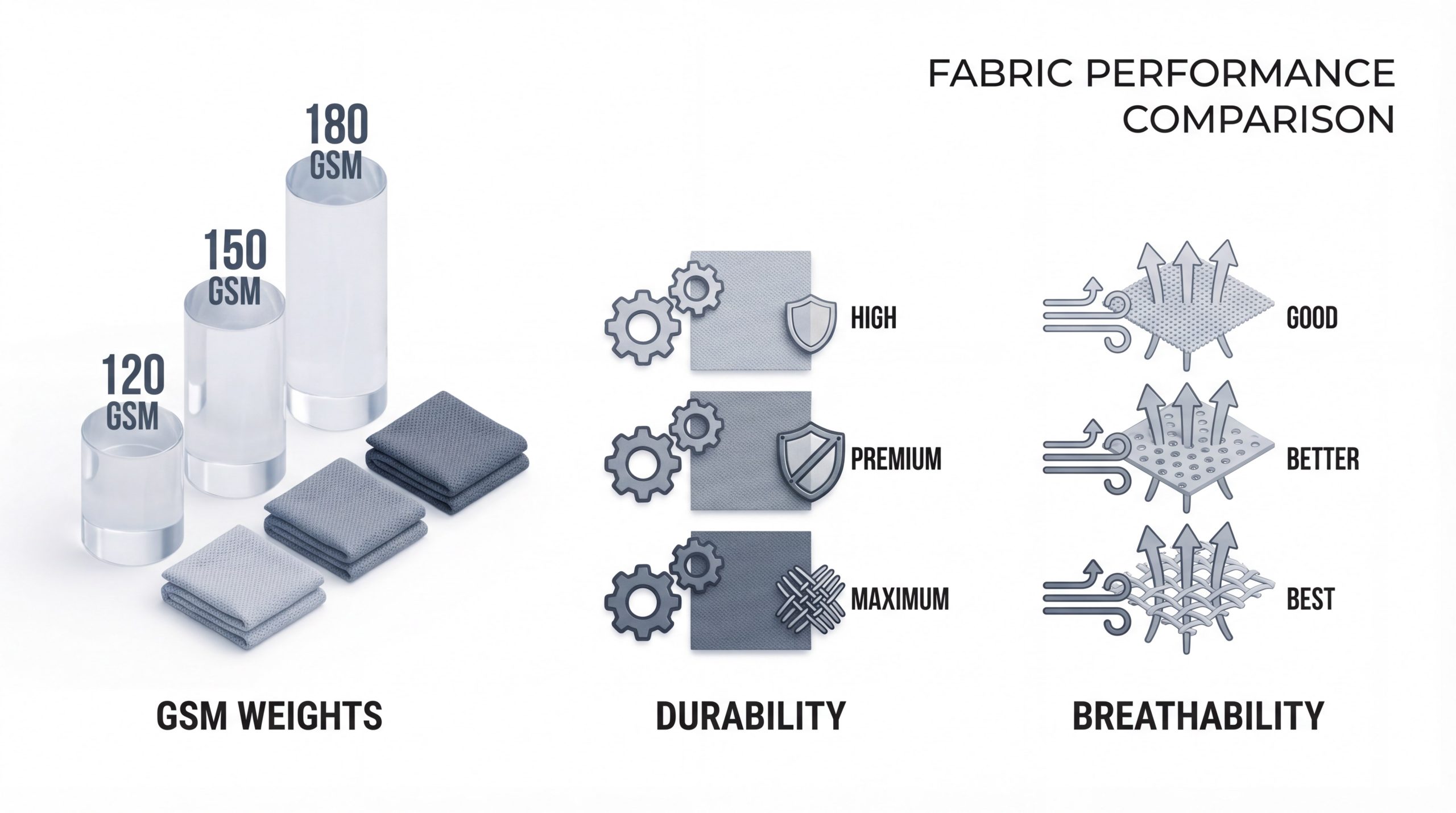
| Weight | 130 – 180 GSM | |
| Bursting Strength | > 250 kPa |
What defines the best fabric for basketball jersey quality?
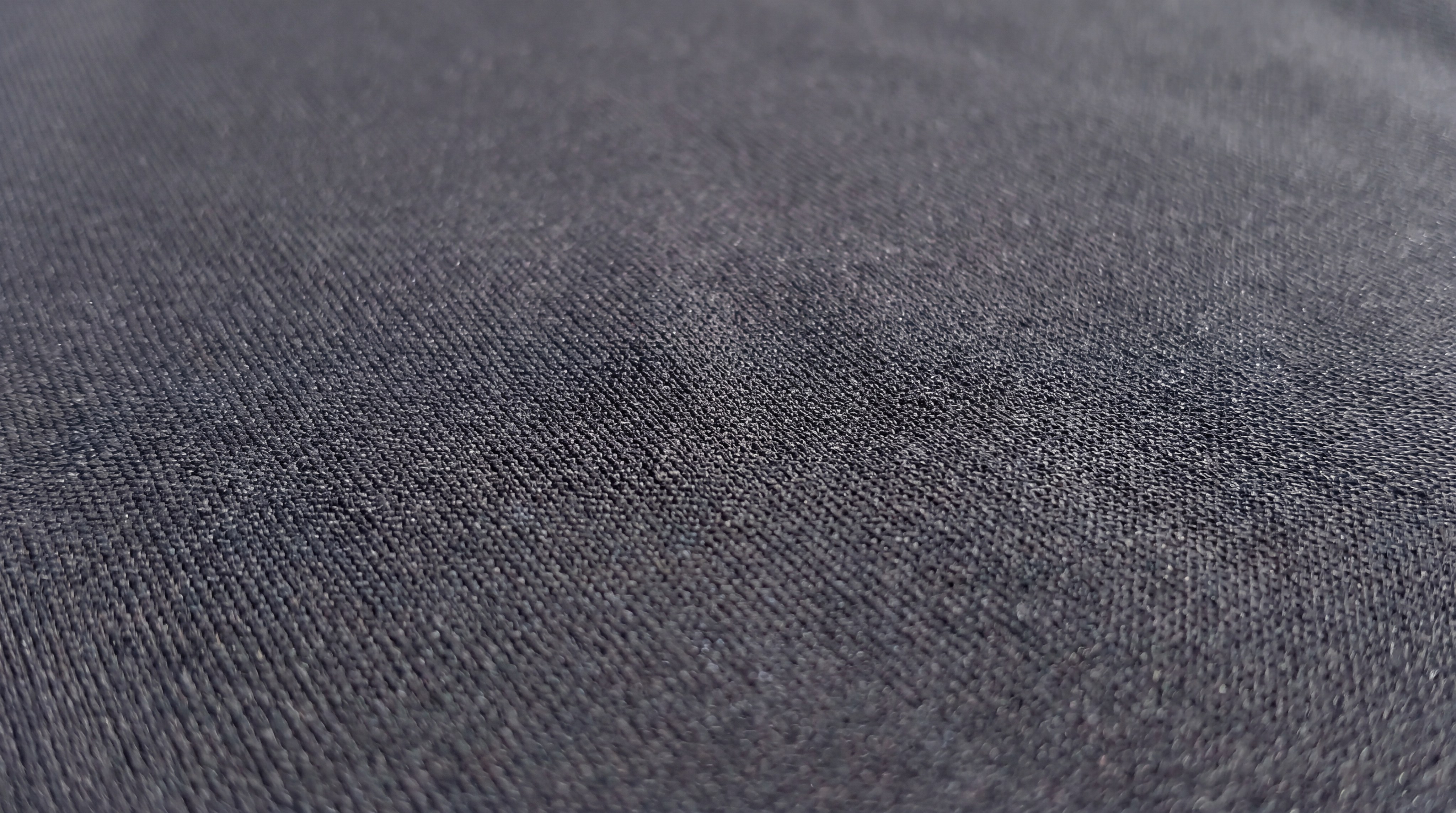
Quality is defined by the intersection of fiber strength, knit density, and finish treatments. Choosing the best fabric for basketball jersey projects means looking for materials that offer high color fastness and zero shrinkage. At MAKITAPE, we ensure our fabrics meet global standards for color retention, even after 50+ industrial washes.
Why is color fastness vital for branding?
Team colors are a core part of an organization’s identity and must remain vibrant.
- Prevents dye bleeding during wash cycles.
- Maintains consistent shades across the whole team.
- Resists fading under harsh stadium lighting. Believe it or not: Poor color fastness can lead to mismatched uniforms that look unprofessional and cheap.
What makes fabric breathability so important?
Breathability allows heat to escape, preventing the athlete from overheating during intense exertion.
- Promotes constant airflow to the skin.
- Reduces core body temperature spikes.
- Lowers the risk of heat-related exhaustion. Wait, there is more: Advanced knit patterns can create targeted “cooling zones” in high-heat areas like the back and underarms.
How does pilling resistance affect longevity?
Pilling resistance ensures the fabric surface remains smooth and professional-looking after heavy use.
- Eliminates the formation of fuzzy fiber balls.
- Maintains the smooth hand-feel of the jersey.
- Preserves the clarity of printed or embroidered logos. You might be wondering: This is especially important for jerseys that come into frequent contact with velcro or rough equipment.
Key Takeaway: Quality is a combination of visual longevity and physical comfort through engineering.
| Technical Spec | Quality Standard | |
|---|---|---|
| Color Fastness | Grade 3.5 – 4.0 | |
| Pilling Resistance | Grade 4 (Makitape Standard) | |
| Shrinkage Rate | < 2% |
Is 100% polyester the best fabric for basketball jersey?
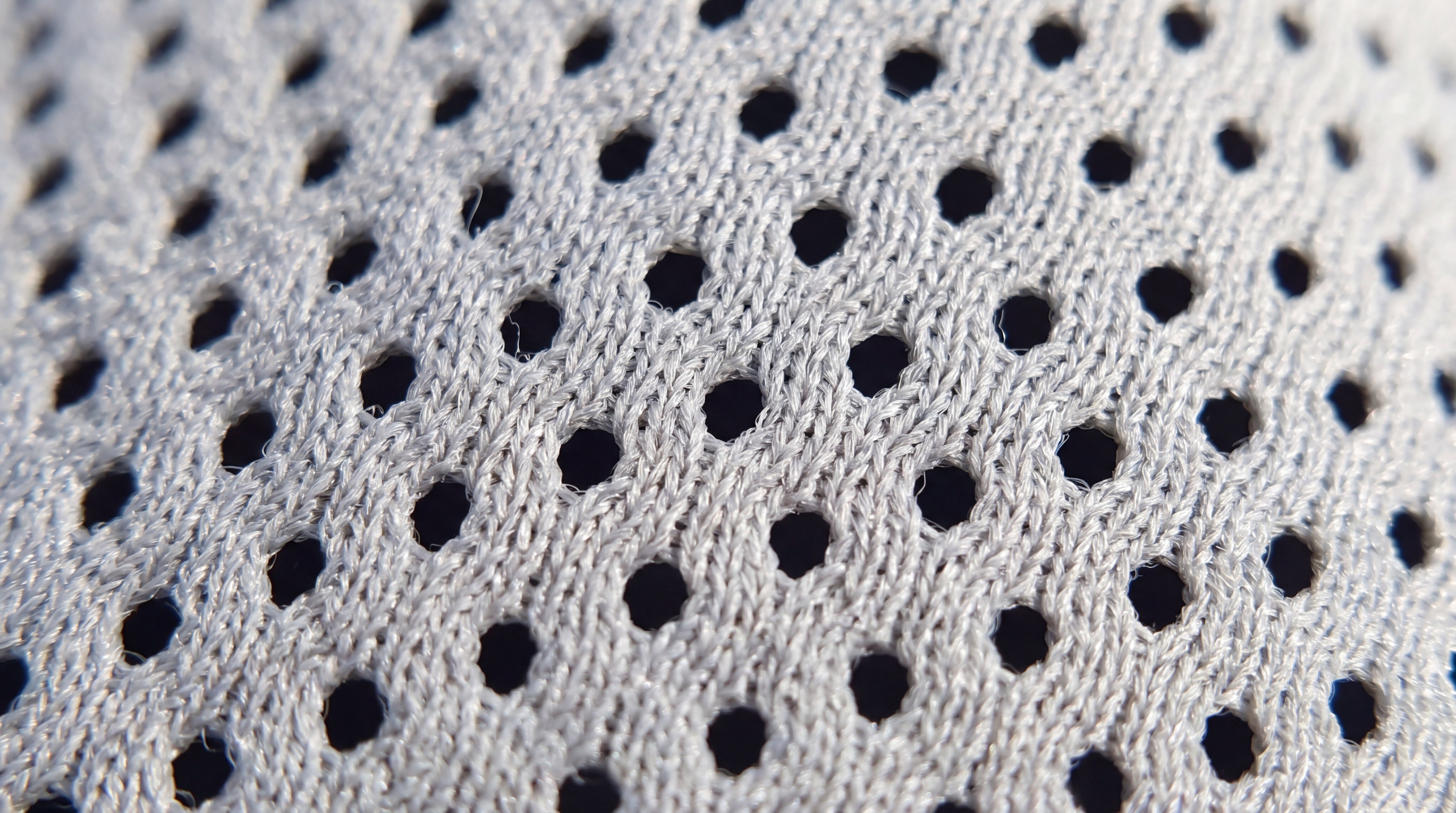
Polyester is widely considered the best fabric for basketball jersey manufacturing because it is inherently hydrophobic. Unlike natural fibers, our polyester interlock fabric does not absorb water, ensuring it stays light no matter how much a player sweats. It is the industry gold standard for its balance of cost, performance, and printability.
Why is polyester naturally moisture-repellent?
The synthetic fibers do not soak up liquid, but rather transport it to the surface.
- Prevents weight gain from moisture absorption.
- Keeps the garment dry to the touch.
- Dries significantly faster than nylon or cotton. The bottom line: This natural property is why polyester dominates the sports apparel market globally.
Does polyester offer better sublimation results?
Sublimation printing requires high polyester content for vibrant and permanent color transfer.
- Ink bonds directly to the polyester fibers.
- Produces sharp, high-definition graphics.
- Designs will never crack, peel, or wash off. Here is the kicker: You can print complex full-jersey patterns without affecting the fabric’s breathability or weight.
Is polyester more cost-effective for large orders?
Wholesale polyester production offers the best ROI for team sports brands.
- Lower raw material costs compared to nylon.
- High production speed and efficiency.
- Extremely long shelf life without degradation. But wait, there is more: Its durability means you spend less on quality control and customer returns for damaged goods.
Key Takeaway: Polyester is the “MVP” material because it performs well in every technical and financial category.
| Technical Spec | Polyester Performance | |
|---|---|---|
| Drying Time | Ultra-Fast | |
| Print Quality | Grade A (Sublimation) | |
| Cost Efficiency | High |
Does mesh make the best fabric for basketball jersey designs?
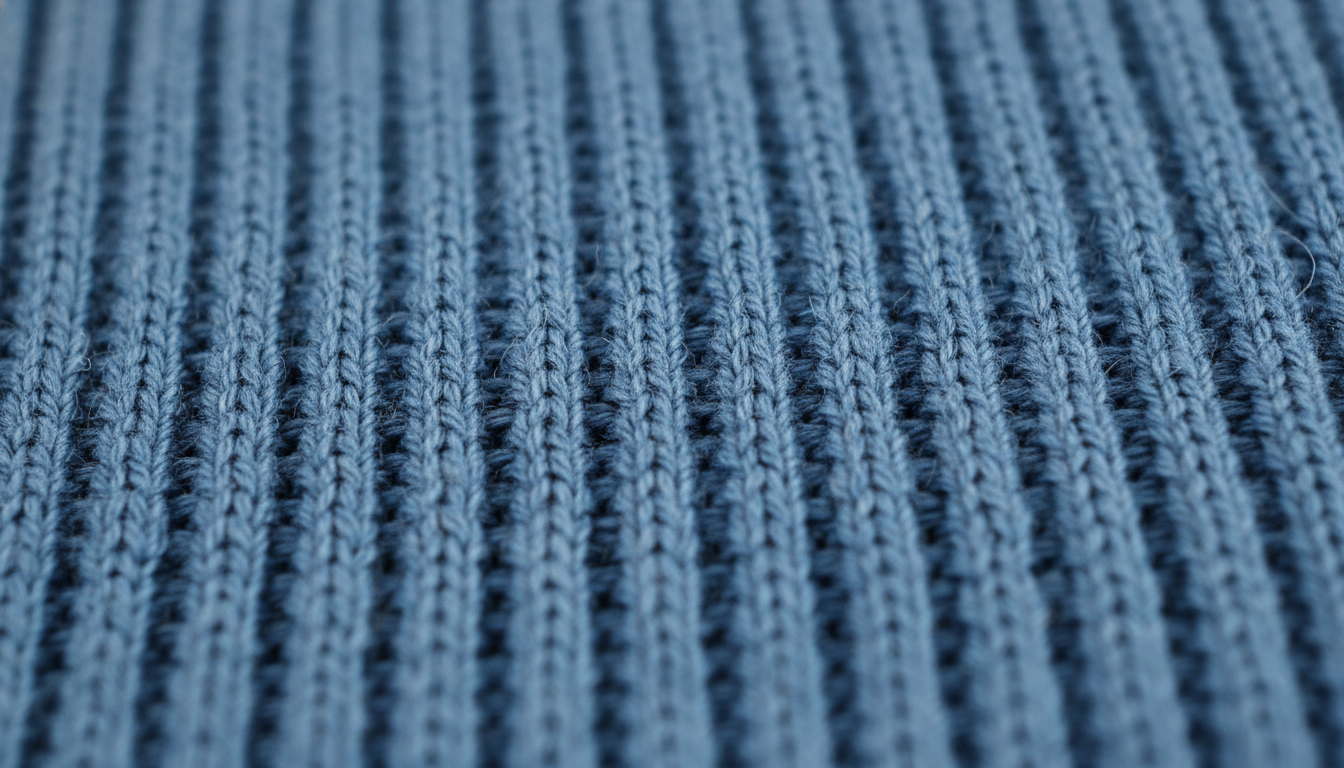
Mesh construction provides the necessary ventilation that solid knits cannot achieve on their own. Utilizing mesh as the best fabric for basketball jersey side panels or full bodies creates a wind-tunnel effect on the court. It is lightweight, visually athletic, and highly functional for temperature regulation.
What are the benefits of bird-eye mesh?
Bird-eye mesh features a unique dimpled pattern that maximizes surface area for evaporation.
- Provides a premium, textured aesthetic.
- Offers exceptional ventilation holes.
- Stretches naturally without needing spandex. You won’t believe this: The small “holes” are designed to let air in while remaining opaque for player modesty.
Should you use micro-mesh for lightweight jerseys?
Micro-mesh is the choice for “barely there” feeling uniforms used in professional leagues.
- Lowest possible weight per square meter.
- Extremely soft and silky hand-feel.
- Great for layering over compression shirts. Check this out: It is often used in double-layer reversible jerseys to keep the total weight manageable.
How does mesh improve thermal regulation?
The open knit structure acts as a heat vent for the athlete’s body.
- Releases trapped hot air instantly.
- Allows cool air to circulate directly to the skin.
- Prevents the “sauna effect” of tight garments. The best part? Integrating mesh panels in high-sweat areas like the back can reduce perceived exertion.
Key Takeaway: Mesh structures are essential for ventilation and making a jersey feel “pro-grade.”
| Technical Spec | Mesh Characteristic | |
|---|---|---|
| Air Permeability | > 150 cm³/cm²/s | |
| Visual Style | Textured / Opaque | |
| Stretch | Mechanical |
Is spandex added to the best fabric for basketball jersey?
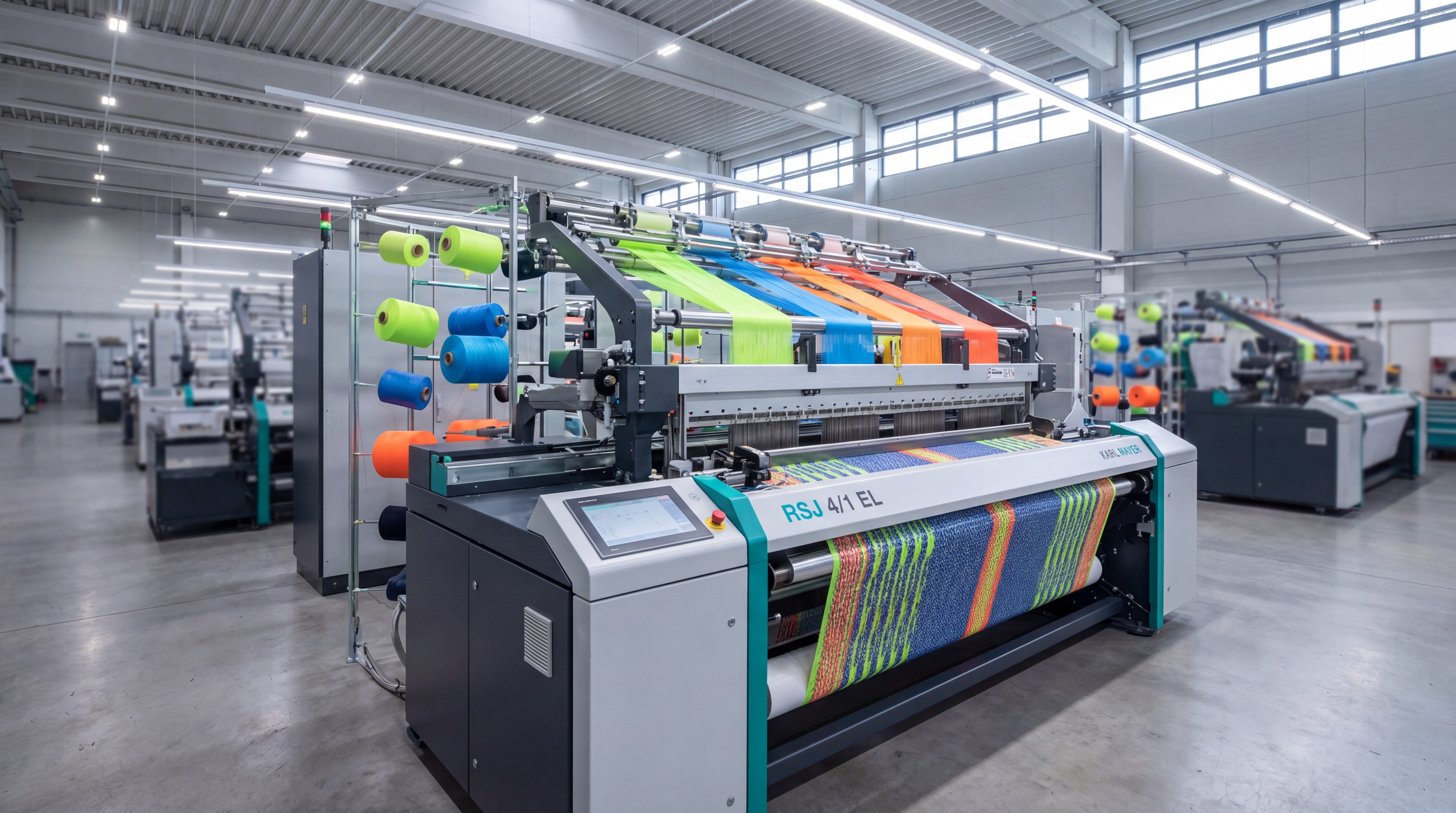
Spandex is often blended with polyester to add a 4-way stretch that improves the range of motion. Our birdseye mesh fabric can be customized with 5-10% spandex to create the best fabric for basketball jersey fits that are more athletic and slim. This “compression” feel is popular among modern players who prefer a streamlined look.
How does 4-way stretch improve mobility?
4-way stretch allows the fabric to expand and contract in every direction.
- Follows the body’s natural range of motion.
- Eliminates “pulling” across the shoulders during shots.
- Snap-back recovery keeps the jersey from sagging. Here is the kicker: Uniforms with spandex fit better on a wider variety of body types without restricting movement.
Why is shape retention a critical factor?
Shape retention ensures the jersey doesn’t become baggy and loose after a few games.
- Maintains the professional silhouette of the kit.
- Prevents the neckline from stretching out.
- Keeps shorts at the correct length and fit. Wait, there is more: MAKITAPE uses high-quality elastic fibers that resist degradation from body oils and sweat.
Does a slim-fit design offer an advantage?
Slim-fit jerseys are harder for opponents to grab during defensive play.
- Reduces the amount of loose fabric to snag.
- Enhances the modern, professional aesthetic.
- Works better with high-tech undergarments. The bottom line: Aerodynamics on the court might seem minor, but elite teams take every advantage they can get.
Key Takeaway: Spandex blends provide the necessary flexibility for high-performance athletic movement.
| Technical Spec | Spandex Blend (10%) | |
|---|---|---|
| Elongation | > 80% | |
| Recovery Rate | > 95% | |
| Fit Type | Athletic / Slim |
Why is nylon vs poly used for the best fabric for basketball jersey?
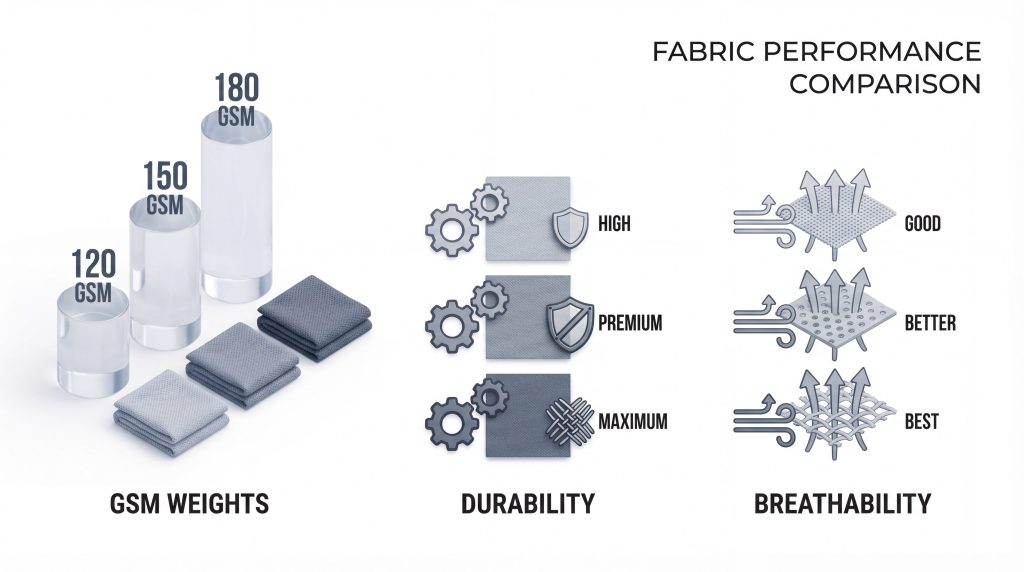
Nylon is sometimes used for its incredible strength, but polyester remains the best fabric for basketball jersey production for most brands. While nylon has better abrasion resistance, it absorbs more moisture and is harder to print. Understanding this trade-off is crucial when deciding which material to buy for your specific team needs.
Is nylon stronger than polyester for sports?
Nylon is arguably the toughest synthetic fiber, making it almost impossible to tear.
- Higher resistance to friction and floor burns.
- Greater elasticity compared to pure polyester.
- Extremely soft and premium “hand” or feel. Believe it or not: Some pro jerseys use nylon blends in the panels most likely to hit the floor during slides.
Why does polyester win the moisture battle?
As mentioned, polyester is hydrophobic, which is the top priority for basketball.
- Doesn’t get heavy when the player is drenched.
- Dries 3x faster than nylon in humid gyms.
- Resists the growth of odor-causing bacteria. You might be wondering: Why would anyone pick nylon? It is usually for the “look” and “feel” rather than technical drying speed.
Which fabric is easier for mass customization?
Polyester is the undisputed king of customization through dye sublimation.
- Poly fibers accept ink more consistently than nylon.
- Allows for lower MOQs on custom team orders.
- Nylon usually requires screen printing or expensive dyes. The best part? Using polyester allows you to scale your production faster with fewer technical errors in the dyeing plant.
Key Takeaway: Choose polyester for wicking and printing; choose nylon blends for extreme durability and feel.
| Property | Polyester | Nylon | |
|---|---|---|---|
| Moisture Absorption | < 1% | 4% – 5% | |
| Abrasion Resistance | Good | Excellent | |
| Sublimation Ease | High | Low |
Is recycled yarn the best fabric for basketball jersey use?
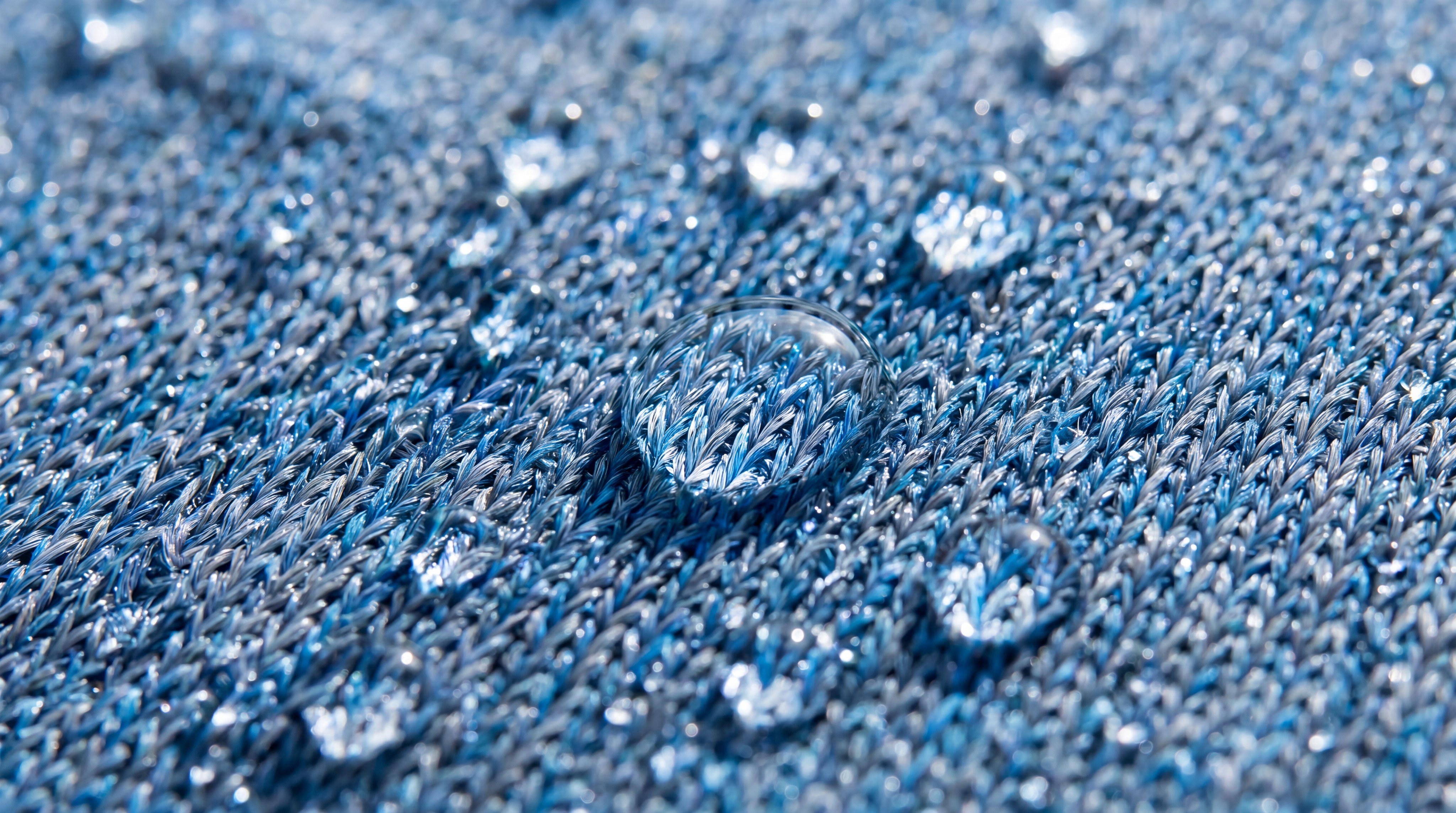
Recycled polyester is rapidly becoming the best fabric for basketball jersey options for eco-conscious brands. We offer GRS-certified recycled fabric that matches the performance of virgin polyester exactly. You can market a sustainable story without sacrificing a single drop of performance on the hardwood.
Is there a performance gap in recycled fibers?
Technical tests show that high-quality recycled poly is indistinguishable from new poly.
- Identical moisture-wicking and drying speeds.
- The same tensile strength and durability.
- No difference in color fastness or print quality. Check this out: Most players will never know their jersey was made from recycled plastic bottles.
How does GRS certification build brand trust?
The Global Recycled Standard ensures your supply chain is truly sustainable.
- Verifies the actual percentage of recycled content.
- Guarantees fair labor and environmental practices.
- Provides a “story” that resonates with modern consumers. The bottom line: Sustainability is no longer a niche; it is a requirement for many government and school contracts.
Why is eco-friendly fabric a smart business move?
Using sustainable materials can justify a premium price point for your products.
- Attracts environmentally aware teams and leagues.
- Aligns your brand with global “green” initiatives.
- Reduces your company’s carbon footprint. Wait, there is more: MAKITAPE supports low MOQs even for our recycled lines, letting you test the market risk-free.
Key Takeaway: Recycled polyester provides 100% performance with a 100% sustainable marketing angle.
| Technical Spec | Recycled Polyester | |
|---|---|---|
| Fiber Origin | Post-consumer PET | |
| Certification | GRS / OEKO-TEX | |
| Performance | Equal to Virgin |
Why skip cotton for the best fabric for basketball jersey?
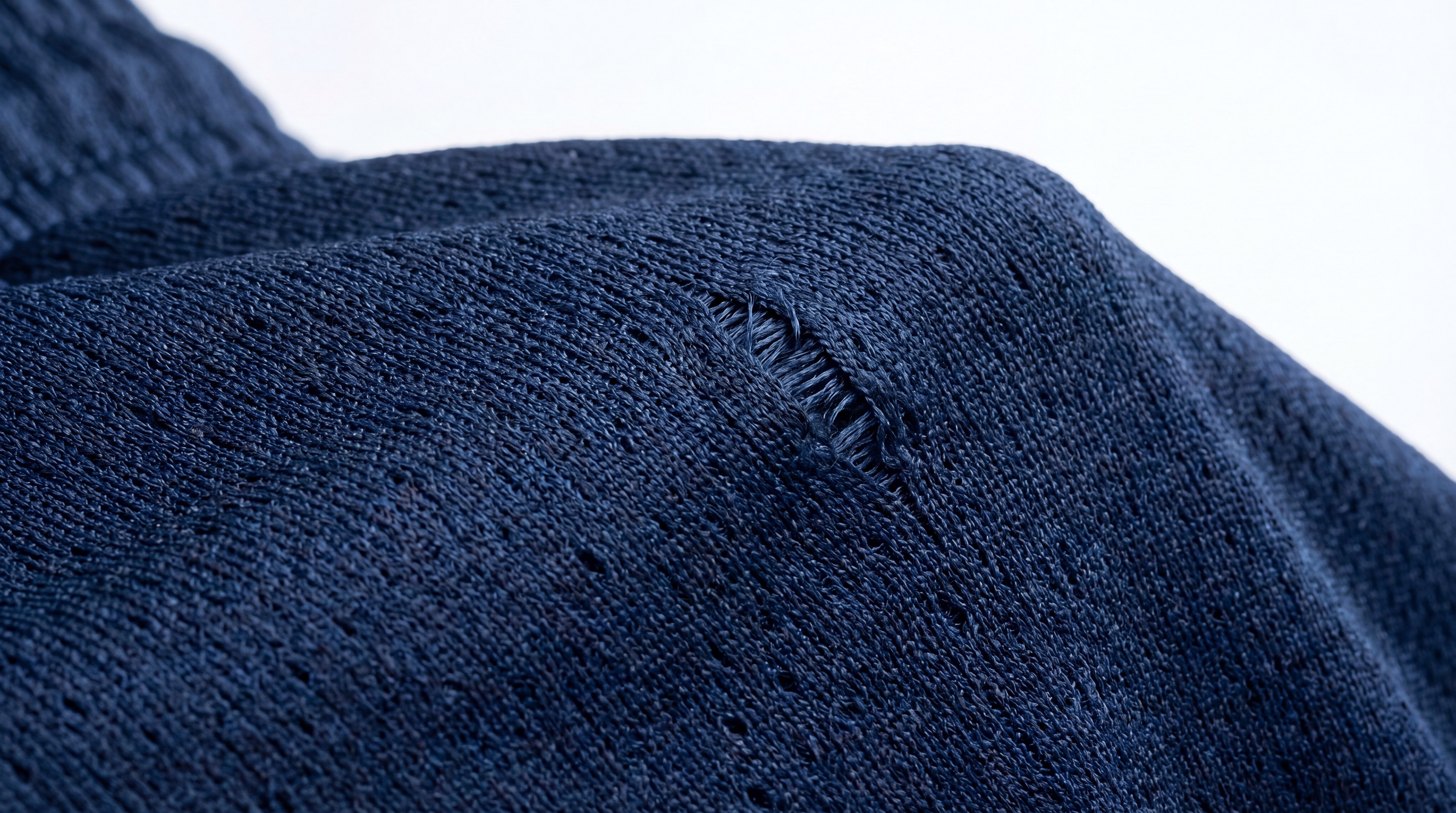
Cotton is a poor choice and should never be used as the best fabric for basketball jersey materials in a competitive setting. Cotton is “thirsty”—it absorbs up to 25 times its weight in water, turning a light jersey into a heavy, soggy mess. While it feels nice for a casual t-shirt, it is an athlete’s worst enemy during a game.
Does cotton cause overheating and fatigue?
By trapping moisture against the skin, cotton prevents the body’s natural cooling process.
- Acts as a wet towel on the player’s back.
- Increases the risk of heat exhaustion.
- Feels abrasive and heavy once soaked with sweat. You won’t believe this: A cotton jersey can weigh over 2 pounds by the end of a game just from liquid weight.
Why does cotton lose its shape so easily?
Natural fibers stretch out when wet and shrink when dried in high heat.
- Necklines sag and lose their structure quickly.
- The fabric becomes stiff and “crunchy” after washing.
- Colors fade much faster than synthetic alternatives. Here is the kicker: If you want a uniform to last more than three washes, avoid cotton entirely.
Is there any place for cotton-poly blends?
Blends are only suitable for “lifestyle” or “fan-wear” rather than on-court performance.
- Better for casual comfort and soft feel.
- Okay for warm-up hoodies or sideline gear.
- Still lacks the wicking speed of pure polyester. The best part? Stick to synthetics for the game and leave the cotton for the victory celebration apparel.
Key Takeaway: Cotton absorbs sweat and slows players down; synthetics are mandatory for competition.
| Feature | Polyester Mesh | Cotton | |
|---|---|---|---|
| Wet Weight | Stays Light | Becomes Heavy | |
| Shape Retention | Excellent | Poor | |
| Wicking Speed | Fast | Non-existent |
Which tier needs the best fabric for basketball jersey teams?
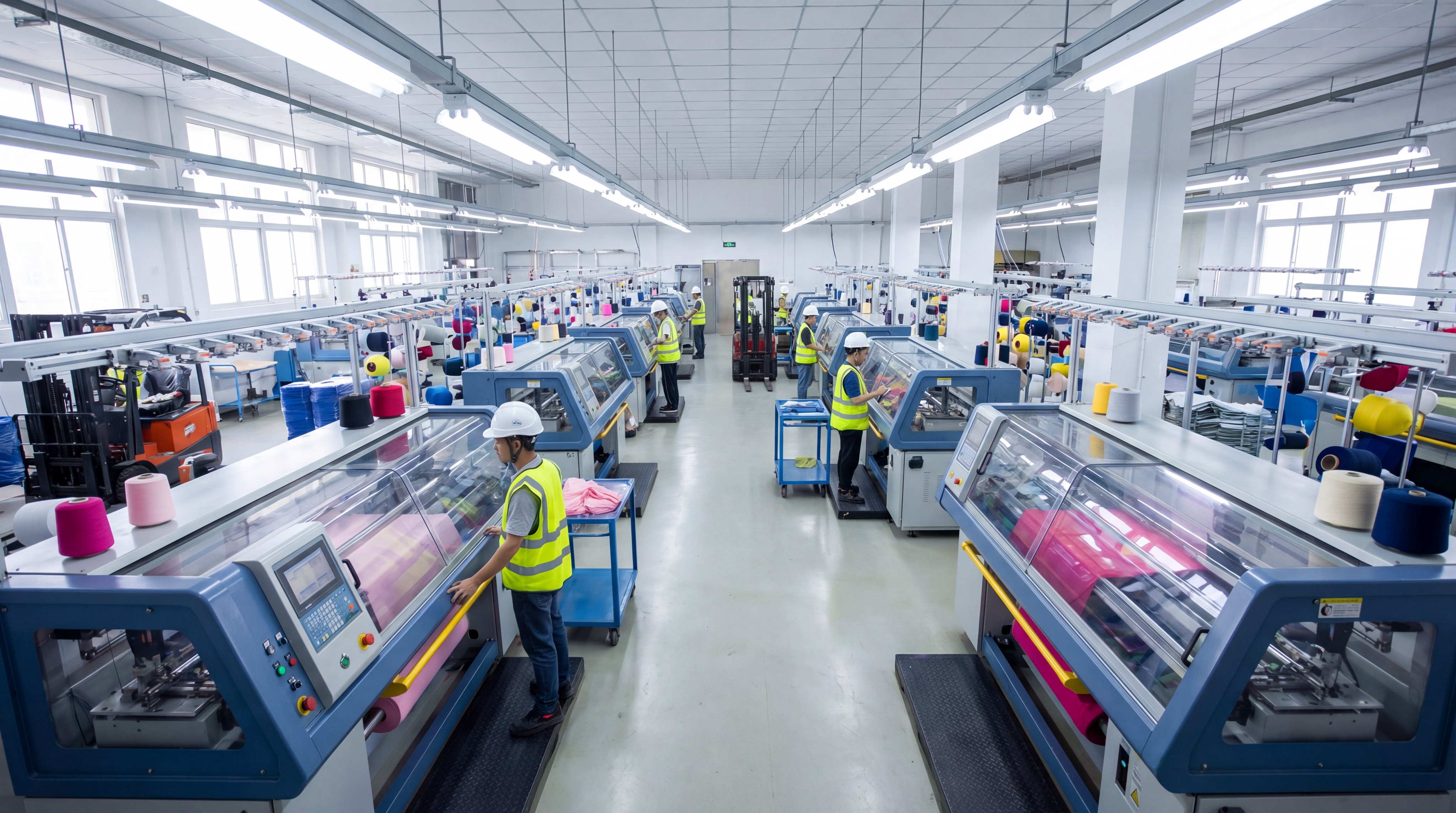
Different levels of play require different fabric weights and textures. Finding the best fabric for basketball jersey production depends on whether you are supplying a youth camp or a semi-pro league. Our polyester interlock fabric provides the versatility needed to cover everything from budget-friendly sets to elite gear.
What works best for youth and amateur leagues?
Durability and price are the main drivers for school and youth programs.
- Medium-weight interlock is tough and cheap.
- Simple mesh panels offer enough breathability.
- Fabric must handle rough “playground” style play. Check this out: These jerseys need to be washed almost daily, so high-durability polyester is a must.
What do professional and elite teams demand?
Elite players need the lightest materials with the most advanced stretch properties.
- High-performance micro-mesh or bird-eye.
- Laser-cut ventilation and ergonomic seams.
- Often include anti-bacterial and UV-protection finishes. Here is the kicker: Pro-tier fabric feels like a second skin, allowing the athlete to forget they are even wearing a jersey.
How to select fabric for warm-up and practice gear?
Practice gear should be even more durable than game jerseys since it’s worn more often.
- Heavier GSM mesh for long-term survival.
- Reversible designs for scrimmage utility.
- Lower focus on “flashy” prints, more focus on wash-ability. But wait, there is more: MAKITAPE can match the colors of your practice fabric to your game fabric for a unified brand look.
Key Takeaway: Tailor your fabric weight and technical finish to the specific competitive level of the team.
| Level | Recommended GSM | Recommended Fabric | |
|---|---|---|---|
| Youth/Rec | 150 – 160 | Interlock / Basic Mesh | |
| Varsity/Club | 140 – 150 | Birdseye Mesh | |
| Elite/Pro | 120 – 135 | Micro-Mesh / Spandex Blend |
How to wash the best fabric for basketball jersey products?
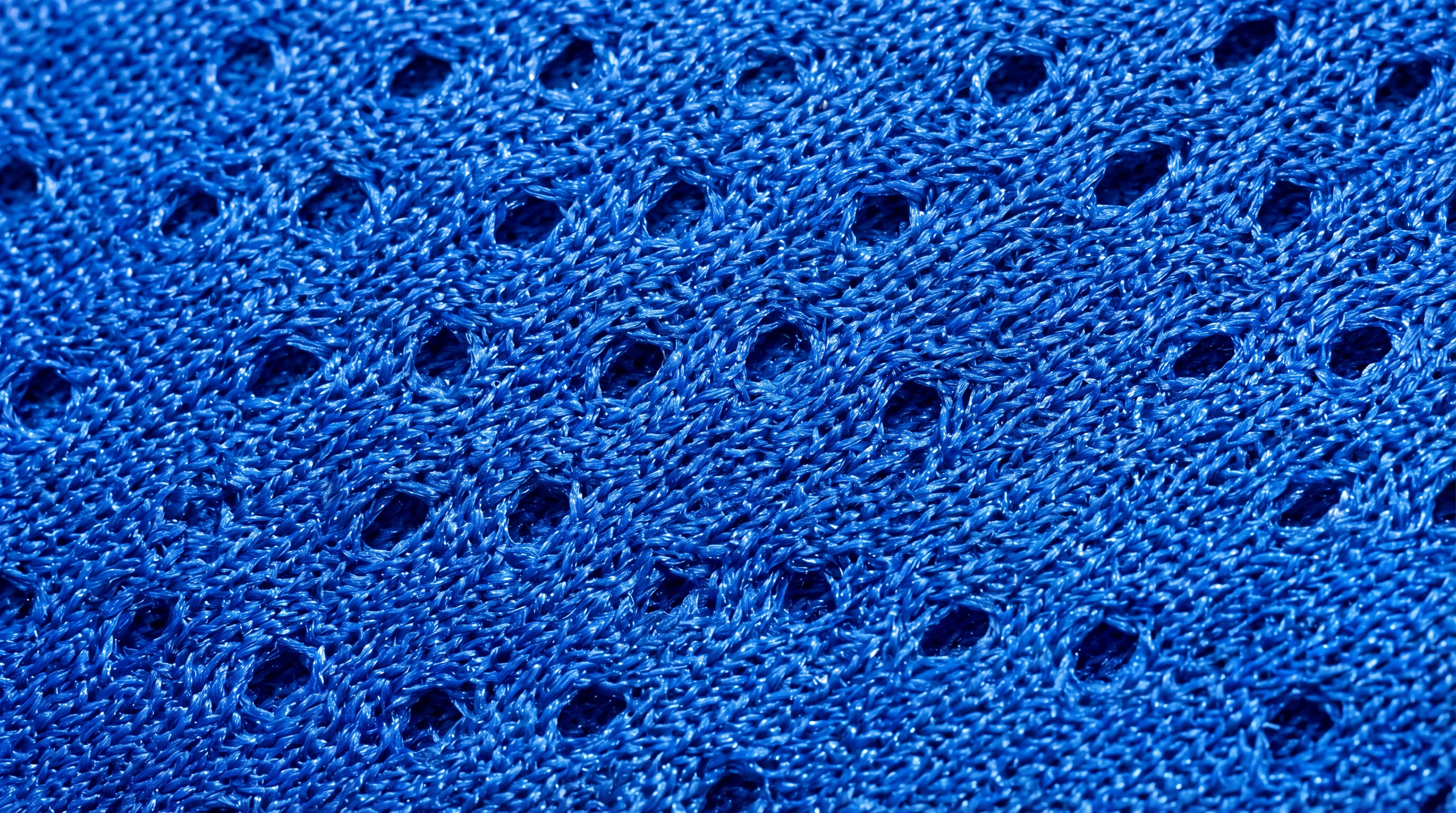
Maintenance is the final step in ensuring the best fabric for basketball jersey uniforms stays in top condition. Since these are high-tech synthetics, they require specific care to avoid damaging the moisture-wicking coatings. Educating your customers on proper care will reduce complaints and increase the lifespan of your products.
Why avoid fabric softeners on sports fabric?
Fabric softeners leave a waxy film that clogs the pores of the technical knit.
- Kills the moisture-wicking ability of the jersey.
- Traps odors inside the fibers permanently.
- Can cause the fabric to feel greasy or heavy. You won’t believe this: One wash with softener can ruin the performance of a high-end jersey for good.
Is cold water better for synthetic jerseys?
Cold water prevents fiber breakdown and keeps the colors from bleeding.
- Saves energy and protects the elasticity.
- Ensures that sublimation prints don’t fade.
- Prevents accidental heat-shrinking of the polyester. Wait, there is more: Turn the jerseys inside out to protect the printed numbers and names from friction in the machine.
Should you air dry or tumble dry uniforms?
Air drying is the safest method to maintain the integrity of the technical textile.
- Prevents heat damage to spandex and prints.
- Eliminates the risk of static cling.
- Keeps the jersey smelling fresher for longer. Check this out: Our polyester dries so fast that a jersey can be air-dried in a few hours indoors.
Key Takeaway: Proper care prevents performance degradation and keeps the team looking brand new.
| Maintenance Step | Recommendation | |
|---|---|---|
| Water Temp | Cold (< 30°C) | |
| Drying | Air Dry / Hang Dry | |
| Detergent | Mild, No Softener |
Elevate Your Game with MAKITAPE Performance Fabrics
Selecting the right material is the most important decision a sportswear brand makes. At MAKITAPE, we solve the common problems of sourcing—eliminating color inconsistencies, high MOQs, and poor durability. Our vertically integrated facility ensures that every roll of fabric we deliver meets the rigorous demands of the basketball court.
Whether you are looking for the perfect birdseye mesh or a high-stretch polyester blend, we have the technical expertise to guide you. Our team is dedicated to providing fabrics that keep athletes cool, dry, and focused on the win.
Don’t settle for “good enough” when your brand reputation is on the line. Contact us today to request a free sample pack and see why the world’s fastest-growing sports brands trust MAKITAPE for their uniform needs.
Frequently Asked Questions
Can I sublimate on MAKITAPE mesh fabric?Yes, all of our 100% polyester mesh and interlock fabrics are specifically treated to be “Prepared for Print” (PFP) for vibrant dye sublimation.
What is the best fabric for basketball jersey reversible sets?Micro-mesh is the top choice for reversible jerseys because it is thin enough to double-layer without becoming overly heavy or hot.
What is your MOQ for custom dyed basketball fabric?We offer a industry-leading low MOQ of just 100 kg per color, allowing you to test new team colorways without huge inventory risks.
Do your fabrics have UV protection for outdoor basketball?Yes, we can apply UPF 50+ finishes to any of our basketball fabrics to protect players during outdoor tournaments.
How do I get a price quote for wholesale orders?Simply use our contact form or WhatsApp us with your target GSM and quantity, and we will provide a detailed quote within 24 hours.