
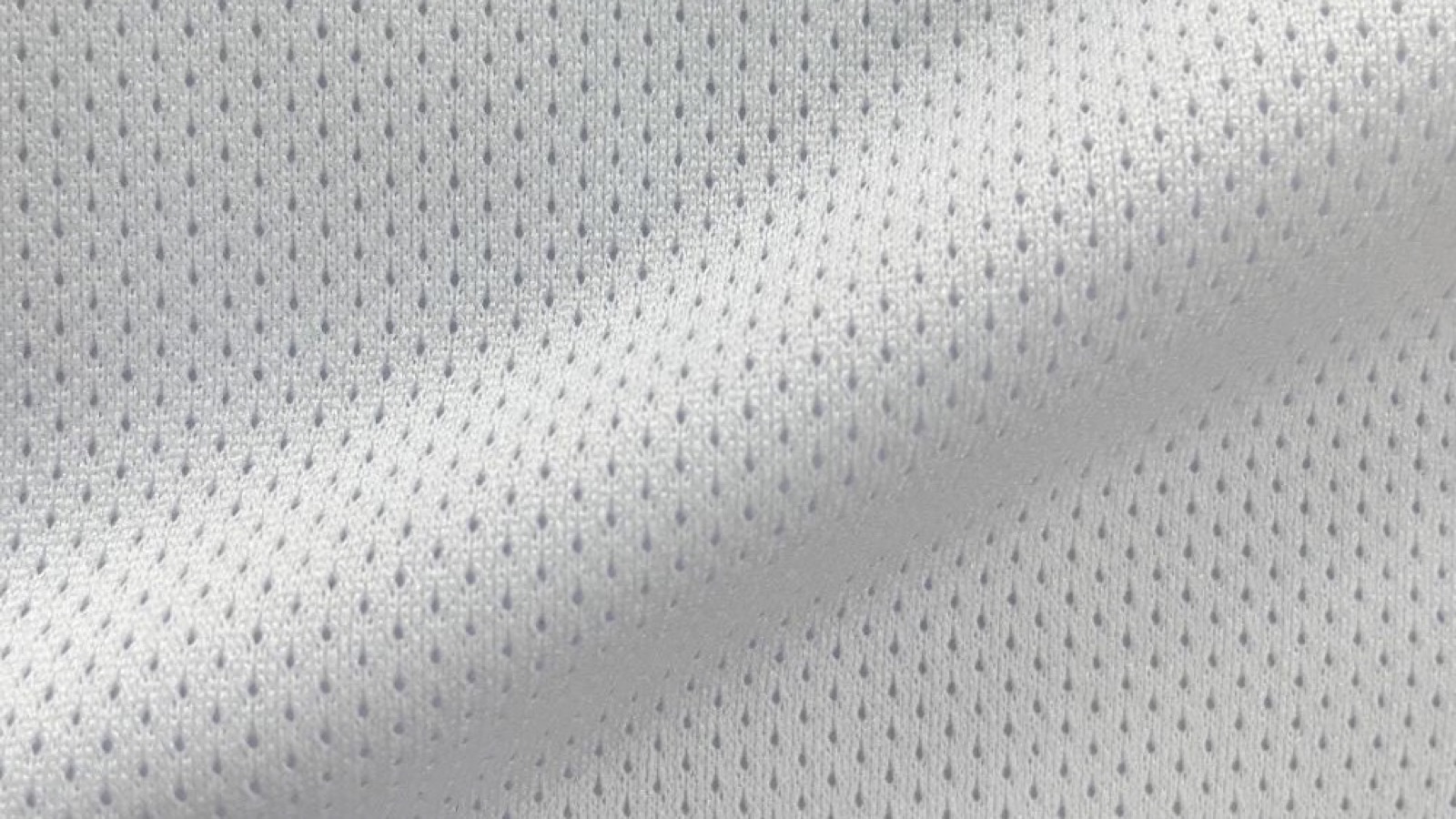
Selecting a wrong interior textile causes severe chafing and excessive heat retention during intense workouts. You might notice athletic garments clinging uncomfortably to skin because their inner layers fail to handle heavy sweat production. This comprehensive guide details structural differences between specific materials to optimize garment ventilation and inner comfort.
Why Is Structural Selection Vital for Performance Lining?
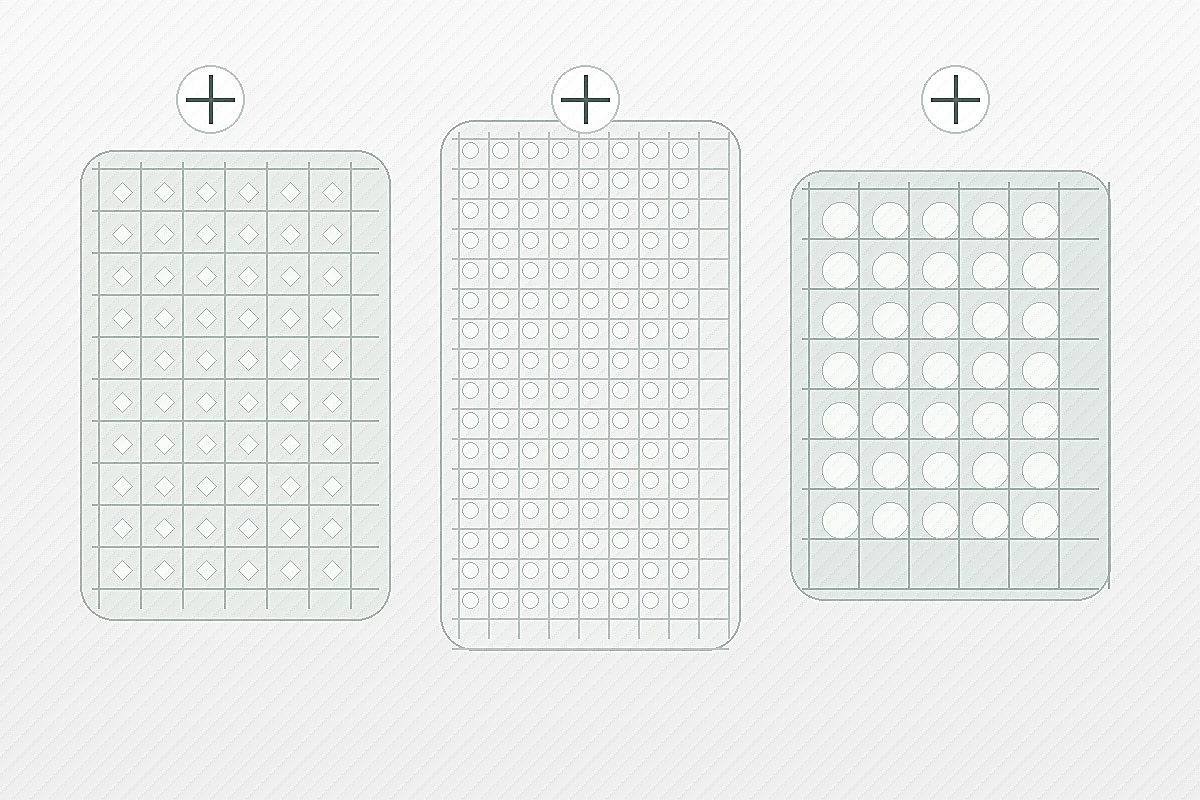
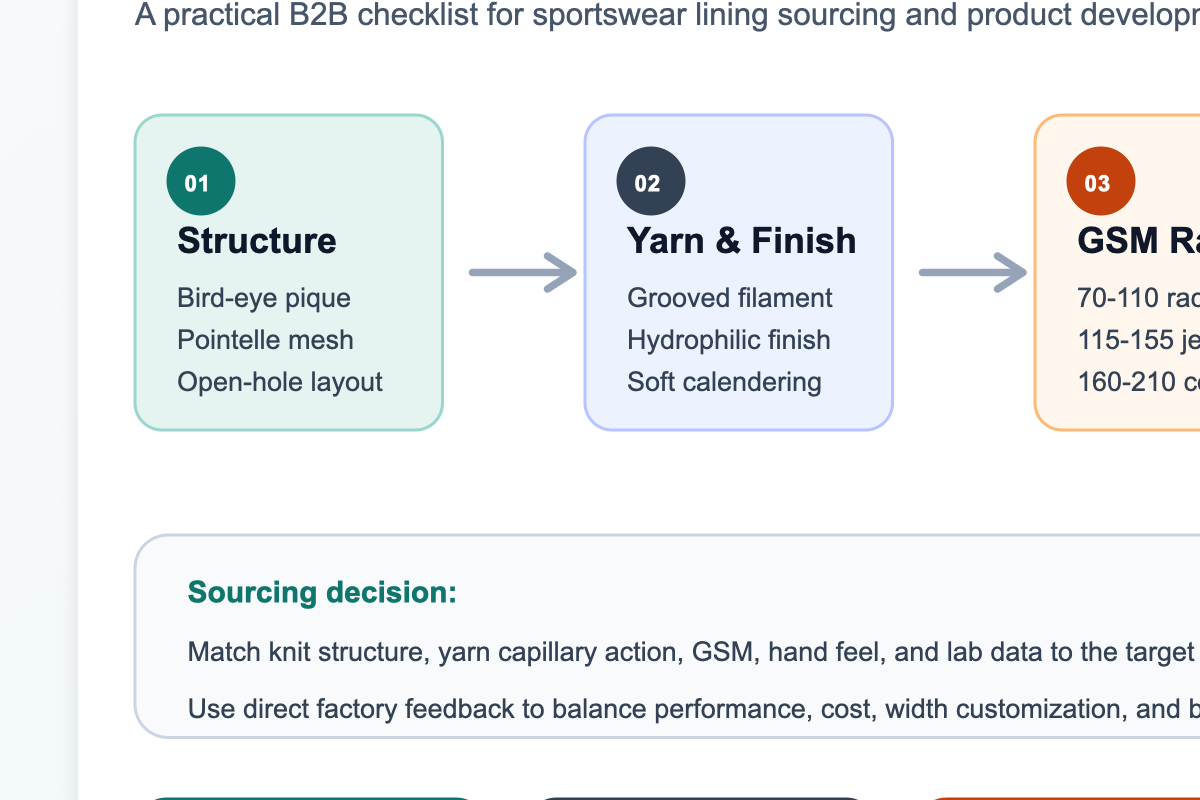
Selecting the proper lining material determines how effectively a sports garment manages intense moisture production during heavy training. Quick-dry athletic mesh for lining provides the foundational framework necessary for high-performance activewear ventilation requirements. This technical inner layer dictates tactile comfort against your skin while managing heat retention properties during high-intensity workouts.
Can Structural Differences Impact Athletic Comfort?
Choosing a wrong knit configuration traps sweat against the skin and causes rapid cooling during rest periods. You might be wondering how structural choices modify your overall experience. The answer rests entirely on spatial layout of fibers within a fabric pattern.
- Microscopic air pockets formed by specific knitting techniques directly regulate skin surface temperature.
- Proper structural layouts minimize fabric-to-skin friction to prevent severe chafing during repetitive motions.
- Fiber distribution patterns influence how fast wet yarn pulls moisture away from your body.
How Do Knit Layouts Alter Fabric Weight?
Knit layouts dictate physical thickness and weight parameters of performance sports apparel. Here is the deal: different knitting methods require varying yarn quantities to stabilize structural integrity.
- Tricot configurations create lean profiles suited for tight garments.
- Double-knit systems increase total material mass while offering dual-surface performance advantages.
- Open hole mesh styles eliminate unnecessary weight to maximize cooling efficiency.
Key takeaway: Evaluating initial structural layouts allows you to predict exact breathability performance and garment weight before bulk manufacturing begins.
What Defines the Traditional Bird-Eye Pique Structure?
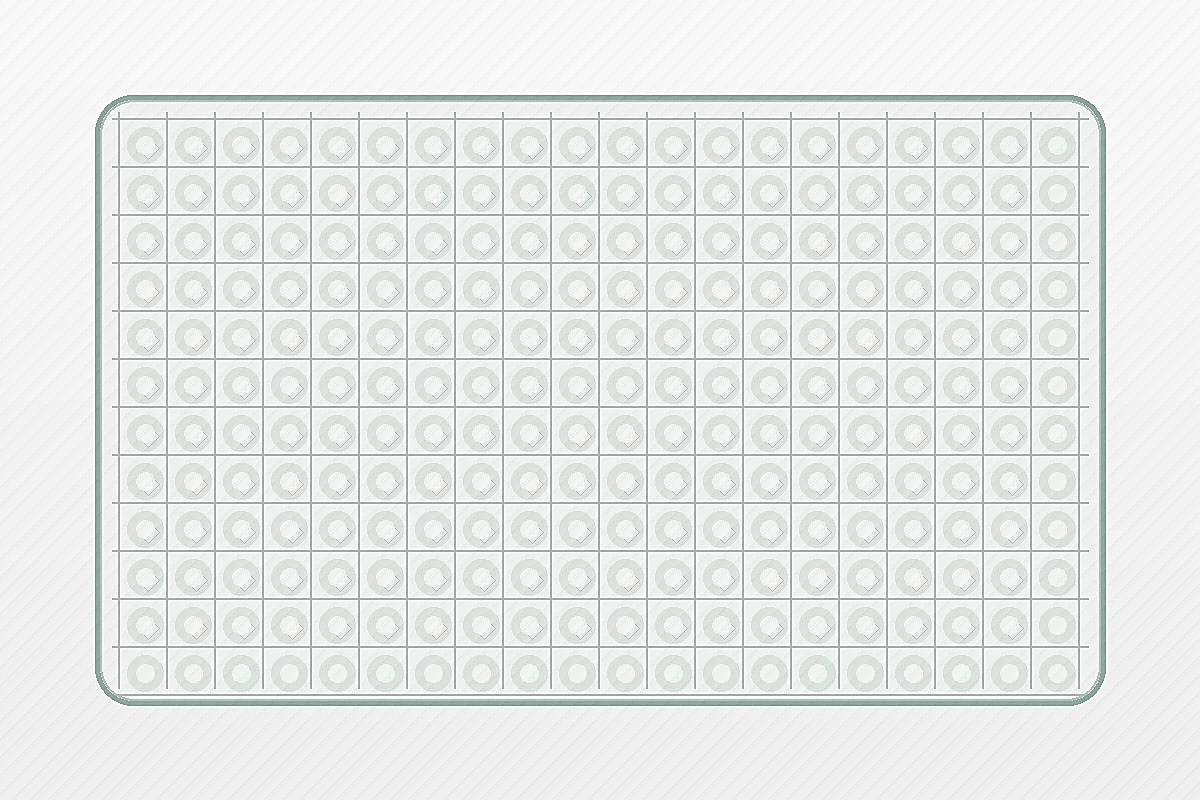
The traditional bird-eye pique structure utilizes an arrangement of small diamond patterns resembling a bird's eye. This geometry relies on tucked stitches that build miniature depressions across the surface of the textile. Every production run utilizing quick-dry athletic mesh for lining relies on consistent dimensional spacing to preserve these signature surface depressions.
Is Bird-Eye Pique Suitable for High-Sweat Zones?
Bird-eye pique excels in continuous sweat dissipation due to its unique surface topography. Think about it: those tiny recesses work like independent moisture reservoirs before pulling liquid toward the outer face.
- Enhanced surface area accelerates evaporation rates when exposed to consistent airflow.
- Tucked geometric structures prevent the fabric from adhering flatly against wet skin.
- The soft face profile reduces abrasion against sensitive body areas during intense running.
How Does Diamond Knit Geometry Enhance Longevity?
Diamond knit geometry locks yarns tightly together to counter frequent washing degradation. What is the real story? The structural distribution distributes physical tension evenly across the entire surface layout.
- Interlocking tuck points reduce the risk of snagging on rough gear.
- Balanced dimensional stability prevents garment stretching over extended usage cycles.
- High tensile endurance supports frequent mechanical friction without showing surface pilling.
| Property Type | Specification Metric | Performance Impact |
|---|---|---|
| Stitch Pattern | Diamond Tucked | Creates uniform air gaps |
| Surface Texture | Micro-Rebated | Minimizes wet fabric cling |
| Tensile Strength | High Dimensional | Eliminates garment sagging |
Evaluating physical profiles confirms that geometric regularity directly translates into lasting durability for active team sports wear.
Key takeaway: Utilizing bird-eye pique provides your garment line with exceptional durability alongside reliable moisture management for daily activewear applications.
How Does Pointelle Mesh Configuration Enhance Airflow?
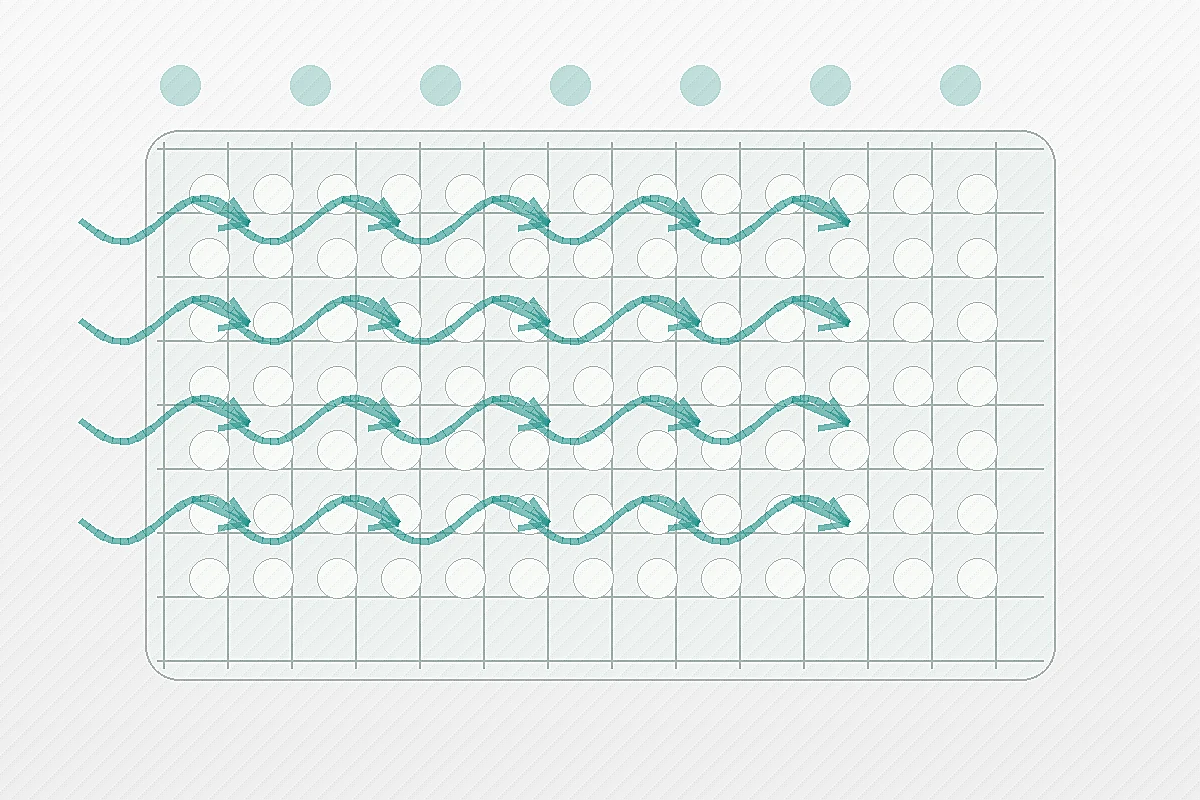
Pointelle mesh configuration introduces distinct geometric perforations directly into the knitted matrix during the manufacturing process. This specific style utilizes deliberate miss-stitches to form open pathways through which excess heat escapes rapidly. Incorporating quick-dry athletic mesh for lining within this category yields exceptional thermal regulation for targeted hot zones.
Can Perforated Styles Stabilize Internal Temperatures?
Perforated geometric paths allow metabolic heat to escape instantly without building up humidity. Ready for the good part? Air currents flow directly through these open apertures to refresh your skin surface continuously.
- Open pathways create immediate pathways for hot body vapor dissipation.
- Low thermal resistance keeps the microclimate inside your jacket stable.
- Reduced yarn density prevents warm air from stagnating inside your sportswear layers.
What Makes Pointelle Mesh Resilient to Tearing?
Modern pointelle production uses specialized transfer stitches to lock neighboring loops securely in position. This is where it gets interesting: despite having visible openings the fabric does not unravel easily when punctured.
- Multi-thread reinforcement loops encircle every open perforation to stop runs.
- High-grade filament polyester distributes pulling forces away from open holes.
- Elasticized yarn combinations allow the apertures to expand without splitting yarn bonds.
| Structural Element | Design Attribute | Functional Advantage |
|---|---|---|
| Aperture Shape | Geometric Eyelet | Direct heat dissipation path |
| Stitch Type | Loop Transfer | Prevents structural laddering |
| Yarn Type | Filament Polyester | Resists moisture retention |
Analyzing structural reinforcement proves that open-hole aesthetics can achieve superior tear resistance when engineered correctly.
Key takeaway: Integrating pointelle configurations gives you a powerful tool to eliminate localized overheating in premium sportswear lines.
What Are the Core Structural Dissimilarities Between Fabrics?
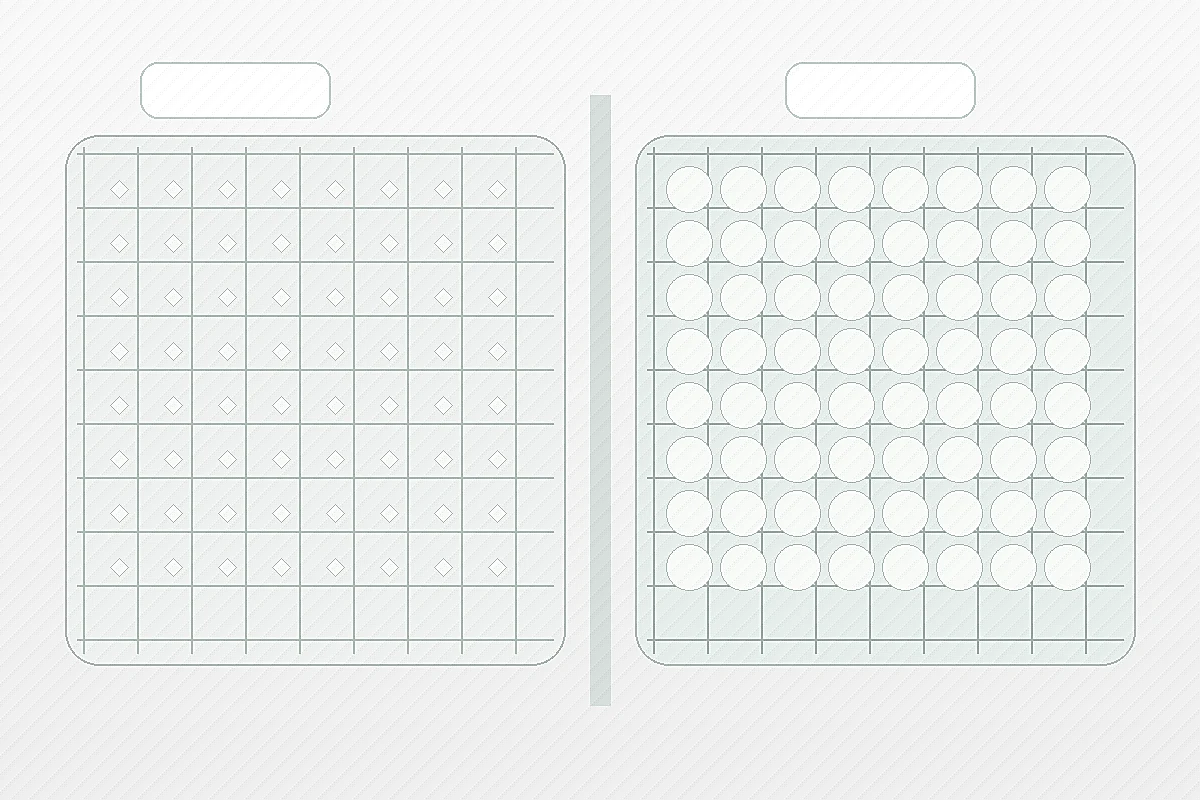
The core structural dissimilarities involve how individual loops are arranged to form the primary face of the material. Bird-eye options form a solid face with recessed pocket depressions. Conversely alternative quick-dry athletic mesh for lining variations feature distinct holes cut through the substrate.
How Do Surface Depressions Compare to True Holes?
Surface depressions retain a continuous backing layer while true holes break the material plane. Let that sink in: this difference changes how wind penetrates your garment layers.
- Recessed pockets buffer strong wind gusts while absorbing surface moisture.
- True perforations offer zero resistance to passing airflow for maximum ventilation.
- Continuous backings hide undergarments completely while open meshes require opacity layering.
Do Stitched Connections Alter Fabric Recovery?
Stitched loop counts influence how well a textile snaps back after being pulled hard. The truth is that tucked setups restrict horizontal deformation more than open geometric nets.
- Tucked diamond configurations maintain rigid boundaries under extreme pulling forces.
- Open geometric mesh networks yield easily to multidirectional athletic movements.
- High stitch density preserves the original garment shape over multiple washing machine cycles.
| Comparison Category | Pocket Depressions | Open Perforations |
|---|---|---|
| Air Permeability | Moderate Wind Buffering | Absolute Unrestricted Flow |
| Opacity Level | High Coverage Block | Translucent Open Netting |
| Stretch Flexibility | Linear Bias Control | High Multidirectional Yield |
Understanding loop connections helps you select materials that properly match the kinetic demands of specific sports.
Key takeaway: Balancing pocket depth against open hole ratios allows you to fine-tune garments for specific environmental conditions.
How Do Yarn Choices Influence Moisture Management?
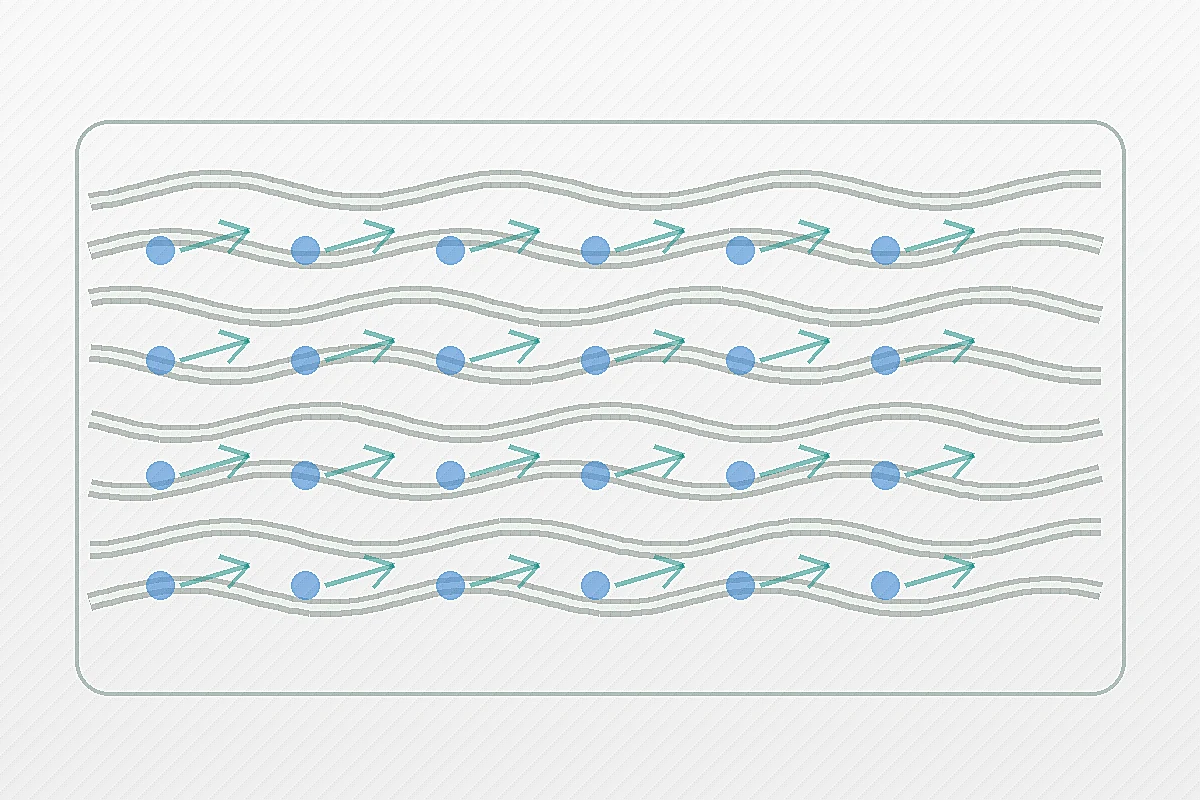
Yarn choices dictate how effectively raw moisture moves across the textile matrix via capillary action. Synthetic filaments outperform natural fibers in sports lining because they reject moisture absorption within the core fiber. Utilizing specialized quick-dry athletic mesh for lining ensures sweat moves rapidly to the outer surface for evaporation.
Why Does Filament Shape Affect Capillary Action?
Non-circular filament profiles create deeper channels along the exterior surface of every individual thread. Here is the deal: these tiny exterior grooves pull liquid along via natural capillary pressure.
- Crux-shaped cross sections increase total surface area for faster evaporation.
- Deep surface channels drag moisture away from skin without using chemical coatings.
- Modified yarn shapes prevent individual fibers from matting together when wet.
Can Synthetic Selection Prevent Odor Retention?
High-grade synthetic selections incorporate antimicrobial elements directly into the molten polymer matrix before extrusion. You might be wondering if this keeps your gear fresh over extended use.
- Silver-ion additives disrupt bacterial growth inside wet yarn configurations.
- Hydrophobic properties prevent moisture from soaking deep into the inner fiber core.
- Rapid drying cycles starve mold and bacteria of the moisture needed to multiply.
| Yarn Parameter | Engineered Profile | Performance Outcome |
|---|---|---|
| Cross-Section | Multi-Lobed / Grooved | Advanced capillary travel |
| Moisture Regain | Under One Percent | Zero internal water storage |
| Additive Type | Embedded Silver Ion | Permanent antimicrobial action |
Selecting engineered cross-section filaments ensures consistent moisture-wicking performance that cannot wash out over time.
Key takeaway: Specifying grooved filament profiles ensures your sports apparel line delivers permanent quick-drying performance over years of heavy use.
How Does Fabric Weight Impact Sourcing Decisions?
Fabric weight dictates the suitability of a performance lining textile across different seasonal athletic applications. Measuring grams per square meter (GSM) provides a precise standard for comparing material density. Identifying the ideal weight for quick-dry athletic mesh for lining prevents you from creating garments that feel overly heavy or flimsy.
Is Lightweight Mesh Better for Summer Track Sports?
Lightweight mesh options tracking below 120 GSM deliver the highest thermal relief for hot weather racing. But here’s the kicker: lower weight means fewer yarns are present to absorb moisture during downpours.
- Ultra-low mass minimizes the physical burden on athletes during long endurance runs.
- High porosity allows external air currents to cool skin surfaces instantly.
- Minimal fabric thickness reduces bulk inside streamlined running apparel designs.
When Should Heavy Linings Be Specified?
Heavy lining variations exceeding 160 GSM are ideal for contact sports requiring high structural durability. What’s the real story? Collision sports like football demand substantial fabric body to handle rough physical impact.
- Thicker materials absorb high mechanical friction from protective shoulder pads.
- Increased yarn mass provides a light thermal buffer for cold-weather field games.
- High density supports complex inner embroidery and corporate branding applications.
| Weight Category | GSM Range | Target Application |
|---|---|---|
| Ultra-Lightweight | 70 – 110 GSM | Elite Racing Singlets |
| Mid-Weight | 115 – 155 GSM | Team Jersey Backing |
| Heavyweight | 160 – 210 GSM | Contact Armor Lining |
Matching GSM values to specific sport profiles eliminates performance failures caused by choosing incorrect fabric weights.
Key takeaway: Using standardized GSM evaluations ensures your chosen lining provides the exact balance of durability and lightness required for your target sport.
What Finishing Processes Boost Quick-Dry Features?
Finishing processes apply advanced mechanical and chemical treatments to raw textiles to maximize their inherent performance traits. These customized post-knit treatments ensure that quick-dry athletic mesh for lining functions optimally under high humidity.
Does Hydrophilic Wicking Treatment Last Long?
Modern hydrophilic topcoats use specialized cross-linking polymers that bind firmly onto individual polyester strands. Ready for the good part? This specialized bonding process ensures the fabric maintains its performance through dozens of commercial laundry cycles.
- Chemical bonding prevents surfactant wash-off during high-temperature cleaning.
- Surface tension modification flattens sweat drops to speed up evaporation.
- Softening agents added during treatment reduce inner fabric friction against the skin.
How Does Mechanical Calendering Alter Breathability?
Mechanical calendering passes knit fabrics through heated high-pressure steel rollers to modify surface characteristics. This is where it gets interesting: this process smooths out raised fibers without flattening the open knit structure.
- Controlled heat sets fabric dimensions to stop shrinking during future washes.
- Flattened loop tips provide a silky inner feel against your skin.
- Regulated pressure refines pore sizes to maintain consistent airflow resistance.
| Finish Type | Operation Method | Primary Benefit |
|---|---|---|
| Hydrophilic Bath | Polymer Pad Application | Accelerated moisture spread |
| Thermal Calendering | Heated Roller Press | Friction reduction & smooth skin feel |
| Anti-Snag Treatment | Chemical Binder Cure | Reduced filament loop pulling |
Combining chemical wicking agents with precision thermal calendering creates an optimal inner microclimate for athletes.
Key takeaway: Verifying your supplier uses permanent cross-linking finishes ensures your garments retain their quick-drying properties for life.
How Should You Select Linings Based on Touch?
Selecting linings based on physical skin touch prevents performance issues caused by mid-workout skin irritation. Tactile feedback varies significantly based on stitch layout and yarn texture choices. Testing the raw texture of quick-dry athletic mesh for lining helps ensure your apparel delivers premium comfort alongside high performance.
Can Rough Textures Cause Chafing Injuries?
Coarse inner textures create microscopic skin tears when worn during long high-intensity workouts. Think about it: running involves thousands of repetitive stride motions that rub fabric continuously against the body.
- Raised knots can scrape sensitive skin when damp with salt-laden sweat.
- Rigid yarn types lack the flex needed to conform smoothly to twisting muscle shapes.
- Smooth surfaces protect athletes from skin abrasion during long distance events.
Does Fabric Softness Impede Moisture Wicking?
Fabric softness achieved through advanced fiber texturing actually enhances capillary performance without blocking airflow. The truth is that texturing fibers creates tiny physical pathways that help pull water away.
- Micro-bulked yarns create extra spaces that draw sweat upward through the fabric.
- Flexible filaments contour closer to the skin to catch moisture early.
- Supple knits flex smoothly with muscle movements to reduce friction.
| Tactile Metric | Structural Cause | Athlete Benefit |
|---|---|---|
| Low Friction | Calendered Micro-Filament | Eliminated runner chafing |
| High Flexibility | Spandex Interlock Blend | Natural unhindered movement |
| Cushion Profile | Dual-Face Air Pocket | Soft protective skin contact |
Prioritizing smooth tactile profiles helps you design high-performance activewear that keeps athletes free from chafing distraction.
Key takeaway: Choosing soft textured microfilaments lets you deliver luxurious skin comfort without reducing moisture-wicking performance.
What Testing Metrics Verify True Fabric Performance?
Testing metrics provide objective data that confirms whether a technical lining fabric meets performance standards. Relying on verified laboratory test methods helps you avoid low-quality materials that fail under actual training conditions. Standardized evaluations for quick-dry athletic mesh for lining give you clear data to guarantee high product quality.
Why Is ASTM E96 Crucial for Sourcing?
The ASTM E96 standard measures the precise rate of water vapor transmission through technical fabrics over time. Here is the deal: this test proves exactly how much humidity can escape your garment every twenty-four hours.
- High vapor transfer values prove a fabric prevents internal humidity buildup.
- Standardized testing data allows you to accurately compare different textile mills.
- Certified laboratory metrics protect your brand from false performance claims.
How Does AATCC 195 Validate Wicking Claims?
The AATCC 195 test profiles liquid moisture management by tracking how fast fluid moves through a textile. You might be wondering how this test differentiates top-tier fabrics from average options.
- Multi-directional sensors measure how fast sweat spreads across the fabric face.
- The test records differences in drying times between inner and outer layers.
- Clear numerical rankings confirm if a fabric pulls sweat away from skin effectively.
| Test Standard | Measurement Focus | Target Threshold |
|---|---|---|
| ASTM E96 | Water Vapor Transmission | > 8000 g/m²/24hr |
| AATCC 195 | Liquid Moisture Management | Class 4 or 5 Rating |
| ISO 12947-2 | Martindale Abrasion Resistance | > 20,000 Rub Cycles |
demanding certified laboratory reports ensures your activewear line delivers real performance on the field.
Key takeaway: Requiring standardized test data from your supplier protects your brand from product quality issues and returns.
How Can Sourcing Managers Optimize Production Costs?
Optimizing production costs requires balancing technical specifications against raw material manufacturing realities. Smart sourcing strategy identifies exactly where to allocate budget to achieve peak performance without overpaying. Selecting your quick-dry athletic mesh for lining based on efficient manufacturing patterns yields significant savings on high-volume production runs.
Does Width Customization Reduce Material Waste?
Ordering customized fabric widths that match your exact pattern layout minimizes scrap waste along the cutting table. But here’s the kicker: standard off-the-shelf roll widths often leave up to fifteen percent unusable fabric edge waste.
- Matching roll widths to markers maximizes your total garment yield per line.
- Reducing scrap material directly lowers your net manufacturing cost per piece.
- Streamlined roll sizing simplifies inventory storage management at the factory.
Why Do Direct Factory Partners Save Capital?
Partnering directly with integrated knitting and dyeing facilities eliminates expensive middleman sourcing markups. What’s the real story? Trading firms often add significant hidden fees to material costs without adding technical value.
- Direct access to engineers speeds up custom color development cycles.
- Large-scale factory production lines offer better pricing stability on raw materials.
- Shared quality control protocols give you transparent tracking throughout production.
| Sourcing Route | Cost Overlay | Technical Support |
|---|---|---|
| Broker Agency | 10% – 20% Markup | Fragmented Indirect Communication |
| Integrated Factory | Direct Mill Pricing | Direct Engineering & Custom Widths |
| Eliminating intermediate trading brokers lets you reinvest those savings directly into higher-quality yarns or finishes. | Key Takeaway: Developing direct factory partnerships gives you the price control and technical customization needed to lead the activewear market. | 11. Final Analysis on Sportswear Interior Engineering |
Making the right choice for internal activewear components requires analyzing structural knits, yarn cross-sections, and weight metrics. Selecting bird-eye pique balances durability with surface moisture collection, while open-aperture pointelle provides high ventilation for hot weather gear. Sourcing managers can maintain high standards and control costs by utilizing standardized testing and direct factory partnerships. For tailored assistance with large-scale sportswear manufacturing, contact us today to receive detailed technical specifications for your specific apparel requirements.
FAQs
Can I use bird-eye pique fabric for winter athletic garments?
Yes, you can absolutely use it. Bird-eye pique maintains a continuous backing layer that blocks chilly wind while its recessed surface pockets trap a thin protective layer of warm air. This unique structure provides comfortable insulation while continuing to pull away sweat during high-intensity winter workouts.
What’s the best fabric weight for soccer jersey interior linings?
The best option is a mid-weight range between 115 and 145 GSM. This specific thickness provides the necessary tear resistance to withstand aggressive jersey pulling during match play while keeping the garment light enough to prevent heavy sweat saturation.
How do I know if my lining fabric has permanent wicking features?
You can verify this by checking for grooved yarn profiles in the technical specification sheets. Microfilaments with engineered cross-sections pull moisture away mechanically through permanent capillary action, which means the quick-drying performance will never wash out or fade over time.
Can pointelle mesh hold up well under high-abrasion conditions?
Yes, it performs exceptionally well if it features multi-thread transfer stitches. This advanced knitting technique locks the loops surrounding every eyelet perforation, which stops punctures from running or tearing into larger holes during intense contact sports.
How do I prevent severe chafing on long-distance running garments?
Specify materials that undergo advanced thermal calendering treatments. This mechanical process smooths down raised yarn fibers across the fabric face, creating a silky inner surface that prevents skin friction during repetitive athletic movements.