
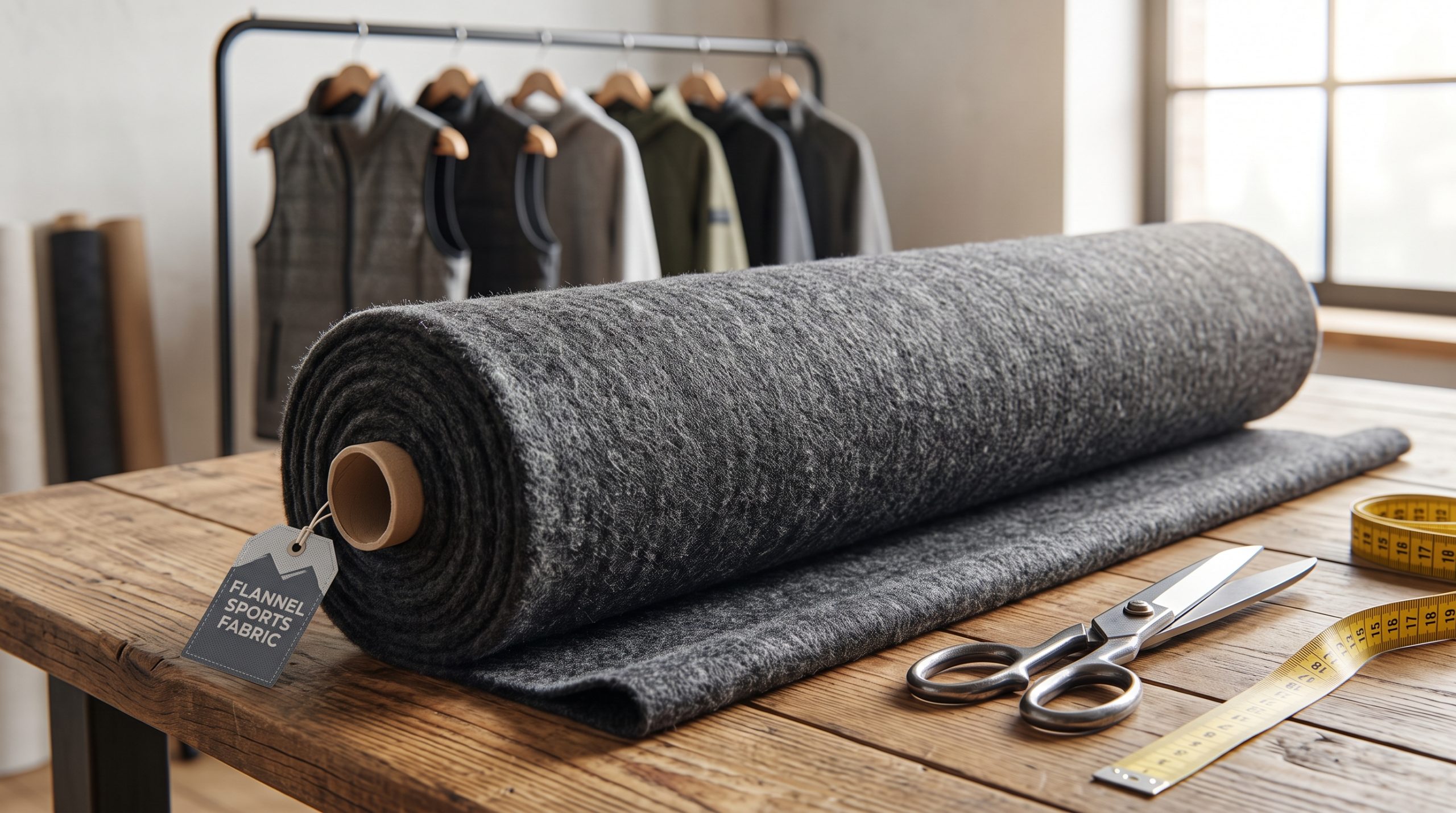
The custom engineered flannel sports fabric represents a high-performance synthetic or natural yarn blend specifically brushed to combine cozy outdoor warmth with advanced moisture-wicking functionality for modern athletic apparel lines. Many premium activewear brands struggle with cold-weather apparel design because traditional insulating textiles trap excessive sweat or feel incredibly scratchy against moving skin during high-intensity training sessions. When your corporate clients experience heavy, sodden, and abrasive garments during their winter outdoor marathons, their physical performance suffers dramatically and they quickly abandon your product line out of absolute frustration. Sourcing advanced engineered materials solves these textile failures by introducing high-performance thermal regulation and buttery-soft brushed textures directly into athletic apparel manufacturing.
1. What Exactly Is Flannel Sports Fabric?
Flannel sports fabric is an advanced performance-driven textile variant engineered specifically to provide elite thermal insulation while actively wicking perspiration during intense cold-weather athletic training sessions. This specialized material resolves standard sportswear deficiencies by utilizing texturized synthetic or fine wool fibers that undergo aggressive mechanical brushing to generate a soft thermal barrier. Commercial apparel procurers favor this rugged compound because it preserves garment lightweight properties while simultaneously shielding athletes from sudden outdoor temperature drops. Your manufacturing business can significantly minimize retail product returns by integrating this high-tensile clothing component into your active winter collections.
What Defines This Special Textile Blend?
You might be wondering how this composite material achieves its unique balance of soft texture and heavy-duty performance characteristics during active usage. The underlying fiber configuration typically incorporates multi-channel polyester or premium nylon filaments woven tightly alongside flexible spandex yarns to allow dynamic physical mobility. Unlike traditional lifestyle bedding materials, this specific variant focuses heavily on rapid evaporation pathways that actively prevent moisture retention within the core garment layers.
- Multi-channel synthetic filament architecture for moisture release.
- Advanced mechanical napping on multiple faces for softness.
- High spandex integration providing four-way fabric elasticity.
This structural configuration permits competitive sports teams to train longer without experiencing the discomfort associated with rigid or moisture-heavy outerwear.
Why Do Modern Athletes Need It?
Here is the real deal regarding consumer athletic demands in freezing outdoor conditions where standard fleece options often fail miserably. Active individuals require continuous thermal regulation that prevents post-exercise chills while ensuring complete freedom of bodily motion across multiple planes. This high-performance cloth satisfies those rigorous consumer expectations by forming a fluffy insulation layer that traps warm air close to the skin surface.
- Continuous body temperature regulation in low temperatures.
- Prevention of rapid post-exercise cooling during rest periods.
- Unrestricted range of physical motion across multiple planes.
Key Takeaway: Incorporating this high-performance brushed textile component into your upcoming winter apparel catalog grants your commercial clothing firm a distinct competitive advantage by directly satisfying the expanding global demand for rugged cold-weather sportswear. Business buyers receive exceptionally durable merchandise that dramatically minimizes customer return rates while simultaneously maximizing brand loyalty across multiple highly competitive retail markets. Furthermore, prioritizing these advanced material specifications safeguards your wholesale supply chain against performance complaints and firmly positions your garment brand as a dominant market leader in functional corporate apparel manufacturing. Investing in these heavy-duty texturized supplies guarantees that your production facility can easily secure lucrative long-term supply agreements with elite athletic organizations worldwide.
| Property Type | Technical Value | Performance Advantage |
| Thermal Retention | High Efficiency | Traps body heat perfectly |
| Tensile Strength | Heavy Duty | Resists tearing under stress |
| Weight Density | Lightweight | Minimizes athlete fatigue |
This technical breakdown clearly shows how high-grade fiber architecture translates directly into field performance benefits for modern activewear production lines.
2. How Is Flannel Sports Fabric Made Today?
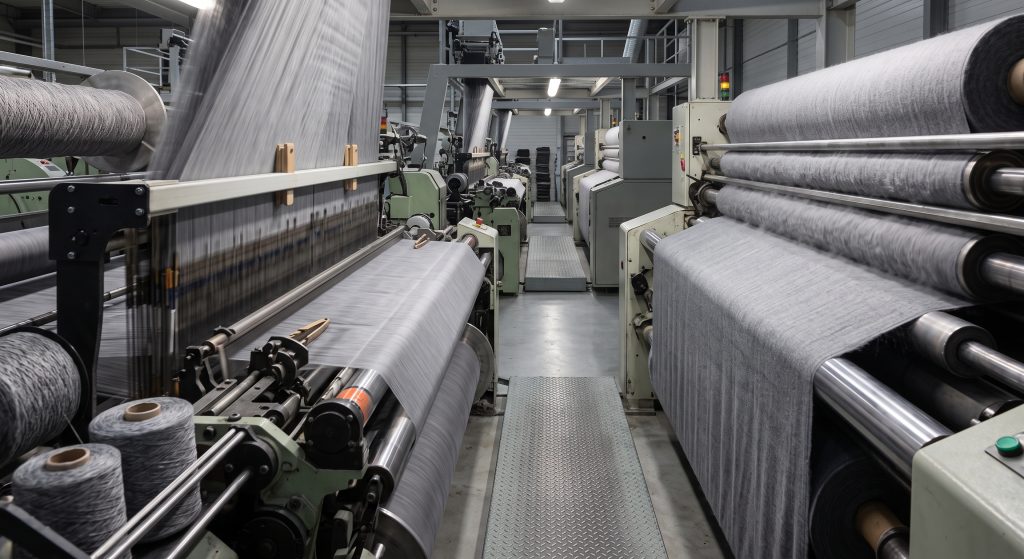
Manufacturing flannel sports fabric involves a specialized multi-stage process where premium synthetic polymers are spun into loose yarns before undergoing precise plain or twill weaving followed by intensive mechanical brushing. Industrial textile mills utilize advanced machinery to raise the micro-fibers from the loosely spun thread structure to form the signature insulating nap. This complex engineering method guarantees that the final cloth retains high breathability while establishing an excellent shield against cold outdoor winds. Wholesale buyers receive exceptionally consistent fabric rolls that remain structurally stable throughout extensive industrial garment cutting and sewing operations.
How Do Mills Spin Active Flannel Yarn?
What is the real story behind the initial production phases that give this athletic cloth its superior structural durability and stretch capacity? Technicians carefully select long-chain polyester or nylon polymers which are extruded into ultra-fine filaments before being twisted together at specific low-tension settings. This specialized spinning technique creates tiny air gaps within the yarn itself which eventually helps trap ambient body heat during vigorous outdoor exercises.
- Selection of long-chain synthetic polymers for strength.
- Low-tension filament twisting to generate inner air pockets.
- Integration of durable elastic cores for maximum flexibility.
This precise spinning methodology establishes the foundational strength required for heavy-duty sports apparel applications.
What Weaving Methods Provide Stretch?
Ready for the good part regarding the actual loom configuration used to translate these technical yarns into high-performance activewear clothing materials? Advanced manufacturing facilities utilize a loose plain weave or a diagonal twill pattern that inherently permits a high degree of natural mechanical elasticity. Once the weaving phase finishes, the raw cloth passes through industrial steel wire rollers that gently scratch the surface to create a dense fuzzy texture.
- Utilization of loose plain weave configurations for airflow.
- Diagonal twill weaving patterns for structural fabric integrity.
- Industrial steel wire brushing to raise fine surface fibers.
Key Takeaway: Understanding these intricate textile manufacturing phases allows your procurement team to select high-grade suppliers capable of delivering consistent material quality. By focusing on mills that utilize low-tension spinning and precise steel brushing, your business guarantees that its sportswear inventory satisfies the highest industrial standards. This strategic selection workflow mitigates production defects and ensures your finished garments remain highly competitive in premium retail spaces.
| Manufacturing Phase | Equipment Used | Direct Quality Impact |
| Yarn Spinning | Low-tension extruders | Creates insulating air pockets |
| Fabric Weaving | High-speed looms | Establishes mechanical stretch |
| Surface Brushing | Steel wire rollers | Generates soft thermal nap |
This production timeline demonstrates how specialized mill workflows directly dictate the final performance characteristics of high-grade athletic textiles.
3. How Does Flannel Sports Fabric Keep Warm?
Flannel sports fabric keeps warm by utilizing its densely brushed surface nap to trap a thick layer of stagnant air molecules close to the athlete’s body. This dead air space acts as an effective thermal barrier that prevents convective heat loss even during sudden drops in outdoor ambient temperatures. Furthermore, the specialized synthetic fibers prevent cold external air from penetrating the garment shell while allowing excess body vapor to escape smoothly. Your corporate design team can comfortably utilize this material to create elite cold-weather apparel collections that outperform traditional heavy outerwear.
Does Napping Create Better Insulation?
This is where it gets interesting because the mechanical brushing process completely alters how the textile interacts with ambient thermal energy. By raising millions of tiny micro-fibers from the woven yarn core, the fabric increases its effective thickness without adding a single gram of unnecessary weight. These microscopic fuzzy strands create a complex labyrinth that successfully traps warm air generated by muscles during intense physical workouts.
- Raising millions of fine micro-fibers for thickness.
- Increasing total thermal volume without adding garment weight.
- Creating a dense physical labyrinth to capture warm air.
This brilliant texturizing method provides substantial warmth while keeping the activewear exceptionally light and comfortable.
Can Wearers Stay Dry During Workouts?
Believe it or not many traditional heavy insulating materials fail completely because they absorb sweat and become freezing cold rags against the athlete’s skin. This modern athletic cloth bypasses that major flaw by utilizing hydrophobic synthetic polymers that refuse to absorb liquid moisture into the fiber core. Instead, the multi-channel yarns pull perspiration away from the skin surface and spread it across a large exterior evaporation area.
- Hydrophobic polymer structures that resist moisture absorption.
- Multi-channel yarn profiles to accelerate sweat pulling.
- Broad exterior surface areas for rapid moisture evaporation.
Key Takeaway: Selecting textiles with advanced brushed structures guarantees that your winter garments provide exceptional warmth without causing uncomfortable moisture accumulation. This double-action performance allows corporate buyers to market their gear as premium training equipment suitable for extreme environments. Consequently, your brand builds a powerful reputation for technical excellence while securing highly profitable repeat contracts from professional athletic clubs.
| Thermal Mechanic | Physical Action | Ultimate User Benefit |
| Brushed Surface Nap | Traps stagnant air layers | Prevents sudden body heat loss |
| Hydrophobic Polymers | Resists liquid absorption | Keeps the garment light and dry |
| Multi-Channel Yarns | Pulls sweat away rapidly | Eliminates post-exercise chilling |
This functional matrix demonstrates how advanced thermal properties operate in unison to protect outdoor athletes from extreme weather hazards.
4. Where Is Flannel Sports Fabric Produced?
Global production of flannel sports fabric is predominantly concentrated within advanced textile manufacturing hubs across East Asia, where specialized mills possess the necessary high-speed brushing machinery. Countries like China lead the international market due to their massive industrial infrastructure, highly integrated chemical supply chains, and specialized texturizing facilities. These modern manufacturing plants can rapidly scale production volumes while maintaining strict quality control parameters over large commercial fabric orders. B2B apparel brands benefit immensely from sourcing directly from these regional powerhouses because they secure competitive wholesale pricing alongside dependable shipping timetables.
Which Global Regions Lead Production?
Think about it because the specialized equipment required to perform precise double-faced fabric brushing represents a massive capital investment for any modern textile mill. Advanced industrial zones in coastal Chinese provinces host highly automated facilities that manage every phase from polymer synthesis to final finishing treatments. These specific regions have perfected the complex art of blending elastic spandex threads with texturized polyester to create elite sportswear supplies.
- Massive industrial infrastructure for large-scale fabric orders.
- Highly automated facilities managing complex synthetic polymer blends.
- Integrated chemical supply chains ensuring consistent dye matching.
Sourcing from these established industrial clusters minimizes the risk of material defects during large commercial production runs.
Why Sourcing From Asian Mills Works?
Let us face it because international procurement managers must balance strict corporate budgets against the absolute necessity for uncompromised material performance. Sourcing directly from top-tier Asian textile mills grants your company direct access to cutting-edge fabric innovations at highly optimized operational costs. Furthermore, these large factories provide comprehensive material testing certifications that satisfy the rigid regulatory requirements of premium Western retail markets.
- Direct access to cutting-edge synthetic textile innovations.
- Optimized operational costs due to massive manufacturing scale.
- Comprehensive testing documentation for strict regulatory compliance.
Key Takeaway: Establishing direct supply partnerships with advanced overseas mills enables your clothing firm to secure stable raw material pricing and exceptional structural consistency. This strategic procurement approach safeguards your manufacturing margins against volatile market fluctuations while guaranteeing a continuous flow of premium sportswear stock. By avoiding unverified intermediaries, your business maintains total control over its product quality from factory floor to retail shelf.
| Leading Production Hub | Primary Specialization | Main Supply Advantage |
| Coastal East Asia | Automated synthetic weaving | Massive volume scalability |
| Western Europe | Luxury wool fiber blending | Premium boutique niche appeal |
| South Asia | Cotton-based active knits | Cost-effective entry lines |
This geographic breakdown outlines how regional factory specializations influence global textile availability and commercial purchasing workflows.
5. What Does Flannel Sports Fabric Bulk Cost?
The bulk cost of flannel sports fabric typically ranges between three and eight dollars per yard depending heavily on fiber composition, weight specifications, and total order volume. Pure synthetic polyester variants represent the most economical choice for mass-market athletic apparel lines, whereas premium wool-blended options command substantially higher wholesale prices. Furthermore, specialized chemical treatments such as permanent antimicrobial layers or advanced stain resistance will add an extra premium to the base material cost. Savvy procurement officers look to negotiate direct factory pricing to maximize their corporate profit margins during large-scale seasonal production campaigns.
What Elements Dictate Wholesale Pricing?
You might be wondering why seemingly identical brushed fabrics carry vastly different price tags when reviewing quotes from multiple international suppliers. The primary driver remains the exact ratio of expensive elastane fibers integrated into the weave to provide essential four-way garment flexibility. Additionally, the complexity of the brushing process and the total density of the fabric weave significantly influence the final manufacturing cost.
- Exact ratio of expensive elastane strands in the weave.
- Total fabric density measured in grams per square meter.
- Implementation of specialized technical surface chemical treatments.
Understanding these underlying technical components allows your purchasing team to negotiate much more effectively with international mills.
How Can Brands Reduce Sourcing Expenses?
Here is the real deal for corporate apparel brands looking to optimize their manufacturing expenditure without sacrificing necessary product performance on the field. Consolidating your material requirements into single large-volume purchase orders allows you to qualify for maximum tier discounts from major textile mills. Moreover, establishing long-term supply contracts protects your business from sudden price spikes in raw synthetic polymers during busy manufacturing seasons.
- Consolidating seasonal material needs into large single orders.
- Establishing multi-year supply agreements for price stability.
- Sourcing unfinished fabric bases to perform custom dyeing locally.
Key Takeaway: Strategically managing your bulk textile purchasing workflows ensures that your company maintains healthy profit margins while delivering top-tier performance garments. By identifying the exact technical drivers of material cost, your business can eliminate unnecessary fabric specifications that fail to add real value. This lean approach to procurement secures financial stability and allows for aggressive pricing strategies in retail markets.
| Fabric Composition | Average Bulk Price Range | Best Market Application |
| 100% Polyester Flannel | $3.00 – $4.50 per yard | Mass-market fitness clothing |
| Nylon-Spandex Flannel | $5.00 – $7.00 per yard | High-end compression sportswear |
| Wool-Synthetic Blend | $8.00+ per yard | Elite alpine exploration gear |
This commercial pricing matrix reveals how material composition choices directly govern raw sourcing expenditures for corporate apparel lines.
6. Which Types of Flannel Sports Fabric Exist?
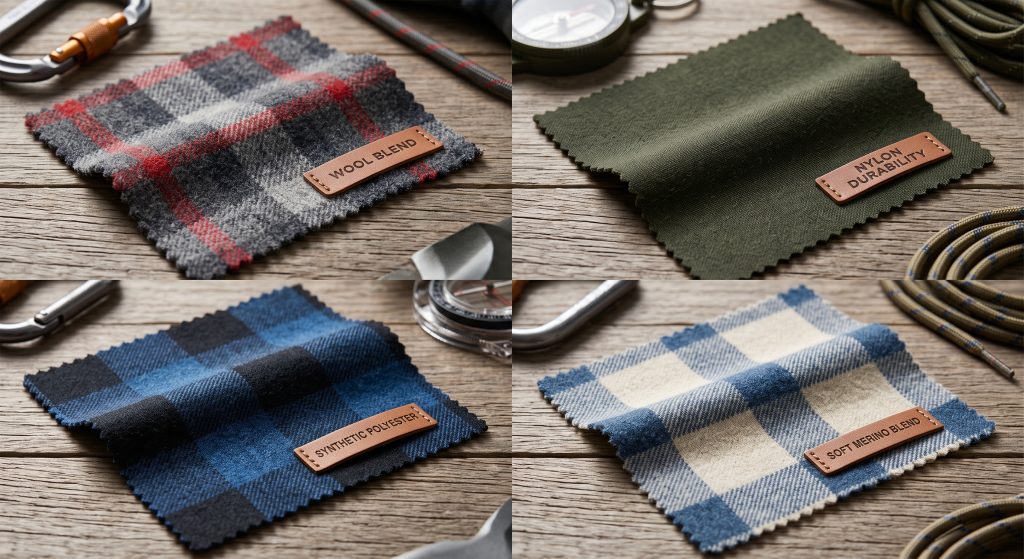
Multiple distinct types of flannel sports fabric exist in the current commercial marketplace, categorized primarily by their raw fiber composition and specific surface brushing arrangements. B2B apparel producers can choose between traditional wool-blended variants that offer superior natural insulation and modern fully synthetic polyester or nylon structures optimized for extreme durability. Each material type delivers unique advantages tailored to specific athletic environments, ranging from indoor fitness training to high-altitude mountain climbing expeditions. Selecting the appropriate textile variation guarantees that your finished apparel line aligns perfectly with your target audience’s performance requirements.
Is Wool Blended With Synthetic Yarn?
What is the real story regarding the premium hybrid textiles that combine the timeless benefits of natural wool with rugged synthetic polymers? High-end manufacturers frequently blend merino wool fibers with tough nylon strands to create a luxurious athletic cloth that naturally resists foul body odors. This sophisticated mixture maintains excellent thermal capacity even when completely wet, making it highly prized among professional outdoor exploration companies.
- Blending fine merino wool with high-tensile nylon strands.
- Natural odor resistance inherent to organic animal fibers.
- Exceptional thermal performance during damp outdoor conditions.
This premium textile blend represents the gold standard for luxury wilderness apparel collections worldwide.
How Does Full Polyester Flannel Perform?
Ready for the good part if your clothing company focuses primarily on producing high-volume team sports uniforms that undergo frequent aggressive machine laundering? Fully synthetic polyester variants deliver extreme resistance against typical surface pilling, structural color fading, and sudden tearing during high-contact sports matches. Furthermore, these synthetic weaves dry much faster than natural fiber blends, making them exceptionally practical for intense daily athletic training routines.
- Superior resistance against fabric pilling and surface wear.
- Excellent colorfastness under intense UV sun exposure.
- Ultra-fast drying times due to zero moisture retention properties.
Key Takeaway: Categorizing your apparel line by performance environments allows you to choose the exact textile blend that maximizes user satisfaction. Sourcing rugged polyester variations ensures your high-contact team uniforms survive multiple intense seasons without showing visible wear. This targeted material selection workflow protects your brand image and reduces customer warranty claims substantially.
| Fabric Variation Type | Core Fiber Breakdown | Primary Environmental Use |
| Synthetic Polyester | 95% Poly / 5% Spandex | High-contact team sports training |
| Hybrid Merino Blend | 50% Wool / 50% Nylon | Long-distance wilderness trekking |
| Heavy Nylon Ripstop | 90% Nylon / 10% Elastane | Rugged alpine mountaineering |
This technical taxonomy assists procurement managers in matching specific textile compositions to specialized athletic environment demands.
7. Does Flannel Sports Fabric Hurt Nature?
Synthetic flannel sports fabric can potentially hurt nature if manufactured using non-recycled petroleum bases that contribute to microplastic pollution during standard domestic laundering cycles. Because the mechanical brushing process intentionally cuts surface loops to create a soft nap, these fine fibers can easily detach during aggressive washing machine agitation. However, forward-thinking textile manufacturers are rapidly developing advanced binding technologies and utilizing recycled ocean plastics to mitigate these environmental concerns effectively. Commercial apparel firms must carefully evaluate their supplier production workflows to ensure alignment with global sustainability initiatives.
What Microplastic Risks Should Brands Face?
This is where it gets interesting because modern eco-conscious consumers are actively scrutinizing the environmental footprints of their favorite athletic apparel brands before making purchasing decisions. Standard brushed synthetics release thousands of microscopic plastic threads into wastewater systems every time a consumer washes a training garment. These tiny fragments bypass municipal filtration setups and eventually accumulate within marine ecosystems, causing long-term damage to aquatic life forms.
- Release of microscopic plastic threads into urban wastewater.
- Accumulation of synthetic debris within vulnerable marine habitats.
- Growing consumer scrutiny regarding activewear eco-footprints.
Addressing these pollution risks early allows your company to navigate shifting environmental regulations smoothly.
Can Recycled Polymers Mitigate Damage?
Believe it or not utilizing certified recycled polyester derived from post-consumer plastic bottles cuts manufacturing energy consumption by substantial corporate margins. These sustainable polymers deliver identical tensile strength and thermal insulation properties compared to virgin petroleum-based materials. By partnering with advanced eco-certified mills, your clothing firm can successfully transition to green garment manufacturing without sacrificing performance quality.
- Utilization of post-consumer plastic bottles for yarn production.
- Substantial reduction in corporate manufacturing energy consumption.
- Identical material performance matching standard virgin polymers.
Key Takeaway: Shifting your raw material sourcing toward certified recycled synthetic textiles shields your enterprise from negative environmental publicity while satisfying modern green procurement mandates. This proactive ecological strategy attracts premium retail partners who prioritize corporate environmental responsibility within their global supply networks. Ultimately, green manufacturing updates secure your long-term market relevance as global environmental compliance laws become increasingly strict.
| Environmental Metric | Virgin Synthetic Base | Recycled Polymer Base |
| Carbon Emission Level | High petroleum footprint | Reduced carbon output |
| Resource Consumption | Consumes fossil fuels | Repurposes plastic waste |
| Microfiber Shed Risk | Elevated due to loose nap | Lowered via advanced binding |
This ecological matrix demonstrates how adopting recycled fibers significantly reduces the total environmental footprint of athletic textile production.
8. What Flannel Sports Fabric Badges Exist?
Reliable flannel sports fabric badges include globally recognized certifications like the Global Recycled Standard and OEKO-TEX Standard 100 which verify material safety and ecological compliance. These international quality credentials prove that the synthetic fibers are entirely free from dangerous chemical residues that could cause severe skin irritation during prolonged athletic use. Furthermore, having verified fabric badges guarantees that your production facility complies fully with international labor standards and environmental safety protocols. B2B buyers should always demand official certification documentation before finalizing bulk procurement contracts with overseas textile mills.
Why Search for Global Textile Certificates?
Think about it because placing uncertified chemical coatings directly against an athlete’s sweating skin can lead to disastrous corporate liability issues and widespread product recalls. Global testing badges ensure that every production batch undergoes independent laboratory analysis to detect trace amounts of heavy metals or toxic flame retardants. This comprehensive verification process safeguards your commercial enterprise against legal non-compliance risks in heavily regulated Western consumer markets.
- Independent laboratory analysis for trace chemical toxins.
- Prevention of dangerous heavy metal contamination in dyes.
- Protection against severe corporate product liability claims.
Securing certified materials builds an ironclad foundation of trust with retail distributors and professional sports leagues.
How Do Safety Labels Protect B2B Buyers?
Let us face it because navigating international supply chains requires absolute certainty regarding the structural safety and environmental validity of your raw materials. Official safety labels provide clear, verifiable proof that your athletic garments are manufactured using clean, sustainable, and socially responsible production methodologies. These credentials allow your marketing department to confidently promote your winter performance apparel collections as premium, body-safe, and ecologically sound merchandise.
- Verifiable documentation proving clean manufacturing methods.
- Enhanced marketing capabilities for premium retail positioning.
- Reliable protection against sudden customs import delays.
Key Takeaway: Demanding certified textile credentials safeguards your apparel brand from severe quality scandals while streamlining international customs clearance workflows. These prestigious badges serve as an immediate indicator of manufacturing excellence, allowing your business to command premium wholesale prices from corporate clients. By anchoring your supply chain to verified standards, you eliminate the operational uncertainties that plague lower-end garment production.
| Certification Badge | Primary Testing Focus | Main B2B Business Value |
| OEKO-TEX Standard 100 | Chemical residues and skin safety | Eliminates product liability |
| Global Recycled Standard | Recycled content and supply chain | Satisfies green retail mandates |
| bluesign Approved | Environmental and worker safety | Guarantees clean production |
This compliance matrix highlights how international textile badges protect commercial buyers from environmental and chemical safety risks.
9. Why Choose Flannel Sports Fabric for Vests?
You should choose flannel sports fabric for vests because it provides exceptional core body warmth while permitting rapid heat dissipation through the uninsulated arm openings during intense physical movement. Outerwear vests manufactured from this technical material shield vital organs from freezing drafts without causing the uncomfortable bulkiness associated with heavy winter parkas. Additionally, the soft brushed interior prevents chafing against lower layering shirts when athletes perform repetitive running or rowing motions. This strategic design flexibility makes the material highly sought after by commercial brands catering to autumn and winter outdoor training sectors.
Can Outdoor Apparel Maintain Longevity?
You might be wondering if a softly brushed material can truly survive the intense physical abrasion encountered during rugged mountain training sessions or daily gym workouts. High-performance active flannel is woven with reinforced synthetic backings that prevent the brushed surface fibers from structural shedding or breaking down under continuous friction. This heavy-duty architecture guarantees that the finished athletic vests maintain their pristine retail appearance even after undergoing dozens of intensive industrial wash cycles.
- Reinforced synthetic backings that resist mechanical friction.
- Prevention of fiber shedding during high-intensity training.
- Maintenance of pristine retail aesthetics over long horizons.
This structural durability ensures that end users receive exceptional value from their technical outerwear investments.
How Does Active Flannel Beat Standard Fleece?
Here is the real deal concerning the classic design battle between modern texturized flannel options and traditional low-cost polyester fleece materials commonly found in discount stores. Standard fleece typically suffers from extreme bulkiness, traps moisture excessively, and is highly prone to catching lint and forming ugly surface pills after minimal wear. Technical active flannel completely outclasses these older options by delivering a much sleeker profile, superior sweat-wicking speeds, and a far tighter weave structure.
- Sleek low-profile design that facilitates easy garment layering.
- Faster sweat-wicking speeds to maintain dry internal skin.
- Tighter weave structure preventing cold wind penetration.
Key Takeaway: Utilizing advanced texturized fabrics for vest production allows your brand to capture the highly profitable mid-layer outdoor athletic apparel market. By delivering superior wind resistance and moisture control compared to cheap fleece alternatives, your merchandise justifies a premium retail price point. This performance differentiation establishes your brand as an innovative leader dedicated to maximizing athlete field comfort.
| Fabric Choice | Bulk Profile Thickness | Wind Resistance Level | Pilling Tendency |
| Technical Active Flannel | Sleek and low-profile | Very High defense | Exceptionally Low |
| Standard Polyester Fleece | Bulky and thick | Moderate protection | Highly Prone |
| Traditional Knit Cotton | Medium weight | Low defense shield | Moderate risk |
This product comparison illustrates why technical brushed knits outperform traditional fleece variations in modern sportswear design.
10. How to Care for Flannel Sports Fabric Gear?
Caring for flannel sports fabric gear requires using low-temperature machine cycles and avoiding harsh chemical softeners to preserve the technical brushed texture and moisture-wicking properties for years. High laundering temperatures must be strictly avoided because excessive heat breaks down the delicate synthetic filaments and causes permanent shrinkage in elastic spandex components. Furthermore, instructing end users on proper care methods guarantees that the garments retain their original shape and performance attributes through multiple active training seasons. Providing clear, detailed maintenance guidelines on your product labels directly improves long-term customer satisfaction scores for your brand.
Can Machine Washing Damage Fluffy Textures?
What is the real story regarding the long-term impact of standard domestic washing machine agitation on the soft insulating nap of your performance sportswear? Aggressive wash cycles combined with heavy chlorine bleach will gradually erode the fuzzy micro-fibers, flattening the texture and reducing the garment’s total thermal capacity. To prevent this structural breakdown, users should select gentle wash settings, utilize mild liquid detergents, and turn the garments inside out before washing.
- Selection of gentle wash settings to minimize fabric friction.
- Utilization of mild liquid detergents free from harsh additives.
- Turning garments inside out to protect exterior brushed finishes.
Following these defensive laundering steps preserves the luxurious feel of the technical activewear indefinitely.
What Drying Techniques Prevent Shrinkage?
Ready for the good part concerning the final maintenance step that completely dictates whether your premium technical sportswear retains its accurate athletic tailoring over time? Tumble drying garments on high heat settings represents the fastest way to ruin high-quality synthetic fibers and warp the elastic waistbands permanently. The absolute best practice involves hanging the garments to air dry naturally, or utilizing low-temperature delicate dryer settings if rapid turnaround times are required.
- Elimination of high-heat tumble drying to prevent fiber melting.
- Hanging garments to air dry naturally for shape retention.
- Utilization of low-temperature delicate cycles when necessary.
Key Takeaway: Implementing precise care instructions across your apparel product lines protects your retail consumers from accidentally ruining their premium high-performance garments. This proactive educational approach reduces warranty replacement expenditures while reinforcing your brand’s commitment to long-term product durability and engineering excellence. Ultimately, well-maintained sportswear continues to perform flawlessly on the field, generating invaluable positive word-of-mouth advertising for your business.
| Care Parameter | Recommended Protocol | Action to Avoid |
| Water Temperature | Cold water settings (below 30°C) | Boiling hot water cycles |
| Detergent Selection | Mild liquid performance soap | Harsh chlorine powder bleach |
| Drying Methodology | Natural air hanging or low tumble | High-heat commercial dryers |
This maintenance matrix provides clear operational guidelines to maximize the functional lifespan of advanced athletic apparel products.
To close, selecting premium texturized supplies effectively addresses the common industrial challenges of poor cold-weather insulation, excessive moisture retention, and premature garment wear within competitive activewear markets. Our manufacturing facility provides highly consistent, certified, and durable material rolls engineered to elevate human athletic performance across the most challenging environments. We invite your design team to contact us today to request custom texture swatches and secure stable wholesale pricing for your upcoming seasonal sportswear manufacturing campaigns. We envision a sustainable global textile industry where advanced technical engineering drives athletic achievement forward without compromising environmental safety.
Q1: Can I use flannel sports fabric for high-intensity summer athletics?
No, you should avoid using this material during hot summer months because its primary design focus is trapping maximum body heat during freezing weather conditions. The dense mechanical brushing creates a highly effective thermal barrier that will cause athletes to overheat rapidly if worn in warm environments. Instead, this specialized textile functions perfectly as a premium mid-layer or protective outer shell during late autumn running events and winter alpine expeditions. Wholesale buyers should focus on marketing this cloth exclusively for cold-weather training collections to maximize consumer comfort and field utility.
Q2: What’s the best method to eliminate stubborn stains from these technical garments?
Pre-treating the affected area with a mild liquid spot remover represents the most effective approach for preserving the technical fibers. You should completely avoid using harsh abrasive powders or high-strength chlorine bleaches because these aggressive chemicals permanently strip away the protective surface coatings. Gently rubbing a small amount of performance detergent into the stain before running a standard cold-water cycle ensures complete particle removal. This protective cleaning methodology maintains the pristine aesthetic appearance of your team uniforms without compromising the fabric’s long-term moisture-wicking capacities.
Q3: How do I know if a specific overseas mill supplies genuine certified textile batches?
You must explicitly demand official independent laboratory documentation matching current Global Recycled Standard or OEKO-TEX authorization numbers before finalizing any purchasing contracts. Authentic manufacturing facilities will always provide verifiable registration codes that can be checked directly on international textile compliance databases. Avoid working with unverified global trading intermediaries who refuse to provide clear factory inspection logs or material safety data sheets. Prioritizing these verified verification steps protects your B2B supply chain from low-quality counterfeits and guarantees compliance with Western import laws.
Q4: Can I request custom color matching for large commercial wholesale fabric orders?
Yes, you can easily secure custom color matching by providing standard Pantone textile reference codes directly to our factory production team. Our advanced industrial dye facilities utilize computerized colorimeters to guarantee absolute visual consistency across thousands of fabric yards. This meticulous quality control workflow eliminates batch-to-batch shading variations that frequently ruin large-scale commercial garment assembly operations. Partnering directly with an automated mill allows your brand to launch highly cohesive seasonal activewear collections that meet strict retail design expectations.