
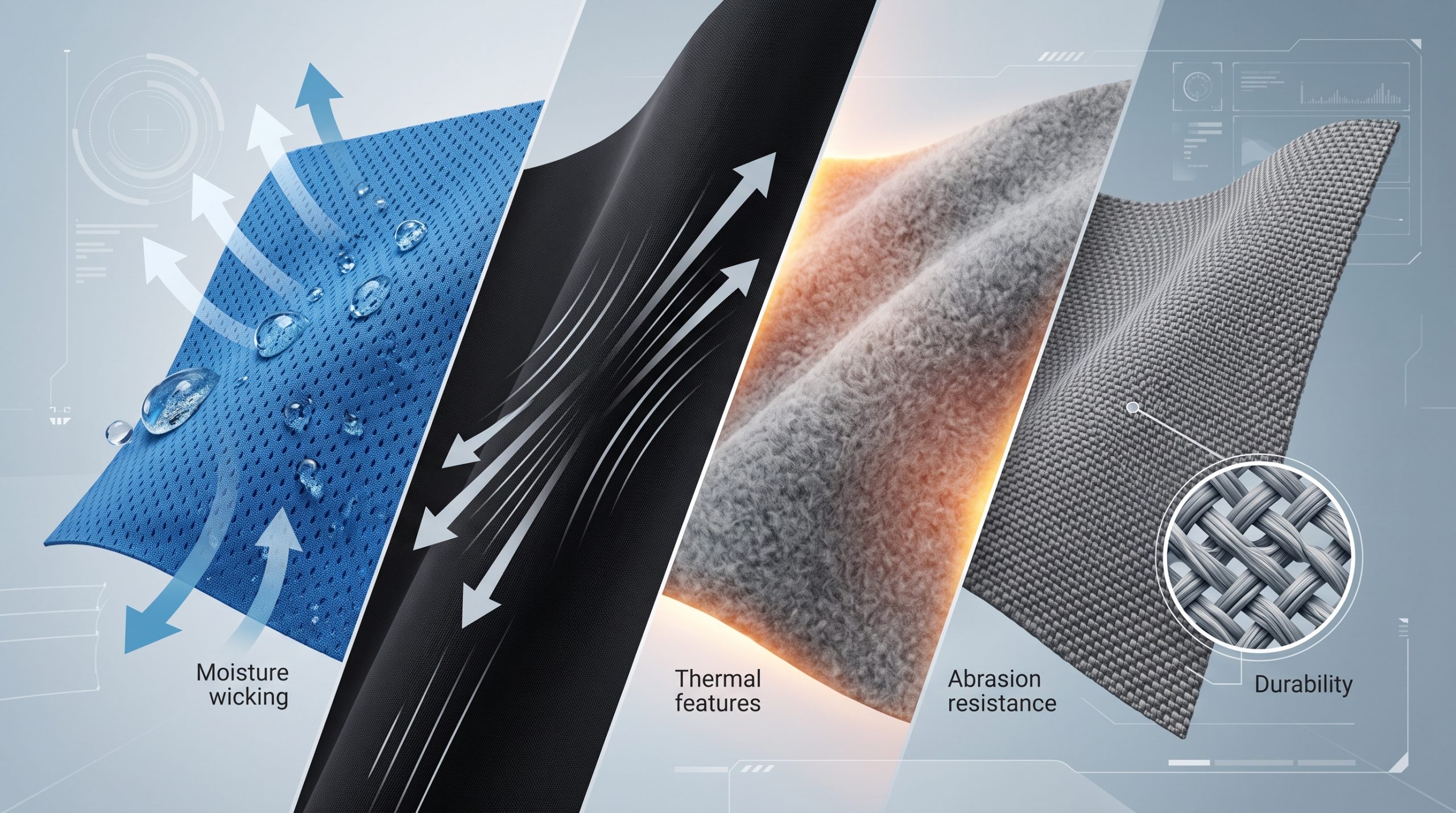
Sportswear is primarily made of synthetic polymer materials like polyester, nylon, and spandex, alongside highly specialized natural fiber blends engineered for physical performance. Imagine executing an intense training session only to feel your apparel grow heavy, damp, and intensely restrictive against your skin. This common discomfort disrupts focus and hinders athletic performance during critical competitive moments. Selecting technical textiles provides a reliable remedy by managing moisture and maintaining structure effortlessly. Brands looking to manufacture top-tier athletic apparel must source high-quality sports wear fabric to guarantee durability and athlete satisfaction.
Why is polyester the top choice for sports wear fabric?
Polyester dominates the athletic apparel industry because it offers an unparalleled combination of durability, moisture management, and cost-effectiveness for high-volume manufacturing. This specialized synthetic textile withstands rigorous mechanical stress without losing its native structural shape or tearing during high-intensity athletic activities. International apparel product managers prefer this specific material because it retains vibrant dye colors perfectly even after undergoing repeated industrial washing cycles. Choosing this highly dependable sports wear fabric ensures that your commercial activewear line maintains its premium aesthetic value and functional integrity over extended usage periods.
What makes polyester fibers highly durable?
Here’s the deal. The intrinsic chemical structure of polyester utilizes long-chain synthetic ester polymers that naturally resist environmental degradation, wrinkling, and unwanted stretching. This exceptional tensile strength allows finished athletic garments to endure extreme physical friction or frequent stretching without experiencing fiber breakdown. When you integrate this material into your production line, you receive a product that withstands heavy abrasion from gym equipment. Apparel brands select these sturdy yarns because they perform reliably under tough environmental conditions:
- Excellent dimensional stability under heavy physical stress.
- High resistance to commercial chemical laundering processes.
- Natural hydrophobic properties that prevent water logged weight.
Understanding the mechanical strength of polyester helps you design long-lasting team uniforms that withstand immense physical contact without requiring frequent replacements. This durability reduces product return rates and builds long-term customer trust for your apparel brand. By focusing on high-tensile specifications, you secure a competitive advantage in the wholesale sportswear marketplace. Investing in robust fabric configurations guarantees that end-users remain completely satisfied with their garment purchases.
| Fiber Property | Performance Rating | Target Application |
| Tensile Strength | Excellent | Team Uniforms |
| Color Fastness | Superior | Sublimation Printing |
| Abrasion Resistance | High | Training Apparel |
The data indicates that polyester provides the structural foundation necessary for high-abuse athletic garments.
How does nylon transform durable sports wear fabric?
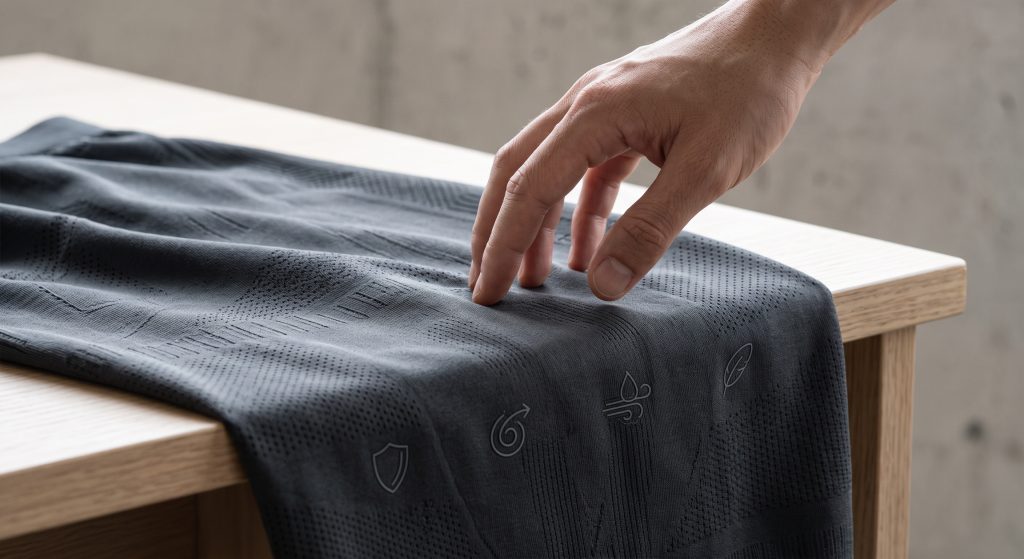
Nylon transforms performance apparel by delivering exceptional abrasion resistance and a remarkably smooth texture that reduces skin chafing during repetitive movements. This premium synthetic polymer provides superior elasticity compared to polyester, making it ideal for form-fitting garments that require flexibility. Sourcing this advanced sports wear fabric allows commercial manufacturers to produce elite outerwear and running gear that resists wind and surface wear. Your production team can utilize nylon to achieve a luxurious surface feel while maintaining the rugged characteristics needed for extreme outdoor environments.
Why choose nylon for high-impact activities?
You might be wondering why premium fitness brands consistently select nylon for their top-tier compression lines. The answer lies in the incredible elastic recovery of polyamide fibers, which adapt perfectly to dynamic muscle expansion during high-impact training sessions. When you manufacture sportswear with nylon, your customers experience a soft, lightweight sensation that does not compromise on tear resistance. This balancing act between comfort and strength makes it a premier selection for modern activewear production:
- Exceptional elastic recovery prevents sagging at the knees and elbows.
- Smooth filament surface minimizes friction against sensitive skin areas.
- High melting point ensures stability during specialized heat transfer processes.
Prioritizing nylon within your premium product lines enables you to target fitness enthusiasts who demand both comfort and longevity from their training apparel. This material choice allows you to command higher wholesale margins due to the perceived luxury feel of polyamide textiles. By focusing on these high-end fabric attributes, your brand establishes itself as a leader in technical sportswear manufacturing. Selecting nylon ensures your garments stand up to the most demanding workouts.
| Textile Metric | Polyamide (Nylon) | Polyester Standard |
| Abrasion Resistance | Maximum | Standard High |
| Elastic Recovery | 99% Recovery | 90% Recovery |
| Softness Index | Premium Silk Feel | Textured Synthetic |
This comparison highlights why nylon is favored for premium, high-stretch athletic product lines.
Why does spandex define stretch in sports wear fabric?
Spandex defines the elasticity of modern athletic apparel because it can expand up to six times its original length and return to its exact shape instantly. This elastomeric material is rarely used alone but serves as the critical ingredient in compression shorts, leggings, and swimwear blends. Incorporating this dynamic sports wear fabric into your manufacturing mix ensures that garments provide unrestricted freedom of movement for athletes of all disciplines. Your design team can manipulate spandex percentages to engineer specific compression levels that optimize blood flow and support muscle recovery during training.
What is the optimal spandex blend ratio?
This is where it gets interesting for apparel product developers looking to balance elasticity with structural support. Utilizing a blend containing eight to fifteen percent elastane guarantees sufficient flexibility without making the garment too heavy or slow to dry. When you manage activewear production, finding this sweet spot prevents the fabric from becoming completely transparent when stretched across the body. Balancing these fiber ratios allows you to create versatile fitness apparel that appeals to a wide commercial audience:
- Perfect fabric memory eliminates bagging or stretching out over time.
- Seamless integration with polyester or nylon fibers optimizes breathability.
- Customizable compression zones support specific muscle groups effectively.
Mastering spandex blending techniques allows you to produce high-performance leggings that retain their shape through hundreds of stretching cycles. This engineering precision ensures that your retail partners receive fewer complaints regarding transparency or loose fits from their customers. By delivering reliable elasticity, you position your manufacturing capabilities as highly sophisticated and technically advanced. Precise elastane blending is the secret to manufacturing flawless compression activewear.
| Elastane Blend % | Stretch Capacity | Ideal Garment Type |
| 5% – 8% Blend | Medium Stretch | Casual Joggers |
| 10% – 15% Blend | High Stretch | Performance Leggings |
| 18% – 25% Blend | Maximum Compression | Competitive Swimwear |
The chart confirms that adjusting elastane ratios directly dictates the performance envelope of the apparel.
Can cotton blends create functional sports wear fabric?
Cotton blends can create highly functional athletic garments when combined with synthetic fibers to offset natural moisture retention properties. Pure cotton absorbs sweat and holds it against the body, but engineered poly-cotton matrices combine natural comfort with synthetic drying speeds. Sourcing this hybrid sports wear fabric allows your brand to capture the expanding athleisure market where consumers demand all-day comfort. This material choice provides a soft, breathable alternative for low-intensity activities like yoga, golf, or daily lifestyle wear.
When should you choose hybrid natural fibers?
What’s the real story behind the resurgence of natural textures in the performance apparel sector? Consumers increasingly seek garments that look like casual lifestyle clothing but perform like technical athletic gear during unexpected physical exertion. When you introduce poly-cotton or cotton-modal blends, you offer a product that feels incredibly soft while benefiting from synthetic moisture dispersion. This strategic material combination opens up new revenue streams in the high-growth corporate wellness and casual fitness markets:
- Superior skin comfort minimizes irritation for individuals with chemical sensitivities.
- Balanced thermal insulation provides comfort during outdoor warm-up routines.
- Matte aesthetic finish offers a distinct stylistic contrast to shiny synthetics.
Leveraging hybrid cotton textiles enables you to diversify your product catalog and capture the lucrative casual fitness demographic. This strategy ensures that your manufacturing business remains relevant to changing fashion trends that favor natural textures over purely synthetic appearances. By offering these comfortable alternatives, you satisfy the growing consumer demand for versatile, multi-purpose athletic apparel. Cotton hybrids effectively bridge the gap between street fashion and athletic performance.
| Blend Composition | Breathability Score | Drying Efficiency |
| 60% Cotton / 40% Poly | High Comfort | Moderate Speed |
| 40% Cotton / 60% Poly | Balanced | High Speed |
| 50% Cotton / 50% Modal | Maximum Softness | Casual Usage |
The analytical data shows that increasing the synthetic portion optimizes the material for faster drying times.
How does moisture wicking update sports wear fabric?
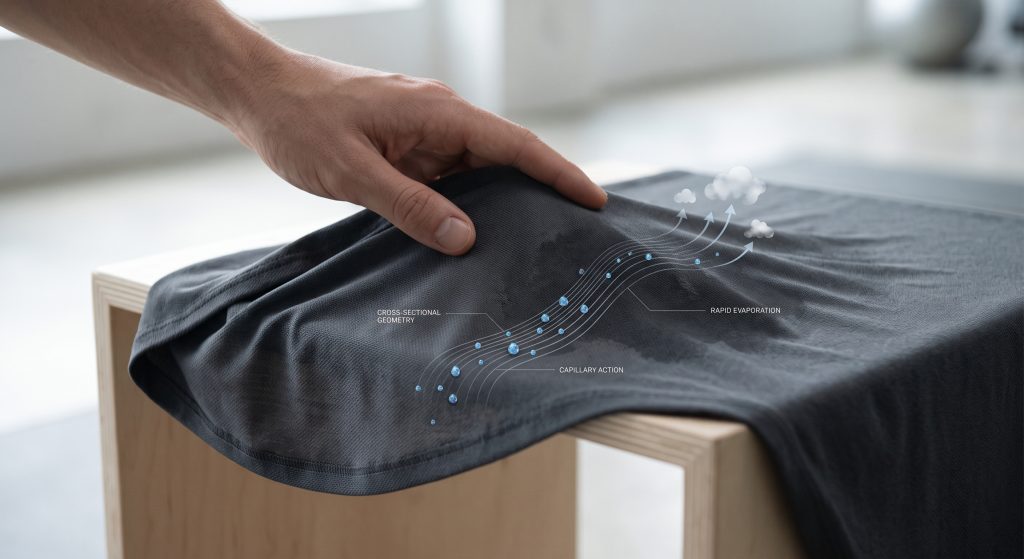
Moisture wicking updates athletic apparel by utilizing cross-sectional yarn geometries that draw sweat away from the skin through capillary action. Instead of trapping humidity, this advanced sports wear fabric forces liquid to the outer surface of the garment where it evaporates rapidly. Utilizing these high-tech knitting structures allows your manufacturing operation to supply elite athletes with gear that keeps them cool and dry. This micro-climate regulation prevents thermal shock and keeps muscles performing at temperature ranges during extended outdoor competitions.
How do capillary channels transport sweat?
Ready for the good part? Technical moisture transport does not rely on temporary chemical coatings that wash away after a few cleaning cycles. Instead, the actual physical shape of the fiber features microscopic channels that naturally pull liquid outward through basic physical principles. When you invest in these permanently functional yarns, you provide a high-value product that maintains its moisture-managing capabilities forever. This structural engineering ensures your apparel line stands out for its genuine long-term performance:
- Non-chemical wicking properties ensure permanent performance over time.
- Rapid evaporation mechanisms prevent the accumulation of sweat-induced odor bacteria.
- Hydrophobic interior faces maintain a dry sensation against human skin.
Integrating structural wicking technology into your manufacturing portfolio allows you to target professional athletic organizations with confidence. This premium feature justifies higher wholesale pricing tiers and secures long-term supply contracts with elite sportswear distributors. By focusing on permanent physical performance attributes, your brand establishes an ironclad reputation for high-tier textile engineering. Capillary channel technology represents the pinnacle of modern moisture management.
| Yarn Geometry | Wicking Velocity | Evaporation Surface |
| Cross-Shaped Fibers | Rapid Transport | Maximum Area |
| Round Fibers | Slow Capillary | Limited Area |
| Grooved Channels | Continuous Flow | High Efficiency |
The performance metrics clearly demonstrate that engineered yarn shapes vastly outperform standard round fibers.
Why is sustainability shaping industrial sports wear fabric?
Sustainability shapes the textile sector because global consumers and regulatory frameworks demand verifiable reductions in carbon footprints and microplastic pollution. Utilizing recycled polyester derived from ocean plastic or bio-based nylon allows your business to comply with international eco-friendly purchasing mandates. Sourcing certified sustainable sports wear fabric ensures your brand satisfies the stringent environmental compliance requirements of major multinational retail chains. This proactive transition to green manufacturing practices secures your supply chain against future environmental regulations while appealing to eco-conscious global consumers.
Why is recycled polyester in demand?
But here’s the kicker regarding the transition to environmentally responsible manufacturing methods. Recycled polyester offers the exact same tensile strength, colorfastness, and moisture-wicking performance as virgin petroleum-based synthetic alternatives. When you swap conventional fibers for ocean-bound plastic derivatives, you reduce carbon emissions by up to thirty percent during the fabric production phase. This seamless substitution allows your factory to hit aggressive sustainability targets without reducing product quality:
- Reduced dependency on crude oil extractions protects global resources.
- Global Recycled Standard certification verifies the authenticity of your supply chain.
- Equivalent performance metrics ensure no sacrifice in garment durability.
Adopting recycled polyester alternatives positions your commercial enterprise as a forward-thinking leader in the global textile economy. This alignment with modern environmental values opens doors to exclusive partnerships with premium sportswear corporations that prioritize green sourcing. By proving your commitment to sustainability, you build a powerful B2B brand image centered around industrial responsibility. Green textiles are no longer a niche market but an industry wide requirement.
| Sustainability Index | Recycled rPET | Virgin Polyester |
| Carbon Footprint | 30% Lower | Baseline High |
| Water Consumption | Reduced | Standard Industrial |
| Certification Level | GRS Verified | Standard ISO |
The data confirms that recycled fibers deliver identical performance characteristics while drastically reducing environmental burdens.
What thermal features optimize winter sports wear fabric?
Thermal features optimize cold-weather athletic apparel by trapping insulating air pockets close to the body while allowing metabolic moisture to escape. Advanced winter sports wear fabric utilizes hollow-core fiber technologies and brushed interior faces to generate warmth without adding excessive physical weight. Your manufacturing plant can produce multi-layered outerwear systems that protect athletes from freezing ambient temperatures during alpine sports. Engineering these breathable insulation layers ensures that winter athletes remain warm without experiencing the dangerous chilling effects of trapped sweat.
How do brushed fleeces trap heat?
What’s the real story behind lightweight warmth in technical winter apparel systems? The secret lies in the mechanical brushing of knit fabrics, which lofts the individual fibers to create microscopic dead-air chambers. When you manufacture thermal activewear, these air zones block external cold while utilizing body heat to maintain a stable core temperature. This specialized knitting process ensures that outdoor enthusiasts receive maximum thermal protection without feeling weighed down by bulky garments:
- Hollow-core yarn structures mimic natural animal fur for lightweight insulation.
- High breathability metrics prevent the accumulation of internal condensation.
- Durable anti-pilling finishes maintain a neat appearance after friction.
Offering advanced thermal insulation textiles allows your business to capture the highly profitable winter sports and outdoor exploration markets. These specialized garments command premium wholesale pricing due to the complex manufacturing processes required to create effective thermal barriers. By expanding into cold-weather fabric engineering, you insulate your business against seasonal sales fluctuations. Technical thermal structures provide the ultimate defense against harsh winter environments.
| Fabric Density | Thermal Retention | Breathability Rate |
| 150 GSM Light Fleece | Moderate Warmth | Extremely High |
| 250 GSM Mid Fleece | High Retention | Balanced Flow |
| 350 GSM Heavy Fleece | Maximum Insulation | Controlled Release |
The metrics illustrate how fabric weight adjustments allow manufacturers to precisely target specific cold-weather environments.
How do compression designs leverage sports wear fabric?
Compression designs leverage high-tension warp knit structures to apply calculated mechanical pressure to specific muscle groups during intense physical exertion. This specialized sports wear fabric improves athletic performance by increasing blood circulation and reducing muscle oscillation during high-impact explosive movements. Incorporating these tight-knit elastomeric matrices into your product lineup allows you to supply professional training operations with medical-grade athletic gear. Sourcing this supportive sports wear fabric ensures your compression products offer the precise recovery characteristics demanded by competitive athletes worldwide.
How does mechanical pressure support muscles?
This is where it gets interesting for athletic brands focused on performance enhancement and injury prevention metrics. The tight cross-weave of high-denier elastane strands creates an external support envelope that dampens muscle vibration during running or jumping. When you manufacture targeted compression gear, you help reduce post-exercise muscle soreness and shorten the recovery timeline for the end-user. This physical benefit translates into massive brand loyalty from fitness consumers who rely on functional gear:
- Targeted circulatory support accelerates oxygen delivery to working muscles.
- Reduced muscle fatigue minimizes the risk of structural soft-tissue injuries.
- Ergonomic seam placement maximizes comfort during deep physical extensions.
Integrating high-performance compression textiles into your production schedules establishes your company as a sophisticated technical manufacturer. This specialization differentiates your factory from standard garment shops and positions you to win contracts from elite athletic brands. By validating the mechanical properties of your compression weaves, you build deep credibility within the global sportswear market. Elite compression technology provides measurable physical advantages to the modern athlete.
| Denier Specification | Compression Level | Targeted Muscle Group |
| 70D Warp Knit | Mild Support | Upper Body Core |
| 105D Circular Knit | Zone Compression | Quads and Hamstrings |
| 140D Heavy Matrix | Maximum Pressure | Calf Muscle Stabilization |
The engineering data proves that increasing denier values allows for the creation of elite-tier muscle stabilization garments.
Which knitting methods produce premium sports wear fabric?
Knitting methods dictate the ultimate stretch, breathability, and run-resistance profiles of performance textiles manufactured for global sportswear brands. Double-knit circular patterns and complex warp-knitting techniques determine how a sports wear fabric behaves under multi-directional physical stress. Your production facility can deploy high-speed circular knitting machines to generate seamless structures that eliminate irritating stitch lines for the end-user. Selecting the correct industrial knitting methodology ensures that your finished sportswear garments meet exact international performance standards.
Why are birdseye and pique knits popular?
You might be wondering why major sportswear brands consistently choose geometric birdseye or structural pique knits for their primary product lines. These specific patterns create a three-dimensional fabric face that reduces the total surface area directly touching human skin. When you utilize these advanced textures, you create natural air pathways that accelerate evaporation and prevent the material from clinging to sweaty skin. This geometric knitting approach offers an intelligent solution to moisture management without relying on chemical additives:
- Three-dimensional micro-textures prevent uncomfortable skin clinging during exercise.
- Inherent structural ventilation channels maximize air circulation through the garment.
- High resistance to snagging protects apparel from velcro and rough surfaces.
Mastering advanced geometric knitting styles allows you to deliver premium activewear textures that look visually distinctive on retail display racks. This structural sophistication provides immediate value to your wholesale clients who want to differentiate their products from flat, basic synthetic garments. By focusing on intricate knitting engineering, you elevate your factory output above low-cost commodity textile mills. Advanced structural knitting represents the true foundation of luxury activewear manufacturing.
| Knit Structure | Cling Resistance | Primary Application |
| Birdseye Mesh | Excellent | Marathon Running Shirts |
| Pique Structure | Superior | Premium Golf Polos |
| Interlock Knit | Standard | Gym Training Hoodies |
The structural matrix demonstrates that geometric knit patterns provide substantial physical performance advantages over traditional flat weaves.
How do B2B buyers select the right sports wear fabric?
B2B buyers select performance textiles by executing comprehensive evaluations of material weight, elongation capacity, colorfastness, and international environmental certifications. Sourcing the perfect sports wear fabric requires balancing financial cost constraints against the technical performance requirements of the target athletic demographic. Your purchasing team must analyze manufacturing consistency and verify factory certifications like OEKO-TEX Standard 100 to ensure safety compliance. Establishing strict inspection protocols protects your brand from receiving substandard textile shipments that could ruin your retail reputation.
How do you verify fabric weight and GSM?
Here’s the deal when it comes to guaranteeing consistent garment production across massive commercial manufacturing runs. Grams per Square Meter (GSM) directly dictates the thickness, opacity, and weight classification of the finished athletic apparel product. When you utilize precision sample cutters and digital balance scales, you confirm that the delivered textile matches your exact order specifications. This technical vigilance prevents production delays and ensures that every batch of leggings or shirts maintains a uniform thickness:
- Systematic GSM validation ensures consistent material thickness across production lots.
- Certified laboratory stretch testing guarantees uniform compression performance.
- Standardized wash testing verifies that color fastness meets international commercial metrics.
Implementing rigorous quality verification frameworks ensures your apparel manufacturing operation delivers flawless performance garments every single time. This industrial precision builds deep confidence among global sportswear distributors who require absolute consistency for their retail networks. By mastering these strict selection and testing protocols, you secure long-term commercial success in the competitive global textile arena. Diligent quality control is the final step in producing world-class sportswear.
| Evaluation Parameter | Verification Method | International Standard |
| Fabric Weight (GSM) | Circular Sample Cutter | ISO 3801 |
| Color Fastness | Accelerated Laundering | AATCC 61 |
| Stretch and Recovery | Constant Rate Elongation | ASTM D4964 |
This testing framework provides the objective data required to clear fabric batches for mass garment assembly.
Finding the Perfect Performance Balance
Selecting the ideal athletic textile requires deep understanding of synthetic polymer capabilities, advanced geometric knitting methods, and structural moisture-wicking technologies. This comprehensive guide has addressed critical challenges involving fiber durability, stretch recovery, skin irritation, and industrial sustainability metrics. Our manufacturing facility specializes in engineering premium, high-density performance weaves that allow global clothing brands to build absolute consumer loyalty. We balance technical textile excellence with sustainable manufacturing chains to future-proof your commercial apparel lines against evolving market demands. To explore our latest certified performance fabric catalogs or discuss custom technical specifications for your upcoming seasonal collection, contact us today for expert B2B consultation.
Frequently Asked Questions
Can I mix natural cotton with synthetic polyester for high-performance athletic apparel?
Yes, you can absolutely utilize engineered poly-cotton matrices to create highly successful performance apparel lines. Combining these fibers delivers the soft, comfortable texture of natural cotton alongside the rapid drying speeds and tensile strength of synthetic polyester. This hybrid approach is ideal for the modern athleisure market where consumers demand versatile clothing that performs well during light exercise while maintaining a casual aesthetic appearance.
What is the best fabric combination for manufacturing non-see-through yoga leggings?
The best fabric configuration utilizes a high-density interlock knit blend consisting of approximately eighty-five percent nylon and fifteen percent spandex. Nylon provides a luxurious, soft texture and superior strength, while the high spandex percentage ensures maximum multi-directional stretching capacity without thinning out. The interlock knitting technique creates a thick, double-faced structural profile that guarantees absolute opacity even during deepest physical extensions.
How do I know if a fabric has permanent moisture-wicking capabilities before purchasing?
You know a textile possesses permanent wicking performance by verifying that its moisture transport relies on geometric fiber shapes rather than temporary chemical finishes. Cross-shaped or grooved fiber profiles pull moisture away from human skin through natural capillary action which never degrades during commercial washing cycles. Always request official laboratory testing data matching international standards to confirm the mechanical nature of the fabric’s wicking velocity.
What is the most durable material for team sports uniforms that face heavy physical contact?
High-denier polyester filament yarn represents the most durable selection for sports uniforms subjected to intense physical abrasion and friction. Polyester fibers feature excellent tensile strength and dimensional stability, allowing garments to resist tearing under heavy mechanical stress. Furthermore, polyester holds sublimation printing dyes perfectly, ensuring that team colors and logos remain vibrant throughout multiple competitive seasons.