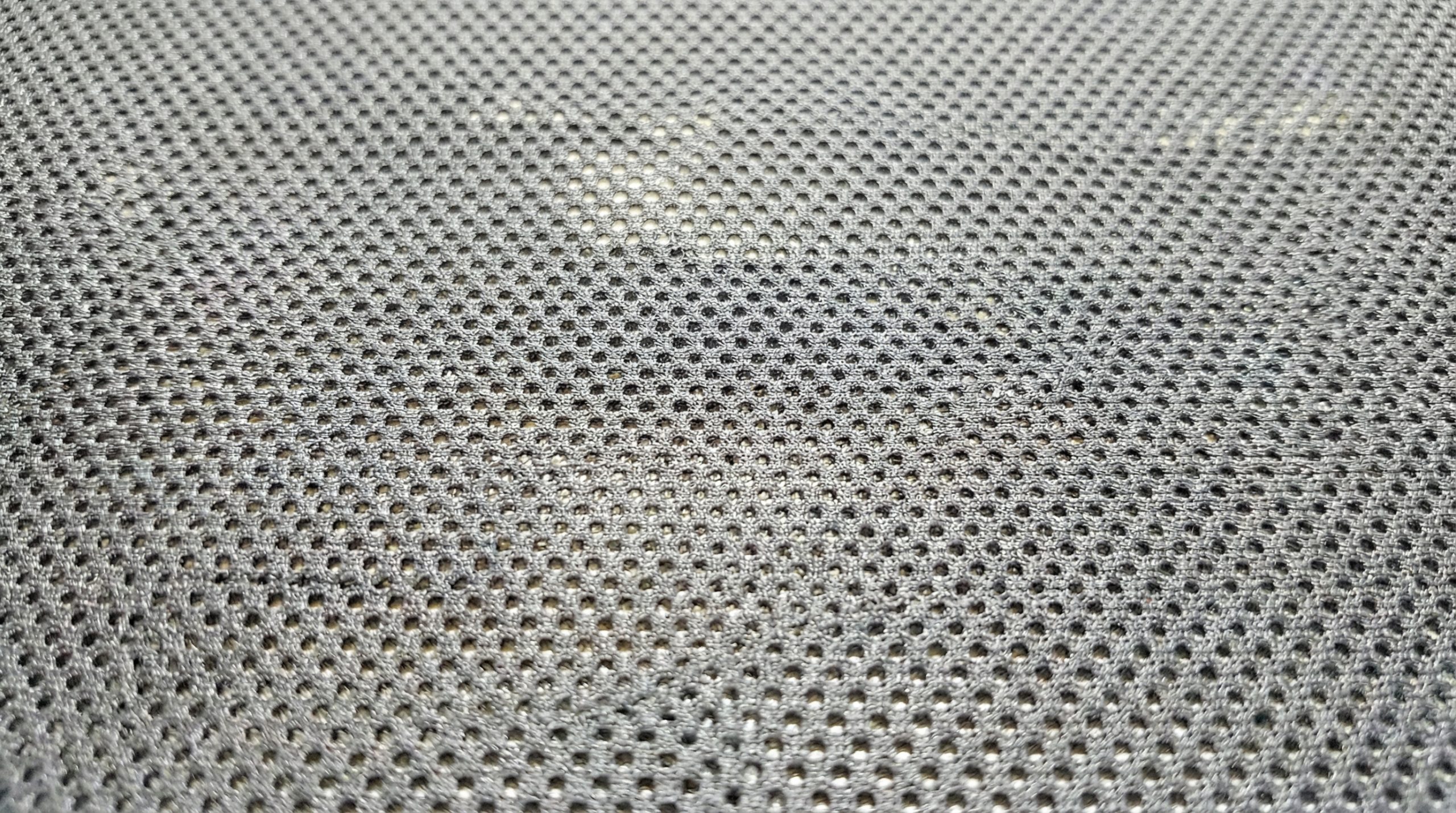
Knitted fabric is the core of modern activewear because its unique looped structure provides the essential balance of multi-directional stretch, breathability, and durability required for high-performance athletic movements. You face the constant pressure of designing apparel that won’t restrict movement or lose shape after intensive use. Poor material choices lead to sagging leggings and trapped heat, ruining your brand’s reputation and increasing return rates. By utilizing high-quality knitted fabric , you can ensure your garments move like a second skin while maintaining technical functional properties.
Why is knitted fabric vital for athletic performance?
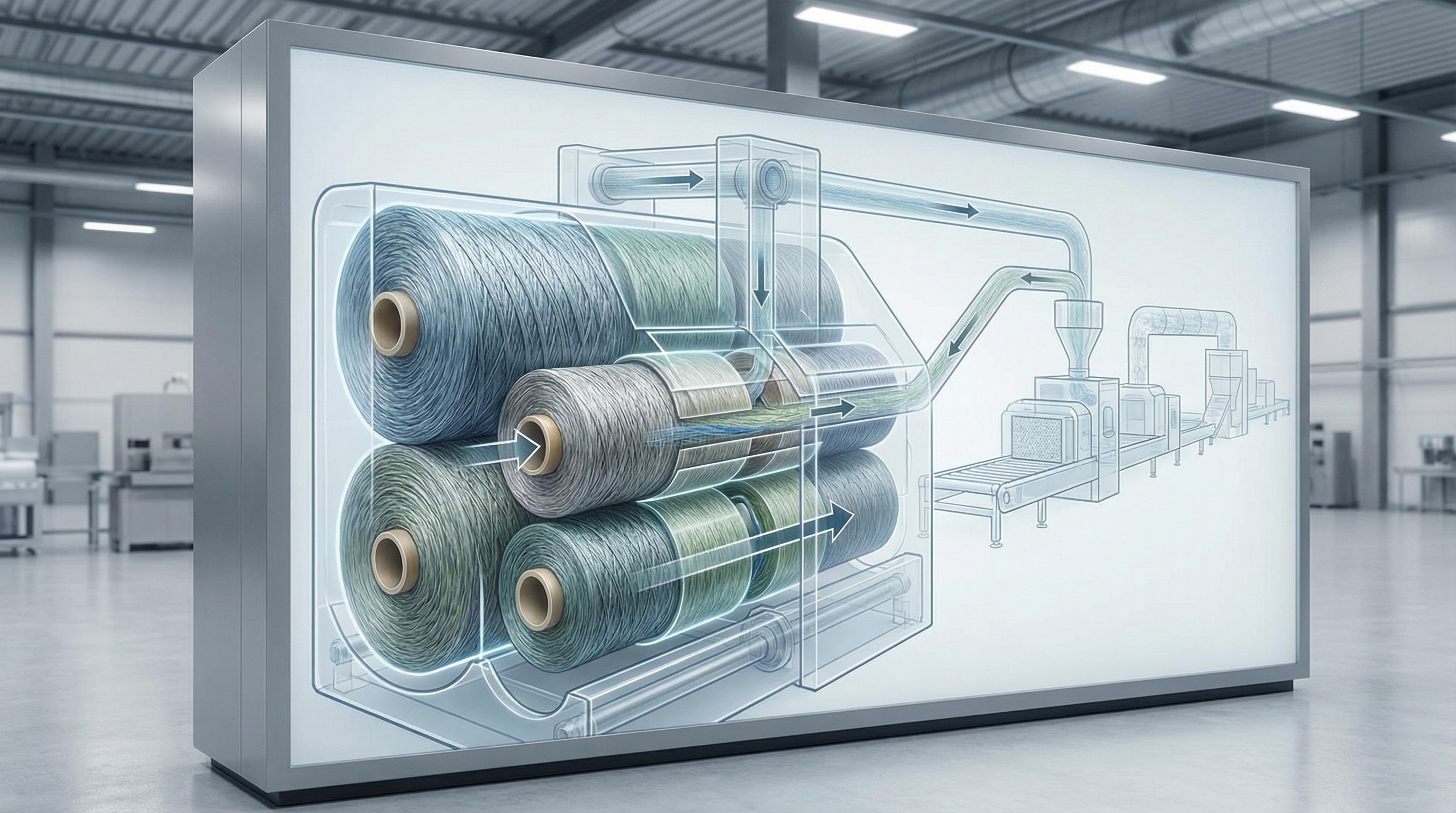
Knitted fabric provides the fundamental flexibility and recovery needed for dynamic physical activity through its interlocking loop construction. This structure allows the material to expand without breaking, ensuring athletes can perform at their peak.
How does the loop structure benefit athletes?
The interlocking loops act like tiny springs that respond to every muscular contraction. This mechanical stretch is what separates professional gear from standard leisurewear.
But that is not all.
- Natural 4-way elasticity without excessive chemical additives.
- Superior air permeability due to the porous nature of the knit.
- Excellent shape retention even after repeated high-intensity training.
Key Takeaway: The mechanical elasticity of knitted structures provides a range of motion that woven textiles simply cannot replicate.
| Feature | Knitted Advantage | Athlete Impact | |
|---|---|---|---|
| Elasticity | Loop-based expansion | Unrestricted movement | |
| Breathability | Open pore structure | Better temperature regulation | |
| Durability | Interlocked strength | Longer garment lifespan |
This structural advantage translates directly into higher performance scores for your customers during training sessions.
How does circular knitted fabric improve garment fit?
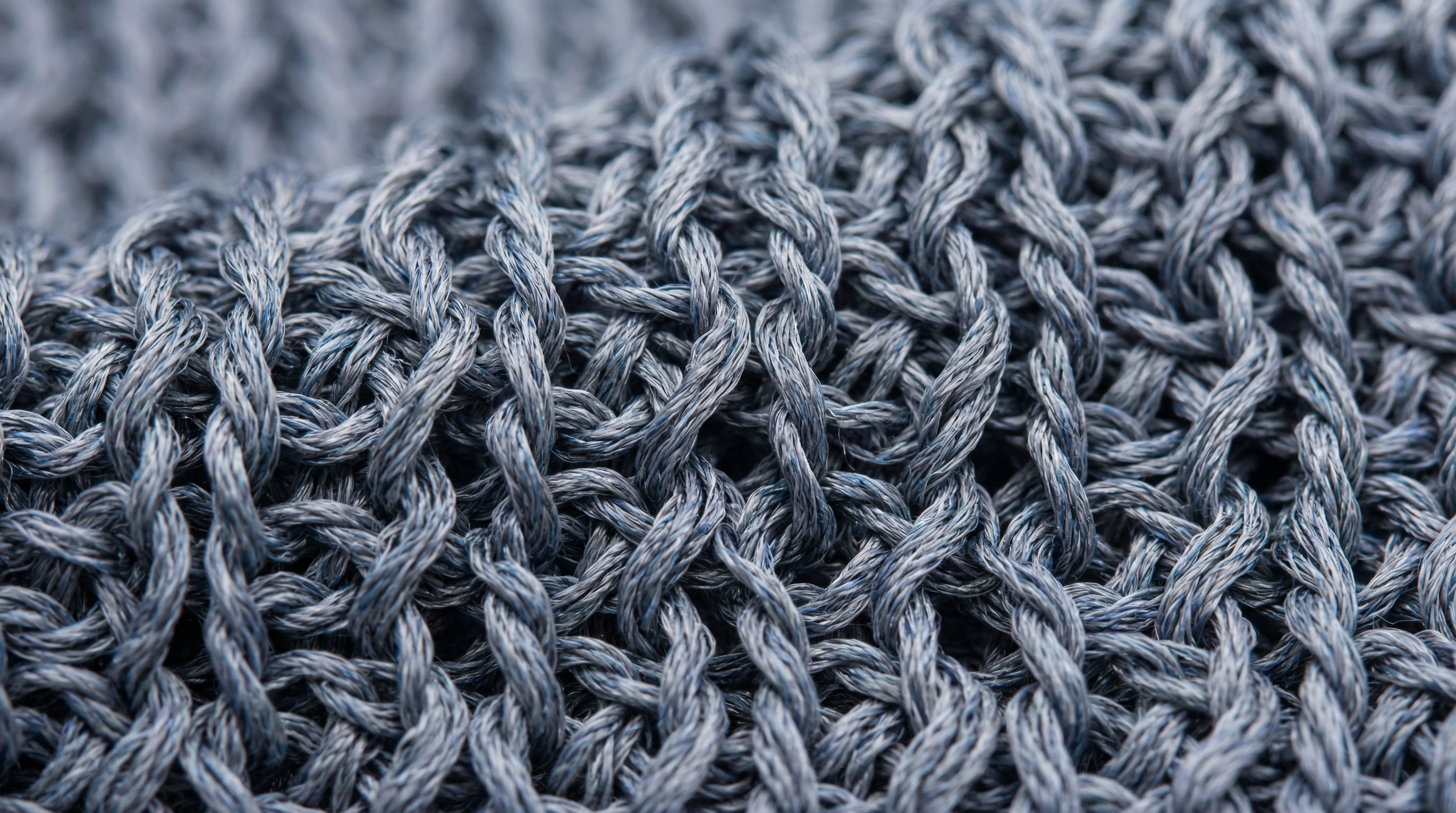
Circular knitted fabric improves garment fit by allowing for seamless or low-seam tubular constructions that follow the body’s natural contours. This manufacturing method eliminates many of the friction points that cause athlete discomfort.
Can seamless construction reduce friction?
Reducing the number of seams is the most effective way to prevent skin irritation during long-distance runs or cycling. Circular machines produce a consistent pressure across the entire garment.
Here is the kicker:
- Minimizes bulky side seams that cause chafing.
- Ensures uniform fabric density across the whole piece.
- Reduces production waste by knitting to the required diameter.
Key Takeaway: Circular knitting technology delivers a “second-skin” feel that maximizes comfort and minimizes distractions for the user.
| Construction | Fit Quality | Manufacturing Benefit | |
|---|---|---|---|
| Seamless | Zero chafing | Reduced assembly time | |
| Tubular | Ergonomic wrap | Less fabric cutting waste | |
| Uniformity | No weak spots | High batch consistency |
Consistent fit is a primary driver of brand loyalty in the competitive activewear market.
Can knitted fabric manage moisture better than woven?
Knitted fabric manages moisture more effectively because its porous structure acts as a natural capillary system to pull sweat away from the skin. This wicking efficiency is critical for maintaining the body’s thermoregulation during intense workouts.
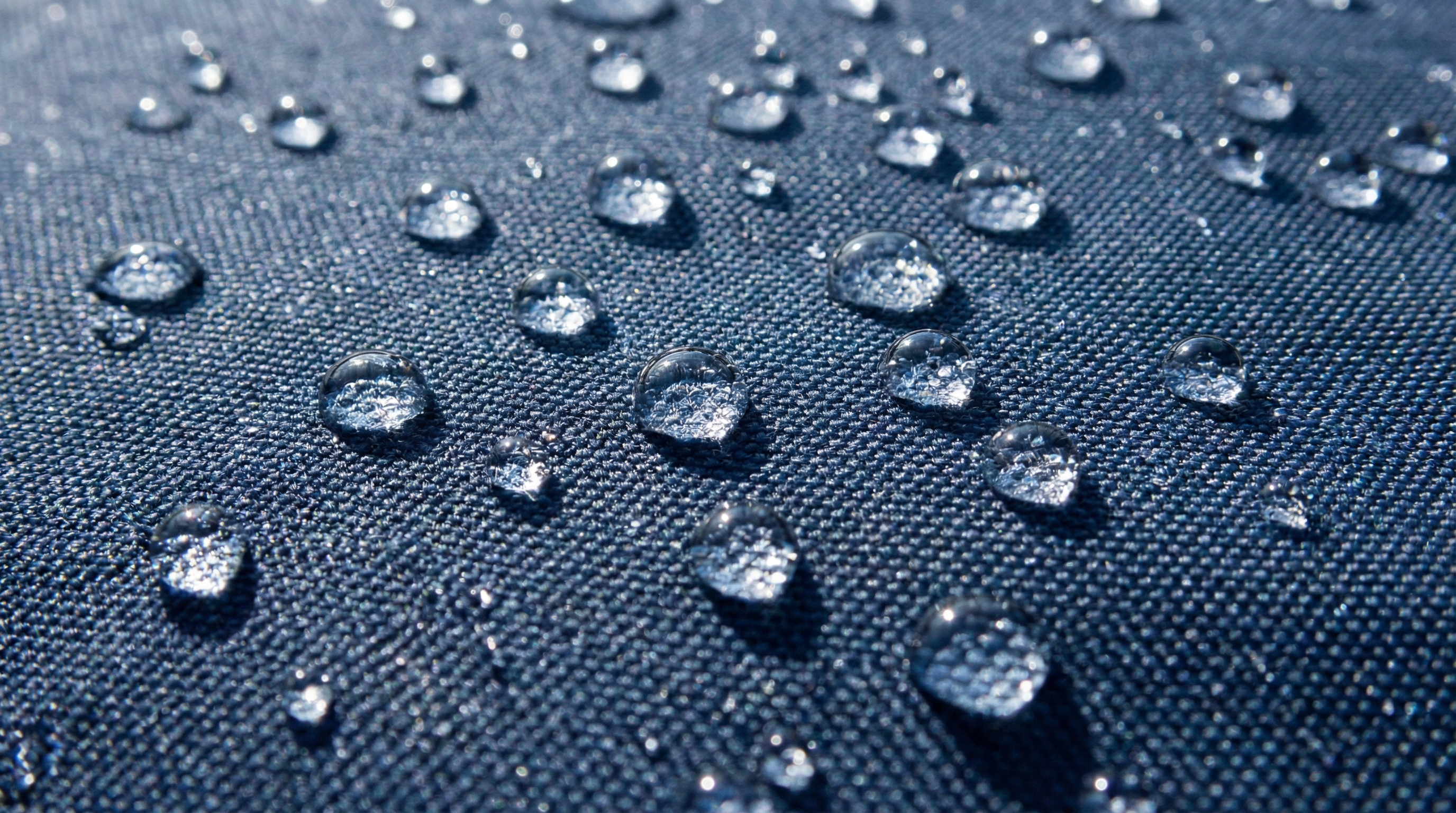
Does wicking efficiency change with knit density?
The density of the knit determines how quickly moisture can travel to the outer surface of the garment. Lightweight jerseys offer rapid evaporation, while interlocks provide a dual-layer wicking system.
Believe it or not:
- Capillary action moves sweat to the surface instantly.
- Hydrophobic treatments can be applied at the yarn level.
- Quick-dry properties prevent the garment from feeling heavy when wet.
Key Takeaway: Knitted constructions allow for multi-layer moisture management that keeps the wearer dry and comfortable.
| Material Property | Mechanism | Benefit | |
|---|---|---|---|
| Capillary Action | Porous loop travel | Fast sweat transport | |
| Surface Area | High loop count | Rapid evaporation | |
| Non-Absorbent | Synthetic yarn base | Stays lightweight |
Efficient moisture management is the difference between a high-end technical piece and a basic gym shirt.
What makes knitted fabric the best for yoga wear?
High-GSM knitted fabric is the industry standard for yoga because it provides the essential opacity and softness required for deep stretches. You need materials that stay “squat-proof” while maintaining a luxurious hand-feel.
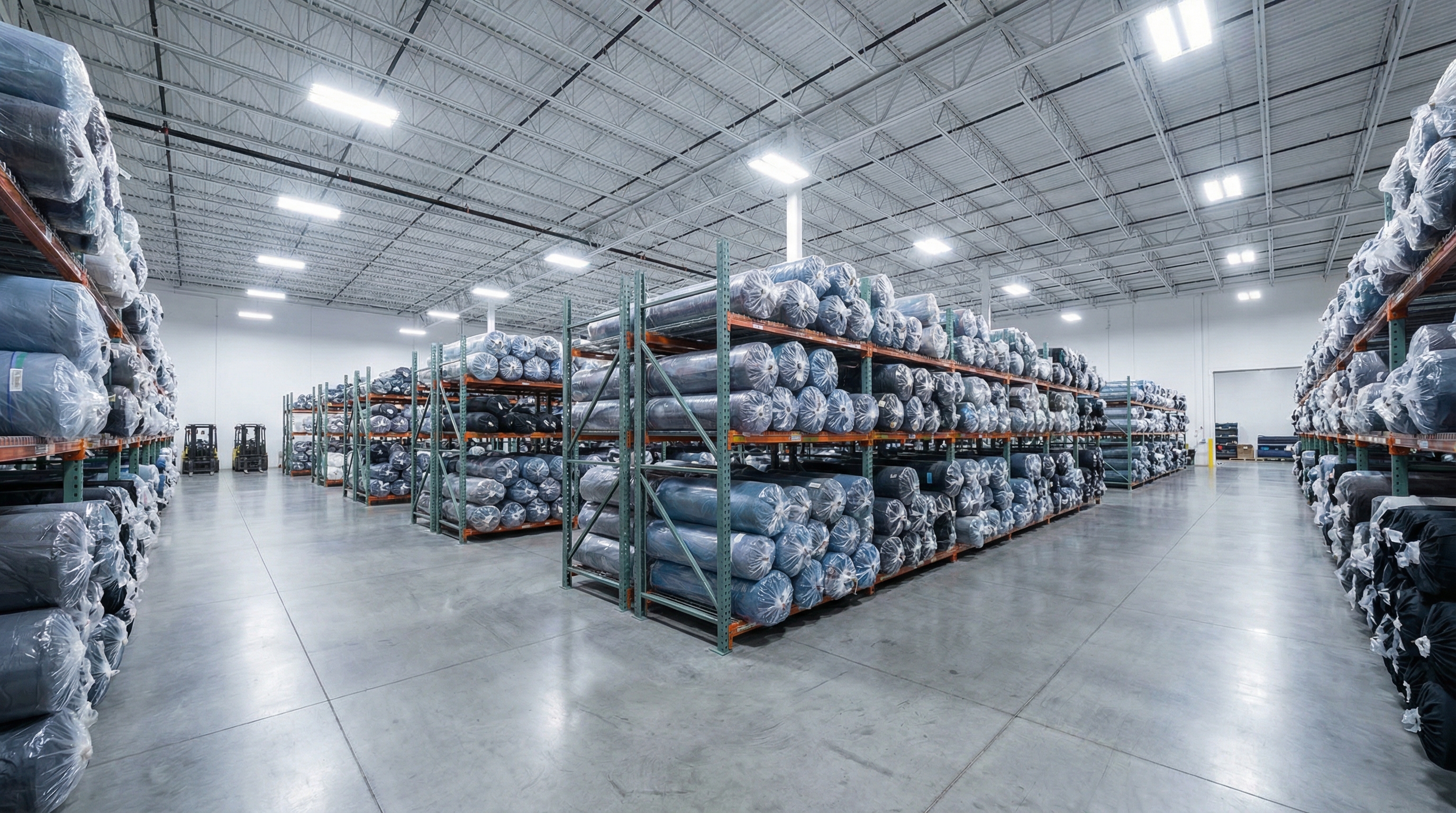
Why is 4-way stretch essential for yogis?
Yoga involves extreme ranges of motion that require the fabric to expand equally in all directions. A high spandex-to-polyester ratio ensures the garment returns to its original shape every time.
But wait, there’s more.
- Peached or brushed finishes for a buttery soft texture.
- High-density interlock knits prevent transparency issues.
- Compressive waistbands that stay in place during movement.
Key Takeaway: The combination of dense knit construction and elastic recovery makes knitted fabric the only viable choice for yoga apparel.
| Fabric Metric | Requirement | Knitted Solution | |
|---|---|---|---|
| Opacity | Squat-proof | High-GSM Interlock | |
| Touch | Skin comfort | Sueded/Brushed finish | |
| Recovery | No bagging | Spandex-rich blend |
Providing a secure and comfortable fit helps your customers feel confident throughout their entire practice.
How is synthetic knitted fabric engineered for strength?
Synthetic knitted fabric is engineered for strength by using high-filament yarns and computerized circular machines that produce precise, tight loops. This results in a textile that can withstand the high tension and friction of competitive sports.
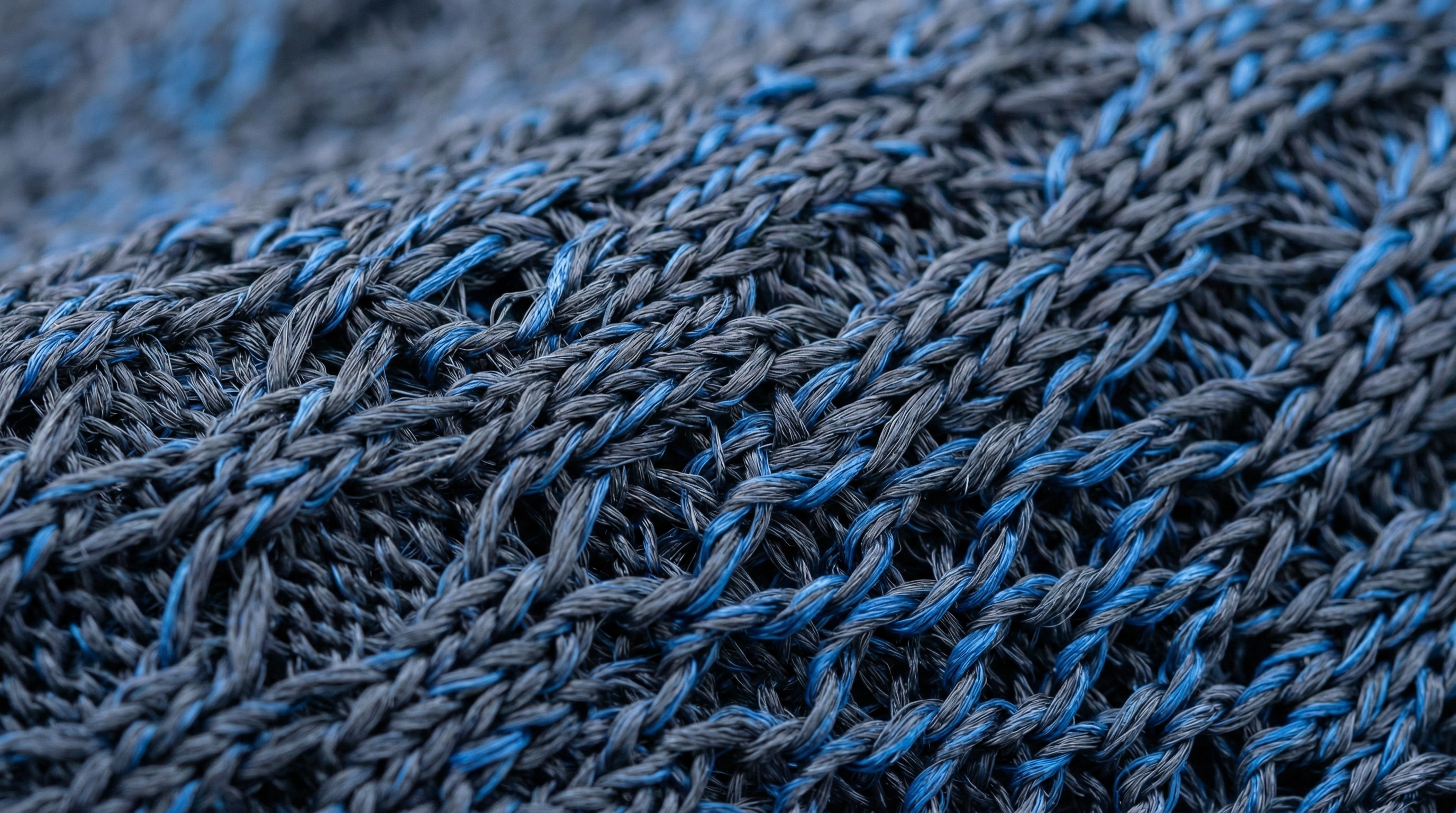
Can tight gauges prevent surface pilling?
A tight knitting gauge creates a smooth, flat surface that resists the abrasion caused by gym equipment or heavy use. This ensures the garment looks new even after months of intensive training.
The best part is:
- High tensile strength prevents tearing under pressure.
- Tight loop structures reduce the risk of snagging.
- Superior bursting strength for compression applications.
Key Takeaway: Modern engineering allows for lightweight knits that possess the structural integrity of much heavier textiles.
| Durability Factor | Technical Detail | Performance Result | |
|---|---|---|---|
| Abrasion | Tight gauge knit | Low pilling risk | |
| Tensile | Filament yarns | High tear resistance | |
| Tension | Interlock structure | Shape retention |
Investing in durable fabric structures reduces your return rates and enhances the perceived value of your products.
Why is knitted fabric essential for team sports gear?
In team sports, knitted fabric is essential because it offers specialized mesh structures for ventilation and smooth surfaces for sublimation printing. You can provide your athletes with gear that is both functional and visually striking.
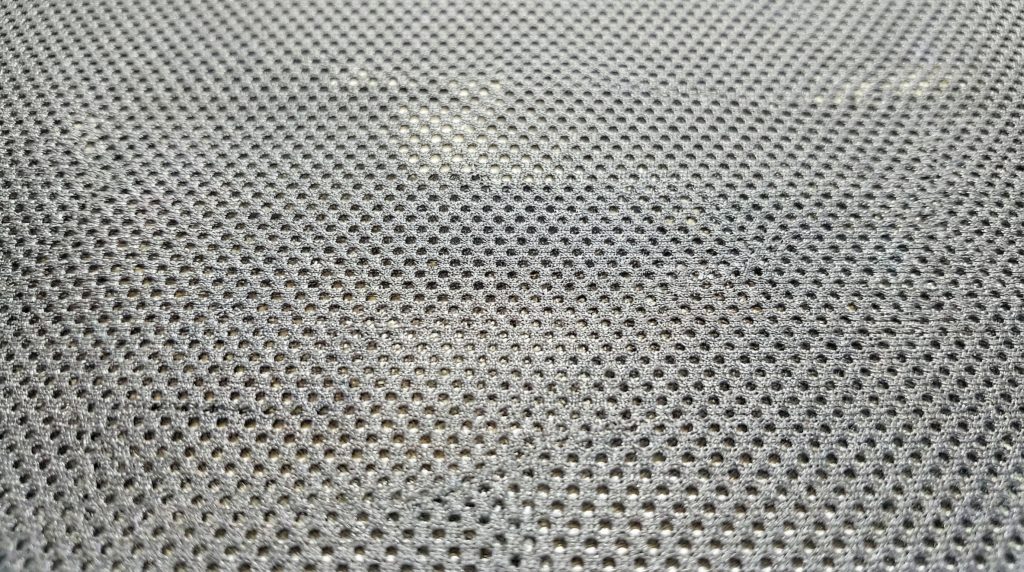
Is ventilation improved with bird-eye structures?
Bird-eye and honeycomb mesh structures are specifically designed to maximize airflow during high-intensity sports like basketball or football. These knits allow heat to escape while maintaining a professional appearance.
Think about this:
- Zoned ventilation puts breathability where it is needed most.
- Sublimation-ready surfaces for vibrant team branding.
- Lightweight construction helps reduce athlete fatigue.
Key Takeaway: Specialized knit constructions provide the unique ventilation and aesthetic customization required for competitive team environments.
| Gear Type | Recommended Knit | Primary Benefit | |
|---|---|---|---|
| Jerseys | Honeycomb Mesh | Maximum airflow | |
| Training Tops | Bird-Eye Knit | Moisture control | |
| Uniforms | Sublimation Jersey | Permanent vibrant color |
Using the right knit structure ensures your team gear performs as well as it looks on the field.
Is recycled knitted fabric as durable as virgin yarn?
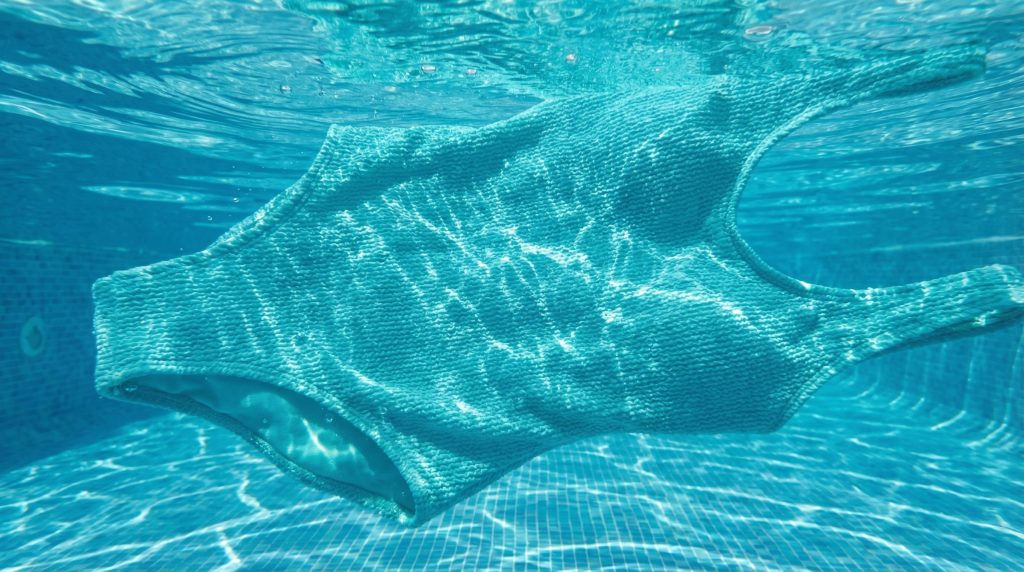
Recycled knitted fabric utilizing GRS-certified yarns provides the same performance metrics as virgin materials without the environmental cost. You can shift toward sustainable production without compromising on the stretch or strength your customers expect.
Does eco-friendly yarn maintain compression?
Modern recycling processes ensure that polyester and nylon filaments retain their elastic properties. This means your eco-friendly leggings will provide the same “snap-back” as traditional versions.
It gets better:
- GRS certification ensures high quality and traceability.
- Reduces carbon footprint by up to 50% per kilogram.
- Supports the global push toward a circular textile economy.
Key Takeaway: Sustainability and performance are no longer mutually exclusive thanks to advancements in recycled yarn technology.
| Fiber Source | Durability | Eco-Impact | |
|---|---|---|---|
| Virgin Polyester | Excellent | High resource use | |
| Recycled Polyester | Excellent | Low carbon footprint | |
| Recycled Nylon | Excellent | Ocean waste reduction |
Adopting recycled textiles positions your brand as a forward-thinking leader in the modern marketplace.
How does knitted fabric support UV and antibacterial needs?
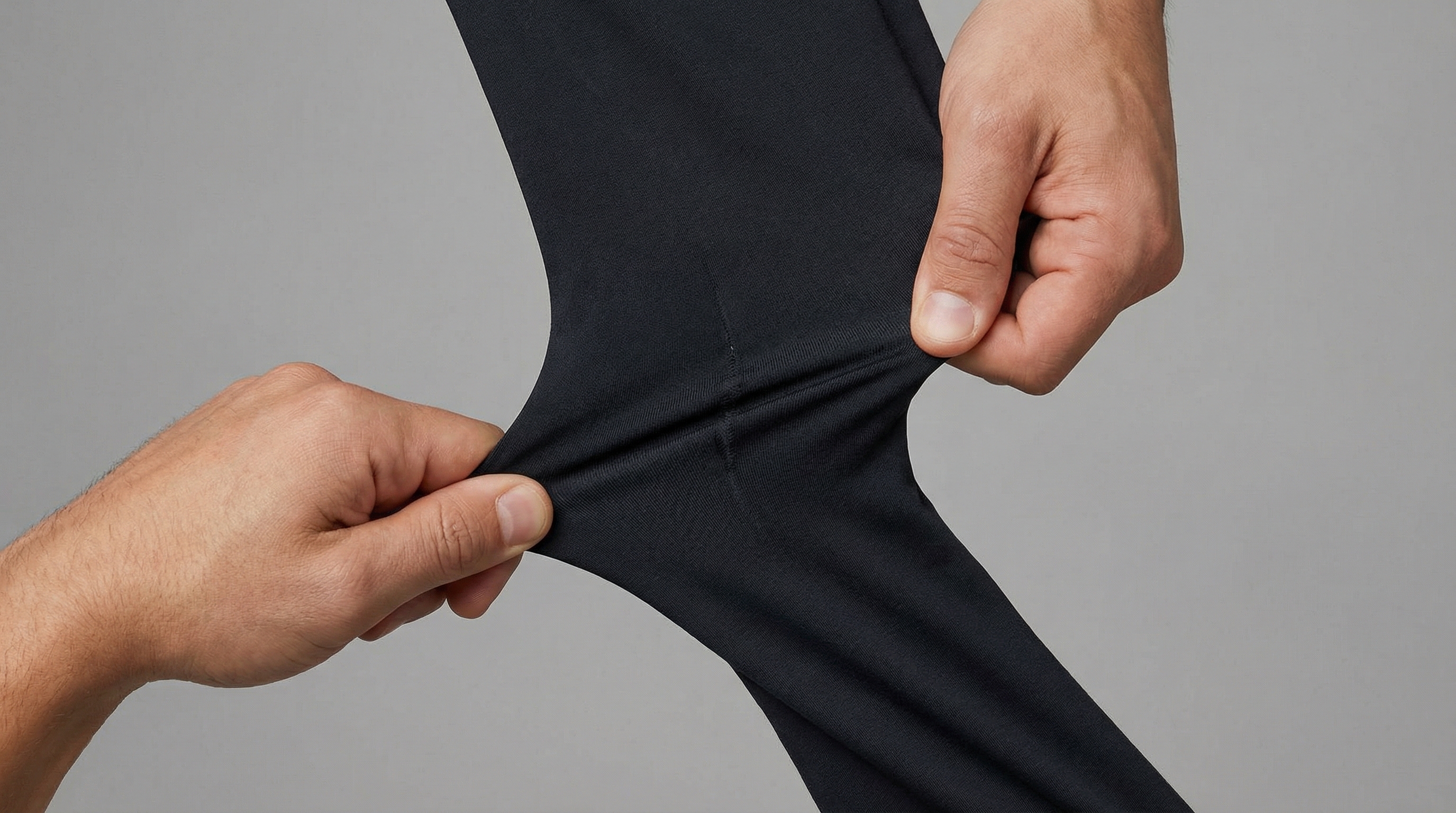
The dense overlap of loops in knitted fabric provides a physical barrier against UV rays while serving as an ideal host for technical finishes. This dual-layered protection is vital for outdoor athletes and gym enthusiasts alike.
Can finishes enhance the life of a garment?
Antibacterial silver-ion treatments prevent the growth of odor-causing bacteria, which is a common issue with synthetic textiles. These finishes are bonded directly to the knit structure for long-lasting efficacy.
Here is the secret:
- UPF 50+ protection is achievable through tight knit gauges.
- Antimicrobial finishes keep garments fresh between washes.
- Wash-durable treatments maintain performance for over 50 cycles.
Key Takeaway: Knitted fabric is a versatile platform for chemical and mechanical treatments that enhance health and hygiene.
| Treatment | Athlete Benefit | Application | |
|---|---|---|---|
| Silver Ion | Odor prevention | Gym & HIIT wear | |
| UPF 50+ | Sun protection | Outdoor running | |
| Hydrophilic | Enhanced wicking | Hot yoga gear |
Technical finishes increase the utility of your garments, making them indispensable to your customers’ daily routines.
What is the future of sustainable knitted fabric?
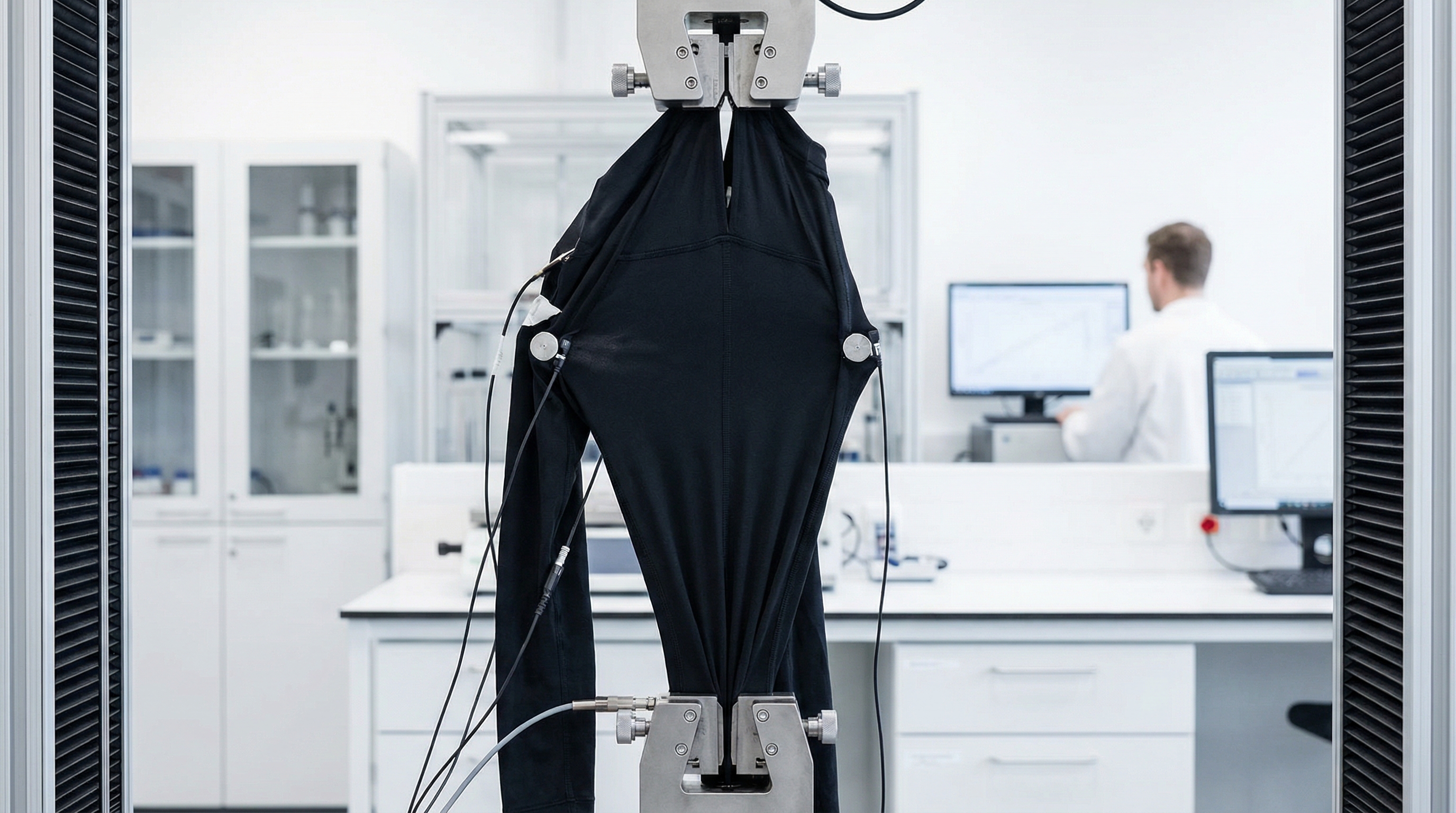
The future of sustainable knitted fabric involves the integration of bio-based materials and closed-loop dyeing processes that drastically reduce water consumption. You will soon be able to offer products that are fully biodegradable or infinitely recyclable.
Will ocean-waste fibers dominate the market?
Upcycled ocean plastics are becoming more accessible for technical textiles, providing a compelling story for your brand. Consumers are increasingly willing to pay a premium for materials that actively clean the environment.
The trend is clear:
- Shift toward waterless dyeing technologies.
- Increased use of plant-based nylon alternatives.
- Digital knitting that virtually eliminates production scrap.
Key Takeaway: The intersection of advanced circular knitting and green chemistry will define the next decade of activewear.
| Innovation | Expected Impact | Timeline | |
|---|---|---|---|
| Bio-Polymers | Renewable sourcing | 1-3 Years | |
| Waterless Dye | 90% water saving | 2-5 Years | |
| Digital Knitting | Zero waste production | Ongoing |
Staying ahead of these trends allows you to capture the growing demographic of eco-conscious consumers.
How to source the best knitted fabric for your brand?
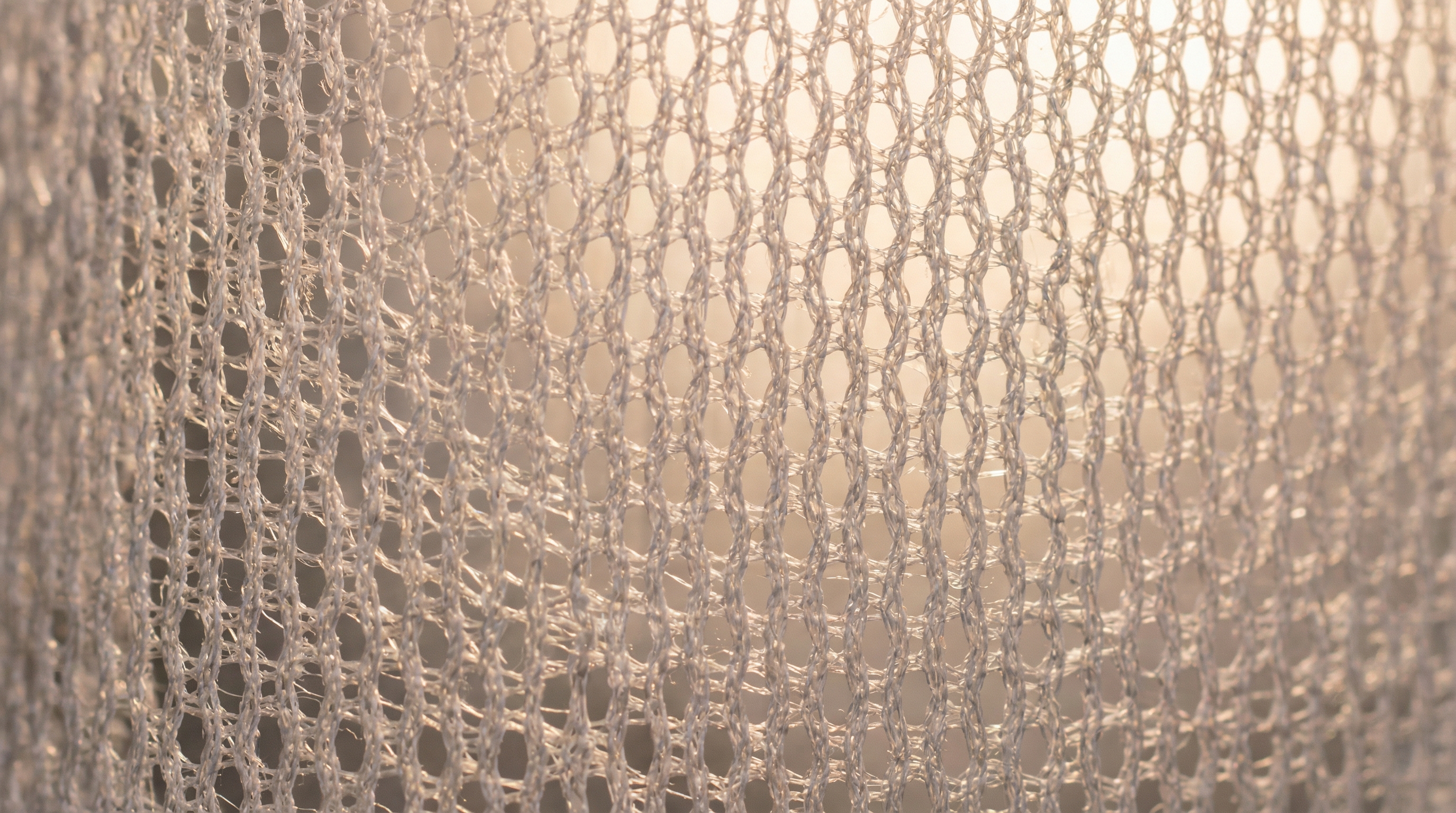
Sourcing the best knitted fabric requires partnering with a vertically integrated manufacturer that can offer both technical expertise and production flexibility. You need a supplier that understands the balance between high-volume capacity and low-minimum agility.
Why are low MOQs vital for market testing?
Small batches allow you to test new colors and styles without overcommitting your inventory budget. This flexibility is essential for both startups and established brands looking to pivot quickly.
You see:
- Reduces financial risk when launching new collections.
- Allows for rapid sampling and technical wear-testing.
- Ensures you can scale production as demand grows.
Key Takeaway: Successful sourcing is built on a foundation of rapid communication, certified quality, and production flexibility.
| Sourcing Step | Priority | Result | |
|---|---|---|---|
| Sampling | Speed and accuracy | Faster time-to-market | |
| Certification | Compliance standards | Global market access | |
| Flexibility | Low MOQ | Optimized inventory |
Choosing the right partner ensures your brand remains competitive and responsive to ever-changing market demands.
At MAKITAPE, we believe that premium performance starts at the fiber level. Our vertically integrated facility is dedicated to engineering textiles that empower athletes and scale brands through precision, innovation, and sustainability. To elevate your next collection with high-performance materials, contact us today for a free sample pack and expert consultation.
Frequently Asked Questions (FAQ)
- Can I customize the weight and GSM of my knitted fabric?Yes, we can adjust our circular knitting machines to produce specific weights, ranging from 130 GSM for lightweight jerseys to over 300 GSM for heavy compression pieces.
- What is the best knitted fabric for high-intensity training (HIIT)?A polyester-spandex interlock is ideal for HIIT because it offers excellent moisture management, high bursting strength, and non-slip stability.
- How do I know if a knitted fabric is truly squat-proof?Squat-proof fabrics usually require a density of at least 220-250 GSM and a high-gauge knit to ensure they remain opaque when fully stretched.
- How do I source recycled materials for my brand?Look for GRS-certified manufacturers who can provide transaction certificates for every batch, ensuring the authenticity of your sustainable claims.
- How can I test the color fastness of a new fabric sample?Professional manufacturers provide lab reports confirming a color fastness grade of 3.5 or higher, ensuring the dye will not bleed or fade during use.