
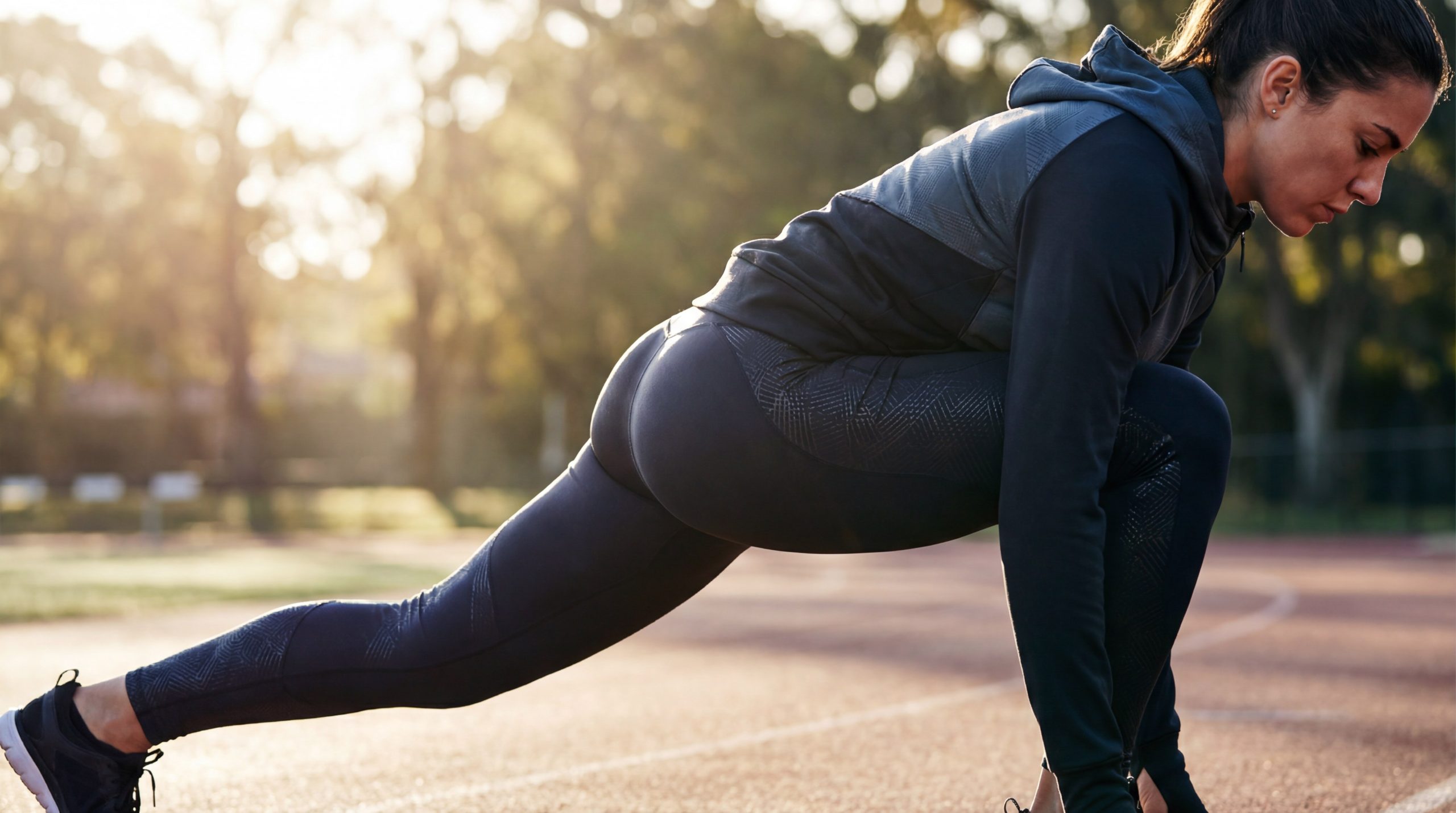
The best fabric for sportswear is a technical synthetic blend, specifically polyester and spandex, which offers superior moisture-wicking, durability, and four-way stretch. You are likely searching for high-performance materials to elevate your apparel line, yet you frequently encounter samples that pill, sag, or trap heat. This inconsistency agitates your production cycle and risks losing the trust of athletes who depend on reliable gear for their peak performance. By choosing a specialized sportswear fabric with the right technical specifications, you can solve these sourcing hurdles and deliver professional-grade garments that dominate the market.
What defines a high-quality sportswear fabric?
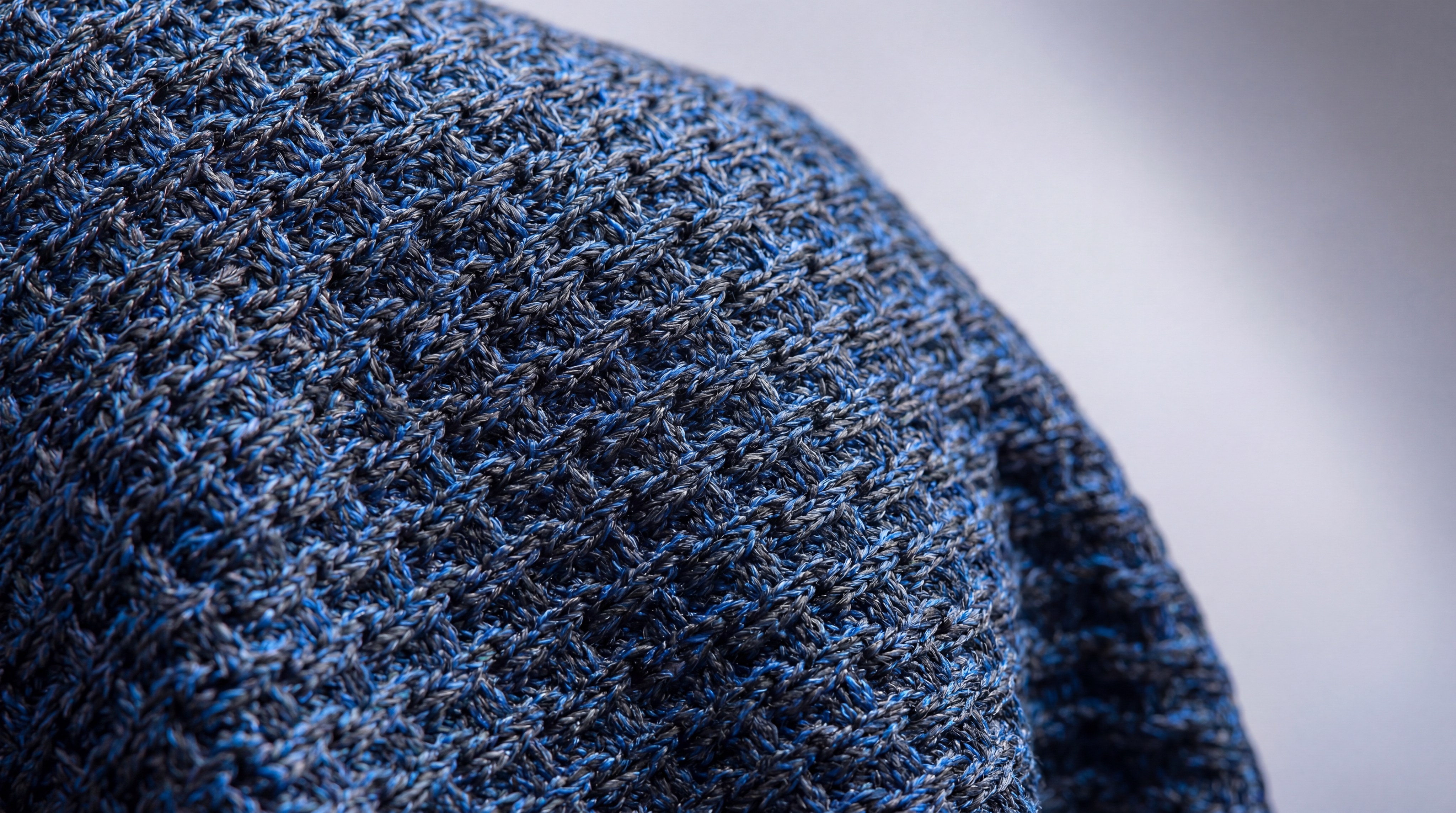
A high-quality sportswear fabric must balance physiological comfort with extreme physical durability to support intense athletic activity. When you evaluate sportswear fabric , you should look for a tight knit structure that maintains its opacity even under maximum tension. This foundation ensures that the clothing remains functional throughout its entire lifecycle.
Is weight critical for performance?
The weight of the material directly influences how an athlete feels during high-intensity training. Look:
- Lightweight fabrics (130-170 GSM) are ideal for running and racing.
- Mid-weight options (200-260 GSM) provide the compression needed for yoga and gym wear.
- Heavy-weight knits offer the warmth required for outdoor winter sports.
The best part? You can customize the density to match the specific climate and activity level of your target audience.
Does hand-feel impact user experience?
The tactile sensation of the textile against the skin can either enhance or distract from a workout. Here is the deal:
- “Buttery soft” finishes reduce friction and prevent painful skin chafing.
- Silky textures help the garment glide over the body during complex movements.
- Low-friction surfaces improve the aerodynamic profile of the athlete.
Key Takeaway: High-quality athletic textiles are defined by their ability to remain light and comfortable while providing the structural integrity necessary for elite performance.
| Parameter | Optimal Range | Benefit | |
|---|---|---|---|
| Weight | 150 – 250 GSM | Versatility | |
| Hand-Feel | Smooth/Soft | Skin Protection | |
| Fiber Blend | Poly/Nylon + Spandex | Elasticity |
Choosing the right weight and texture ensures your garments meet the specific physical demands of modern athletes.
Why is moisture wicking vital in sportswear fabric?
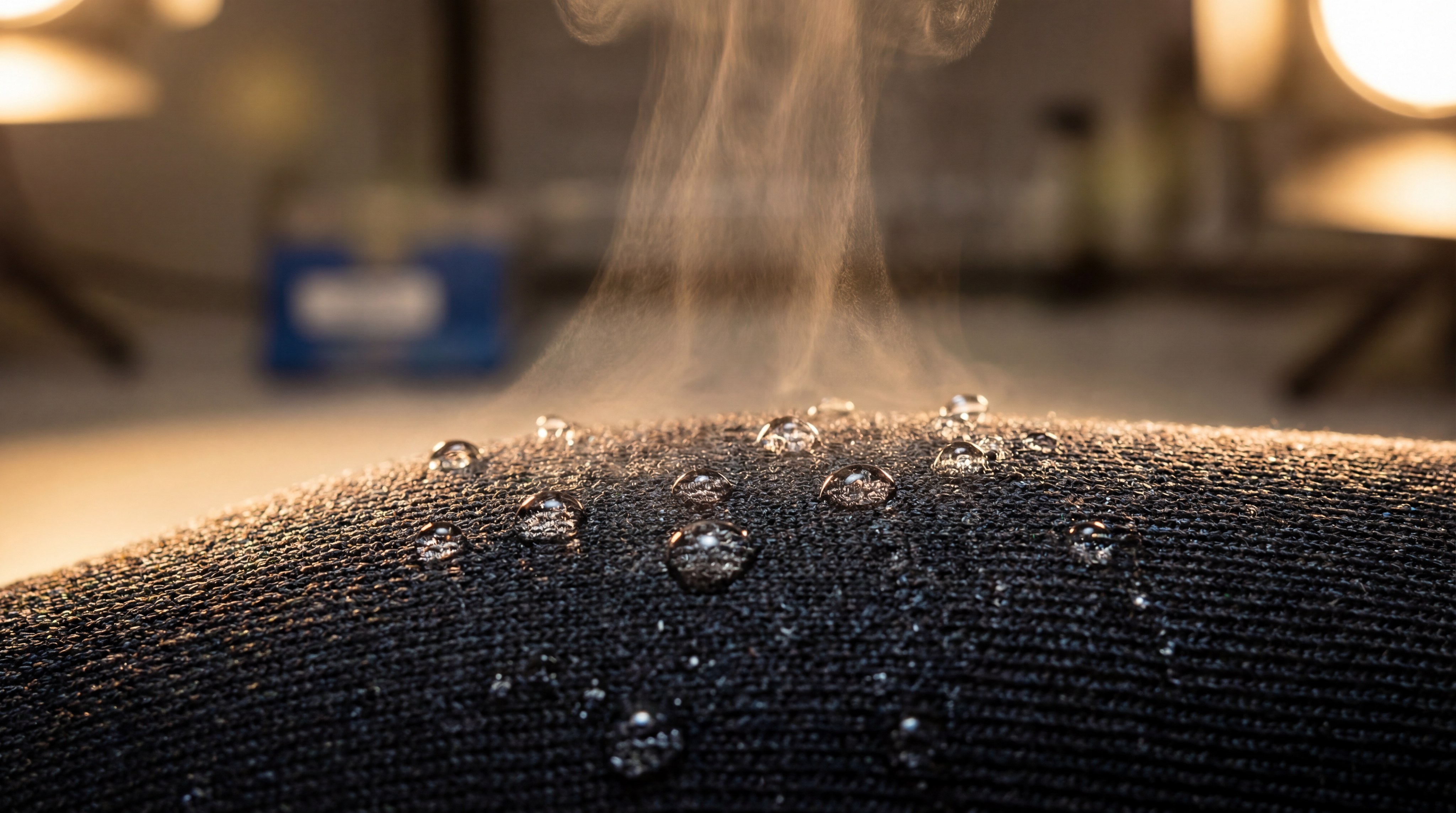
Moisture management is the most important functional requirement for any technical sportswear fabric today. If sweat remains trapped against the skin, the athlete’s body temperature rises rapidly, leading to early fatigue. Effective textiles utilize capillary action to pull liquid away from the body to the outer surface for quick evaporation.
How does capillary action work?
This process involves micro-grooves in the fibers that act like tiny straws to transport liquid. The best part?
- Liquid moves away from the skin instantly upon contact with the inner layer.
- The outer layer spreads the moisture over a wide area to speed up drying.
- Advanced knitting patterns enhance this transport mechanism without chemicals.
Key Takeaway: Moisture-wicking technology is the primary defense against overheating and heavy, sweat-soaked clothing during intense exercise.
| Mechanism | Function | Result | |
|---|---|---|---|
| Absorption | Pulls sweat from skin | Dry Feel | |
| Transport | Moves liquid to surface | Light Weight | |
| Evaporation | Releases moisture to air | Cooling |
Prioritizing capillary action in your textile selection ensures athletes stay cool and focused on their goals.
How does mesh improve sportswear fabric ventilation?
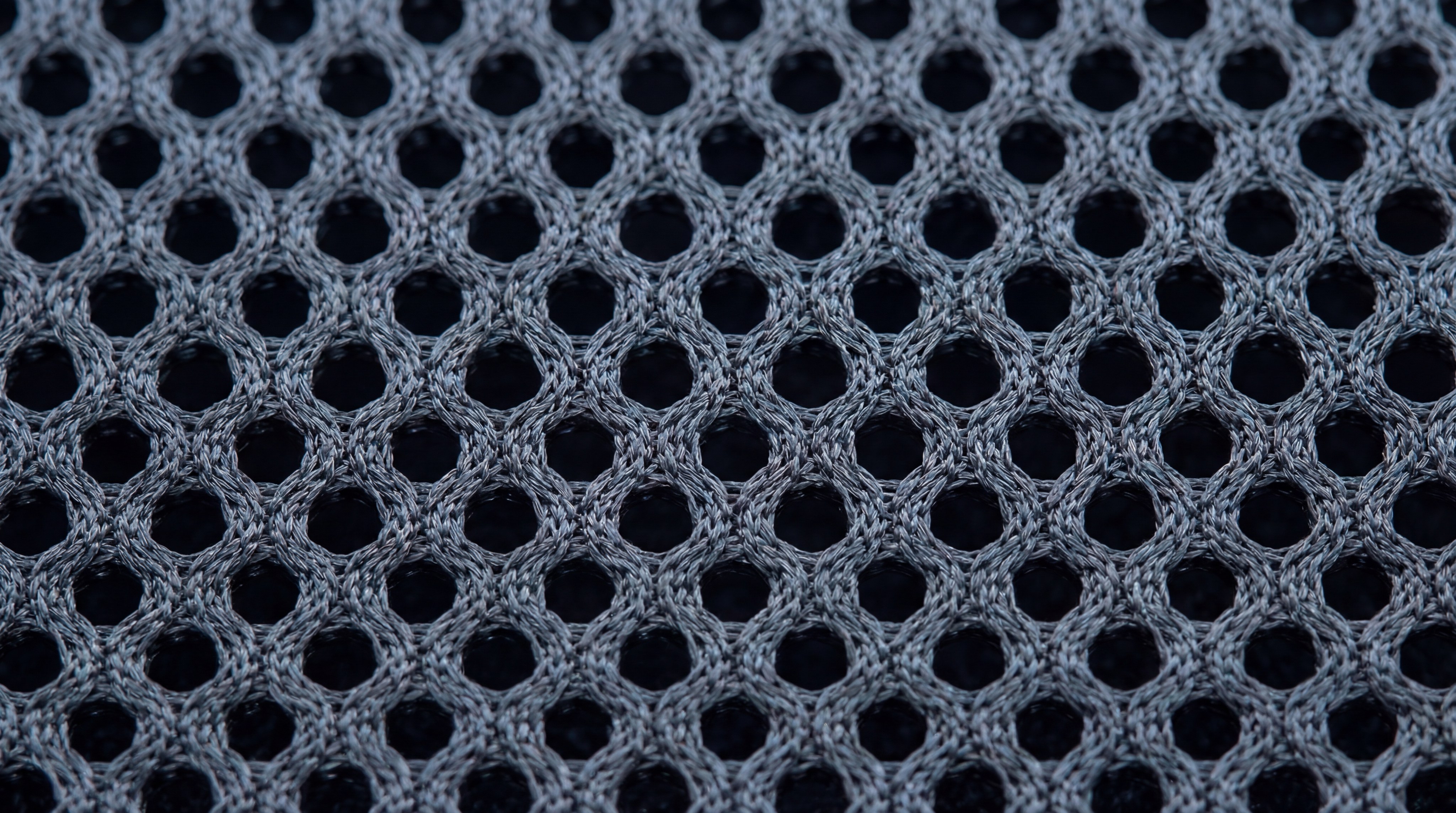
Integrating a specialized sportswear fabric with a mesh structure is the most effective way to manage heat in high-intensity zones. Solid knits often struggle to provide enough airflow in areas like the back and underarms. By using open-weave patterns, you allow fresh air to reach the skin while letting heat escape effortlessly.
Is bird-eye mesh better for breathability?
Bird-eye mesh features a unique diamond-shaped perforation that maximizes surface area for air exchange. Look:
- The tiny holes provide constant airflow without making the garment transparent.
- It is exceptionally lightweight, making it perfect for team jerseys.
- Sublimation printing works beautifully on this texture for vibrant team designs.
Key Takeaway: Mesh inserts are essential for strategic ventilation, allowing for targeted cooling in the most heat-prone areas of the body.
| Mesh Type | Structure | Best For | |
|---|---|---|---|
| Bird-Eye | Diamond Knit | Jerseys | |
| Power Mesh | High Stretch | Support | |
| Jacquard | Patterned | Designer Gear |
Strategic use of mesh structures significantly improves the thermal regulation of your athletic apparel line.
Why is 4-way stretch essential in sportswear fabric?
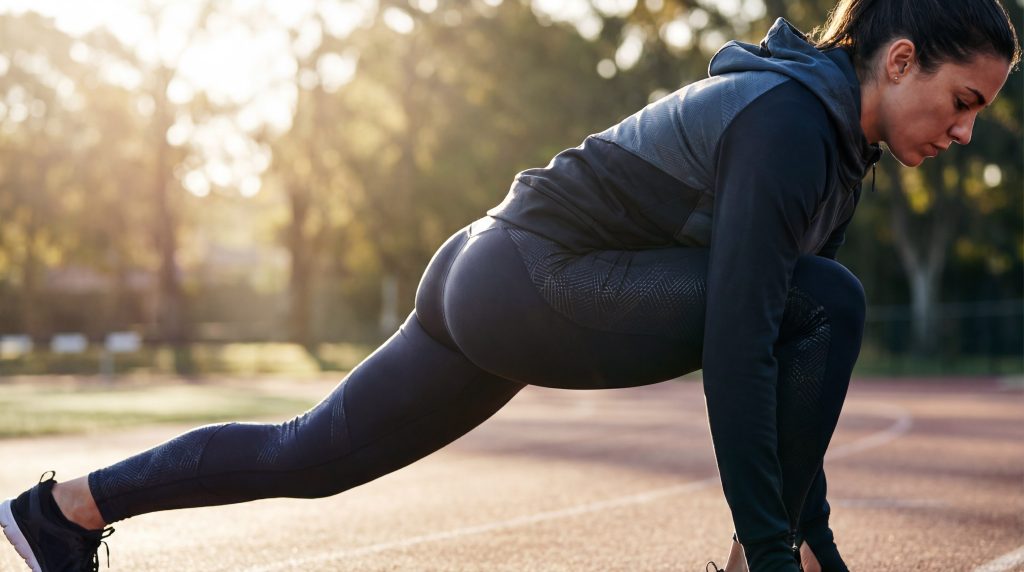
A performance sportswear fabric must be able to expand and recover in every direction to match human biomechanics. Unlike 2-way stretch materials that only expand horizontally, 4-way stretch allows the garment to move with the muscles during lunges or sprints. This flexibility is what prevents the clothing from feeling restrictive or digging into the skin.
Does spandex improve range of motion?
The inclusion of elastane or spandex fibers is what gives the textile its incredible elastic memory. Here is the deal:
- It allows for a “second-skin” fit that doesn’t sag after hours of movement.
- High spandex content provides the compression needed to support muscle recovery.
- Garments retain their original shape even after hundreds of wash cycles.
Key Takeaway: 4-way stretch is non-negotiable for apparel that requires a tight fit and a total range of motion.
| Stretch Type | Horizontal | Vertical | Application | |
|---|---|---|---|---|
| 2-Way | Yes | No | Casual Wear | |
| 4-Way | Yes | Yes | Activewear | |
| Power | High Tension | High Tension | Compression |
Ensuring your fabrics have high-quality spandex ensures long-term shape retention and user satisfaction.
What functional finishes enhance sportswear fabric?
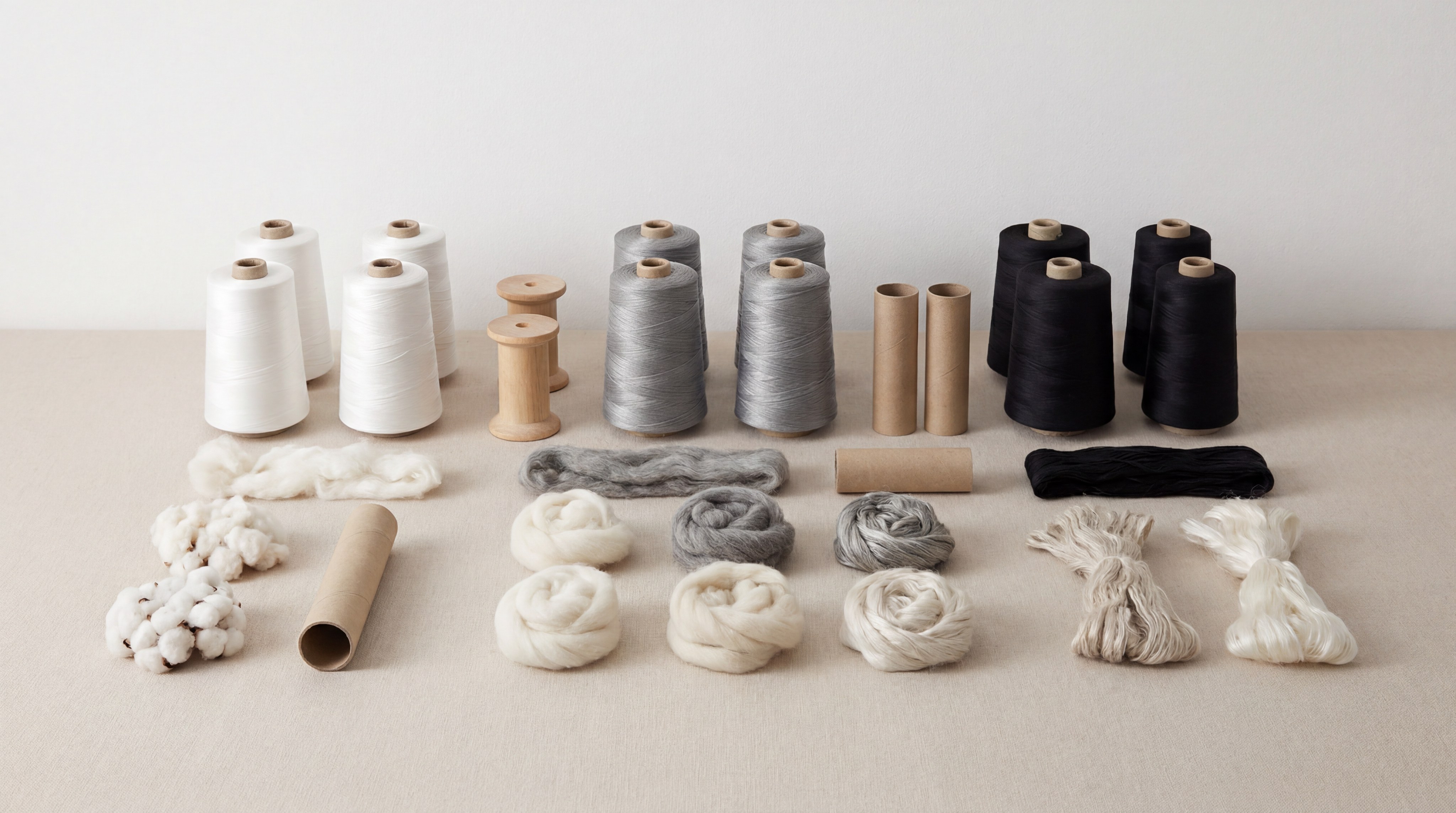
Beyond the basic knit, a truly sportswear fabric often receives chemical or mechanical treatments to add specific benefits. These finishes transform a standard textile into a high-tech tool for athletic success. You can choose finishes that target odor, bacteria, or even static electricity to solve common user complaints.
Can anti-bacterial coatings reduce odor?
Anti-bacterial finishes stop the growth of microbes that thrive in warm, moist environments. The best part?
- Your gear stays fresh for longer periods between laundry days.
- It prevents the permanent “gym smell” that often ruins synthetic clothing.
- The finish is engineered to last through multiple industrial washes.
Key Takeaway: Functional finishes provide the invisible benefits that separate professional athletic gear from budget alternatives.
| Finish | Function | Target Problem | |
|---|---|---|---|
| Anti-Bacterial | Kills Odor Microbes | Stink | |
| Hydrophilic | Speeds Wicking | Wetness | |
| Anti-Static | Reduces Cling | Discomfort |
Applying the right technical finishes adds a layer of value that consumers are willing to pay a premium for.
How are sportswear fabric quality metrics tested?
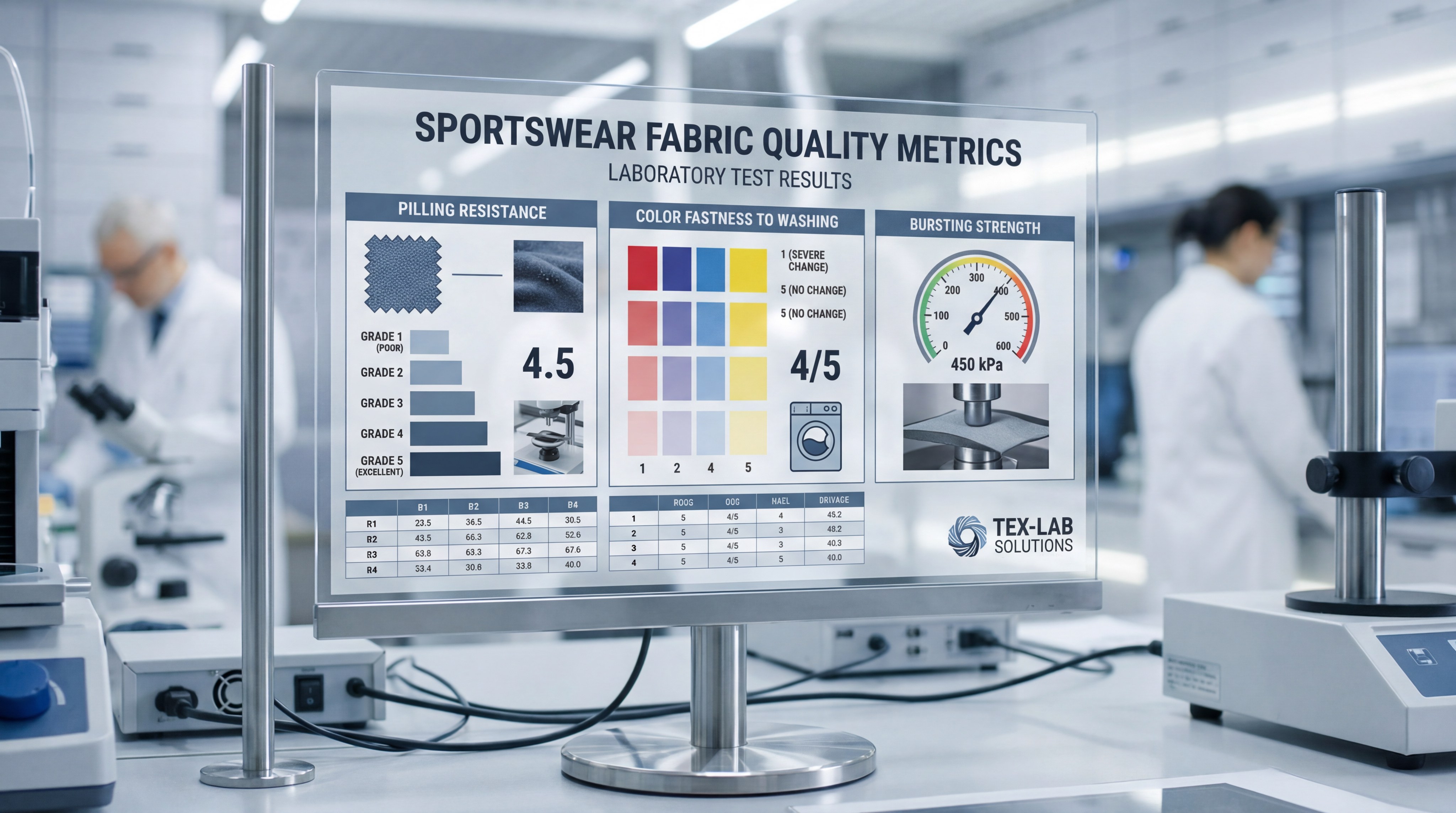
Every batch of sportswear fabric must undergo rigorous laboratory testing to ensure it meets global safety and performance standards. Manufacturers use specialized equipment to simulate years of wear and tear in just a few hours. This data-driven approach allows you to guarantee the longevity and reliability of your products to your customers.
Is color fastness a priority?
Color fastness measures how well the dye adheres to the fibers when exposed to sweat or washing. Look:
- Grade 3.5 or 4.0 is the industry standard for high-end sportswear.
- This prevents bright colors from bleeding onto other clothes in the wash.
- It ensures that your brand’s signature colors remain vibrant after sun exposure.
Key Takeaway: Industrial testing provides the empirical evidence needed to back up your performance claims in the competitive market.
| Test Category | Metric | Goal | |
|---|---|---|---|
| Pilling | Grade 4-5 | No Surface Fuzz | |
| Bursting | 450+ kPa | High Strength | |
| Color Fast | Grade 4.0 | No Fading |
Standardized testing protocols are the only way to ensure consistent quality across different production runs.
Is recycled sportswear fabric truly high-performance?
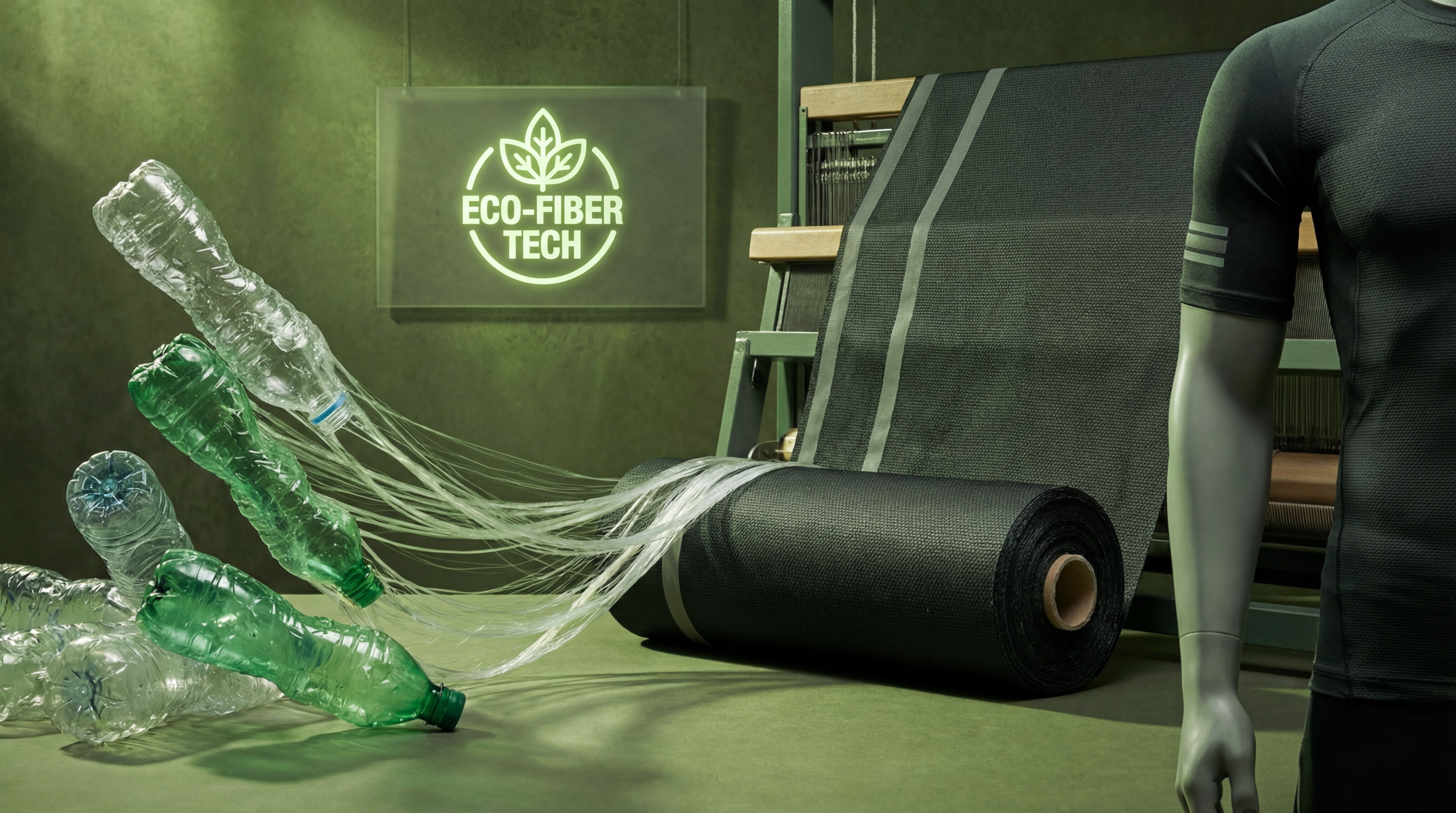
Modern sportswear fabric made from recycled PET bottles now matches the technical performance of virgin polyester. Many global brands are shifting toward sustainable textiles to meet the growing environmental demands of conscious consumers. You no longer have to choose between saving the planet and delivering a high-performance product.
Does GRS certification matter?
The Global Recycled Standard (GRS) ensures that the material is tracked through the entire supply chain. Here is the deal:
- It verifies that the “recycled” claim is actually supported by evidence.
- It monitors social and environmental practices during the manufacturing process.
- GRS certification gives your brand the credibility needed to market eco-friendly gear.
Key Takeaway: Recycled fibers offer identical moisture-wicking and stretch properties as virgin materials while significantly reducing environmental impact.
| Factor | Recycled Poly | Virgin Poly | Winner | |
|---|---|---|---|---|
| Strength | High | High | Tie | |
| Wicking | Excellent | Excellent | Tie | |
| Eco-Impact | Low | High | Recycled |
Switching to certified recycled materials allows your brand to lead the industry in both performance and ethics.
Why is UV protection used in sportswear fabric?
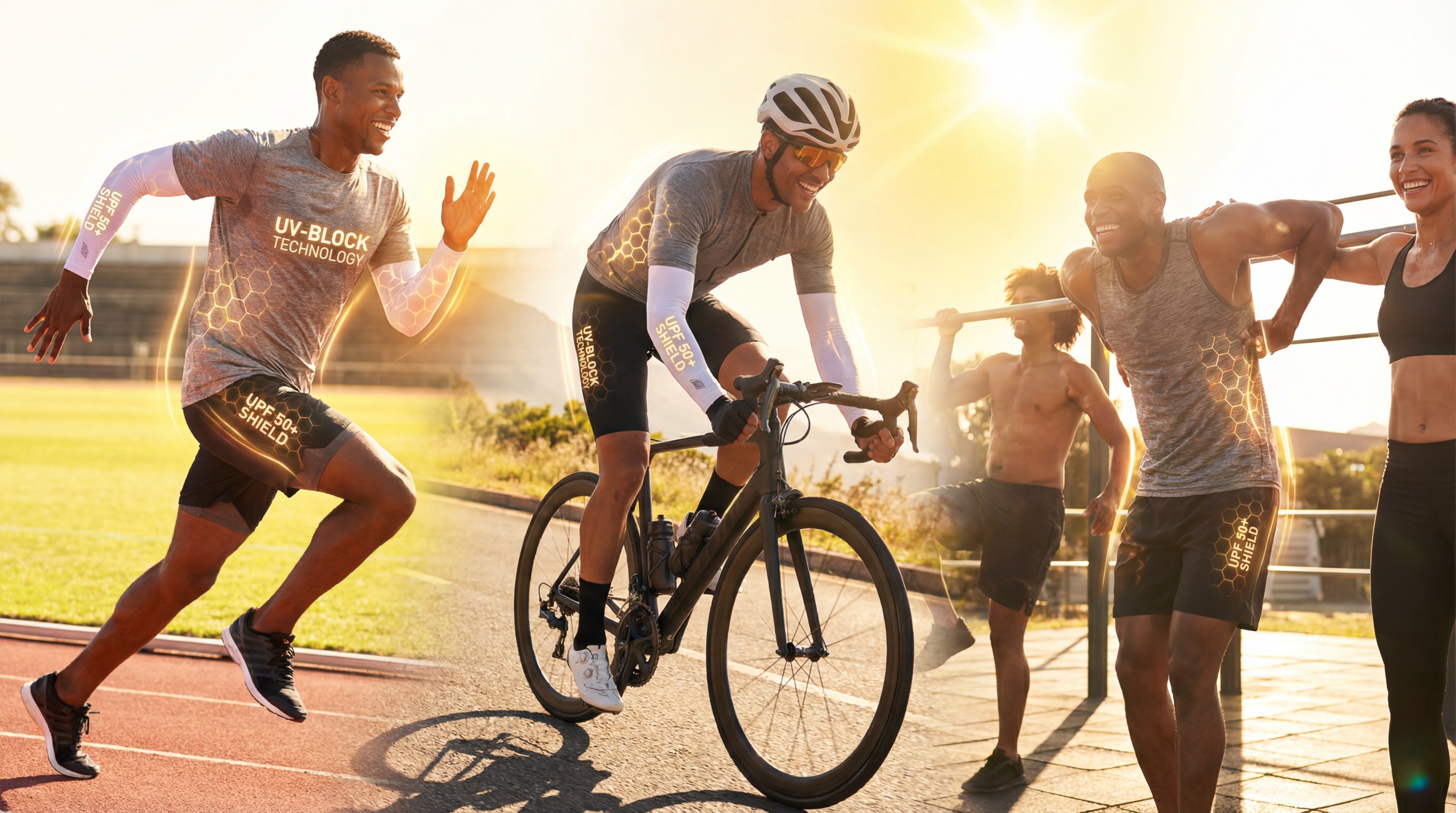
Outdoor athletes face prolonged exposure to the sun, making a sportswear fabric with UPF ratings essential for health. While standard cotton offers very little protection, technical synthetics can be engineered to block over 98% of harmful radiation. This protection is built directly into the fibers, so it won’t wash off like topical sunscreens.
How does UPF 50+ blocking work?
The Ultraviolet Protection Factor (UPF) measures how much UV radiation reaches the skin through the textile. The best part?
- UPF 50+ allows only 1/50th of the sun’s rays to pass through the garment.
- It works through a combination of fiber density and specialized sun-blocking additives.
- It provides peace of mind for runners, cyclists, and outdoor enthusiasts.
Key Takeaway: Built-in UV protection is a critical safety feature for any garment designed for outdoor athletic use.
| UPF Rating | UV Blocked | Protection Level | |
|---|---|---|---|
| 15 – 24 | 93.3% – 95.9% | Good | |
| 25 – 39 | 96.0% – 97.4% | Very Good | |
| 40 – 50+ | 97.5%+ | Excellent |
Providing high UPF ratings in your outdoor collections protects your customers from long-term skin damage.
How can brands source the best sportswear fabric?

Finding the right sportswear fabric requires balancing technical specs with logistics like lead times and order minimums. You should work with suppliers who provide transparent data sheets and rapid sampling to help you iterate quickly. Choosing a partner with diverse capabilities allows you to source your entire collection from a single reliable point.
Are low MOQs beneficial for startups?
Low Minimum Order Quantities (MOQs) allow you to test the market without investing in massive amounts of inventory. Look:
- You can launch a wide range of colors without huge financial risks.
- It allows for quick pivots if a particular style becomes a bestseller.
- Small batches are easier to manage for boutique or niche athletic brands.
Key Takeaway: Successful sourcing depends on finding a supplier that offers both technical excellence and the flexibility to grow with your brand.
| Consideration | Requirement | Benefit | |
|---|---|---|---|
| Lead Time | < 21 Days | Market Speed | |
| MOQ | < 150 kg | Low Risk | |
| Samples | Free / Low Cost | Quality Check |
Optimizing your sourcing strategy allows you to maintain a lean inventory while responding to fast-moving trends.
Where should you buy premium sportswear fabric?

Selecting a supplier with a vertically integrated facility ensures that your sportswear fabric is monitored from knitting to final dyeing. This control eliminates the quality gaps and delays that occur when production is outsourced to multiple vendors. A professional factory acts as your technical consultant, helping you choose the best materials for your specific designs.
Does vertical integration speed up delivery?
By keeping all processes under one roof, the factory can move a product from raw yarn to finished roll much faster. Here is the deal:
- Color matching (lab dips) happens in-house for perfect accuracy.
- Any quality issues are spotted and corrected immediately on the production line.
- You save on shipping costs and logistics headaches between different processing plants.
Key Takeaway: Vertical integration is the gold standard for sportswear manufacturing, offering the best balance of speed, cost, and quality.
| Capability | Benefit | Brand Value | |
|---|---|---|---|
| In-House Dyeing | Color Precision | Brand Identity | |
| Massive Capacity | Scalability | Growth Potential | |
| Quality Control | Fewer Rejects | Cost Savings |
Working with an integrated manufacturer gives you the competitive edge needed to scale your brand globally.
FAQ
What’s the best fabric for intense cardio?Polyester is the superior choice because it absorbs very little water and dries significantly faster than natural fibers.
How do I know if a fabric is squat-proof?Check the GSM rating and knit density; you need a material above 220 GSM with a high-gauge interlock knit to ensure total opacity.
Can I use cotton for high-performance sportswear?No, because cotton traps moisture and becomes heavy, which causes chafing and reduces the body’s ability to cool down.
How do I know if a supplier is reliable?Verify their certifications like OEKO-TEX or GRS, as these ensure they meet international standards for safety and quality.
Can I get custom colors for my sportswear line?Yes, as long as you provide a Pantone reference, a professional factory can produce custom lab dips to match your brand exactly.
Elevate Your Collection with Expert Textiles
The foundation of every great athletic brand is the material it chooses to put against the athlete’s skin. By prioritizing technical specs like moisture-wicking, 4-way stretch, and UV protection, you ensure your products stand out in a crowded marketplace. We are dedicated to providing the technical innovation and manufacturing scale needed to bring your vision to life with precision and speed.
To explore our full range of high-performance materials or request a custom sample pack for your next project, contact us today . Our team is ready to help you engineer the future of sportswear.