

The sustainable fabric surge is a structural market shift driven by increasing regulatory mandates and a global requirement for GRS-certified recycled polyester. Traditional textile supply chains are currently facing a crisis of waste and heightened environmental scrutiny from international stakeholders. If you fail to adapt your sourcing strategy now, your brand risks being locked out of major Western markets that increasingly reject virgin synthetics in favor of recycled fabric . Integrating certified materials allows you to bridge the gap between high-performance technical needs and the urgent demand for circularity.
Why is recycled fabric now essential for B2B brands?
Recycled fabric is essential because European and North American brands are now mandating strict recycled-content minimums across their entire supply chains. As global regulations tighten, sourcing high-quality recycled fabric has moved from a voluntary “green” option to a core requirement for commercial viability. Wholesalers who stock these materials now are positioning themselves as preferred vendors for the next wave of compliance-driven purchasing.
Is the regulatory landscape shifting?
The landscape for textile imports is changing rapidly as governments move toward circular economy models. New laws require transparency that only certified materials can provide to ensure market entry.
Think about it.
- EU Digital Product Passports require material origin data.
- US labeling laws are tightening around “eco-friendly” claims.
- Extended Producer Responsibility (EPR) schemes are increasing.
- Wholesale vendors must prove compliance to retain large contracts.
Key TakeawayGlobal trade compliance now dictates that sustainable materials are a mandatory component for any brand looking to maintain a presence in Western retail markets.
| Region | Primary Driver | Compliance Goal | |
|---|---|---|---|
| Europe | Circular Economy Action Plan | 2030 Sustainability Targets | |
| North America | Brand-Led Content Mandates | Supply Chain De-risking | |
| Global | ESG Investor Reporting | Carbon Footprint Reduction |
This table illustrates how different geographical drivers are converging to make sustainable sourcing a universal business requirement.
What are the core requirements of GRS recycled fabric?

The Global Recycled Standard (GRS) requires a comprehensive chain-of-custody verification that tracks recycled fabric from the initial waste source to the final finished product. This certification ensures that the material you purchase is not only made of genuine recycled content but also produced under ethical conditions. For B2B buyers, GRS serves as the ultimate shield against greenwashing and legal liability.
What are the main GRS pillars?
GRS certification rests on four critical pillars that protect the integrity of the textile industry. These standards ensure that environmental and social responsibilities are met at every stage of the manufacturing process.
But here is the catch.
- Verified recycled content percentages.
- Strict social and labor criteria for workers.
- Environmental management of water and energy.
- Chemical restrictions to ensure safe end-products.
Key TakeawayGRS is more than a material label; it is a holistic verification system that protects brands from social and environmental risks within their supply chains.
| Pillar | Requirement | Business Benefit | |
|---|---|---|---|
| Content | Min 20% for GRS logo | Consumer Trust | |
| Social | Fair labor practices | ESG Compliance | |
| Chemical | No harmful substances | Market Entry |
These standards provide a clear framework for wholesalers to evaluate their suppliers and ensure long-term partnership stability.
How do you verify the quality of recycled fabric batches?
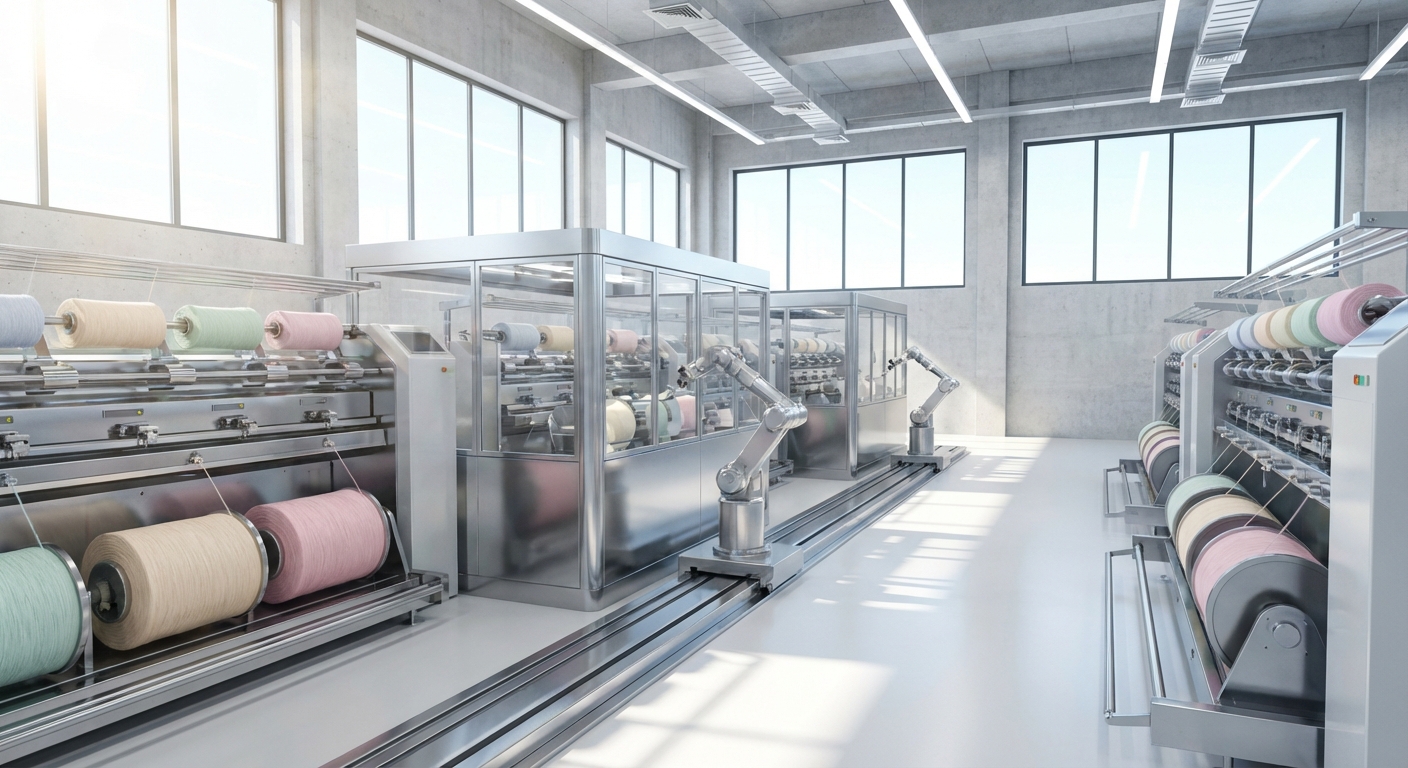
Verifying quality requires partnering with a vertically integrated manufacturer that controls the knitting and dyeing of every recycled fabric batch in-house. While certification proves the origin of the fiber, only strict internal quality control ensures the performance of the textile itself. You must look for manufacturers who provide both Scope Certificates and specific Transaction Certificates for every shipment.
Why is vertical integration vital for quality?
Vertical integration allows a factory to monitor the tension, weight, and color fastness of the material without relying on third-party processors. This reduces the risk of contamination or fiber degradation during the manufacturing cycle.
Let’s be honest.
- In-house dyeing ensures color fastness ≥ 3.5 grade.
- Computerized knitting prevents structural defects in the yarn.
- Dual-check QC systems catch errors before shipment.
- Direct oversight maintains the GRS chain of custody.
Key TakeawayQuality verification is a two-step process involving third-party certification and the technical oversight that only a vertical factory can provide.
| Verification Step | Responsibility | Outcome | |
|---|---|---|---|
| Fiber Origin | GRS Certification | Legal Compliance | |
| Physical Specs | Factory QC | Performance Reliability | |
| Color Accuracy | In-house Dyeing | Brand Consistency |
A combined approach to verification ensures that your sustainable products meet both environmental and technical standards.
Does recycled fabric maintain technical performance levels?

High-quality recycled fabric engineered from rPET yarns provides the exact same tensile strength and moisture-wicking capabilities as virgin polyester counterparts. Modern extrusion technology allows for the creation of fine-denier yarns that are indistinguishable from petroleum-based fibers in terms of hand-feel and durability. You no longer have to choose between your environmental goals and the performance of your athletic apparel.
How does rPET perform in high-impact sports?
Athletes demand garments that offer 4-way stretch and rapid drying times regardless of the material’s origin. Recycled yarns are now knitted into high-performance interlocks and jerseys that withstand intense training sessions.
Here is why that matters.
- Excellent shape retention after repeated wash cycles.
- Hydrophobic properties that manage sweat effectively.
- High abrasion resistance for outdoor and rugged use.
- Compression capabilities for elite athletic support.
Key TakeawayRecycled polyester has reached a technological parity with virgin materials, making it suitable for even the most demanding sportswear applications.
| Metric | Recycled Polyester | Virgin Polyester | |
|---|---|---|---|
| Stretch Recovery | > 95% | > 95% | |
| Wicking Speed | < 3 Seconds | < 3 Seconds | |
| Pilling Resistance | Grade 4.0 | Grade 4.0 |
The data confirms that athletes can expect identical performance metrics when switching to more sustainable garment choices.
Where is the demand for recycled fabric growing fastest?

Demand for recycled fabric is exploding within the activewear, swimwear, and outdoor gear sectors as brands pivot toward 100% sustainable collections. Consumers who spend time in nature are increasingly sensitive to the environmental impact of the clothes they wear while exploring it. This has created a massive market opportunity for wholesalers who can provide certified functional textiles with low environmental footprints.
Are wholesalers ready for this demand surge?
The transition to sustainable materials is no longer a niche trend but a fundamental shift in the wholesale landscape. Those who fail to stock these items now will lose their status as preferred vendors for major brands.
It’s no secret.
- Swimwear brands are mandating ocean-waste fibers.
- Yoga labels are shifting to recycled interlock knits.
- Outdoor gear companies require GRS-certified shells.
- Corporate wear is adopting eco-friendly uniform solutions.
Key TakeawayFast-growing sectors like athleisure and outdoor apparel are the primary drivers of the current surge in recycled textile procurement.
| Industry Segment | Preferred Fabric | Growth Rate | |
|---|---|---|---|
| Activewear | Recycled Stretch Jersey | Very High | |
| Swimwear | Chlorine-Resistant rPET | High | |
| Outdoor | High-Denier Recycled Mesh | Moderate |
Understanding these segment-specific needs allows you to stock the right materials before the next procurement cycle begins.
How can designers effectively use recycled fabric?

Designers use recycled fabric by selecting specific weights and specialized finishes that allow sustainable garments to maintain a premium, high-fashion aesthetic. By working with a vertical manufacturer, design teams can customize the GSM and texture of the textile to match their creative vision perfectly. This flexibility ensures that sustainability does not limit the creative potential of a seasonal collection.
Can you customize sustainable textiles?
Customization is the key to differentiating a brand in a crowded market where eco-friendly claims are becoming common. You can adjust everything from the weave structure to the final chemical finishes.
Make no mistake.
- Custom dyeing to match specific Pantone palettes.
- Adjustable fabric weights from 130 to 300 GSM.
- Specialized treatments like anti-bacterial or UV 50+.
- Varied textures from buttery soft to technical mesh.
Key TakeawaySustainable materials offer the same level of design versatility as traditional fabrics, provided you work with a manufacturer capable of deep customization.
| Feature | Customization Option | Result | |
|---|---|---|---|
| Weight | 150 – 280 GSM | Targeted Versatility | |
| Texture | Brushed or Smooth | Enhanced Hand-feel | |
| Finish | Moisture / UV / Anti-b | Functional Superiority |
Strategic customization allows brands to offer unique value propositions that go beyond simple environmental claims.
What logistics impact does sourcing recycled fabric have?
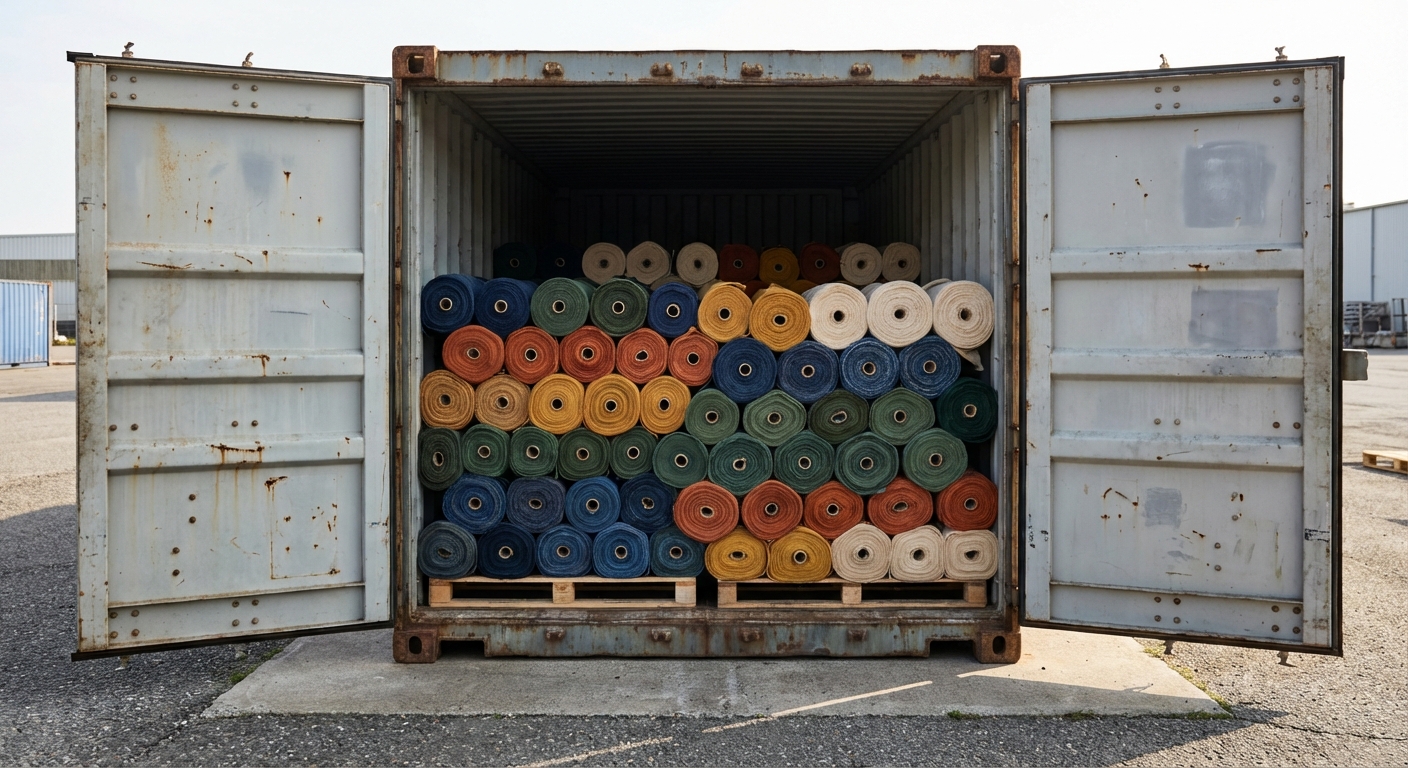
Sourcing recycled fabric requires careful management of documentation and lead times to ensure that all GRS transaction certificates are processed correctly for international shipping. While the physical logistics are similar to traditional textiles, the administrative requirements are more stringent to maintain certification integrity. Working with a supplier that offers low MOQs can help you manage inventory risks during this transition phase.
What about MOQ flexibility in sourcing?
Many brands hesitate to switch to recycled materials because of high volume requirements often seen in the industry. However, modern vertical factories now offer flexible minimums to support emerging brands.
Consider this.
- Low 100 kg MOQs allow for market testing.
- Consolidated shipments reduce international freight costs.
- Digital tracking of certificates speeds up customs clearance.
- Rapid sampling reduces the time from design to market.
Key TakeawayEffective logistics for sustainable fabrics depend on a partner who combines low-volume flexibility with rigorous certification management.
| Logistics Factor | Traditional Fabric | Recycled Fabric | |
|---|---|---|---|
| Documentation | Standard Bill of Lading | TC + GRS Verification | |
| MOQ | Often High (>500kg) | Available from 100kg | |
| Clearance | Standard Process | Sustainability Audit Possible |
Navigating these logistics requires a proactive approach to documentation to avoid delays at international borders.
How does recycled fabric impact your bottom line?

Investing in recycled fabric enhances your brand’s marketability and positions you as a preferred vendor in an environment where compliance is becoming a non-negotiable asset. While the initial cost of rPET can be slightly higher than virgin polyester, the long-term ROI is found in reduced regulatory risk and increased customer loyalty. Wholesalers who adopt these standards early are seeing higher retention rates from tier-one apparel brands.
Is there a long-term cost benefit?
The true cost benefit of sustainable materials is realized when you factor in the avoidance of environmental taxes and the ability to command premium retail pricing. Brands that lead in sustainability often enjoy better margins and lower marketing costs.
Look at the numbers.
- Higher willingness to pay among Gen Z and Millennial buyers.
- Reduced risk of fines related to new textile waste laws.
- Lower customer acquisition costs through ethical storytelling.
- Increased stability as a “preferred vendor” for major corporations.
Key TakeawaySourcing recycled materials is a strategic investment that protects your profit margins against shifting regulations and consumer expectations.
| Financial Metric | Impact of Recycled Fabric | Long-term Outlook | |
|---|---|---|---|
| Unit Cost | Slight Increase (+5-10%) | Stabilizing | |
| Brand Equity | Significant Increase | High Growth | |
| Legal Risk | Major Reduction | Future-proof |
Analyzing the total cost of ownership reveals that sustainable fabrics are more economical when considering the broader regulatory landscape.
What is the environmental ROI of recycled fabric?

Using recycled fabric delivers a significant environmental return on investment by reducing energy consumption by roughly 50% compared to virgin petroleum-based production. This transition directly supports global carbon reduction targets and helps mitigate the massive plastic waste crisis facing our oceans. Every ton of recycled polyester represents thousands of plastic bottles diverted from landfills and ecosystems.
How much waste is actually diverted?
The scale of waste diversion is one of the most compelling stories a brand can tell its customers. By transforming post-consumer waste into high-value textiles, you are actively participating in the circular economy.
That’s not all.
- Thousands of plastic bottles used per fabric batch.
- Significant reduction in water usage during fiber creation.
- Lower greenhouse gas emissions than virgin manufacturing.
- Protection of marine life through ocean-bound plastic recovery.
Key TakeawayThe environmental ROI of recycled textiles is measurable and provides brands with the authentic data needed for ESG reporting and marketing.
| Resource | Virgin Polyester | Recycled Polyester | |
|---|---|---|---|
| Energy Consumption | 100% | ~55% | |
| CO2 Emissions | 100% | ~40% | |
| Water Impact | High | Significantly Lower |
This data provides a clear scientific basis for making the switch to sustainable materials as part of a corporate responsibility strategy.
How do you find a reliable recycled fabric supplier?

You find a reliable recycled fabric supplier by auditing their GRS certifications and requesting physical samples to verify consistent color fastness and hand-feel. A trustworthy partner will be transparent about their supply chain and offer the technical support needed to integrate new materials into your existing production lines. The most reliable suppliers are those with vertical facilities that can guarantee quality from knitting to finishing.
Why trust an established vertical manufacturer?
Vertical manufacturers offer a level of consistency and accountability that trading companies simply cannot match. They provide direct communication with the factory floor and immediate resolution for any technical issues.
It’s time to decide.
- Direct access to GRS and OEKO-TEX documentation.
- Consistent quality across large wholesale volumes.
- Ability to customize technical specs for specific needs.
- Proven track record with global performance brands.
Key TakeawayThe foundation of a successful sustainable collection is a transparent, certified, and technically proficient manufacturing partner.
| Criteria | Trading Company | Vertical Manufacturer | |
|---|---|---|---|
| QC Control | Low (Outsourced) | High (In-house) | |
| Transparency | Limited | Full Chain-of-Custody | |
| Lead Times | Variable | Controlled & Stable |
Selecting a vertical partner is the most effective way to ensure your sustainable fabric sourcing is both reliable and commercially successful.
Conclusion
Navigating the surge in sustainable textiles requires more than just following a trend; it demands a strategic commitment to compliance and quality. By addressing the urgent problem of supply chain waste and regulatory pressure today, you can secure your brand’s future in an increasingly eco-conscious global market. We invite you to lead the next generation of performance apparel with certified materials that do not compromise on technical excellence or environmental integrity. contact us today to receive a tailored consultation and a free sample pack to begin your transition toward a truly circular and profitable supply chain.
Frequently Asked Questions
1. Can I get GRS certification for small order quantities?Yes, because a reputable manufacturer can provide transaction certificates even for orders as low as 100 kg.
2. What is the best way to verify a supplier’s GRS status?You should request a valid Scope Certificate (SC) and verify the license number directly on the official certification body’s database.
3. Is recycled fabric as durable as traditional polyester?Yes, because modern rPET yarns are engineered to match the molecular structure and tensile strength of virgin fibers.
4. Can I customize the color of GRS-certified fabric?Yes, as long as the dyeing facility uses GRS-compliant dyes and maintains a strict chain of custody throughout the process.
5. How do I start switching my current collection to recycled materials?The best way is to request a sample pack of existing recycled constructions to test their performance against your current virgin standards.