
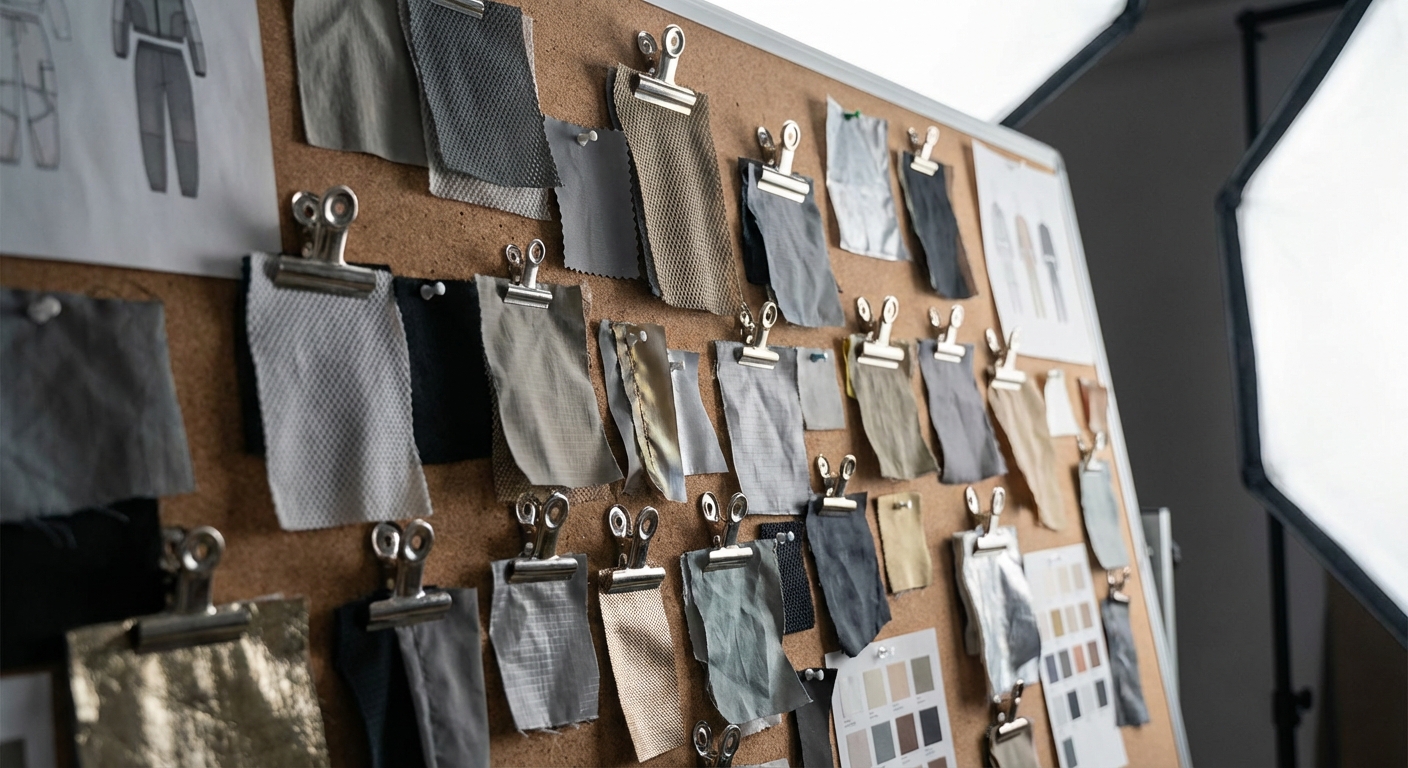
Speed-to-market is achieved by utilizing low-MOQ sourcing to bypass massive production queues, allowing brands to launch products in weeks rather than months. You are currently struggling with high inventory overhead and long lead times that are stifling your brand’s growth. Traditional wholesale models force you into massive financial commitments that often result in stagnant “dead stock” filling your warehouse. By pivoting to low MOQ fabric for your functional performance textiles, you gain the 24-hour agility needed to dominate modern retail landscapes.
Why is low MOQ fabric vital for brand speed-to-market?

Low MOQ fabric acts as a catalyst for rapid market entry by removing the traditional barriers of high-volume production requirements. When you source low MOQ fabric , you bypass the months-long queues at massive mills. This allows you to transition from a digital design to a physical product in a fraction of the time.
Accelerating the design-to-delivery cycle
The traditional textile industry often operates on a six-month lead time. Here is the deal: smaller batches mean faster machine setup and quicker transit. You can iterate your designs based on early feedback without losing momentum.
Gaining a competitive edge with rapid replenishment
Modern consumers demand novelty and instant gratification. If you can restock popular items faster than your competitors, you win the market share. Consider these benefits:
- Reduced time spent in the sampling phase.
- Faster logistics for small-batch air freight.
- Immediate response to viral social media trends.
Key Takeaway: Speed-to-market is no longer a luxury but a necessity for survival in the fast-paced apparel industry. Reducing minimums allows you to operate at the speed of the consumer rather than the speed of the machine.
| Metric | Traditional Sourcing | Low-MOQ Sourcing | |
|---|---|---|---|
| Typical Lead Time | 120 – 180 Days | 14 – 30 Days | |
| Development Speed | Slow/Iterative | Rapid/Agile |
Accelerated cycles directly correlate to higher sell-through rates and reduced capital lockup.
Can low MOQ fabric reduce inventory risks for startups?
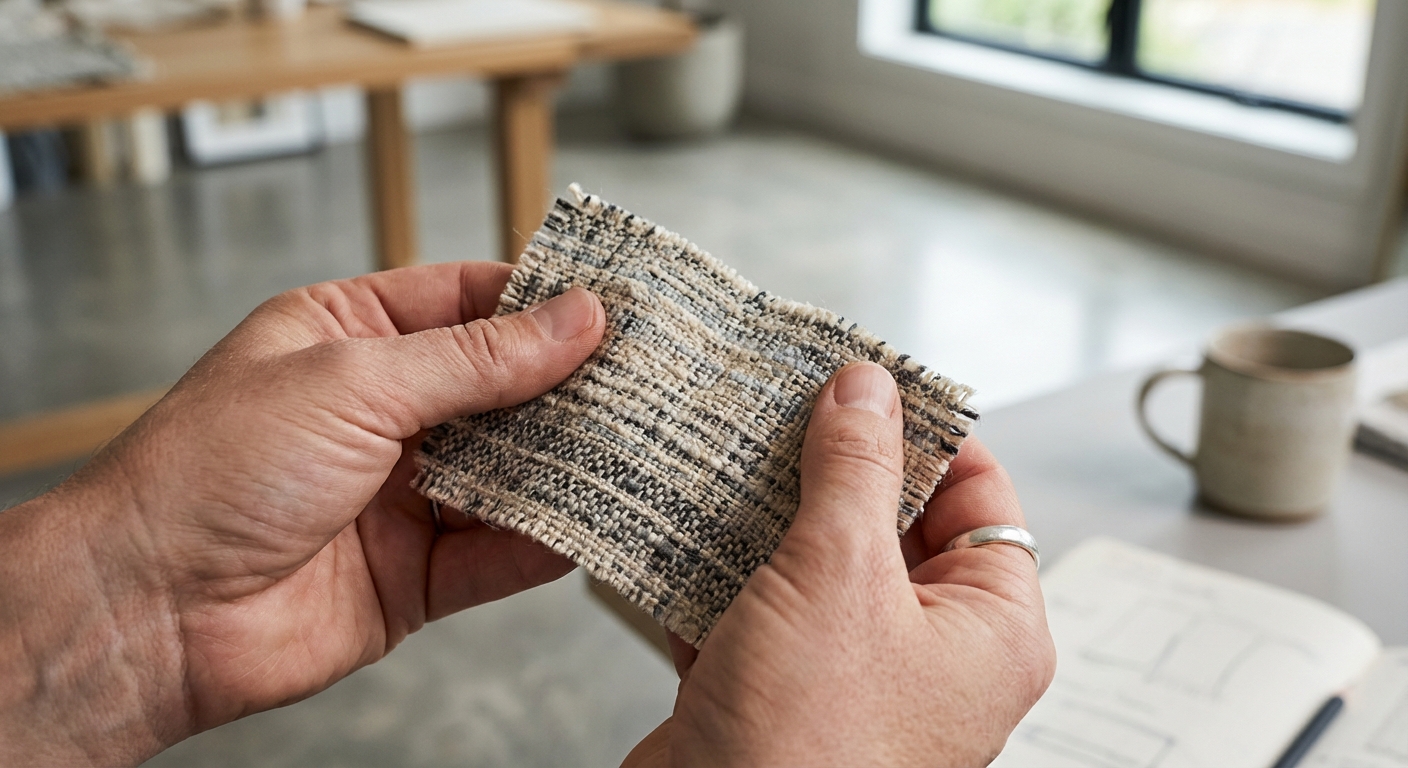
Sourcing low MOQ fabric minimizes the financial exposure of unsold stock by allowing you to run smaller, more frequent production batches. By utilizing low MOQ fabric, you avoid the trap of “guessing” what will sell six months in advance. This lean approach protects your cash flow during the critical early stages of your business.
Eliminating the “Dead Stock” trap
Excess inventory is the silent killer of emerging fashion brands. Look: buying thousands of meters of a single color is a gamble that rarely pays off for startups. Smaller orders allow you to test various colorways before committing your entire budget.
Improving cash flow for scaling operations
When you are not tying up your capital in warehouse storage, you can reinvest in marketing and R&D. This liquidity is essential for navigating market volatility.
- Lower initial investment per collection.
- Reduced warehousing and insurance costs.
- Ability to pivot quickly if a style fails.
Key Takeaway: Startups that prioritize flexibility over volume are better equipped to survive market fluctuations. Lower minimums act as an insurance policy against over-investment in unproven products.
| Risk Category | High-Volume Sourcing | Low-MOQ Strategy | |
|---|---|---|---|
| Capital Exposure | Extremely High | Low to Moderate | |
| Inventory Waste | Significant | Minimal |
Financial resilience is built through conservative procurement and rapid market testing.
How does low MOQ fabric impact supply chain agility?
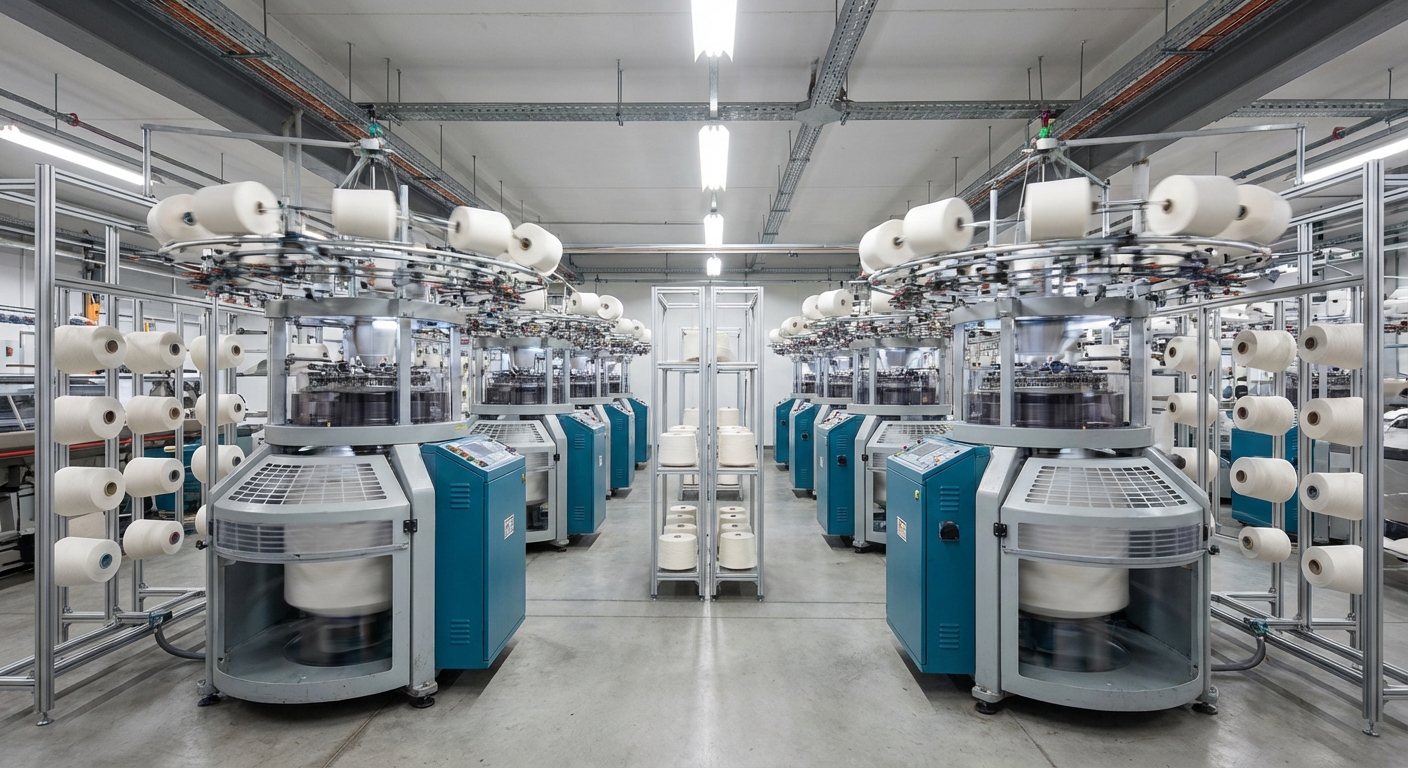
Integrating low MOQ fabric into your operations enables a “pull” supply chain that responds directly to real-time consumer demand rather than speculative forecasting. By utilizing low MOQ fabric for your professional sports fabrics, you can adjust your production levels based on actual sales data. This agility transforms your supply chain from a rigid burden into a strategic asset.
Transitioning to on-demand manufacturing models
On-demand manufacturing is the holy grail of modern retail. As it turns out, the bottleneck has always been the textile supplier. Now, with integrated knitting and dyeing facilities, you can order exactly what you need when you need it.
The role of vertically integrated textile mills
Vertical integration eliminates the middleman and reduces communication errors. Here is the deal: mills that handle both knitting and dyeing in-house offer superior speed.
- Direct control over the dyeing timeline.
- Consistent quality checks across every meter.
- Seamless communication between design and production.
Key Takeaway: Agility is the byproduct of a shortened supply chain. By choosing suppliers that offer low minimums and integrated services, you remove the friction that slows down growth.
| Supply Chain Factor | Traditional Push | Modern Pull | |
|---|---|---|---|
| Forecasting | Speculative | Data-Driven | |
| Batch Size | Large/Uniform | Small/Customized |
Agile supply chains convert market volatility into opportunities for localized dominance.
Is low MOQ fabric the key to testing new fashion trends?
Utilizing low MOQ fabric allows designers to launch experimental “capsule” collections to gauge market interest before committing to full-scale mass production. When you integrate low MOQ fabric into your activewear fabric collections , you can release limited editions to test specific aesthetics. This strategy allows you to fail small and win big.
A/B testing with physical garments
Digital mockups only go so far in the fashion world. Now: you can produce physical samples in three different fabrics to see which one resonates with your audience. This real-world data is far more valuable than any trend report.
Why smaller batches lead to higher innovation
High MOQs often discourage designers from taking risks with bold patterns or new textures. Believe it or not, the most successful brands today are those that iterate the fastest.
- Freedom to experiment with niche technical finishes.
- Ability to release seasonal “drop” models.
- Minimal cost of entry for new product categories.
Key Takeaway: Innovation thrives in environments where the cost of failure is low. Lowering your sourcing minimums empowers your design team to push boundaries without risking the company’s bottom line.
| Innovation Metric | Bulk Manufacturing | Agile Manufacturing | |
|---|---|---|---|
| Testing Capability | Limited | High | |
| Consumer Feedback | Delayed | Immediate |
Frequent micro-launches provide a constant stream of consumer data for long-term planning.
What makes sourcing low MOQ fabric cost-effective now?

Recent technological shifts in automated knitting and digital dyeing have significantly lowered the setup costs traditionally associated with producing low MOQ fabric in small batches. Advanced machinery now allows for rapid color changes and pattern adjustments without hours of downtime. Consequently, the price gap between bulk and small-batch low MOQ fabric has narrowed significantly.
Technological shifts in circular knitting
Computerized circular knitting machines have revolutionized the floor of the textile mill. Check this out: digital controls mean that switching from a jersey knit to an interlock takes minutes, not days. This efficiency is passed directly to you in the form of lower minimums.
Comparing total cost of ownership vs. unit price
Many buyers focus solely on the price per meter, but that is a mistake. The bottom line is this: the cost of holding unsold inventory often outweighs the slightly higher unit price of small batches.
- Zero “dead stock” write-offs.
- Lower warehousing and insurance overhead.
- Reduced need for end-of-season clearance sales.
Key Takeaway: Cost-effectiveness should be measured by the total impact on your balance sheet. Small-batch sourcing often yields a higher net profit despite a higher initial unit cost.
| Cost Factor | High-Volume | Low-MOQ | |
|---|---|---|---|
| Setup Fees | Amortized over 10k meters | Amortized over 100kg | |
| Hidden Costs | Warehousing/Liquidation | Minimal/Nil |
Modern technology has democratized access to high-quality textiles for brands of all sizes.
How does low MOQ fabric enable sustainable production?
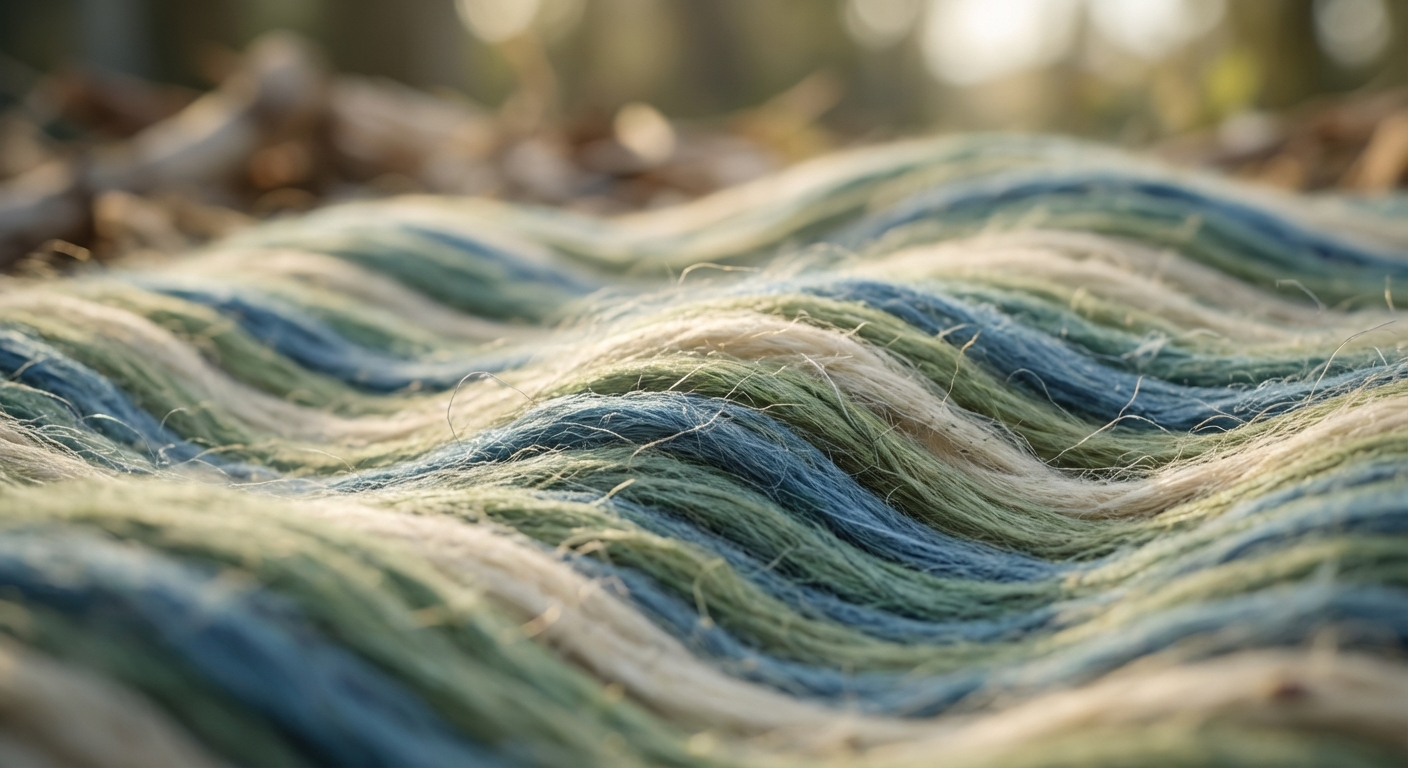
Sustainable operations are bolstered by low MOQ fabric because it prevents overproduction and reduces the carbon footprint associated with long-term warehouse storage. By sourcing low MOQ fabric for your GRS certified recycled fabrics , you ensure that your production matches your sustainability goals. This approach directly tackles the “waste” problem that plagues the global fashion industry.
Curating eco-conscious collections
Consumers are increasingly demanding transparency and ethics from the brands they support. Think about it: nothing is less sustainable than producing 5,000 shirts that eventually end up in a landfill. Smaller runs ensure that every garment produced has a buyer waiting.
Reducing textile waste at the source
The textile industry is one of the largest polluters in the world. However, by adopting a lean sourcing model, you can significantly reduce your environmental impact.
- Less water used in small-batch dyeing.
- Reduced chemical runoff from overproduction.
- Lower energy consumption in logistics and storage.
Key Takeaway: Sustainability and profitability are not mutually exclusive. By aligning your production volume with actual demand, you protect both the planet and your brand’s reputation.
| Environmental Impact | Bulk Production | Sustainable Sourcing | |
|---|---|---|---|
| Overproduction Waste | High | Near Zero | |
| Resource Consumption | Massive | Optimized |
Lean manufacturing is the most effective tool for brands aiming for a circular economy.
Why choose low MOQ fabric for custom performance wear?

Performance brands require high technical specifications that low MOQ fabric providers can customize without demanding the 10,000-meter minimums seen in traditional mills. When you order low MOQ fabric for professional swimwear textiles , you can specify unique GSM levels and stretch recovery profiles. This level of customization is essential for creating high-end athletic apparel.
Customizing GSM and stretch recovery
Athletes require garments that provide both compression and breathability. It gets better: you can now request a specific 220 GSM interlock with 20% spandex in small quantities. This allows you to create niche products for specific sports like CrossFit or professional cycling.
Specialized finishes for niche athletic markets
Performance isn’t just about the knit; it is about the finish. Look: you can add anti-microbial or UV-protection treatments to your small fabric batches.
- Moisture-wicking treatments for high-intensity training.
- Chlorine resistance for competitive swimwear.
- Brushed finishes for thermal yoga wear.
Key Takeaway: Technical performance should not be reserved for global giants. Small-batch customization allows niche brands to compete on quality and specialized features.
| Feature | Standard Fabric | Custom Performance | |
|---|---|---|---|
| Stretch Recovery | Basic | Precision Engineered | |
| Moisture Mgmt | Generic | High-Wicking Finishes |
High-performance textiles are now accessible to boutique brands through flexible sourcing.
Can low MOQ fabric help brands scale production faster?
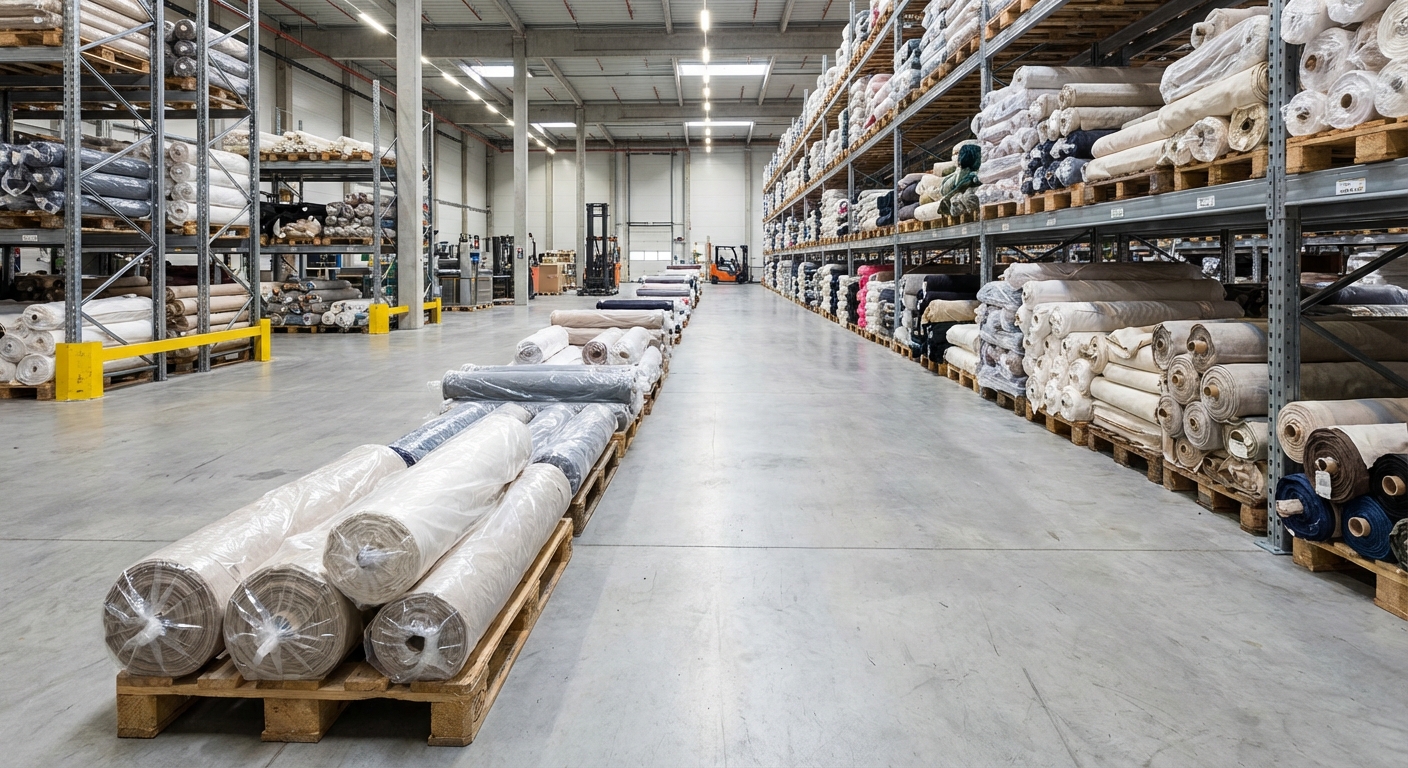
It may seem counterintuitive, but low MOQ fabric facilitates faster scaling by allowing you to reinvest profits from small batches into larger orders almost immediately. Using low MOQ fabric gives you a “ladder” to climb, rather than a giant wall to scale. This incremental growth strategy is far more stable than the “all-in” approach required by traditional wholesalers.
The “Ladder Method” of textile scaling
The ladder method involves starting with a 100kg test run and doubling your order size as you prove the concept. Believe it or not, this allows you to scale up without ever taking on external debt. You grow at the speed of your revenue.
Moving from 100kg to 1,000kg seamlessly
The best part? Your supplier remains the same as you grow. Now: you don’t have to find a new factory every time your order volume increases.
- Consistent quality from the sampling phase to bulk.
- Established relationships with production managers.
- Gradual volume discounts as your MOQs rise.
Key Takeaway: Scaling is about managing risk while chasing growth. Flexible minimums provide the safety net you need to expand your product line without overextending your resources.
| Growth Phase | Strategy | MOQ Focus | |
|---|---|---|---|
| Testing | Market Validation | 100 kg | |
| Scaling | Inventory Expansion | 500 kg+ |
Stability in growth is achieved through iterative production and proven sell-through data.
What should you check when buying low MOQ fabric?

Quality verification for low MOQ fabric must include a rigorous assessment of color fastness, weight consistency, and international certifications like GRS or OEKO-TEX. When sourcing low MOQ fabric for breathable mesh materials , you must ensure the small-batch quality matches the gold standard of bulk production. Consistency is the most difficult thing to achieve in small-batch textiles, so your due diligence is vital.
Identifying reliable wholesale partners
Not all low-MOQ suppliers are created equal. Look: you need a partner that owns the equipment rather than a broker who outsources the work. A true manufacturer will have a dedicated QC team even for small orders.
Why sample-to-bulk consistency matters
The most common complaint in the industry is that the bulk order does not match the approved sample. Now: you must verify that the mill uses the same yarn and dye lot for your production run.
- Check for GSM variance across the roll.
- Verify color fastness (Grade 3.5 or higher).
- Confirm the presence of GRS or ISO certifications.
Key Takeaway: Trust but verify. A reliable supplier will provide you with a full laboratory report for every batch, regardless of the order size.
| Quality Check | Requirement | Industry Standard | |
|---|---|---|---|
| Color Fastness | Grade 3.5+ | ISO 105-B02 | |
| Weight Variance | +/- 5% | ASTM D3776 |
Precision in small-batch production is the hallmark of a high-quality textile manufacturer.
Where is the future of low MOQ fabric in wholesale?

The industry’s evolution points toward hyper-local micro-factories and digital hubs that prioritize the immediate availability of low MOQ fabric for global clients. In the near future, low MOQ fabric will be the standard, not the exception. The “Micro-Wholesale” revolution is already happening, driven by AI-optimized production schedules and robotic knitting technologies.
The rise of “Micro-Wholesale”
Wholesale used to mean thousands of units, but today it means specialized batches. Here is the kicker: we are moving toward a world where a 50kg order receives the same attention and price efficiency as a 5,000kg order.
Will MOQs eventually disappear?
While setup costs will always exist, they are becoming negligible. Now: imagine a future where you can order a single roll of custom-printed performance fabric and have it delivered in 48 hours.
- Fully automated, lights-out manufacturing.
- Real-time inventory tracking for all clients.
- Digital twin technology for virtual sampling.
Key Takeaway: The future belongs to the agile. Those who embrace low minimums today will be the leaders of the on-demand economy tomorrow.
| Era | Primary Goal | Sourcing Model | |
|---|---|---|---|
| 20th Century | Cost Efficiency | Bulk/Static | |
| 21st Century | Market Agility | Low-MOQ/Dynamic |
Digital integration is closing the gap between artisanal customization and industrial scale.
The challenges of traditional sourcing—stagnant inventory, high capital risk, and missed trends—no longer have to define your brand’s growth. By prioritizing agility and technical precision, you can reclaim your speed-to-market and build a more resilient, sustainable business. Our vertically integrated facility is engineered to solve these exact problems, offering high-performance textiles with the flexibility your brand deserves.
Whether you are launching a new performance line or optimizing your current supply chain, we are here to support your journey from sample to scale. We invite you to contact us today to discuss your project requirements and discover how our specialized manufacturing can elevate your collection.
FAQ
Can I order custom colors with a low MOQ?Yes. Modern dyeing facilities can handle specialized lab dips and custom color matching for orders as small as 100kg, ensuring your brand identity remains unique.
How do I know if the quality will stay consistent between small orders?Yes, if you choose an integrated manufacturer. By keeping knitting and dyeing in-house, the facility maintains control over the yarn source and dye recipes to ensure roll-to-roll consistency.
Can I request a sample before committing to a 100kg order?Absolutely. Reliable suppliers offer rapid sampling services so you can verify the hand-feel, stretch, and color accuracy before initiating a production run.
How do I know if the fabric is genuinely sustainable?Yes, you check for certification. You should always request valid GRS (Global Recycled Standard) or OEKO-TEX certificates to verify the environmental and safety claims of the material.
Can I get technical finishes like UV protection on small batches?Yes. Functional treatments are applied during the finishing stage and can be customized for small runs to meet the specific performance needs of your target market.