Buyers want more from less because versatile textiles reduce inventory overhead while meeting consumer demands for multi-use apparel. Many sourcing managers are struggling with bloated stock of single-purpose textiles that fail to adapt to the “athleisure” shift. This lack of versatility drains your capital and leaves your brand vulnerable to agile competitors. Our functional fabric solutions integrate moisture management, durability, and stretch into single-layer knits to streamline your supply chain.
What defines the modern need for functional fabric?
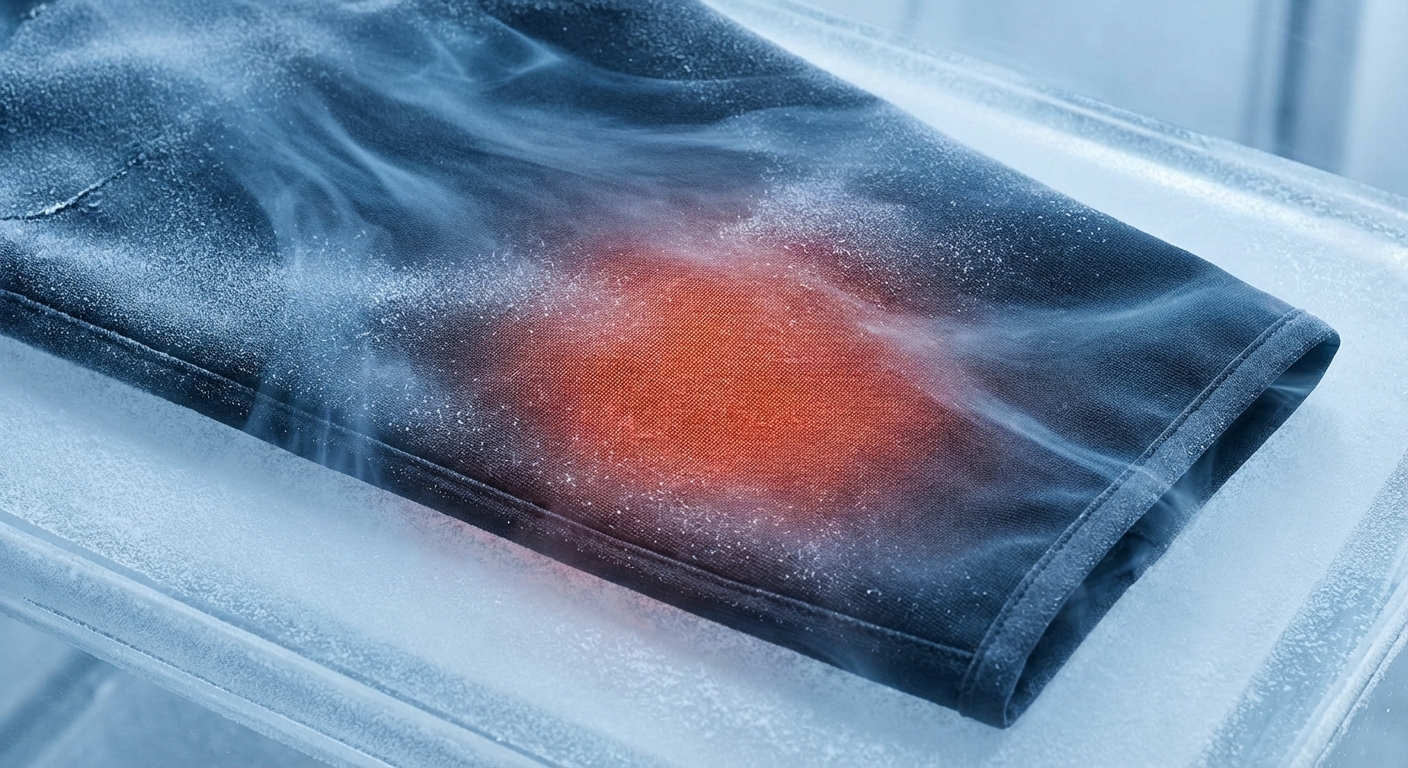
The modern need for functional fabric is defined by a consumer shift toward garments that transition seamlessly between high-intensity performance and casual lifestyle environments. You are no longer just selling a shirt; you are selling a versatile tool for a hybrid lifestyle. Integrating high-quality functional fabric allows your brand to capture the growing “athleisure” market segment efficiently.
The Shift to Hybrid Lifestyles
Think about it: your customers want to go from the office to the gym without a wardrobe change. You need materials that provide professional aesthetics while maintaining athletic performance.
- 4-way stretch for maximum mobility.
- Breathable structures for all-day comfort.
- Premium hand-feel for a high-end brand image.
Reducing Supply Chain Bloat
Here is the deal: consolidating multiple single-purpose SKUs into a multi-functional base layer simplifies your logistics. You can lower your financial risk by focusing on versatile fabrics that serve various product lines simultaneously.
- Standardized technical knits speed up time-to-market.
- Lower MOQ options prevent overstocking.
- Multi-use fabrics improve warehouse efficiency.
Key Takeaway: Multi-scenario wear is the new industry standard, requiring textiles that offer flexibility and high-performance durability.
| Metric | Single-Purpose Fabric | Multi-Functional Fabric | |
|---|---|---|---|
| Inventory Risk | High (Stock per SKU) | Low (Consolidated) | |
| Market Reach | Niche | Broad (Multi-Scenario) | |
| Consumer Value | Basic | High (Versatile) |
Optimizing your inventory through versatile textiles directly correlates with higher profit margins and reduced waste.
How does moisture-wicking functional fabric work?
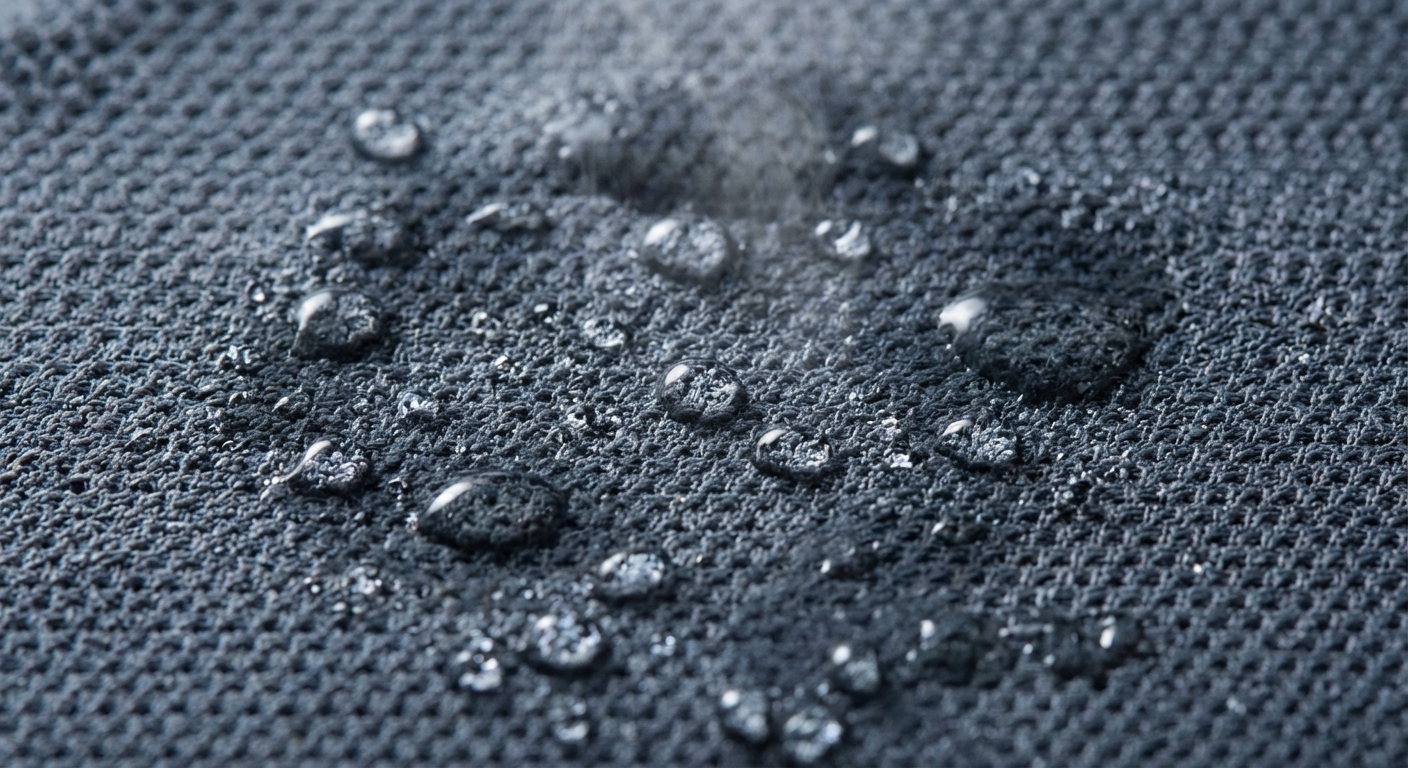
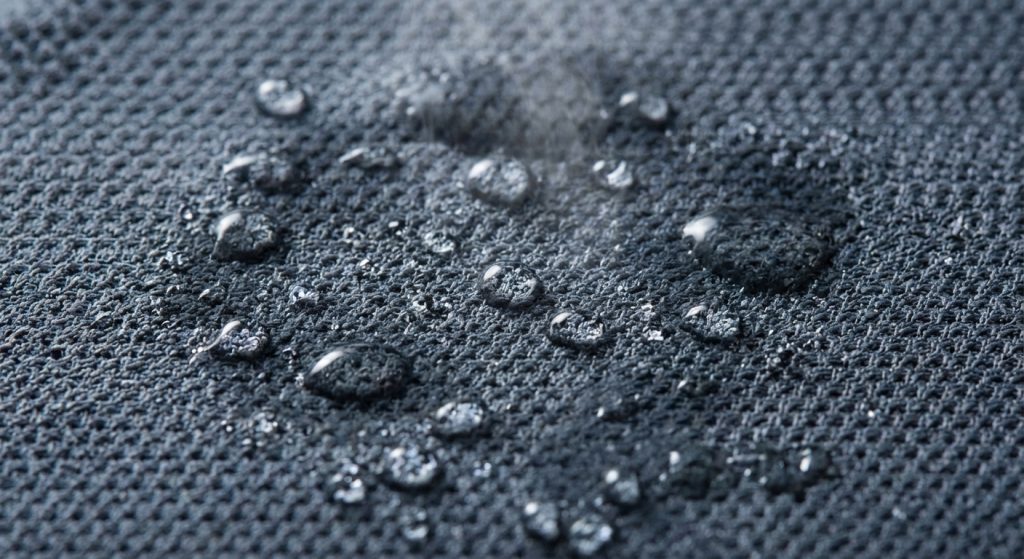
Moisture-wicking functional fabric works by utilizing advanced capillary action to move perspiration away from the skin to the exterior of the textile. This process ensures the wearer remains dry and comfortable, even during the most demanding physical activities.
Advanced Capillary Engineering
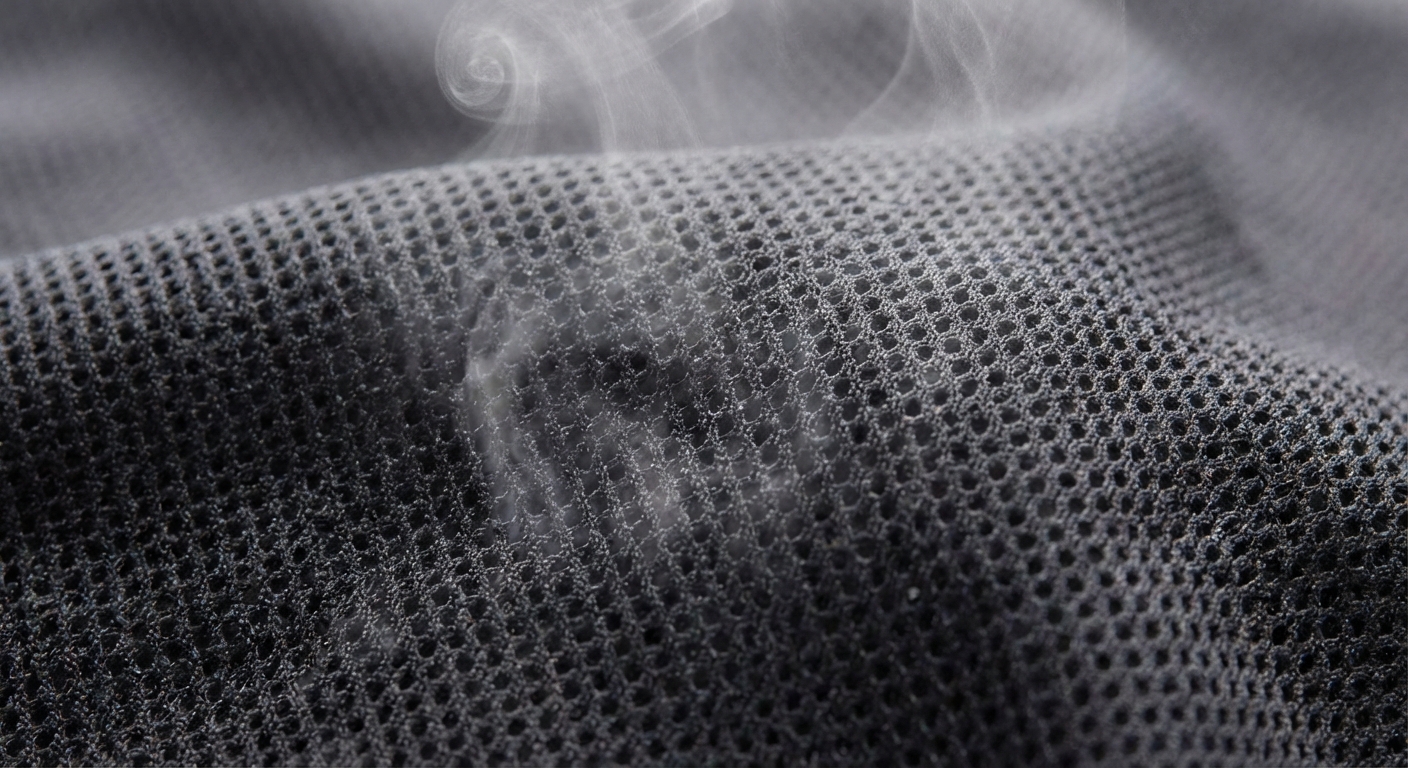
The magic happens in the knit structure. You will find that specialized “honeycomb” or “bird-eye” patterns create natural channels for moisture to travel through.
- Hydrophobic fibers prevent water absorption.
- High-surface area fibers accelerate transport.
- Engineered pores maximize airflow.
Rapid Evaporation Benefits
The best part? Your garments won’t stay damp after a workout, preventing that uncomfortable “post-exercise chill.” This technology relies on structural engineering rather than temporary chemical coatings that wash away over time.
- Prevents fabric saturation during heavy sweat.
- Reduces garment weight during exercise.
- Minimizes skin irritation and chafing.
Key Takeaway: Performance wicking is a structural requirement for modern athletic wear that ensures health, hygiene, and comfort.
| Feature | Performance Metric | Primary Benefit | |
|---|---|---|---|
| Wicking Speed | < 3 seconds | Immediate dry-feel | |
| Evaporation Rate | High | Prevents chilling | |
| Knit Type | Interlock/Mesh | Optimized airflow |
Effective moisture management is the foundation of any high-performance athletic apparel line seeking long-term consumer trust.
Why is UV protection vital in functional fabric?
UV protection is vital in functional fabric because it acts as a physical barrier against harmful ultraviolet radiation, which is essential for outdoor and water-based sports. Brands targeting outdoor enthusiasts must provide a high UPF (Ultraviolet Protection Factor) rating to ensure consumer safety. High-density functional fabric from MAKITAPE provides consistent protection that doesn’t wear off like sunscreen.
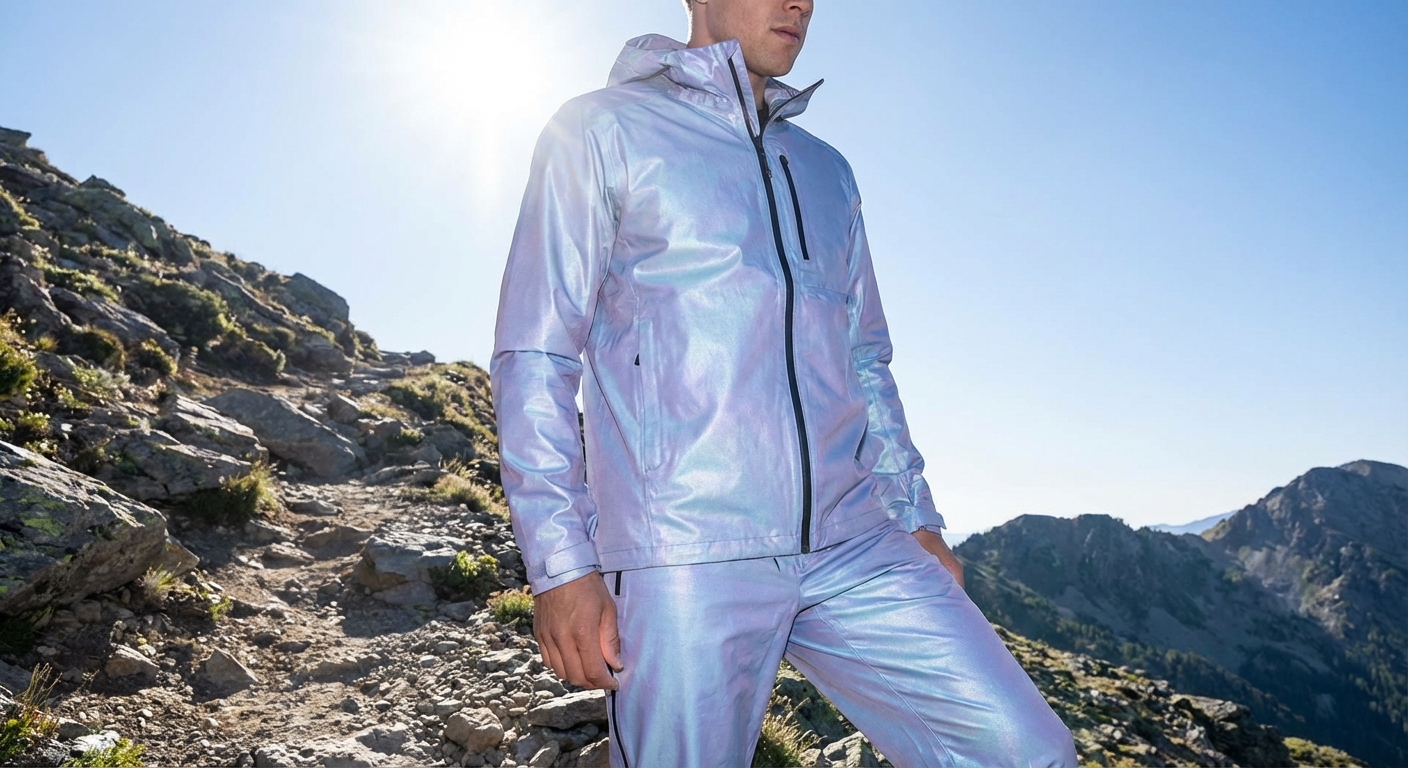
Protecting Skin via UPF 50+
But here is the catch: not all outdoor fabrics provide real UV defense. You should look for textiles that block 98% or more of UV rays, which is the gold standard for sun protection.
- High-density knitting blocks rays physically.
- Specialized UV-absorbing finishes enhance protection.
- Protection remains effective even when the fabric is wet.
Longevity in Outdoor Gear
Think about it: outdoor gear is exposed to the elements for hours on end. You need fibers that won’t degrade or lose their protective properties after repeated exposure to direct sunlight and salt water.
- Resists yellowing and fiber breakdown.
- Maintains color vibrancy under intense sun.
- Essential for children’s swimwear and surfing gear.
Key Takeaway: Integrating UPF 50+ ratings adds significant health value to your products, fostering deep brand loyalty among outdoor consumers.
| Protection Level | UV Blockage | Recommended Use | |
|---|---|---|---|
| UPF 15-24 | 93.3% – 95.9% | Basic daily wear | |
| UPF 25-39 | 96.0% – 97.4% | Standard sports | |
| UPF 40-50+ | 98%+ | Professional outdoor |
Prioritizing sun safety in your textile selection process protects your customers and elevates your brand’s quality standards.
Can functional fabric be environmentally sustainable?
Functional fabric can be environmentally sustainable through the use of Global Recycled Standard (GRS) certified yarns derived from post-consumer plastic. Modern technology allows you to offer eco-friendly options without sacrificing the high-performance metrics your customers expect.
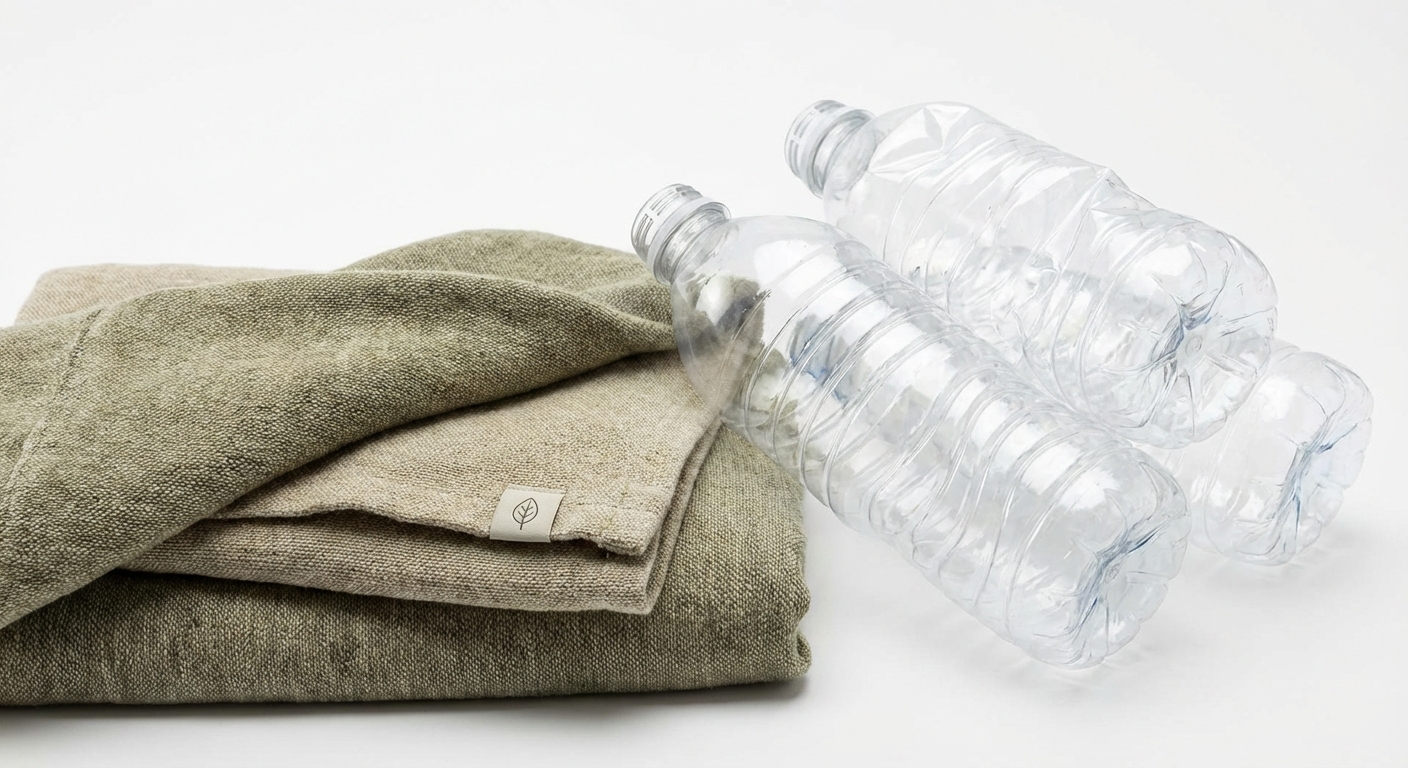
GRS Certified Polyester Knits
Sustainability is no longer a trend; it is a market requirement. You can reduce your carbon footprint by approximately 30% by switching to recycled fabric made from ocean-bound plastics.
- 100% recycled polyester options available.
- Full traceability through GRS certification.
- Matches the tensile strength of virgin materials.
Closed-Loop Dyeing Systems
It gets better: the sustainability of your fabric also depends on the dyeing process. You should partner with manufacturers that use in-house dyeing plants to ensure ethical water treatment and chemical safety.
- OEKO-TEX certified for chemical safety.
- Reduced water consumption per kilogram.
- Minimal chemical runoff in the finishing stage.
Key Takeaway: Sustainable sourcing through certified recycled textiles allows your brand to meet ESG goals while maintaining peak performance.
| Eco-Metric | Recycled Polyester | Virgin Polyester | |
|---|---|---|---|
| Raw Material | Post-consumer PET | Petroleum-based | |
| Certification | GRS / OEKO-TEX | ISO / OEKO-TEX | |
| Performance | Equivalent | Standard |
Choosing GRS-certified materials demonstrates a commitment to the planet that resonates deeply with modern, eco-conscious consumers.
How do antimicrobial finishes help functional fabric?
Antimicrobial finishes help functional fabric by preventing the growth of odor-causing bacteria and mold during heavy use. This technology is critical for activewear because it extends the life of the garment and ensures it stays fresh between washes. Utilizing antimicrobial functional fabric allows you to market “odor-free” apparel to serious athletes.

Permanent Odor Suppression
The best part? Your customers can wear the garment for multiple sessions without experiencing “perma-stink.” Silver-ion or specialized chemical treatments inhibit microbial metabolism directly at the fiber level.
- Prevents bacterial colonies from forming.
- Works effectively against sweat-borne odors.
- Ideal for high-compression base layers.
Enhancing Garment Freshness
Think about it: hygiene is a top priority for gym-goers. You want to provide an extra layer of protection that maintains the integrity of the knit structure over hundreds of wash cycles.
- Resists fabric degradation caused by mold.
- Reduces the frequency of washing needed.
- Skin-safe and non-toxic for all-day wear.
Key Takeaway: Antimicrobial treatments are an invisible value-add that significantly increases the perceived quality and lifespan of your apparel collections.
| Feature | Treatment Type | Core Benefit | |
|---|---|---|---|
| Odor Suppression | Silver Ion / Chemical | Long-lasting freshness | |
| Wash Durability | High-performance bind | Effective after 50+ washes | |
| Safety | Non-toxic | No skin irritation |
Integrating antimicrobial tech into your product line solves the most common consumer complaint in synthetic athletic wear: persistent odor.
What makes compression functional fabric so effective?
Compression functional fabric is effective because it uses a high percentage of elastane combined with an interlock knit structure to provide targeted muscle pressure. This support aids in circulation and reduces muscle vibration, which are key factors in athletic recovery and performance.
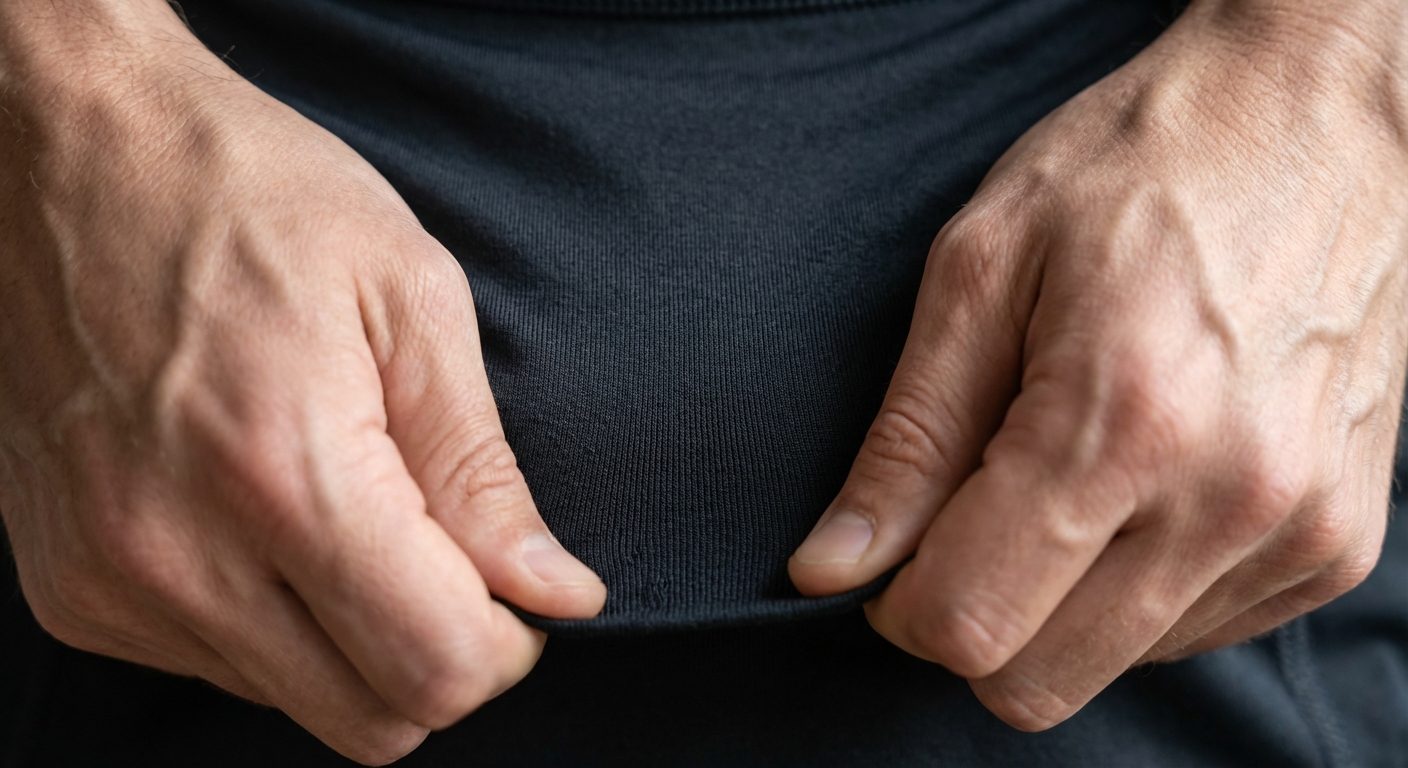
Muscular Support and Recovery
Why does this matter? You can help your customers perform better by reducing the micro-tears that occur during explosive movements.
- Improved blood flow clears lactic acid faster.
- Reduces muscle fatigue during long endurance sets.
- Provides a “second-skin” feel for maximum focus.
4-Way Stretch Performance
A true performance fabric must move in every direction without losing its shape. You should prioritize stretch fabric that offers excellent recovery to ensure the garment doesn’t become baggy after repeated use.
- High elastane content (15% – 25%).
- Interlock knitting for total opacity (squat-proof).
- Targeted pressure zones for ergonomic support.
Key Takeaway: Effective compression requires a precise balance of heavy-weight knitting and high-quality elastic fibers for professional-grade support.
| Attribute | Typical Range | Impact on Wearer | |
|---|---|---|---|
| Elastane % | 15% – 25% | High stretch & recovery | |
| Knit Structure | Interlock | Non-see-through | |
| Pressure | Gradient | Improved circulation |
Sourcing high-recovery compression knits is essential for brands competing in the high-stakes yoga and professional sports markets.
Is chlorine resistance essential for functional fabric?
Chlorine resistance is essential for functional fabric used in swimwear because pool chemicals and salt water quickly degrade standard elastic fibers. If you are manufacturing professional swimsuits, choosing a chemical-resistant functional fabric is the only way to ensure your products maintain their fit over time.
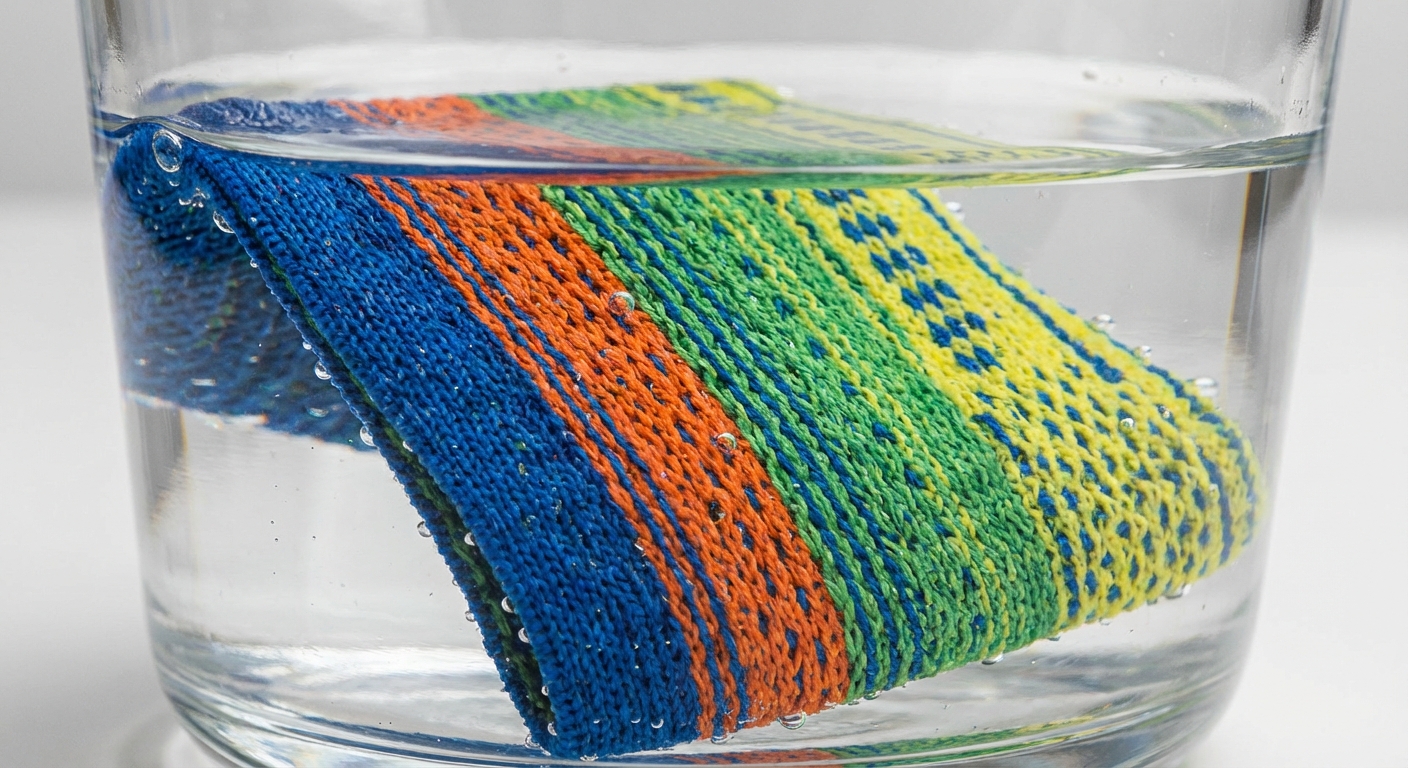
Durability in Treated Water
Let’s dive in: standard spandex can become loose and “baggy” after just a few swims. You need treated fibers that resist the corrosive effects of chlorine to maintain the original fit of the swimsuit.
- Prevents fiber thinning and transparency.
- Maintains low-drag properties for racing.
- Extends garment life by 5x compared to standard knits.
Maintaining Elastic Integrity
Here is why: color fastness and stretch are linked. You will find that swimwear fabric with high chlorine resistance also holds vibrant colors better in public pool environments.
- Resists the bleaching effects of chemicals.
- Prevents color “bleeding” into the water.
- Stays soft and flexible despite chemical exposure.
Key Takeaway: Chlorine-resistant treatments are a non-negotiable quality indicator for any premium swimwear brand targeting competitive or frequent swimmers.
| Environment | Standard Spandex | Chlorine-Resistant | |
|---|---|---|---|
| Public Pool | Rapid loss of stretch | Maintains shape | |
| Salt Water | Fiber hardening | Stays soft | |
| Longevity | Short-term | Multi-season |
Investing in chemical-resistant textiles protects your brand’s reputation for durability in the most challenging aquatic environments.
How to choose the right weight for functional fabric?
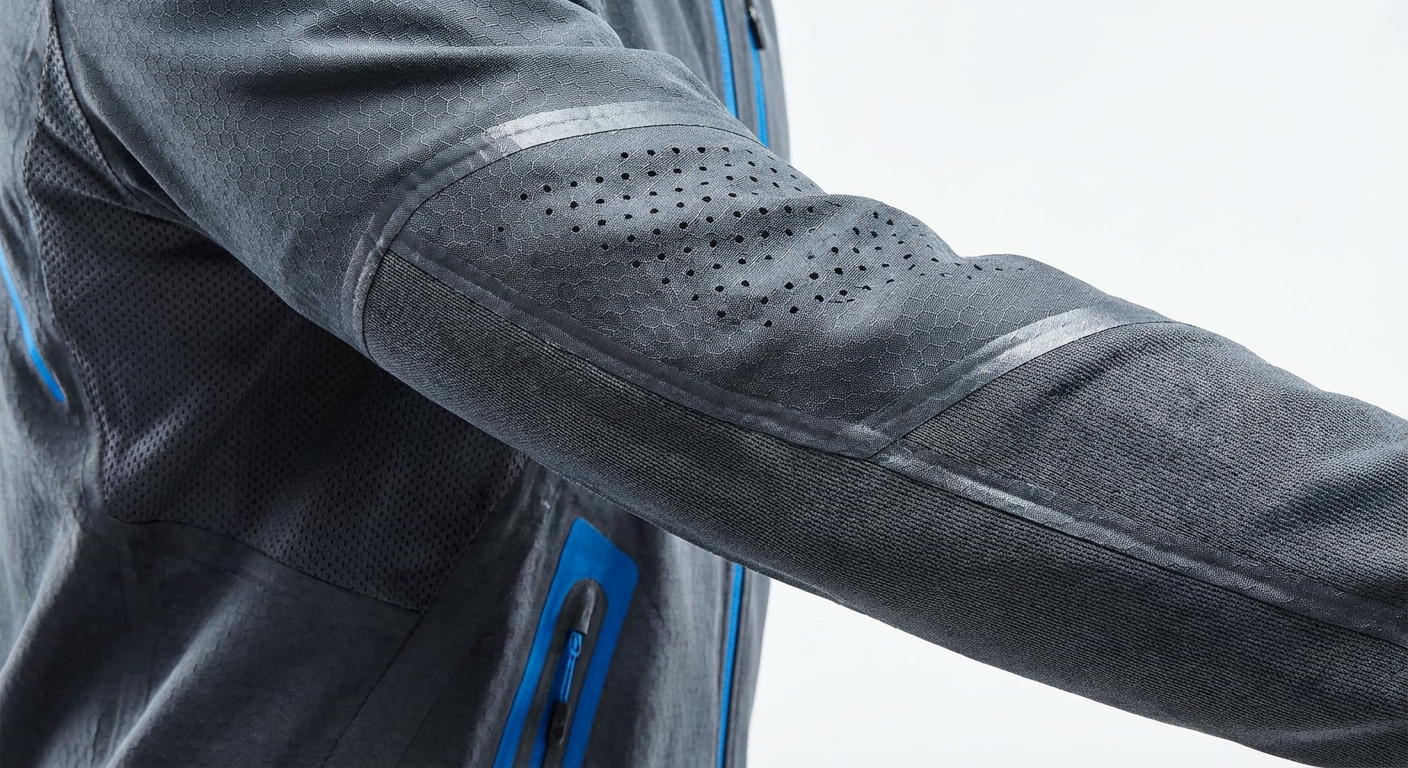
Choosing the right weight for functional fabric involves matching the GSM (grams per square meter) to the specific physical demands of the end-user’s activity. A mismatch here will result in a garment that is either too thin for support or too heavy for comfort.
GSM Selection for End-Use
Different activities require different densities. You should consider ultra-lightweight mesh fabric for marathons, while high-compression leggings require a much heavier knit.
- 130–160 GSM: Best for summer running shirts.
- 170–220 GSM: Standard for team jerseys.
- 230–300 GSM: Ideal for yoga and leggings.
Balancing Opacity and Breathability
But here’s the kicker: weight is often tied to the perceived quality of your brand. You need to ensure that your heavier fabrics remain breathable to prevent overheating during intense workouts.
- Heavier GSM provides a “premium” hand-feel.
- High-density knits ensure “squat-proof” opacity.
- Must be paired with wicking technology to remain functional.
Key Takeaway: Fabric weight is the primary factor in determining a garment’s functionality, tiering, and market-appropriate pricing.
| Category | GSM Range | Best For | |
|---|---|---|---|
| Ultralight | 100 – 150 | Running / Mesh Inserts | |
| Mid-weight | 160 – 210 | Training / Team Uniforms | |
| Heavy-weight | 220 – 280+ | Yoga / Compression |
Precise GSM selection ensures your apparel meets the functional requirements of the athlete without compromising on comfort or style.
Why is color fastness crucial for functional fabric?
Color fastness is crucial for functional fabric because it ensures that technical garments maintain their aesthetic appeal through heavy sweating and repeated industrial washing. High-performance brands rely on the vertical integration of functional fabric manufacturers to guarantee color stability from batch to batch.

Resisting Migration and Fading
Think about it: nothing ruins a brand’s image faster than colors that bleed onto a customer’s skin. You need textiles that achieve Grade 3.5 or higher in color fastness to perspiration and washing.
- Prevents staining of logos and trims.
- Maintains vibrancy after 50+ wash cycles.
- Resists the fading effects of high friction.
Impact on Brand Perception
The best part? Controlling the dyeing process in-house allows for superior accuracy across large orders. You should look for sports fabric that meets international ISO and SGS standards for color stability.
- Essential for multi-colored team jerseys.
- Protects the consumer’s investment in the garment.
- Ensures consistency across global retail locations.
Key Takeaway: Superior color fastness is a hallmark of premium technical textiles, protecting your brand’s visual identity and consumer trust.
| Test Type | Standard Grade | Result | |
|---|---|---|---|
| Wash Fastness | 3.5 – 4.0 | No fading after washing | |
| Rubbing Fastness | 3.0+ | No color transfer | |
| Perspiration Fastness | 4.0 | No bleeding during exercise |
Strict color fastness testing is the final barrier that separates a reliable B2B supplier from high-risk sourcing options.
What are the common FAQs about functional fabric?
Professional buyers often have technical questions regarding the procurement and customization of multi-functional materials. Understanding these core aspects will help you make more informed sourcing decisions for your next apparel collection.
Can I get custom patterns and colors for technical knits?Yes, technical knits can be fully customized through computerized knitting for unique patterns and in-house dyeing for specific brand colors with an MOQ as low as 100 kg.
What’s the best way to verify the quality of a performance textile?The most reliable way is to check for international certifications like OEKO-TEX Standard 100, GRS for recycled content, and SGS test reports for physical performance.
Can technical fabrics be used for both swimwear and activewear?Absolutely, many multi-functional fabrics are designed for “dual-use,” featuring both moisture-wicking for the gym and chlorine resistance for aquatic environments.
How does fabric weight affect bulk shipping costs?Fabric weight (GSM) directly impacts the total weight of the order, but sourcing from vertically integrated manufacturers often offsets these costs through streamlined logistics.
What is the standard turnaround time for custom fabric samples?For specialized technical textiles, the rapid sampling process usually takes between 3 to 7 days, depending on the complexity of the requirements.
Selecting the right textiles is the foundation of a successful apparel brand. Whether you are seeking sustainable GRS-certified polyesters, high-compression interlocks, or chlorine-resistant swimwear materials, focusing on multi-functional capabilities will give your products the edge they need in a competitive market. At MAKITAPE, we are dedicated to engineering high-performance textiles that allow your brand to deliver more value with less waste. Contact us today to request your free sample pack and discover how our technical knits can transform your next collection.