
Identifying high-quality material involves verifying technical specifications like GSM weight, 4-way stretch recovery, and chemical resistance to ensure long-term durability. As a brand owner, you likely face the recurring headache of garments that lose their elasticity or turn transparent after just a few visits to the pool. There is nothing more damaging to your reputation than a customer realizing their premium bikini has become a saggy, faded mess within a single season. High-performance swimwear fabric offers a sophisticated solution by combining specialized knitting techniques with advanced fiber science to withstand sun, salt, and chlorine.
Why is quality essential for your swimwear fabric?
Quality is the foundation of garment longevity and brand value when sourcing swimwear fabric for your next collection. Superior textiles ensure that the fit remains consistent over time, providing the end-user with a sense of security and luxury. If the material fails, your brand fails in the eyes of the consumer.
Impact on Brand Value and Returns
High-quality textiles significantly reduce your return rates and increase customer lifetime value. When a suit maintains its shape and color, customers are more likely to return for future purchases. Here is the deal:
- Low-quality fabrics pill and thin out quickly.
- Premium materials maintain structural integrity.
- Satisfied customers become brand advocates.
Enhancing User Comfort and Fit
Comfort is non-negotiable in the B2B apparel space where fit defines the user experience. A high-grade knit provides a “second skin” feel that supports the body without restricting movement. But wait, there’s more: It is about the tactile sensation. A soft hand-feel combined with enough compression creates a product that feels as expensive as it looks.
Key Takeaway: Investing in premium materials ensures your brand avoids the high costs of returns while building a reputation for lasting quality and superior comfort.
| Performance Metric | Low-Quality Impact | High-Quality Benefit | |
|---|---|---|---|
| Longevity | Rapid thinning and holes | Multi-season durability | |
| Return Rate | High due to fit issues | Low due to consistent sizing | |
| Brand Perception | Cheap and disposable | Professional and premium |
Analyzing why quality matters reveals that the cost of cheap materials often outweighs the initial savings through lost customer loyalty.
What are the best fiber blends for swimwear fabric?
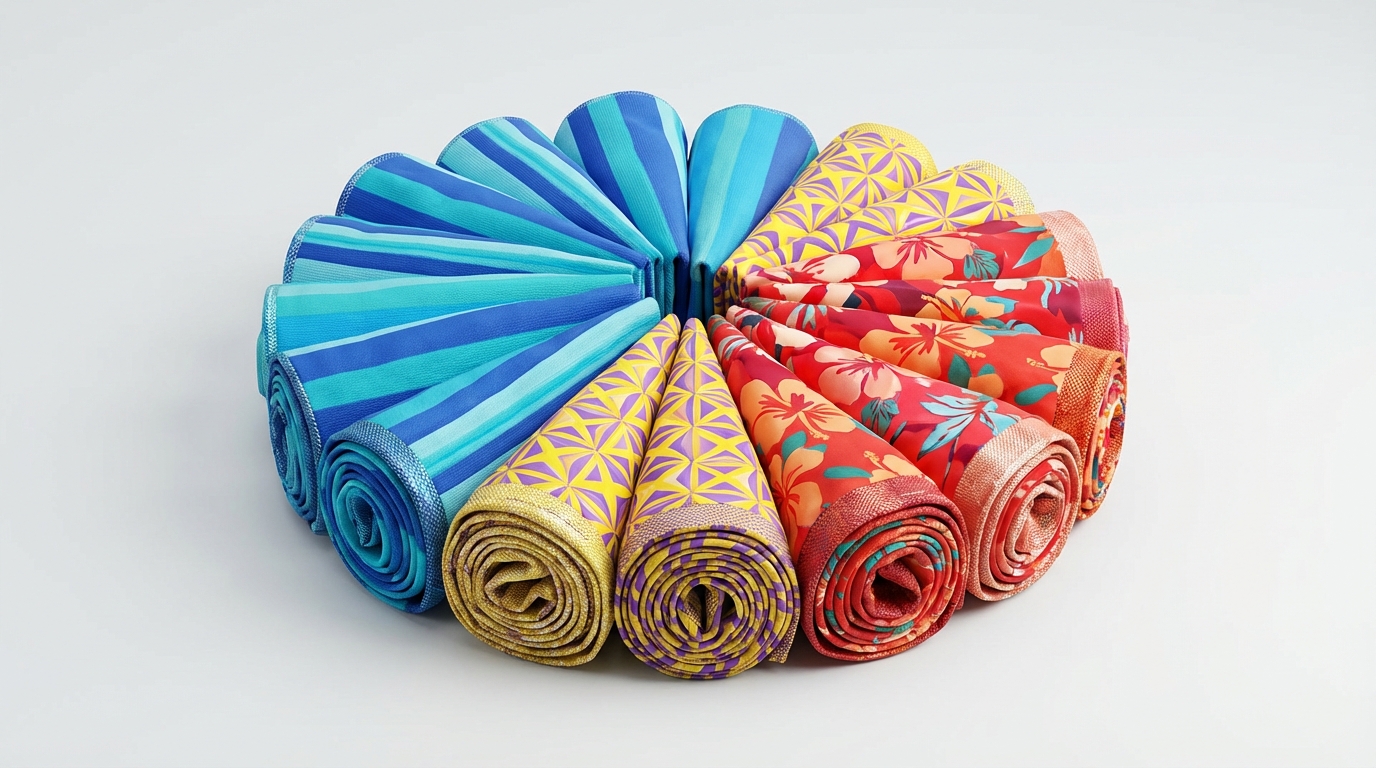
The best fiber blends typically consist of a high percentage of Nylon or Polyester paired with at least 15% to 20% Elastane. Each fiber type brings specific performance characteristics to the swimwear fabric that determine how it handles water and wear. Choosing the right blend depends entirely on whether you are designing for fashion or competitive athletics.
Nylon vs. Polyester Performance
Nylon is the “gold standard” for fashion-forward swimwear because of its incredibly soft hand-feel and vibrant color take-up. It drapes beautifully and offers a slight sheen that appeals to luxury markets. The catch?
- Nylon is more sensitive to heat and UV than polyester.
- Polyester offers unmatched chlorine resistance.
- Polyester is the preferred choice for competitive training suits.
The Role of High-Quality Elastane
Elastane, often known by the brand name Lycra, is what gives the fabric its life and snap. Without sufficient elastane, a swimsuit would simply hang off the body once wet. Check this out: Higher percentages of elastane (up to 25%) provide the compression needed for athletic performance. However, ensure the elastane itself is “Xtra Life” or chlorine-resistant to prevent the fibers from snapping over time.
Key Takeaway: Balance your choice between Nylon for luxury aesthetics and Polyester for extreme durability, always ensuring a high Elastane content for shape.
| Fiber Type | Main Advantage | Best Use Case | |
|---|---|---|---|
| Nylon (Polyamide) | Superior softness and shine | Luxury bikinis, fashion suits | |
| Polyester | Chlorine and UV resistance | Competition and training gear | |
| Elastane (Spandex) | Stretch and compression | All functional swimwear |
Understanding the chemical makeup of these fibers allows you to predict how your garments will perform in real-world aquatic environments.
How does fabric weight determine swimwear fabric quality?
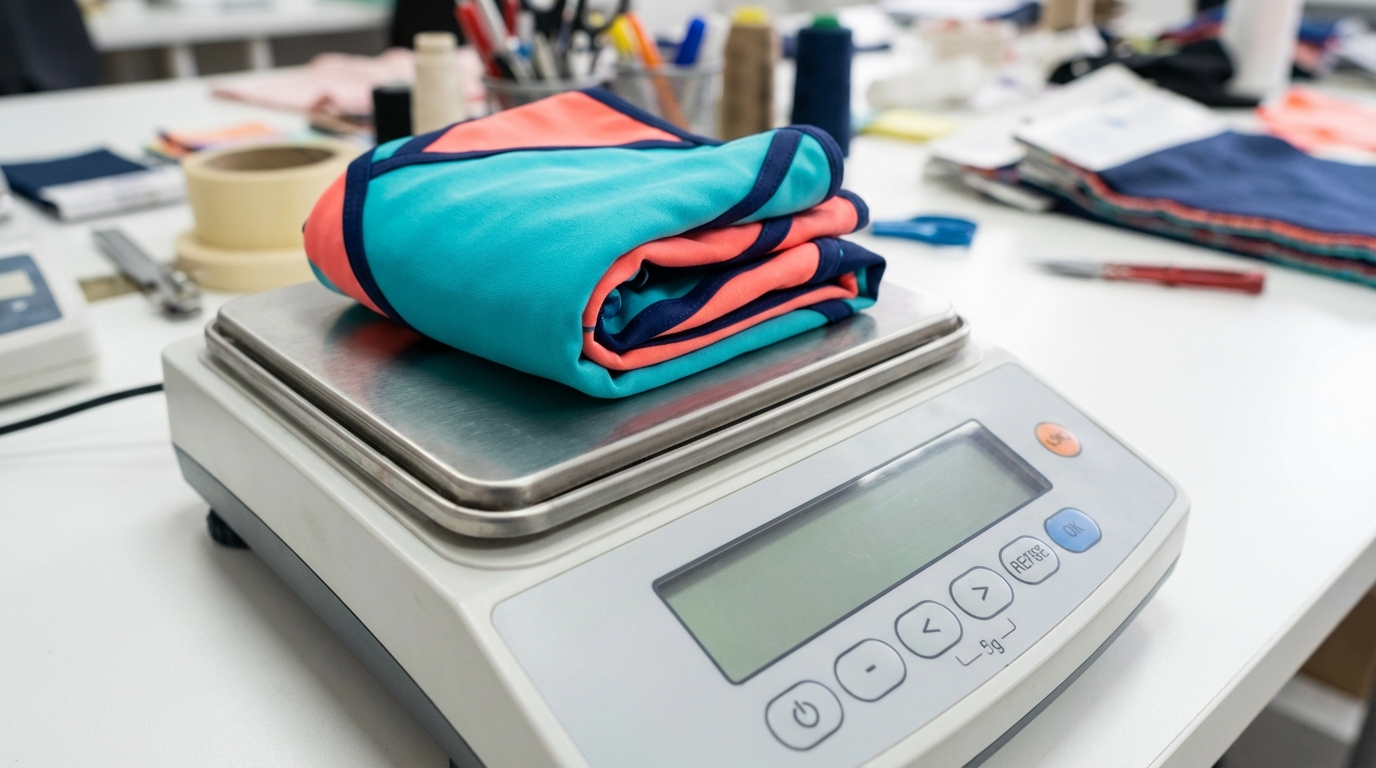
Fabric weight, measured in Grams per Square Meter (GSM), is a primary indicator of density and opacity in swimwear fabric . A higher GSM generally indicates a tighter knit, which prevents the embarrassing “see-through” effect when the garment is submerged in water. For most professional applications, a weight between 190 and 240 GSM is considered the industry sweet spot.
Preventing Transparency and Sheerness
One of the biggest complaints in the industry is thin fabric that becomes transparent once wet. High-quality manufacturers use a dense knitting structure to ensure full coverage even at maximum stretch. Think about it:
- Light colors require even higher GSM to maintain opacity.
- Low GSM (under 170) is often too flimsy for quality suits.
- Double-layered construction can supplement lower GSM fabrics.
Durability and Shape Retention
Heavier fabrics aren’t just about opacity; they provide the physical structure required to hold the body’s shape. A weightier knit resists snagging and is less likely to develop “runs” or holes. But that’s not all: A 220 GSM fabric will naturally have better “snap back” than a 160 GSM alternative. This extra weight provides the “heft” that consumers associate with high-end, expensive apparel.
Key Takeaway: Always aim for a GSM above 190 to ensure your suits provide professional-grade coverage and maintain their structural integrity during active use.
| GSM Range | Quality Grade | Typical Application | |
|---|---|---|---|
| 150 – 170 GSM | Budget / Lightweight | Lining or very cheap fashion suits | |
| 180 – 210 GSM | Standard Quality | Most retail bikinis and swim trunks | |
| 220 – 250 GSM | Premium / Athletic | High-end fashion and performance gear |
A careful assessment of GSM prevents the most common manufacturing failures related to transparency and fabric thinning.
Why is chlorine resistance vital for swimwear fabric?
Chlorine resistance is vital because pool chemicals act as a corrosive agent that eats away at the elastane fibers in swimwear fabric. Without a specialized treatment or high-resistance yarn, a swimsuit will lose its stretch and begin to sag in a matter of weeks. This chemical degradation is the leading cause of “dead” suits that no longer fit the wearer.
Protecting Fibers from Breakdown
Chlorine attacks the molecular bonds of standard spandex, causing it to go brittle and snap. This leads to the “sand-like” particles you sometimes see falling out of old swimwear. Here is the deal:
- Look for fabrics labeled “Chlorine Resistant.”
- Polyester blends are naturally more resistant than nylon.
- High-quality finishes can coat fibers to repel chemical intake.
Extending the Life of Pool Suits
For consumers who swim in chlorinated pools regularly, a standard fashion suit will fail almost immediately. Providing a high-performance alternative allows you to market your products to the fitness and club swimming sectors. The best part?
- You can charge a premium for “endurance” grade materials.
- Your brand becomes synonymous with reliability in harsh conditions.
- Customer satisfaction increases as suits last years instead of months.
Key Takeaway: Sourcing chlorine-resistant materials is an absolute requirement if your target market includes frequent pool users or competitive athletes.
| Feature | Standard Fabric | Chlorine-Resistant Fabric | |
|---|---|---|---|
| Elastane Type | Standard Spandex | Xtra Life / Treated Elastane | |
| Expected Lifespan | 20 – 40 pool hours | 120+ pool hours | |
| Shape Loss | Rapid sagging | Maintains compression |
By prioritizing chemical resistance, you ensure that your product remains functional long after cheaper alternatives have been discarded.
How do you verify UV protection in swimwear fabric?
You verify UV protection by checking for a UPF 50+ rating, which ensures that the swimwear fabric blocks 98% of harmful UVA and UVB rays. This protection is usually achieved through the density of the knit rather than just chemical coatings, which can wash out over time. In a world increasingly focused on skin health, UV certification is a powerful selling point for your brand.
Understanding UV Blocking Standards
The Ultraviolet Protection Factor (UPF) is the standard used for apparel, specifically measuring how much radiation reaches the skin. A rating of 50+ is the highest possible achievement for textiles. It gets better:
- Dense knits provide natural mechanical protection.
- Darker colors often offer slightly better UV blockage.
- Specialized TiO2 (Titanium Dioxide) finishes can enhance protection.
Testing for Outdoor Sun Safety
Independent laboratory testing is the only way to truly guarantee the UPF rating of your sourced material. Ask your supplier for recent SGS or Intertek reports that confirm the fabric’s sun-safety performance. Consider this:
- Wet fabric often has a lower UPF than dry fabric.
- Stretch can also reduce the effective UV protection.
- High-quality knits maintain protection even when saturated and stretched.
Key Takeaway: Offering UPF 50+ protection adds a layer of safety and perceived value that is especially critical for children’s and outdoor performance swimwear.
| UPF Rating | Protection Level | % UV Rays Blocked | |
|---|---|---|---|
| 15 – 24 | Good | 93.3% – 95.9% | |
| 25 – 39 | Very Good | 96.0% – 97.4% | |
| 40 – 50+ | Excellent | 97.5% – 98%+ |
Verifying these standards allows you to market your collection with confidence, knowing the materials meet global safety expectations.
What makes stretch recovery critical for swimwear fabric?
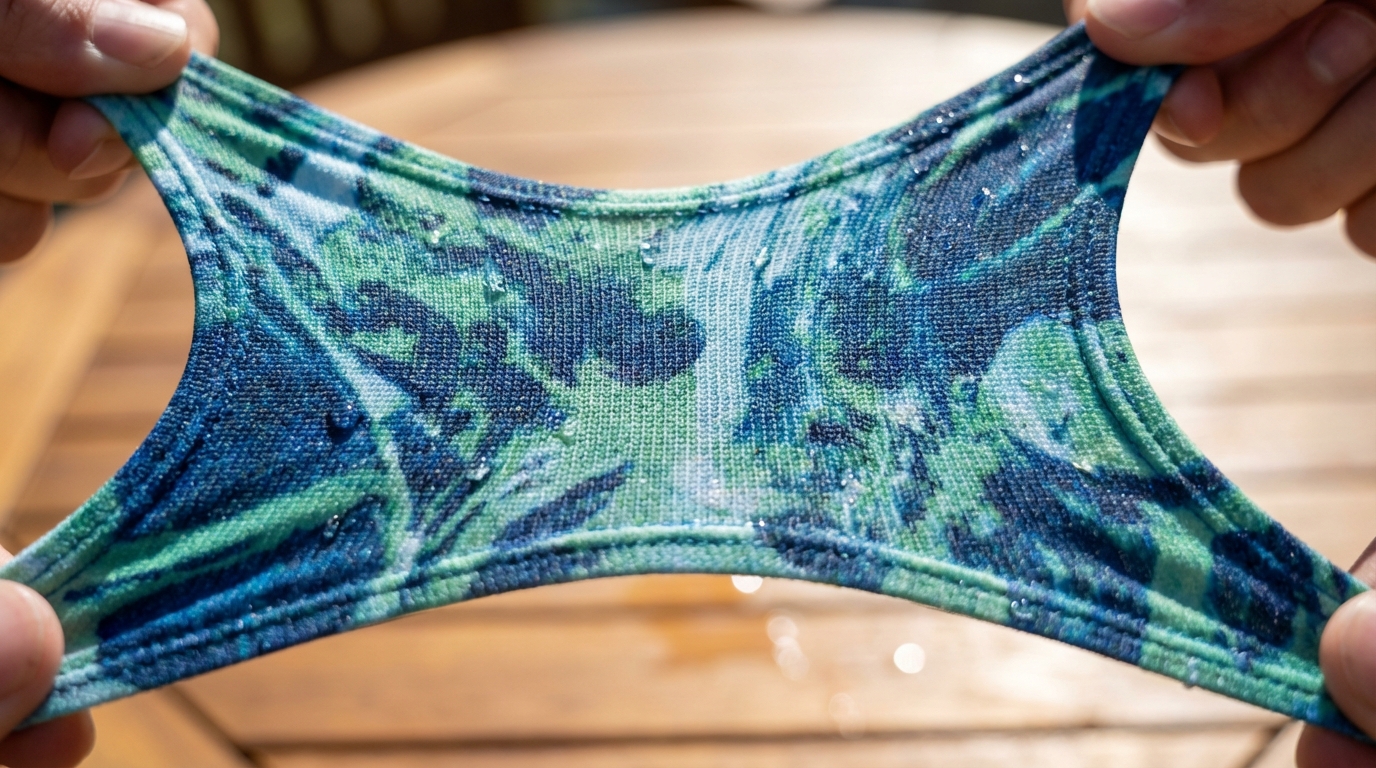
Stretch recovery is critical because it determines if the swimwear fabric will return to its original shape after being pulled or worn. While many fabrics can stretch, only high-quality materials possess the “memory” to snap back instantly without permanent distortion. This ensures the suit remains snug and flattering throughout a day of activity.
The 4-Way Stretch Performance Test
True performance swimwear requires 4-way stretch, meaning the fabric expands both horizontally and vertically. This allows the garment to move with the body’s natural contours. The secret?
- Pull the fabric to its limit and release it.
- It should return to its exact original dimensions instantly.
- Any “ghosting” or lingering ripples indicate poor recovery.
Preventing Sagging and Bagging
Bagging at the seat or knees is a classic sign of low-quality material with poor recovery. This occurs when the elastane fibers become overstretched and lose their ability to contract. Make no mistake: High-quality knits use high-tension circular knitting machines to ensure every loop is locked. This technical precision prevents the dreaded “saggy bottom” look that ruins a suit’s silhouette.
Key Takeaway: Prioritize 4-way stretch with high recovery percentages to ensure your swimwear maintains a professional, flattering fit for every body type.
| Stretch Type | Direction of Expansion | Common Issue | |
|---|---|---|---|
| 2-Way Stretch | One direction (usually width) | Restricts movement / poor fit | |
| 4-Way Stretch | Both Width and Length | Essential for high-performance | |
| Poor Recovery | Fails to snap back | Permanent bagging and sagging |
Analyzing the recovery capabilities of your textile samples is the most effective way to predict garment performance over a full season of wear.
How can you test color fastness in swimwear fabric?
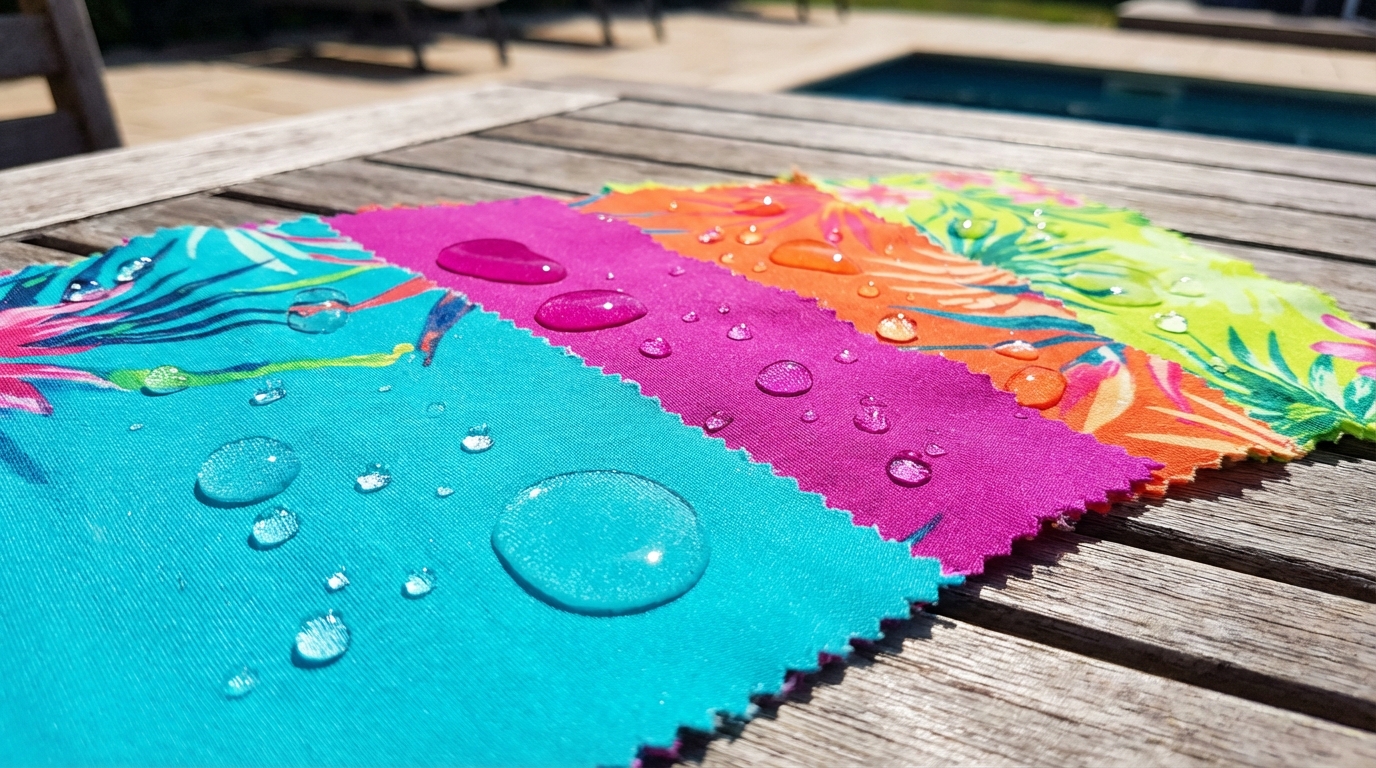
You test color fastness by subjecting swimwear fabric to “torture tests” involving salt water, chlorinated water, and intense UV exposure to see if the dyes bleed or fade. High-quality materials utilize advanced dyeing processes that lock the pigment into the fiber at a molecular level. For a B2B buyer, ensuring a color fastness grade of 3.5 or higher is standard for premium goods.
Resistance to Salt, Sun, and Sweat
Swimwear lives in the harshest environments for dyes—constant exposure to bright sunlight and corrosive salt. Poor quality dyes will “crock” (rub off) or fade into duller versions of themselves within hours. Think about this:
- Neon colors are historically the hardest to keep fast.
- Solution-dyed yarns offer the best color permanence.
- Proper fixing agents during the dyeing stage are essential.
Meeting High-Grade Dyeing Standards
Ask for ISO or AATCC testing results regarding color fastness to water, sea water, and perspiration. A professional manufacturer will have these records readily available for every batch produced. Wait, there’s more:
- Test for “bleeding” by soaking a dark swatch with a white one.
- If the white swatch picks up any color, the dye is not set.
- Consistent color across different batches is a hallmark of a top factory.
Key Takeaway: Rigorous color testing ensures your bright summer palettes remain vibrant and your brand avoids complaints about ruined white towels or fading suits.
| Test Type | Target Grade (1-5) | Purpose | |
|---|---|---|---|
| Sea Water Fastness | 4.0 or higher | Prevents fading from ocean salt | |
| Chlorinated Water | 3.5 or higher | Prevents bleaching in pools | |
| Light Fastness | 4.0 or higher | Resists fading under direct sun |
Ensuring high color fastness is a non-negotiable step in maintaining the visual appeal of your luxury or performance collections.
Is recycled swimwear fabric a high-quality choice?
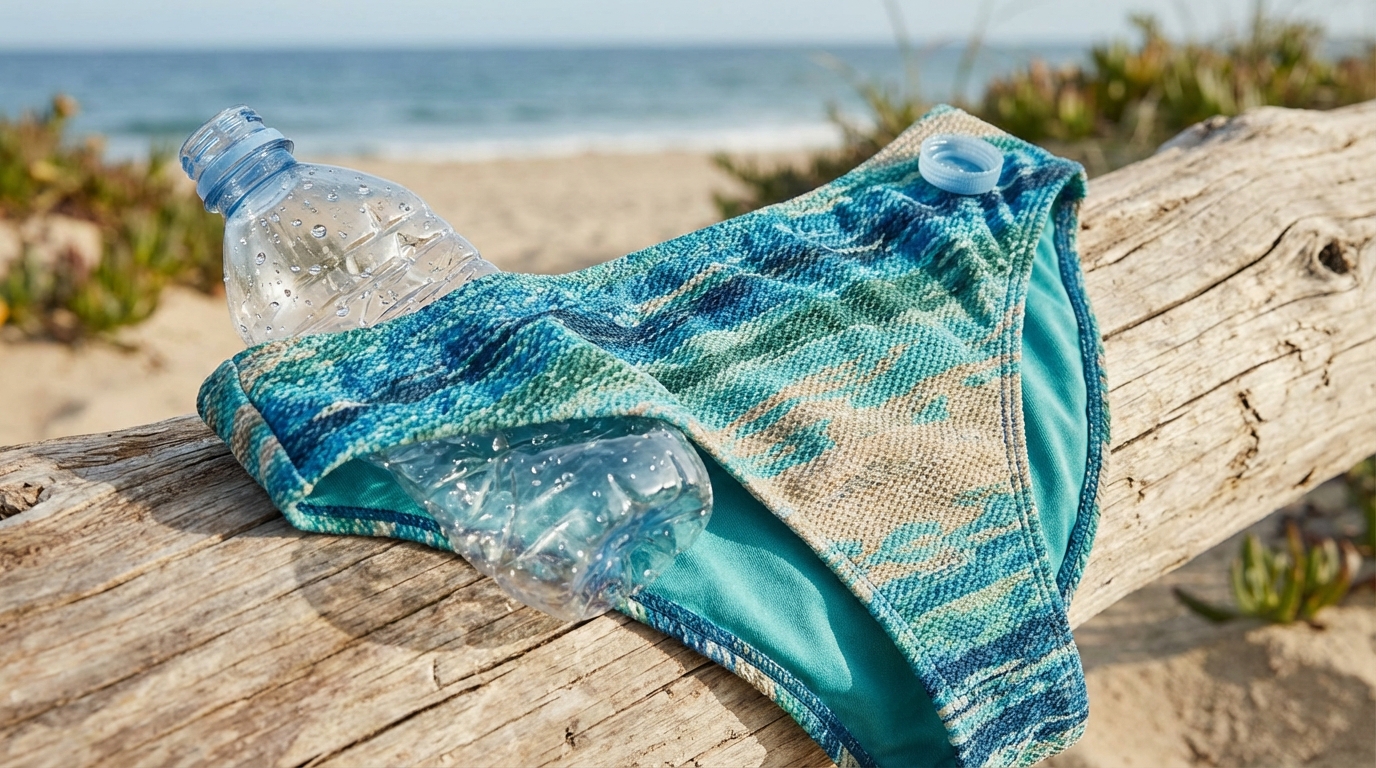
Recycled material is an excellent high-quality choice that performs identically to virgin textiles while appealing to the growing eco-conscious consumer base. Modern recycling technology can transform ocean plastic and post-consumer waste into high-performance nylon and polyester yarns. These eco-friendly options are no longer a compromise—they are a competitive advantage.
Benefits of GRS Certified Materials
The Global Recycled Standard (GRS) ensures that the yarn used in your fabric is truly recycled and processed under ethical conditions. These fibers are indistinguishable from virgin materials in terms of stretch and softness. Here is the deal:
- Recycled nylon (like Econyl) is incredibly soft.
- It provides a powerful marketing story for your brand.
- Sustainability is becoming a requirement for major retail entry.
Marketing Eco-Friendly Swim Collections
Consumers are increasingly willing to pay a premium for products that help clean the oceans. Using recycled content allows you to position your brand as a leader in the sustainable fashion movement. But wait: You must ensure your elastane is also of high quality, as the “recycled” label only applies to the base nylon or polyester. Combining a recycled base with premium elastane creates the ultimate sustainable performance suit.
Key Takeaway: Switching to GRS-certified recycled materials allows you to meet sustainability goals without sacrificing the technical performance of your suits.
| Material | Source | Performance vs. Virgin | |
|---|---|---|---|
| Recycled Nylon | Fishing nets / carpet waste | 100% Identical | |
| Recycled Polyester | Plastic PET bottles | 100% Identical | |
| Sustainable Blend | Recycled yarn + Spandex | High Performance |
Adopting recycled textiles is a strategic move that aligns your brand with global environmental trends while maintaining top-tier quality.
Which certifications prove your swimwear fabric is safe?
Certifications like OEKO-TEX Standard 100 prove that your swimwear fabric is free from harmful chemicals and safe for skin contact. In the global market, these labels act as a “passport” for your products, ensuring they meet the strict regulatory requirements of Europe and North America. Without these certifications, you risk having your shipments seized or facing legal liability.
The Importance of OEKO-TEX Standard 100
This is the most recognized certification for textile safety worldwide. It tests for hundreds of regulated and non-regulated substances, including azo dyes, formaldehyde, and phthalates. Think about it:
- Swimwear is worn directly against the skin.
- Moisture and heat increase the skin’s absorption of chemicals.
- Certified fabrics guarantee safety for both adults and infants.
SGS and ISO Quality Verification
While OEKO-TEX covers safety, SGS and ISO certifications focus on quality management and technical performance. These third-party audits prove that the factory maintains consistent standards across every meter of fabric. Check this out:
- ISO 9001 proves the factory has a rigorous QC system.
- SGS reports provide independent proof of GSM and stretch.
- Verified suppliers reduce the risk of receiving “bait and switch” samples.
Key Takeaway: Never source from a factory that cannot provide current, verifiable certification documents for their specific textile lines.
| Certification | Focus Area | Market Relevance | |
|---|---|---|---|
| OEKO-TEX 100 | Chemical Safety | Critical for EU / US retail | |
| GRS | Recycled Content | Vital for sustainable brands | |
| ISO 9001 | Quality Management | Proof of reliable manufacturing |
By insisting on these certifications, you protect your brand from safety recalls and ensure a high standard of production.
How do you source swimwear fabric from a top factory?

Sourcing from a top factory requires looking for a vertically integrated manufacturer that controls both the knitting and dyeing processes in-house. This level of control minimizes delays and ensures that the color and texture of the final bulk order match your approved sample exactly. For B2B buyers, a factory that offers flexibility with Low Minimum Order Quantities (MOQ) is the ideal partner for scaling a brand.
Evaluating Factory Knitting Capabilities
A top-tier factory will utilize modern, computerized circular knitting machines that produce consistent tension and loop structure. Ask about their machine count and their monthly capacity to gauge their scale. The best part?
- High-speed machines reduce lead times.
- Precision knitting minimizes fabric defects.
- In-house expertise allows for custom weight and texture development.
Balancing Low MOQ and Rapid Sampling
In the fashion world, speed is everything. You need a partner who can provide rapid swatches for your mood boards and small-run production for initial market testing. But wait, there’s more:
- Seek out manufacturers with a 100kg MOQ.
- Look for “in-stock” programs for faster delivery.
- Ensure they offer custom dyeing services to match your specific brand colors.
Key Takeaway: A reliable manufacturing partner is more than a supplier; they are a technical consultant that helps you navigate the complexities of textile engineering.
| Selection Criteria | Good Factory | Elite Factory | |
|---|---|---|---|
| Integration | Outsourced Dyeing | Vertical In-House Facility | |
| Lead Time | 4 – 6 weeks | 2 – 3 weeks | |
| MOQ | 500kg+ | 100kg (Flexible) |
Selecting the right partner ensures that your innovative designs are backed by the technical excellence required to succeed in a competitive market.
Conclusion
Selecting the right material is a balance of science, aesthetics, and safety. By focusing on critical metrics like high GSM weights, 4-way stretch recovery, and verified chlorine resistance, you ensure your products can withstand the rigors of sun, salt, and water. High-quality construction not only protects your brand reputation but significantly lowers return rates and fosters long-term customer loyalty.
Whether you are launching a luxury boutique line or a high-performance athletic collection, the technical integrity of your textile is your strongest asset. At MAKITAPE Fabric, we specialize in providing certified, high-performance textiles with the flexibility of low MOQs and rapid sampling to help your brand scale efficiently.
Ready to elevate your next collection with professional-grade materials? Contact us today to request a free sample pack and discover the difference that vertically integrated manufacturing can make for your brand.
FAQ
1. Can I use standard activewear fabric for swimwear?Generally, no, because most standard activewear lacks the specific chlorine and salt resistance required for aquatic environments. While both may have stretch, swimwear-specific textiles are treated to prevent the elastane from breaking down when submerged in treated pool water.
2. What is the best GSM for high-quality swimwear?A GSM between 190 and 240 is ideal for premium swimwear. This range provides the necessary density to ensure the fabric remains opaque when wet while offering enough structure for a flattering, high-end fit.
3. How do I know if a swimwear fabric is truly chlorine-resistant?Check for the specific type of elastane used in the blend, such as Creora Highclo or Lycra Xtra Life. Additionally, you should request a laboratory test report from the supplier that specifically measures the fabric’s performance after exposure to chlorinated water.
4. Is Nylon or Polyester better for fashion swimwear?Nylon is typically better for fashion because it has a softer, silkier hand-feel and can be dyed in more vibrant, saturated colors. However, if the suits are intended for frequent pool use, a high-quality Polyester blend may be more practical due to its superior durability.
5. How can I verify if a fabric is actually made from recycled ocean plastic?You must ask the supplier for a valid Global Recycled Standard (GRS) certificate. This certification tracks the material through the entire supply chain, ensuring that the yarn is genuinely sourced from recycled waste and not just standard virgin plastic.